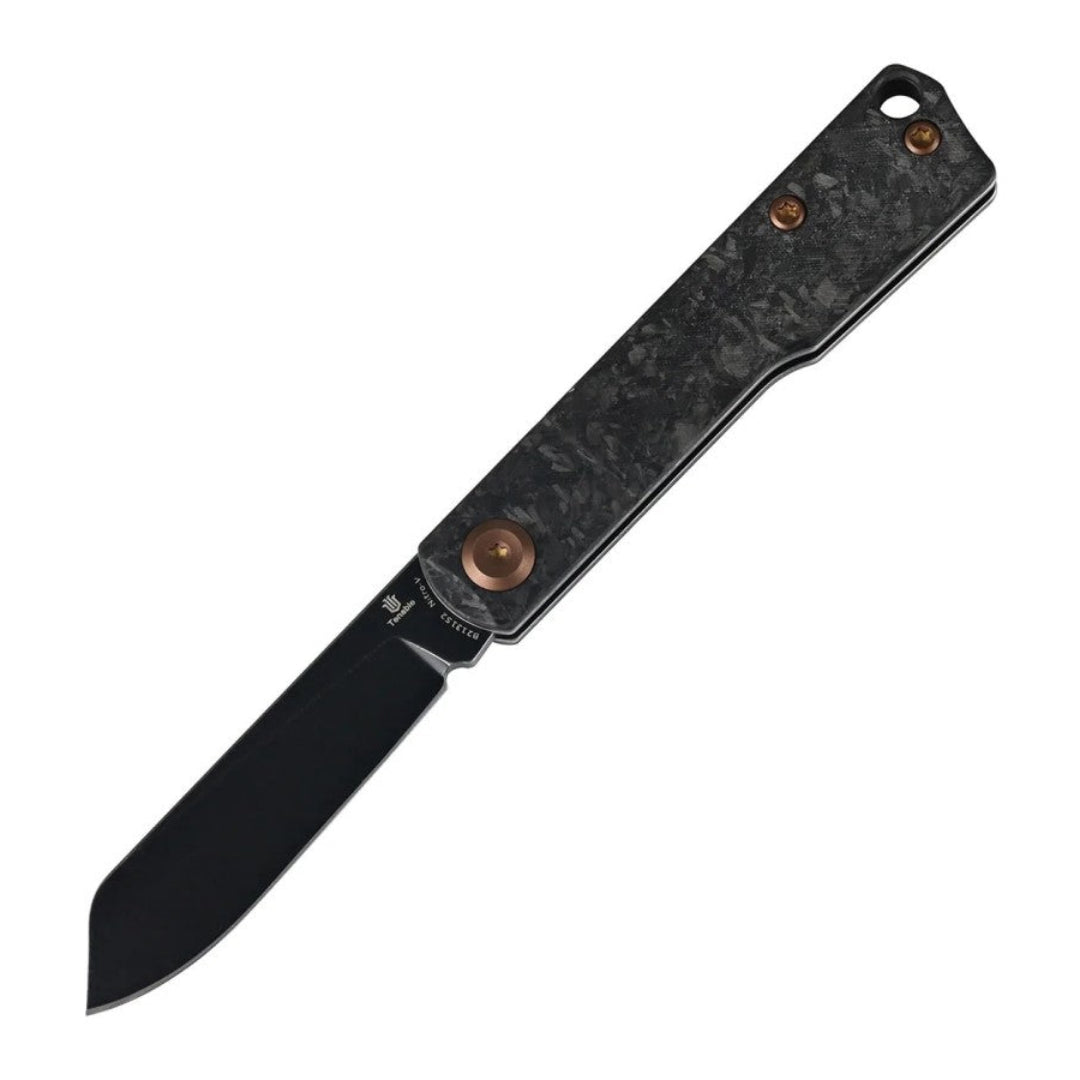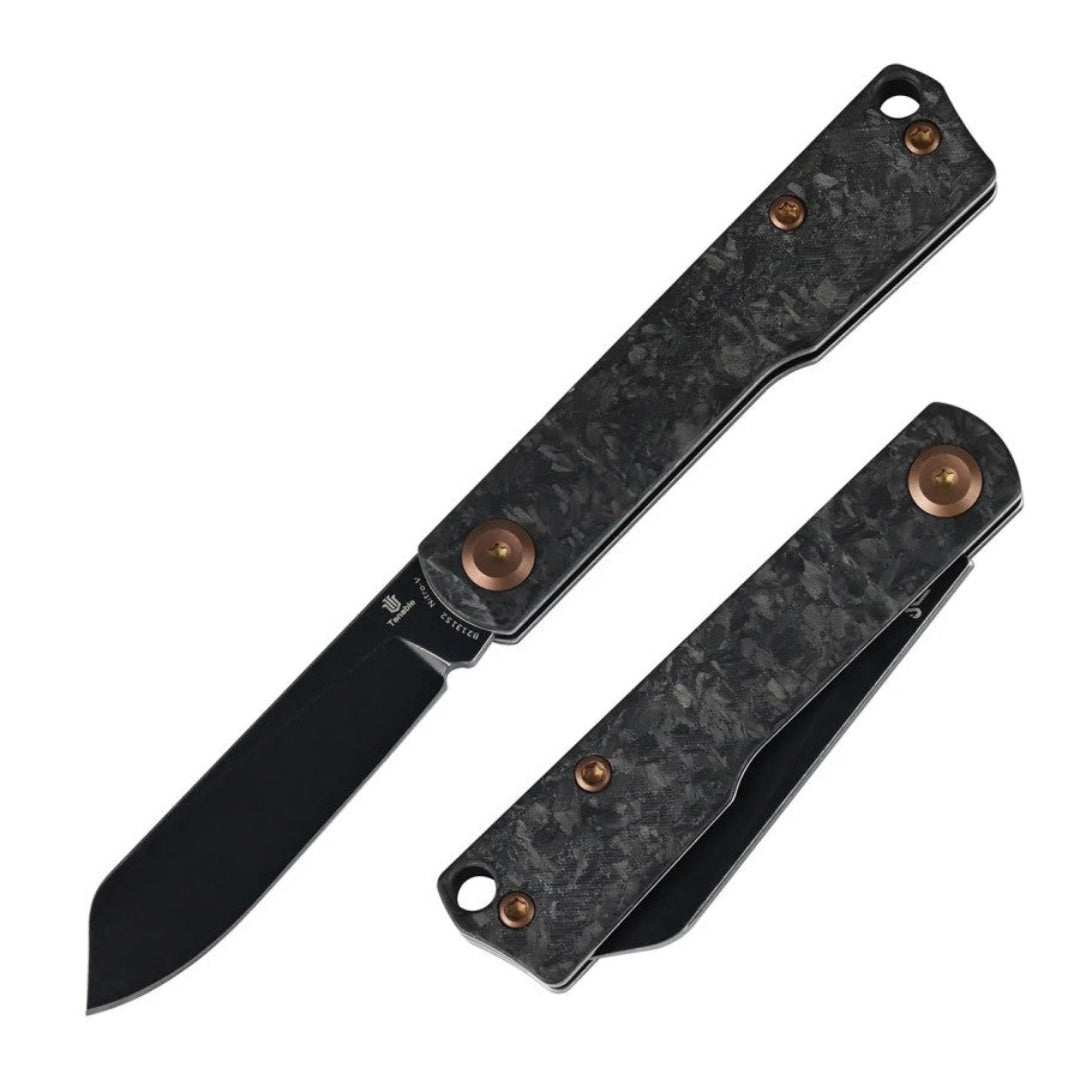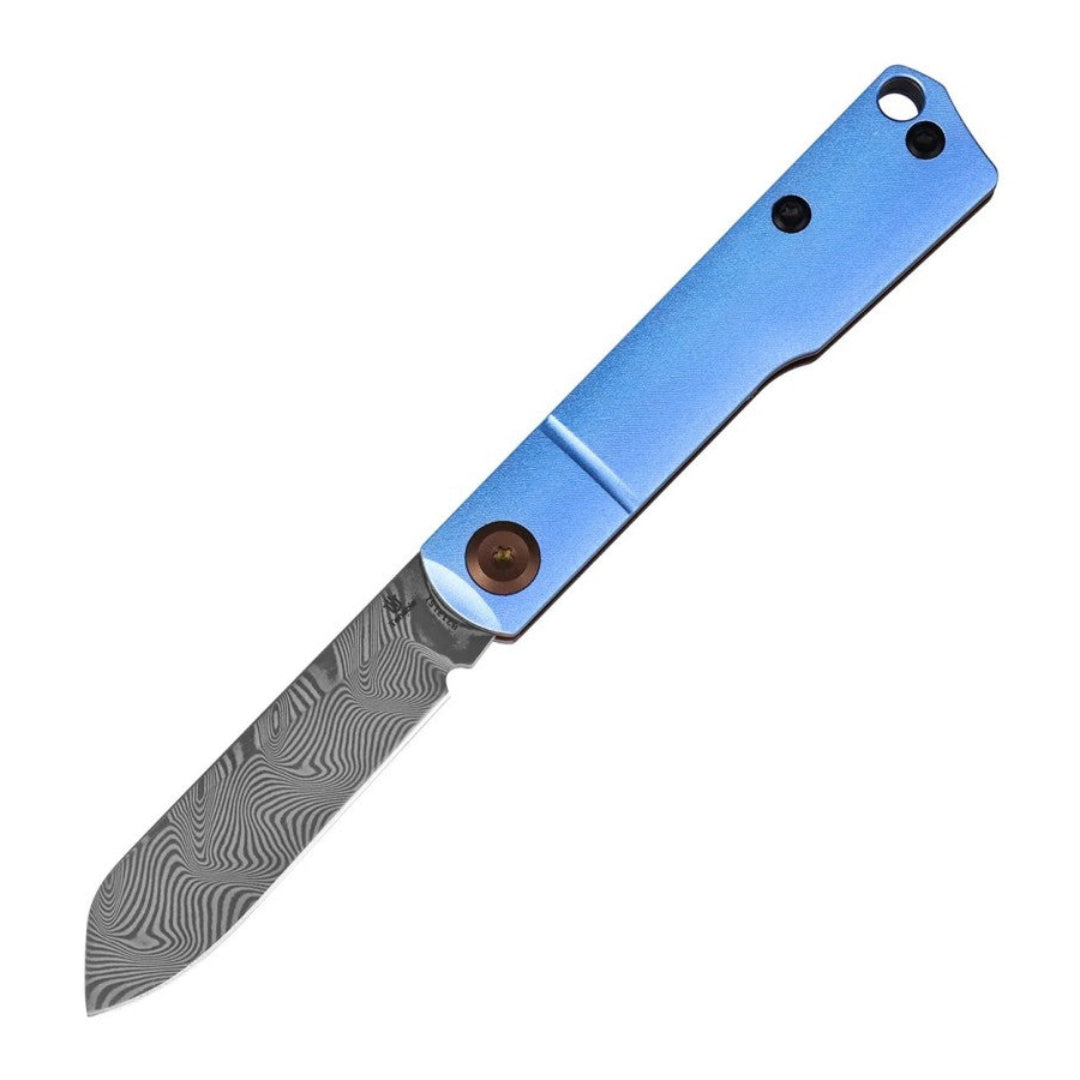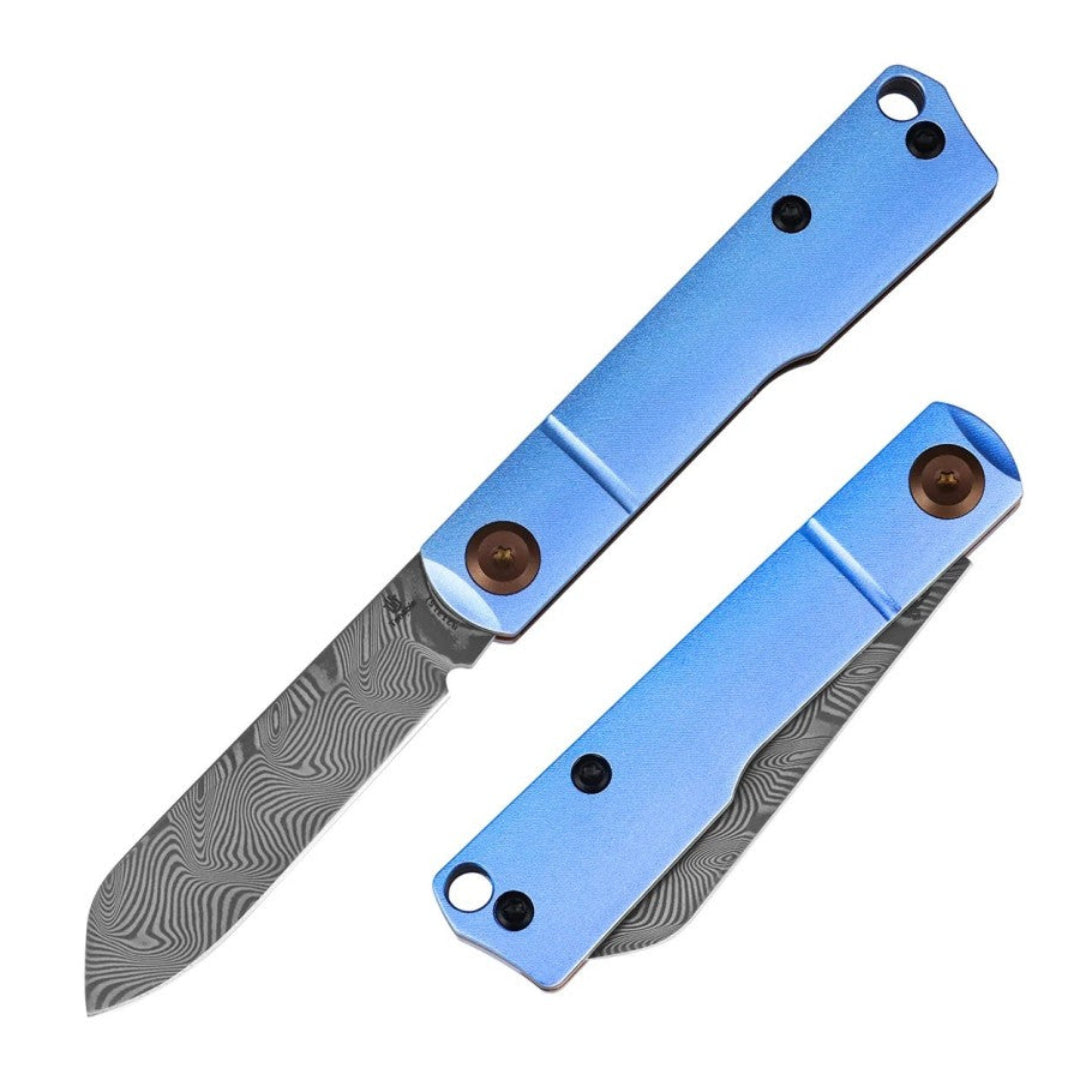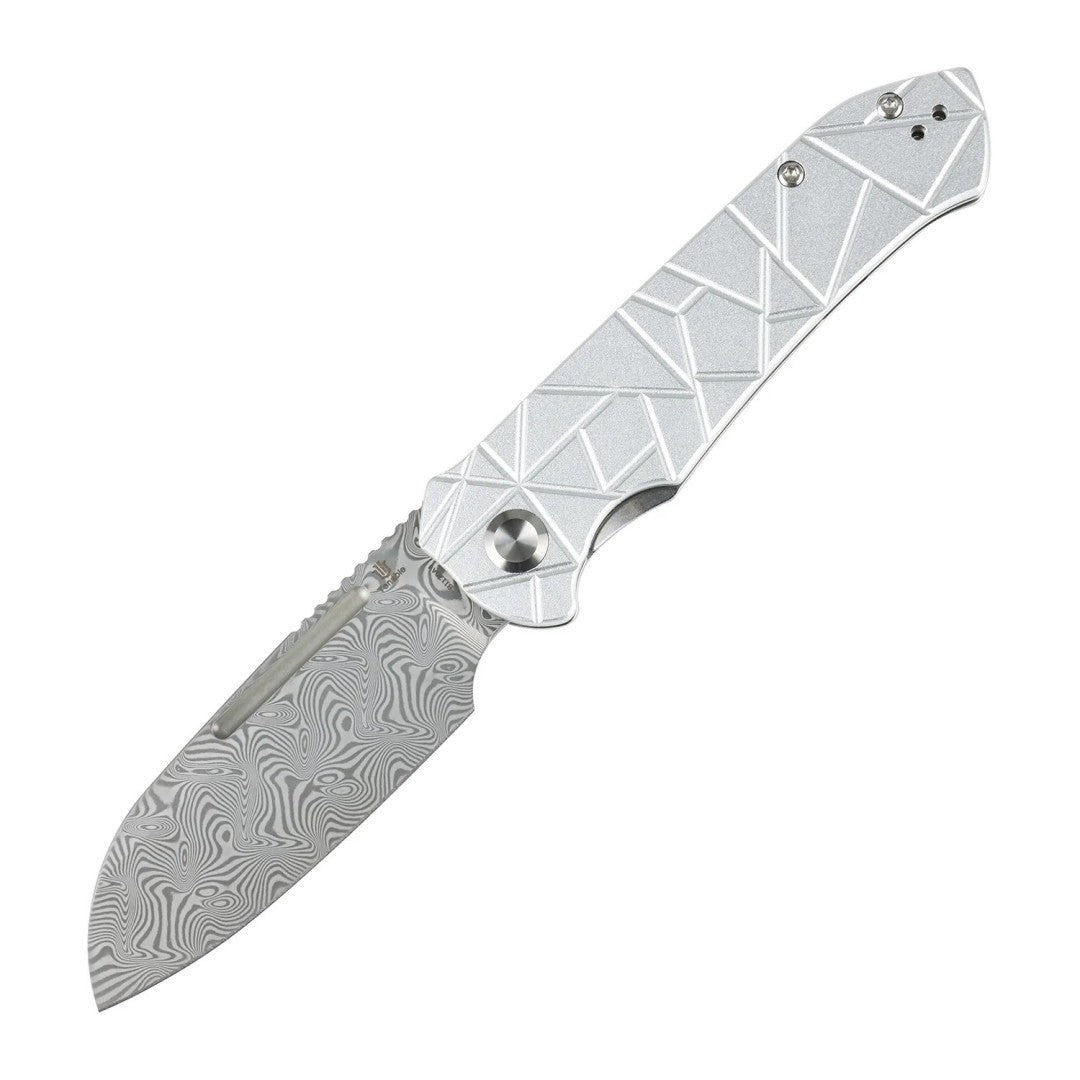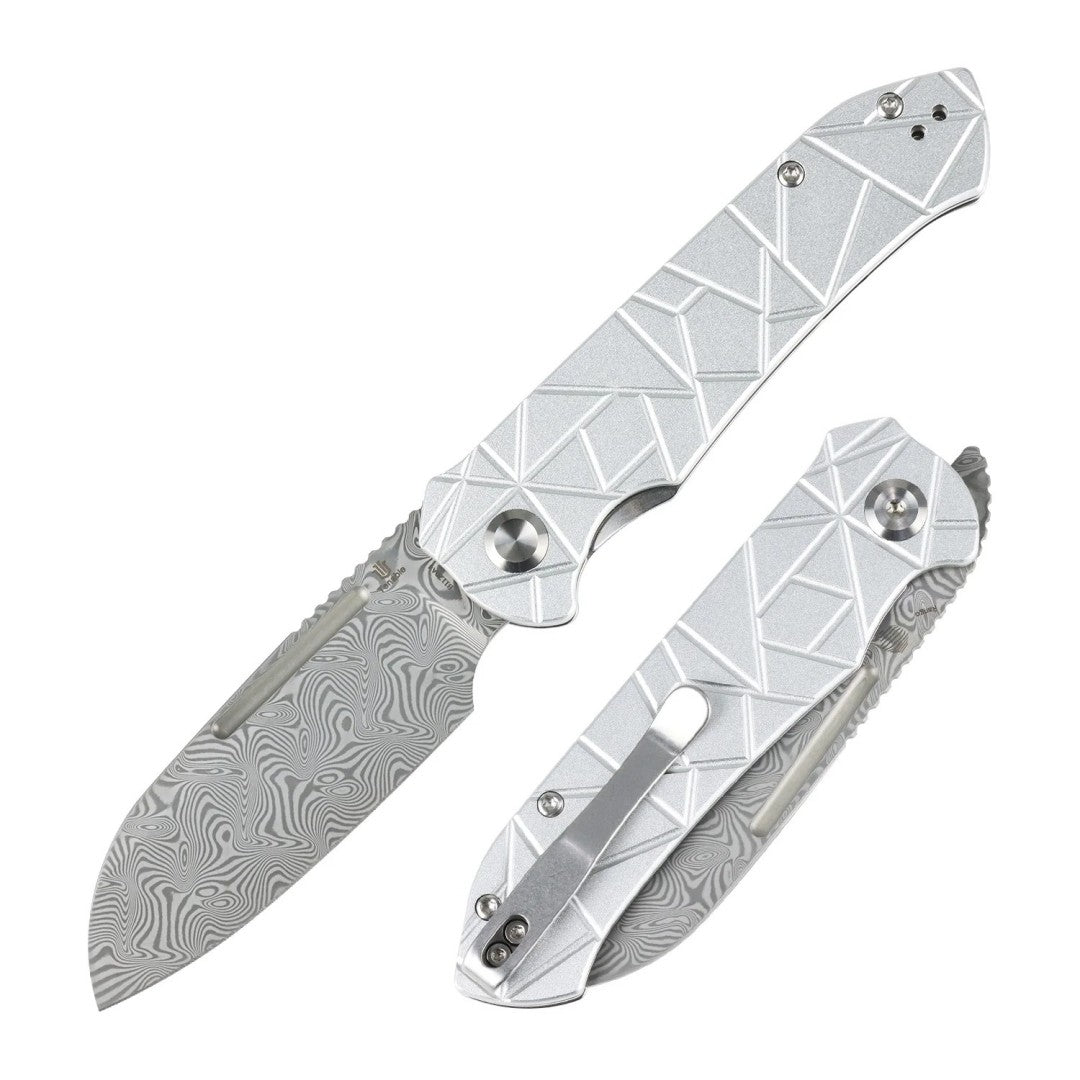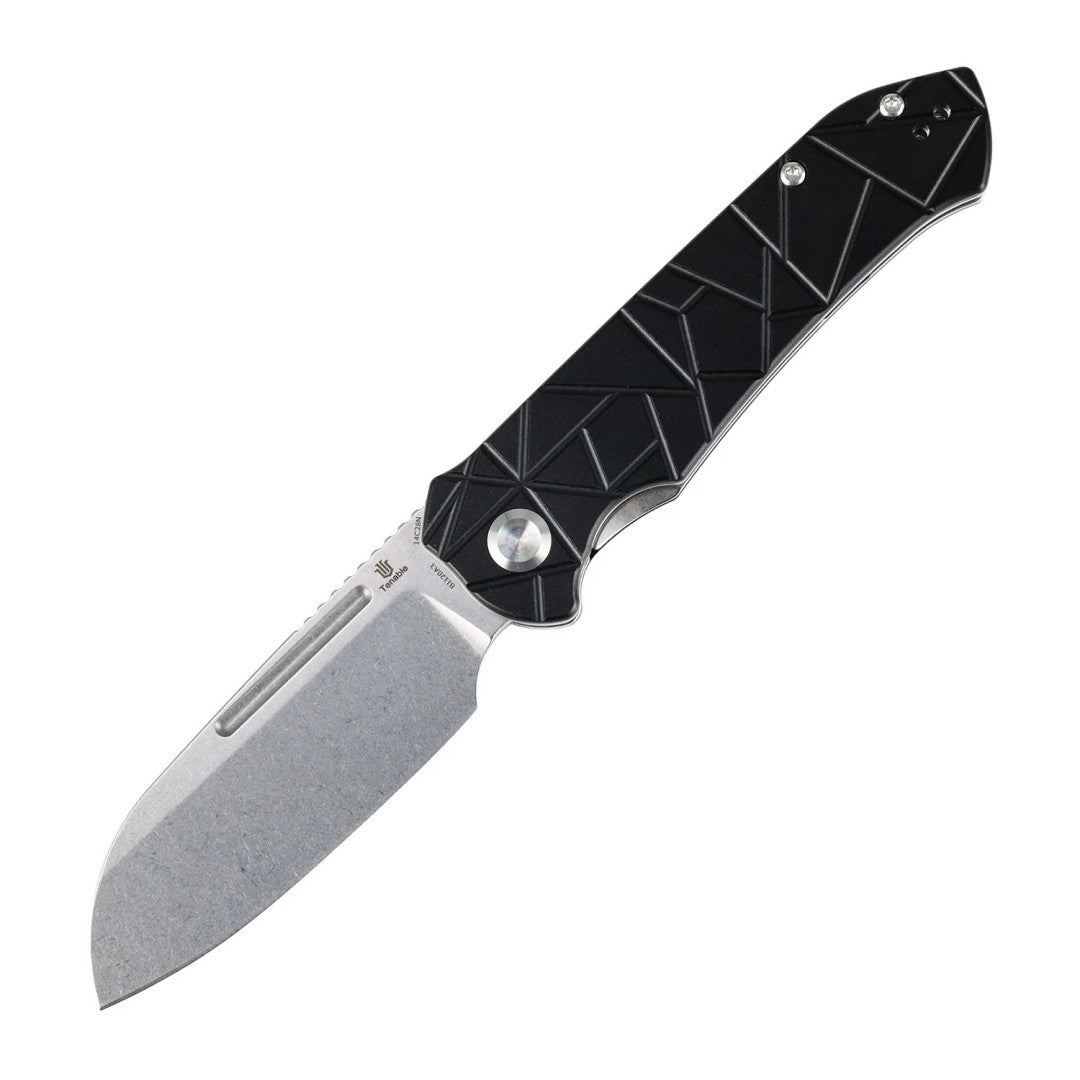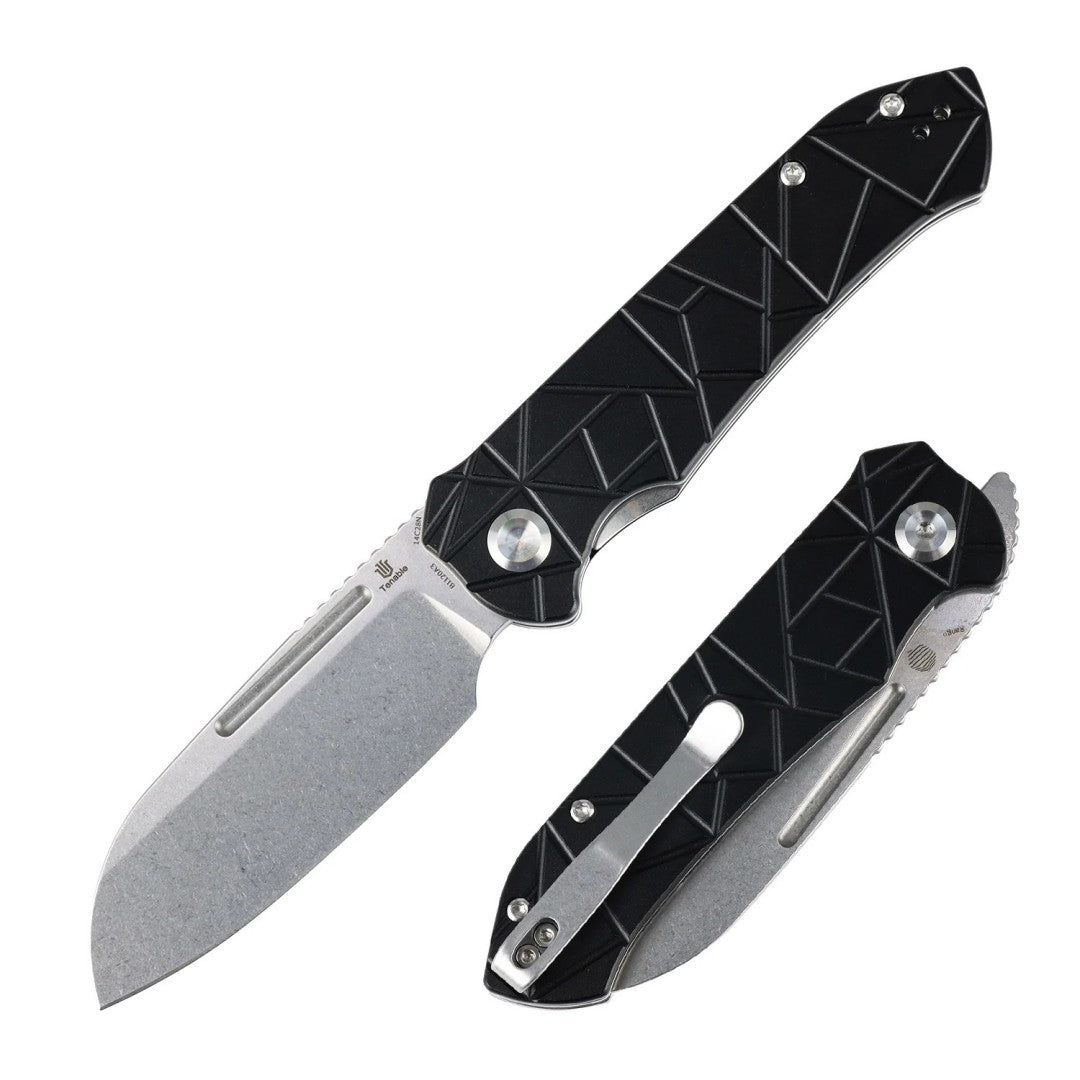
When you navigate to the page for the Rockstead SHU-KOI, the first thing that hits you—before you even read the specifications or admire the titanium scales—is the price. It is a number that commands attention, and for many in the Everyday Carry (EDC) community, it triggers an immediate internal debate: Is a folding knife really worth that much?
To understand the Rockstead SHU-KOI, one must look past the immediate sticker shock and understand the economics of high-end Japanese craftsmanship. When you pay for a Rockstead, you are not simply buying a blade that cuts; you are investing in a proprietary industrial process, a specific level of metallurgical science, and an after-sales service model that is virtually unique in the knife industry.

The Material Cost: Pushing the Limits of Metallurgy
The primary driver of the cost is the material science involved. The SHU-KOI utilizes ZDP-189 steel, a material that is notorious in the knife world for being incredibly difficult to process. Most manufacturers avoid pushing this steel to its absolute potential because the failure rate during heat treatment is high.
Rockstead, however, does not avoid this risk; they embrace it. By treating the steel to a hardness of approximately 67 HRC, they are operating at the razor's edge of what stainless steel can physically achieve without becoming uselessly brittle. Achieving this level of hardness while maintaining structural integrity is an expensive, labor-intensive, and time-consuming process. The "value" here is not just the steel itself, but the years of R&D and the high scrap rates required to ensure that every single blade that leaves the factory meets these exacting standards.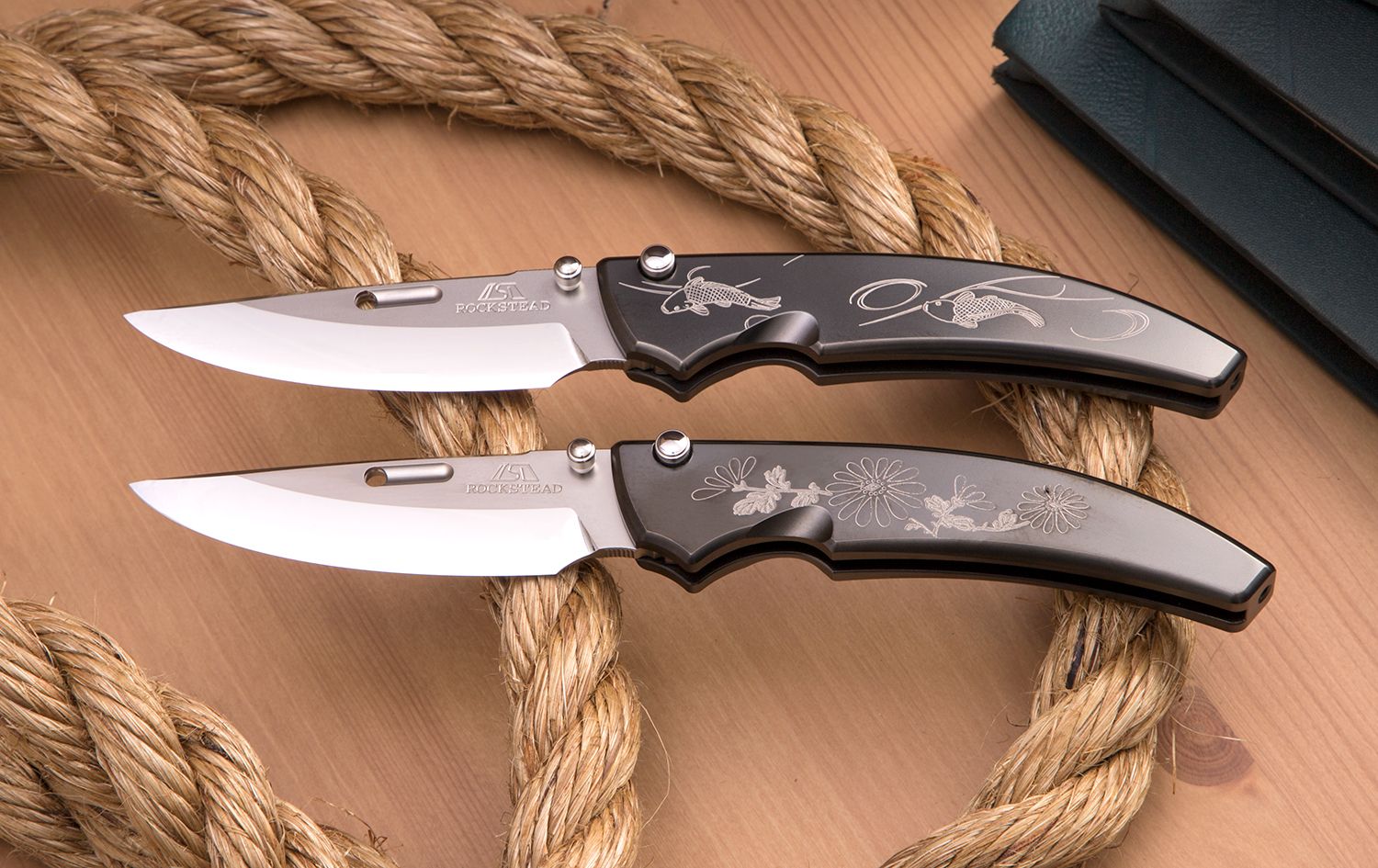
The Labor of Luxury: The Mirror Finish
If you look closely at the SHU-KOI, the most striking feature is the mirror-polished blade. In the world of industrial manufacturing, a mirror polish is often the most expensive finish to apply. It requires meticulous, multi-stage hand-polishing that cannot be automated. Any mistake—a single slip—ruins the piece.
This finish is not merely aesthetic. As with all Rockstead blades, the mirror polish serves a functional purpose: it reduces the coefficient of friction. When you slice through a material, there is less resistance against the blade. This is a design choice that prioritizes performance over cost-cutting, demonstrating that the price tag is tied directly to the hours of human labor required to finish the knife.
The "Spa Service": Amortizing the Cost
One of the most overlooked aspects of the Rockstead value proposition is their factory maintenance service. If you buy a high-end production knife from a mainstream manufacturer and use it for five years, it will inevitably dull, get scratched, and eventually be relegated to a drawer or the trash. The value of that knife decreases to near zero over time.
Rockstead approaches this differently. When you buy a SHU-KOI, you are purchasing an "everlasting" tool. The factory offers a comprehensive re-sharpening and maintenance service. They can restore the blade to its original factory-perfect mirror finish and sharpness, no matter how much you use it. When you factor in this service, the "cost per use" over the lifetime of the knife drops precipitously. You are not buying a consumable; you are buying an heirloom. This drastically alters the value calculation.
The Mechanical Value: The Button Lock
The SHU-KOI features a button lock, a mechanism that requires tight tolerances to ensure it is both secure and buttery smooth. While many knives feature button locks, the consistency and action of a Rockstead are a cut above. The internal engineering, the precision of the detent, and the way the blade falls closed are the results of a company that refuses to use shortcuts in mechanical design. The value here is found in the tactile experience—the "fidget factor" and the confidence that the lock will not fail, which is paramount for a high-end tool.
The Investment Perspective
Finally, we must address the secondary market. Rockstead knives have a reputation for retaining value in a way that few other brands can match. Unlike consumer electronics or mass-produced gear that depreciates the moment you open the box, a well-maintained Rockstead often holds its value or appreciates over time. Collectors recognize the labor and the rarity of these pieces. For the buyer, this means the money spent on a SHU-KOI is not "gone"; it is tied up in a tangible asset that can be liquidated or traded within the enthusiast community.
Conclusion: Is it Worth It?
The Rockstead SHU-KOI is not for the person who needs a tool to pry open crates at a construction site. It is for the person who views the knife as a piece of engineering art.
When you strip away the branding and the marketing, you are left with a simple truth: you are paying for the lack of compromise. You are paying for a blade that has been treated to 67 HRC, a finish that takes days to perfect, and a company that guarantees the knife will stay sharp for a lifetime.
Is the SHU-KOI expensive? Undeniably. But when you account for the metallurgical mastery, the artisanal labor, and the permanent factory support, the value proposition becomes clear. It is not an expense; it is a long-term investment in the pinnacle of cutting technology. For those who demand the absolute best, the price of the SHU-KOI is simply the cost of admission to a higher tier of quality.