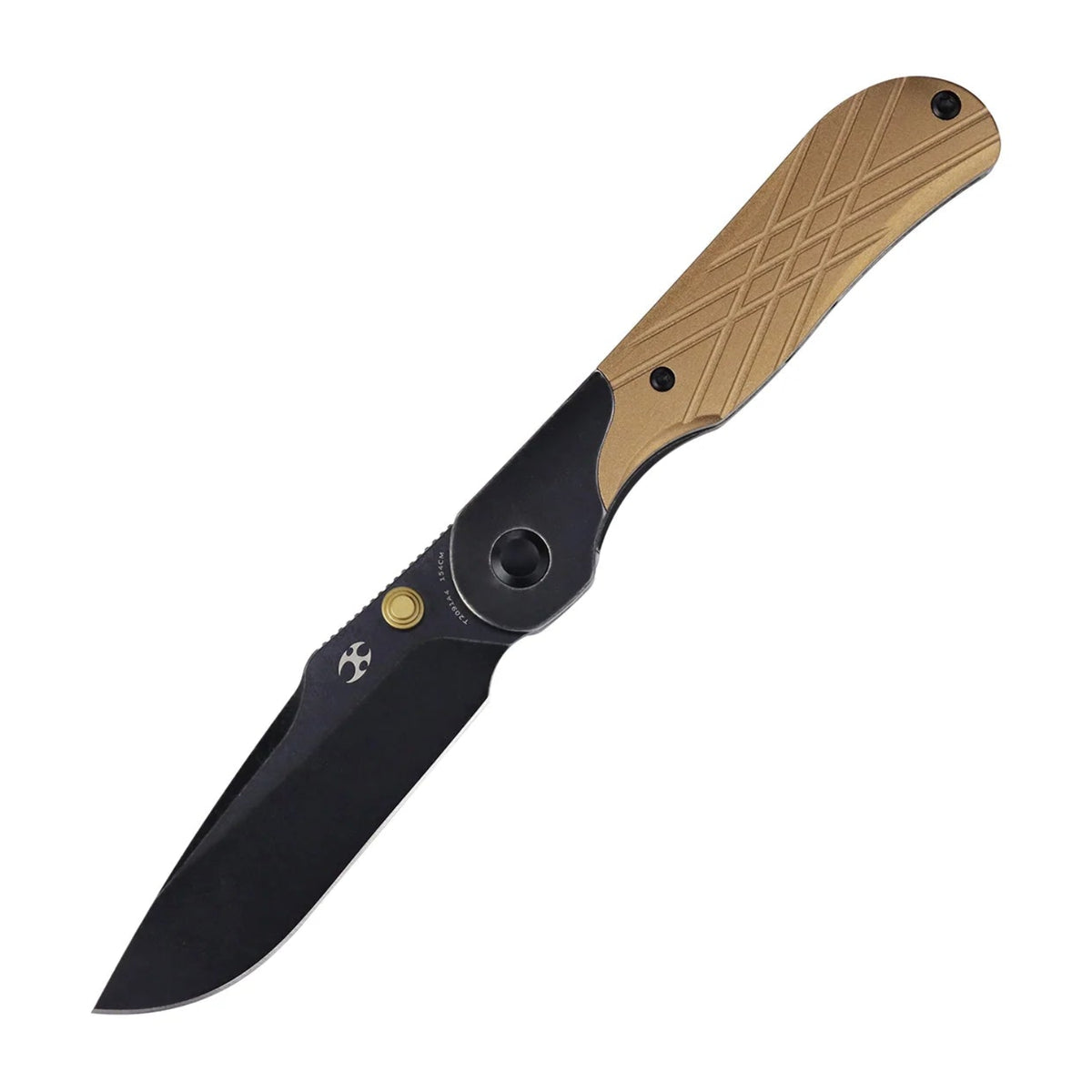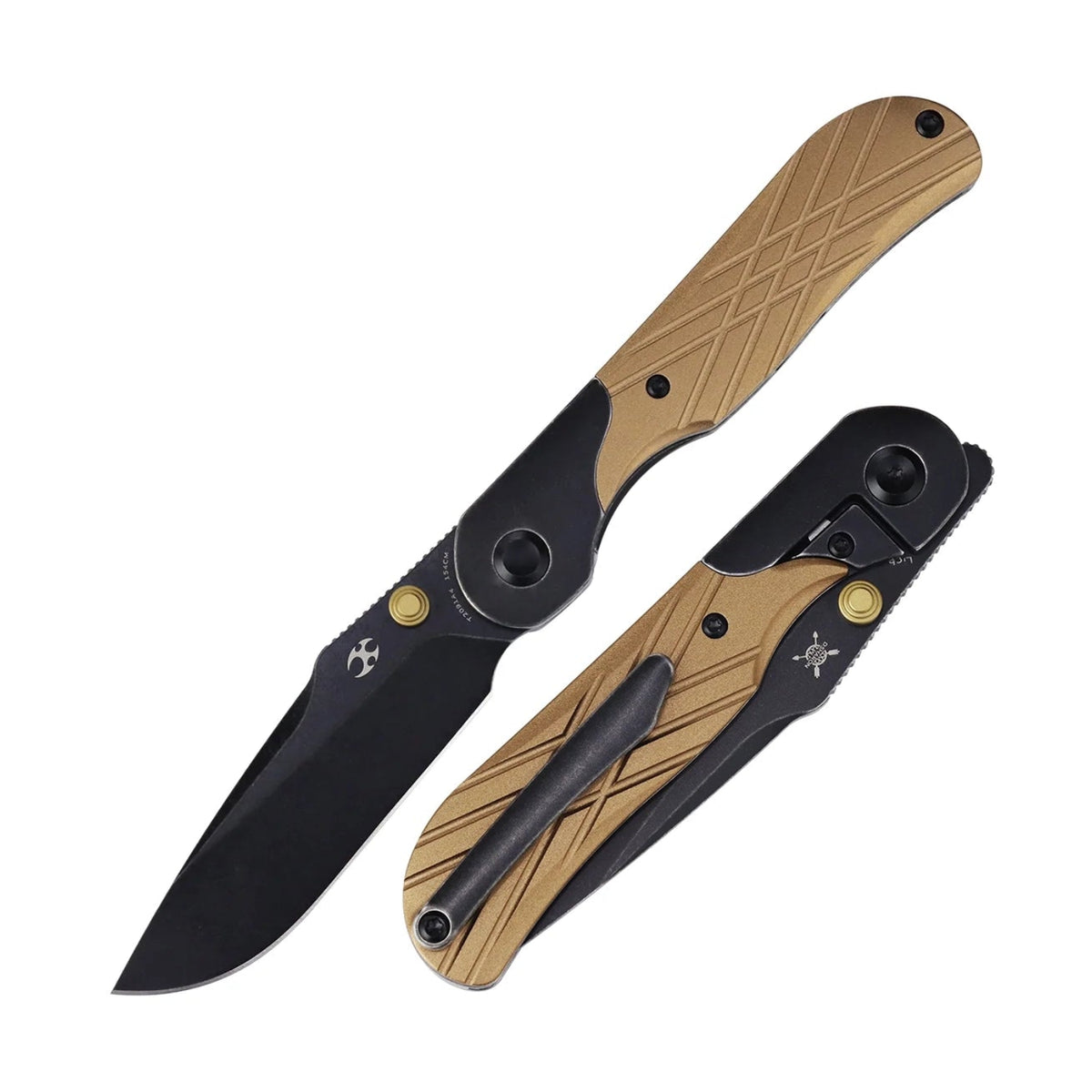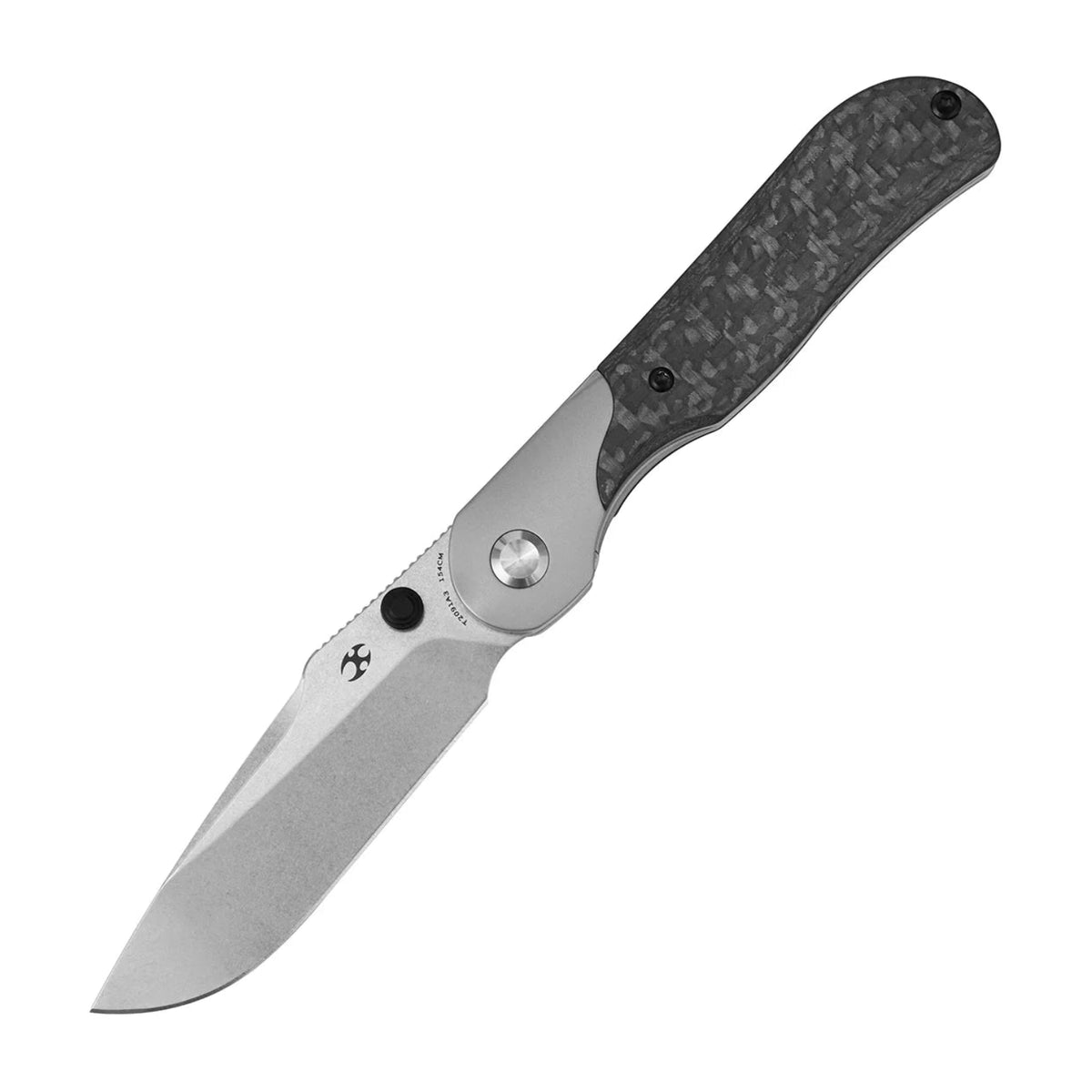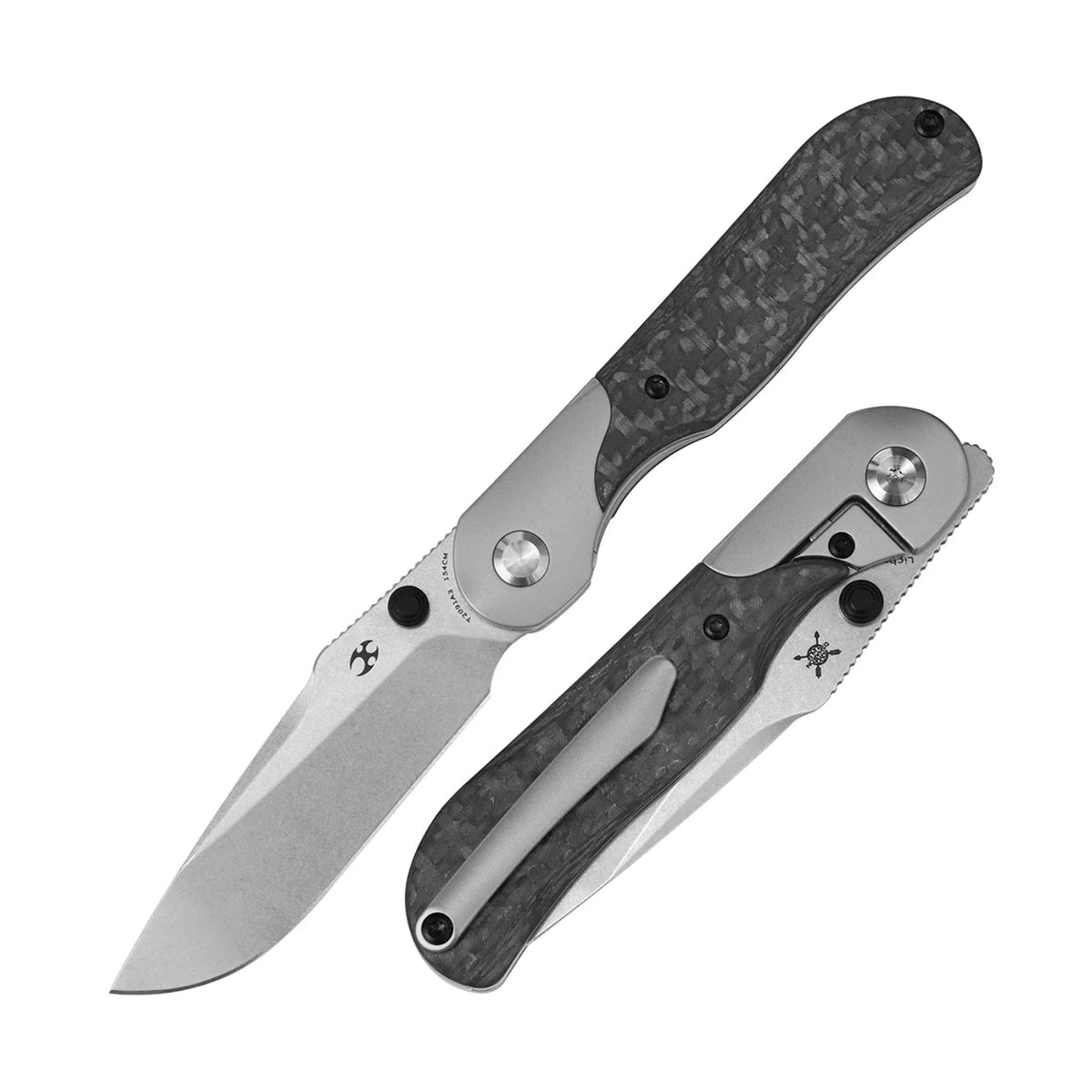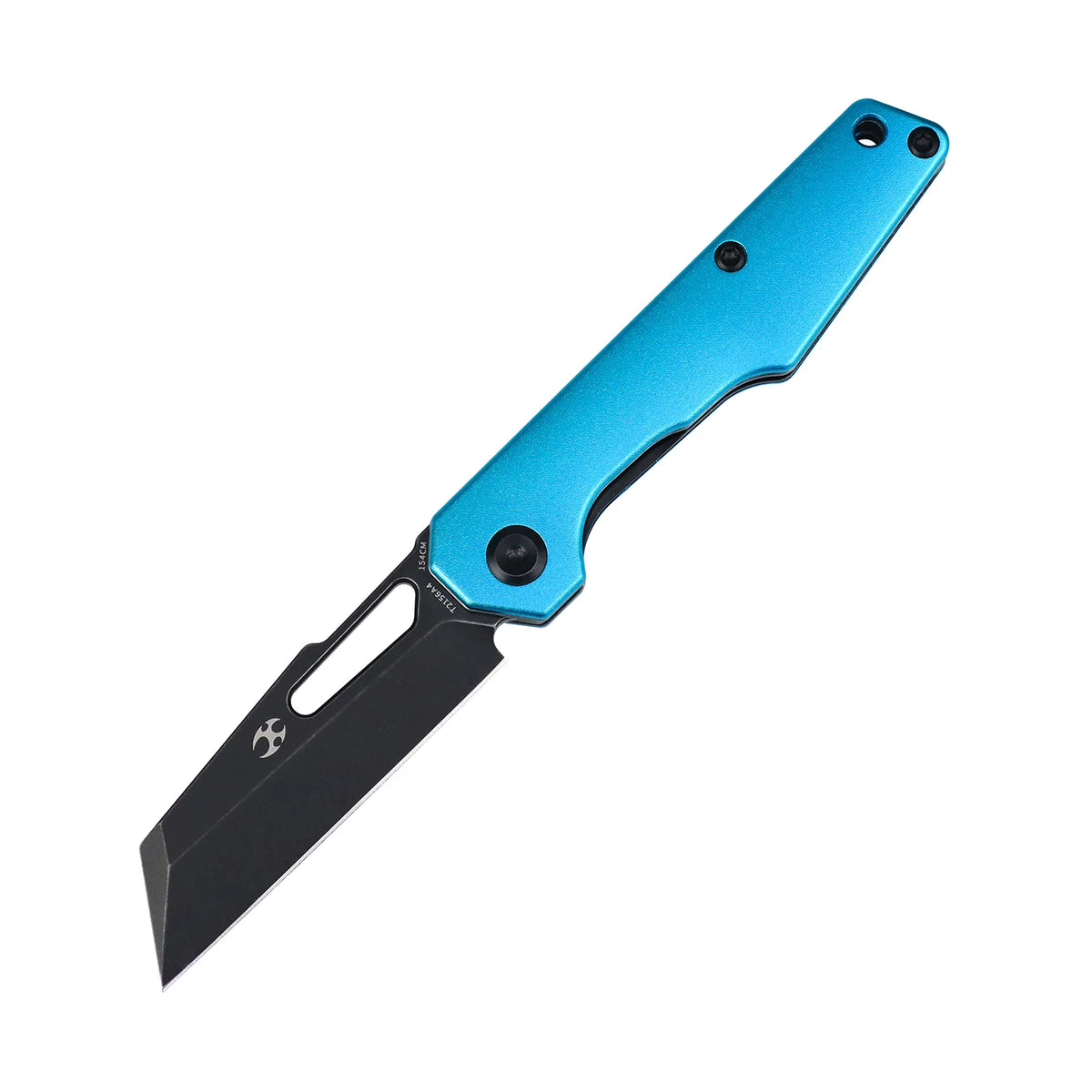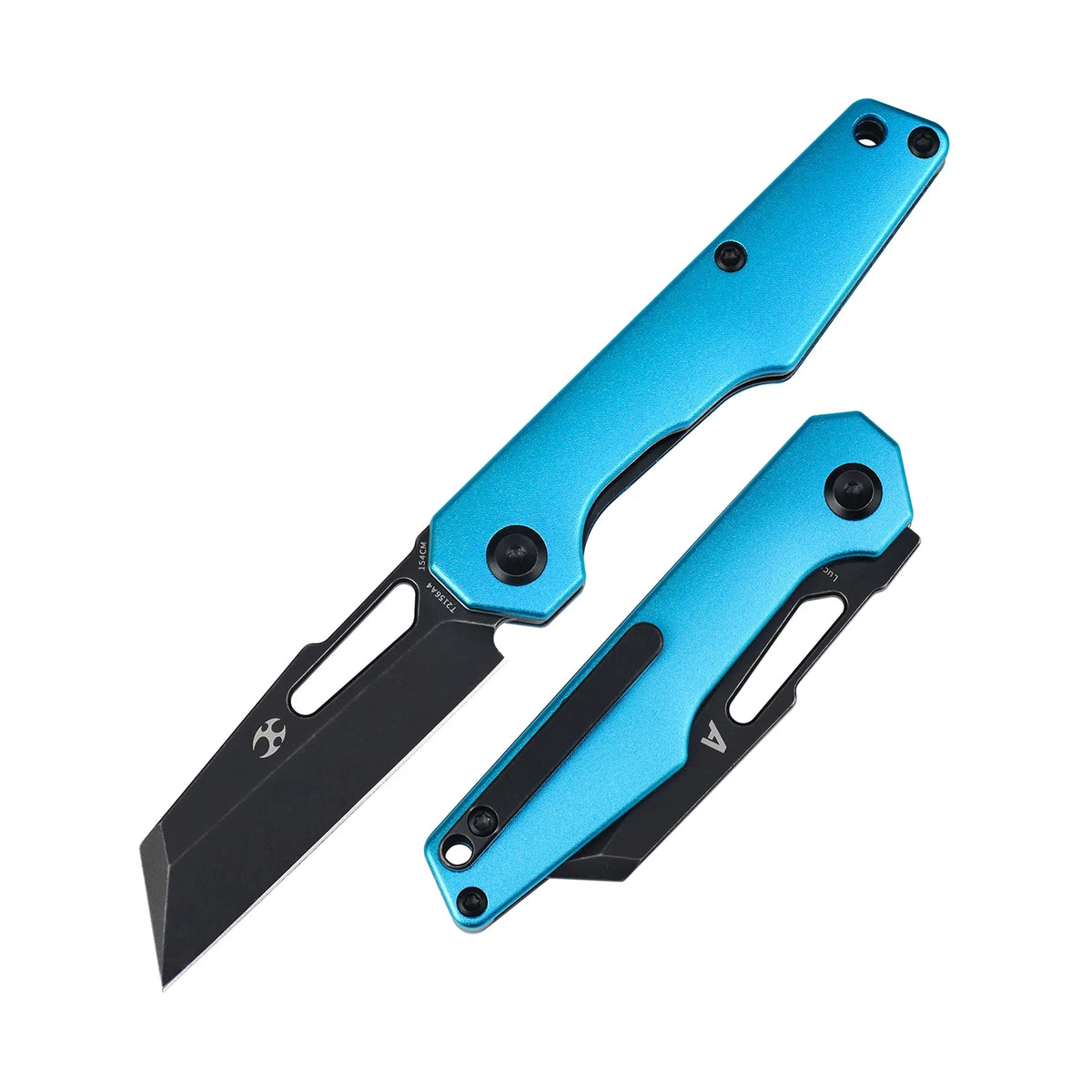

Overview & First Impressions
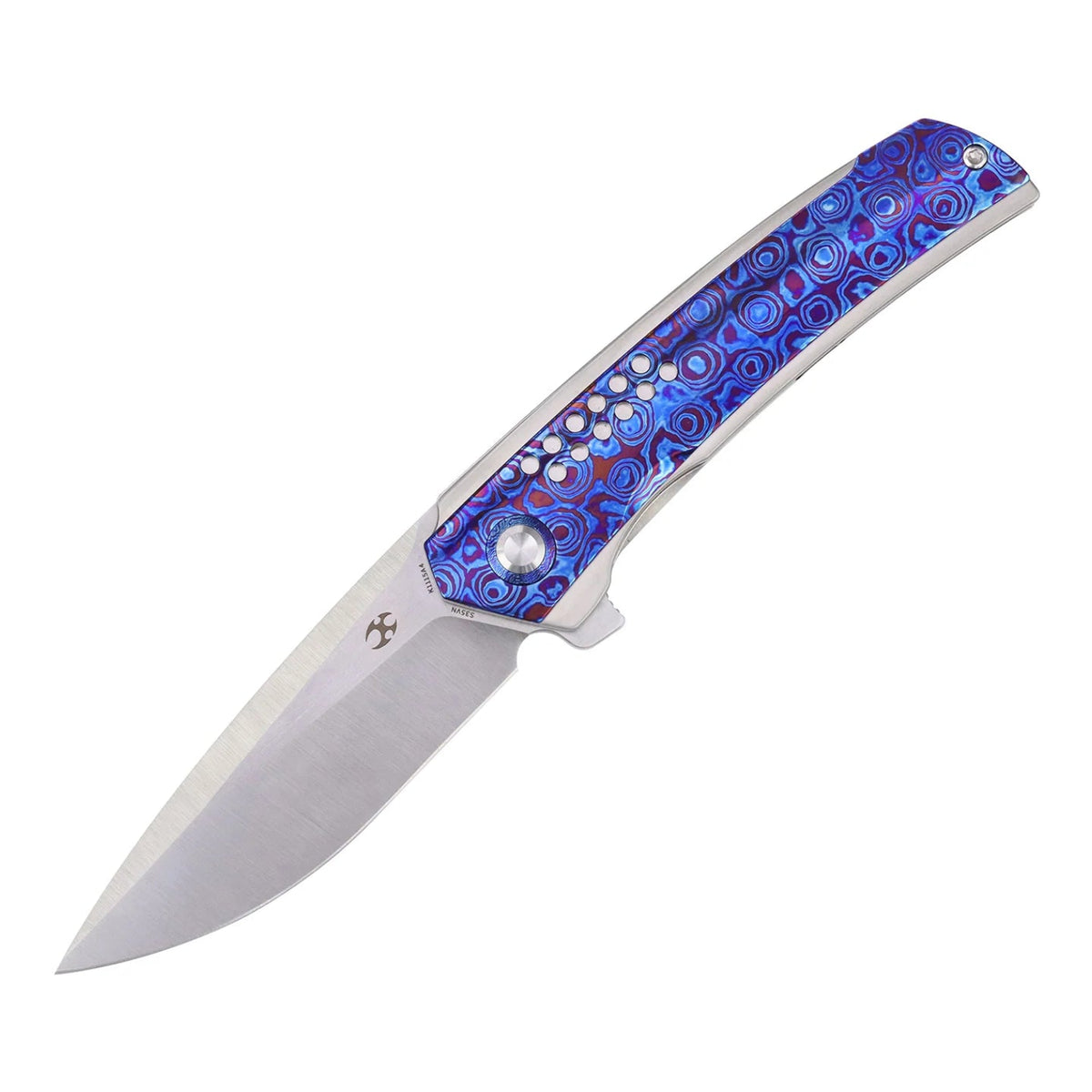
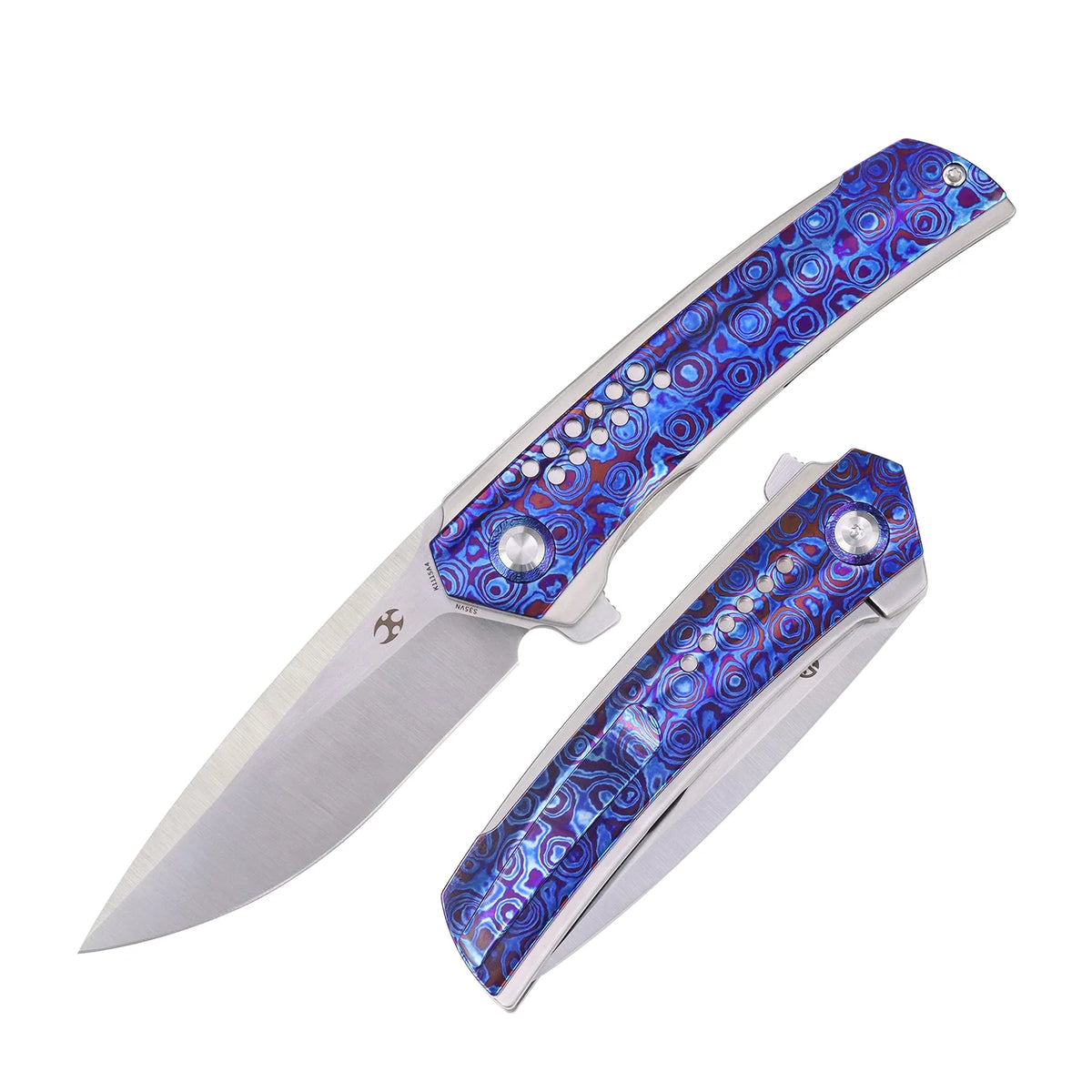
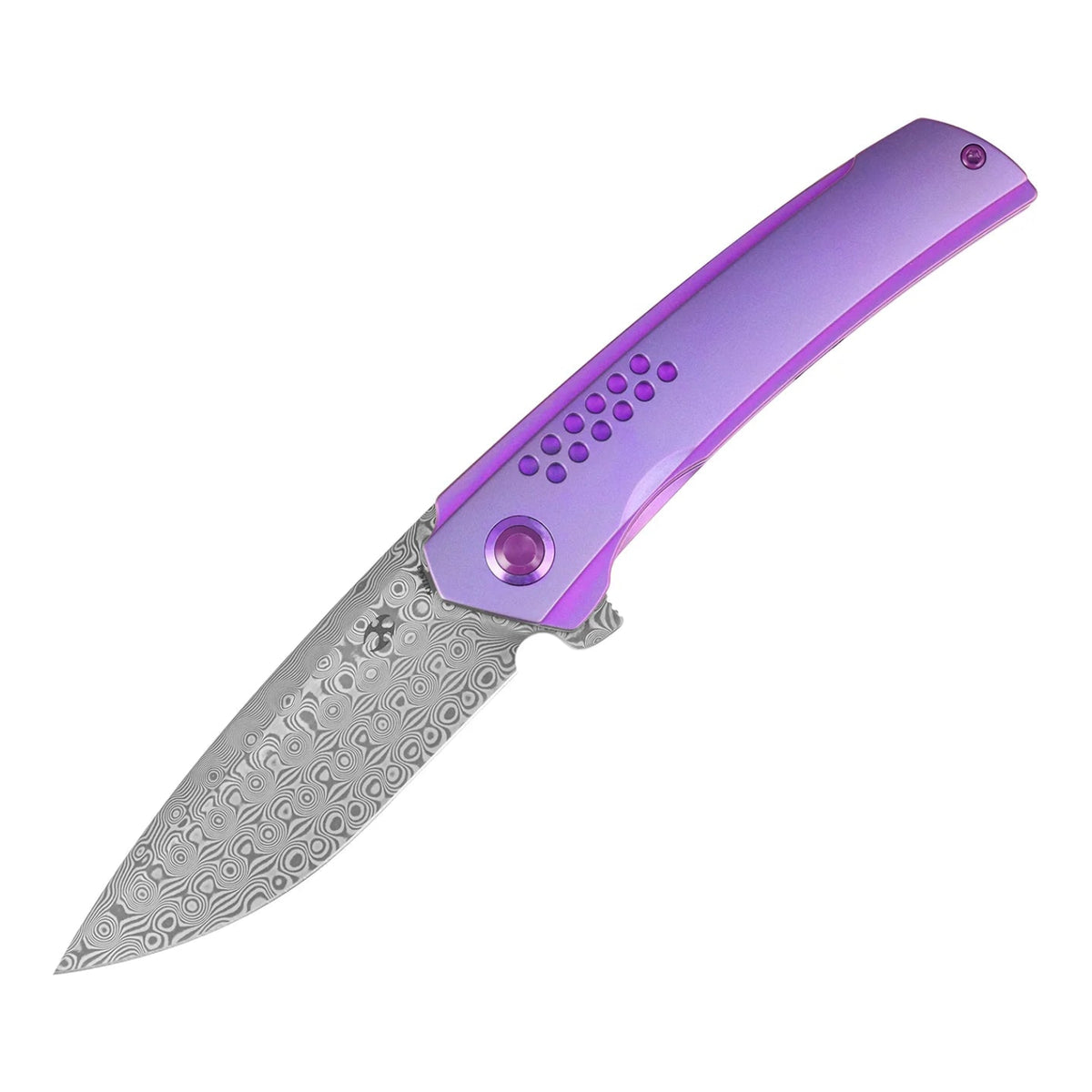
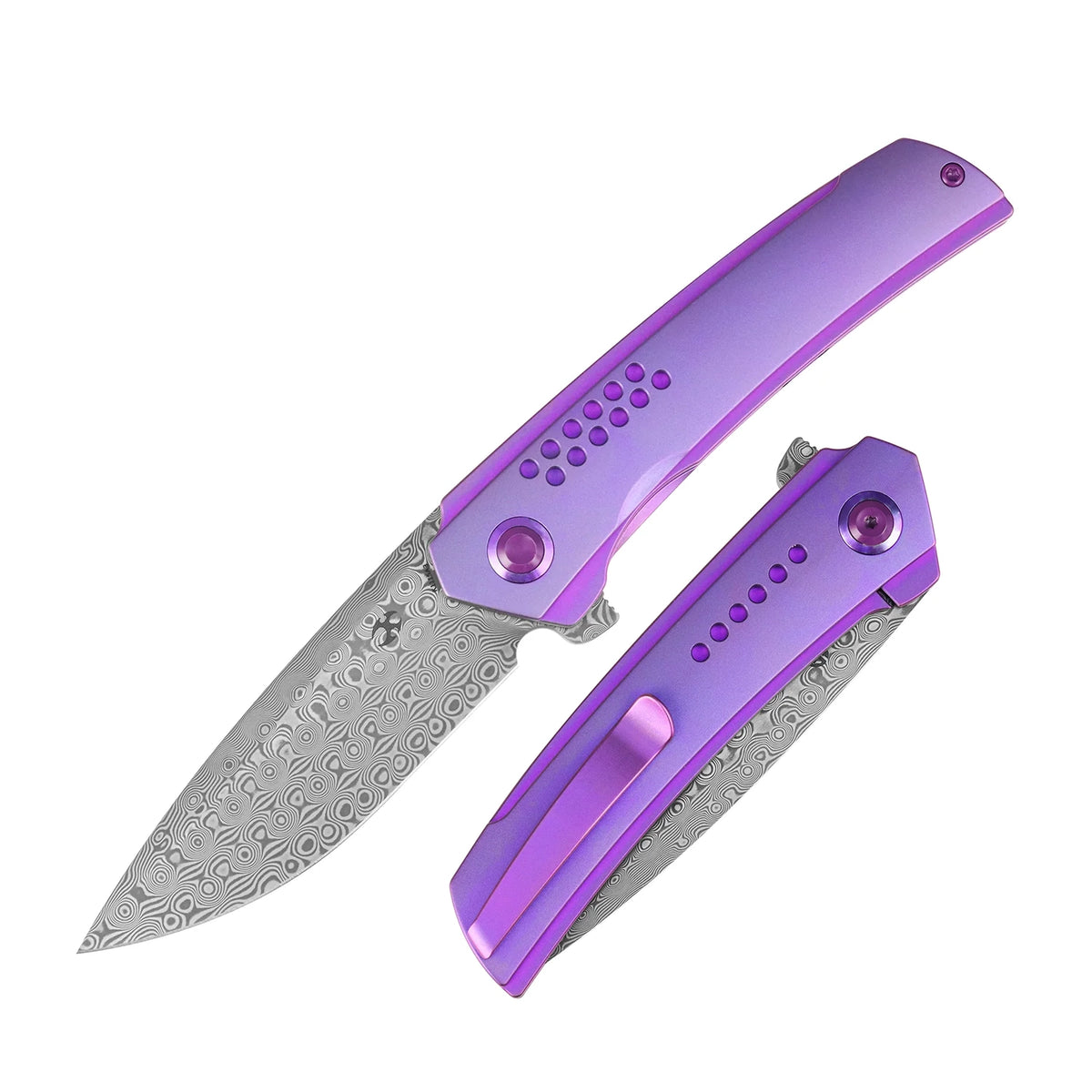
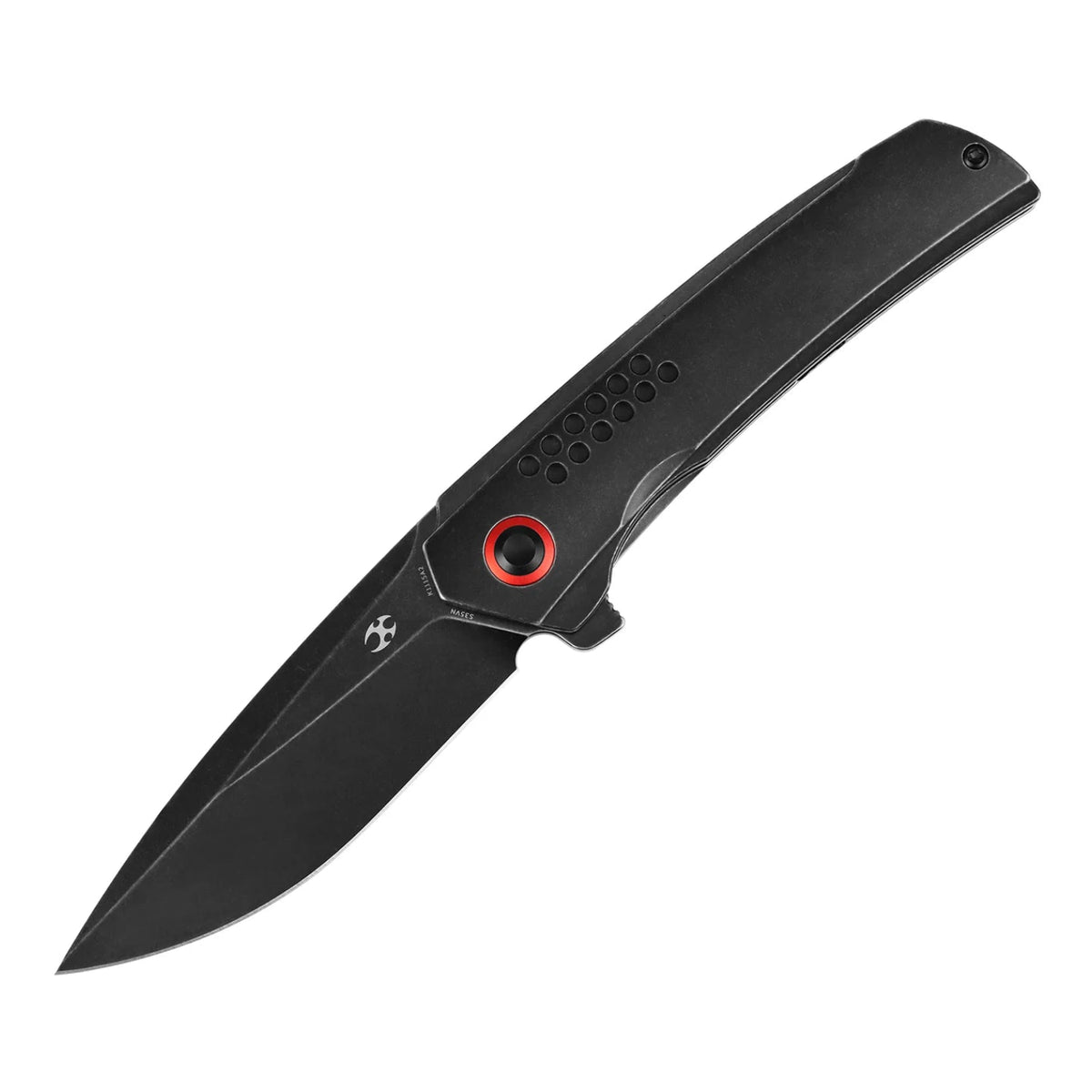
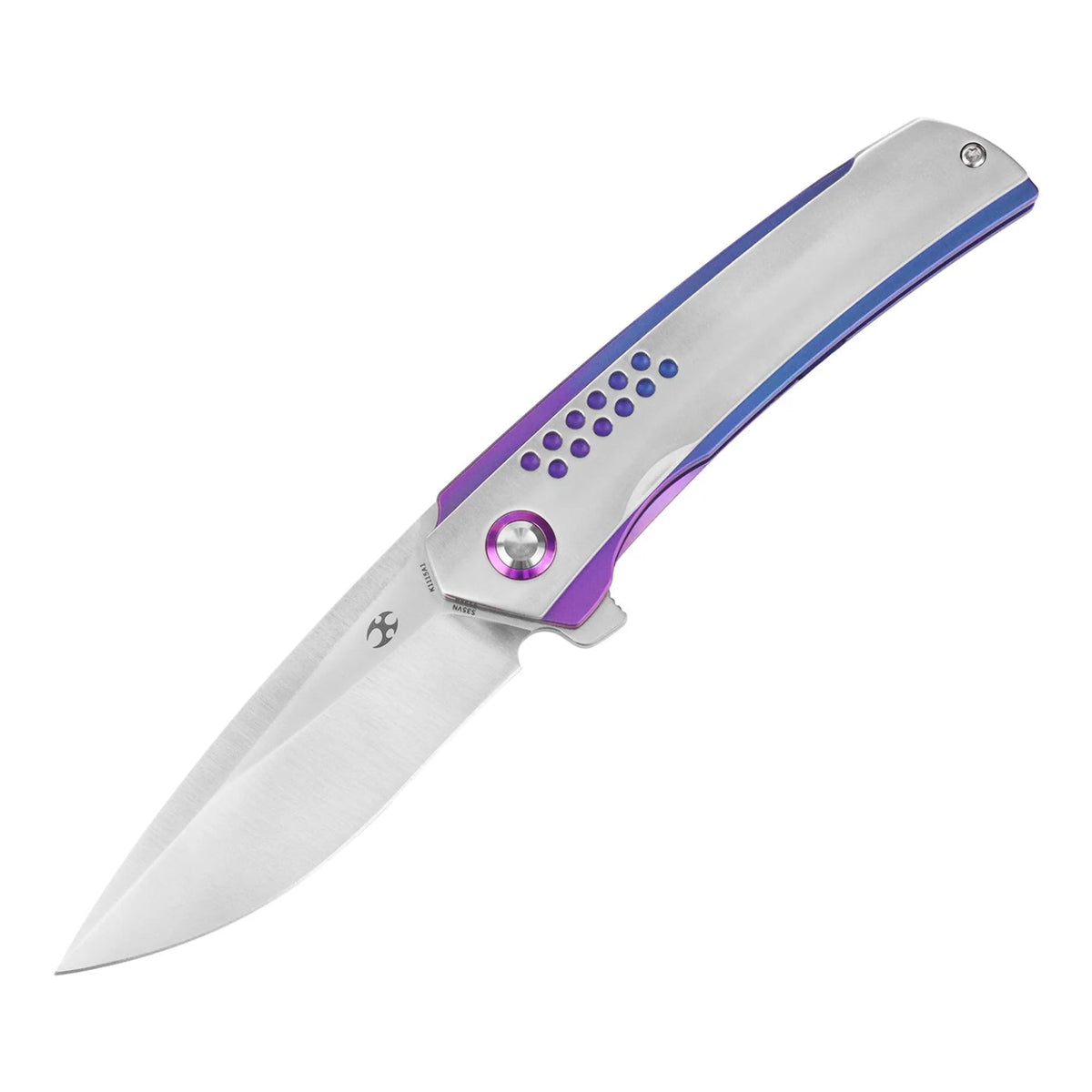
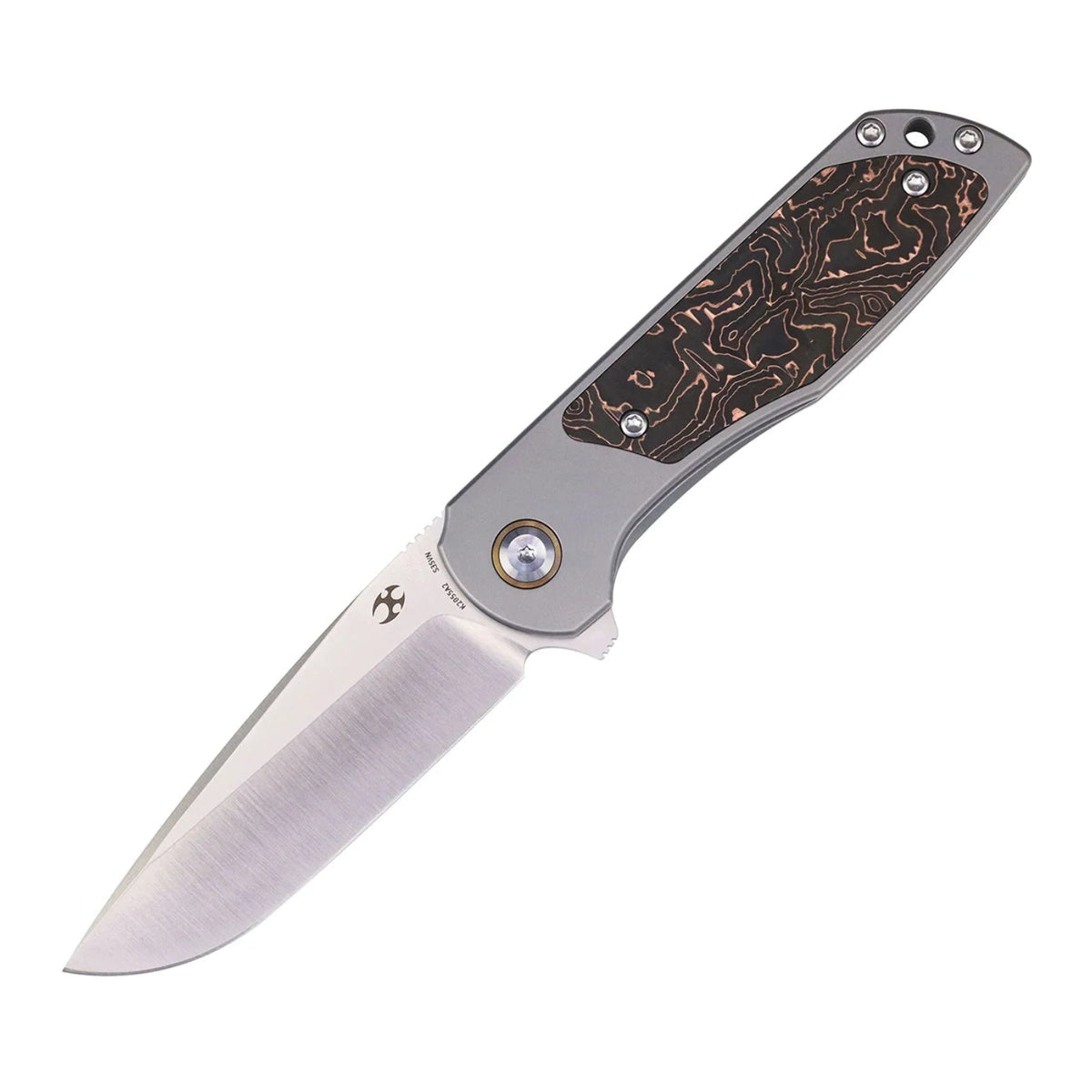
San mai means three sheets: a hard core sandwiched between softer cladding. Japanese smiths developed it because a brittle high-carbon core could not survive alone, and the soft jackets gave the blade toughness while the core kept the edge. Modern powder steels made the technique optional rather than necessary, but the principle still explains why some knives feel different in the cut, and the GEO Knife Belluf shows what a monolithic M390 blade does instead.
Materials & Construction
Traditional san mai uses a carbon core in the 0.8 to 1.2 percent range with iron or mild steel cladding, forge-welded at high temperature and then ground so the core shows as a thin line along the edge. M390 is a different answer to the same question: a powder-metallurgy stainless with enough toughness at 61 HRC that it does not need a jacket. Both routes aim at the same target, which is an edge that neither chips nor rolls.

Design & Details
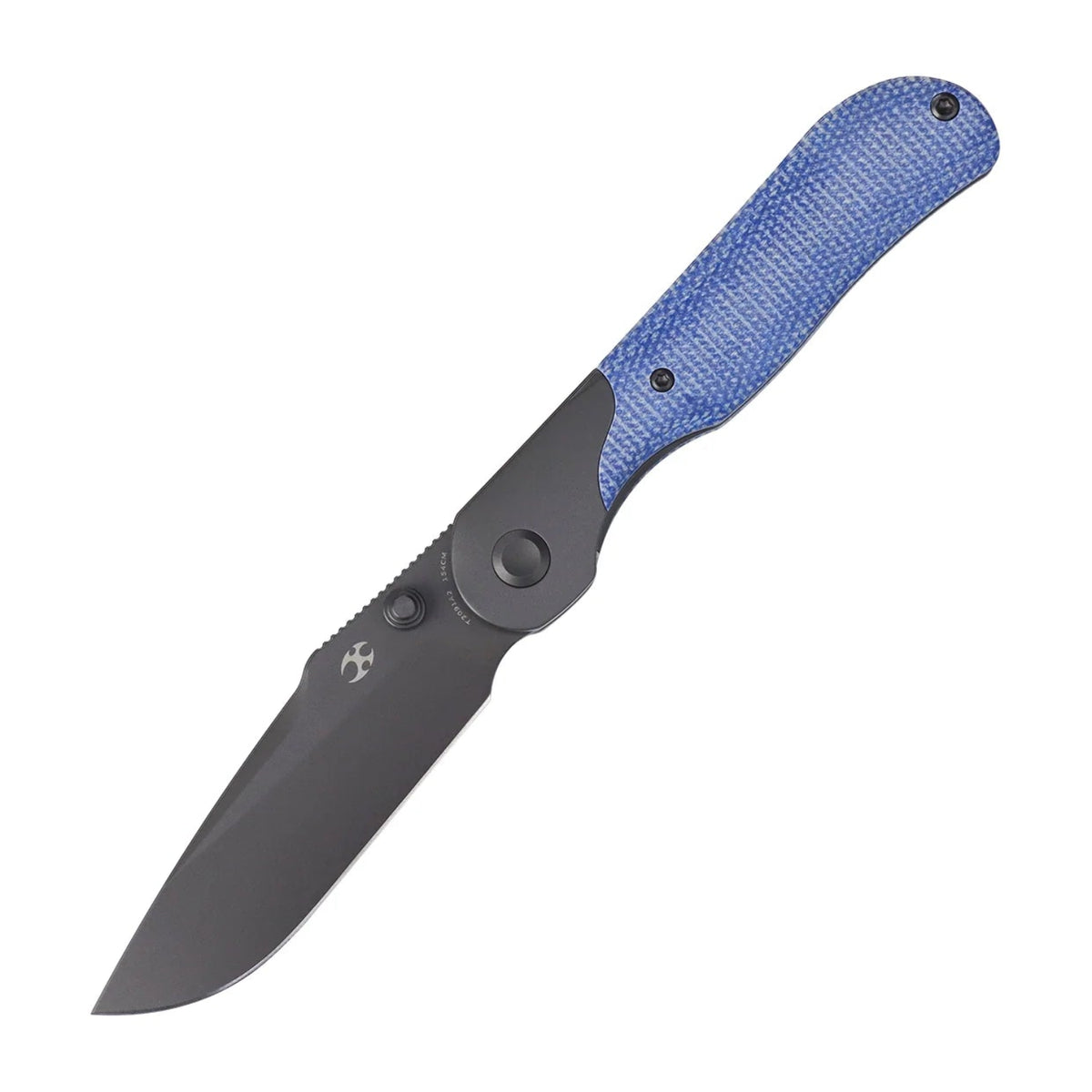
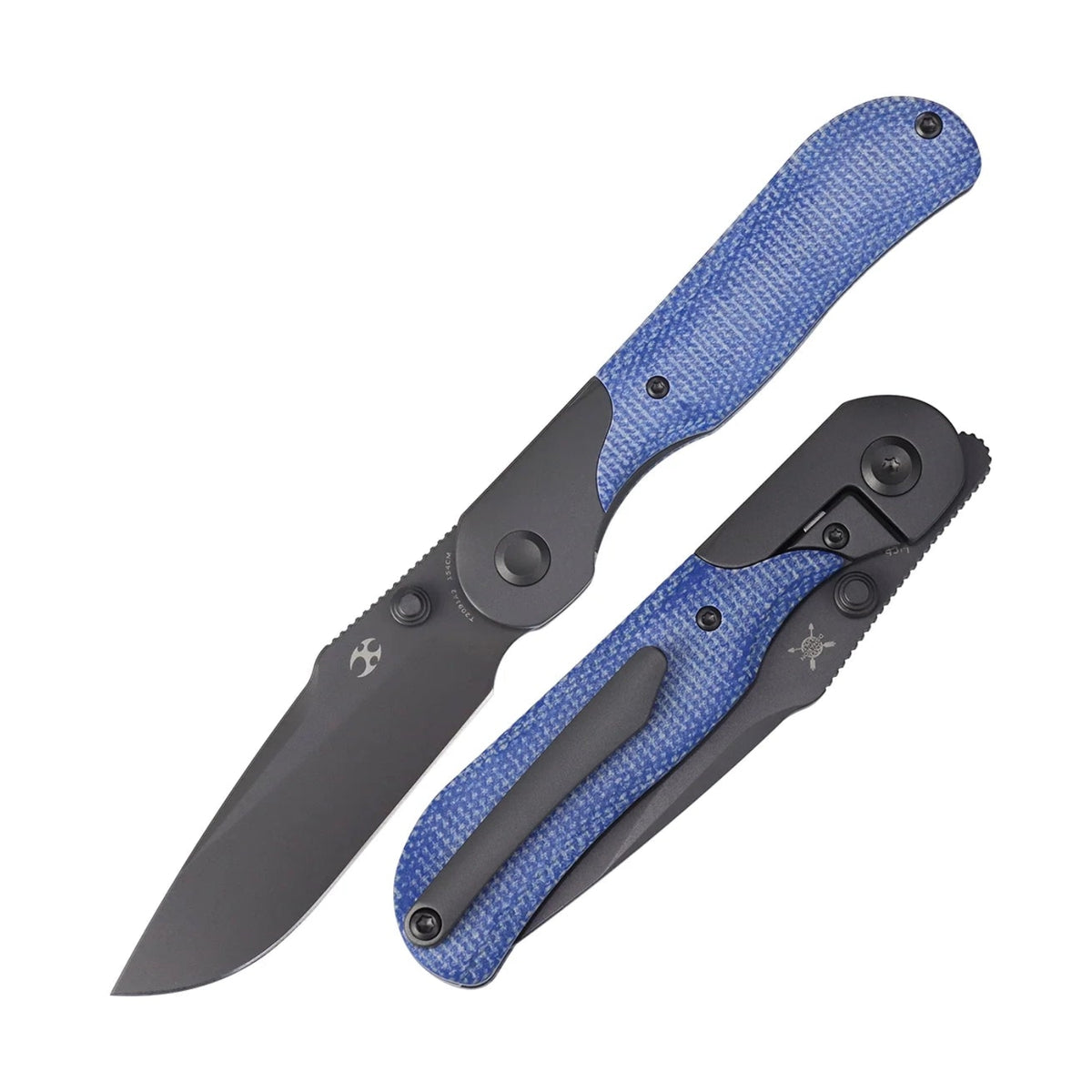
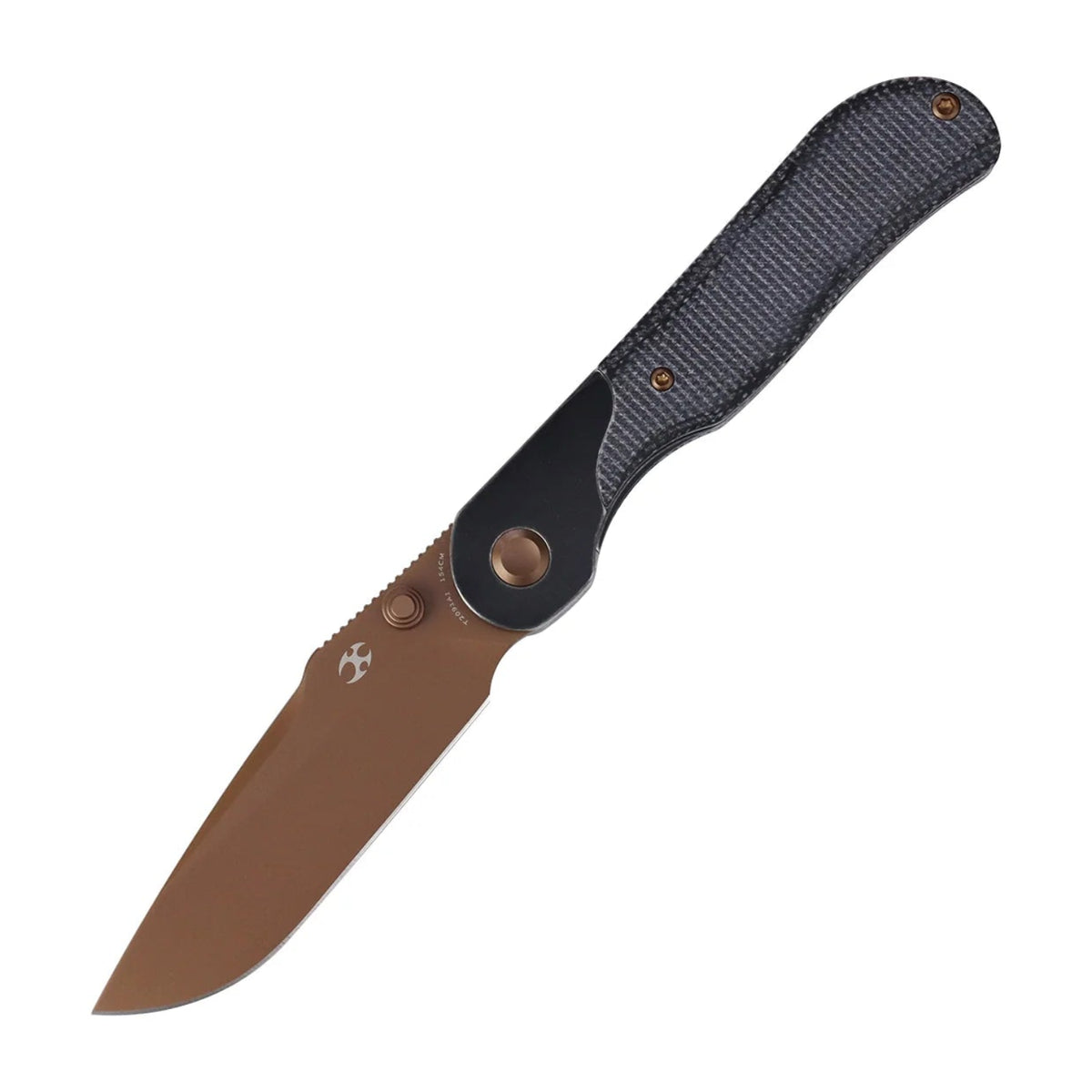
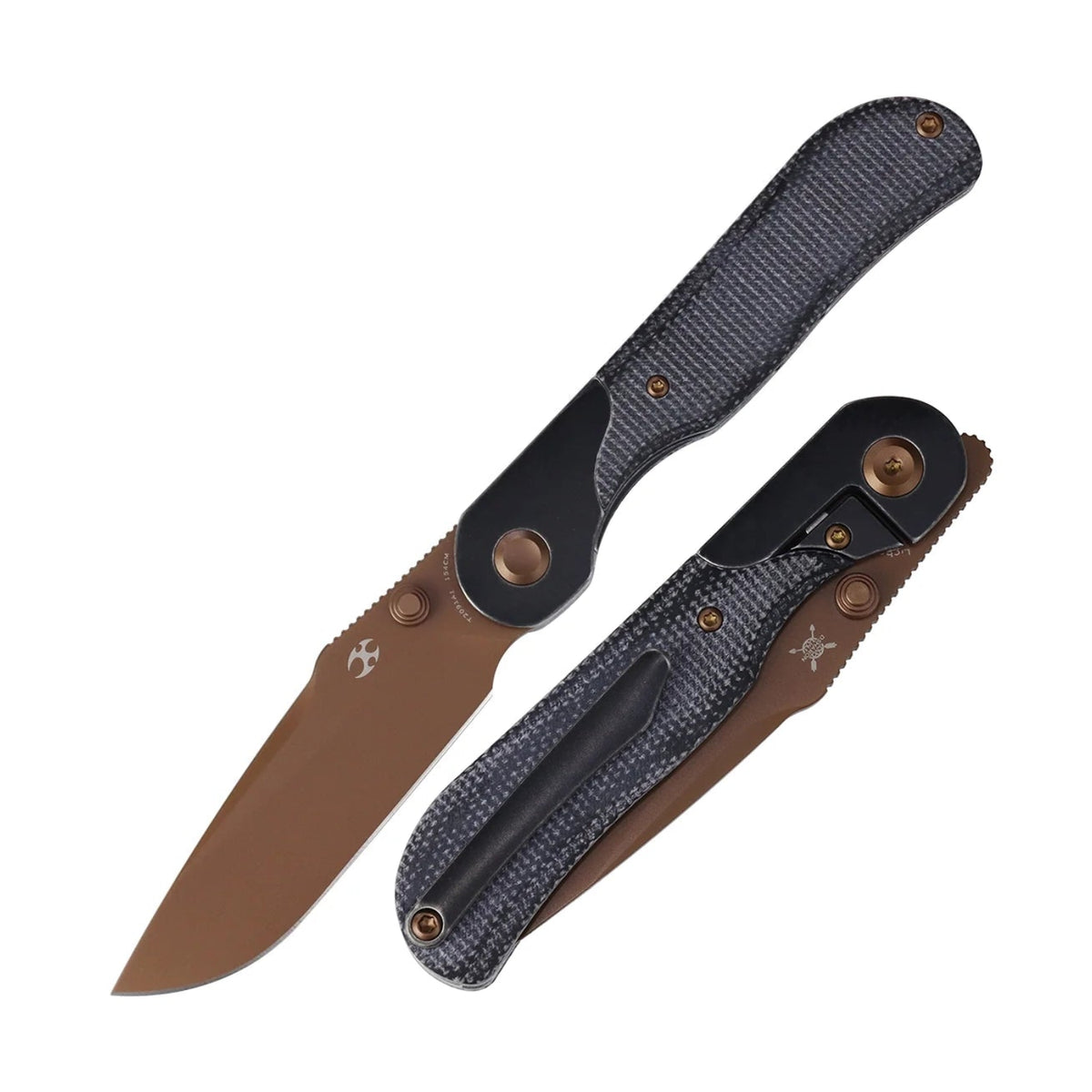
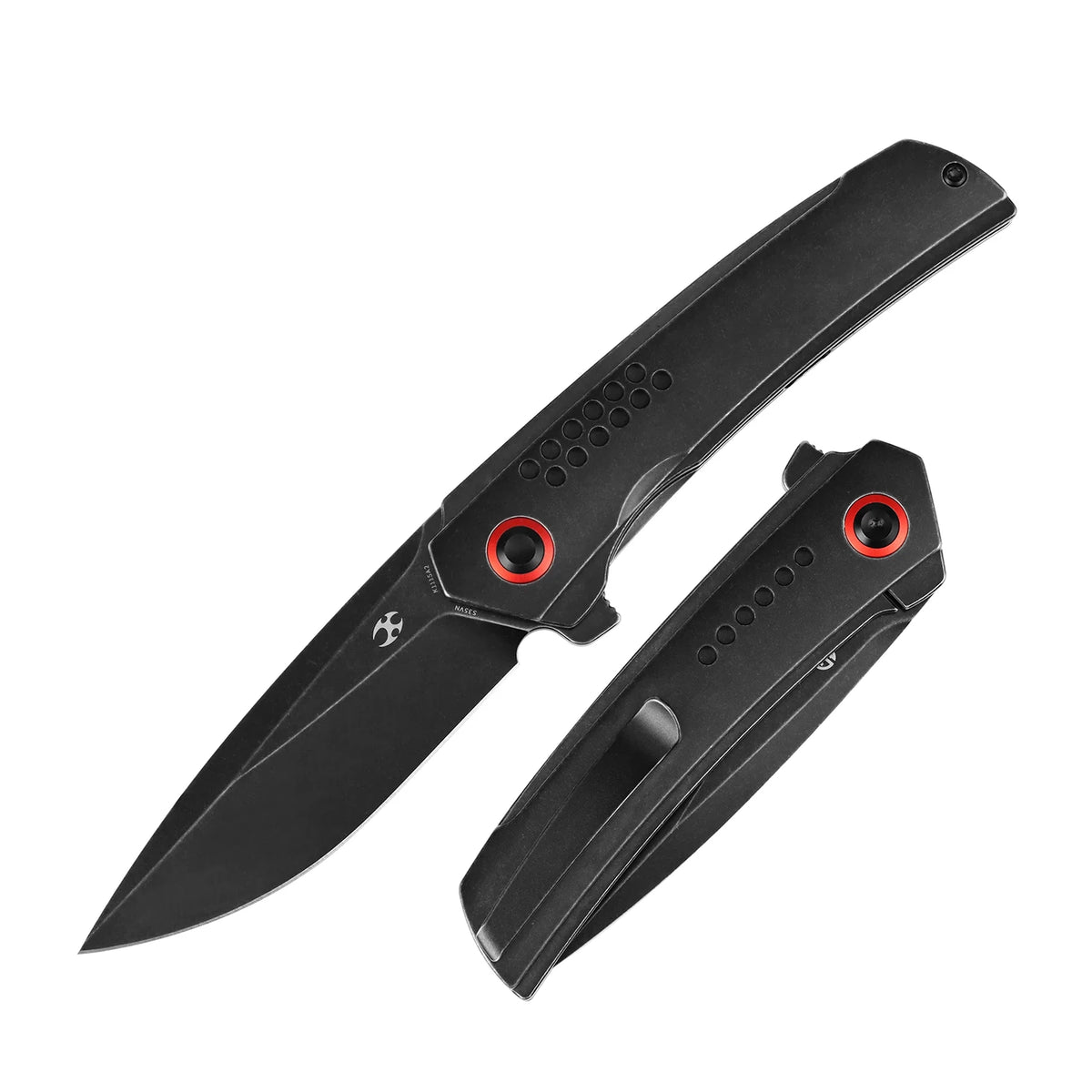
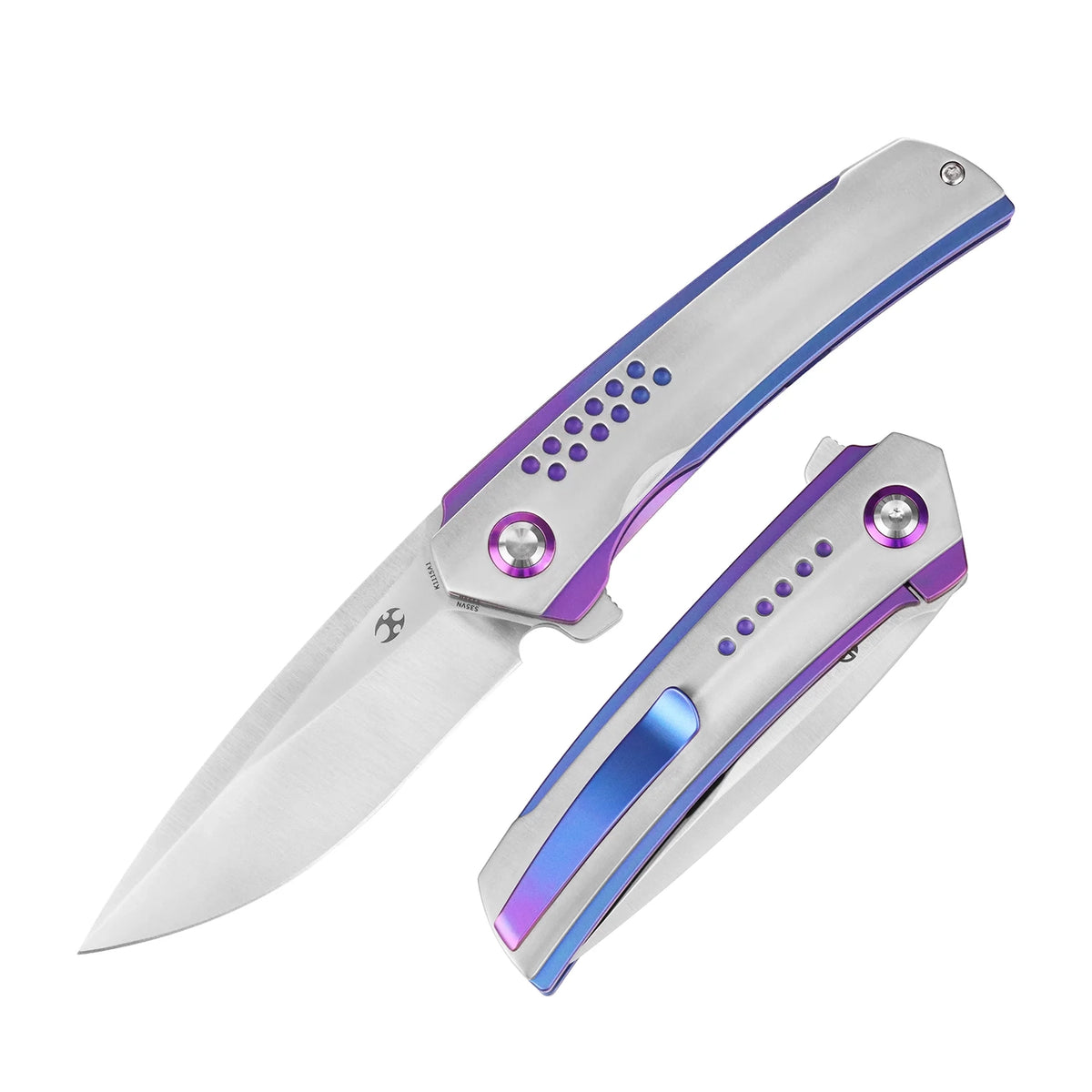
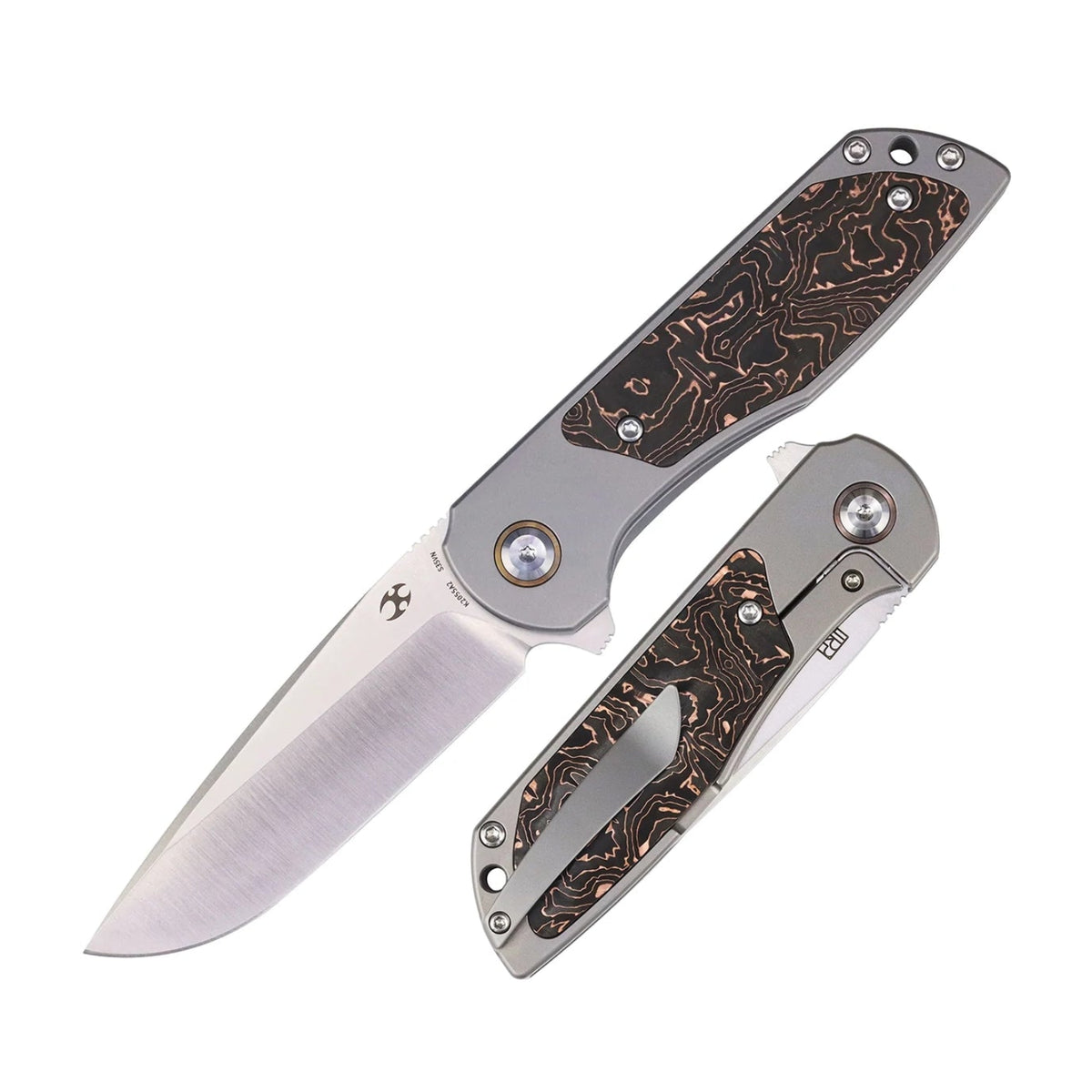
The Belluf's crossbar lock is a modern mechanism in a classic frame: an axis-style bar sliding in a slot, ambidextrous, and almost immune to the hand position problems that plague frame locks. A monolithic blade lets the maker grind thinner behind the edge, because there is no cladding to blend into the bevel. That is why the knife cuts the way it does, and why the spine can stay stiff without a wide flat.
Real-World Use
Test a laminated blade and a powder stainless back to back and the difference is subtle but real. The san mai knife feels livelier in soft material and more forgiving on bone; the M390 knife holds a polished edge longer and ignores tomato acid. For anyone who cooks, guts packaging and cuts rope with one knife, the powder steel is the lower-effort choice, which is why so many production folders have moved to it.

Ownership Notes
Steel arguments get religious fast, so keep the question practical: what will you cut, how often, and how much sharpening will you actually do? A laminated blade rewards a careful hand and a water stone; M390 rewards neglect with a longer working edge. EdcMall lists the GEO Knife range with steel names spelled out, so comparison takes minutes rather than a spreadsheet. Cooks who keep one knife for everything usually end up with EDC knives that disappoint them in the kitchen, because a folding knives collection built around cardboard has no thin geometry in it at all.
Who Is This For?
Buy the Belluf if you want a stainless supersteel folder with an ambidextrous lock and no maintenance ritual. It suits daily carry, kitchen overflow and travel. Skip it if you specifically want the aesthetic of a visible lamination line, or if you enjoy thinning a blade on stones; a san mai kitchen knife will make you happier.
Final Verdict
San mai is a solution from an era without powder metallurgy, and the Belluf shows what replaced it: one steel, done well, with a lock that works for either hand. The cut is clean, the edge lasts and the geometry is honest. Buy the layered blade for tradition, buy this one for the working week.