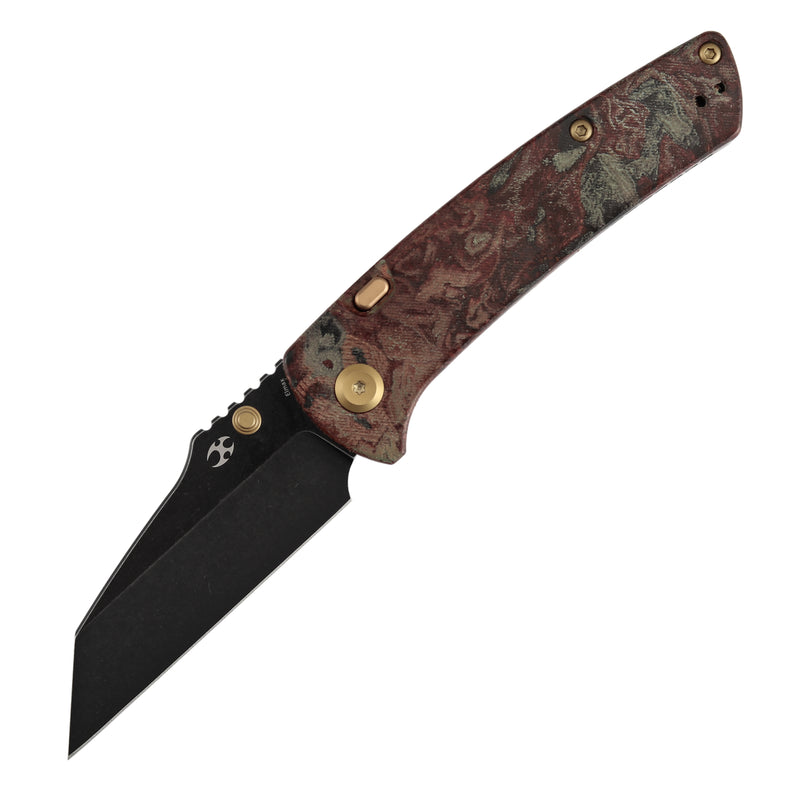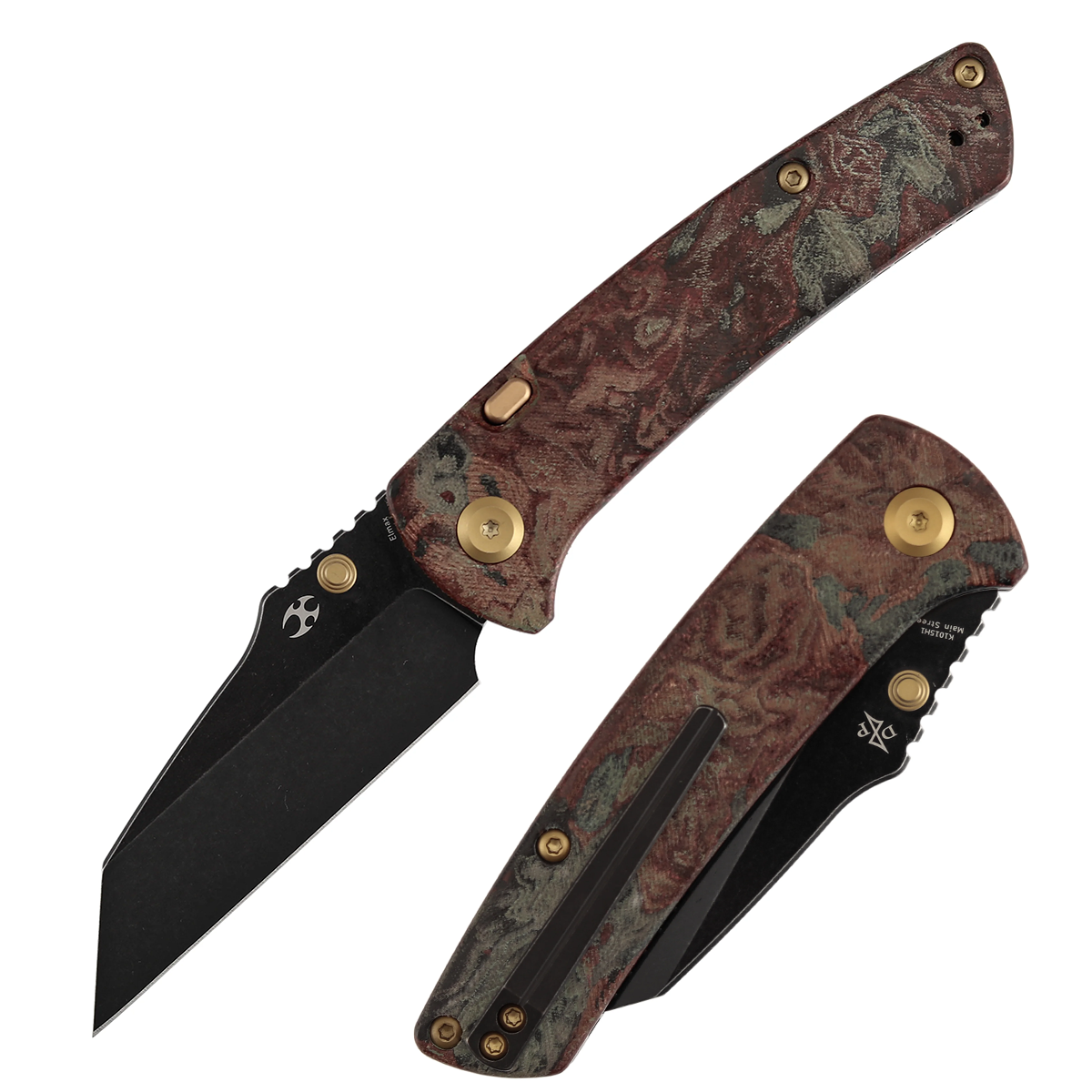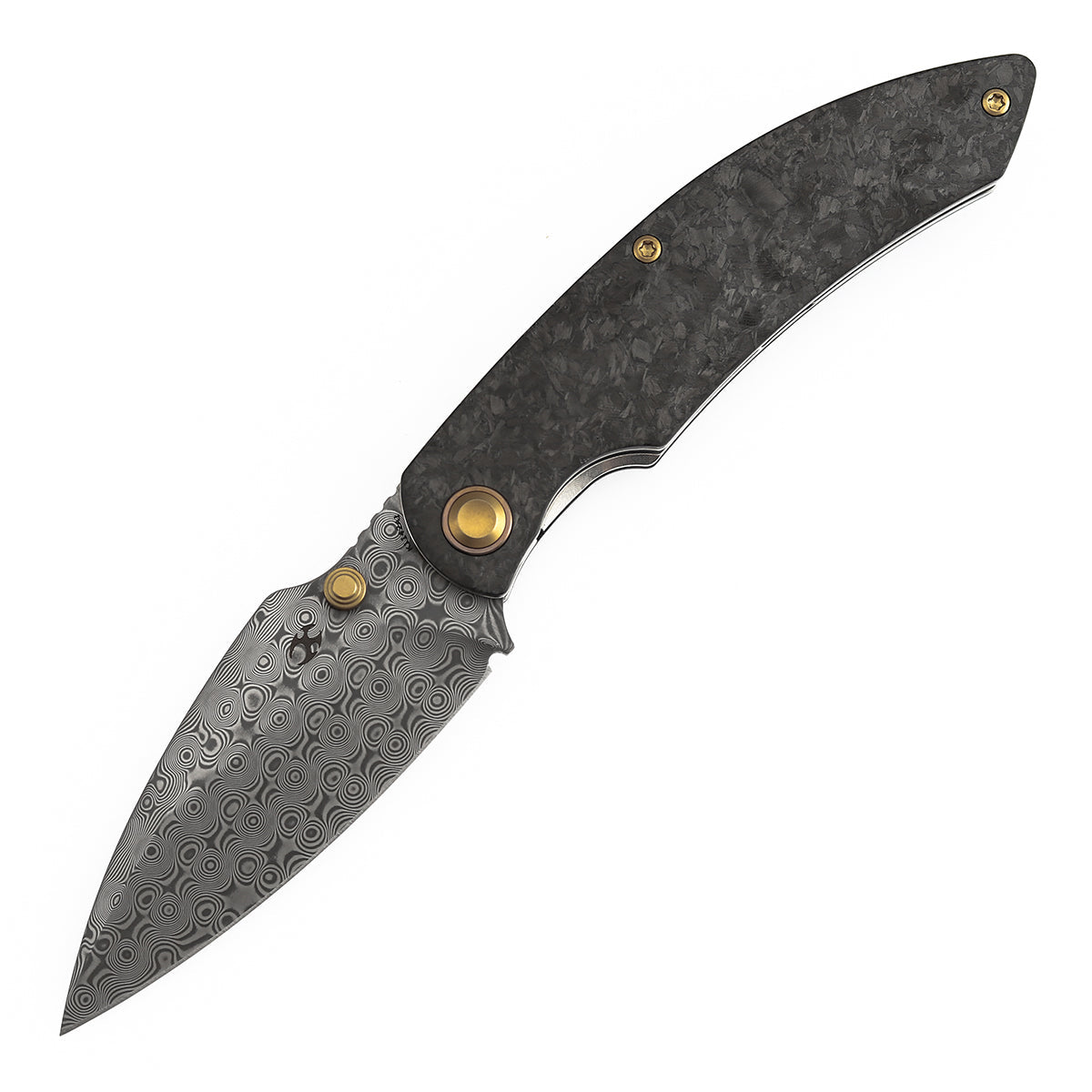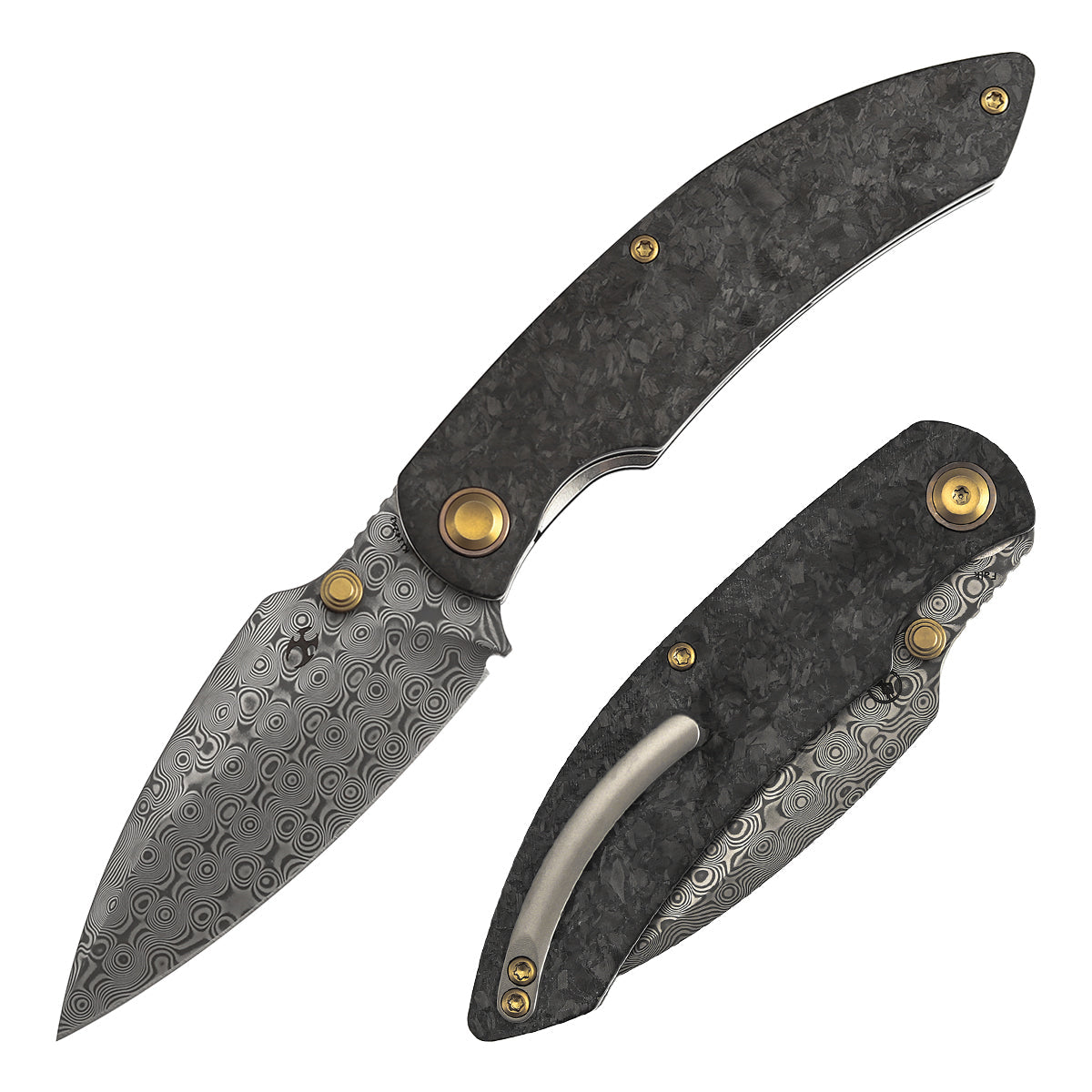
When investing in a modern everyday carry (EDC) folding knife, deciding on the right locking mechanism is just as crucial as picking your blade steel. The lock style dictates how you deploy the blade, how securely it stays open during heavy work, and how safely you can fold it away when the job is done.
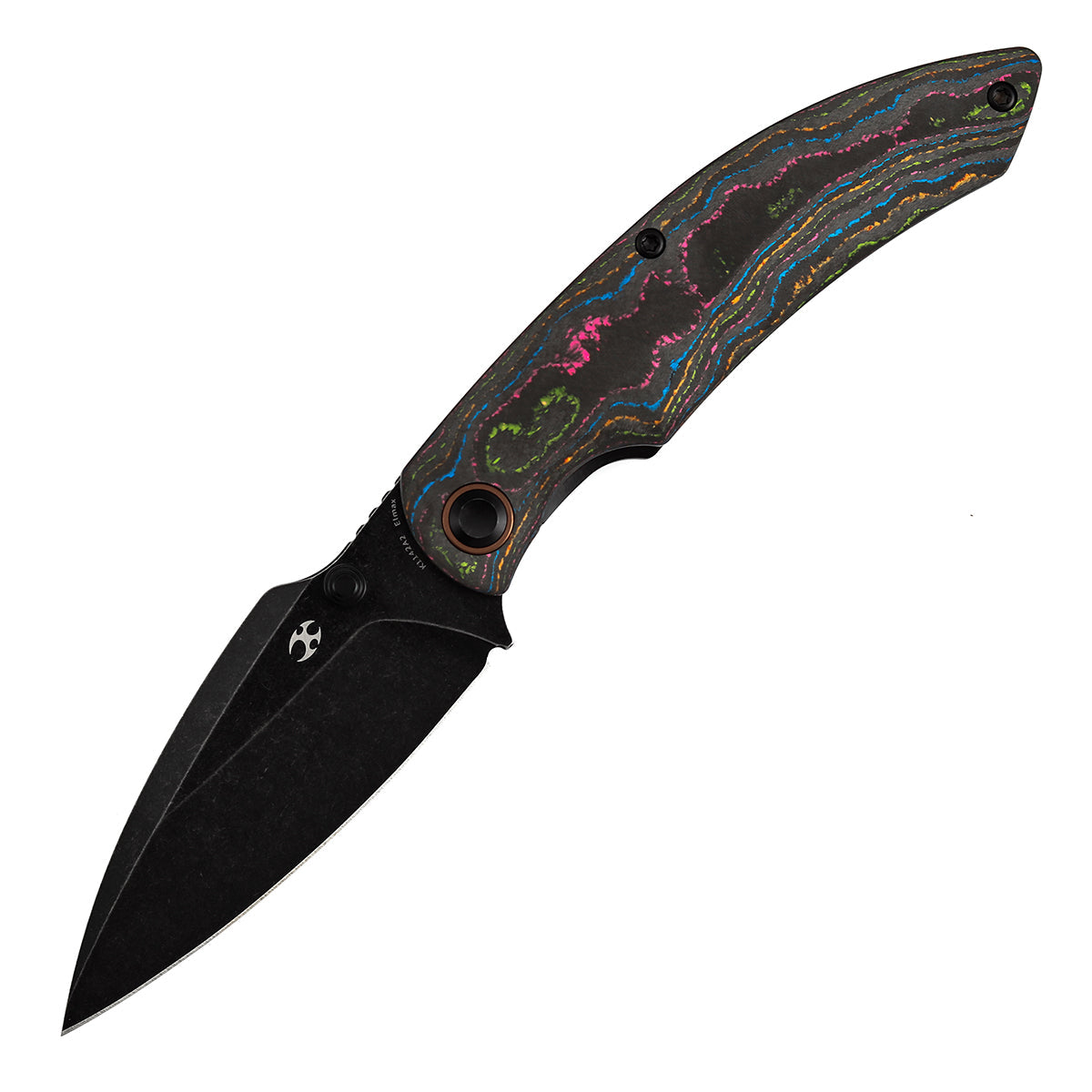
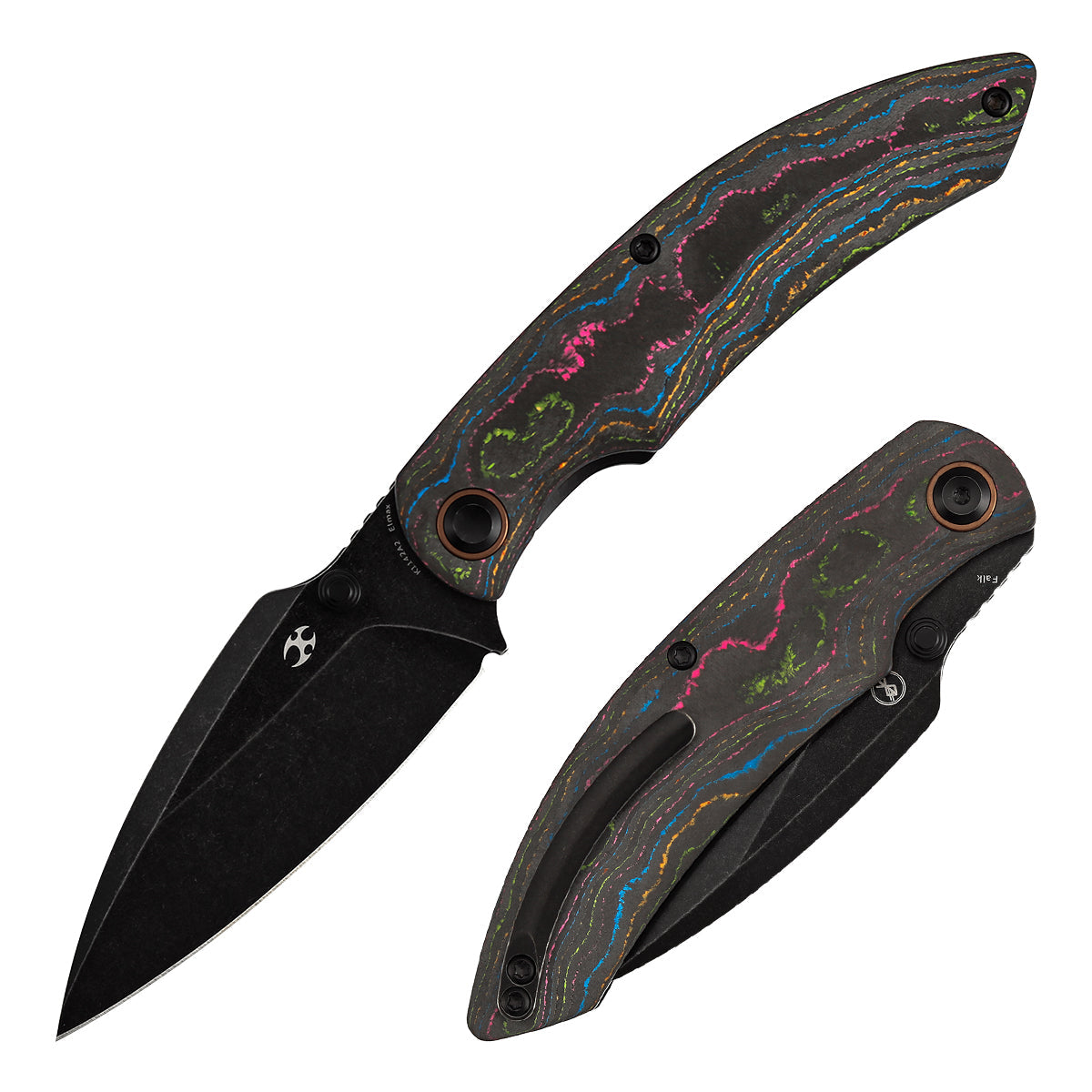
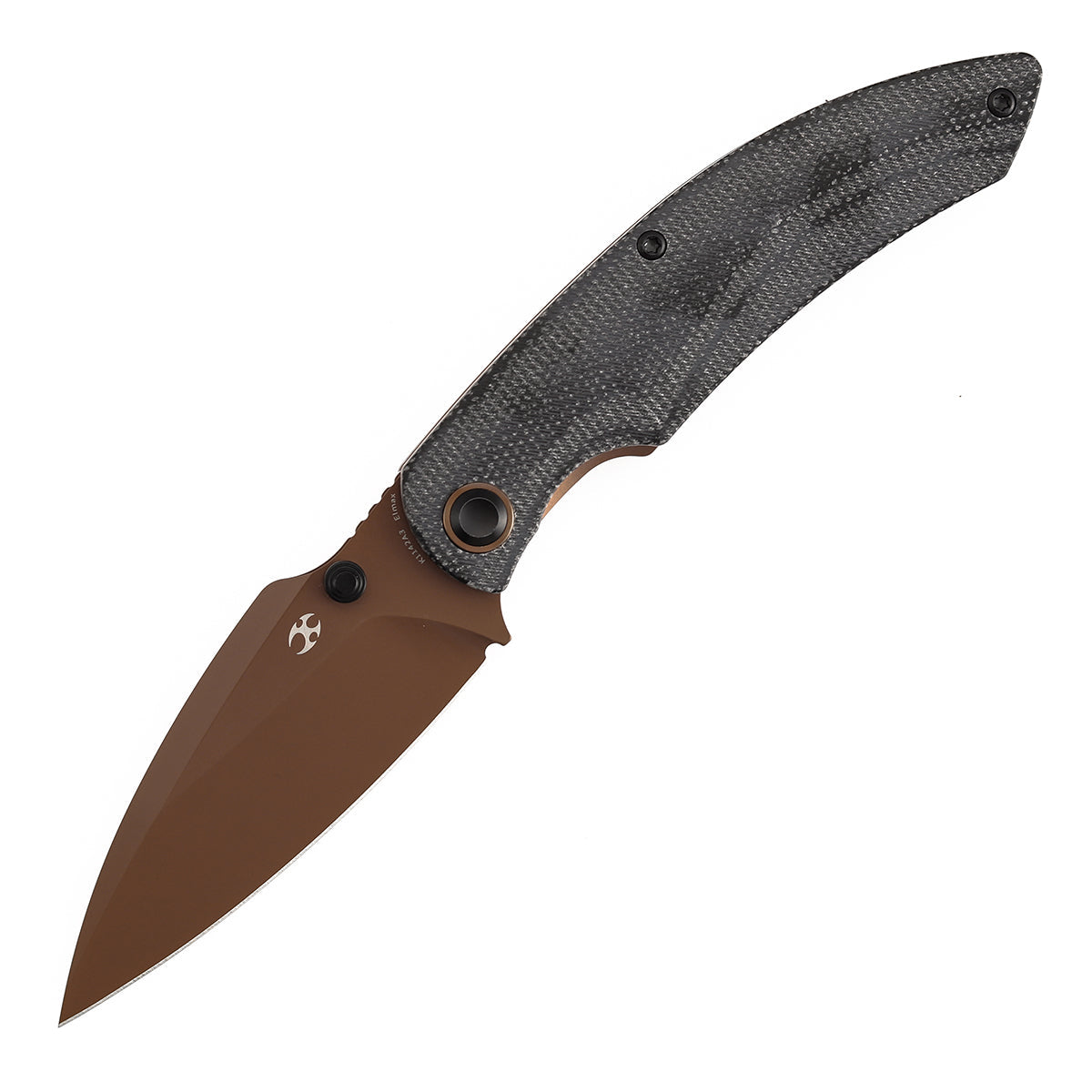
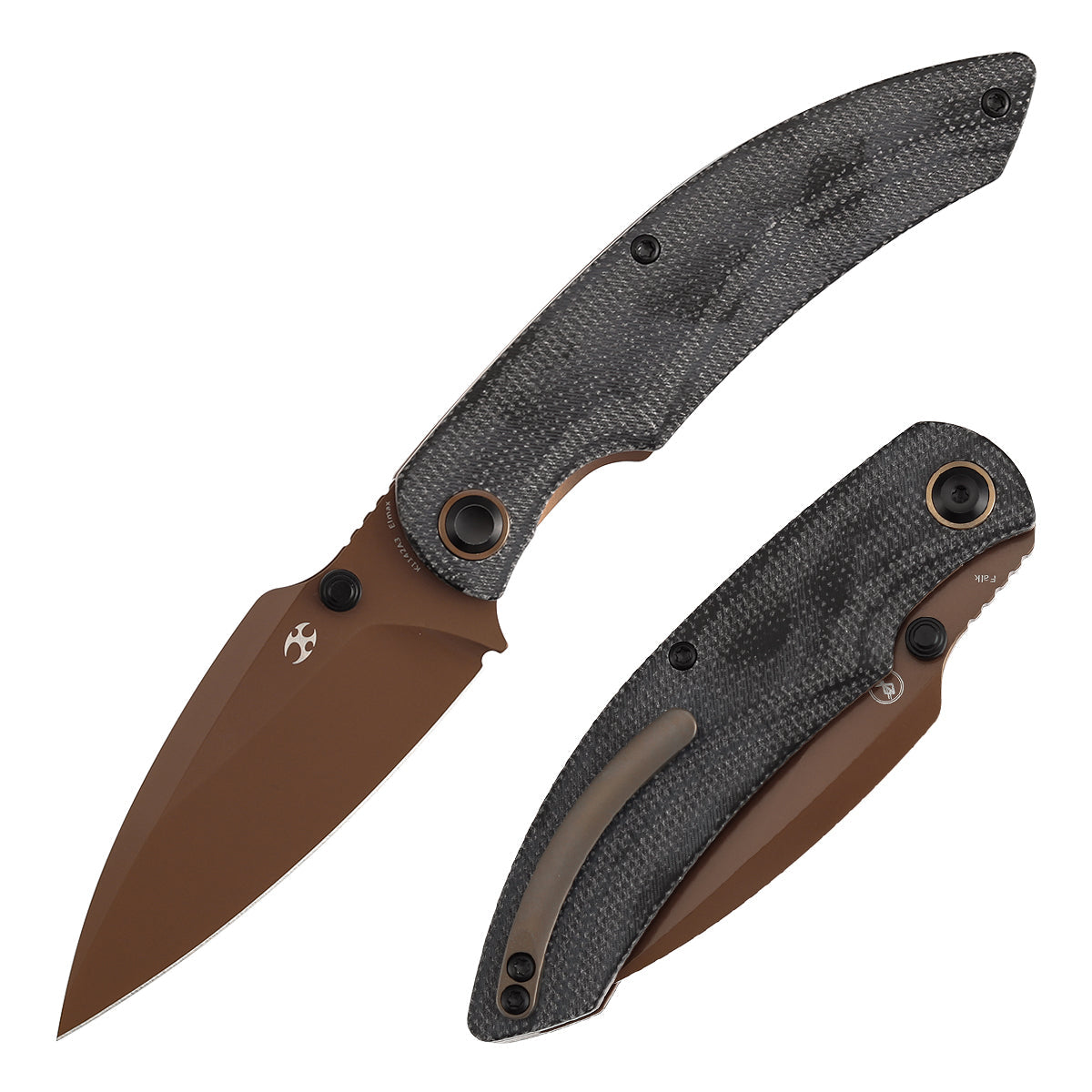
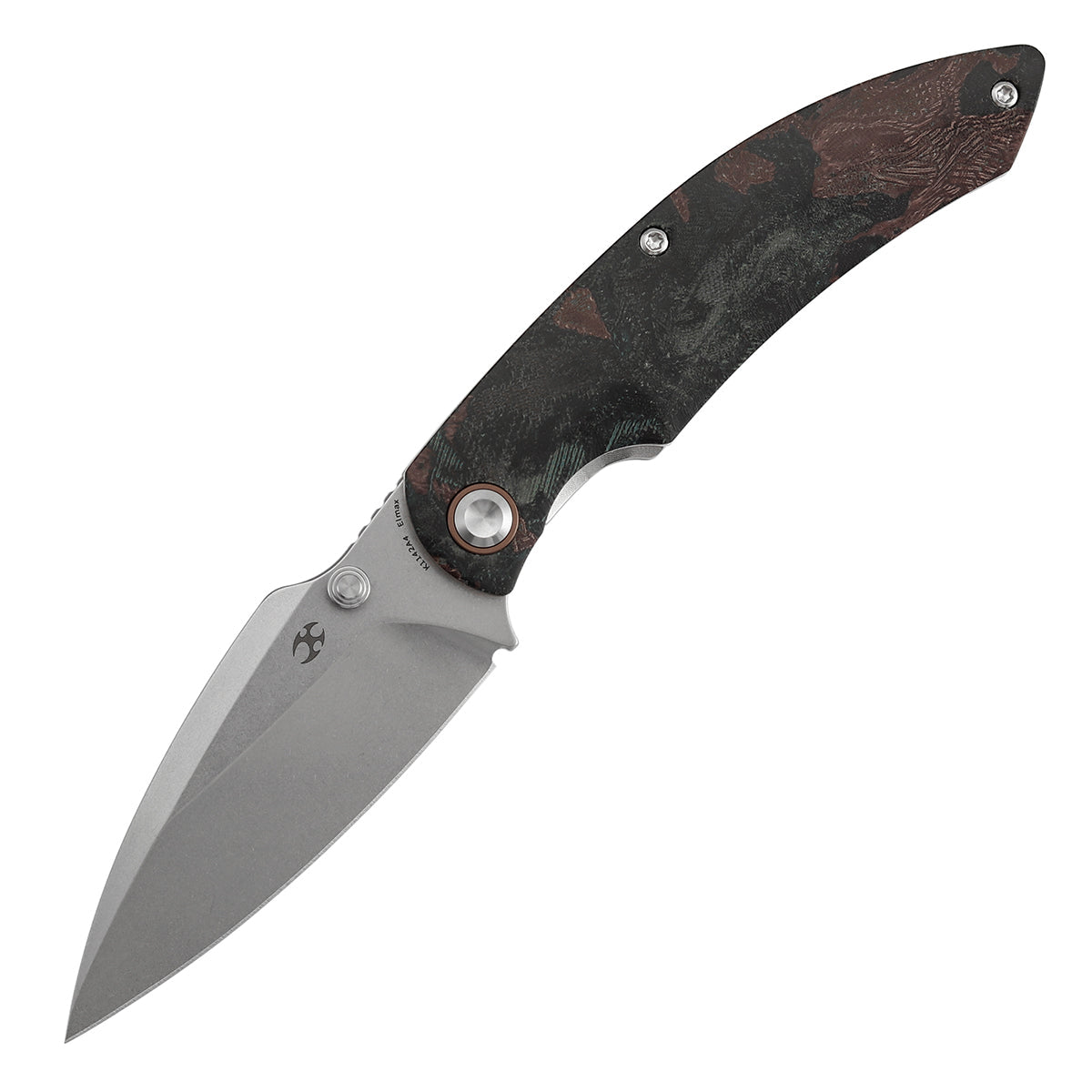
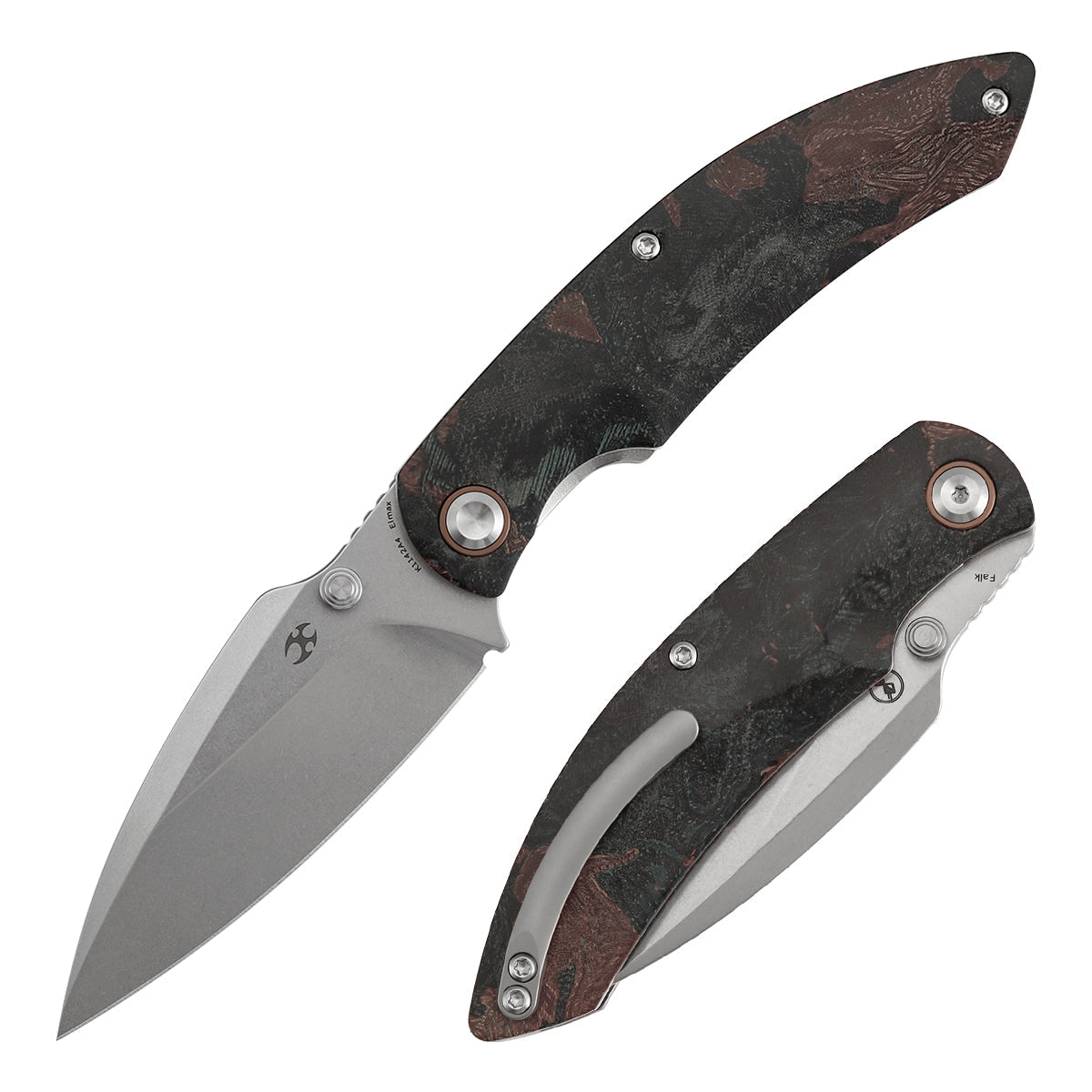
The Tenable Knives Fenrir—designed by the visionary Greg Schob of Sparrow Knife Co.—has become a breakout sensation in the gear community. It blends aggressive harpoon lines and hand-melting ergonomics with a highly accessible price tag. However, because Tenable offers this flagship model in three distinct lock styles, buyers often find themselves at a crossroads.
In this definitive Tenable Fenrir Button Lock vs Crossbar Lock vs Liner Lock showdown, we compare all three mechanisms side-by-side. We break down the ergonomics, deployment action, safety profiles, and structural reliability of each version to help you choose the absolute best setup for your pocket.
1. The Contenders: Understanding the Locking Mechanisms
Before putting these knives head-to-head, it helps to understand how each mechanical variant operates inside the Fenrir's chassis.
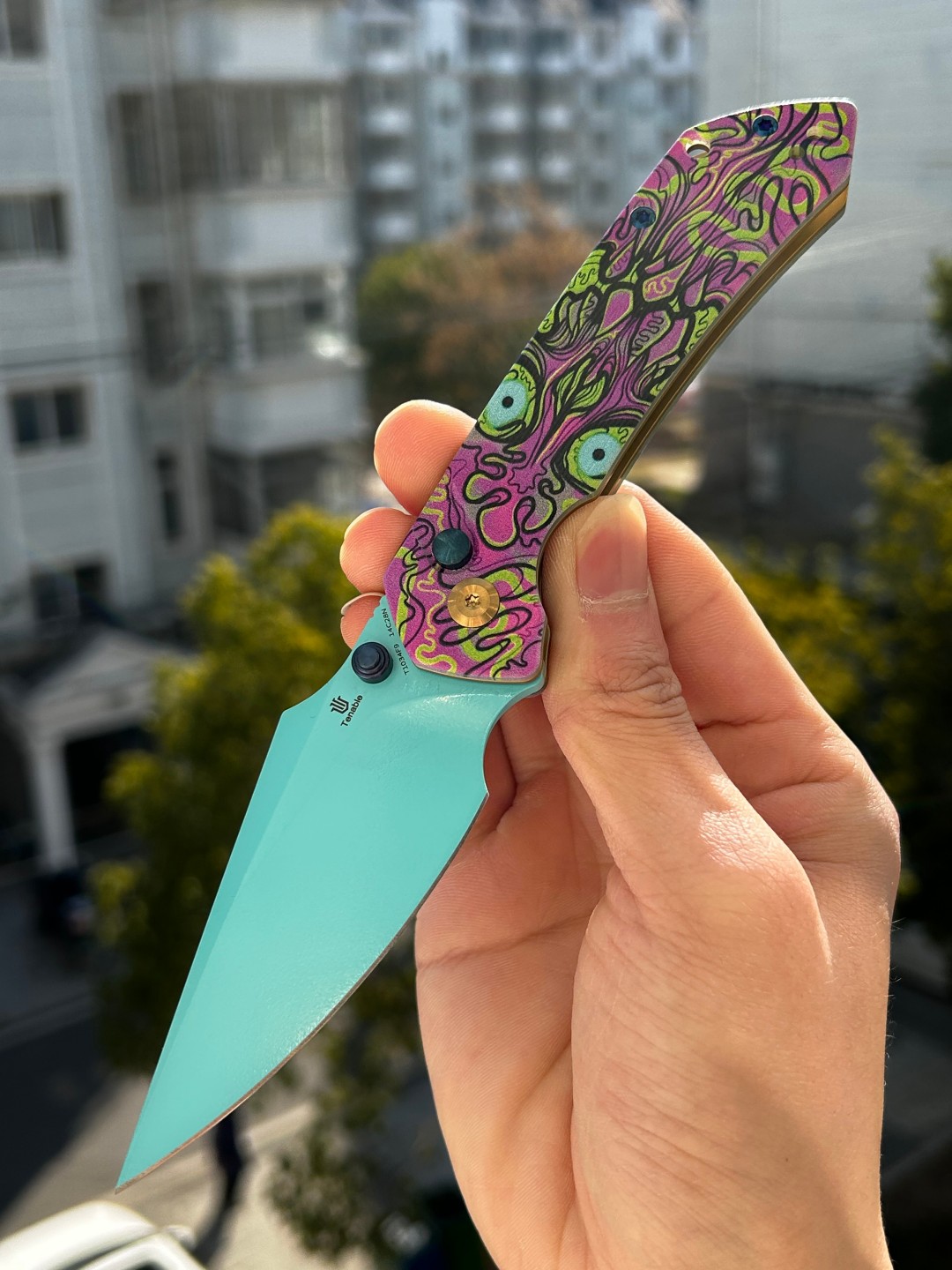
The Button Lock (Plunge Lock) Variant
The Button Lock version relies on an internal, spring-loaded steel plunge lock. When the blade fires open, the plunger slips into a matching cutout in the blade tang, locking it securely. Pressing the button on the side of the scale retracts the plunger, allowing the blade to swing completely free without your fingers ever crossing the path of the cutting edge.
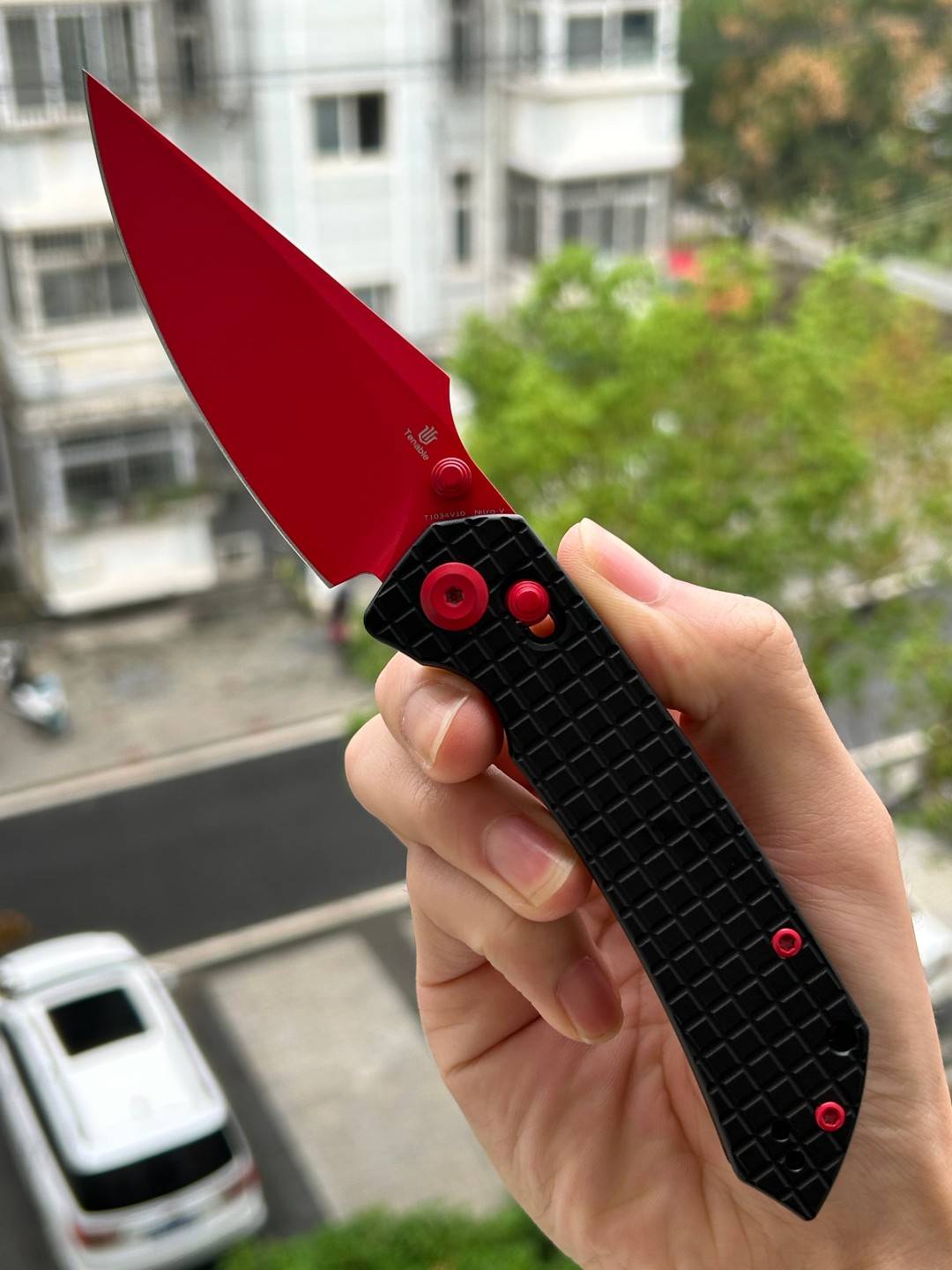
The Crossbar Lock Variant
The Crossbar Lock utilizes a solid steel bar that goes completely through both sides of the handle scales and steel liners. Driven by dual internal omega-shaped tension springs, this bar slides forward onto a ramped shelf machined onto the blade tang the moment the knife is fully deployed. This system provides a fully ambidextrous interface.
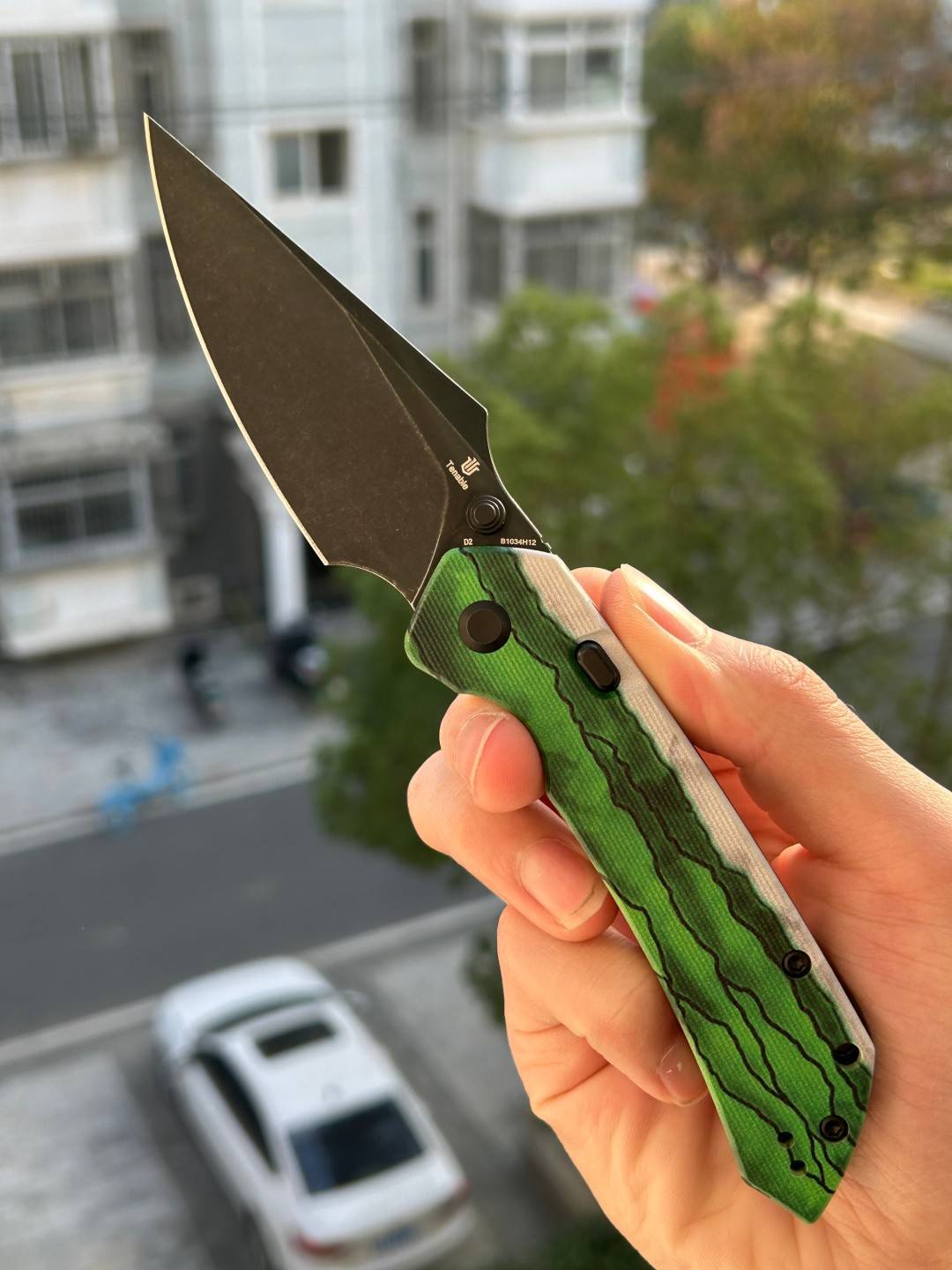
The Top Liner Lock Variant
Tenable’s take on the Liner Lock is highly unique. Instead of a traditional bottom-mounted leaf spring, the Fenrir features a Top Liner Lock that is disengaged via an integrated, flush-mounted button cutout on the upper side of the handle scale. It acts like a hybrid, combining the absolute rigidity of a liner lock with the finger safety of an external button interface.
2. Deployment Action and the "Fidget Factor"
For modern EDC enthusiasts, a pocket knife serves as a tactile companion—a high-stress relief tool. The "fidget factor" of these three locks varies significantly due to their distinct internal physics.
Button Lock Dynamics
If you prioritize glassy, effortless deployment, the Button Lock is an absolute dream. Riding on high-grade caged ceramic ball bearings, it features an incredibly fast opening snap. The closing action is where it truly dominates: holding down the button completely removes all pivot resistance. With a subtle micro-flick of your wrist, the blade drops shut instantly under its own weight, seating securely back into its detent.
Crossbar Lock Dynamics
The Crossbar Lock offers an entirely different, incredibly fun multi-deployment playground. You can pull back the lockbar studs using your thumb and index finger to swing the blade out via simple kinetic gravity, or use the elongated thumb hole for an authoritative middle-finger reverse flick. The internal omega springs create a highly tactile opening resistance that breaks into an addictive mechanical "clack."
Top Liner Lock Dynamics
The Top Liner Lock offers a highly tactile, intentional mechanical interface. It doesn't drop shut as loosely as the button lock; instead, it provides a smooth, predictable, hydraulic feel. It requires a distinct press of the side button to disengage, giving it a more traditional, mechanical operating signature that feels robust and deliberate.
3. Structural Security and Lockup Reliability
While playability is highly desirable, a knife must ultimately function as a safe, dependable tool when cutting through dense mediums.
The Ultimate Heavy-Duty Option: The Crossbar Lock
When it comes to pure structural load-bearing reliability, the Crossbar Lock takes the crown. Because the locking mechanism relies on a solid steel bar wedged securely between the steel liners and the thick blade tang, it handles immense vertical force. During rigorous safety testing, it completely resists accidental failure or slipping, making it the clear winner for heavy-duty job site tasks, whittling, or tactical use.
The Balanced Operator: The Top Liner Lock
The Top Liner Lock comes in a very close second for structural strength. By utilizing a thick steel leaf spring that locks firmly behind the blade tang, it offers an incredibly rigid lockup. There is absolutely zero vertical "lock rock" or horizontal wiggle. It handles heavy-pressure downward push-cuts through dense plastics and thick leather with total authority.
The Commuter Choice: The Button Lock
The Button Lock is perfectly optimized for standard daily chores like breaking down Amazon shipping boxes, cutting paracord, or handling food prep. While incredibly safe for standard daily use, plunge locks can theoretically suffer from tiny micro-movements if subjected to intense structural torque or accidental hard spine impacts compared to the vault-like security of a crossbar system.
4. One-Handed Ergonomics and Finger Safety
One of the greatest features across the entire Tenable Fenrir lineup is that all three variants prioritize finger safety. Unlike traditional folding knives, none of these options require your hand to cross into the path of the closing blade.
-
Button Lock & Crossbar Lock: Both offer completely one-handed, drop-shut closing loops that can be operated seamlessly with either hand, though the crossbar version is truly 100% mirrored and ambidextrous for left-handed users.
-
Top Liner Lock: This configuration is highly optimized for right-handed users. Your thumb naturally presses the side button while your fingers wrap safely around the base of the handle scales, allowing for quick, blind, one-handed storage during multi-stage work projects.
Side-by-Side Comparison Matrix
| Performance Attribute | The Button Lock | The Crossbar Lock | The Top Liner Lock |
| Deployment Speed | Lightning Fast | High Kinetic Speed | Crisp & Deliberate |
| Closing Action | Drop-Shut Gravity | Smooth Gravity / Spring | Smooth Hydraulic |
| Lockup Strength | Moderate to High | Ultimate / Tactical | Exceptional / Rigid |
| Ambidextrous Use | Right-Hand Biased | Perfect 50/50 Mirror | Right-Hand Biased |
| Maintenance Profile | Low Maintenance | Springs Need Care | Extremely Low |
Final Verdict: Which Tenable Fenrir is Best for You?
Ultimately, there is no single "best" lock style, but there is a perfect mechanical choice tailored to your specific daily routine and style preferences.
Buy the Fenrir Button Lock If:
You want the ultimate fidget knife and smooth daily commuter tool. If you prioritize fluid, drop-shut closing action, low-profile daily carry comfort, and an incredibly smooth aesthetic for basic office and household tasks, the Button Lock version delivers unmatched satisfaction.
Buy the Fenrir Crossbar Lock If:
You are a heavy-duty user, a left-handed knife enthusiast, or someone who demands maximum structural security. If your daily tasks involve high-impact piercing, heavy outdoor whittling, or rigorous job site cutting where accidental lock failure is absolutely not an option, the Crossbar Lock is your ultimate choice.
Buy the Fenrir Top Liner Lock If:
You prefer a traditional, rigid mechanical feel but still want modern finger safety. If you like a knife that locks up with vault-like authority, operates smoothly without feeling loosely swinging, and offers a unique hybrid button-liner interface, the Top Liner Lock variant will perfectly complement your carry style.