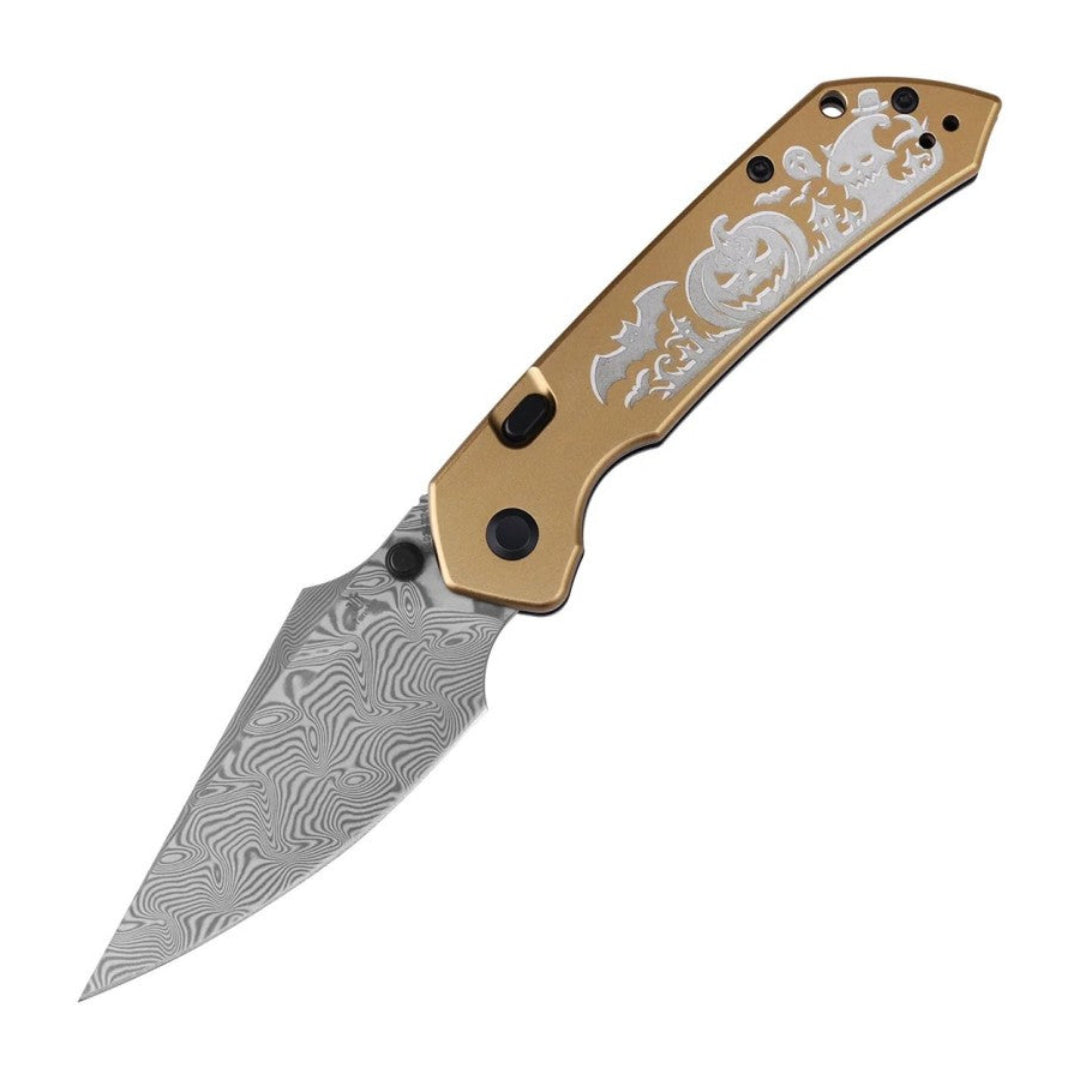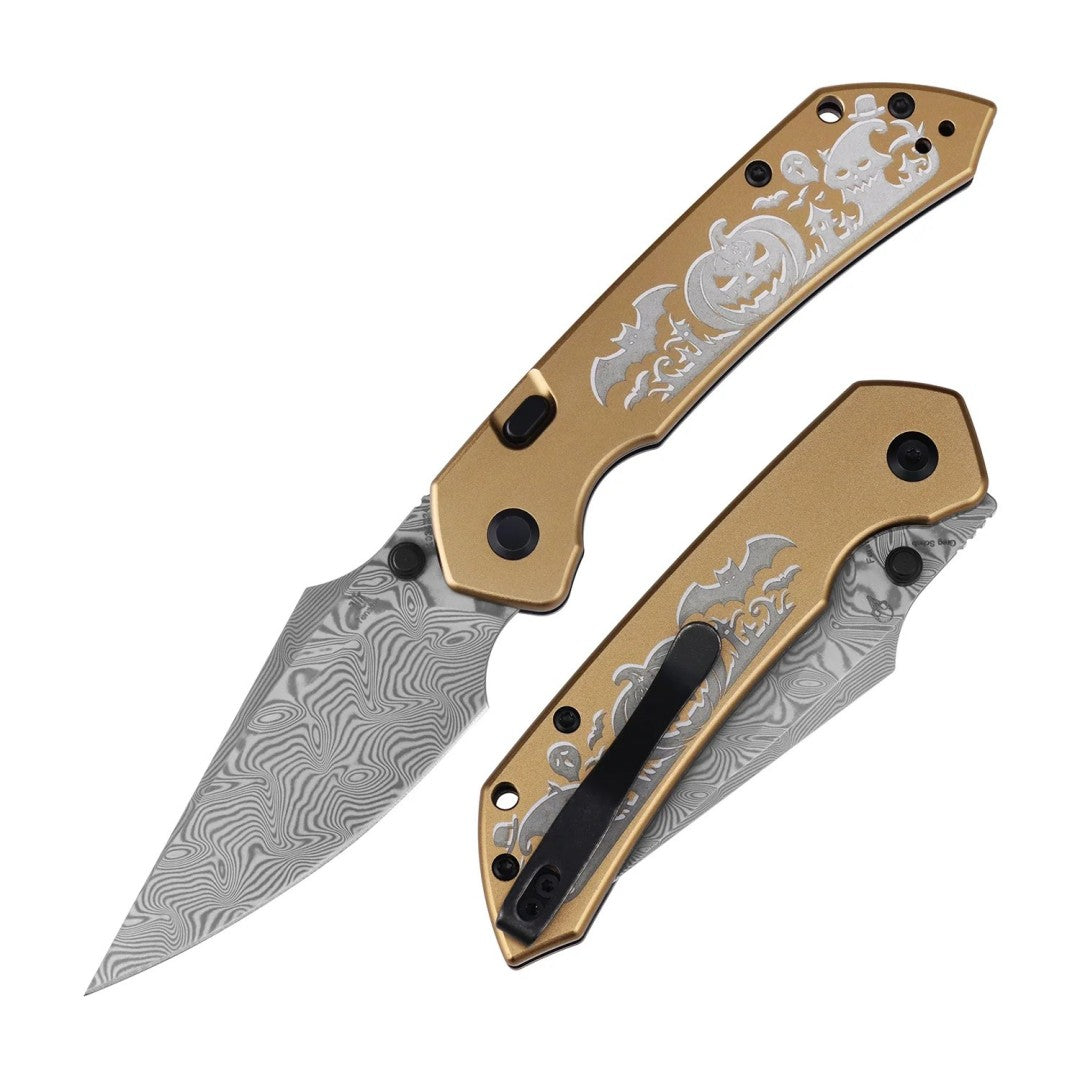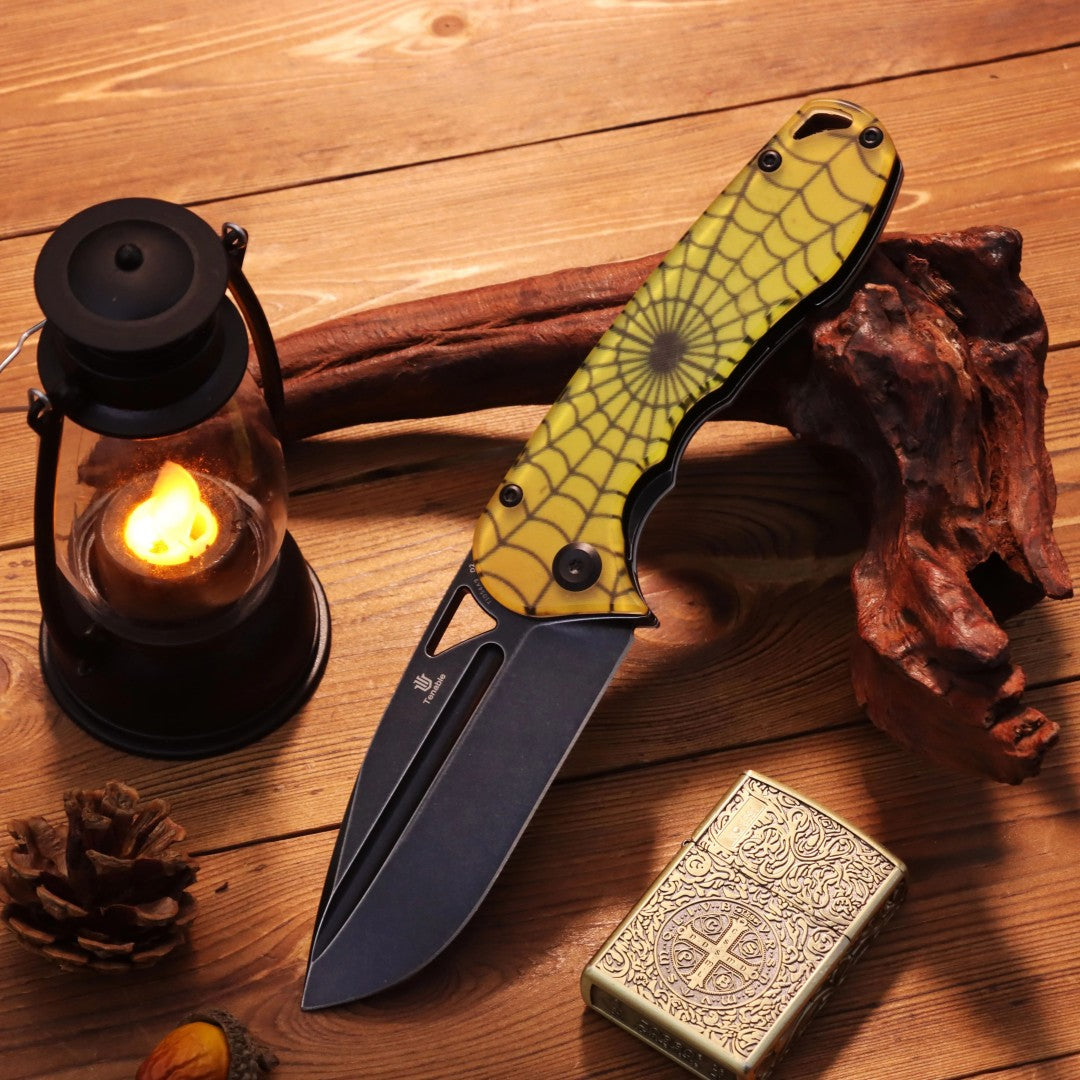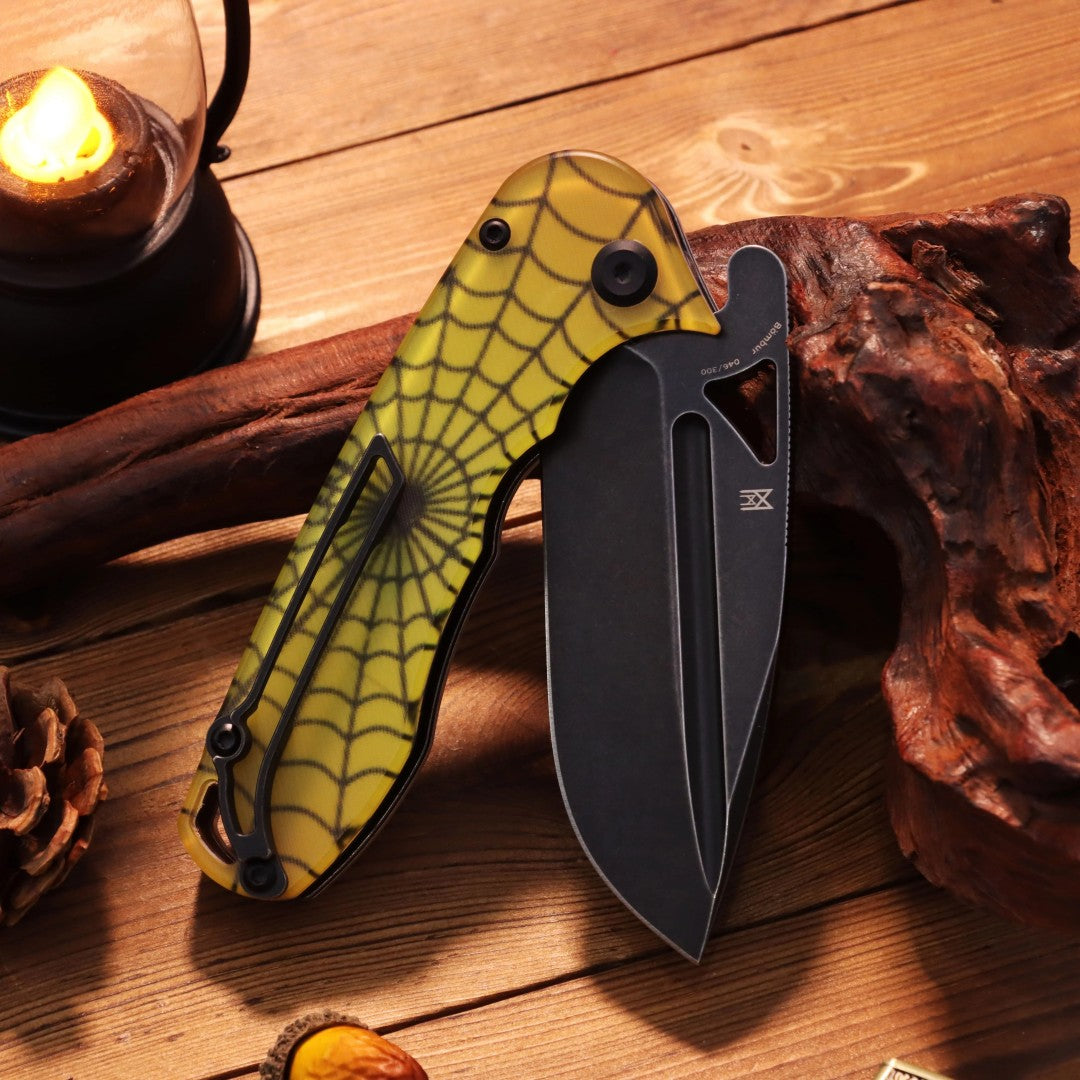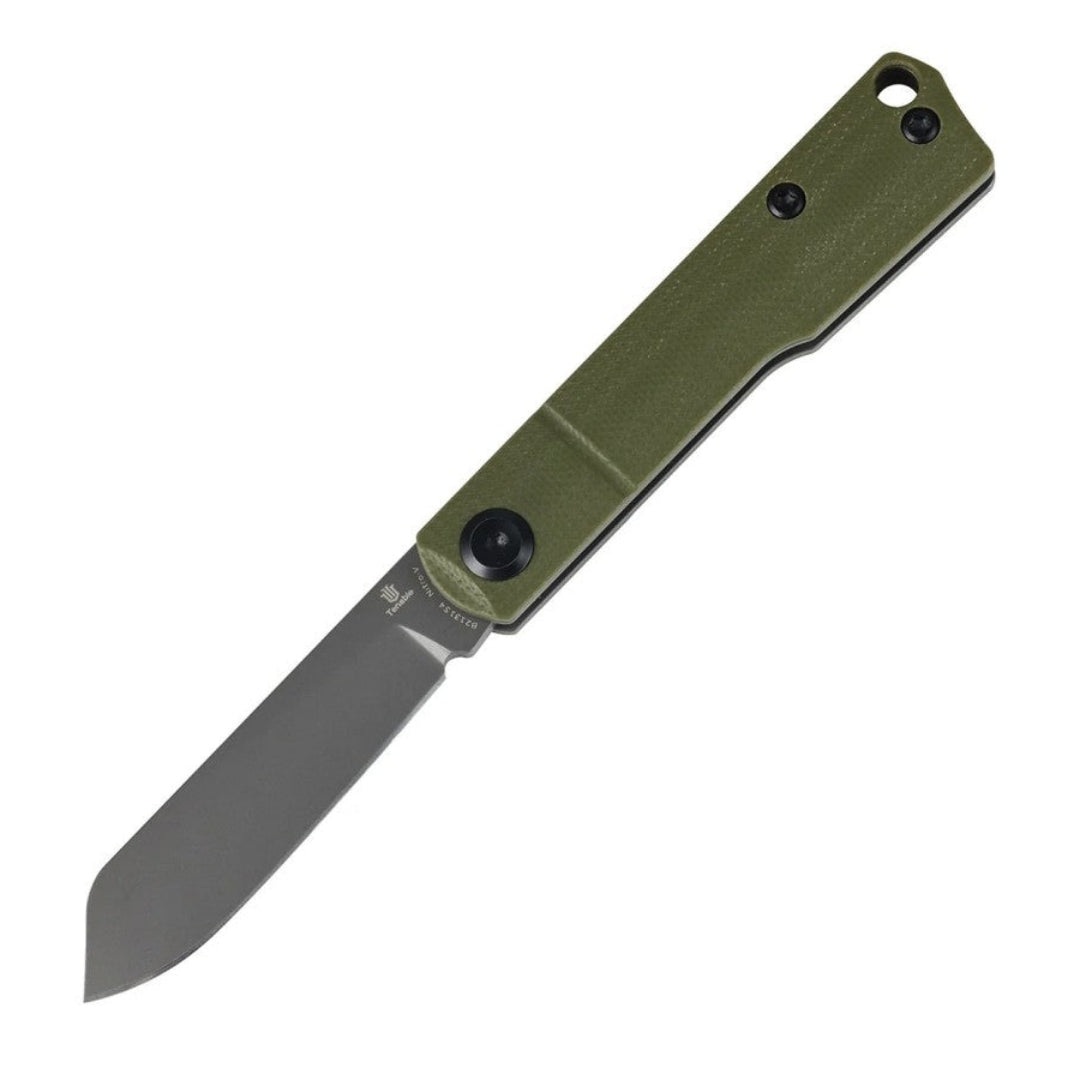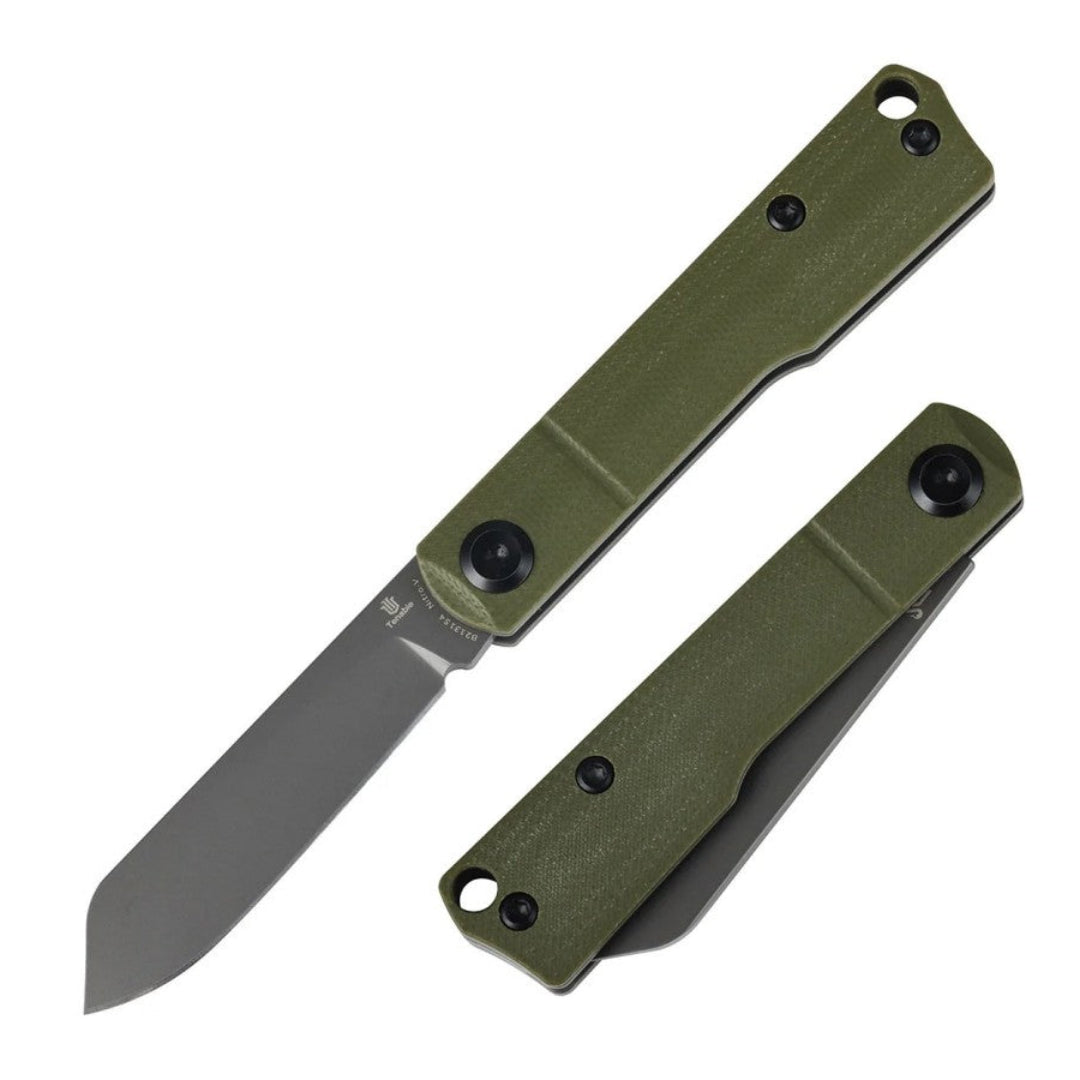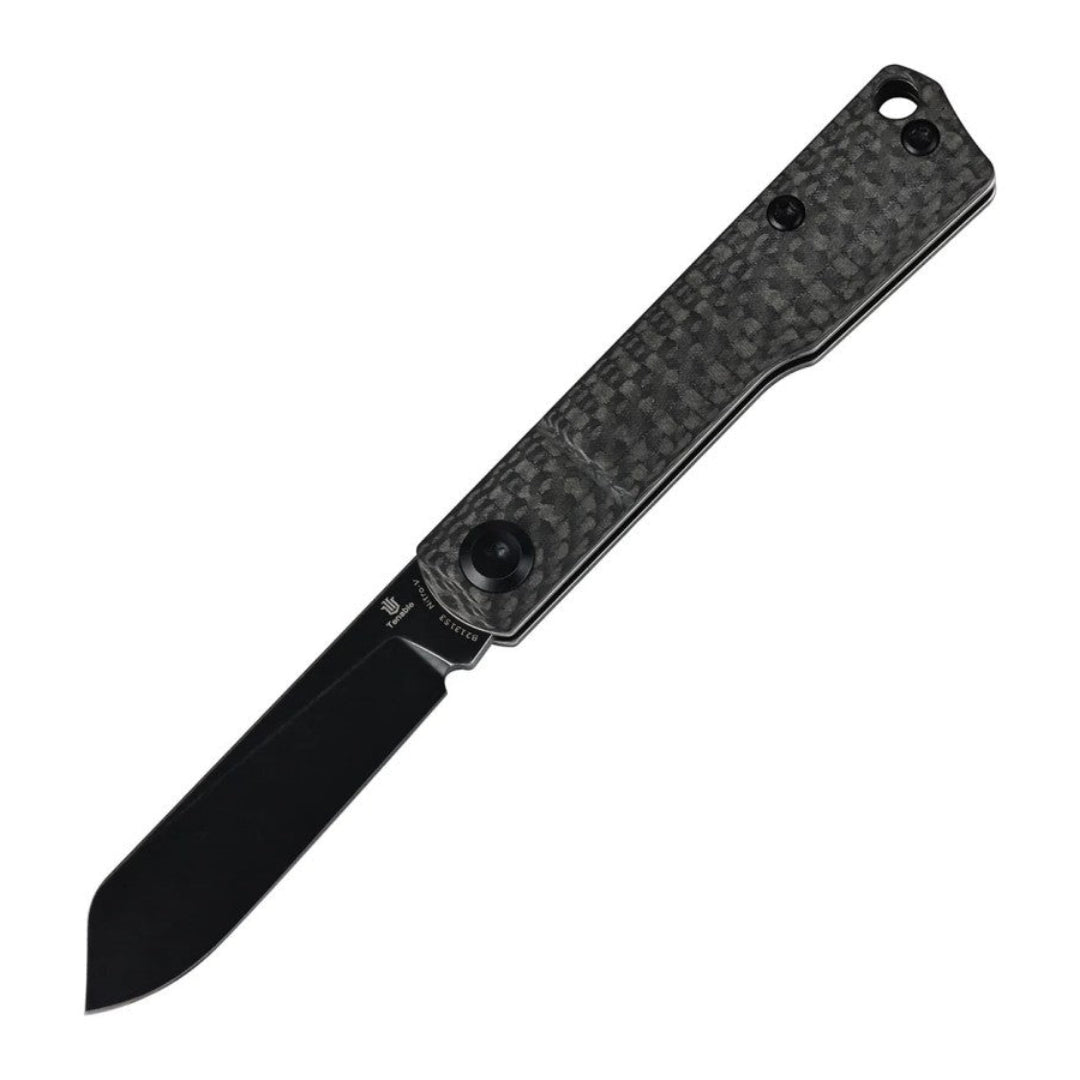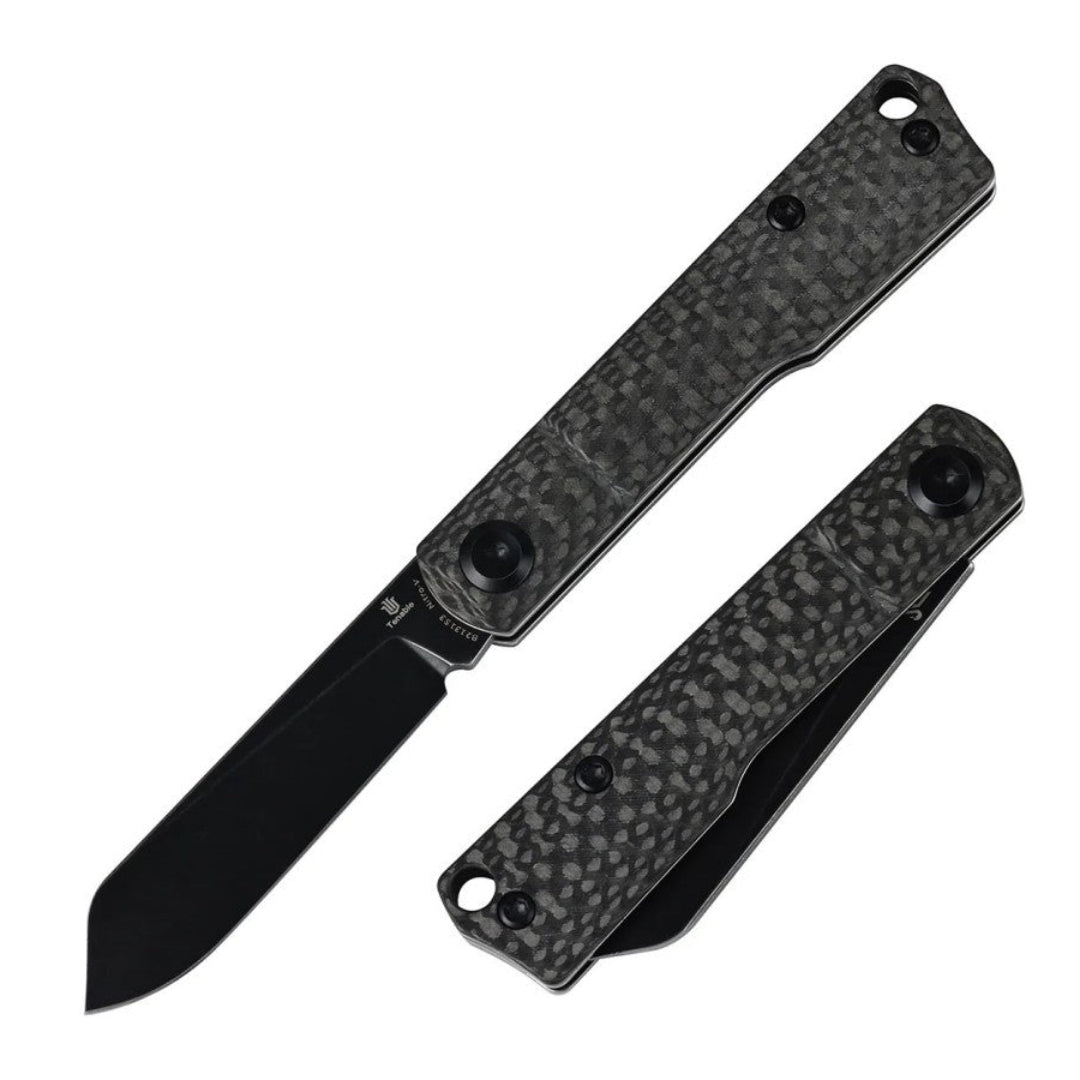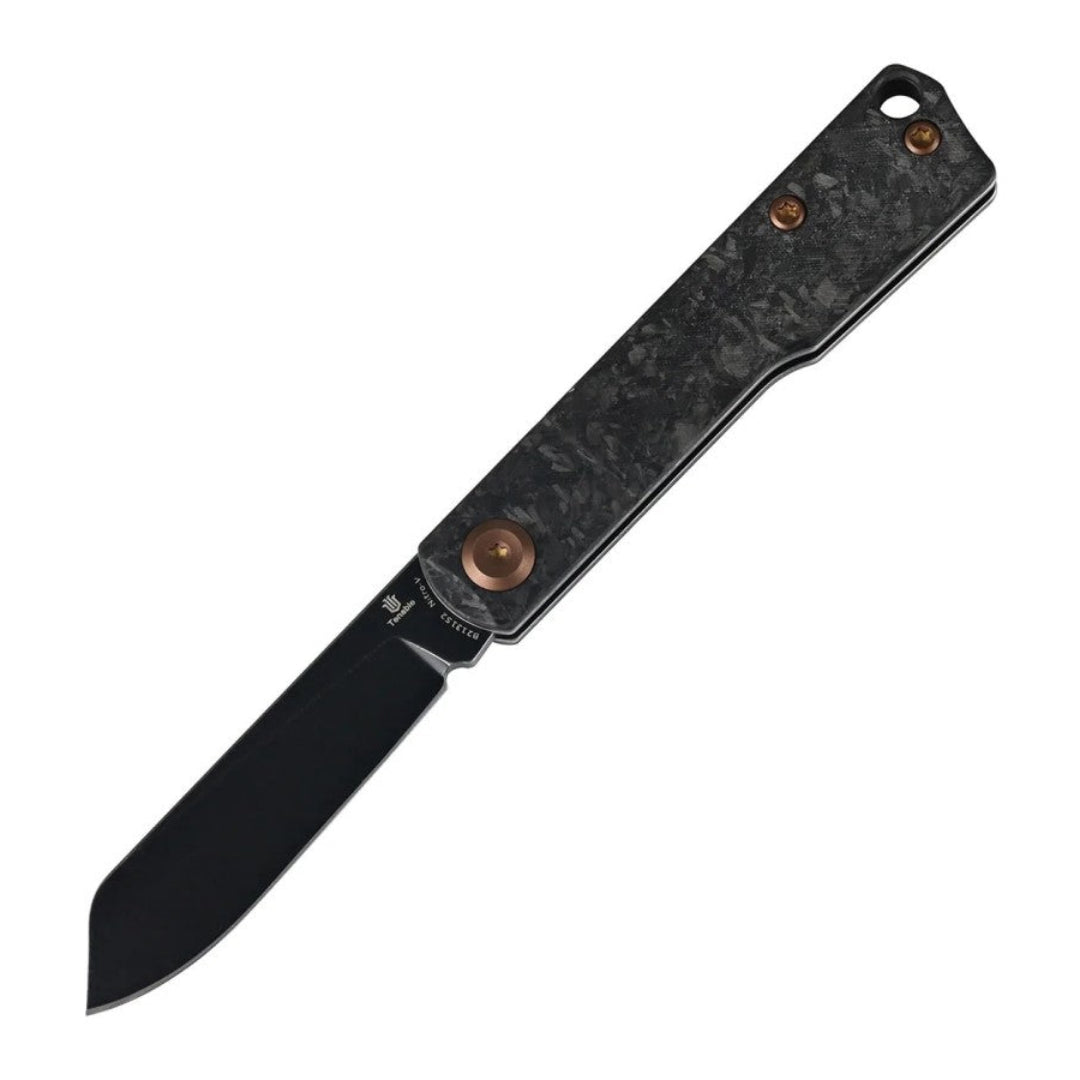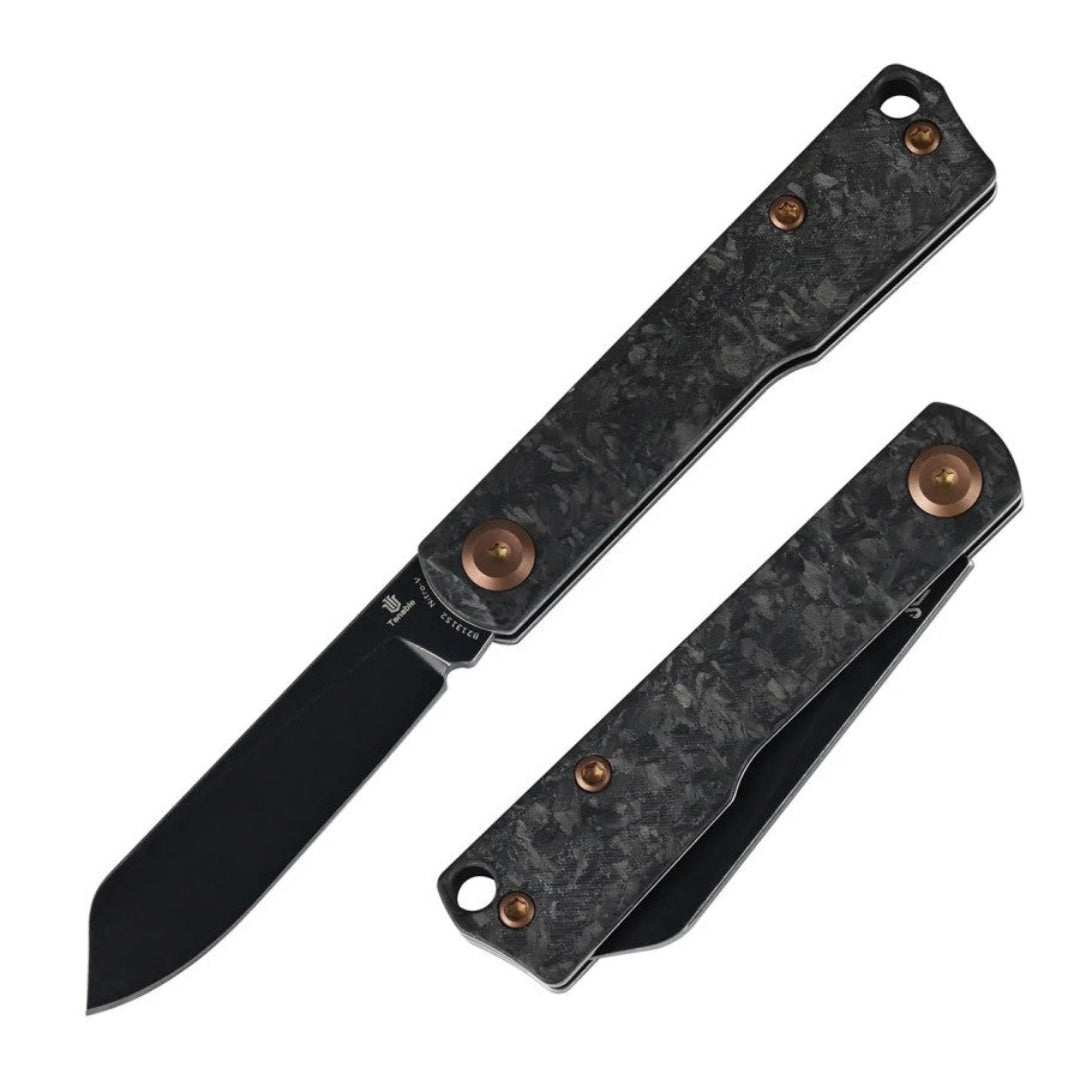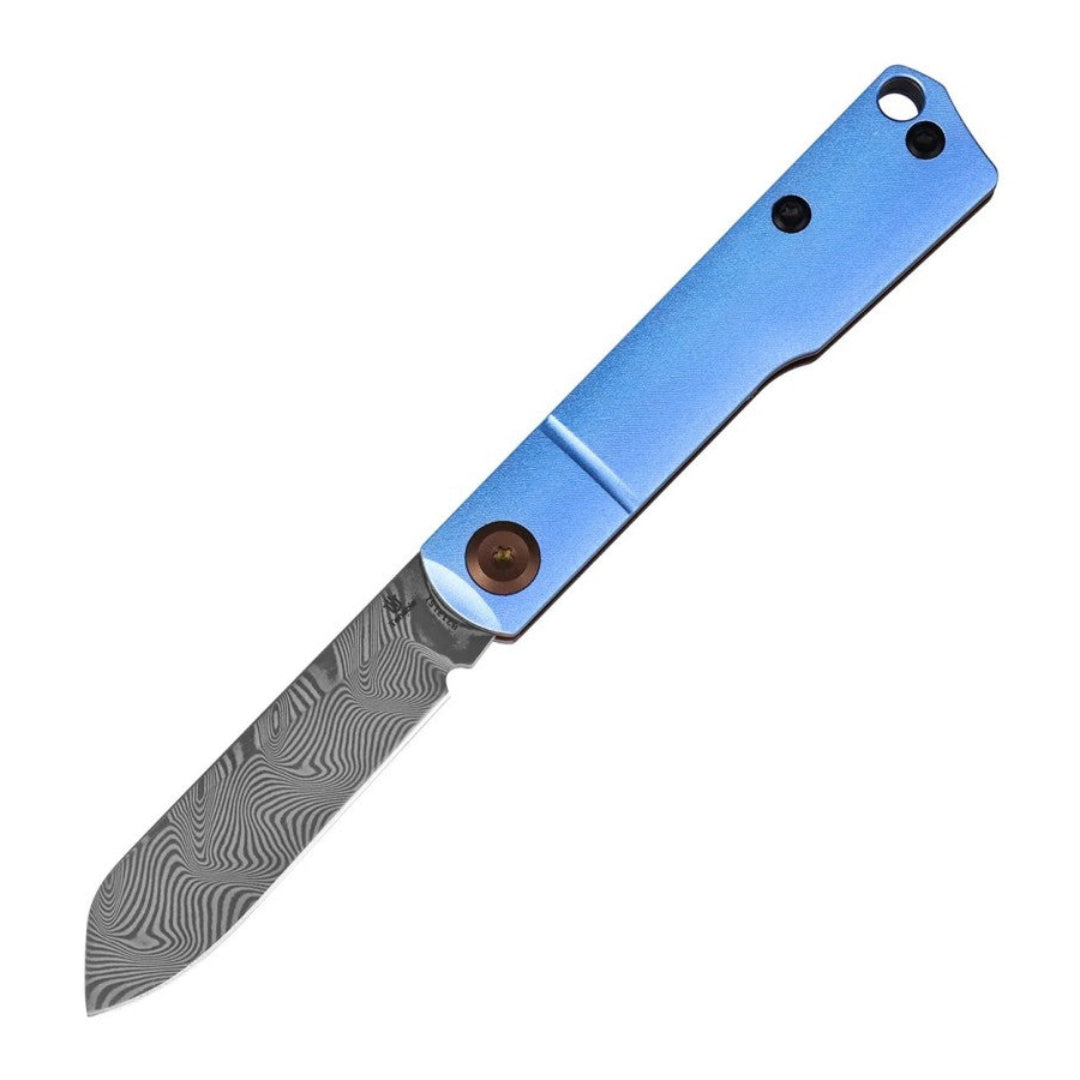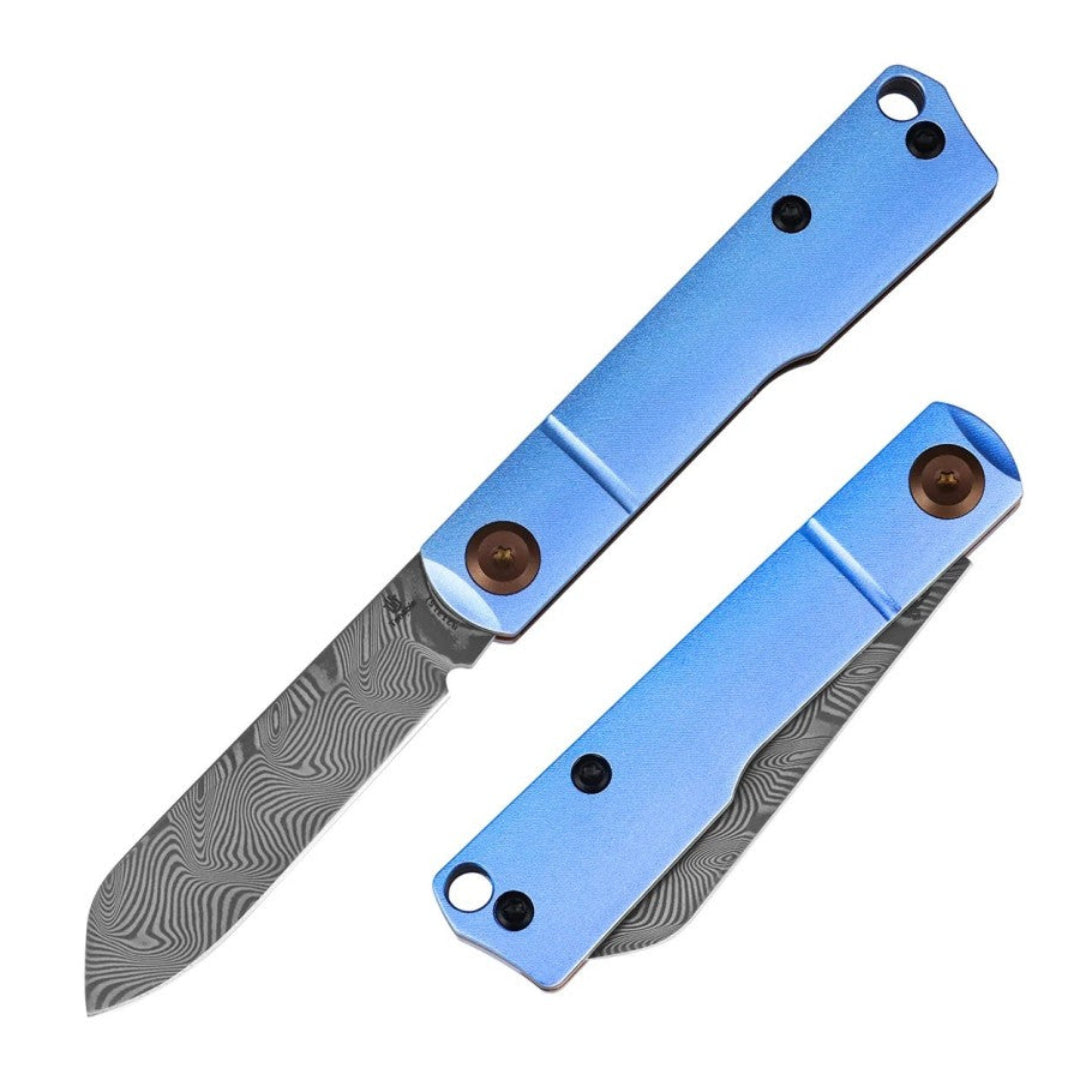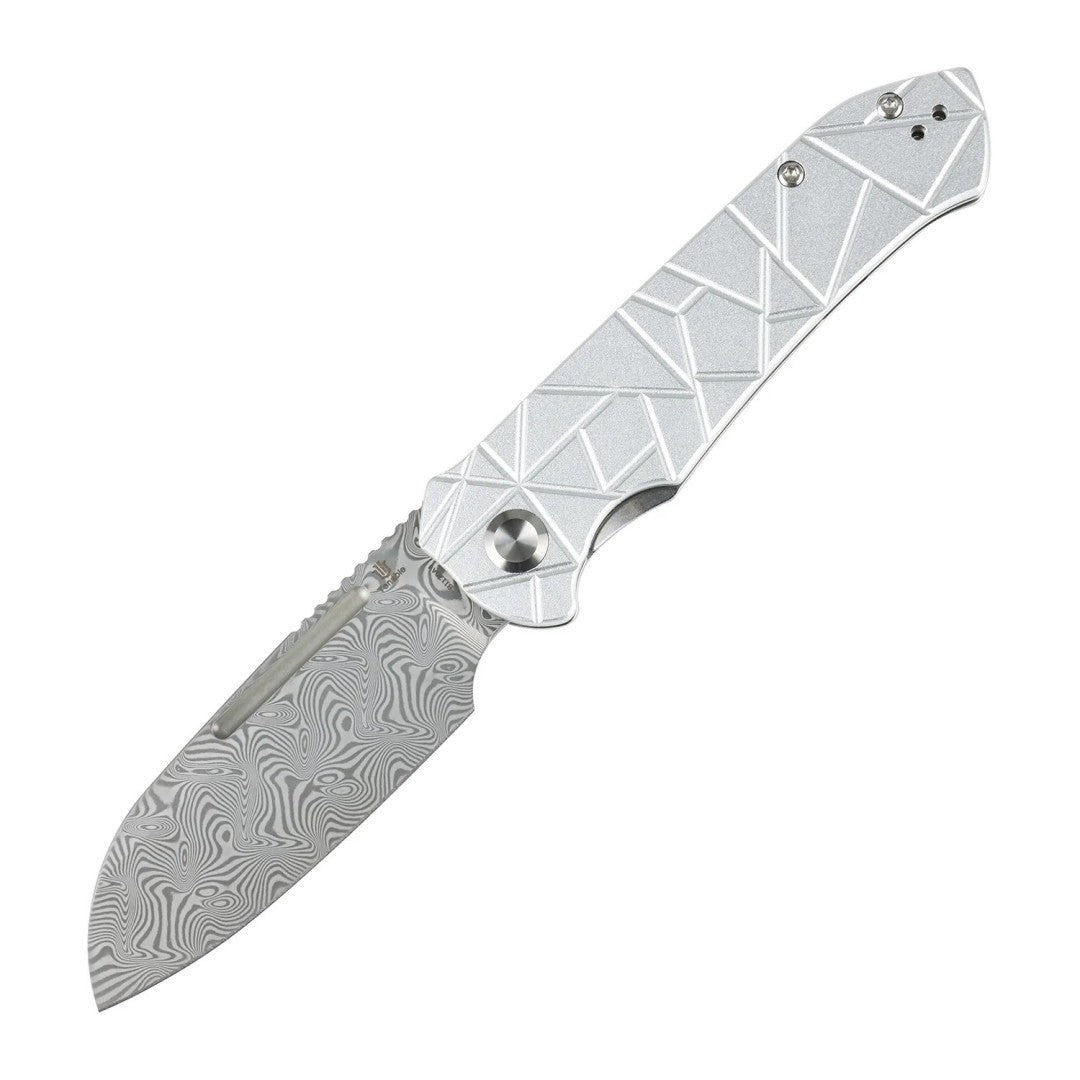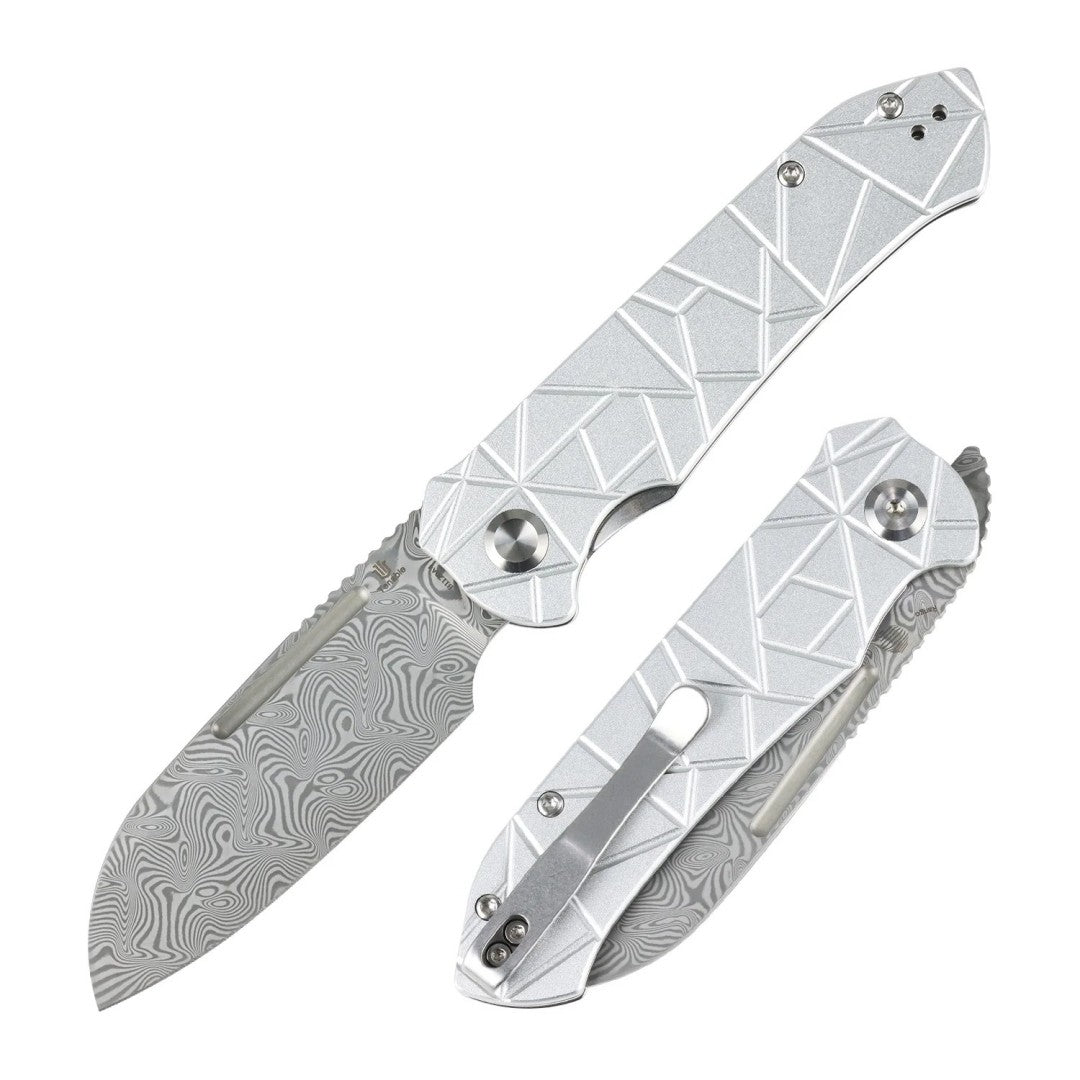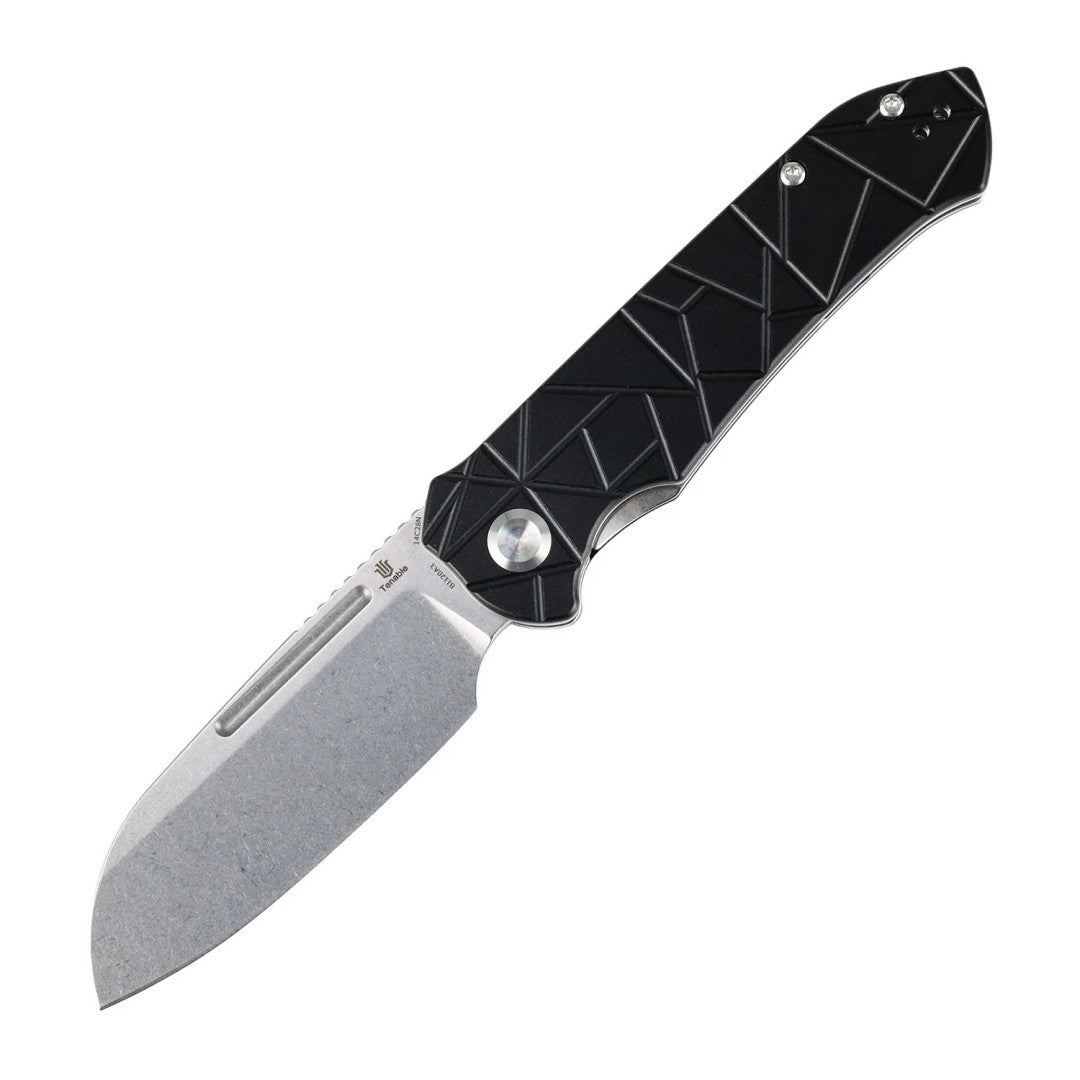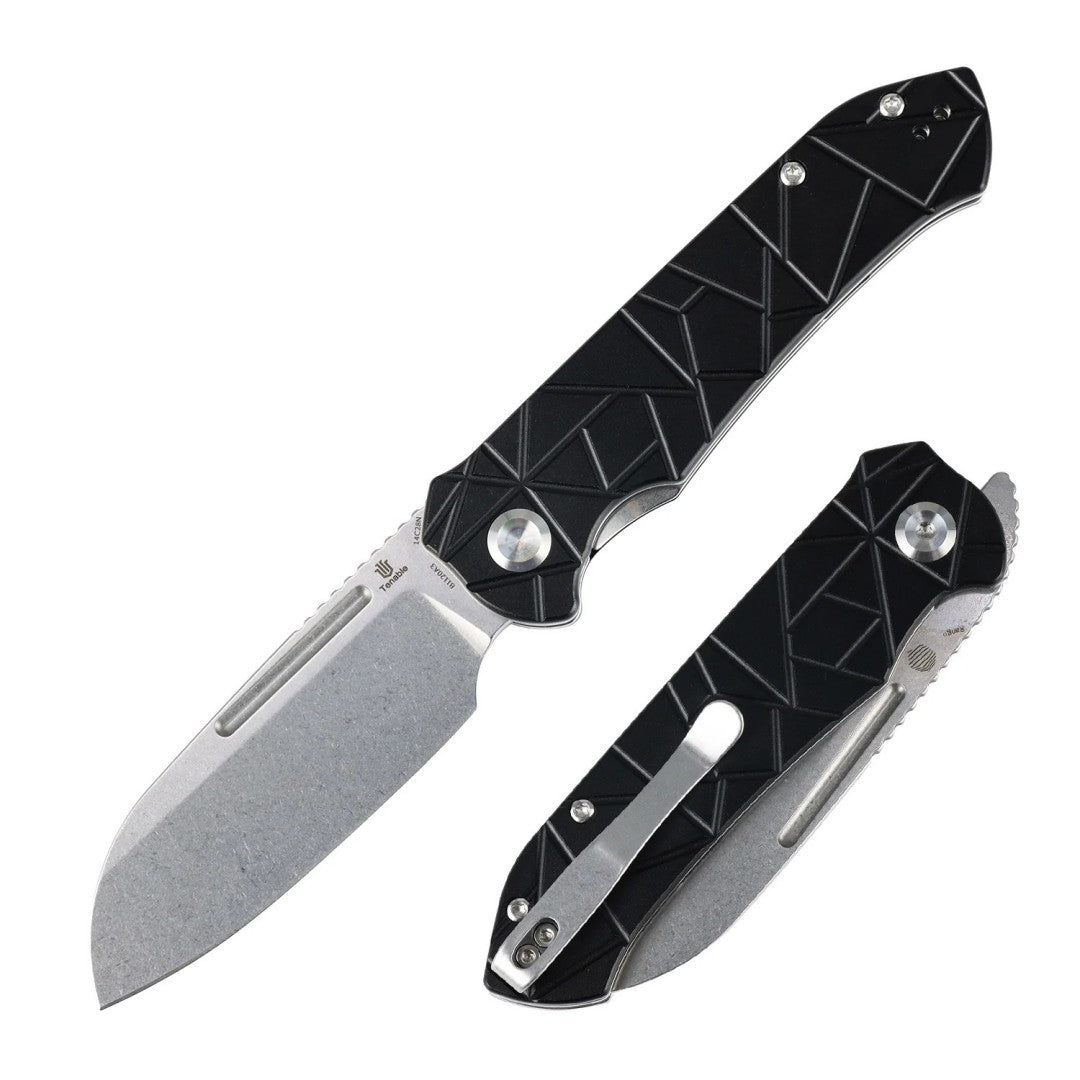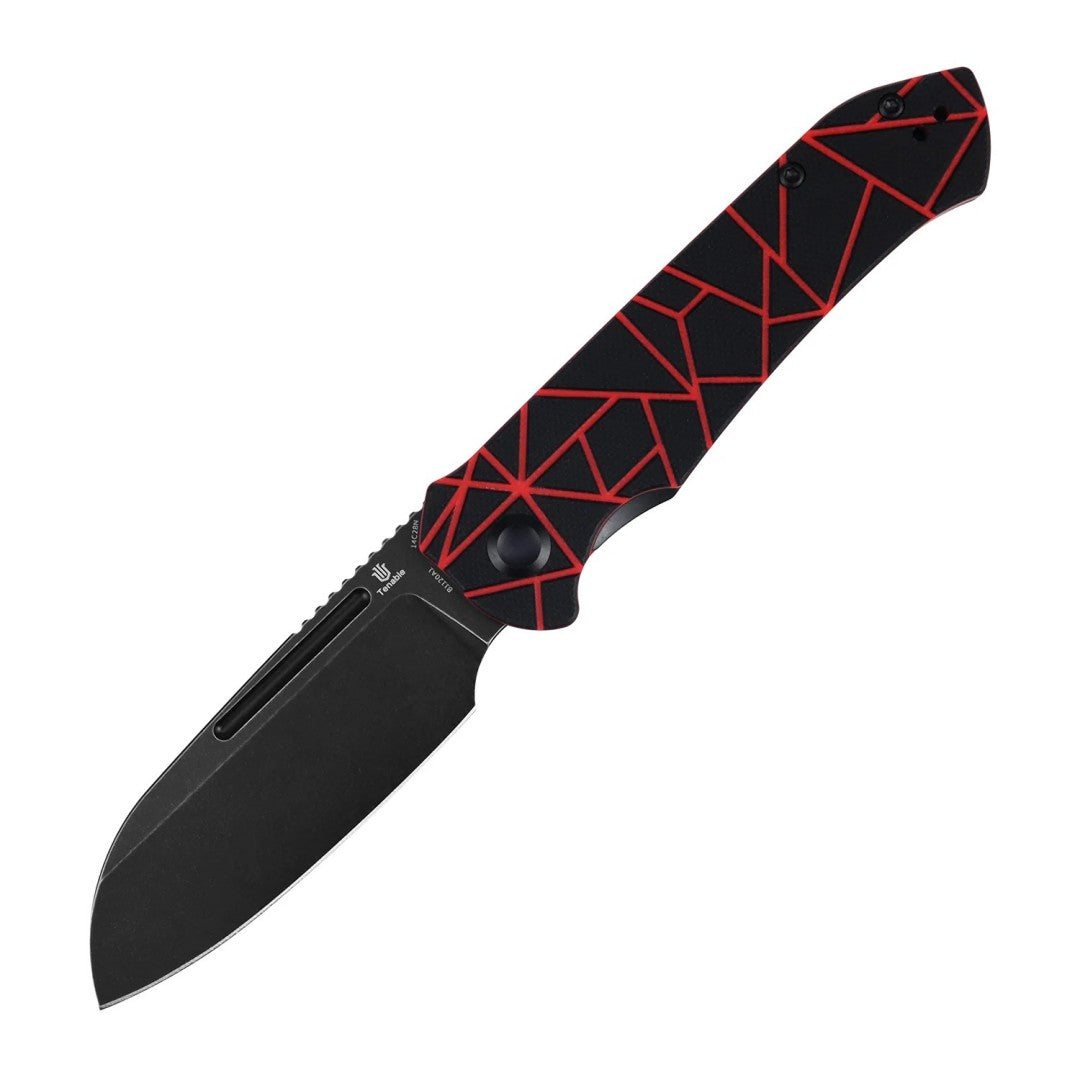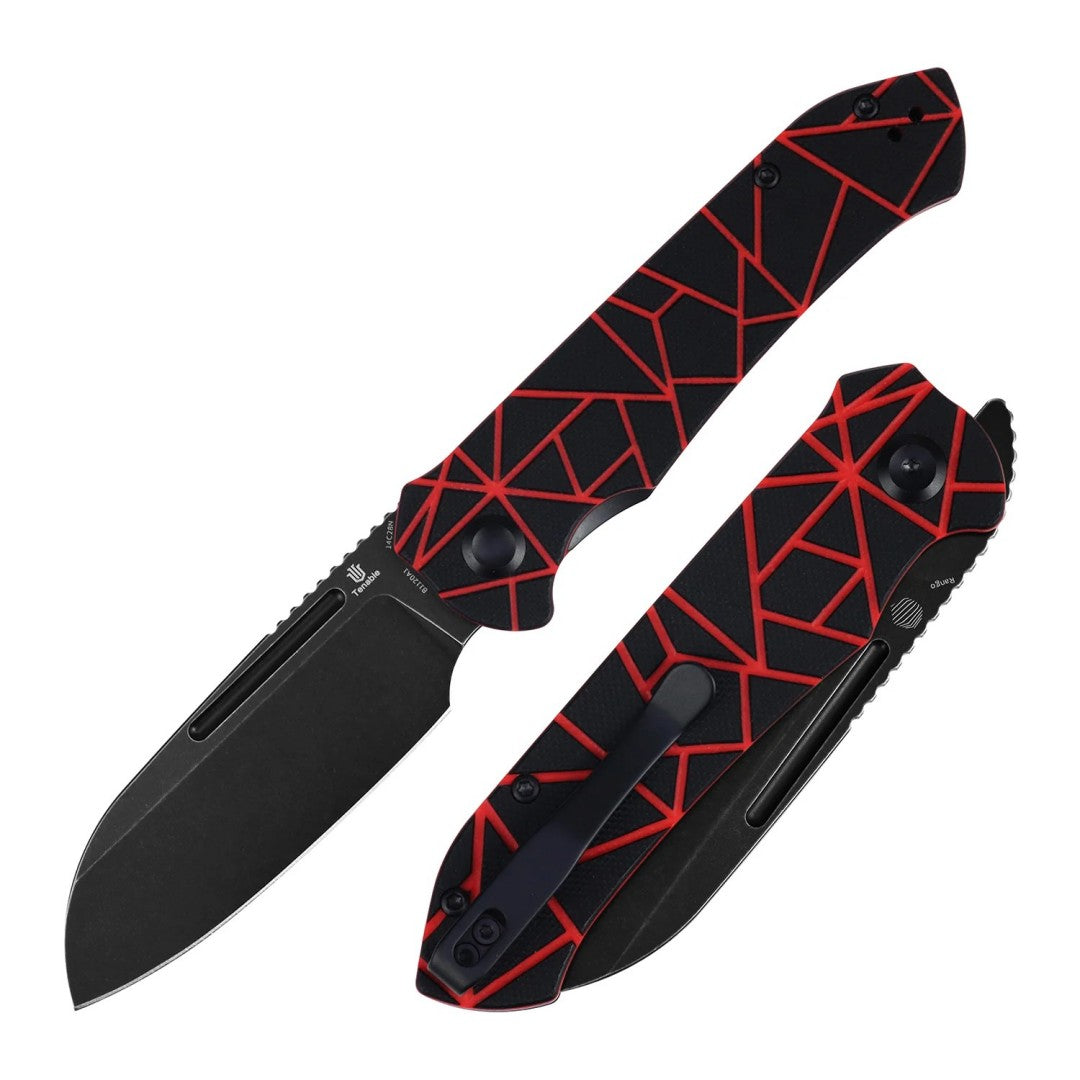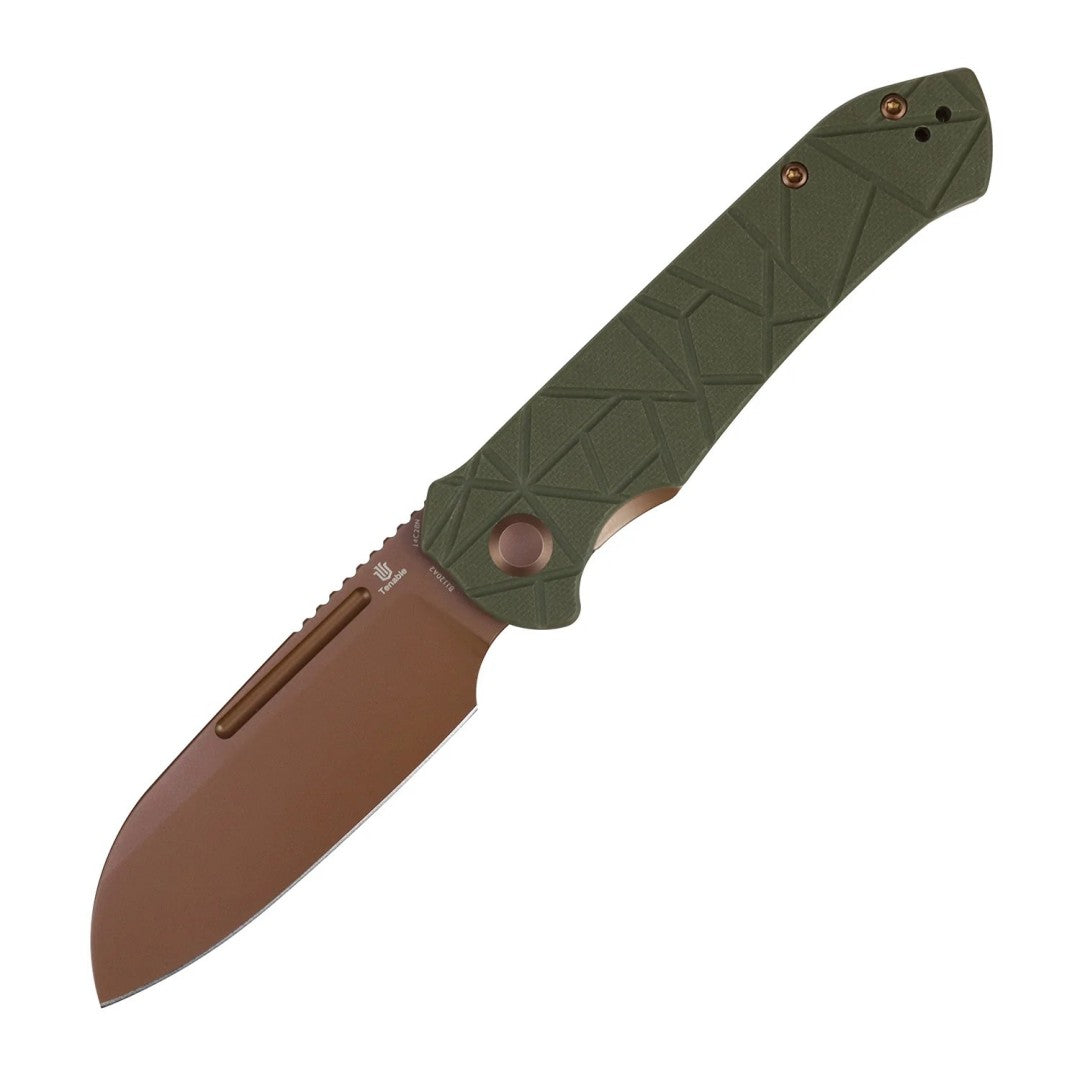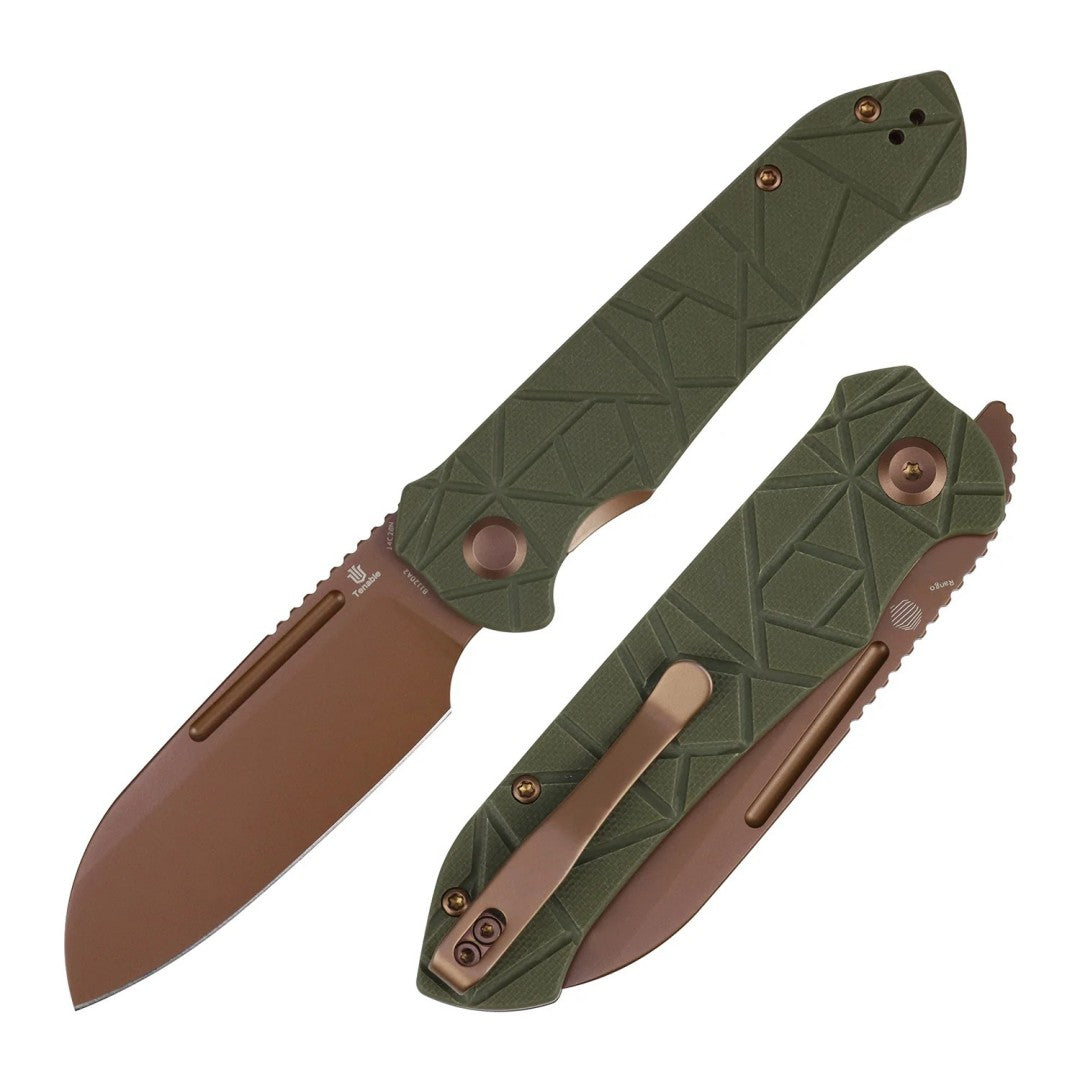

When evaluating a folder for everyday carry (EDC), the locking mechanism is arguably the most critical structural component. It dictates not only how fun the knife is to flip, but more importantly, how safe it is to operate under heavy pressure.
While the Tenable Knives Fenrir—an exceptional design collaboration with Greg Schob of Sparrow Knife Co.—gained massive viral fame for its button lock and top liner lock variations, the addition of the Crossbar Lock configuration has completely stolen the spotlight for heavy-duty users. Ambidxetrous, incredibly rigid, and highly addictive, the crossbar lock (often colloquially compared to the classic Axis lock style) transforms this sleek harpoon folder into a hard-use tactical powerhouse.
But how do the internal components hold up over time? In this hands-on Tenable Fenrir Crossbar Lock Review, we put its internal omega springs through an intensive durability stress test and evaluate its long-term lockup reliability to see if it deserves a permanent spot in your pocket rotation.
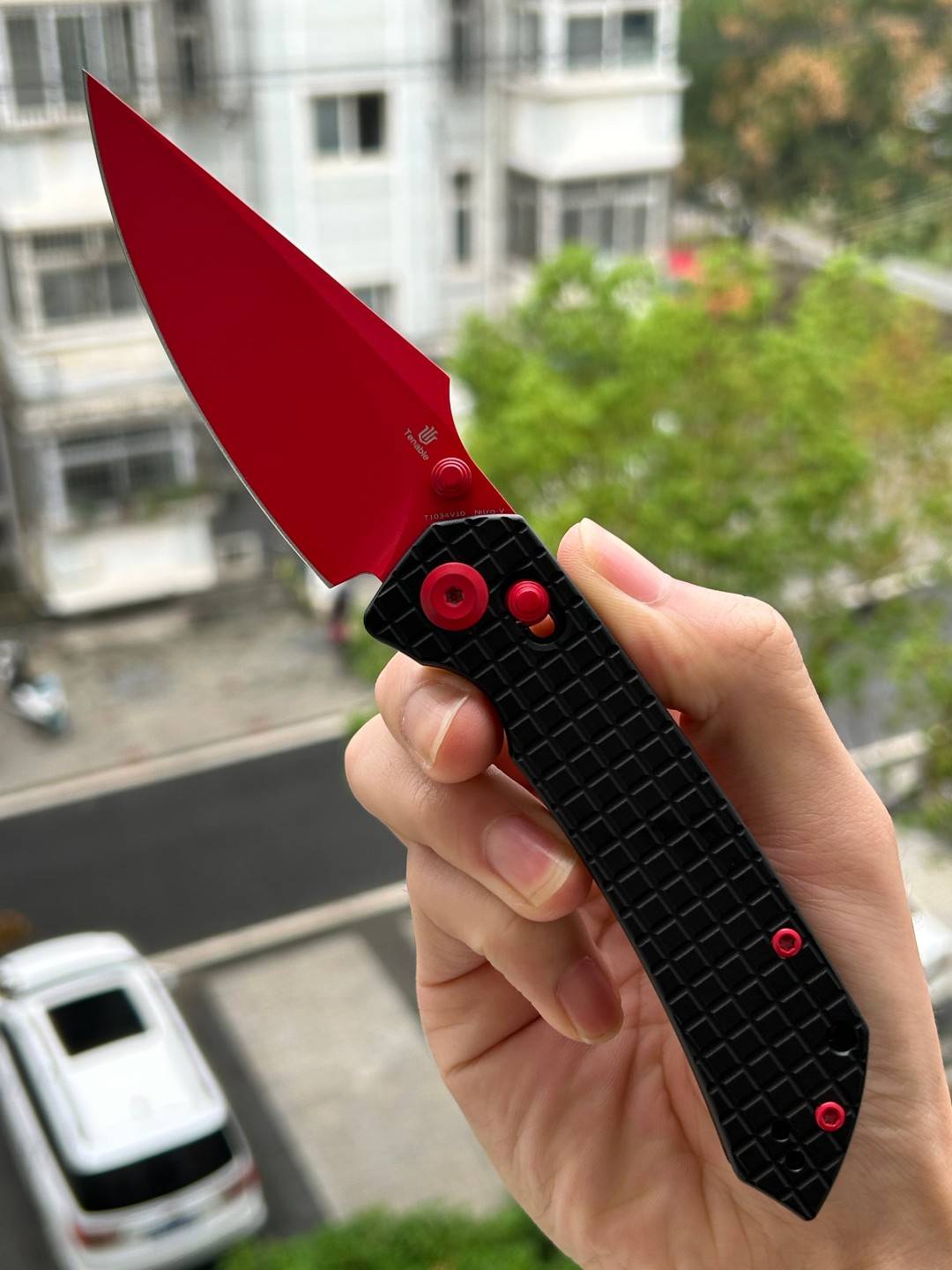
The Anatomy of the Fenrir Crossbar Lock
To understand why the crossbar lock is so highly revered by the EDC community, it helps to analyze how it secures the blade.
The mechanism relies on a solid steel bar that extends completely through both sides of the handle scales and steel liners. Driven by dual internal omega-shaped tension springs, this solid bar slides forward onto a ramped shelf machined directly into the blade tang when the knife is deployed.
Because the lockup relies on solid steel-on-steel geometry backed by the structural framework of the liners, it is inherently one of the most secure systems ever designed for folding knives. It completely isolates your fingers from the cutting path when closing the tool, and it offers identical, 100% ambidextrous functionality for both left- and right-handed users.
The Ultimate Torture Test: Omega Springs Durability
The number one concern knife collectors express regarding any crossbar lock configuration is the longevity of the internal omega springs. If a manufacturer utilizes cheap, brittle wire, the springs can snap after a few months of constant flipping, rendering the lock useless until repaired.
To find out if Tenable used premium components, we put the Fenrir through an intensive 10,000-cycle mechanical deployment test. We actuated the crossbar lock repeatedly, snapping the blade open and closed to simulate years of heavy real-world everyday carry usage.
The Durability Results
-
Cycles 1 to 2,500: Out of the box, the crossbar springs felt distinct and crisp. The spring tension was perfectly calibrated—firm enough to provide a snappy, tactile closed detent, but light enough to pull back effortlessly using only your thumb and index finger.
-
Cycles 2,500 to 7,500: The action became noticeably smoother as the steel lockbar polished the ceramic bearing pivot track. The internal omega springs maintained their original structural memory perfectly. There was zero stretching, sagging, or loss of spring tension.
-
Cycles 7,500 to 10,000: By the end of our intensive cycling test, both internal omega springs remained fully intact and structurally flawless. Tenable has clearly utilized high-tensile, heavy-duty music wire for their spring construction, ensuring it can easily withstand the constant flipping demands of the most obsessive fidget enthusiasts.
Lockup Reliability Testing: Overcoming Severe Pressure
A durable spring is great, but a lock must ultimately protect your hands when executing heavy-duty cutting tasks. We subjected the fully deployed Fenrir Crossbar Lock to three brutal structural safety challenges.
1. The Spine-Whack Safety Test
To ensure the locking bar will not accidentally slip off the blade tang under sudden reverse impact, we performed a series of controlled spine-whack tests against a dense wooden workbench blocks.
-
Performance: The Fenrir passed with absolute flying colors. Even under intense downward force against the spine of the harpoon blade, the crossbar lock remained completely unmoved. The steel bar stayed deeply wedged into the tang shelf, refusing to fail or disengage.
2. Vertical and Horizontal "Lock Rock" Assessment
Budget-friendly locking mechanisms often suffer from minute wobbling (lock rock) after hard use. We clamped the Fenrir handle into a vise and applied heavy lateral and vertical force to the tip of the 3.4-inch Sandvik 14C28N blade.
-
Performance: There was absolutely zero horizontal play or vertical movement. The lockup was incredibly solid—feeling entirely like a fixed blade knife. The tolerances between the steel lockbar, the skeletonized inner liners, and the blade pivot are executed flawlessly.
3. Hard-Use Push Cutting
We tested the knife by driving the reinforced harpoon tip into thick plastic construction buckets and performing deep, heavy-pressure whittling on cured oak wood blocks. The lock mechanics remained perfectly rigid throughout, absorbing the constant vibrational shocks without a single rattle or slip.
Everyday Carry Action: Glassy Smooth Dynamics
Beyond raw structural security, the Fenrir Crossbar Lock is an absolute masterpiece in mechanical playability. Equipped with a premium caged ceramic ball bearing pivot system, the action is friction-free.
To open the knife, you can use the elongated thumb hole cutout for a fast middle-finger reverse flick, or simply pull back on the crossbar studs to drop the blade open using simple kinetic gravity.
To close it, you simply retract the crossbar with your thumb and index finger. Because the blade path is completely unimpeded, the Fenrir exhibits beautiful, glass-smooth drop-shut action. With a quick micro-flick of your wrist, the blade swings cleanly back into the handle scales, snapping perfectly into its closed detent position in a split second.
Handle Customization and Practical Field Maintenance
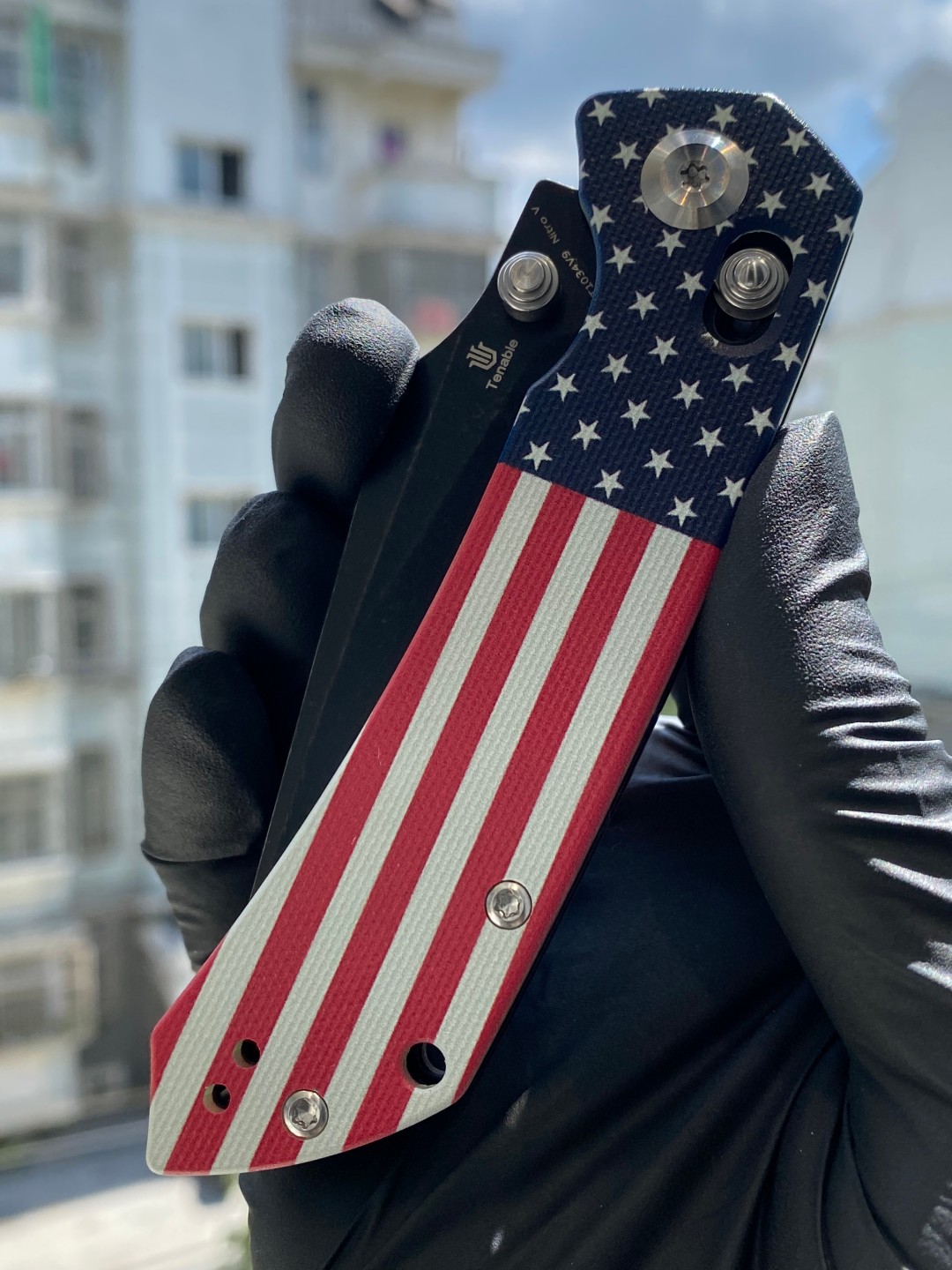
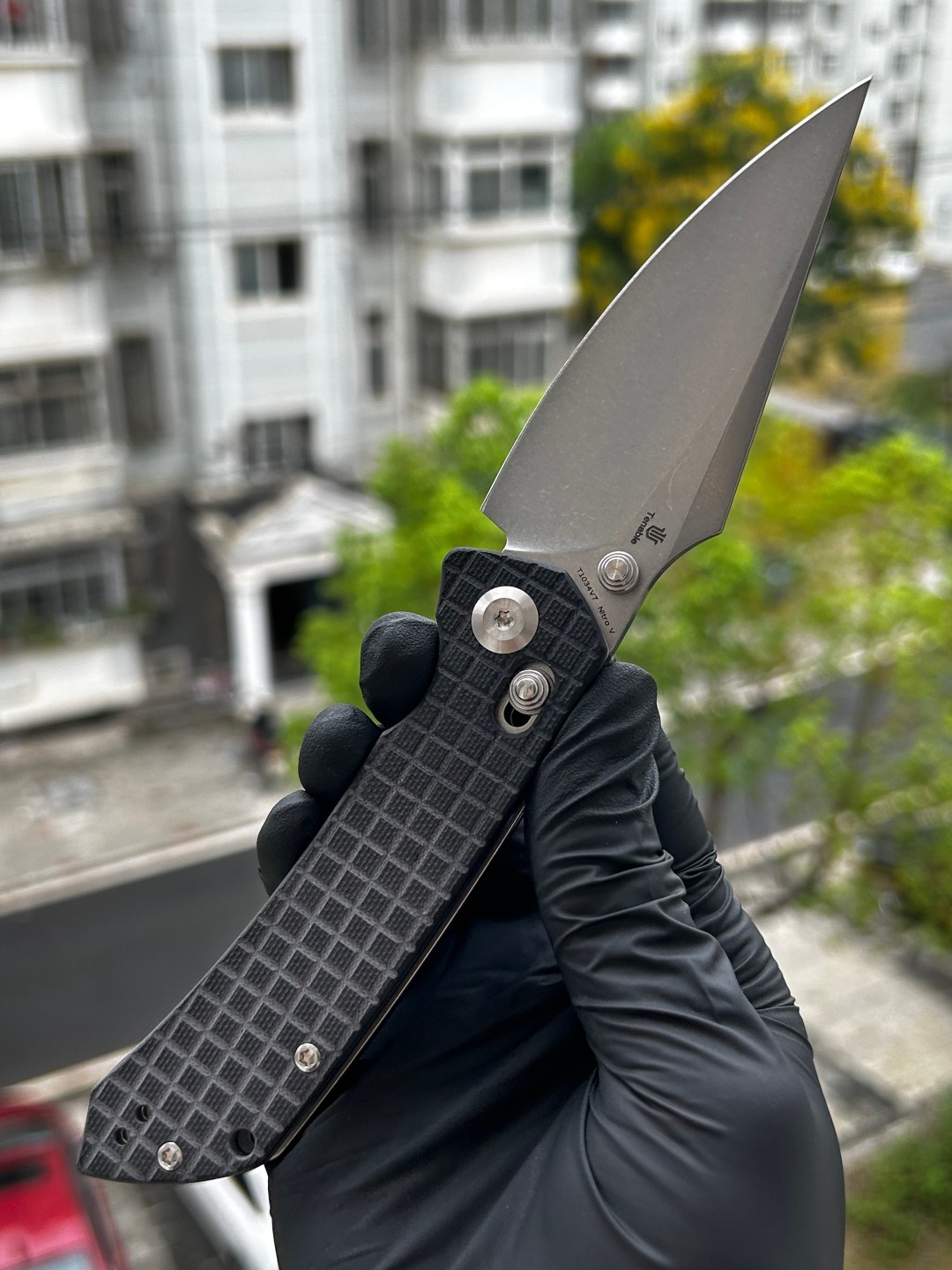
Tenable offers the Crossbar Lock Fenrir in an array of high-tactile handle scales including Textured Aluminum, Canvas Micarta, and G10 / G-Mascus.
For the crossbar variant, we highly recommend the textured aluminum or G10 configurations. These materials provide a rigid, non-flexing housing that perfectly anchors the internal omega springs, maximizing structural stability when squeezing the knife under extreme load.
Additionally, the Fenrir is engineered for straightforward field maintenance. Assembled entirely with standard T6 and T8 Torx screws, performing a routine teardown to clean out pocket lint, apply a drop of pivot oil, or clean the lock tracks is an easy, ten-minute DIY process for any gear owner.
Final Verdict: Is the Fenrir Crossbar Lock Reliable?
Our rigorous performance and stress testing confirm that the Tenable Fenrir Crossbar Lock is an absolute triumph in reliability and build quality.
Tenable has successfully shattered the myth that budget-friendly crossbar configurations are plagued by fragile springs and mushy lockups. By combining custom Greg Schob ergonomics with high-tensile omega springs, vault-like steel-on-steel lockup geometry, and buttery-smooth caged ceramic bearings, they have created a rock-solid tactical folder. Whether you are a hard-working craftsman requiring an ambidextrous workhorse or an EDC enthusiast seeking an addictive, ultra-safe fidget companion, the Tenable Fenrir Crossbar Lock stands out as a premier value that is absolutely built to last.