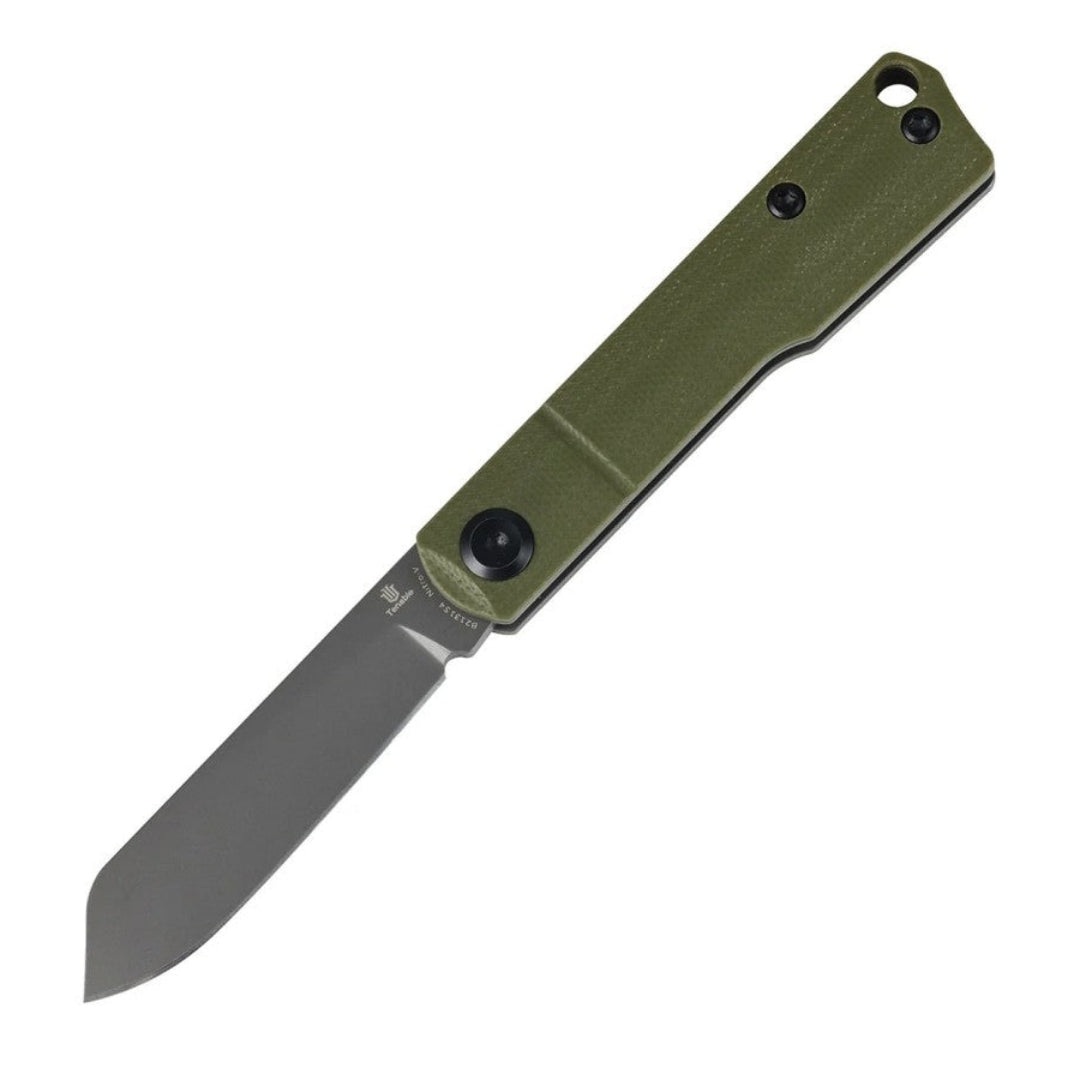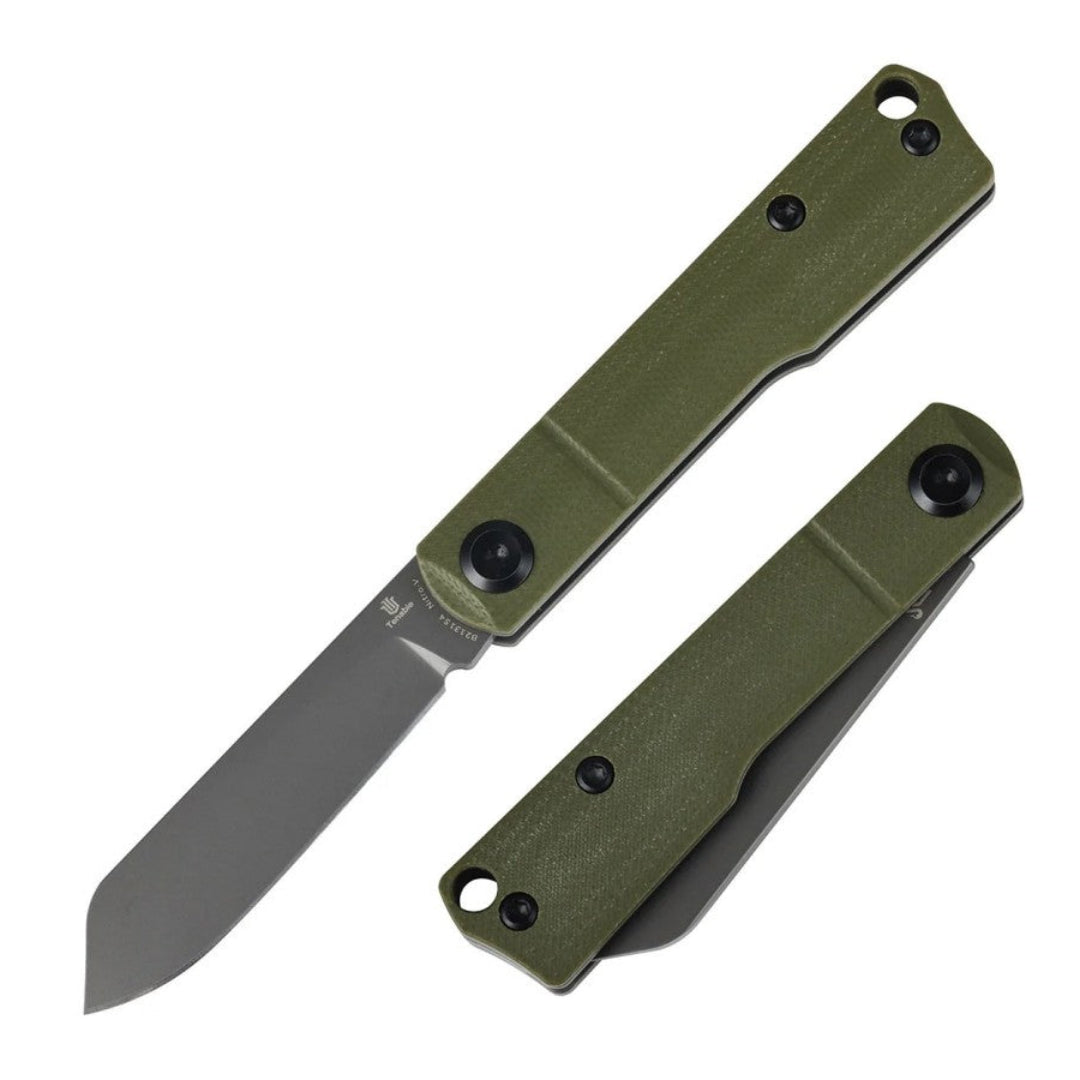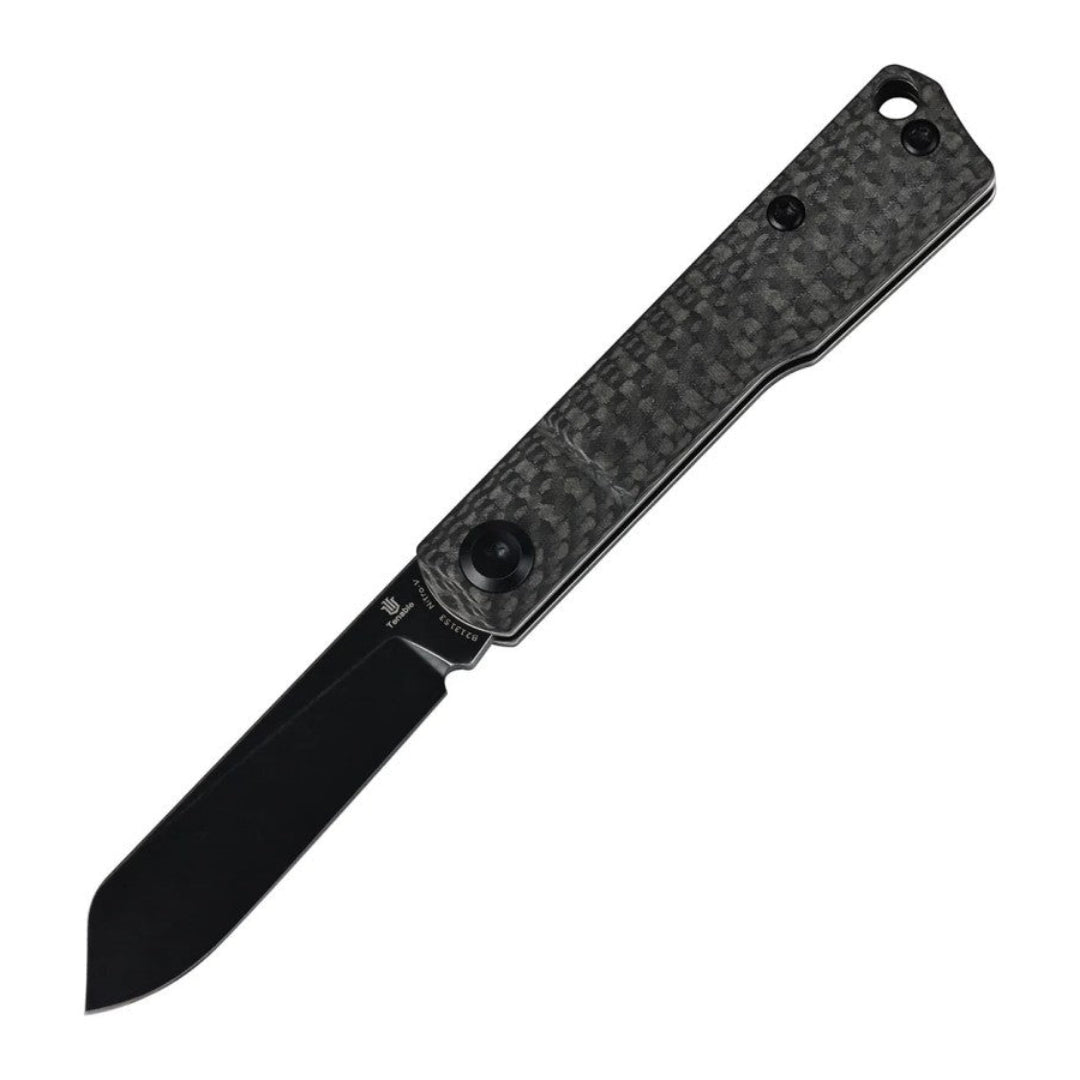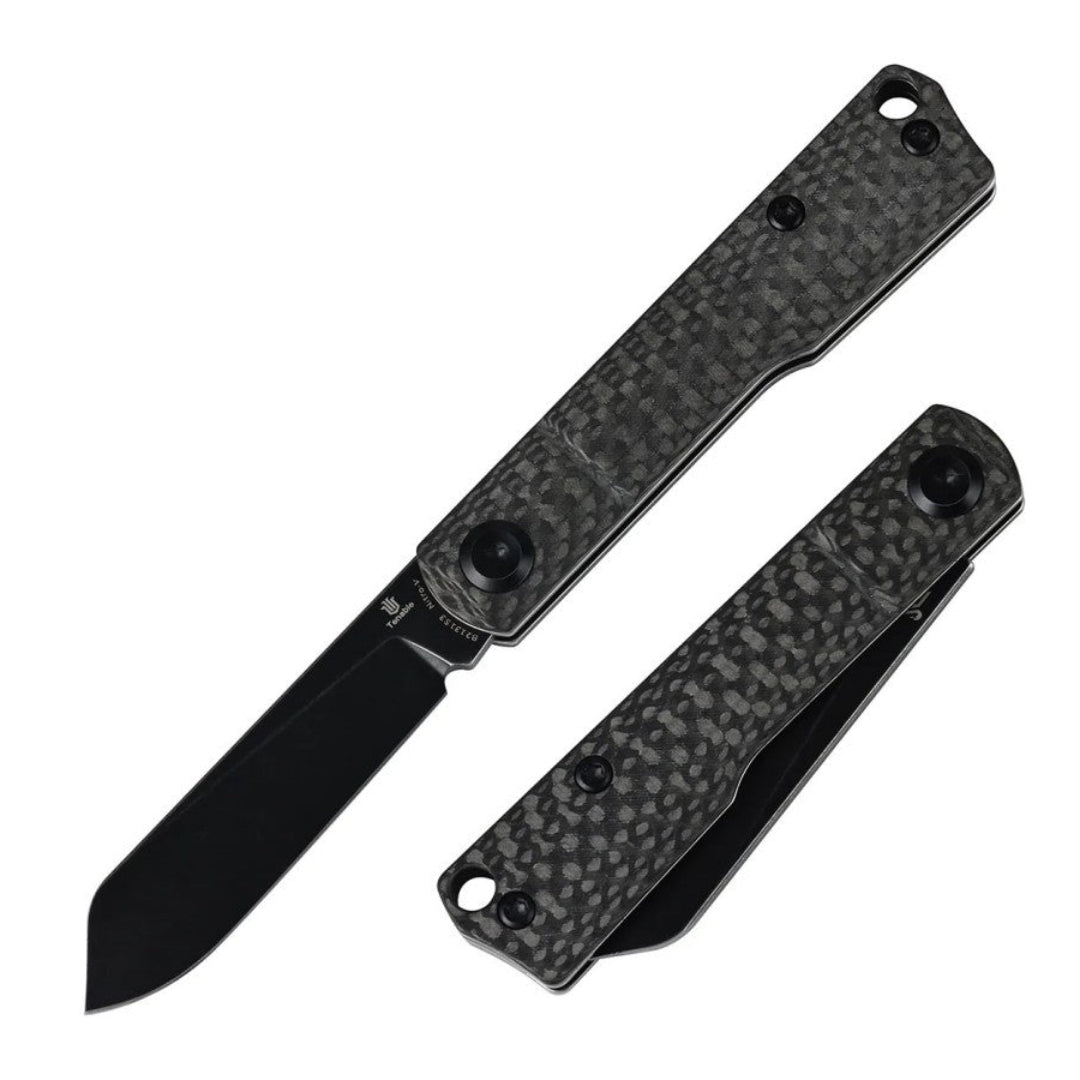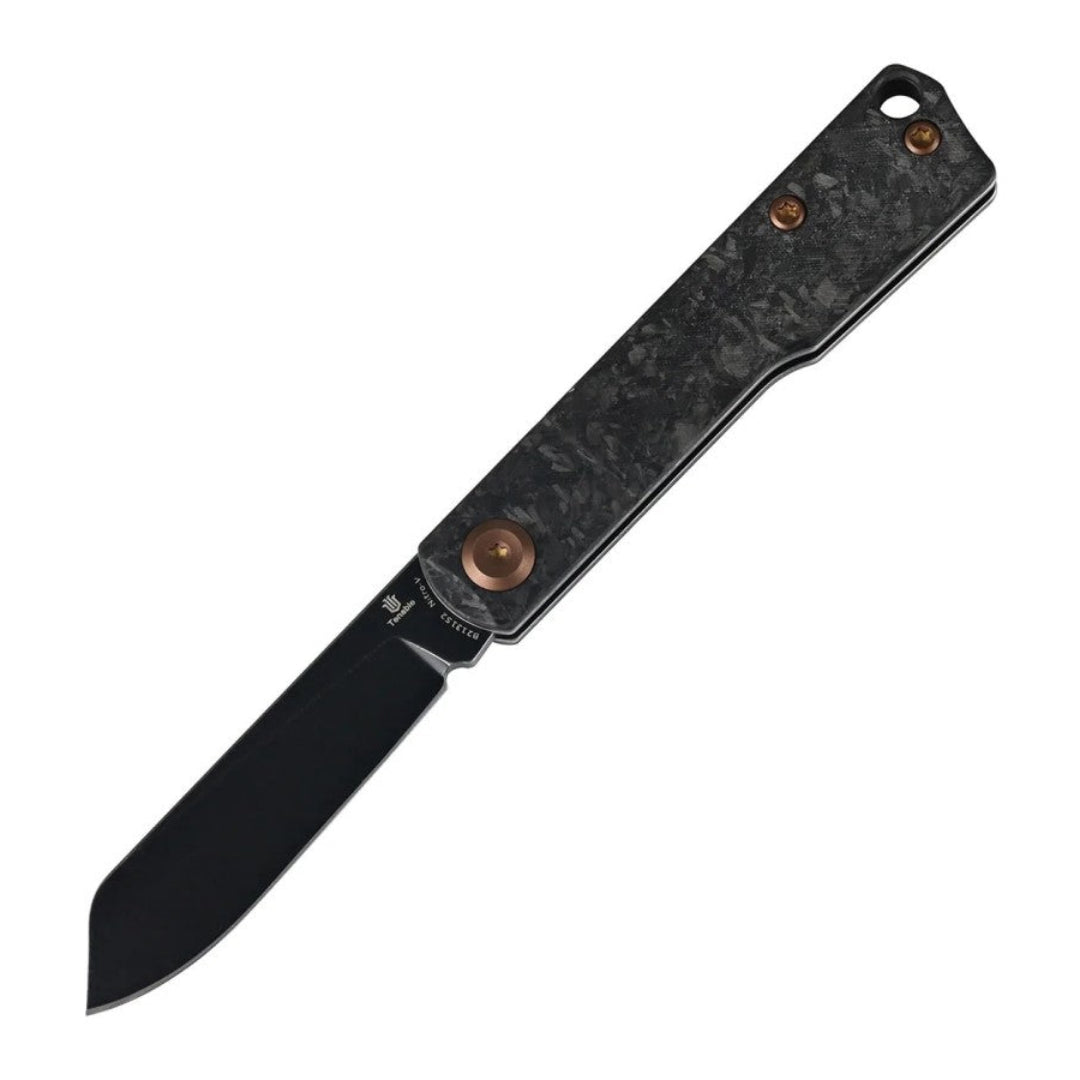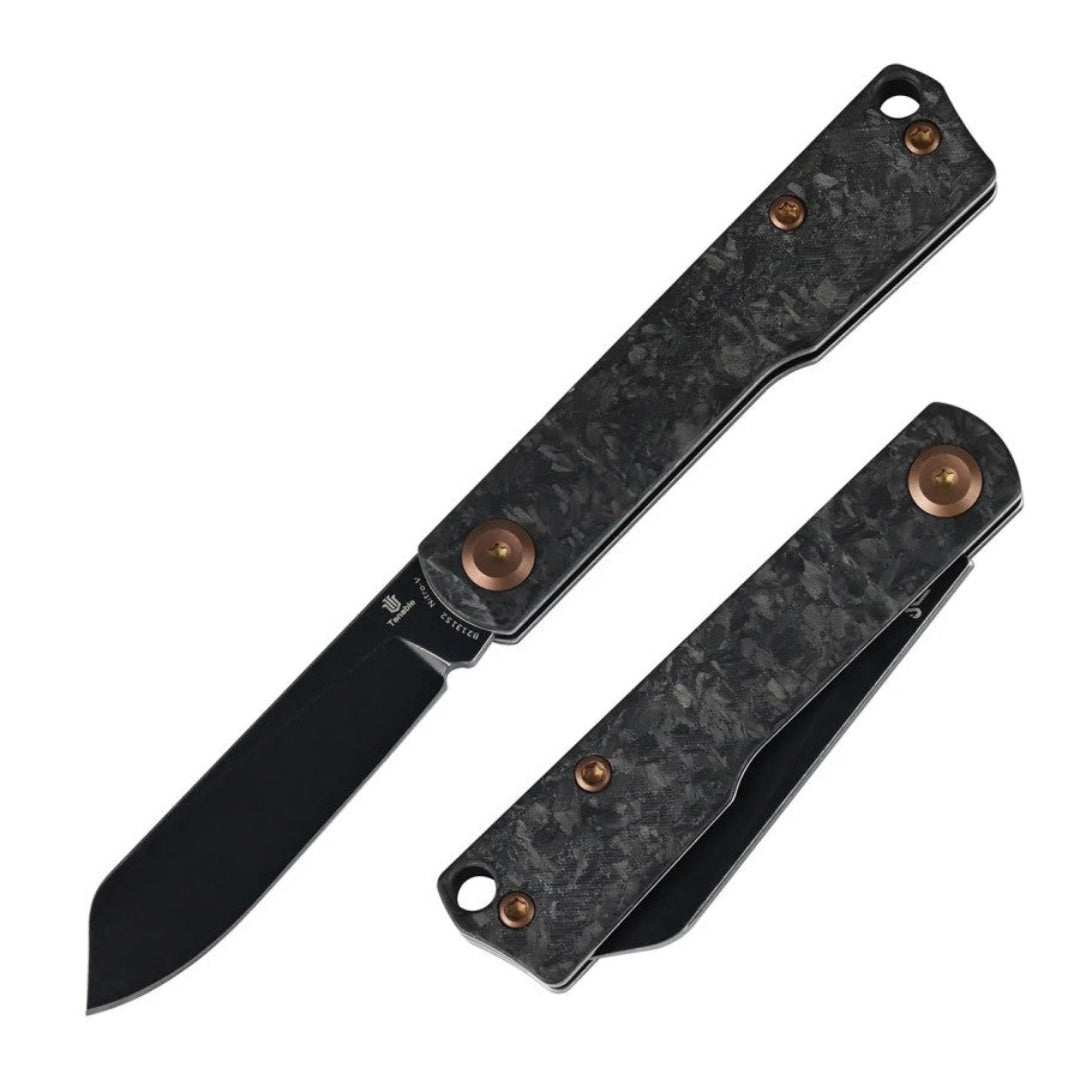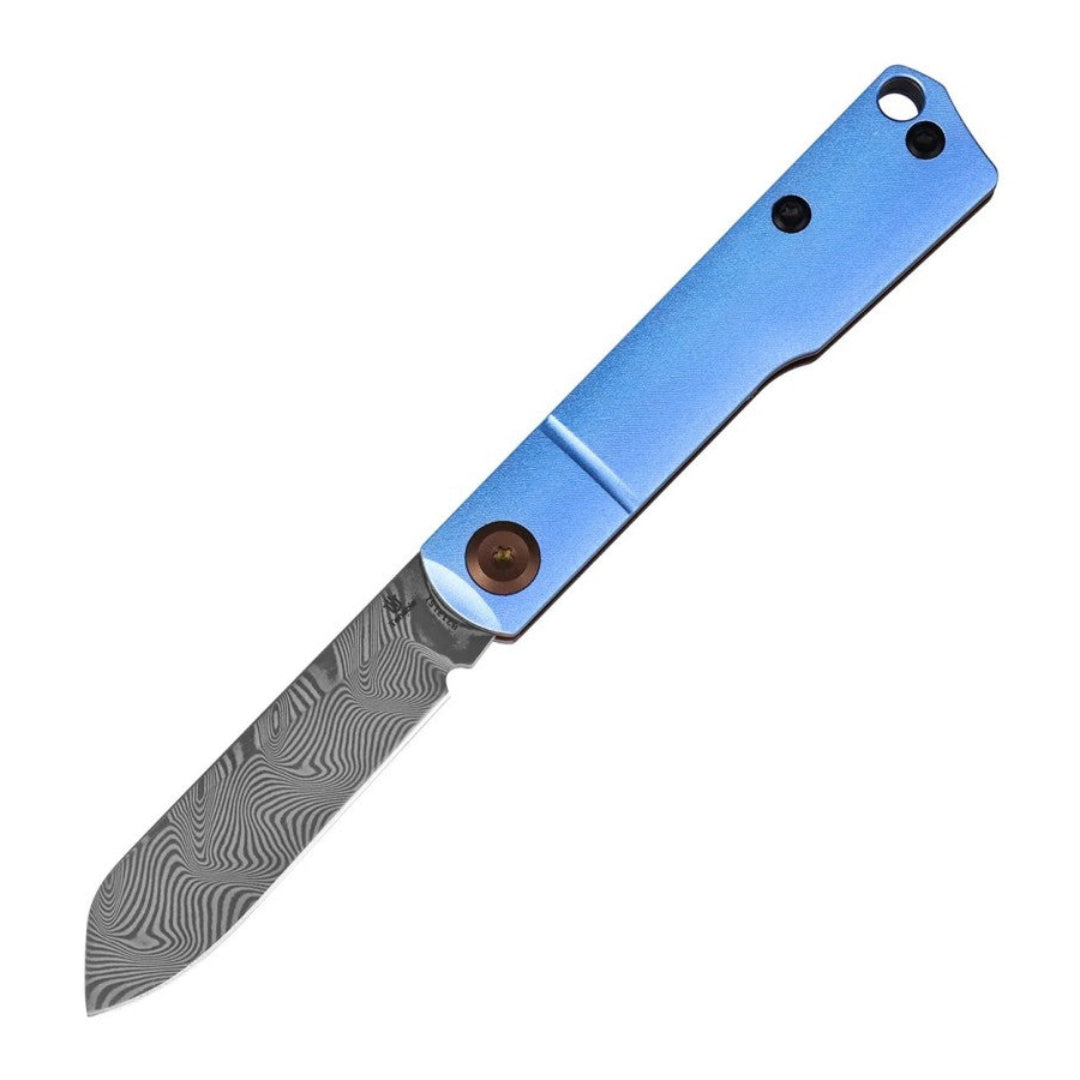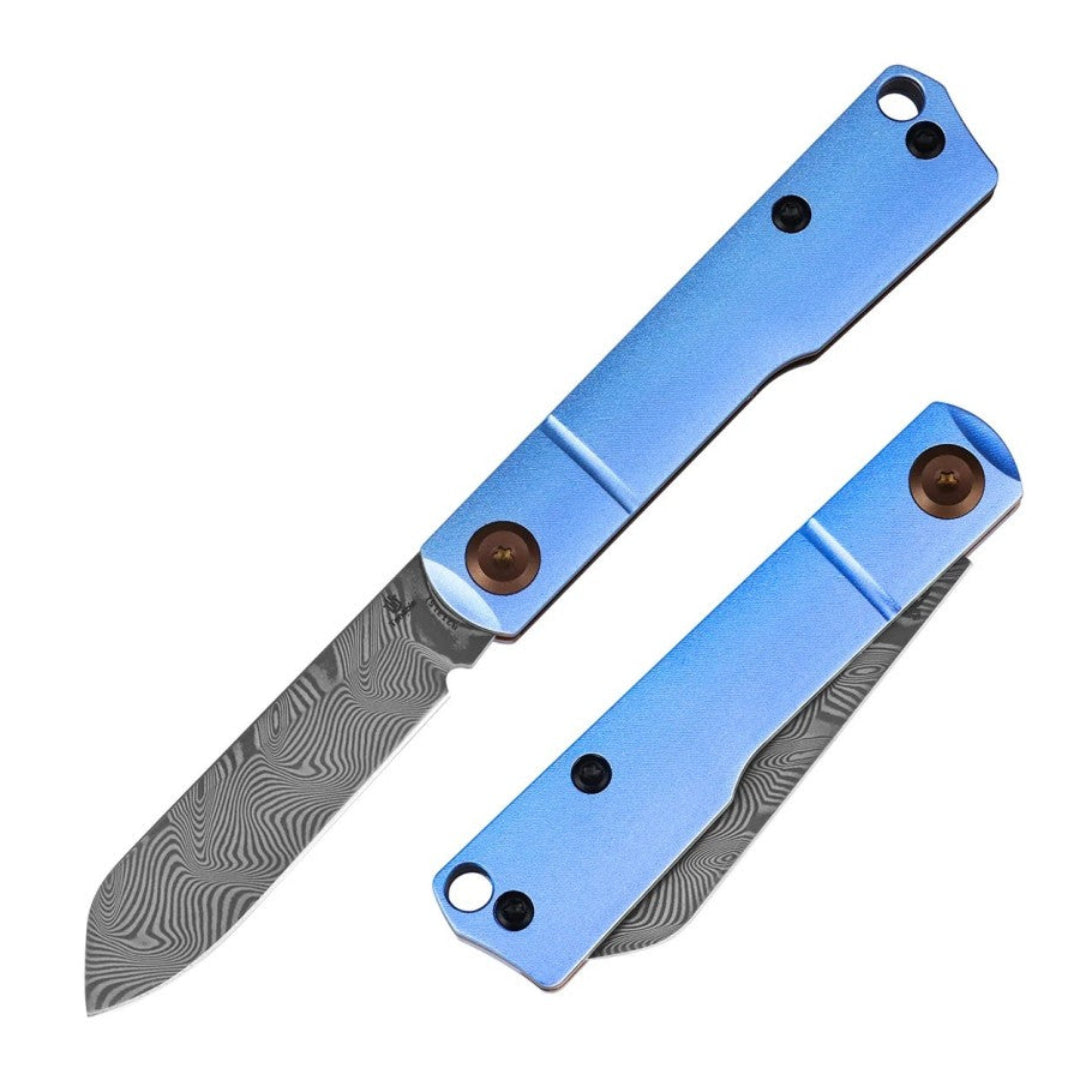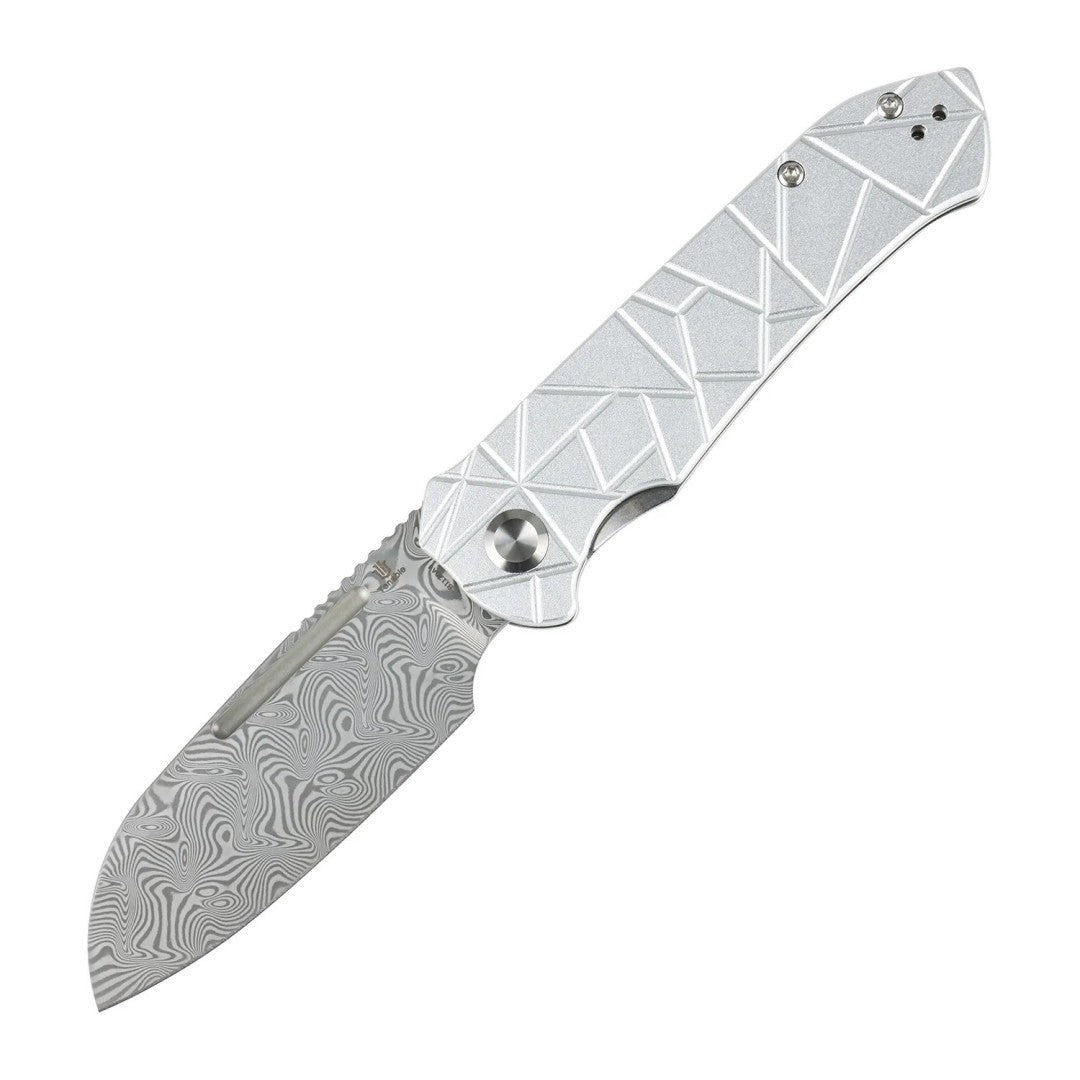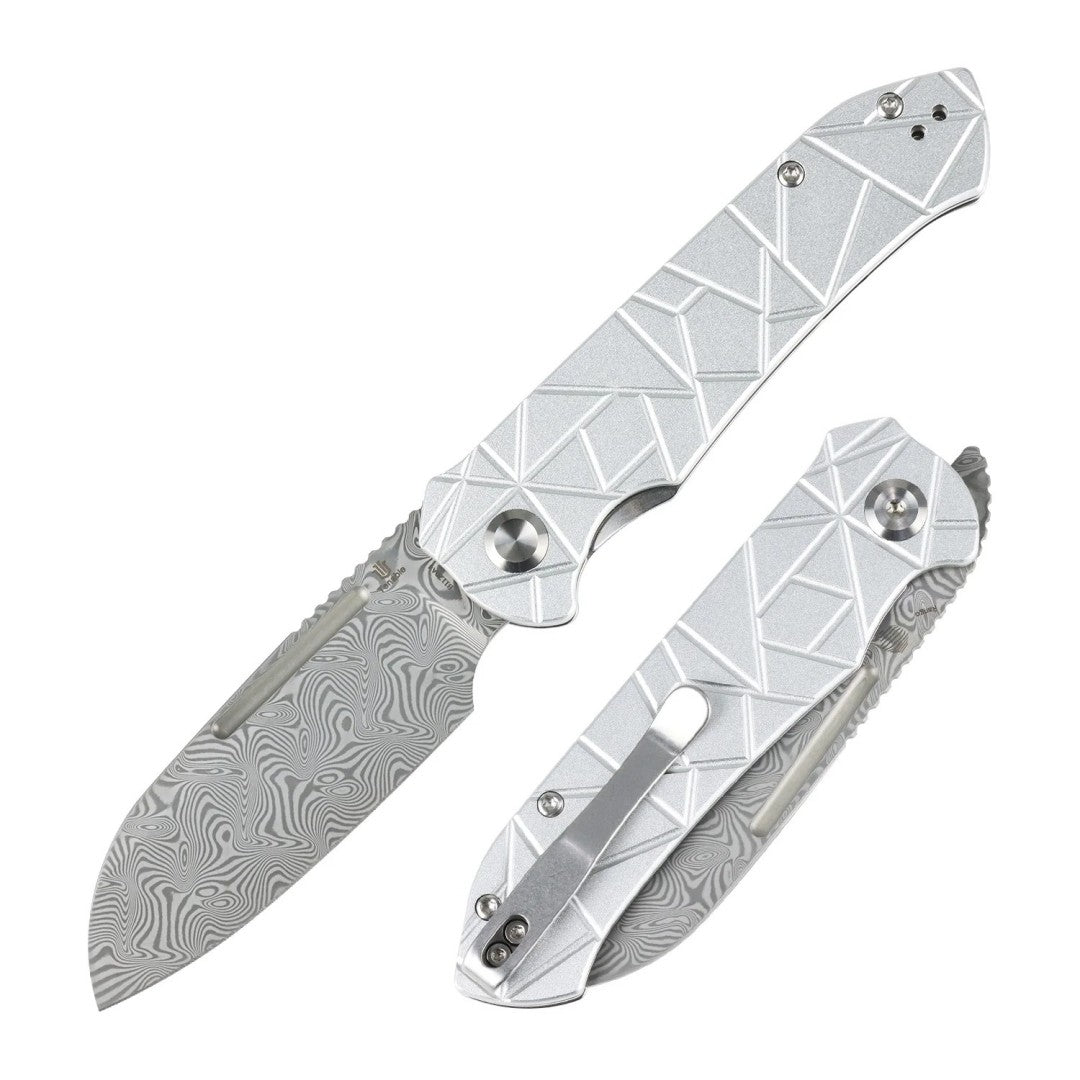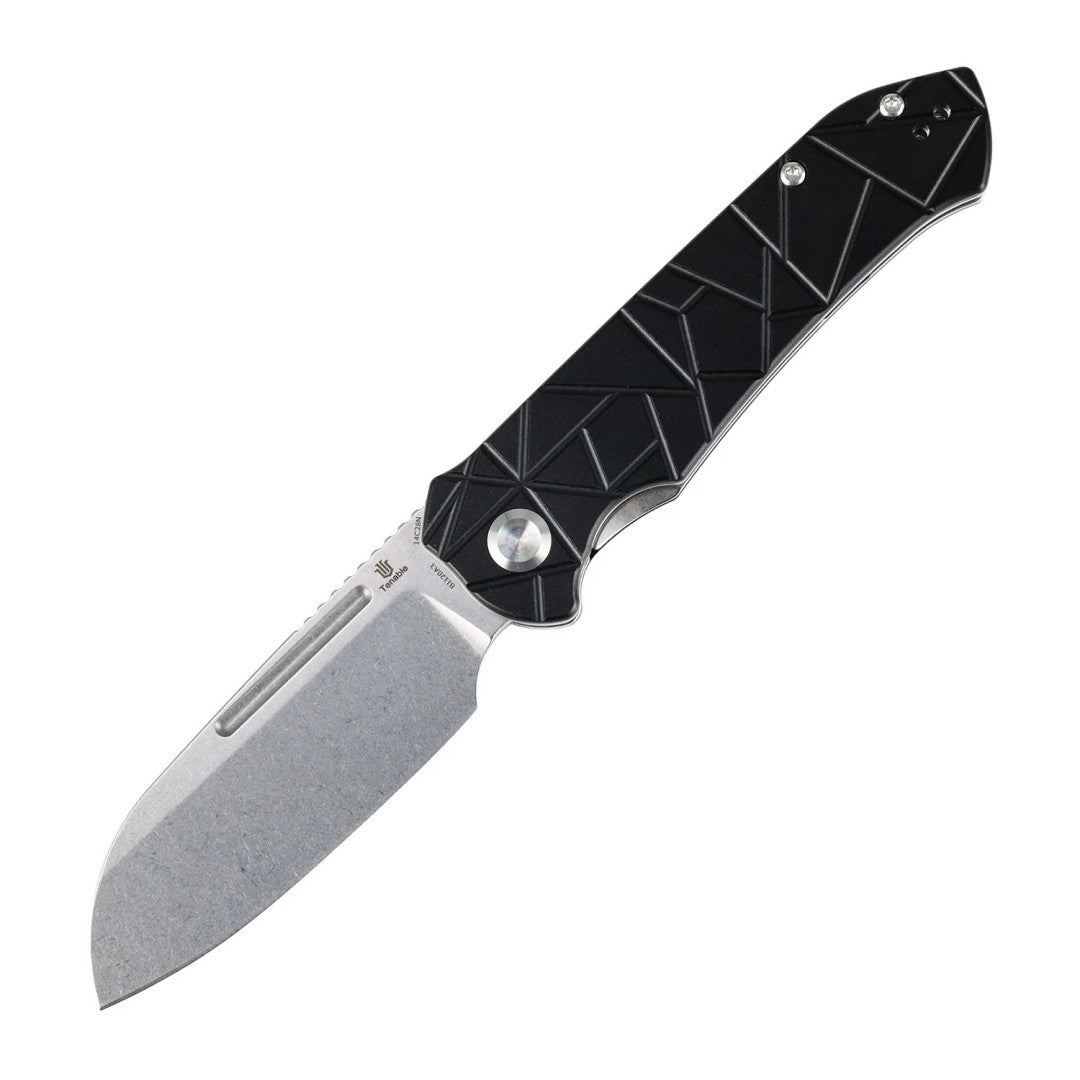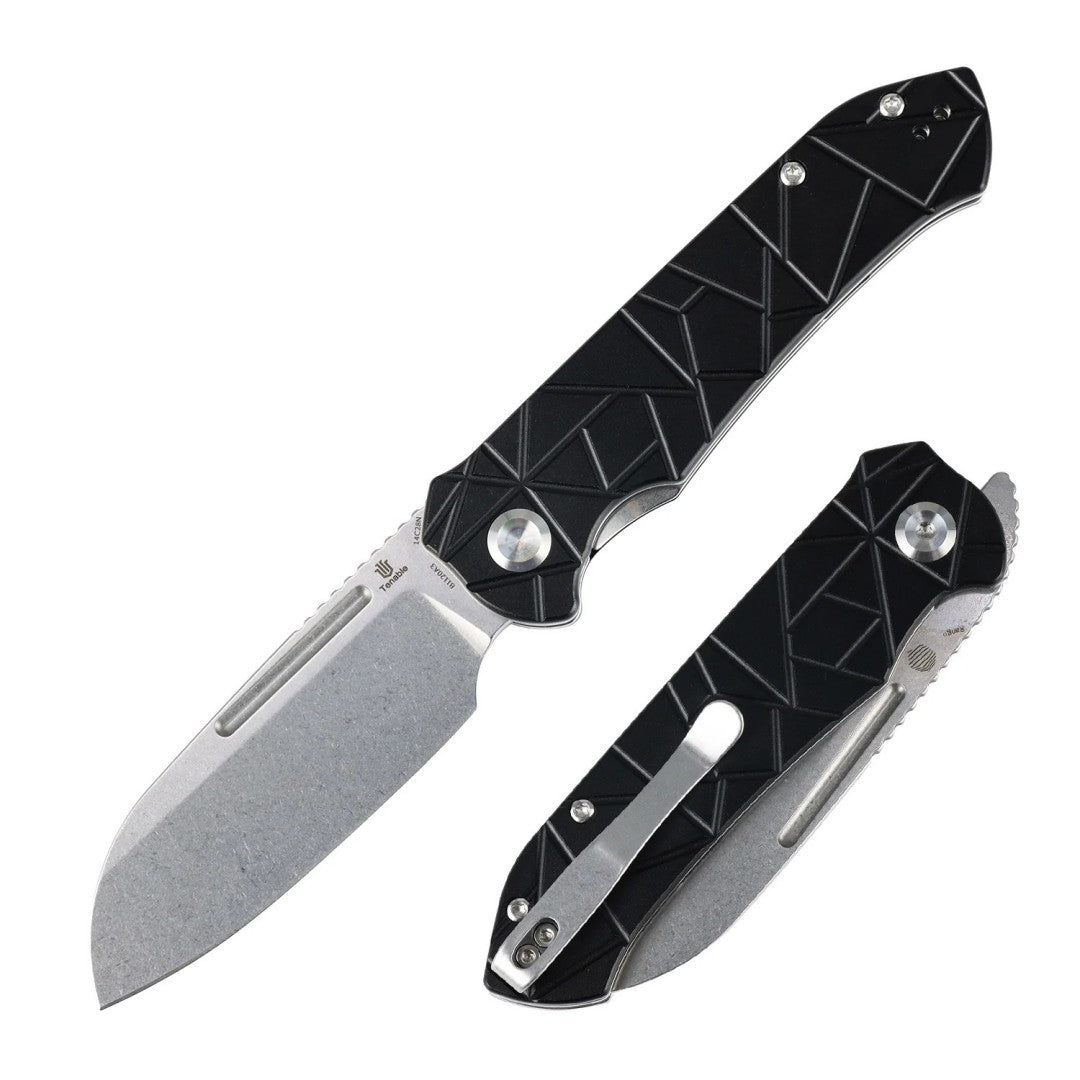
Nagao Higonokami Knives Warikomi 100mm

In a world dominated by mass-produced plastic and planned obsolescence, there is a profound satisfaction in holding a tool that has remained virtually unchanged for over 130 years. The Higonokami is more than just a knife; it is a piece of Japanese history, a testament to the resilience of traditional craftsmanship, and a functional masterpiece that bridges the gap between the ancient Samurai era and modern Everyday Carry (EDC) culture.
The Birth of a Legend: Nagao Kanekoma Factory
The story of the Higonokami begins in 1894, during the Meiji era—a pivotal period when Japan was transitioning from a feudal society into a modern industrial power. As the Samurai were forced to lay down their swords, the master blacksmiths who once forged weapons of war turned their skills toward tools of peace and utility.
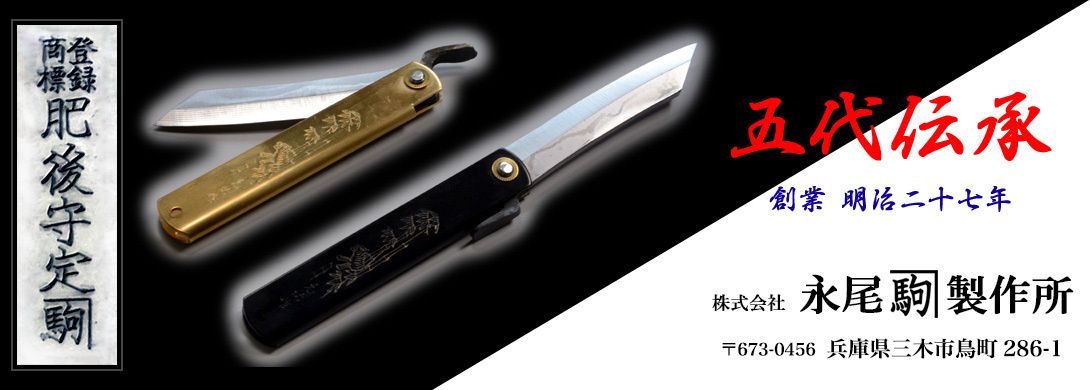
In Miki City, Hyogo Prefecture—a region world-renowned for its blacksmithing heritage—the first generation of the Nagao family, Komataro Nagao, established what would become one of the most iconic knife brands in history. Originally called the "Hirata Knife," the design evolved by 1899 into the distinct silhouette we recognize today, gaining the name "Higonokami."
The name itself carries weight; it translates to "Lord of Higo," an honorary title historically given to high-ranking Samurai in the Higo Province. Today, Nagao Kanekoma Factory stands as the sole guardian of this legacy. They are the only maker in the world legally permitted to use the trademarked name "Higonokami." Currently led by the fifth-generation master blacksmith, Mitsuo Nagao, the factory continues to hand-forge these blades in a small workshop where the rings of hammers have echoed for over a century.
Anatomy of a Masterpiece: Simplicity by Design
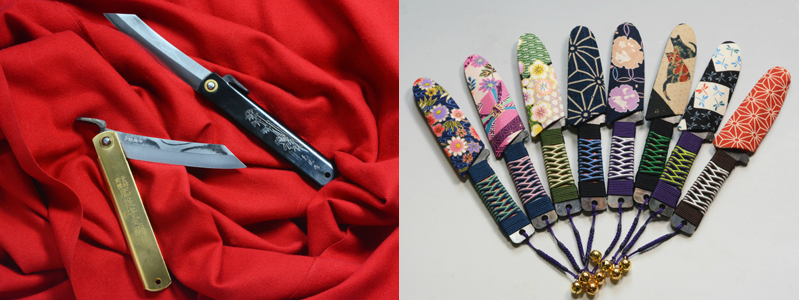
The brilliance of the Higonokami lies in its stark, minimalist design. It is a friction folder, a primitive yet effective mechanism that lacks a mechanical lock or spring. Instead, it relies on two primary elements: the friction of the pivot and the user’s own thumb pressure on the iconic lever.
1. The Blade: Forged for Precision
The heart of any Higonokami is its steel. Traditional models utilize a "San Mai" (three-layer) construction. In this process, a core of hard high-carbon steel—typically Blue Paper Steel (Aogami)—is sandwiched between layers of softer iron. This creates a blade that is incredibly sharp and easy to hone, while the outer layers provide the necessary structural flexibility. For modern users who require more maintenance-free options, Nagao Kanekoma has expanded their range to include VG10 stainless steel, offering exceptional corrosion resistance alongside legendary Japanese cutting performance.
2. The Chikiri: The Extension of Control
The most recognizable feature of a Higonokami is the chikiri—the small lever protruding from the back of the blade. This lever is essential for safety and function. By placing your thumb on the chikiri during use, you prevent the blade from folding back on your fingers. This tactile connection between the user and the tool is what makes the Higonokami feel like an extension of the hand.
3. The Handle: A Living Metal
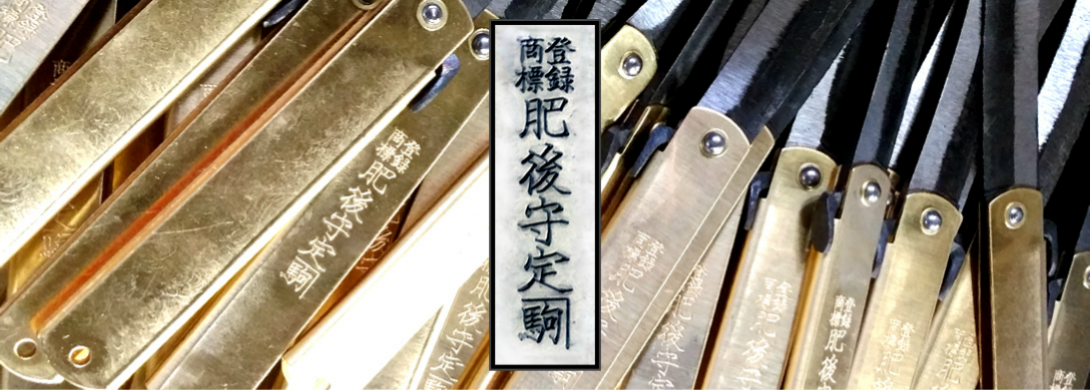
The traditional handle is a single piece of folded brass, stamped with the "Kanekoma" logo and the specific steel grade. One of the greatest joys of owning a brass Higonokami is watching it age. Over months and years of carry, the bright gold brass develops a deep, dark patina that is unique to the owner’s environment and usage patterns.
"I hope that the younger generation, who may not be familiar with traditional tools, can appreciate the Higonokami as the origin of 'creating things by using tools.' It is the starting point of craftsmanship." — Mitsuo Nagao, 5th Generation Master.
Why Higonokami is the Ultimate EDC Choice
While the market is flooded with high-tech tactical knives, the Higonokami remains a top choice for enthusiasts for several practical reasons:
-
Ultra-Slim Profile: Without clips or bulky locking mechanisms, it slides into a suit pocket or a leather slip without creating a bulge—the perfect "gentleman’s folder."
-
Tool-Free Maintenance: The simple rivet design means you don't need specialized drivers. If the pivot becomes loose, a gentle tap on the rivet with a hammer restores the perfect tension.
-
Legally Discreet: Because it is non-locking and requires two hands to open, it often bypasses strict legal restrictions in regions that ban tactical "one-handed flippers."
-
Affordable Luxury: Despite being hand-forged by a master in Japan, it offers a level of soul and heritage that no factory-made knife can match.
The Modern Evolution: Tradition Meets Innovation
Nagao Kanekoma has successfully navigated the 21st century by blending tradition with contemporary appeal. The brand has engaged in high-profile collaborations with global entities, including the outdoor giant LOGOS and the avant-garde Naked & Famous Denim.
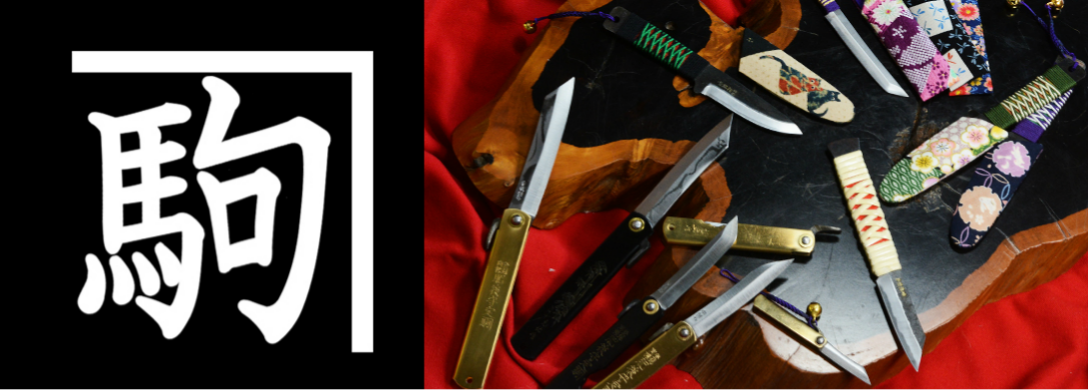
From the entry-level "Pocket Size" models perfect for daily tasks to the high-end "Woody VG10" series featuring laminated wood handles, the brand ensures there is a Higonokami for every lifestyle.
Conclusion: A Tool for a Lifetime
To own an authentic Higonokami from Nagao Kanekoma is to hold a piece of the Japanese spirit. It is a tool that demands respect and rewards the user with a lifetime of service. Whether you are an artist, an outdoorsman, or a collector of fine things, the Higonokami is a reminder that the simplest tools are often the most profound.
Ready to add a piece of history to your collection? Browse our curated selection of Nagao Kanekoma Higonokami knives today and experience the art of the Japanese blade.