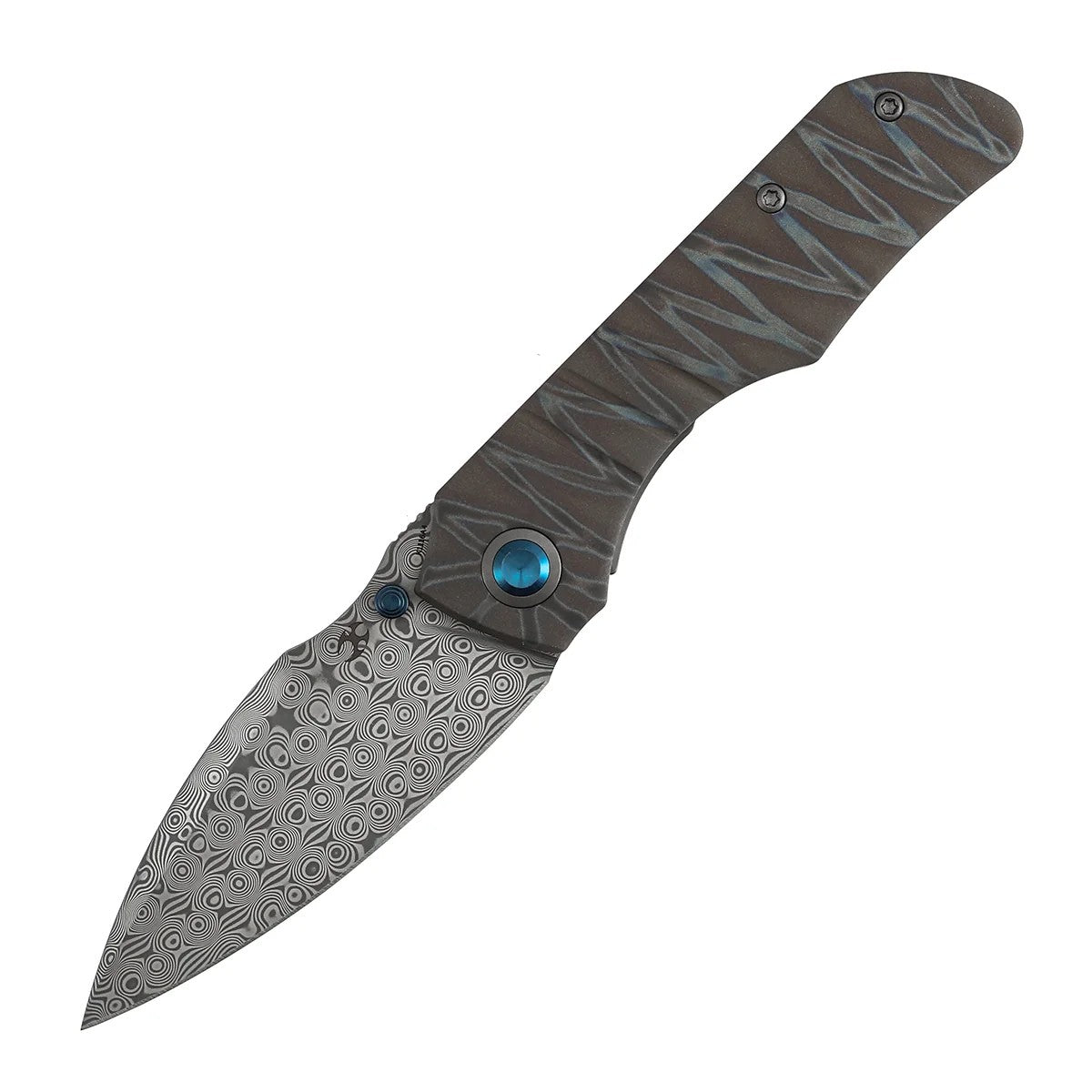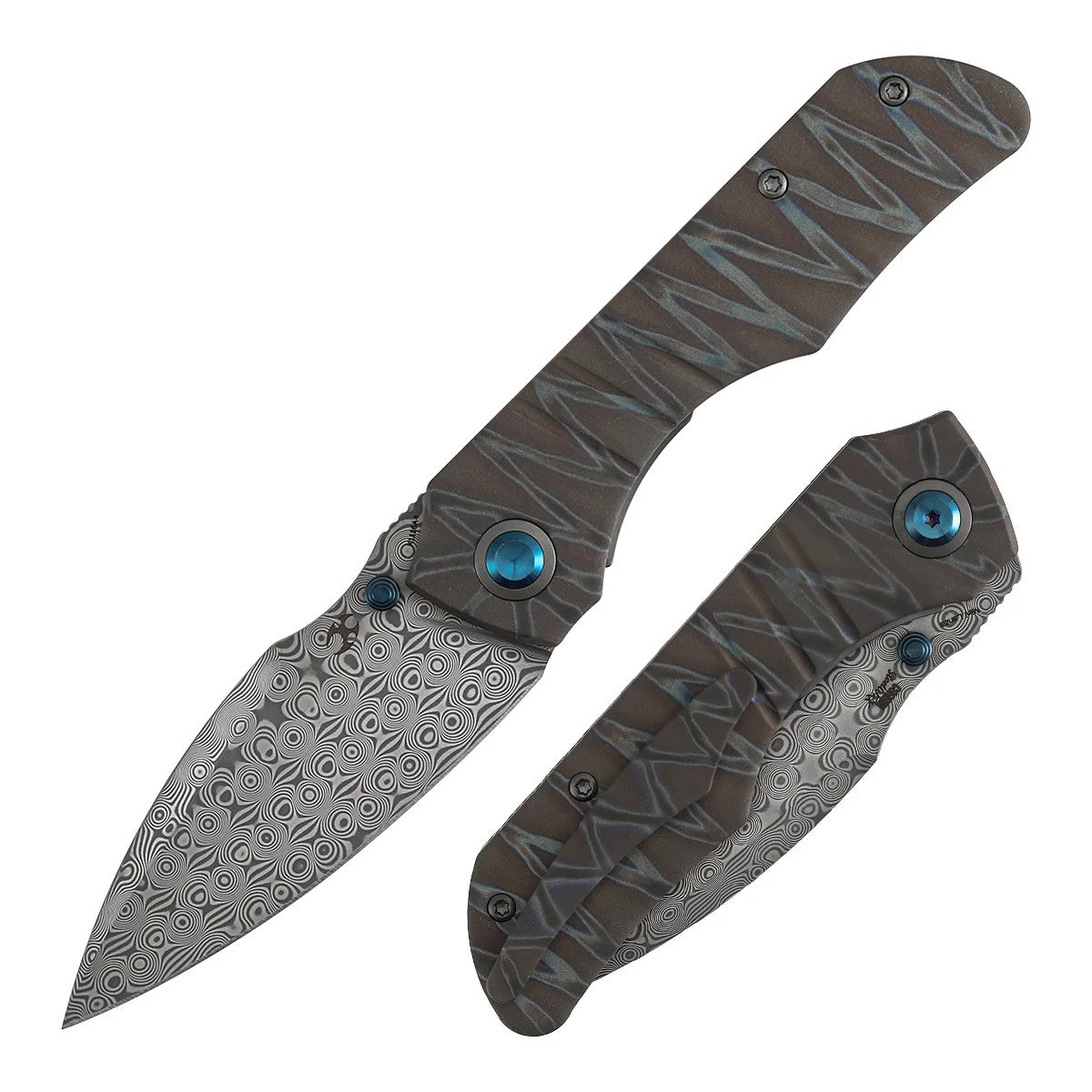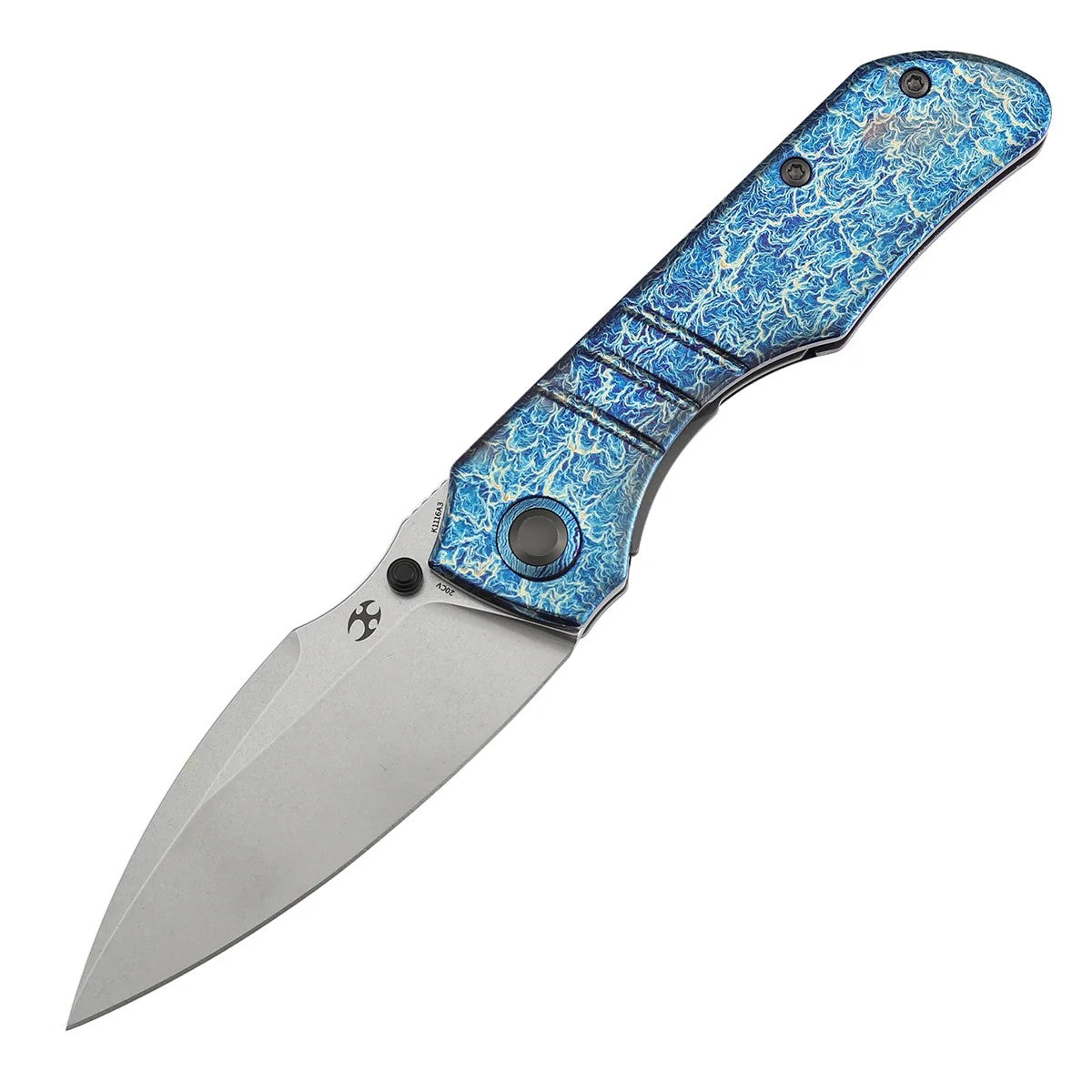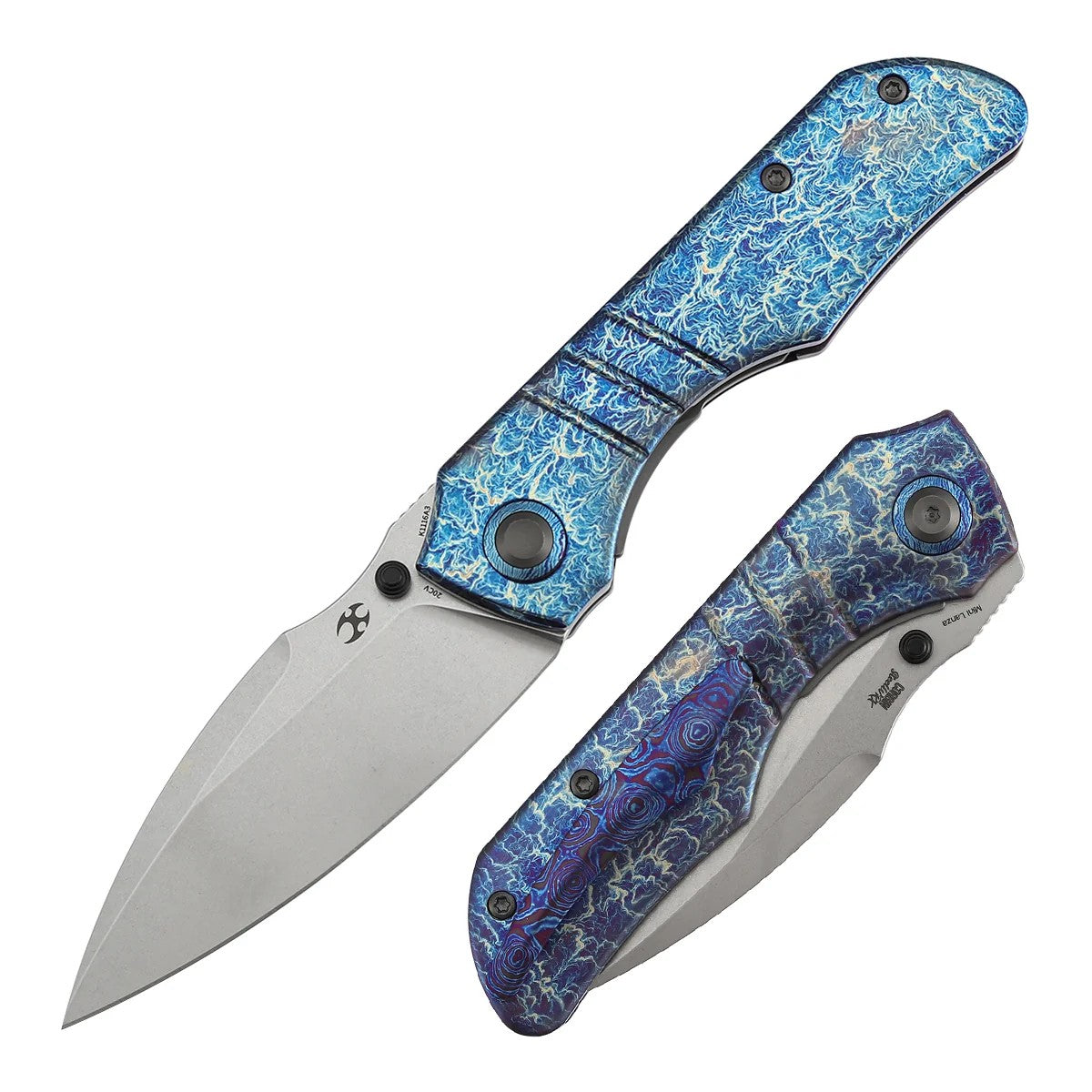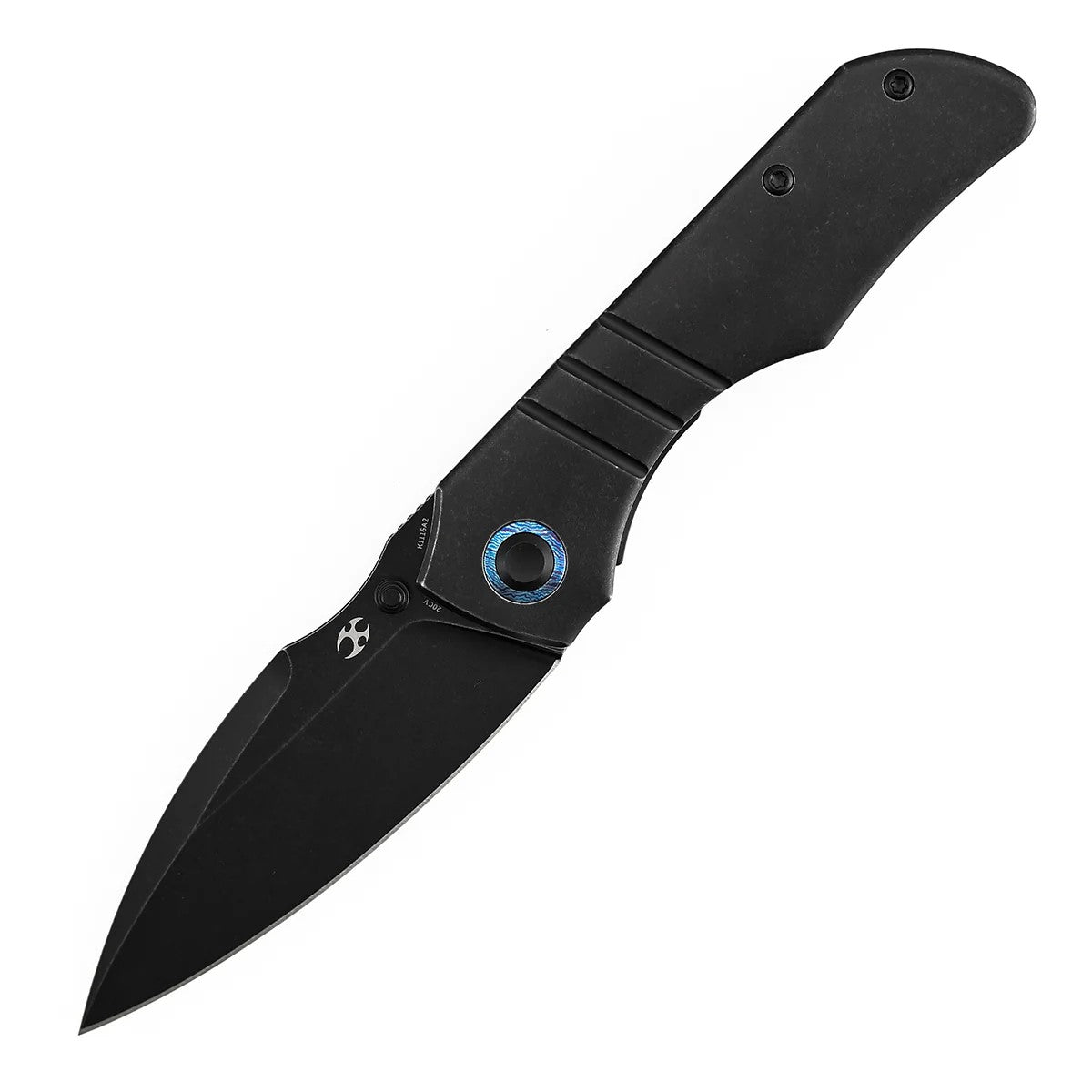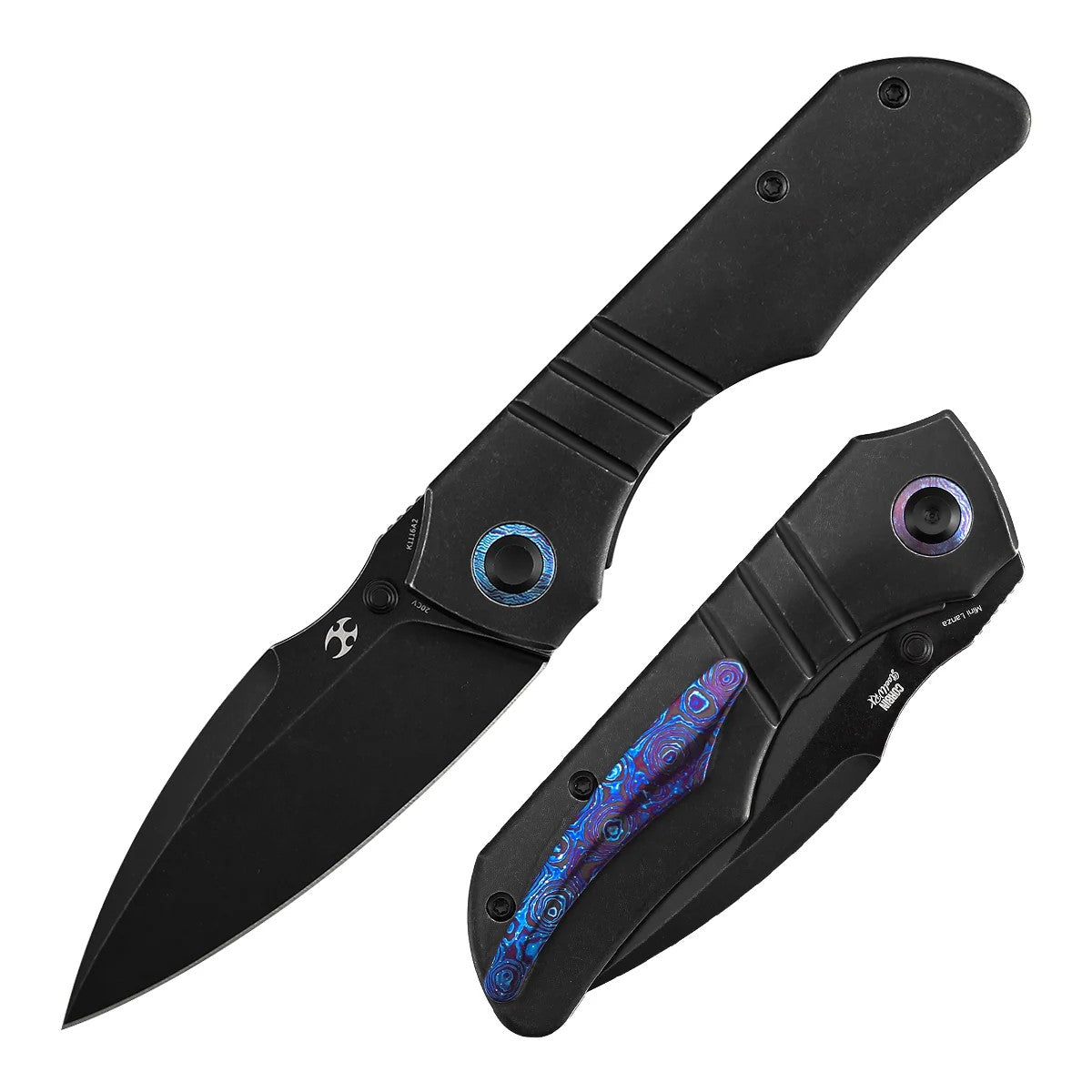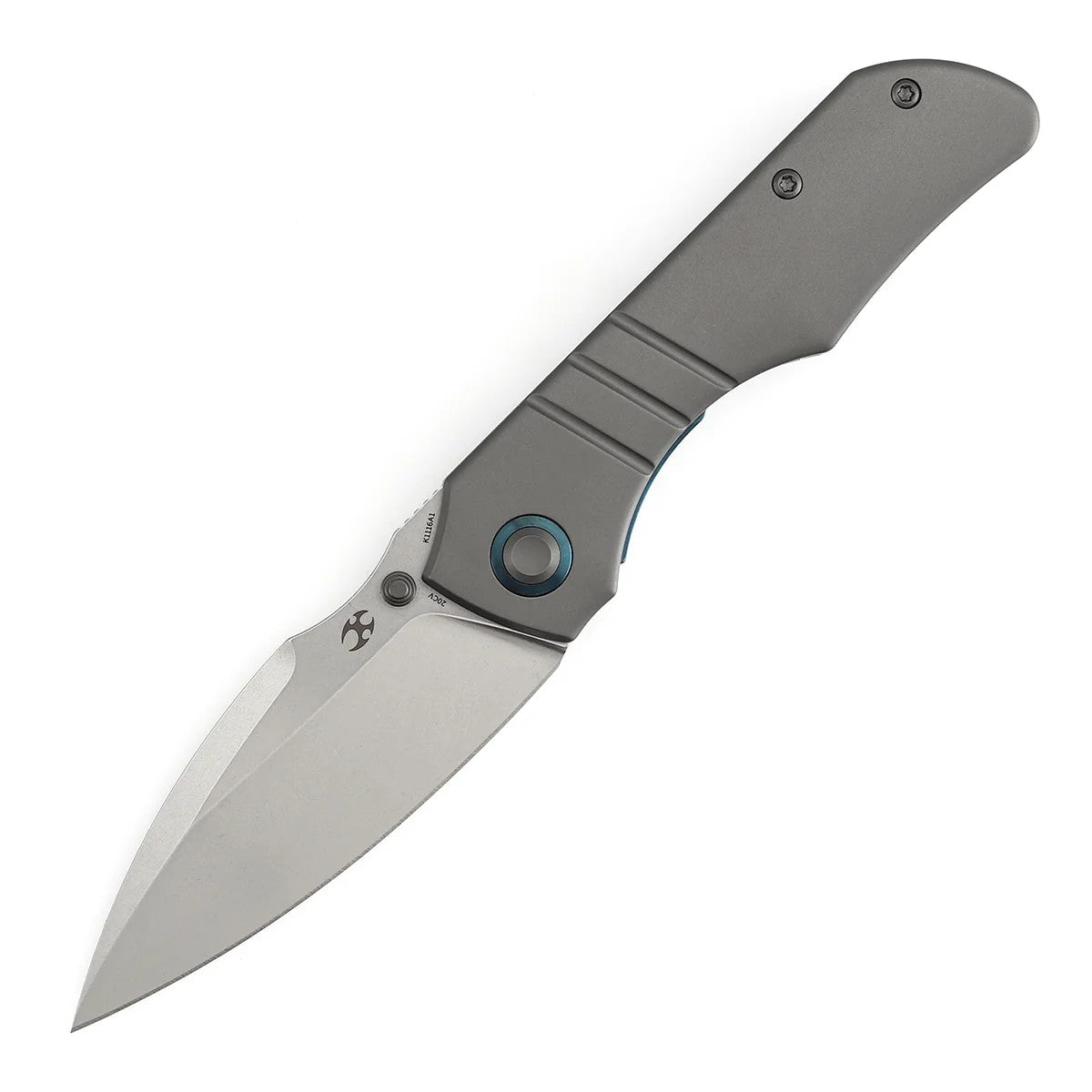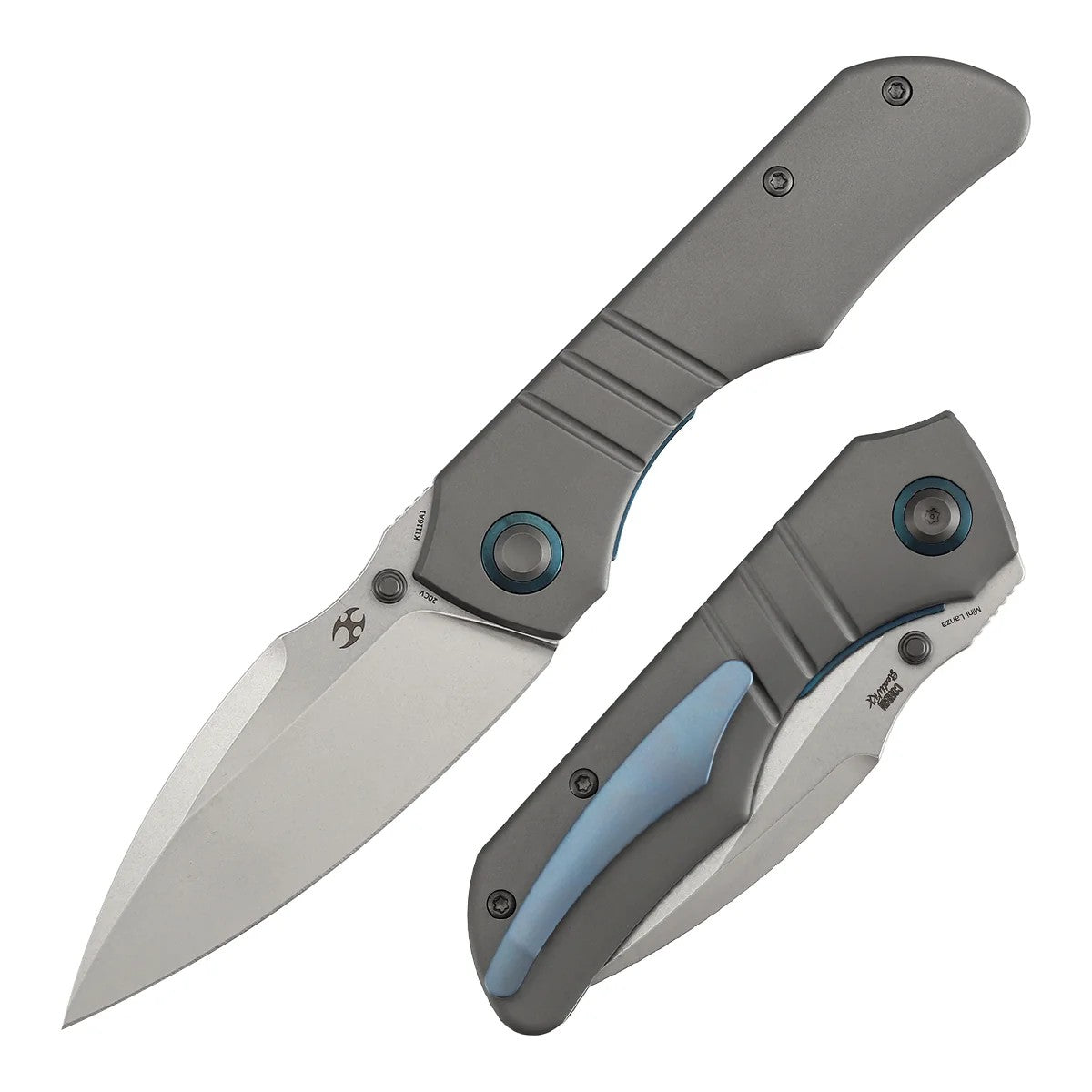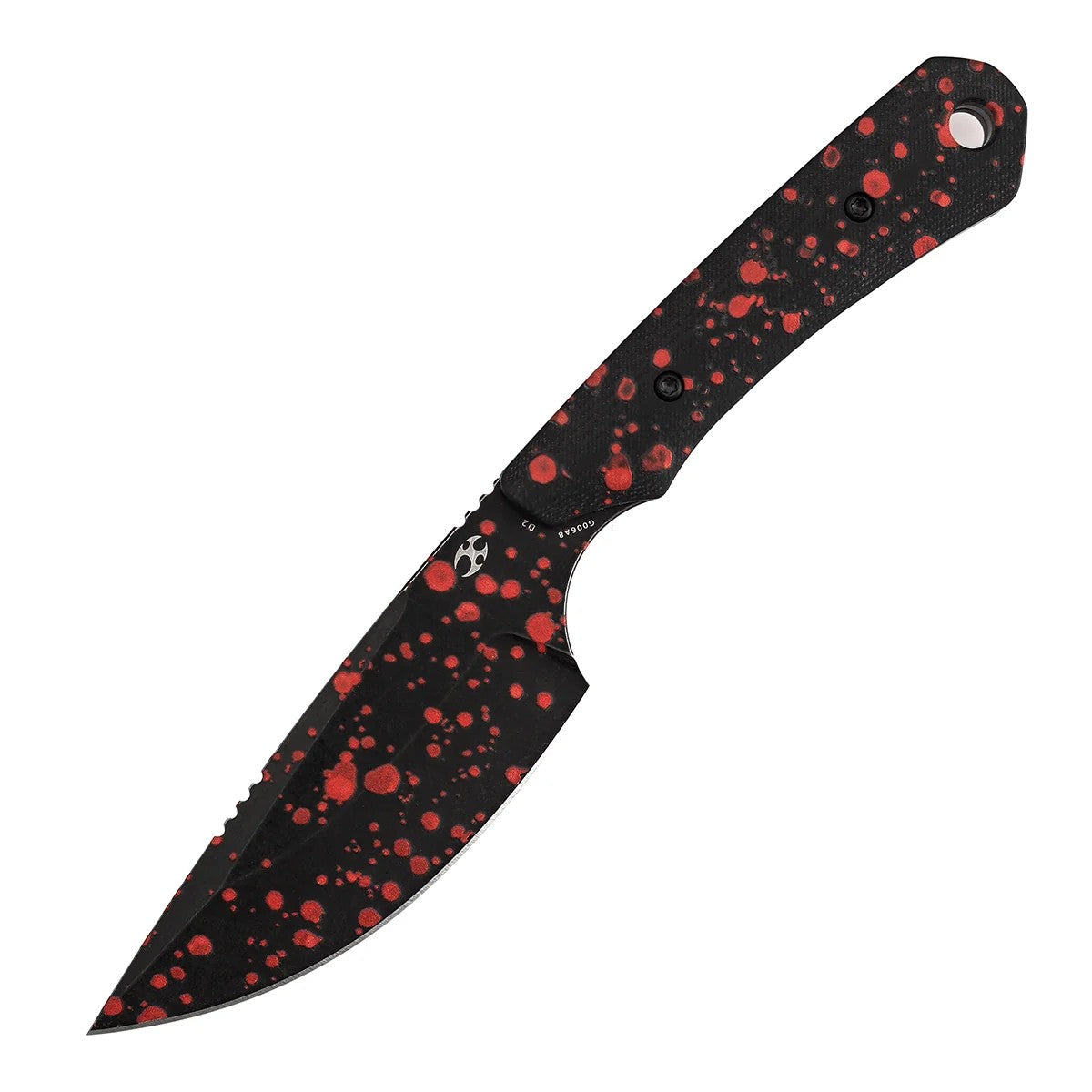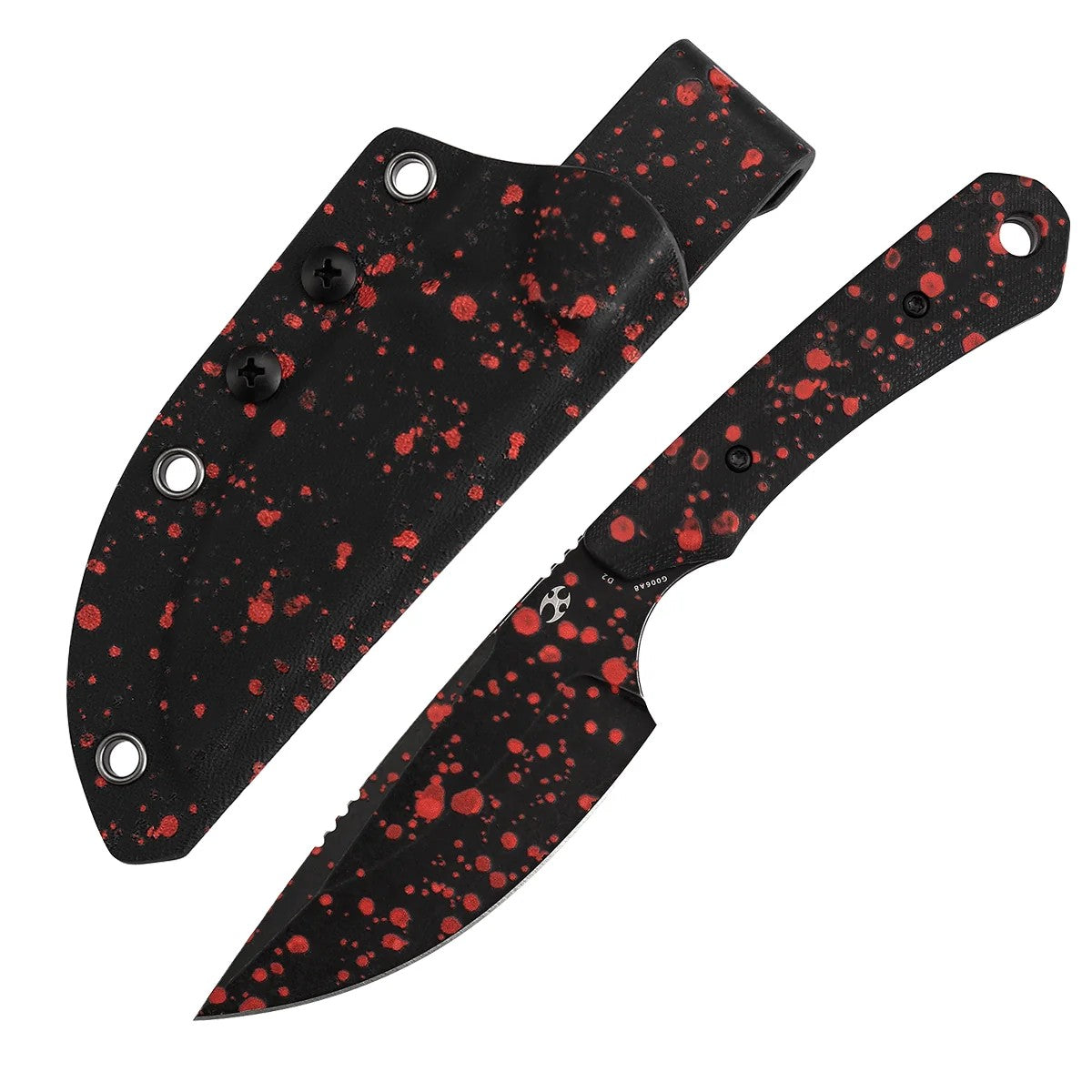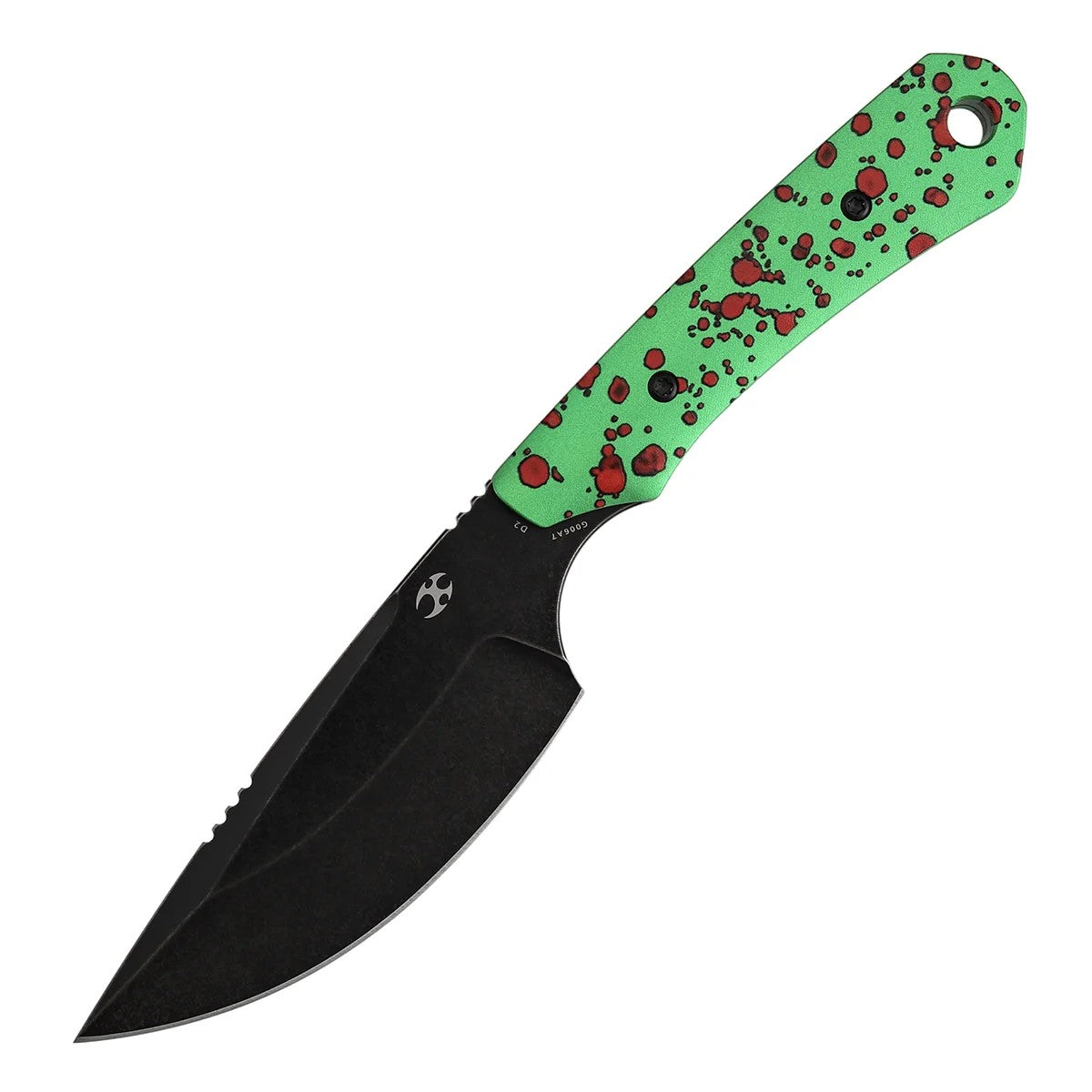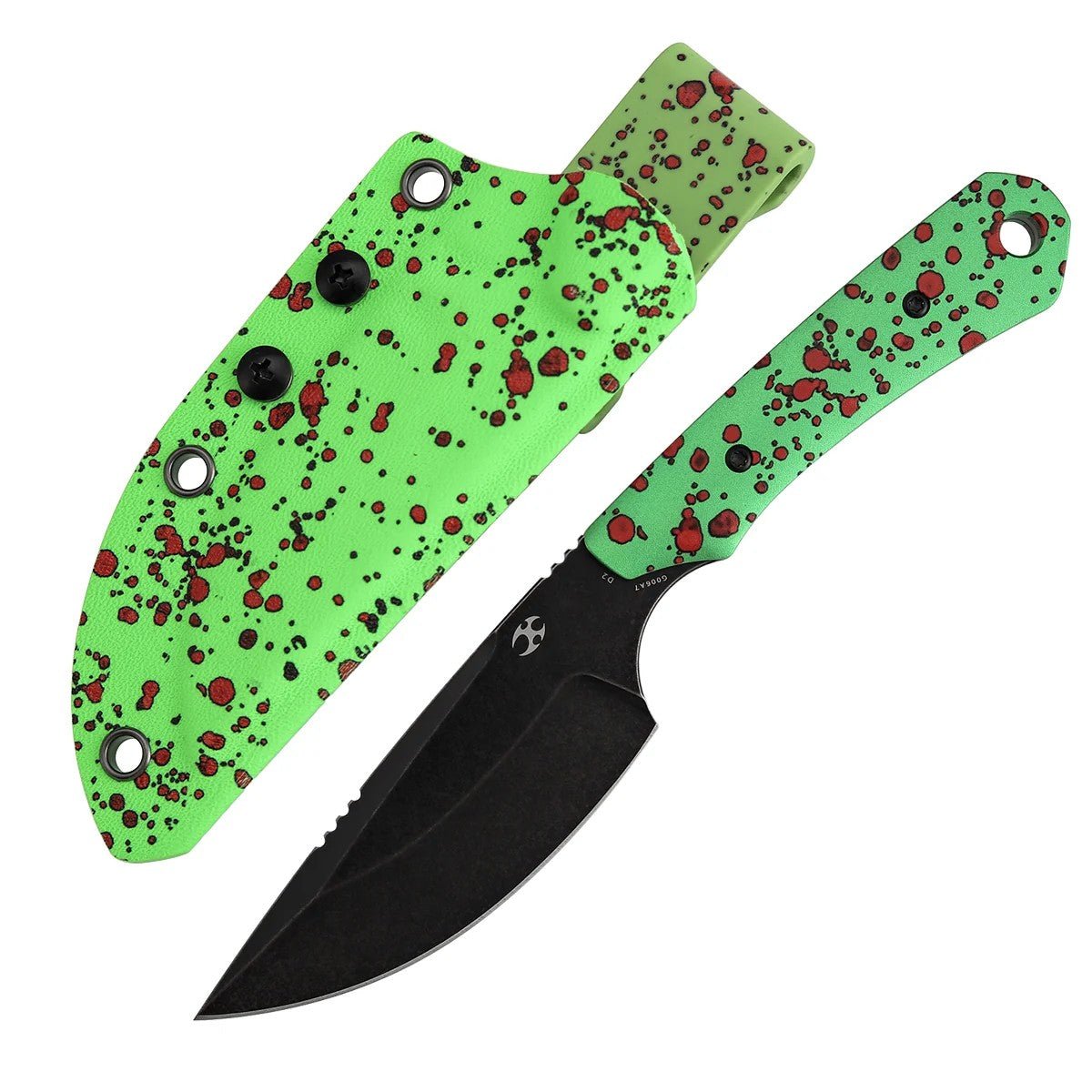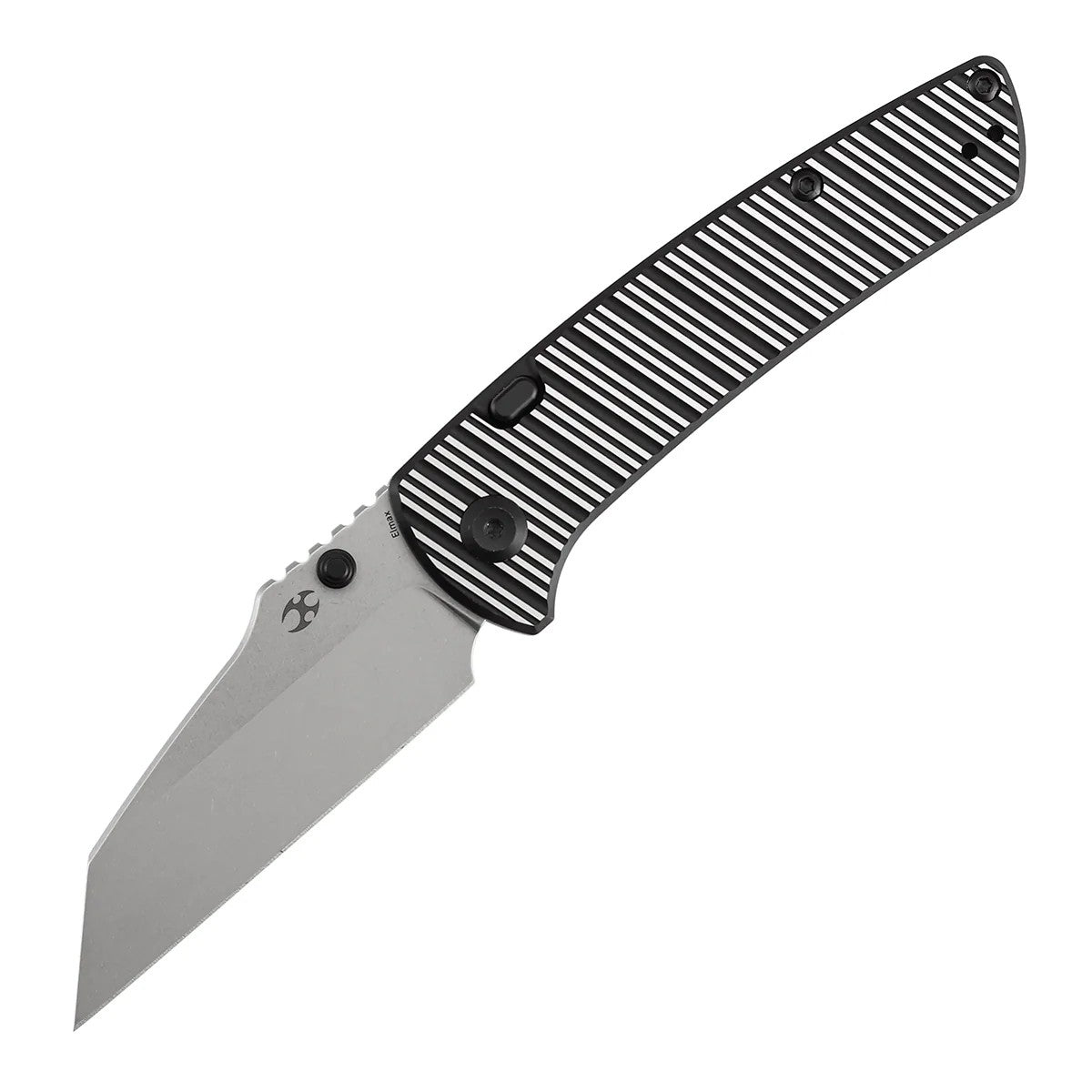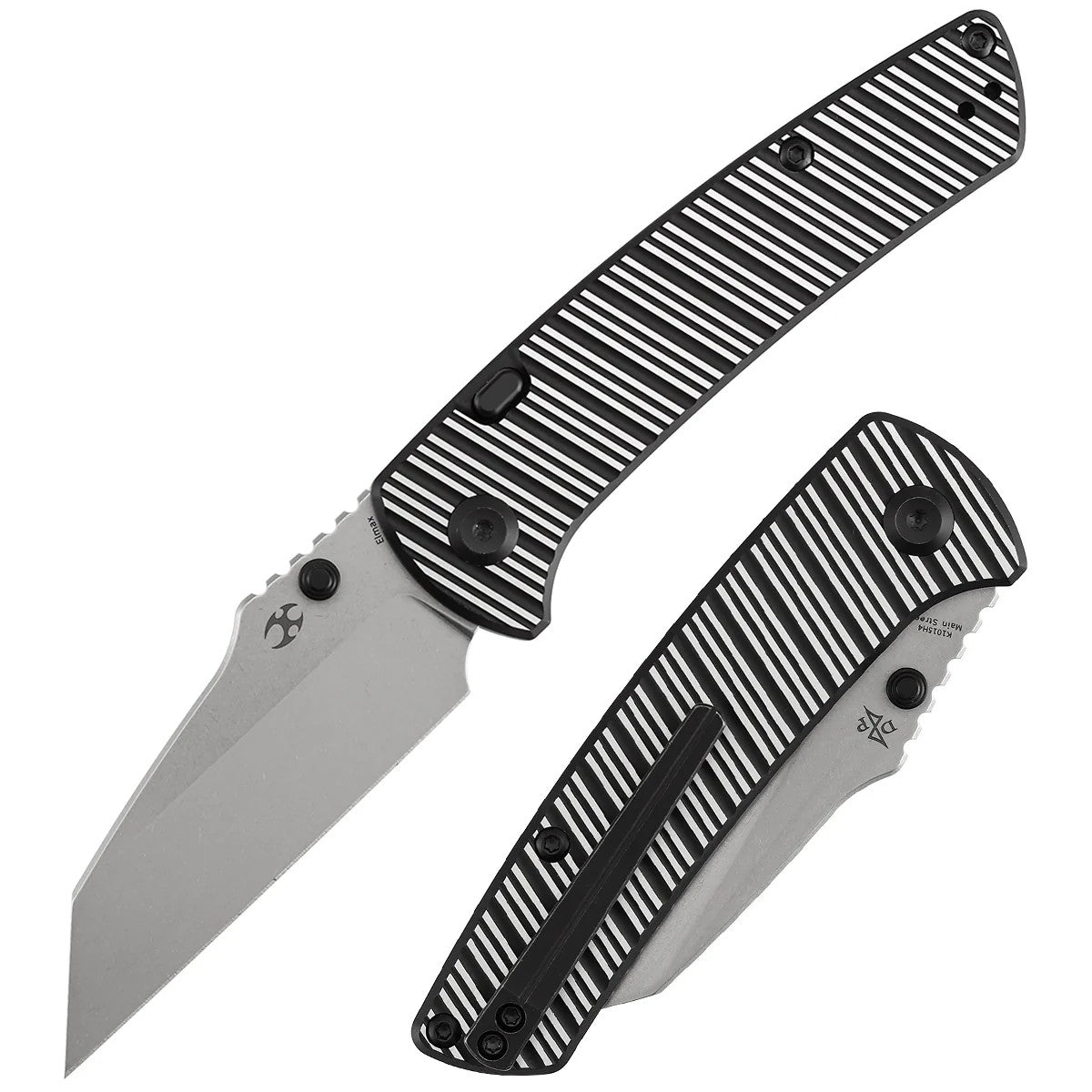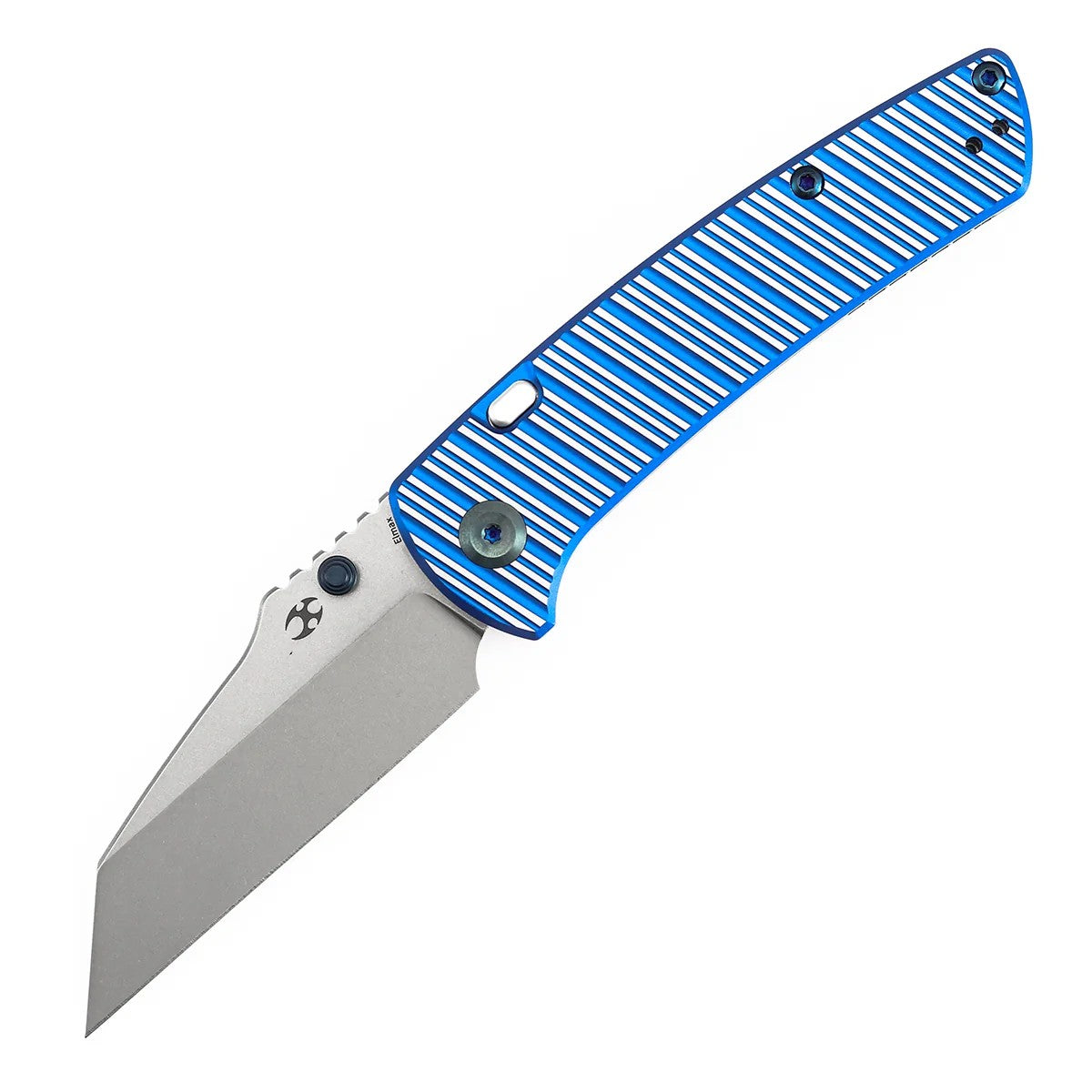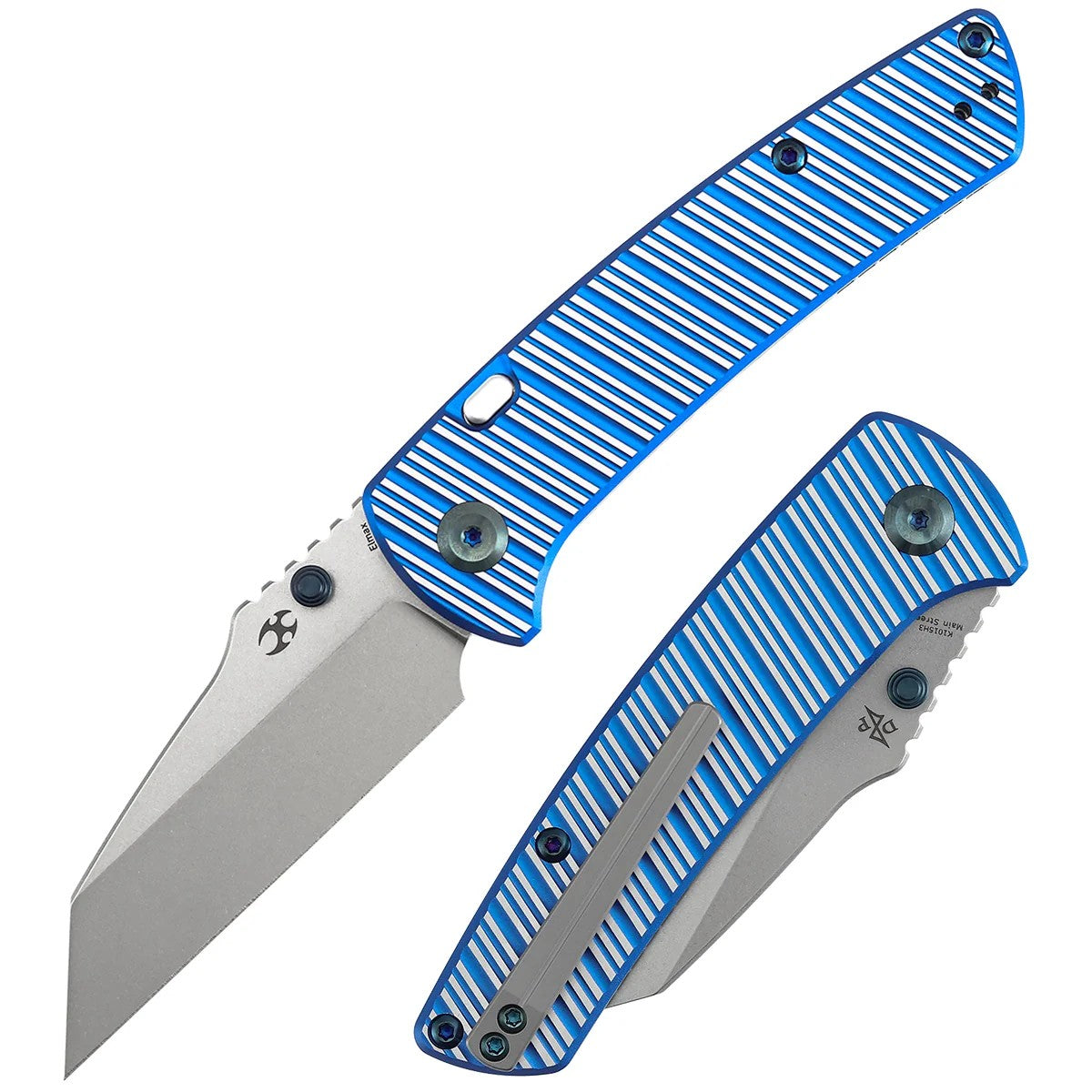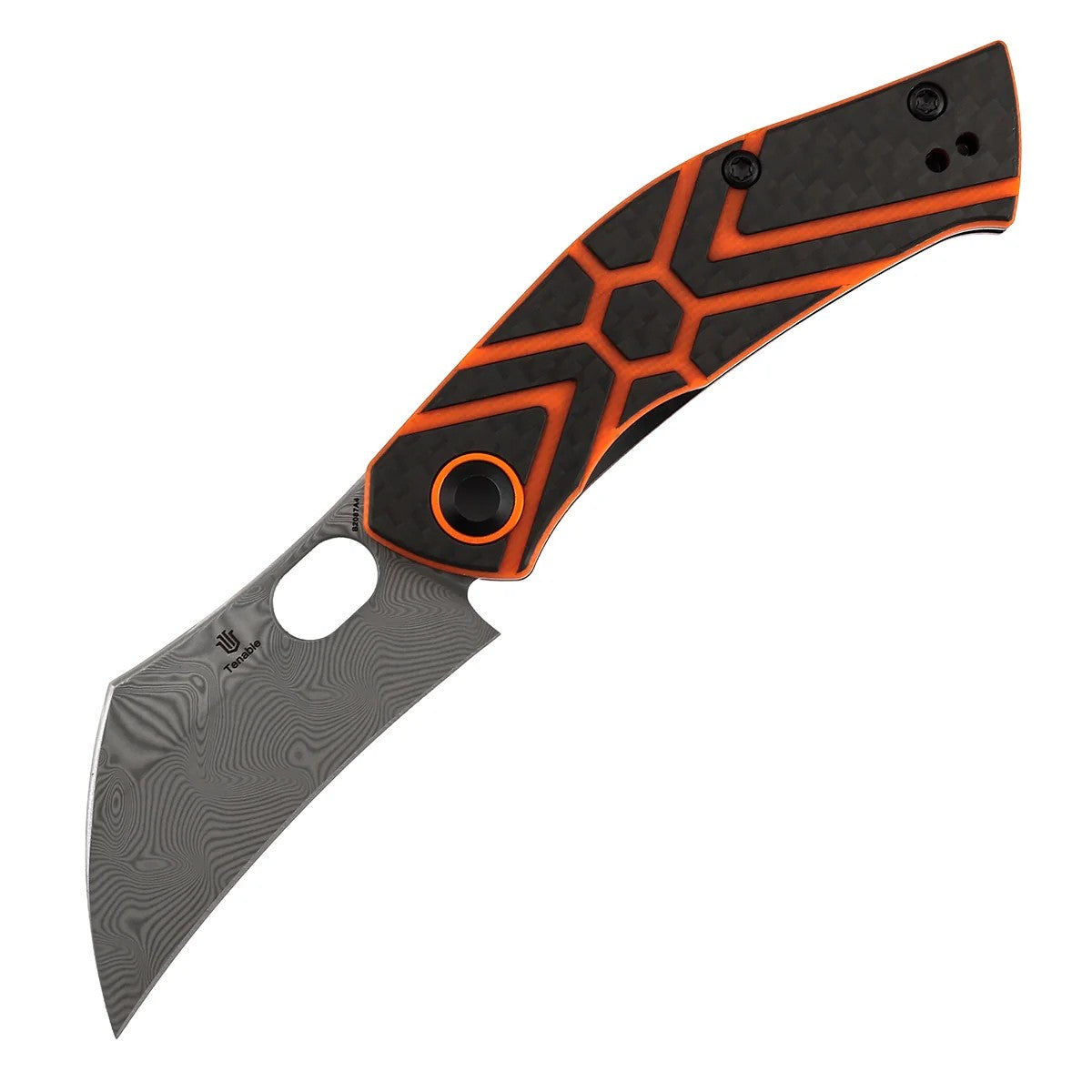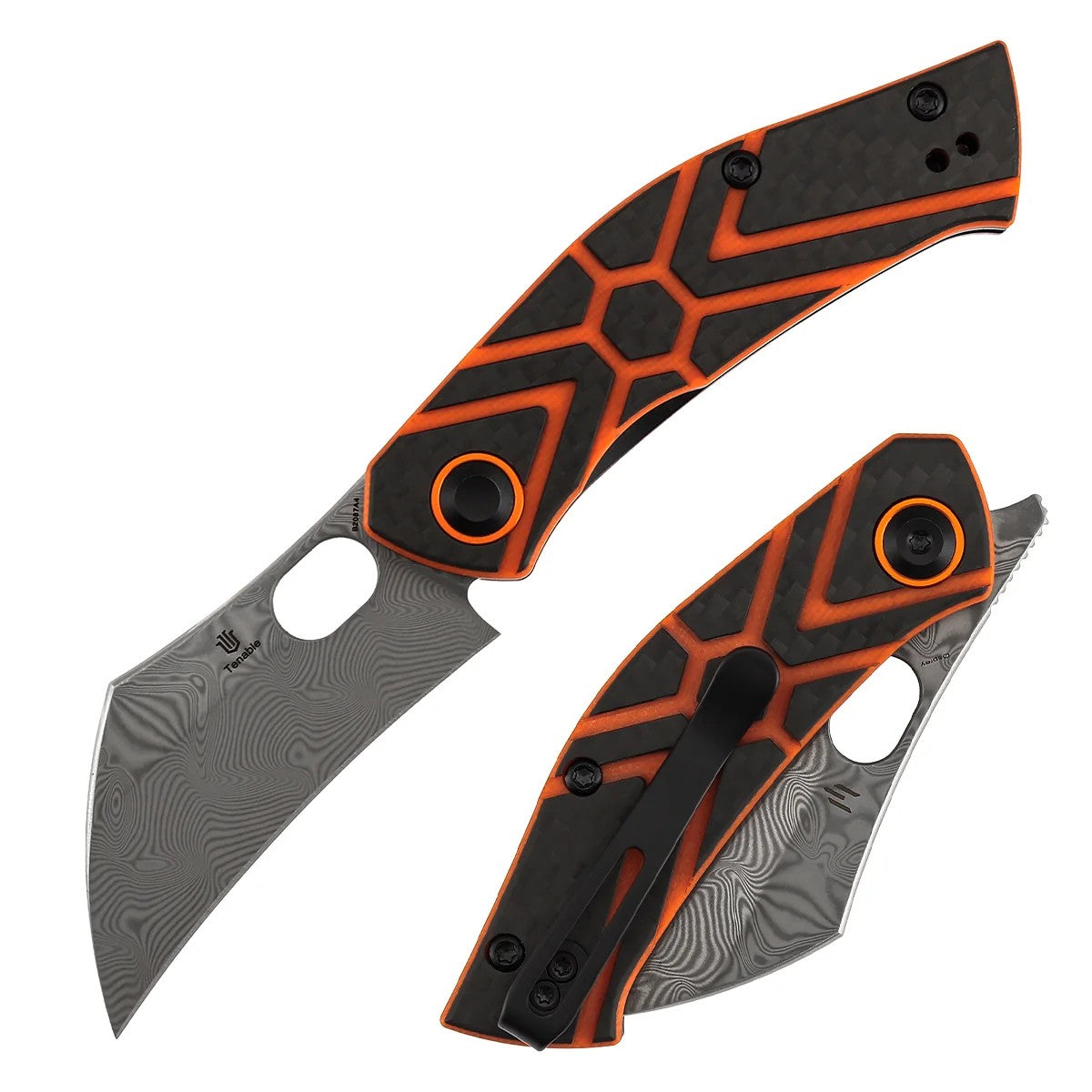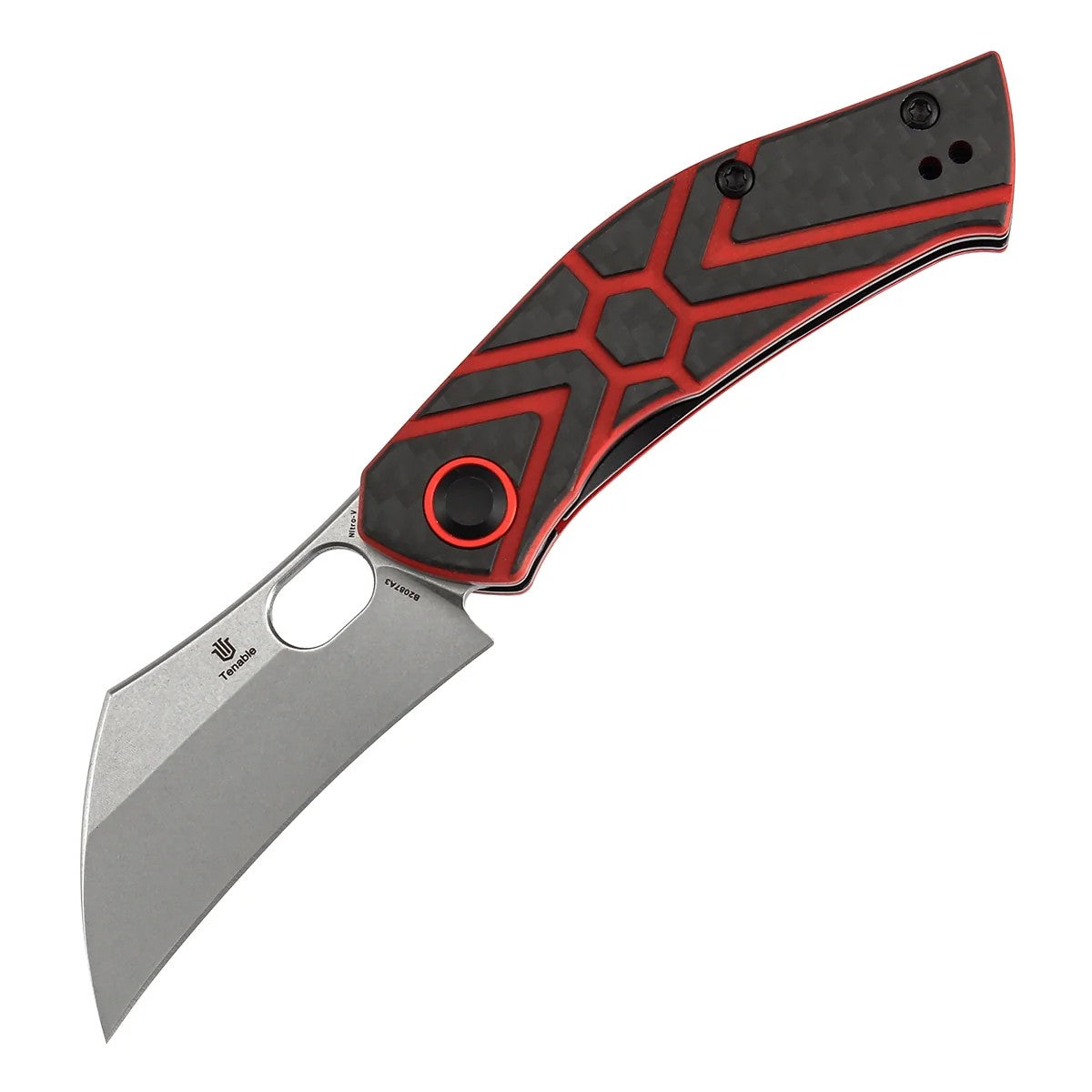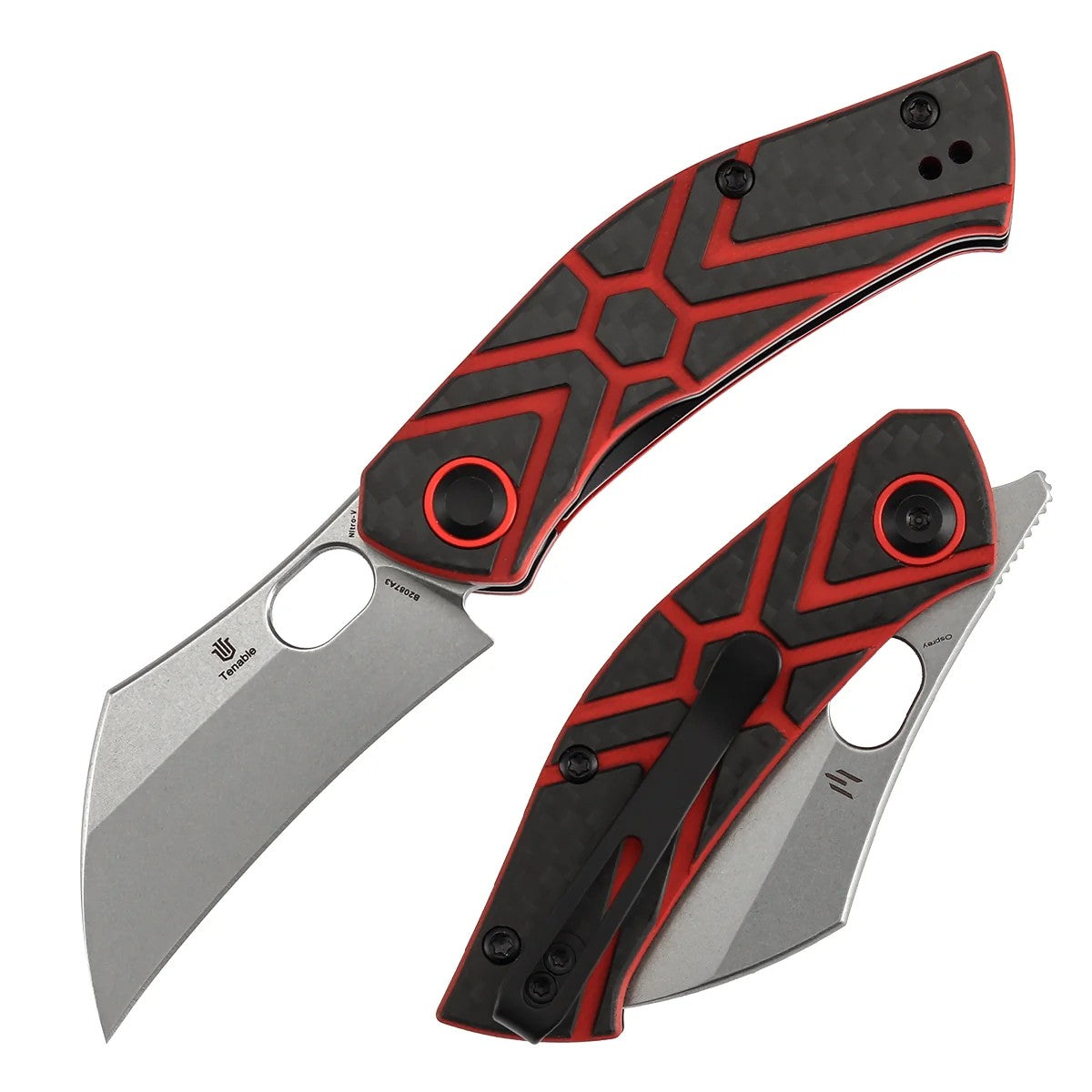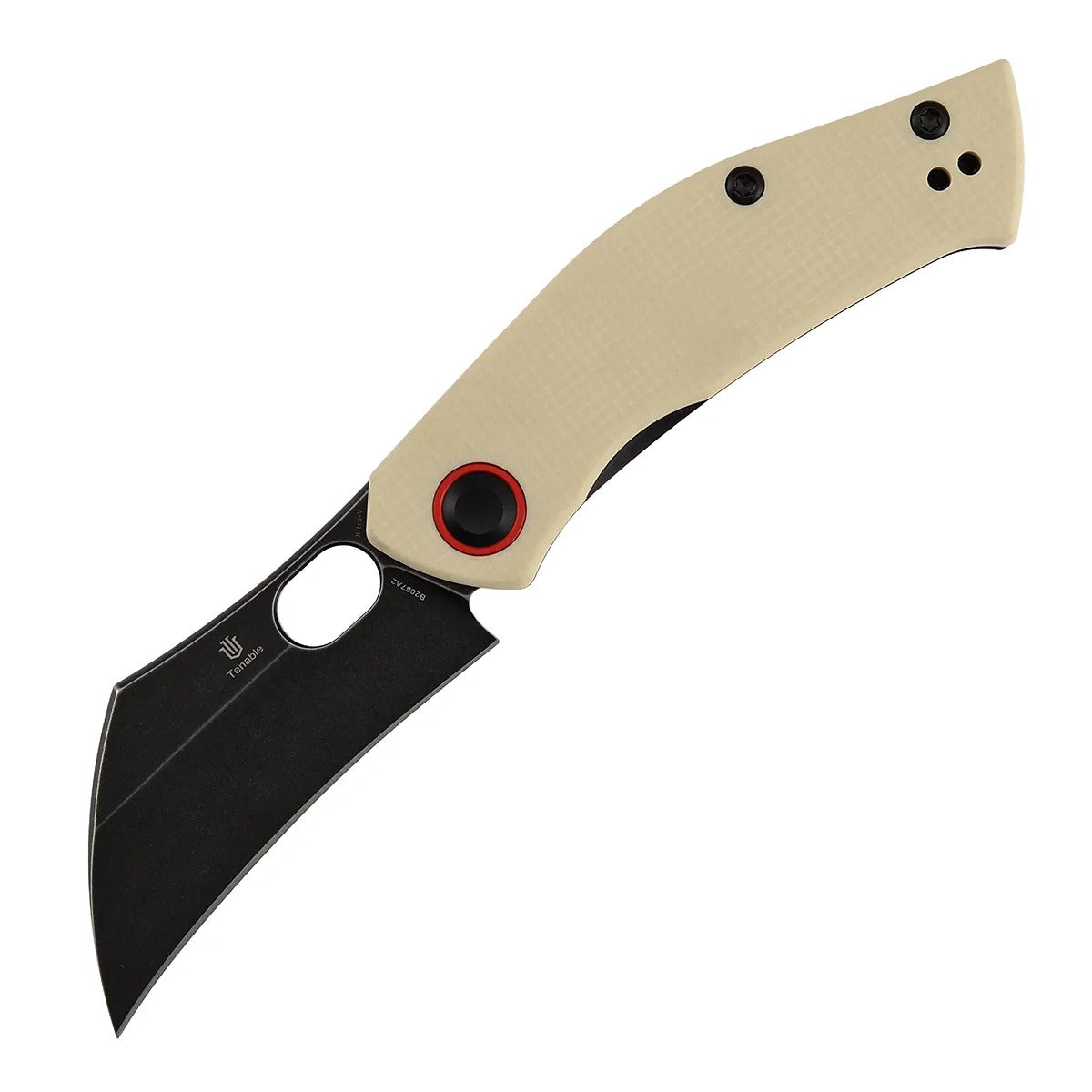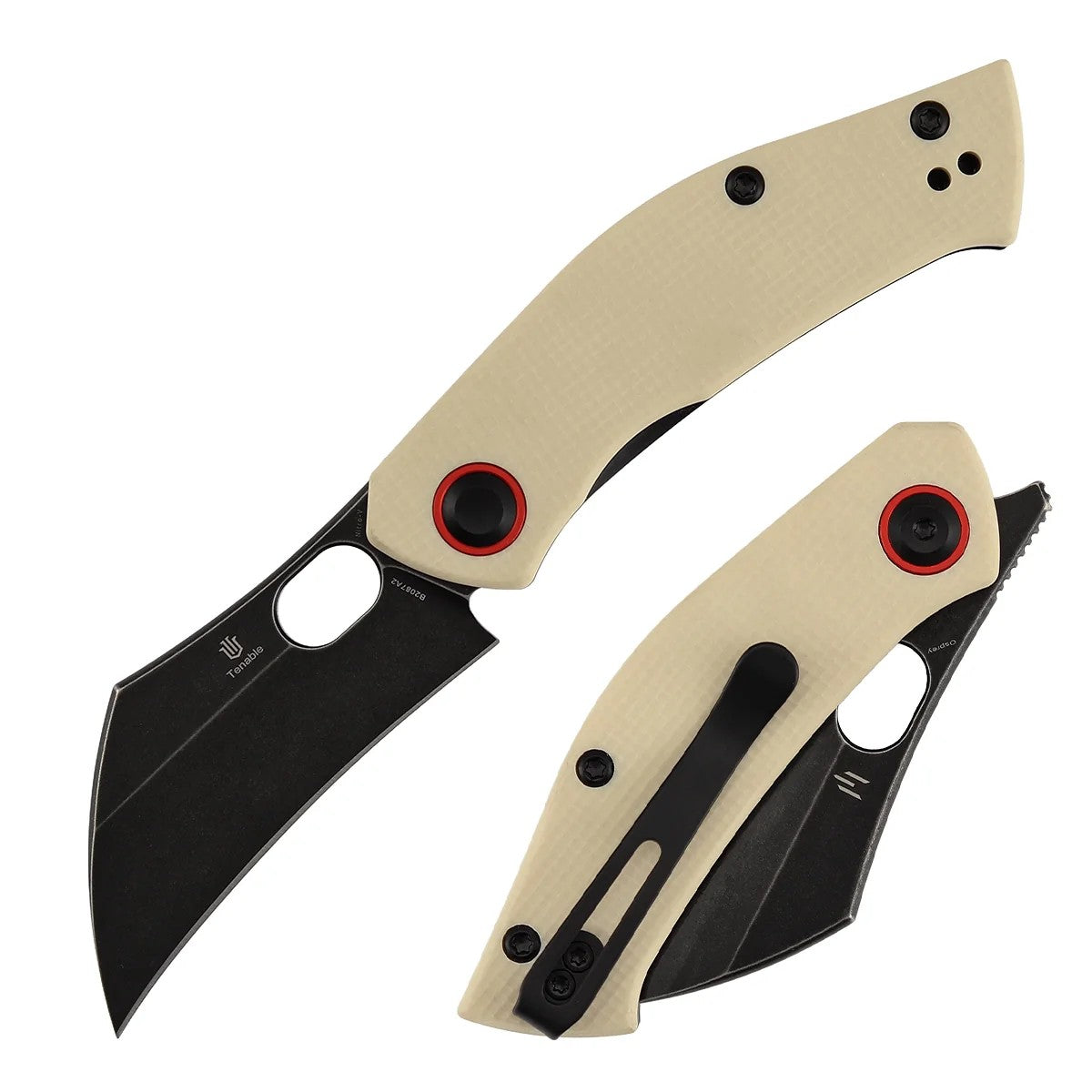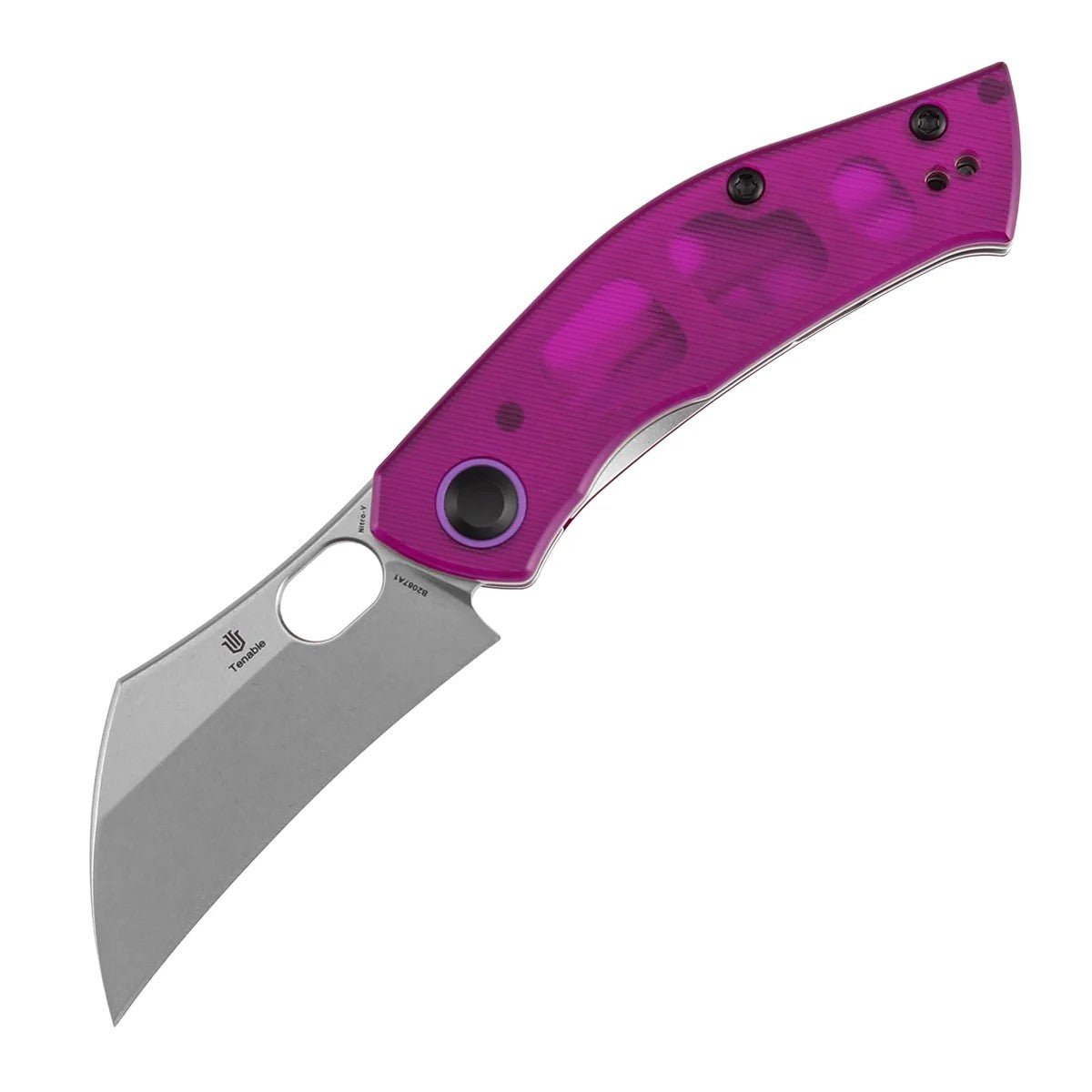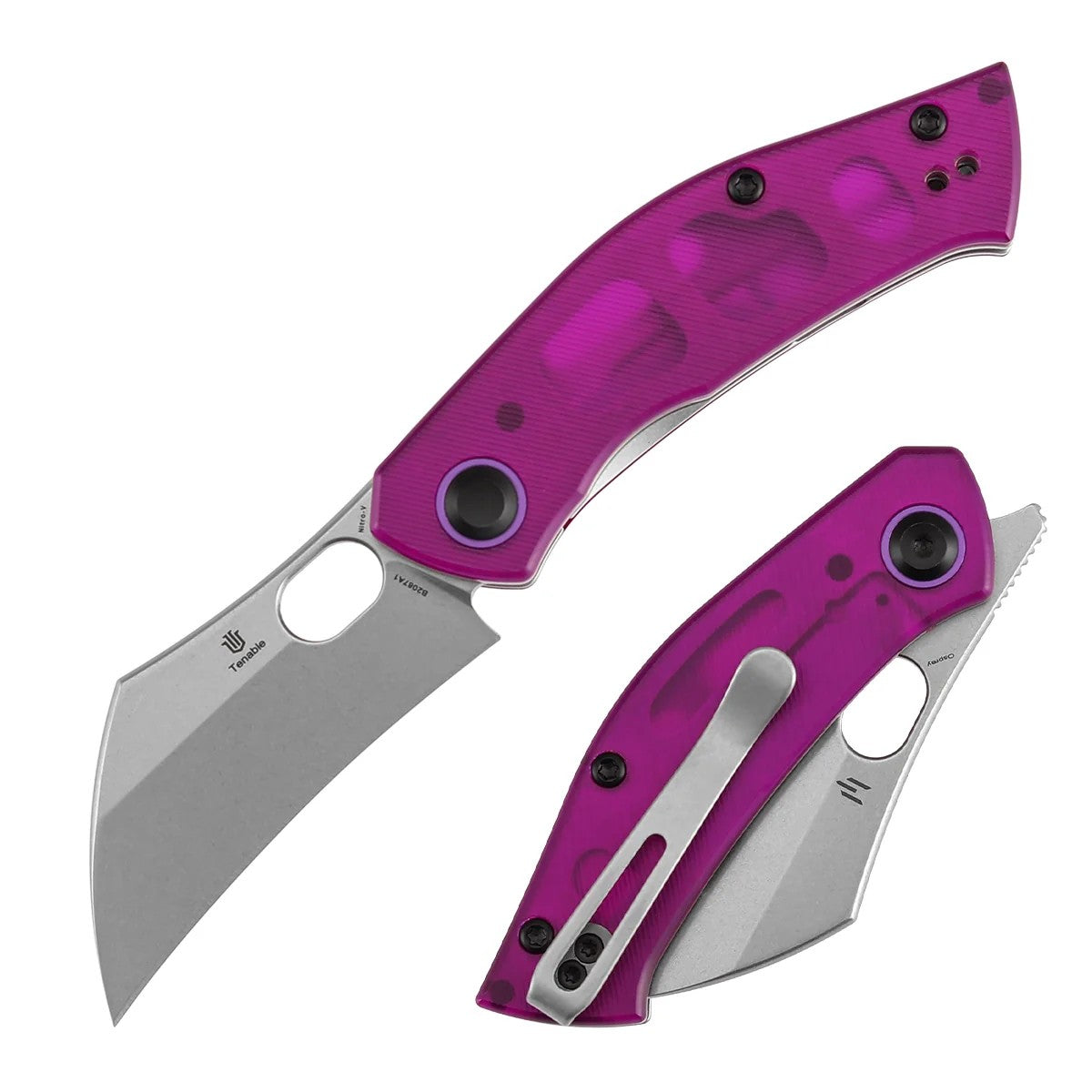
Nagao Higonokami Knives Warikomi 120mm

In the world of EDC (Everyday Carry), there is a constant pursuit of the latest "super steels." While high-tech alloys like M390 or S35VN dominate modern headlines, there is a category of steel that remains a cornerstone for craftsmen and traditionalists alike: SK Steel.
If you are a fan of minimalist tools and Japanese craftsmanship, you have likely encountered SK Steel in the legendary Nagao Higonokami knives. But what exactly is this steel, and why does it remain a favorite for pocket knives over a century after its inception?
What is SK Steel?
SK Steel (Steel Kogu) is a series of Japanese high-carbon tool steels, with SK5 and SK85 being the most common variants used in blade manufacturing. Known for its simplicity and reliability, SK steel is essentially the Japanese equivalent of American 1080 or 1085 carbon steel.
The beauty of SK steel lies in its high carbon content (usually between 0.80% and 0.90%), which allows it to reach a high level of hardness while maintaining impressive toughness. Unlike stainless steels that rely on chromium, SK steel focuses on the fundamentals: a clean grain structure that takes an incredibly fine, "scary sharp" edge.
Why EDC Enthusiasts Choose SK Steel
-
Exceptional Toughness: SK steel is less prone to chipping than some ultra-hard powdered steels, making it ideal for the unpredictable demands of EDC tasks.
-
Ease of Sharpening: You don't need expensive diamond plates to maintain these tools. A simple whetstone will bring an SK steel blade back to razor sharpness in minutes.
-
The Patina Factor: As a high-carbon steel, it will oxidize over time. For many collectors, the grey-blue patina that develops is a "badge of honor" that tells the story of the knife’s use.
SK Steel vs. The Competition
To understand where SK steel fits into your kit, let’s compare it to other popular blade materials:
| Steel Type | Hardness (HRC) | Edge Retention | Toughness | Corrosion Resistance |
| SK Steel | 57-60 | Moderate | High | Low (Carbon) |
| 1095 Carbon | 56-58 | Moderate | High | Low (Carbon) |
| VG-10 | 60-61 | High | Moderate | High (Stainless) |
| Blue Paper Steel | 61-63 | Very High | Moderate |
While Blue Paper Steel (Aogami) offers longer edge retention, SK steel provides a more robust and forgiving experience for those who need a durable workhorse rather than a delicate slicer.
Spotlight: Nagao Higonokami Knives
The Nagao Kanekoma Factory is the only maker legally permitted to use the "Higonokami" trademark. These friction folders have remained virtually unchanged since 1894, embodying the "less is more" philosophy of Japanese tools.
Here are three essential SK Steel recommendations for your collection:
1. Higonokami Personal Pocket Knife (SK Steel, Black Finish)

The classic entry point for any EDC enthusiast. This model features a durable SK carbon steel blade housed in a minimalist folded steel handle with a sleek black coating. Its lightweight profile makes it nearly invisible in your pocket, yet it stands ready for everything from opening packages to sharpening pencils.
2. Higonokami "Warikomi" SK Steel (Satin/Silver)
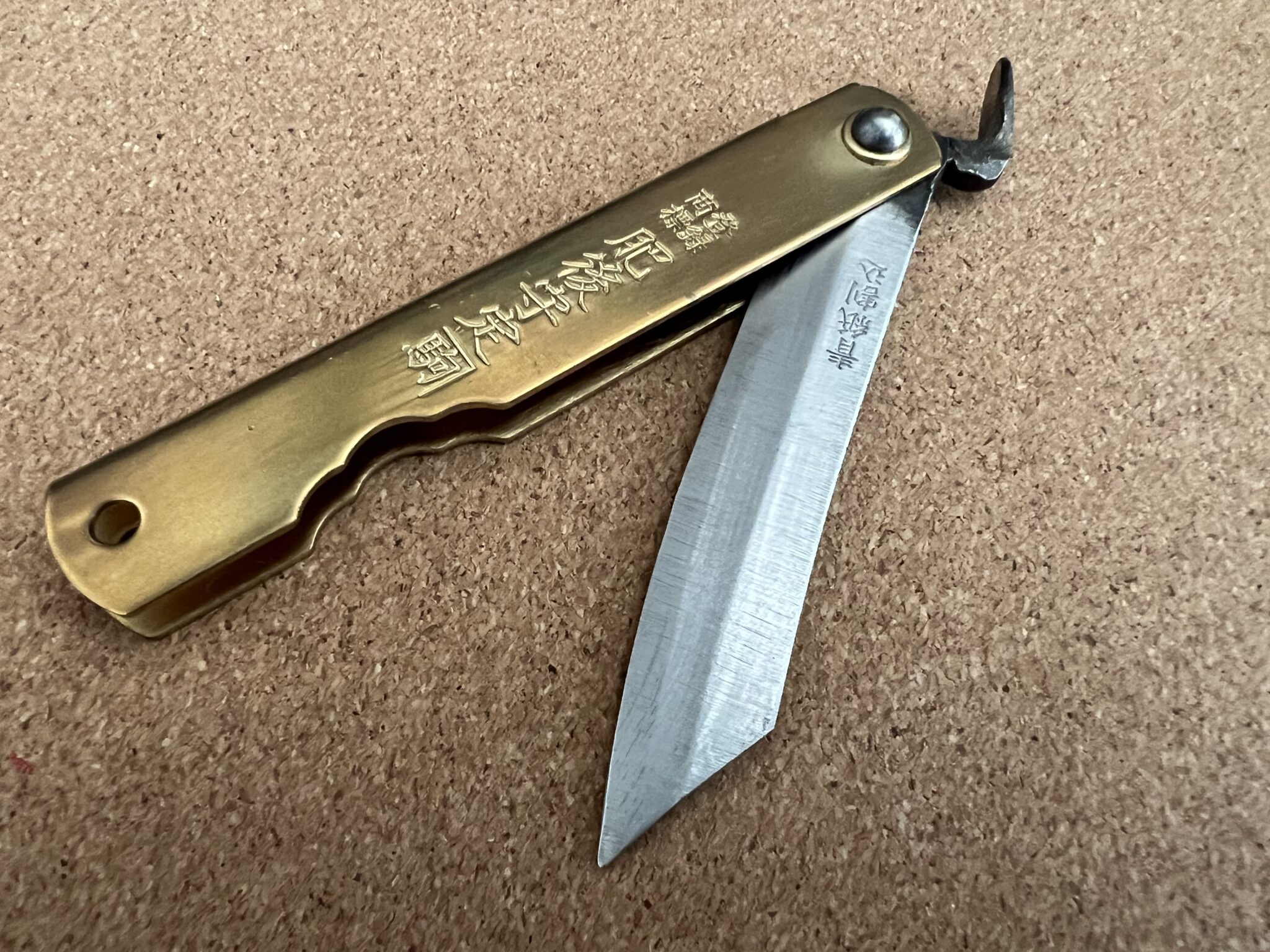
The "Warikomi" refers to the traditional Japanese method of laminating steel. This version uses an SK steel core for the cutting edge, providing the perfect balance of traditional aesthetics and modern utility. The silver-toned handle offers a clean, industrial look that pairs perfectly with other metallic EDC gear.
3. Higonokami XL Friction Folder (SK Steel, Heavy Duty)

For those who need more "real estate" for their hands, the XL version provides a larger grip and a thicker SK steel blade. Despite its size, it retains the simple friction-fold mechanism and the iconic "Chikiri" (the lever used to open and hold the blade in place), making it a formidable utility tool for heavier workshop tasks.
Care and Maintenance for SK Steel
Because SK steel is a carbon steel, it requires a bit of love to prevent rust.
-
Keep it Dry: Always wipe your blade after use, especially if cutting acidic materials like fruit.
-
Oil Regularly: A light coat of camellia oil or mineral oil will protect the steel from moisture.
-
Embrace the Change: Don't be afraid of the patina! It adds character and provides a natural layer of protection against deep pitting.
Final Thoughts
In an era of over-engineered gadgets, the Nagao Higonokami in SK Steel is a refreshing reminder that a simple piece of high-quality carbon steel is often all you need. Whether you are a dedicated collector or just looking for a reliable EDC companion, these Japanese tools offer a piece of history that fits right in your pocket.