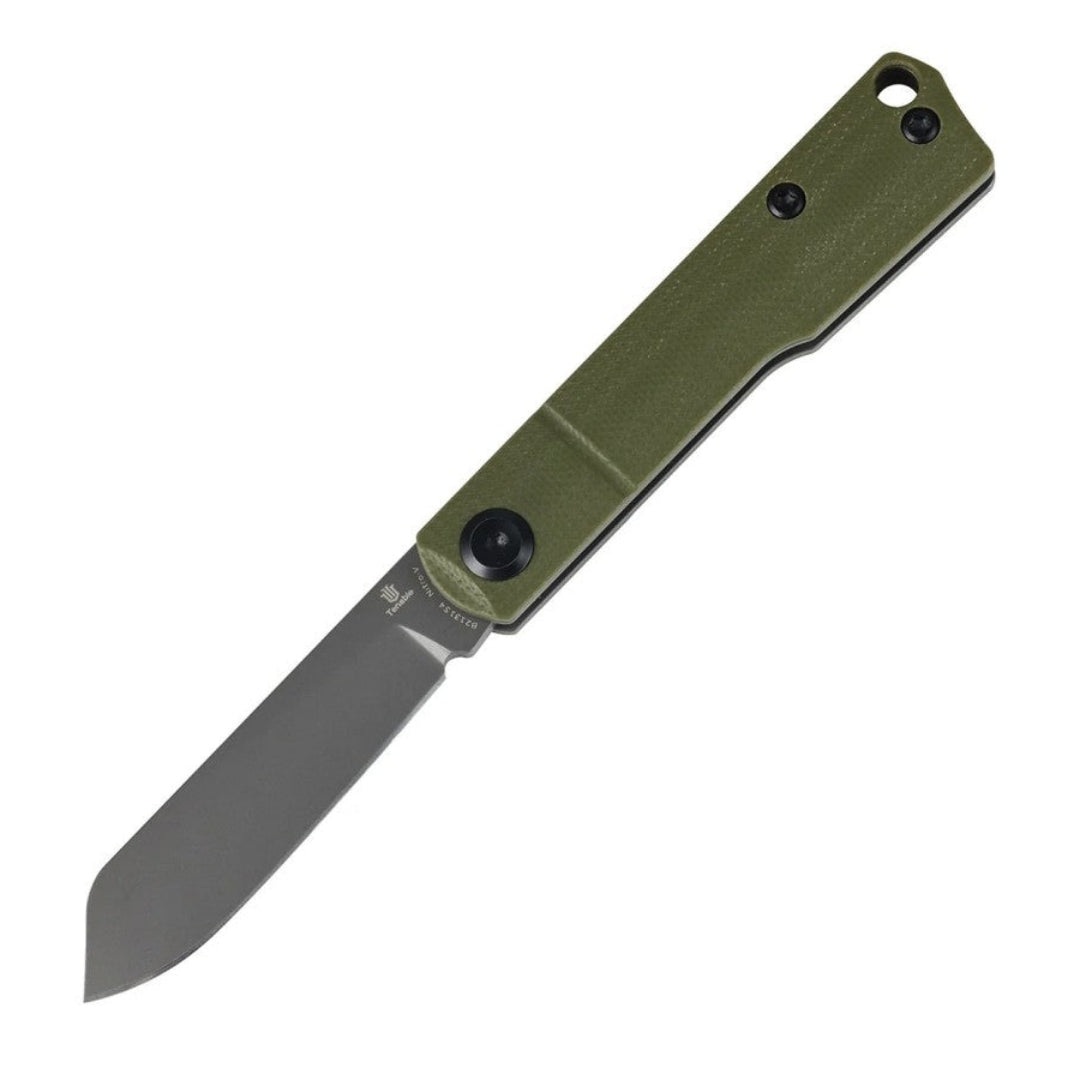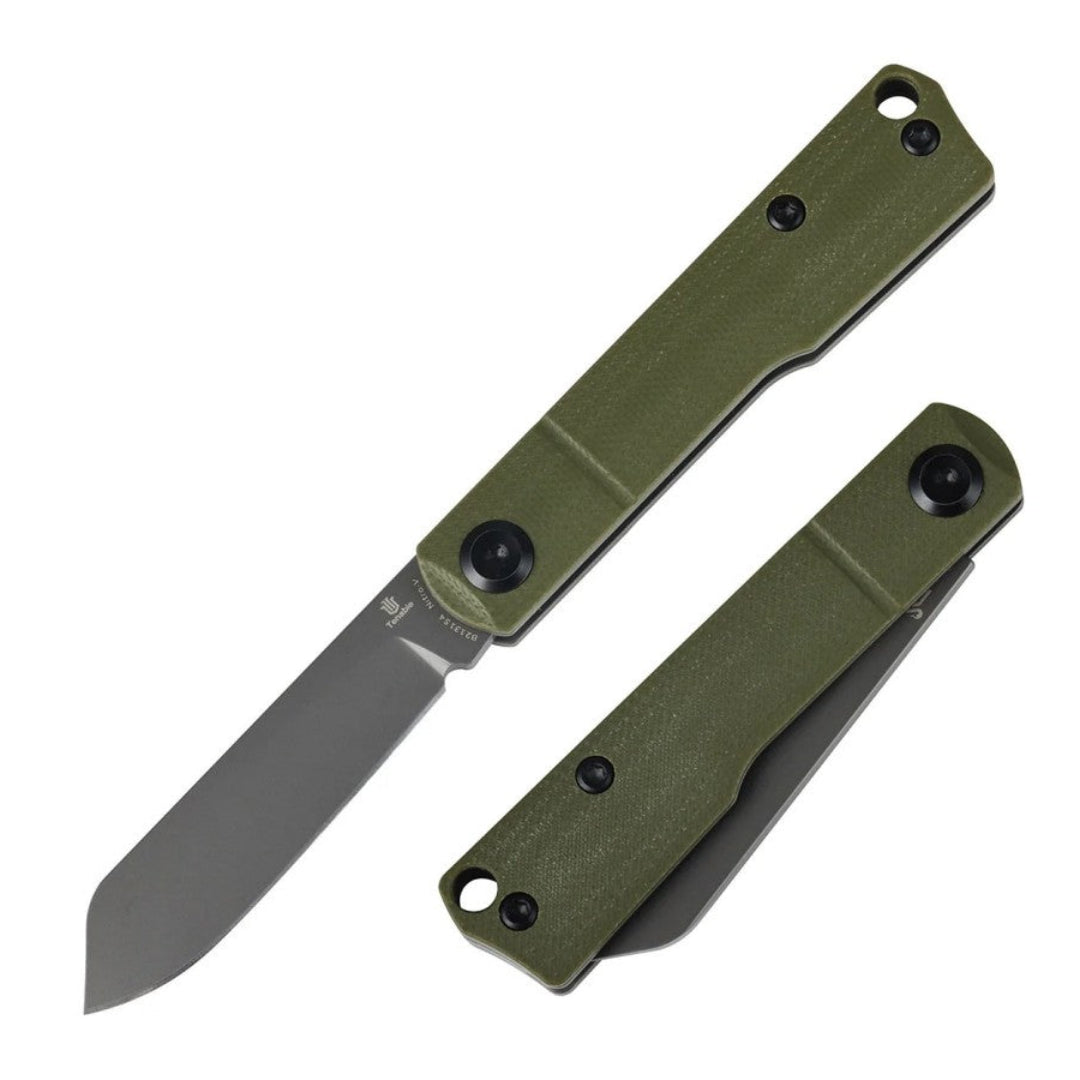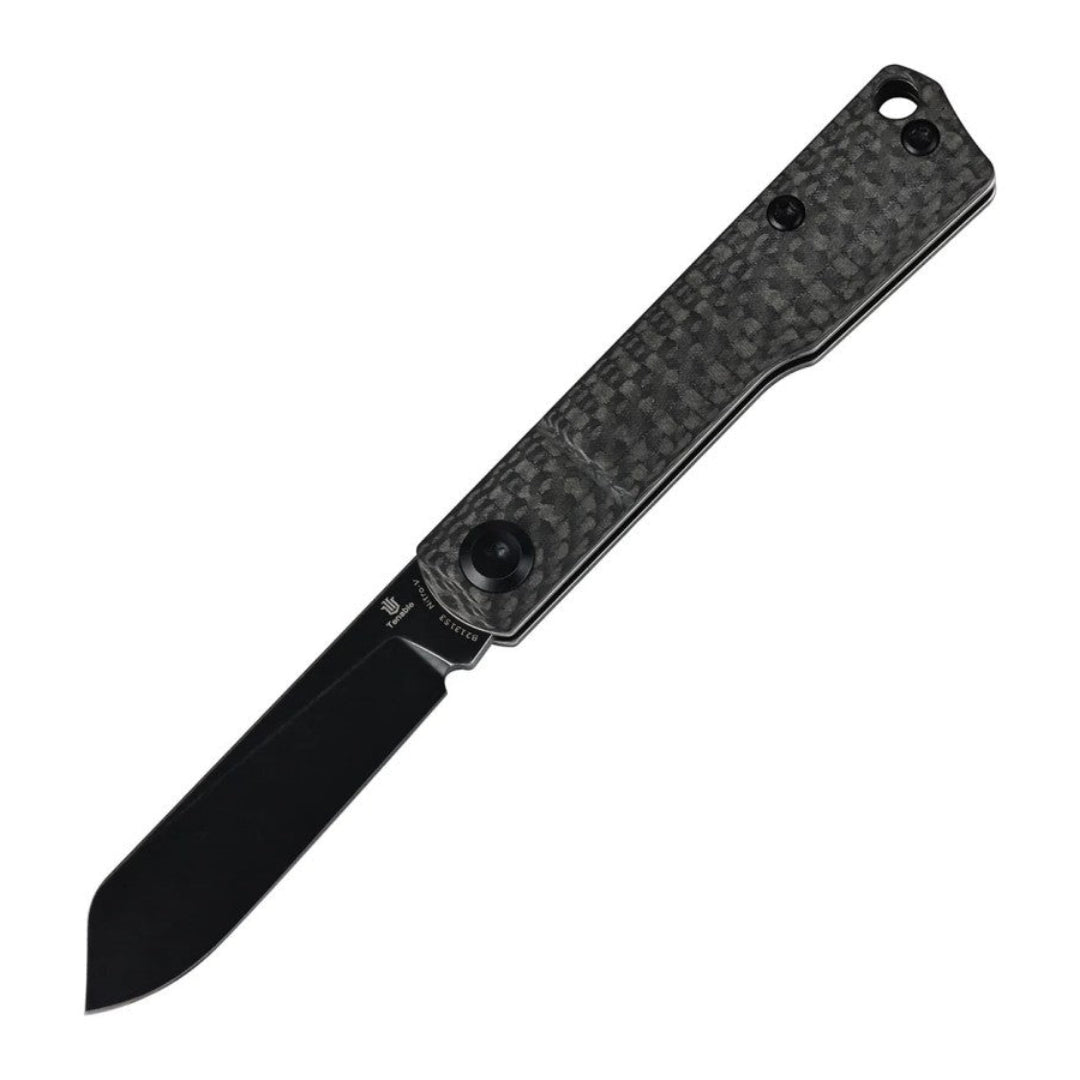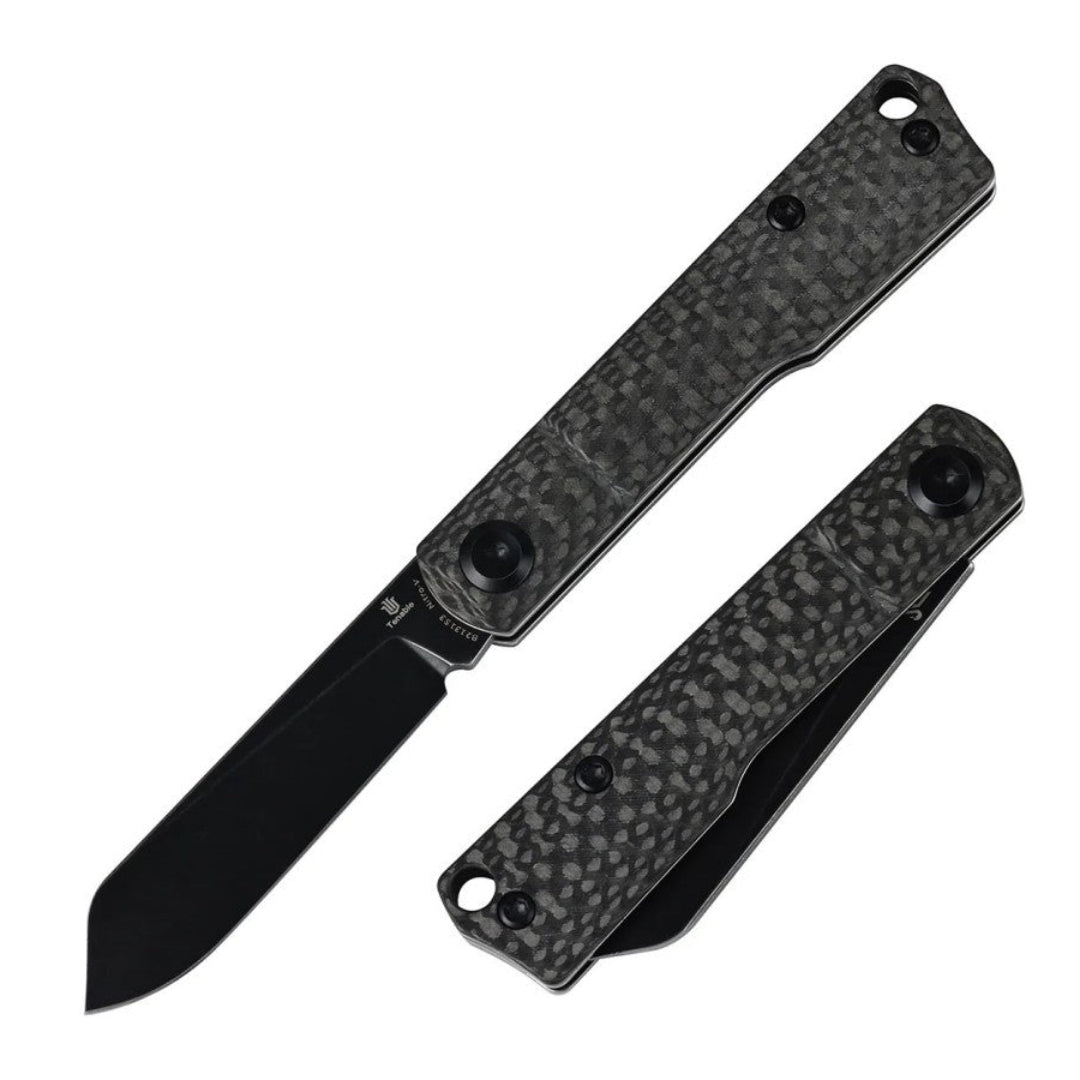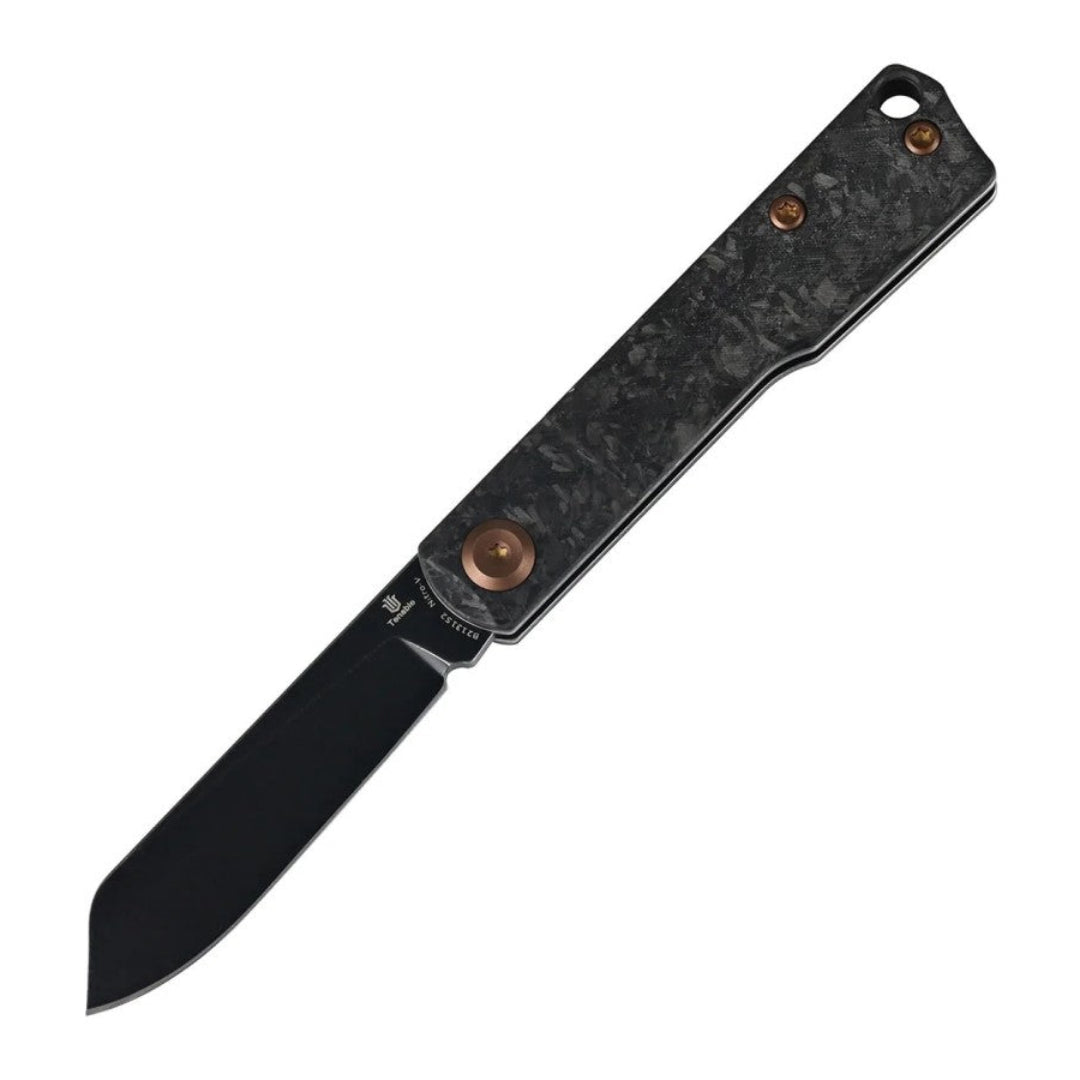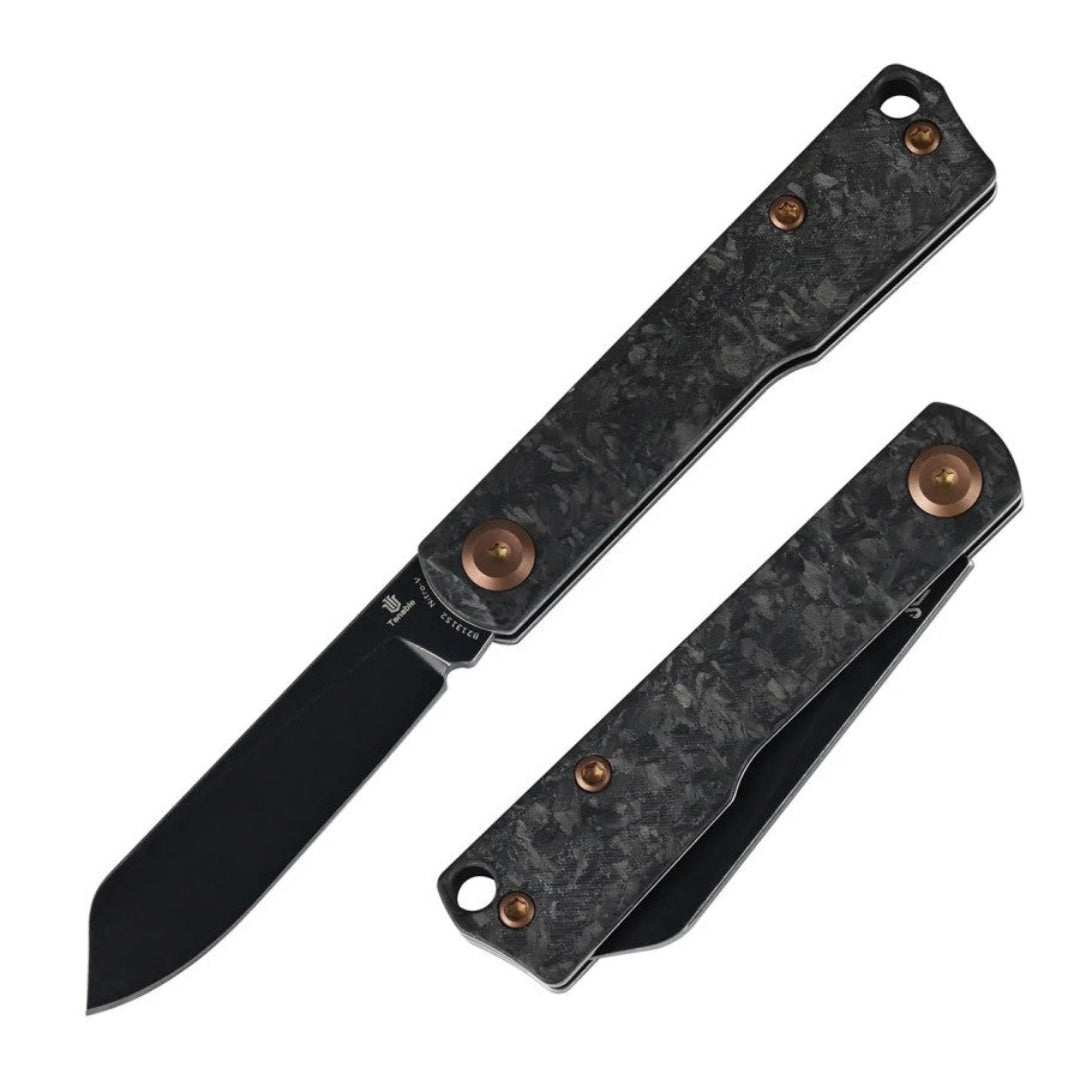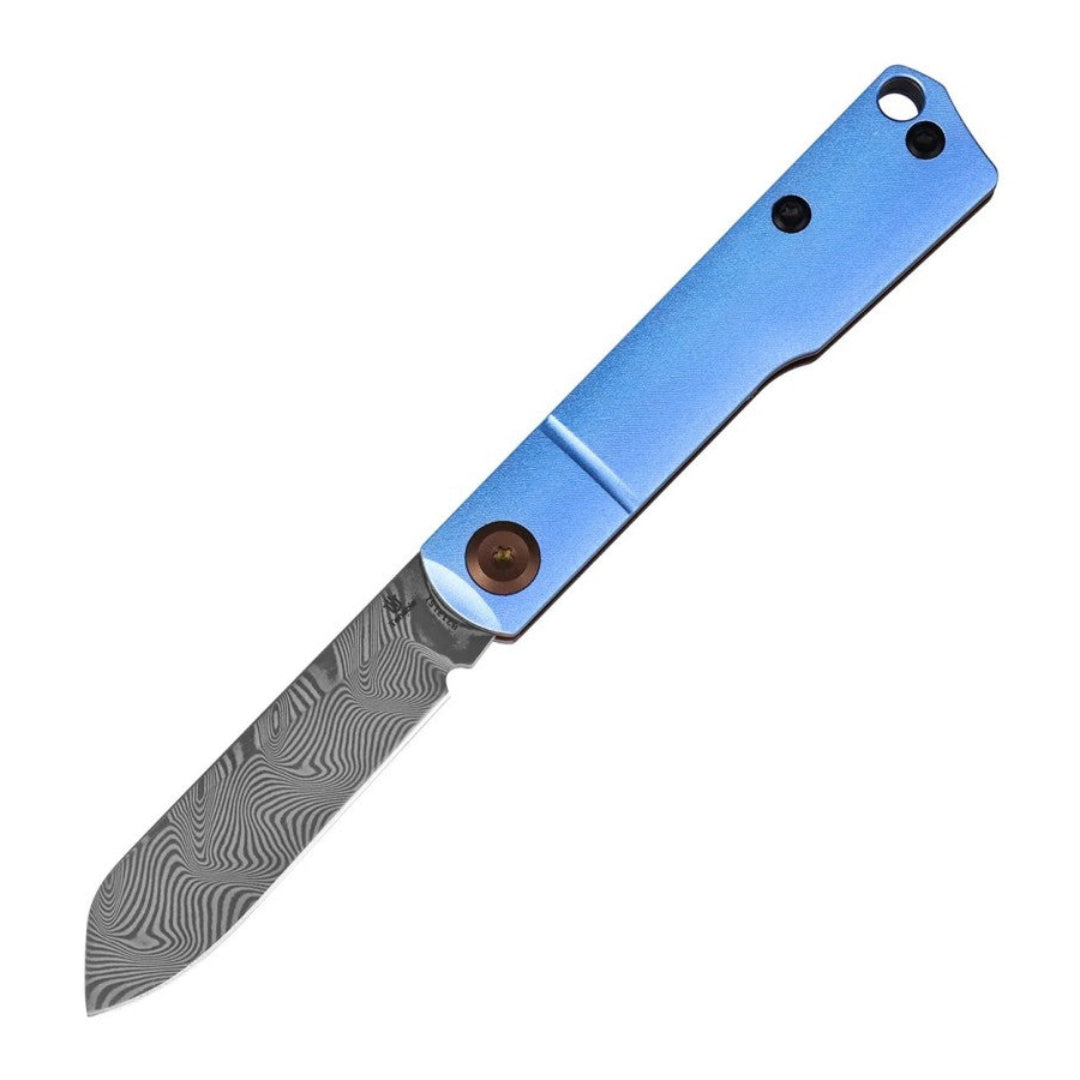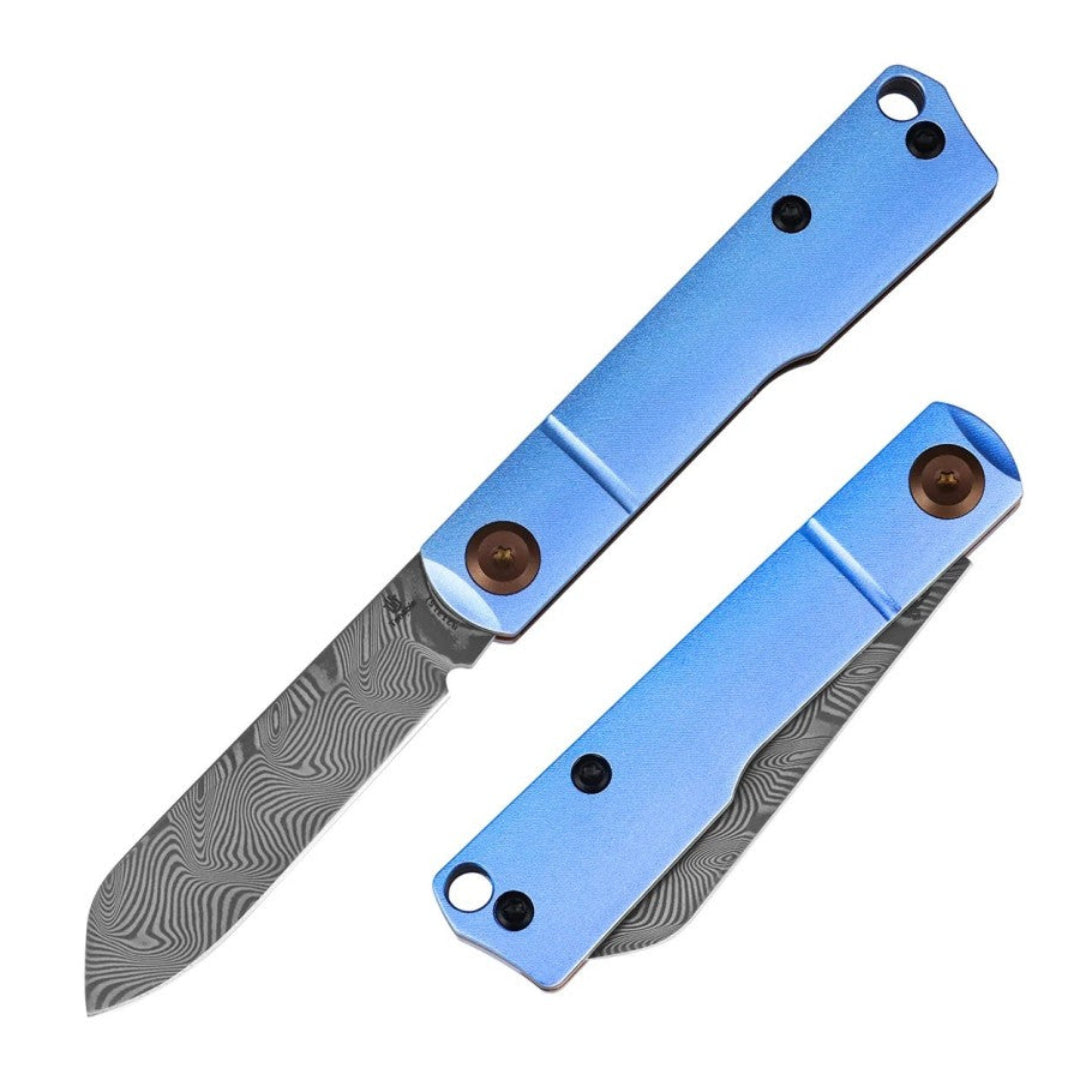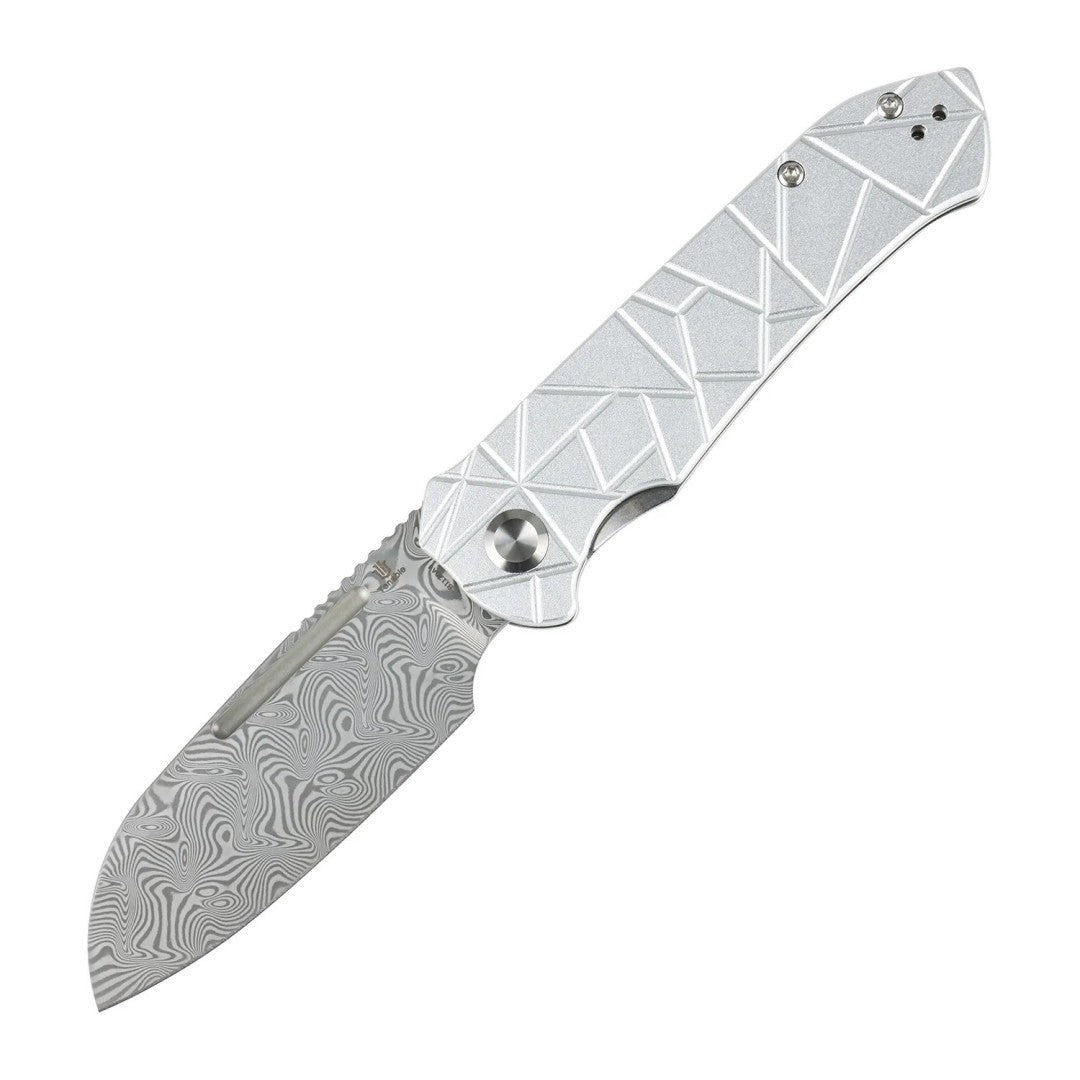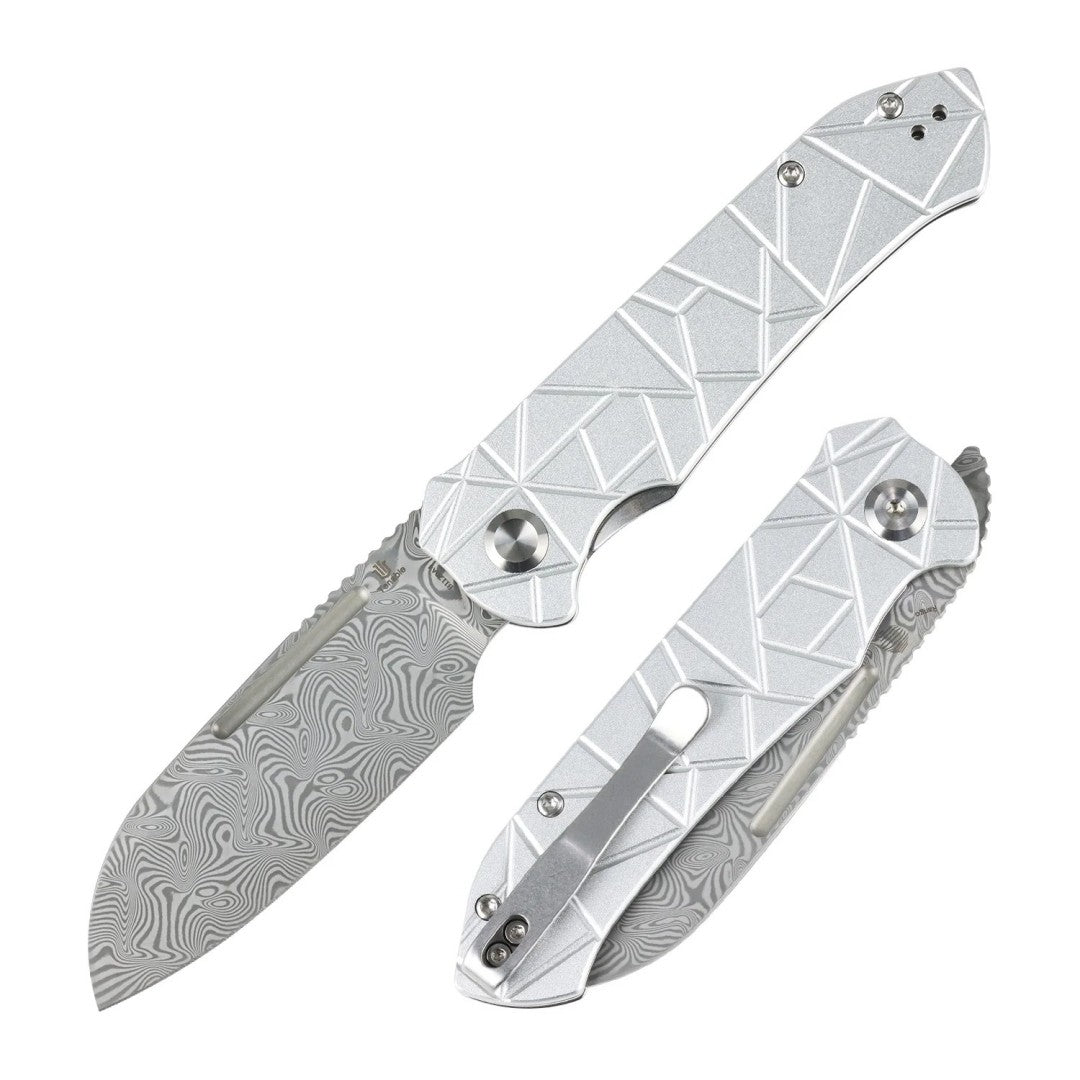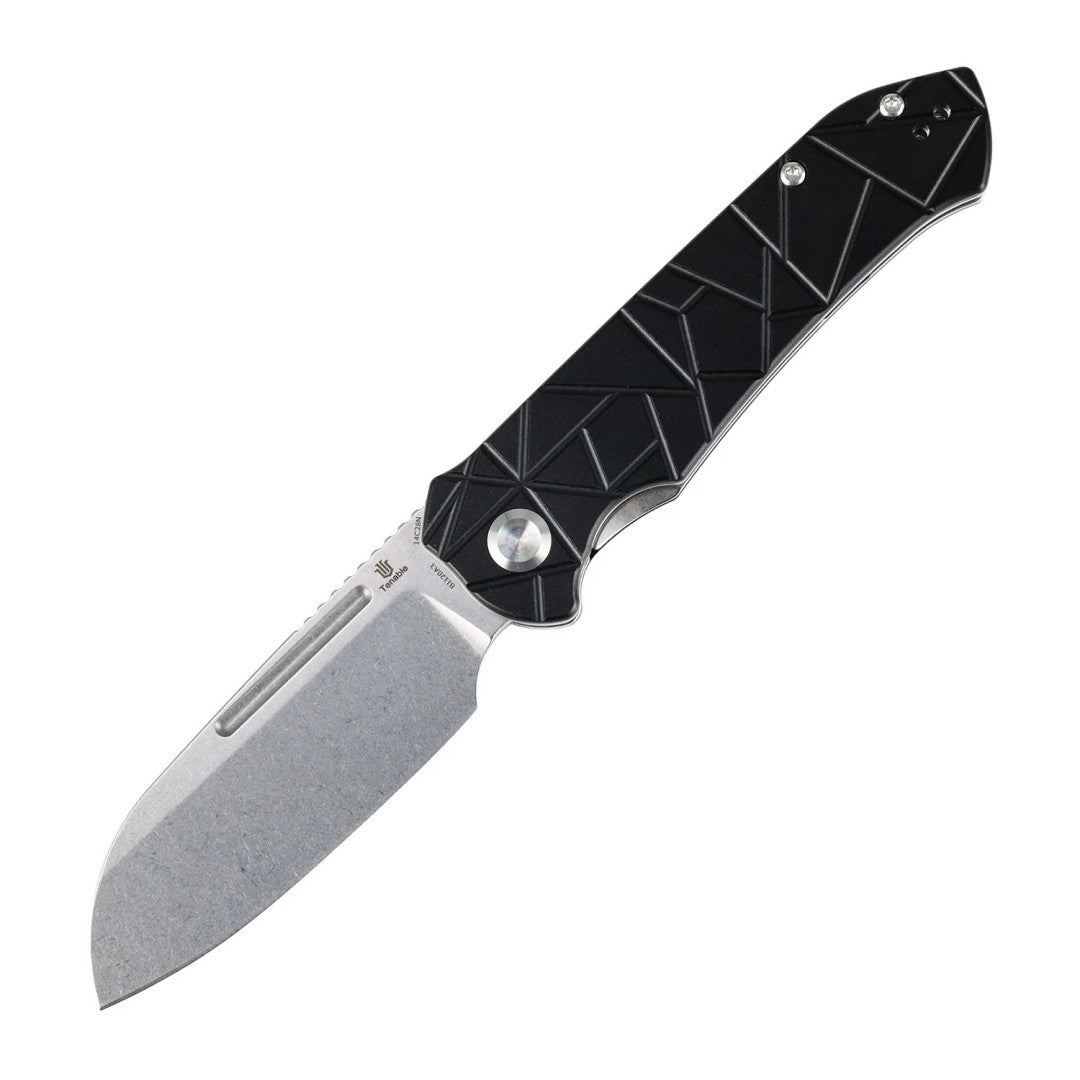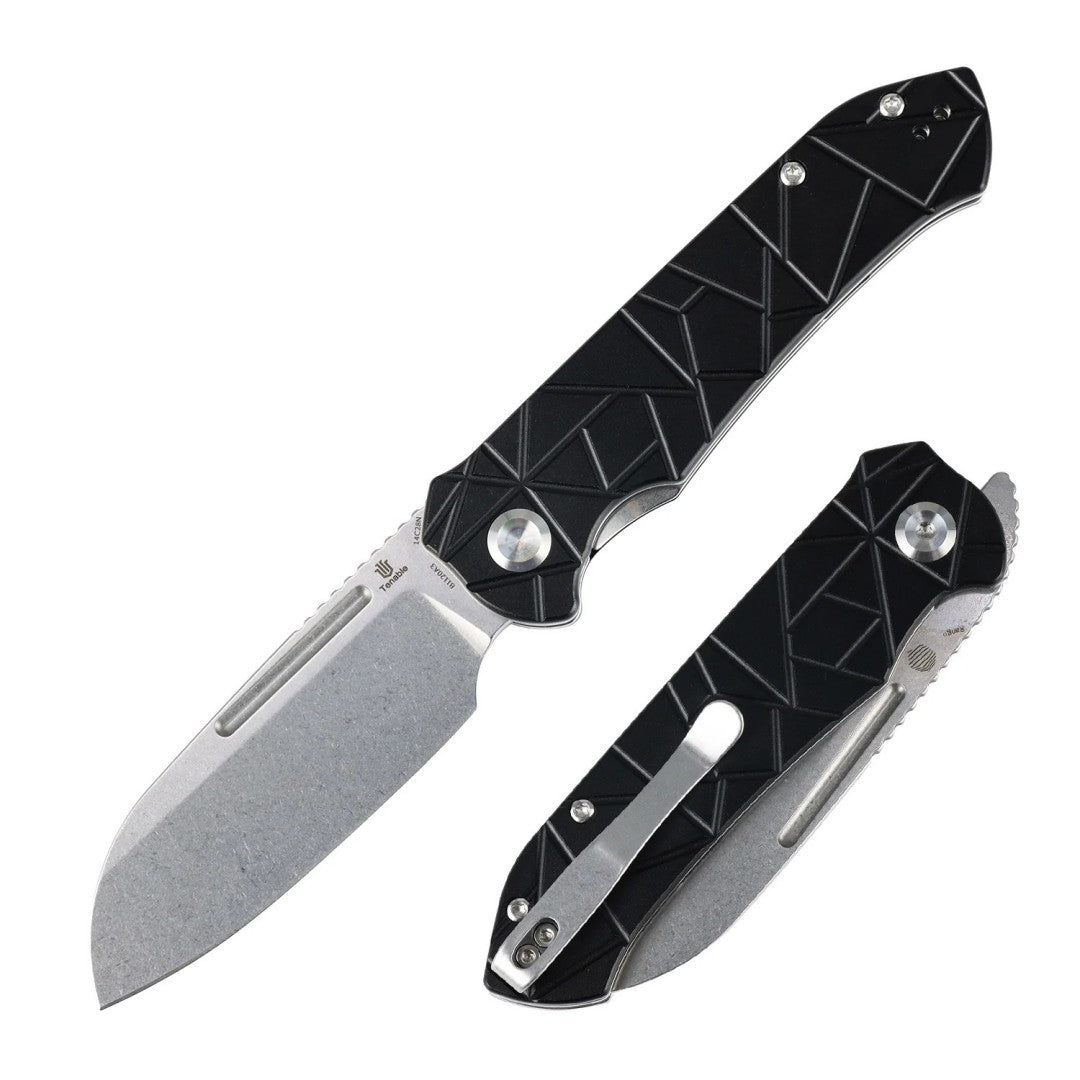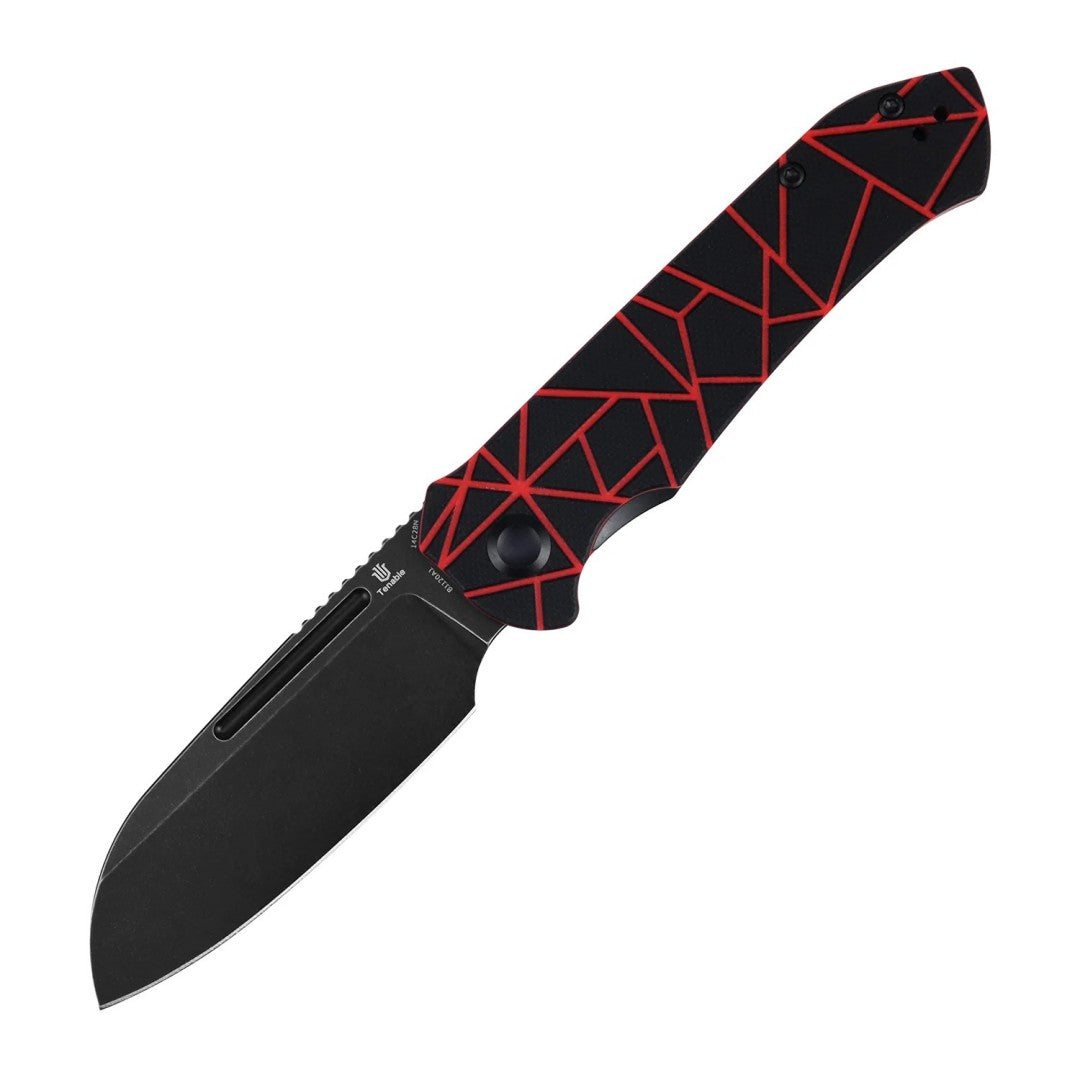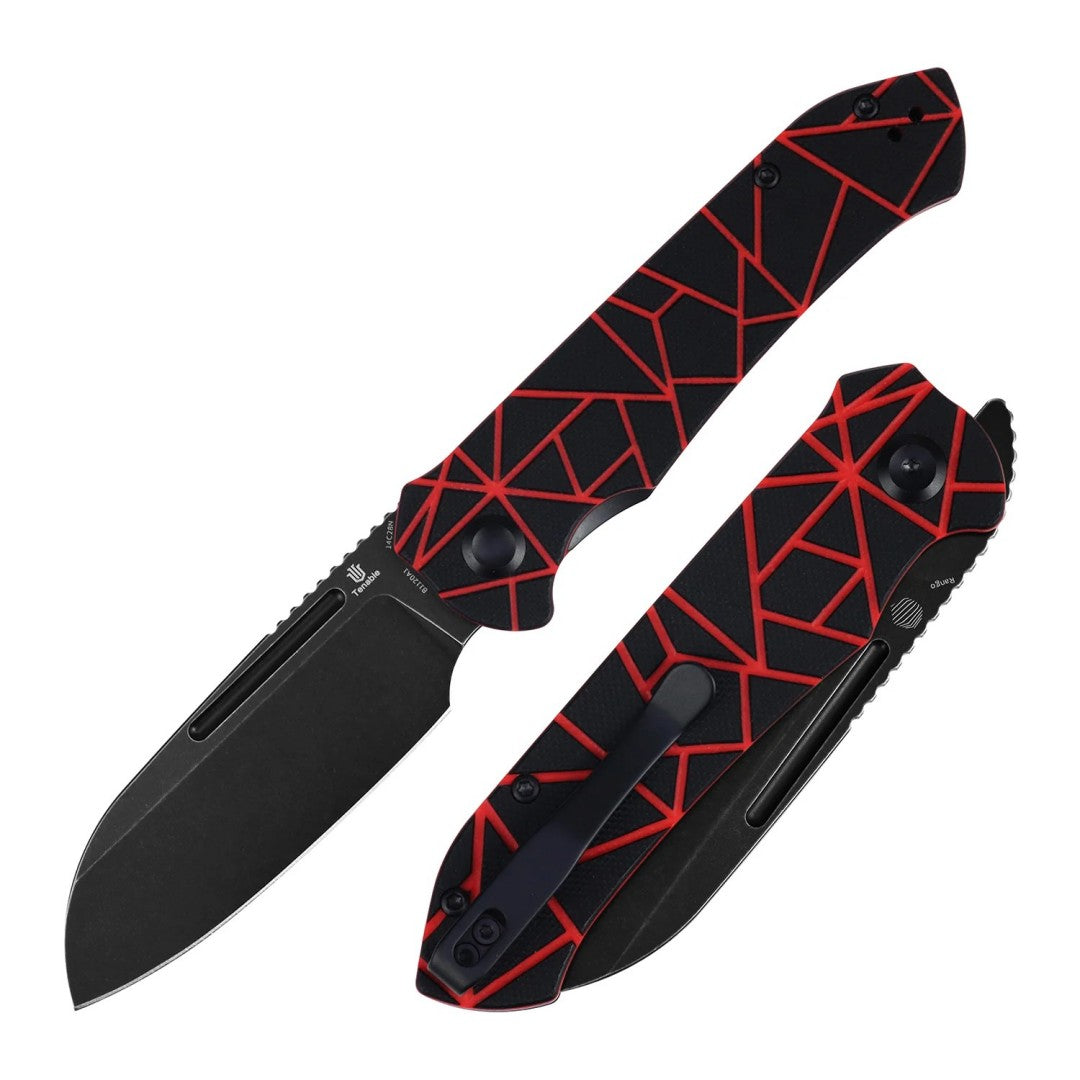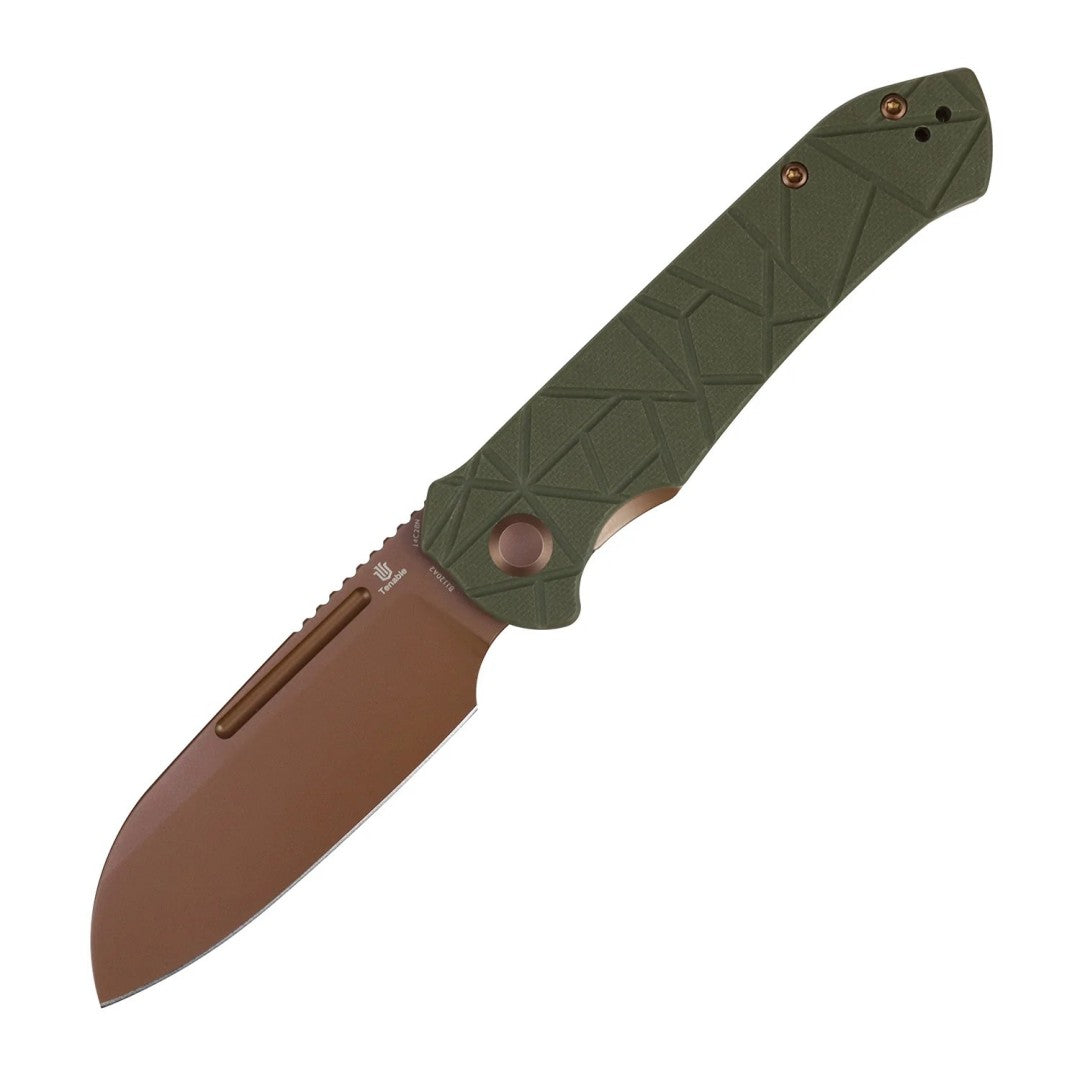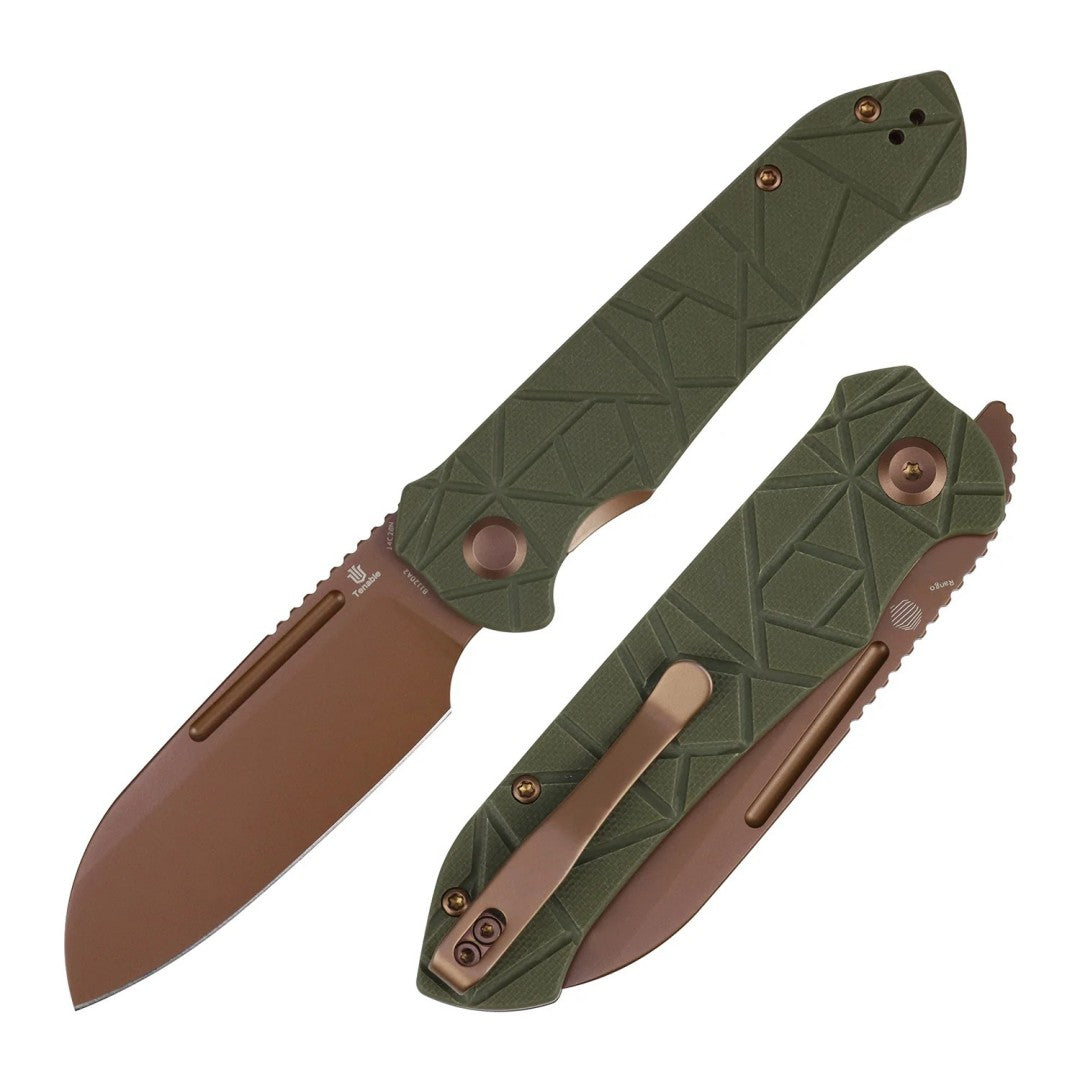

Nagao Higonokami Knives Warikomi 90mm

In the world of high-performance cutlery and professional Tools, the term "Full Steel" represents a commitment to purity, durability, and uncompromising performance. For enthusiasts who curate their EDC (Everyday Carry) with precision, understanding the soul of your blade is essential.
Whether you are a seasoned collector or a professional looking for the ultimate utility tool, this guide explores the nuances of Full Steel construction and why it remains a cornerstone of Japanese blade-making excellence—highlighted by the legendary craftsmanship of Nagao Higonokami.
What is Full Steel? Understanding the Monolith
In the context of premium cutlery, Full Steel (often referred to as Zenshagane in Japanese tradition) refers to a blade forged entirely from a single piece of high-grade steel. Unlike "San Mai" or laminated blades—which sandwich a hard core between softer outer layers—Full Steel blades offer a uniform density and consistent performance throughout the entire cross-section of the tool.
The Characteristics of Full Steel
-
Uniformity: There are no "weak points" or delamination risks. The heat treatment is applied to the entire body, ensuring the spine and the edge share the same structural integrity.
-
Precision Grinding: Full Steel allows for incredibly thin and precise grinds, making these knives exceptional for detailed tasks like pencil sharpening, leather crafting, or delicate wood carving.
-
Purity of Performance: For the purist, a Full Steel blade provides a "raw" feedback during sharpening and use that laminated steels sometimes mask.
Steel Comparison: Full Steel vs. Modern Super Steels
When building your EDC kit, you likely encounter modern powder metallurgy steels. Here is how traditional Japanese Full Steel (often SK High Carbon or White Paper Steel) stacks up against modern titans like M390.
| Feature | Full Steel (High Carbon) | M390 / S35VN (Super Steels) |
| Edge Retention | Excellent (High initial sharpness) | World-class (Stays sharp longer) |
| Sharpenability | Extremely Easy (User-friendly) | Difficult (Requires diamond stones) |
| Toughness | High (Less prone to micro-chipping) | Moderate to High |
| Corrosion Resistance | Low (Requires oil/maintenance) | Exceptional (Stainless) |
| Vibe/Aesthetic | Traditional, develops a unique patina | Modern, clinical, remains shiny |
While M390 is a "set it and forget it" steel for those who dislike maintenance, Full Steel is for the craftsman who enjoys the ritual of maintenance and demands a razor-sharp edge that can be restored in seconds with a simple whetstone.
The Icon of EDC: Nagao Higonokami Knives
No discussion of Full Steel and functional Tools is complete without mentioning Nagao Higonokami. Founded in 1894, the Nagao Kanekoma Factory is the only maker legally permitted to use the "Higonokami" trademark. These friction folders are the epitome of "less is more."
Why Higonokami Belongs in Your Pocket
These knives are "Friction Folders," meaning they have no mechanical lock. They rely on the friction of the pivot and your thumb placed on the Chikiri (the lever) to stay open. This simplicity makes them nearly indestructible and legal in many jurisdictions where locking knives are restricted.
Top 3 Nagao Higonokami Recommendations
If you are looking to add a piece of Japanese history to your EDC rotation, here are three essential models from the Nagao workshop:
1. Higonokami Tokubetsu (Special) Brass - Blue Paper Steel
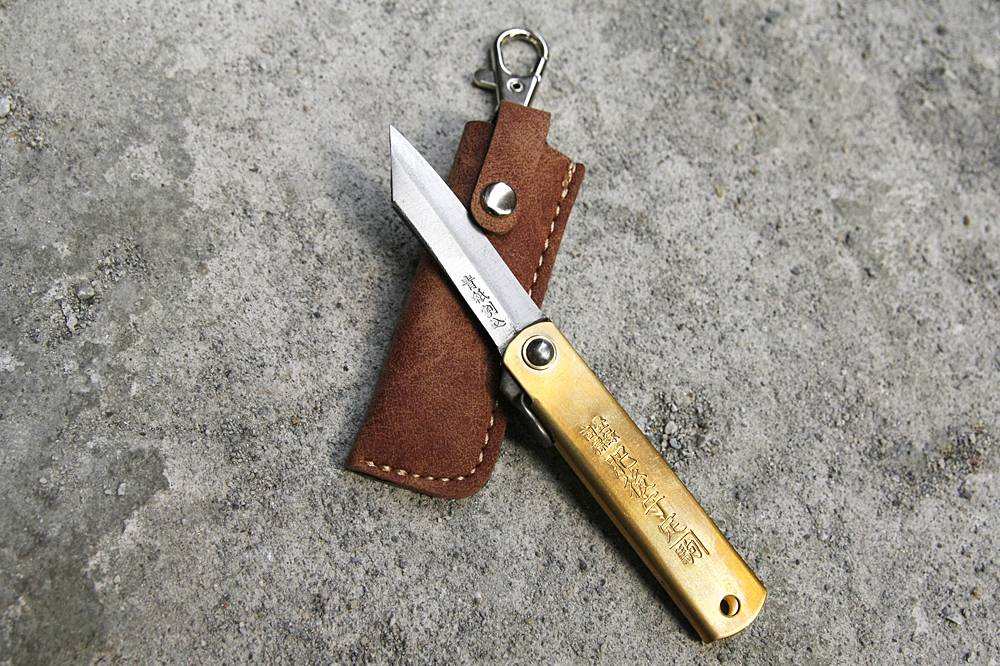
The gold standard for collectors. This knife features a classic folded brass handle that will develop a stunning, dark patina over time. The blade is forged from Aogami (Blue Paper Steel), known for its incredible edge-taking ability. It is a perfect blend of a rugged Tool and a gentleman's carry.
2. Higonokami Chrome Steel - SK High Carbon Steel
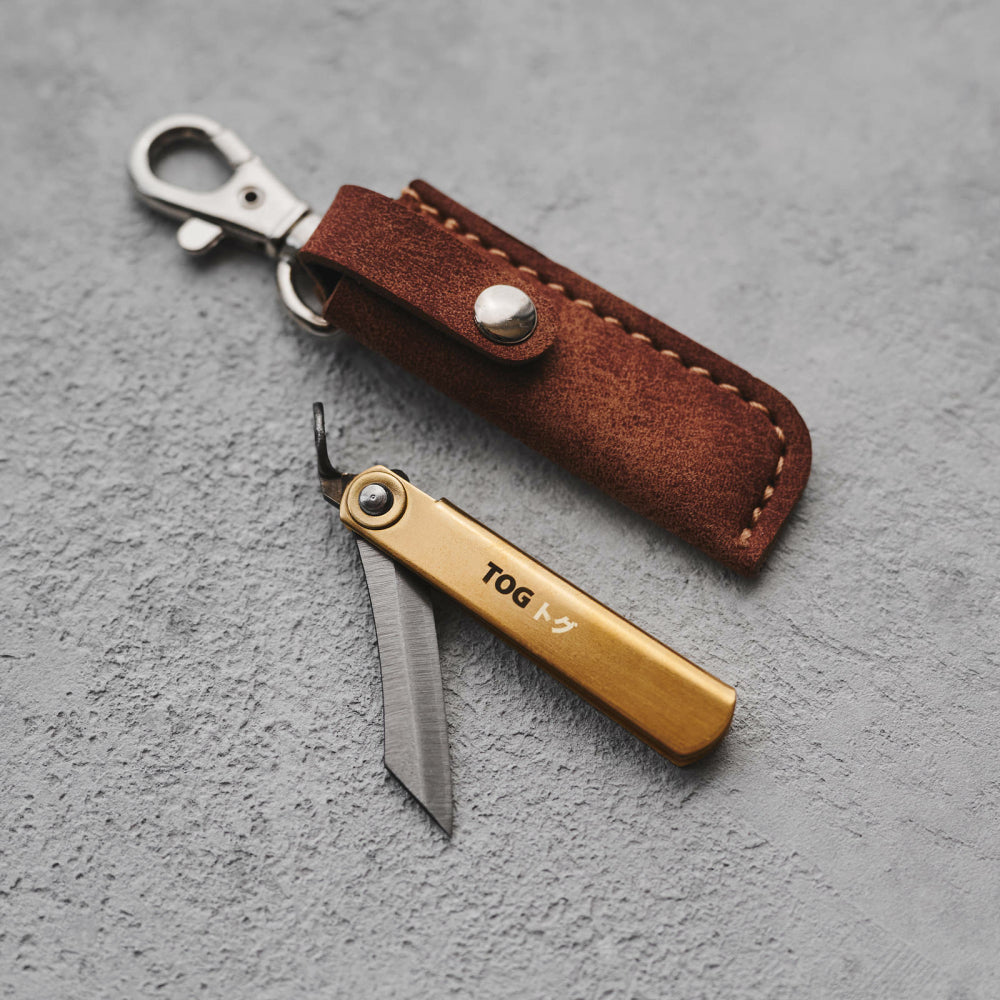
For those who prefer a cleaner, more industrial look, the Chrome-plated steel handle version is ideal. It is slightly more resistant to the elements than brass and offers a sleek, silver aesthetic. The SK carbon steel blade is a workhorse—easy to sharpen and incredibly tough for daily tasks.
3. Higonokami "Sasaba" (Bamboo Leaf) - Black Finish
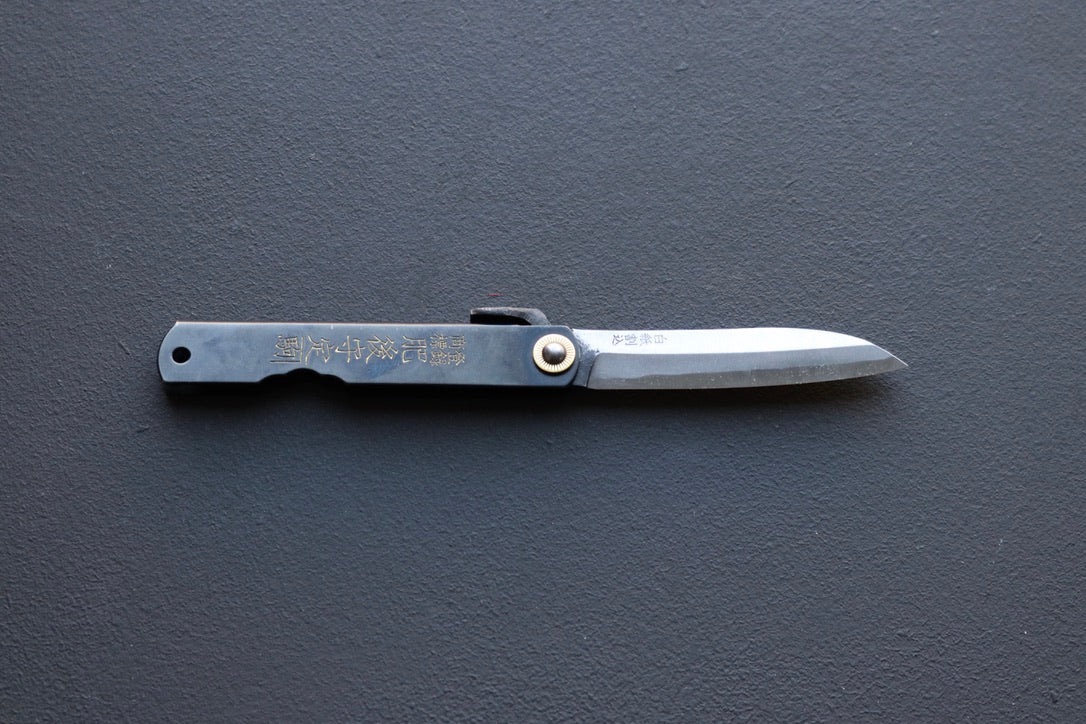
The Sasaba features a unique, pointed blade shape resembling a bamboo leaf, offering a more aggressive tip for piercing and detail work. The black-oxidized finish on the handle provides a tactical, understated look that fits perfectly in a modern EDC pouch alongside other dark-themed gear and Tools.
Maintenance: Caring for Your Full Steel Tool
Because these knives are high-performance carbon steel, they require a bit of love. To prevent rust, always wipe the blade dry after use and apply a thin coat of camellia oil or food-grade mineral oil. Over time, the steel will turn a greyish-blue; this "patina" is a badge of honor that actually helps protect the steel from deeper corrosion.
Final Thoughts
In an era of over-engineered gadgets, the Full Steel Nagao Higonokami stands out by being unapologetically simple. It isn't just a knife; it’s a connection to over a century of blacksmithing heritage. Whether you’re opening packages at the office or carving stakes at a campsite, these Tools prove that sometimes, the oldest designs are still the best.