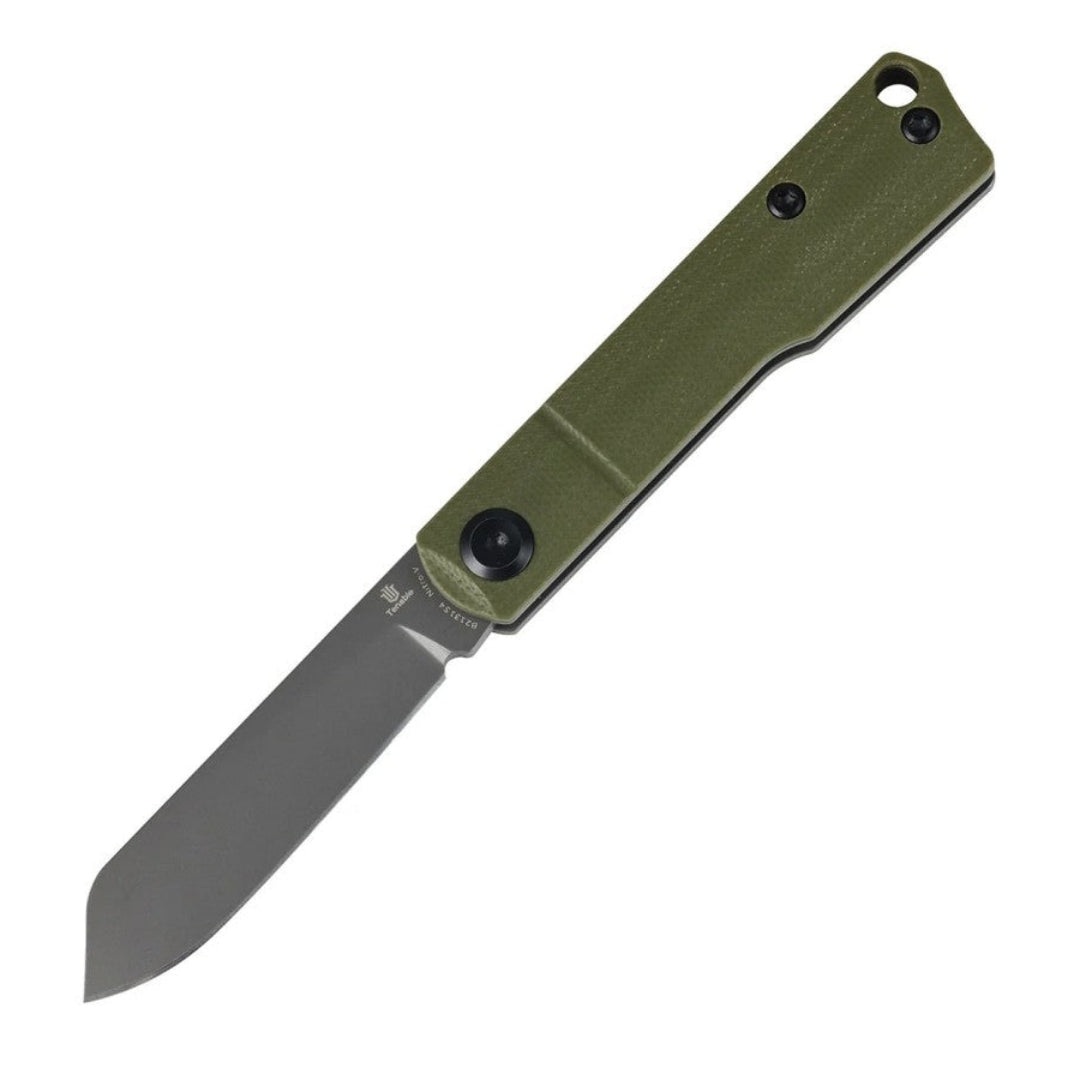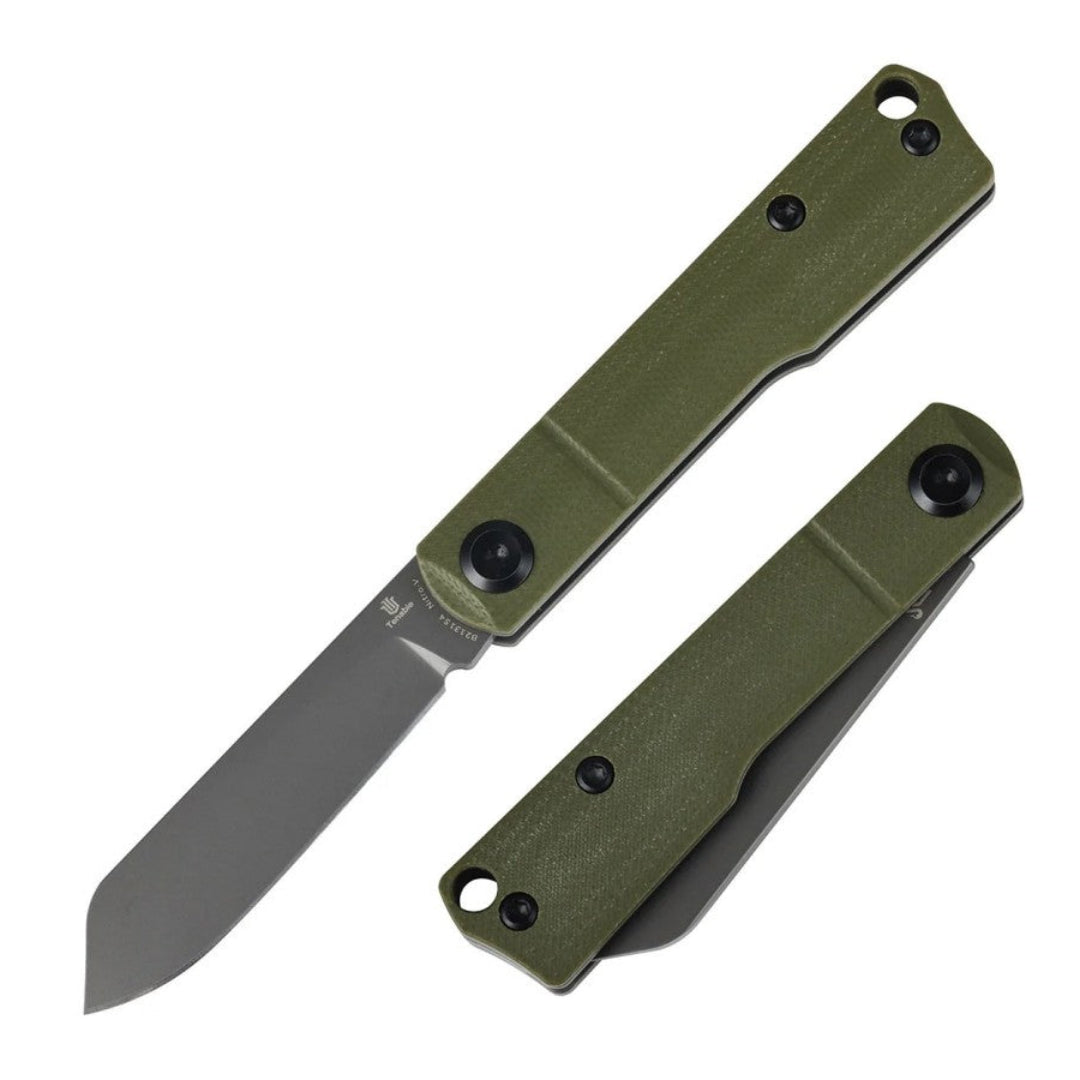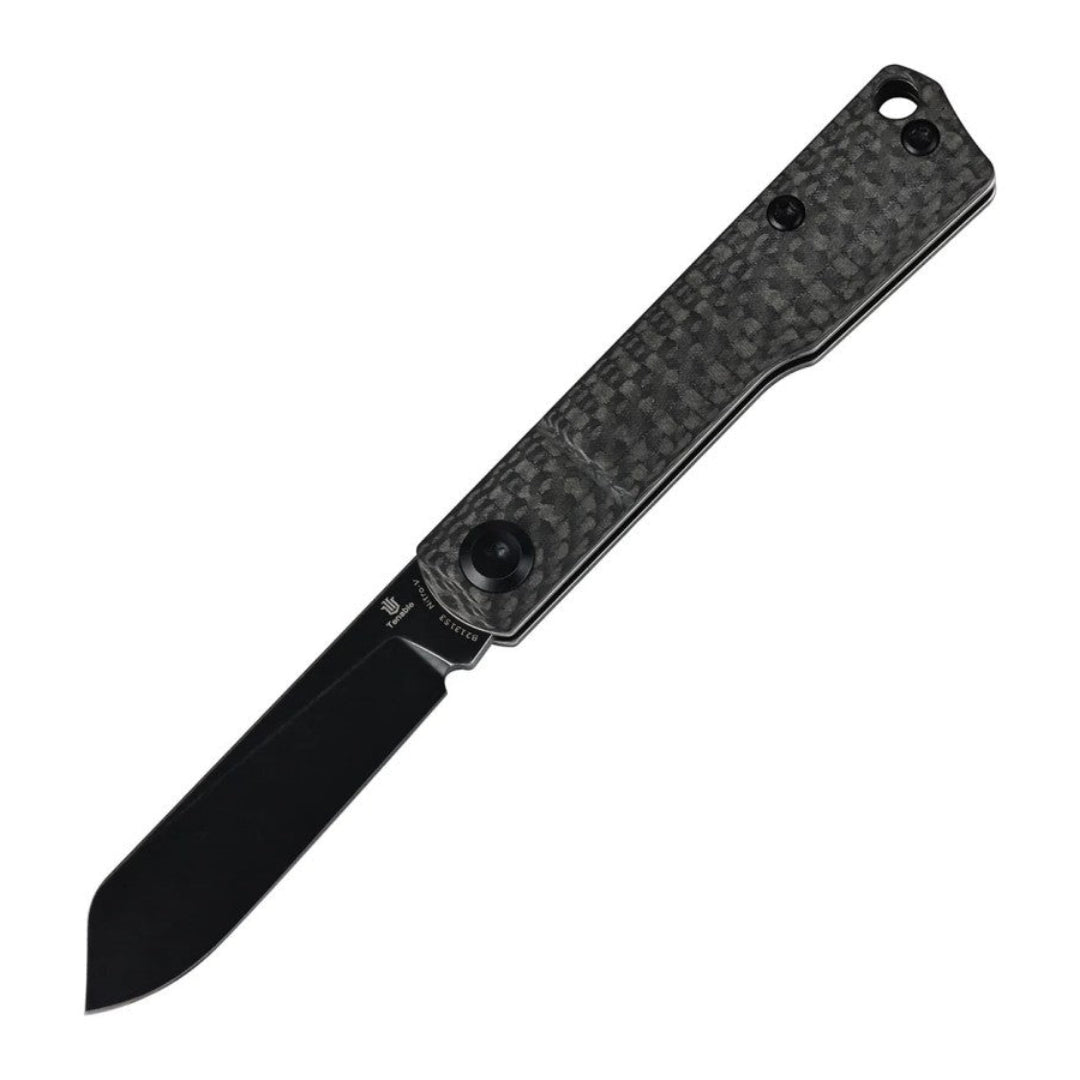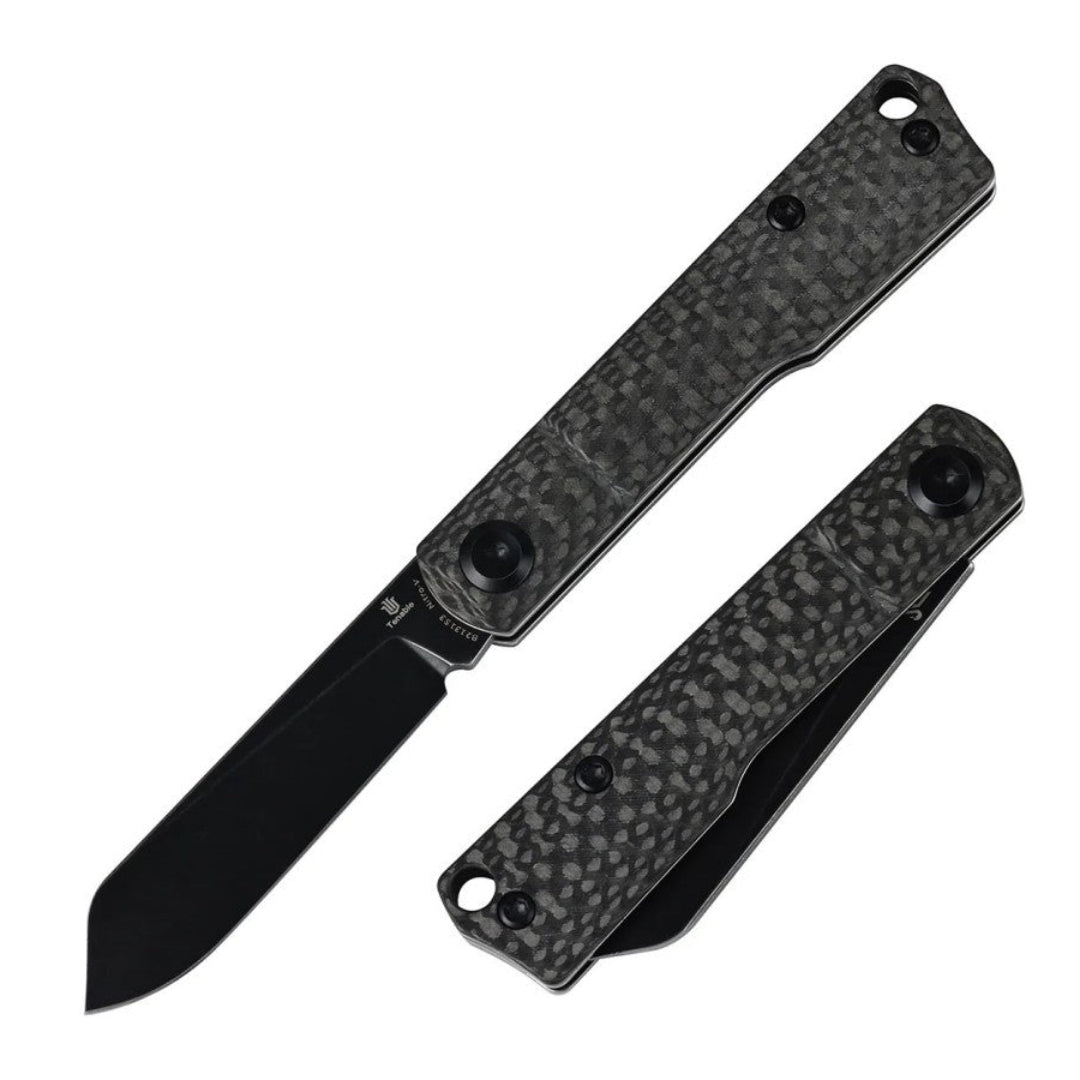

Within the world of high-end cutlery, few brands achieve the near-mythical status of Rockstead. Combining centuries-old Japanese sword-making traditions with aerospace-level machining tolerances, these knives are built for absolute structural trust.
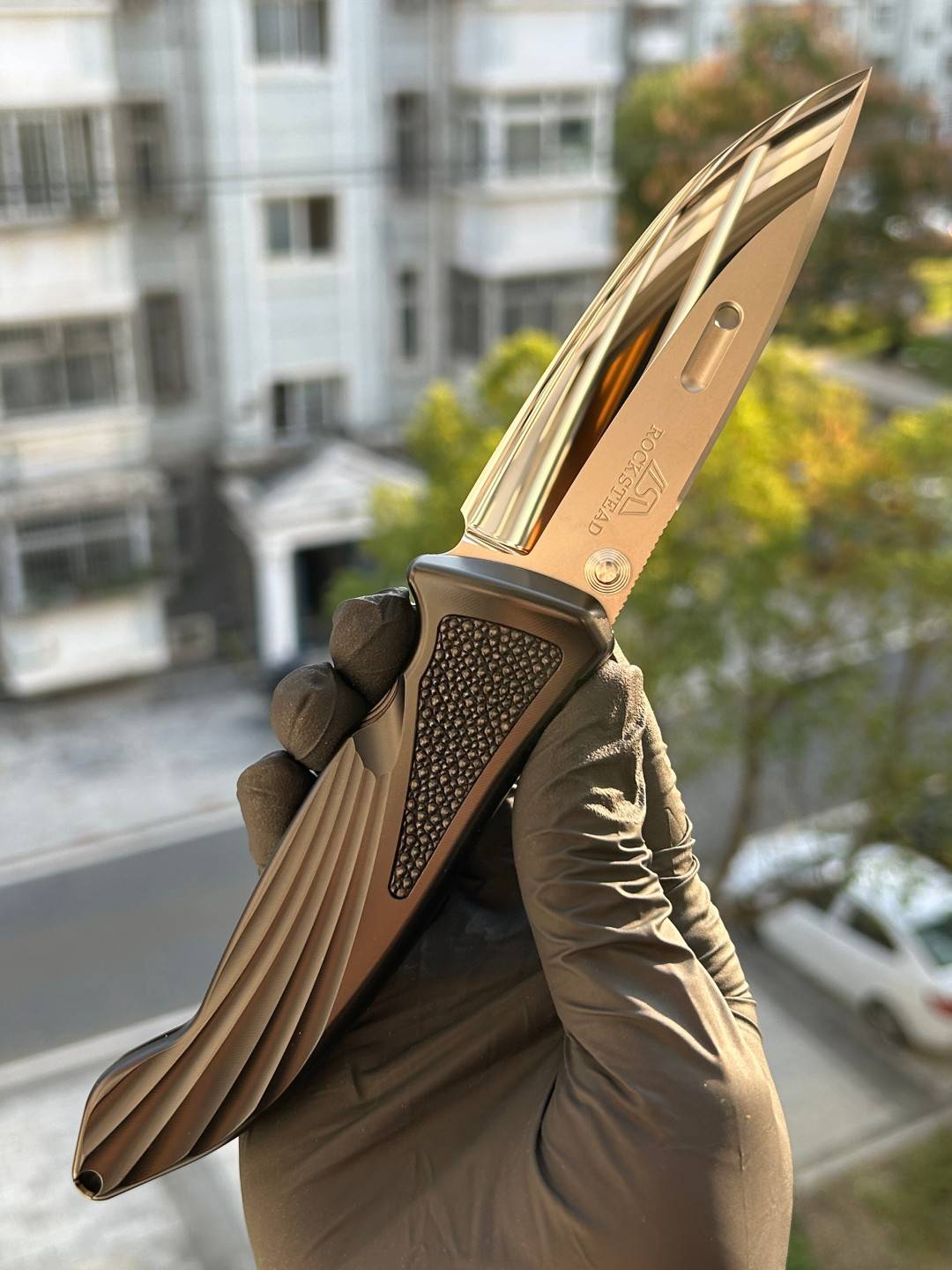
Among collectors chasing rare variants, the Rockstead Shin DLC Honzukuri represents a masterclass in hard-use engineering. While many modern production folders prioritize rapid deployment and lightweight materials, this exact configuration balances historical geometry with state-of-the-art tactical coatings.
If you are evaluating this legendary tool for your collection, this breakdown covers everything you need to know about its design anatomy, advanced metallurgy, and daily utility.
The Anatomy of the Rockstead Shin DLC Honzukuri
To understand why this specific long-tail keyword is so heavily searched by enthusiasts, you have to break down the three distinct components of its name: the model (Shin), the coating (DLC), and the grind (Honzukuri).
1. The Honzukuri Blade Geometry
The defining feature of this knife is its Honzukuri profile. Inspired by the traditional cross-section of a Japanese katana, this is a completely zero-ground, continuous convex edge from the spine down to the apex.
By eliminating a secondary micro-bevel, the shoulders of the blade remain incredibly thick and robust. When cutting through dense materials like dried bamboo or thick hemp rope, the convex surface acts as a wedge, naturally pushing the material apart. This reduces cutting drag and prevents the blade edge from chipping under intense lateral pressure.
2. YXR7 Matrix Steel Meets Mirror-Polished DLC
While stainless steel variants utilize ZDP-189, the classic Rockstead Shin DLC variant leverages YXR7 high-speed matrix tool steel.
-
Extreme Hardness: Rockstead heat-treats YXR7 to an astounding ~65 HRC, giving it incredible impact resistance and an edge that retains its crispness far longer than conventional production steels.
-
The DLC Advantage: Because YXR7 is a non-stainless tool steel, it requires protection from environmental moisture. Rockstead applies a premium Diamond-Like Carbon (DLC) coating.
-
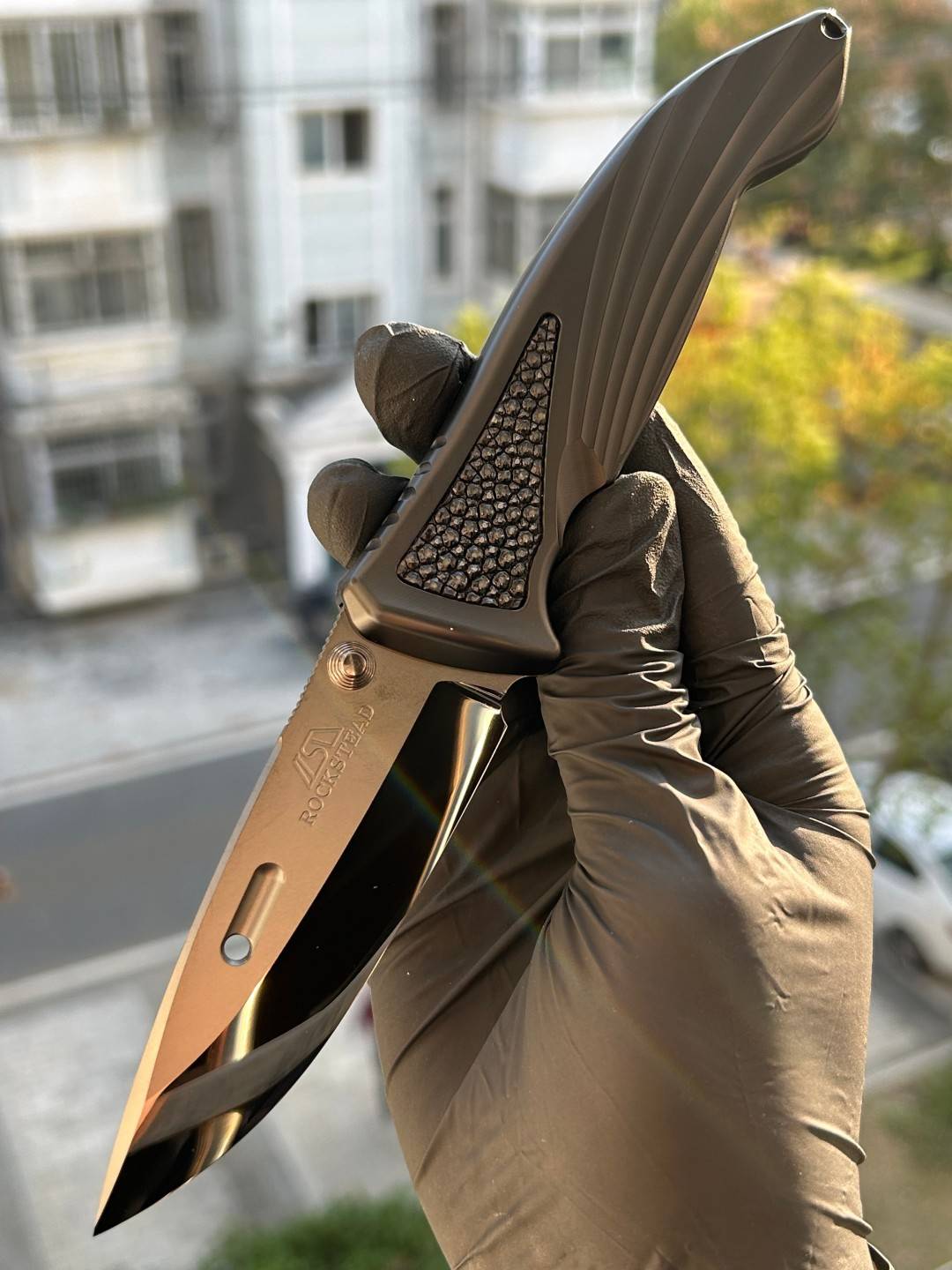
The Visual Twist: Unlike the matte, chalky DLC coatings found on standard tactical knives, Rockstead applies their DLC directly over a meticulously hand-polished mirror finish. The result is a deep, glossy, obsidian-like surface that preserves the blade's optical purity while providing a slick, low-friction glide through materials.
3. Handle Ergonomics and Material Synergy
The handle framing is machined from solid blocks of A6063S duraluminum, treated with a black hard-anodized coating. The presentation side features an authentic Stingray skin (Samé) inlay. The natural, pearl-like nodules of the ray skin provide an exceptionally secure, high-traction grip that pays direct homage to traditional samurai sword handles (tsuka).
Technical Specifications Matrix
| Specification | Technical Details |
| Model Name | Rockstead Shin-DLC |
| Blade Grind | Honzukuri (Full Convex, Zero Ground) |
| Blade Steel | YXR7 Matrix Tool Steel (~65 HRC) |
| Blade Coating | Mirror-Polished Diamond-Like Carbon (DLC) |
| Overall Length | 210 mm (8.26 inches) |
| Blade Length | 90 mm (3.54 inches) |
| Blade Thickness | 3.7 mm |
| Handle Material | Hard-Anodized A6063S Aluminum with Stingray Inlay |
| Lock Type | Liner Lock |
| Weight | 145 g (5.11 oz) |
Performance in the Pocket: Hydraulic Deployment
The deployment of the Shin DLC is driven by an intentional, ultra-smooth hydraulic mechanism. Rather than riding on snappy ball bearings that drop shut instantly, the blade rotates on oversized, precision-fit phosphor bronze washers.
When you push the single right-handed thumb stud, the blade glides open with absolute fluid consistency. The liner lock snaps into position with a dead-center alignment and zero structural play, offering a level of security typically reserved for high-end fixed blades.
Frequently Asked Questions (FAQ)
Does the DLC coating on the Rockstead Shin scratch easily?
No. Diamond-Like Carbon (DLC) is one of the hardest coatings available in metallurgy, ranking exceptionally high on the Mohs hardness scale. Because Rockstead applies it over a hardened 65 HRC YXR7 steel base, it resists everyday scuffs, cardboard wear, and light scratches incredibly well. Over years of hard use, the coating may show slight smoothing or honest pocket wear along the highest ground lines, adding character to the tool.
How do I clean and maintain the YXR7 steel under the DLC?
Because YXR7 is a carbon matrix tool steel, the unexposed parts of the knife (such as the blade tang near the pivot or the laser-etched serial number) can be susceptible to corrosion if exposed to moisture or acids. It is highly recommended to wipe the blade clean after cutting materials and periodically apply a micro-layer of high-quality, non-gumming knife oil (like Camellia oil or synthetic lubricant) to the pivot area and exposed metal edges.
Can I sharpen a Rockstead Honzukuri convex edge at home?
You should never use standard flat sharpening stones, pull-through sharpeners, or guided rod systems on a Honzukuri blade. Doing so will flatten the continuous convex curve, destroy the edge geometry, and permanently ruin the mirror-polished DLC finish.
-
For daily touch-ups: Use a smooth leather strop loaded with ultra-fine diamond paste (0.5 to 1 micron) to maintain the apex.
-
For deep sharpening: Register your individual serial number on Rockstead's official website to access their factory sharpening service in Japan, where master craftsmen will restore the factory edge.