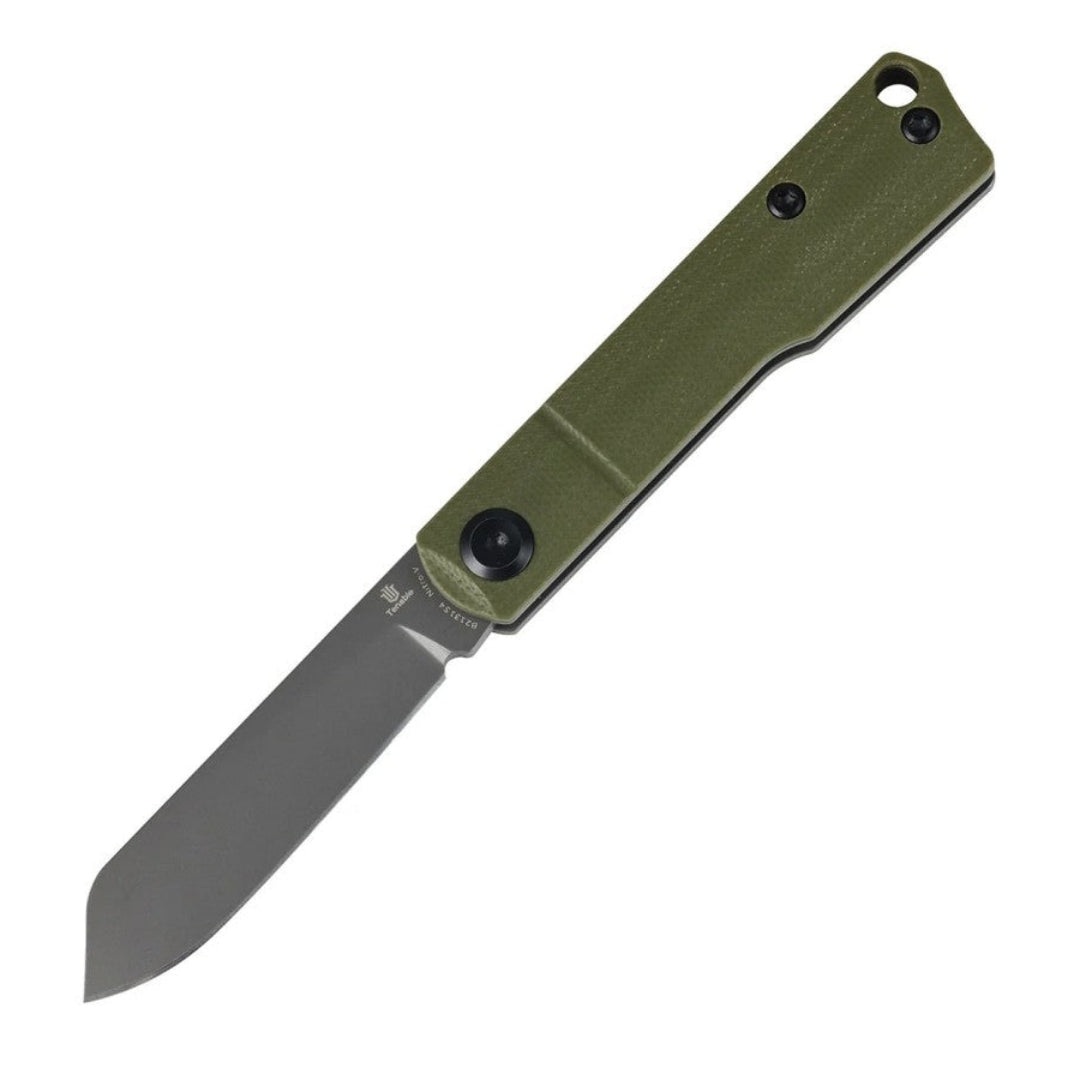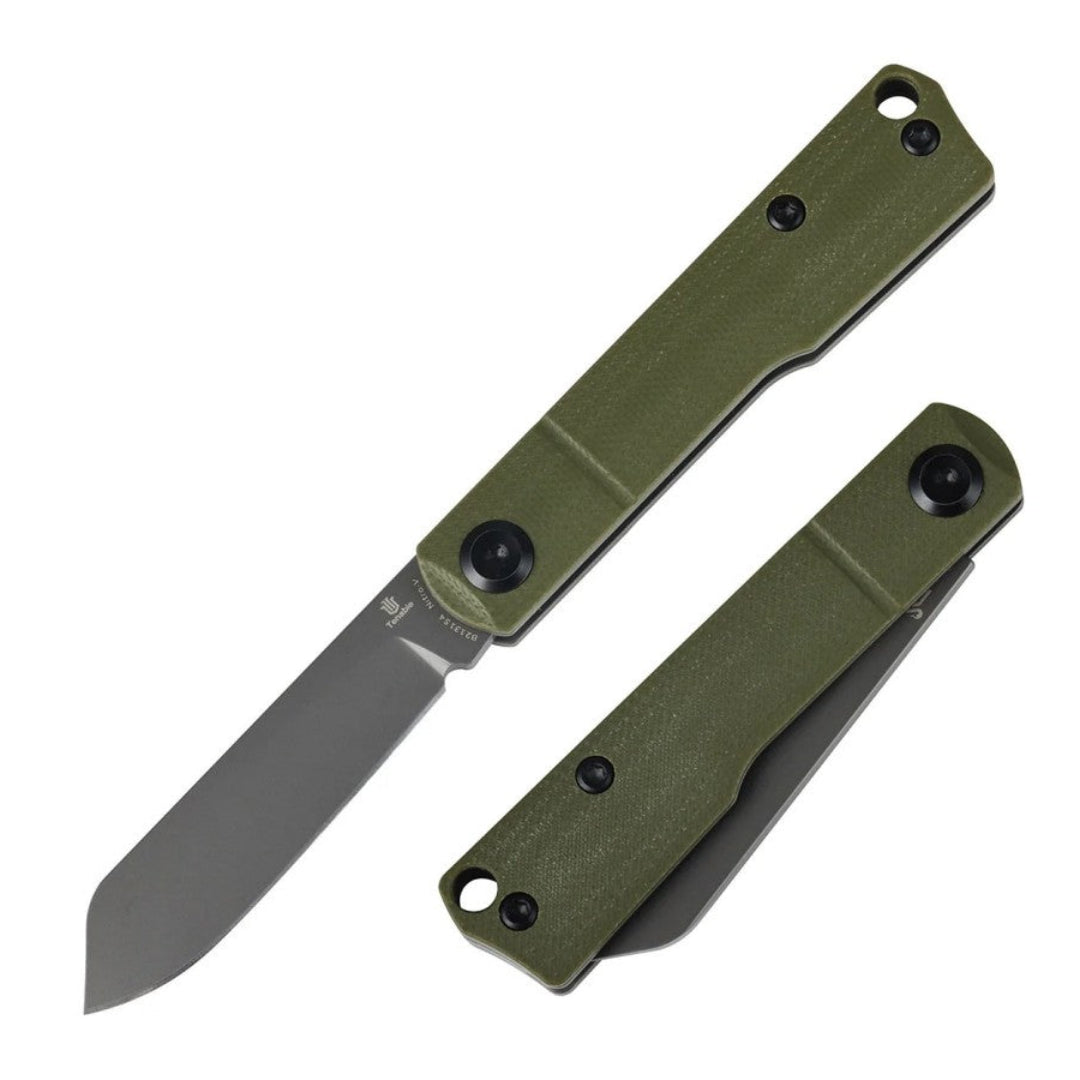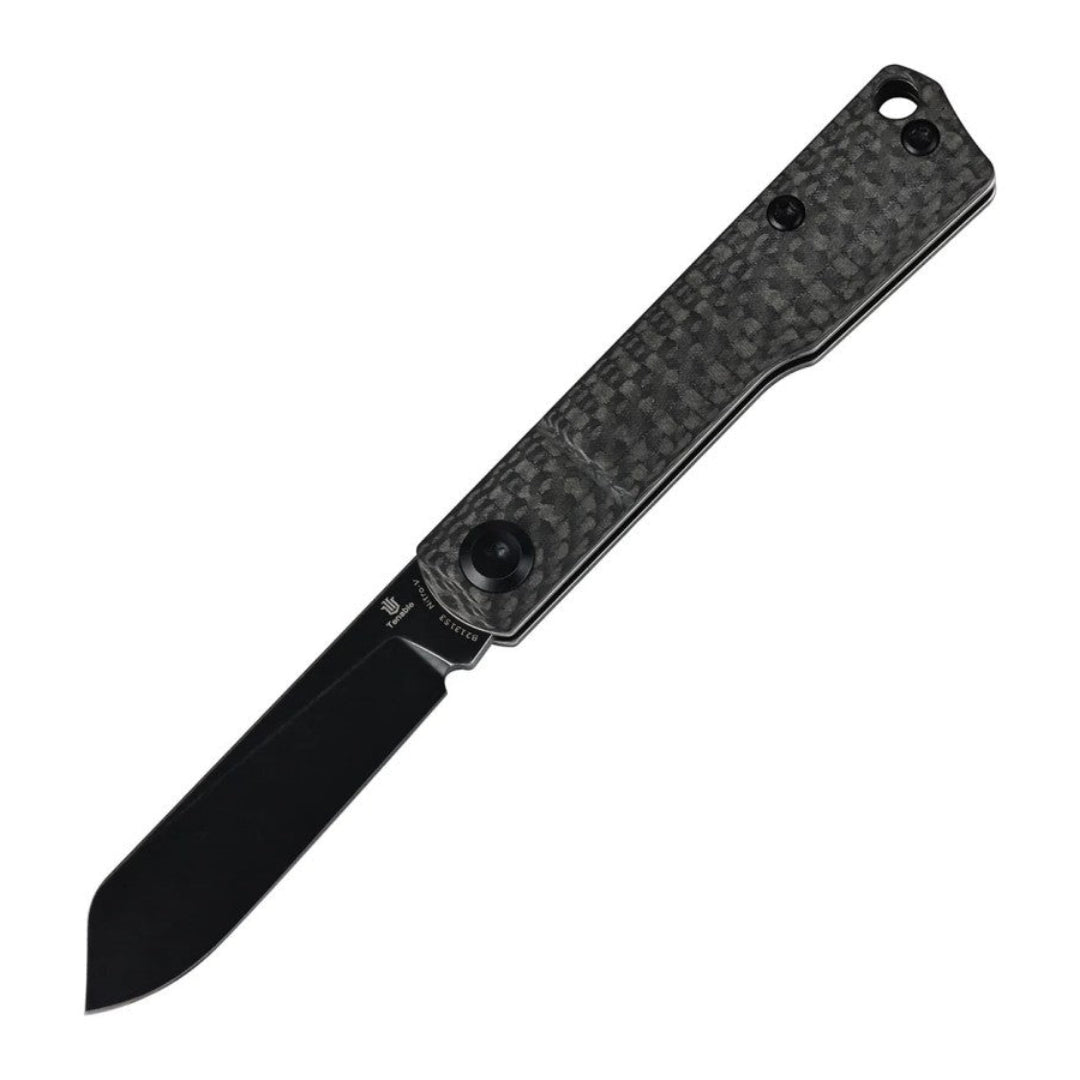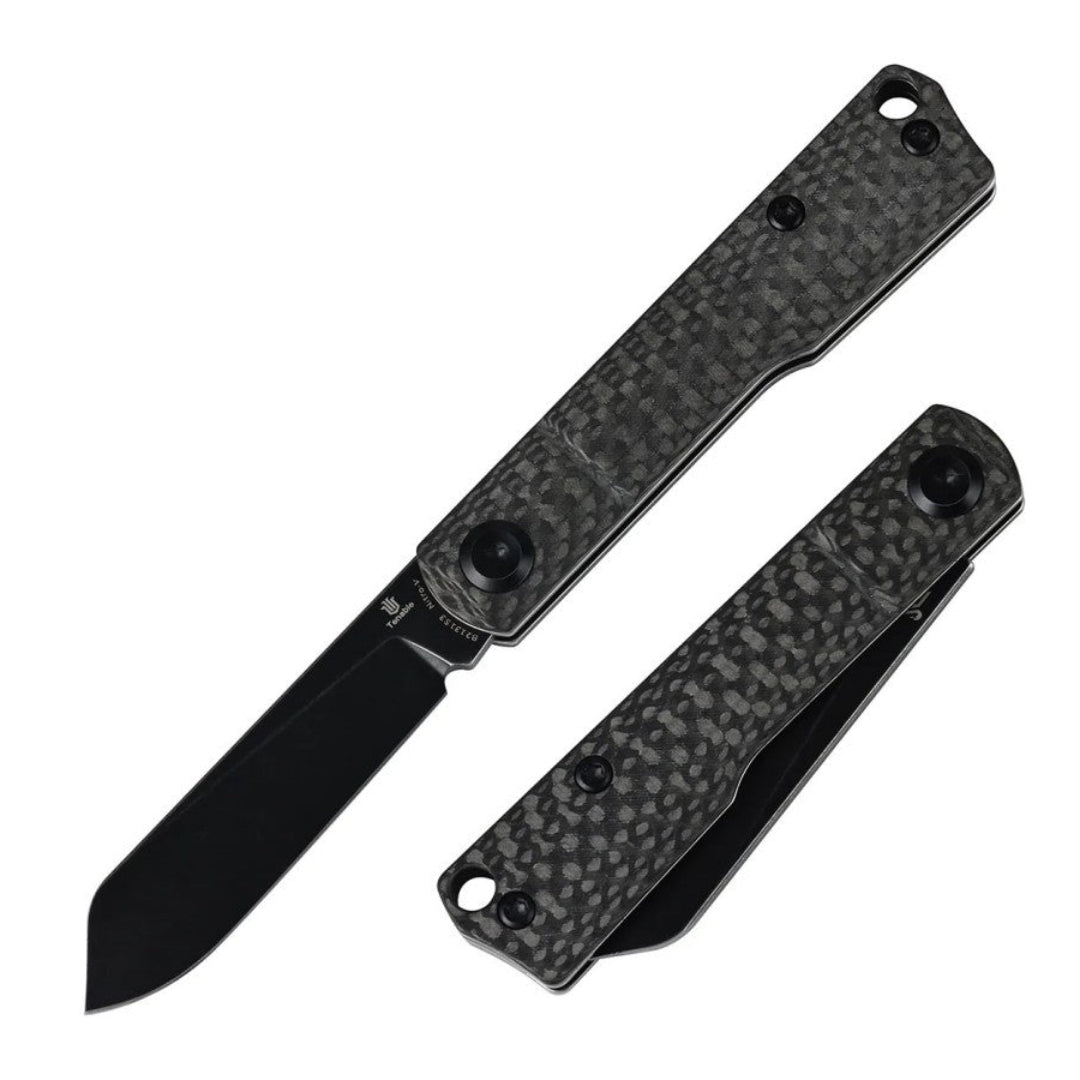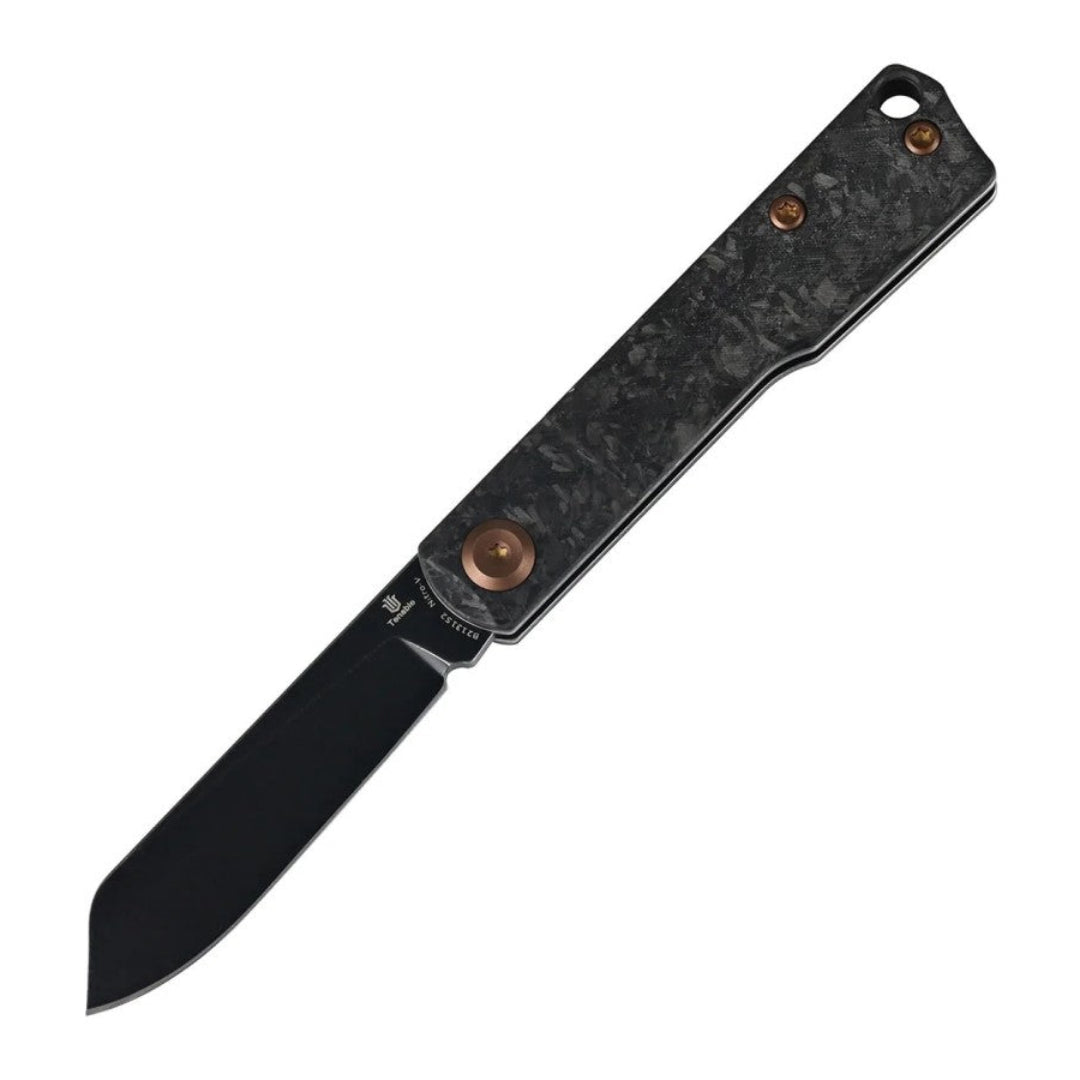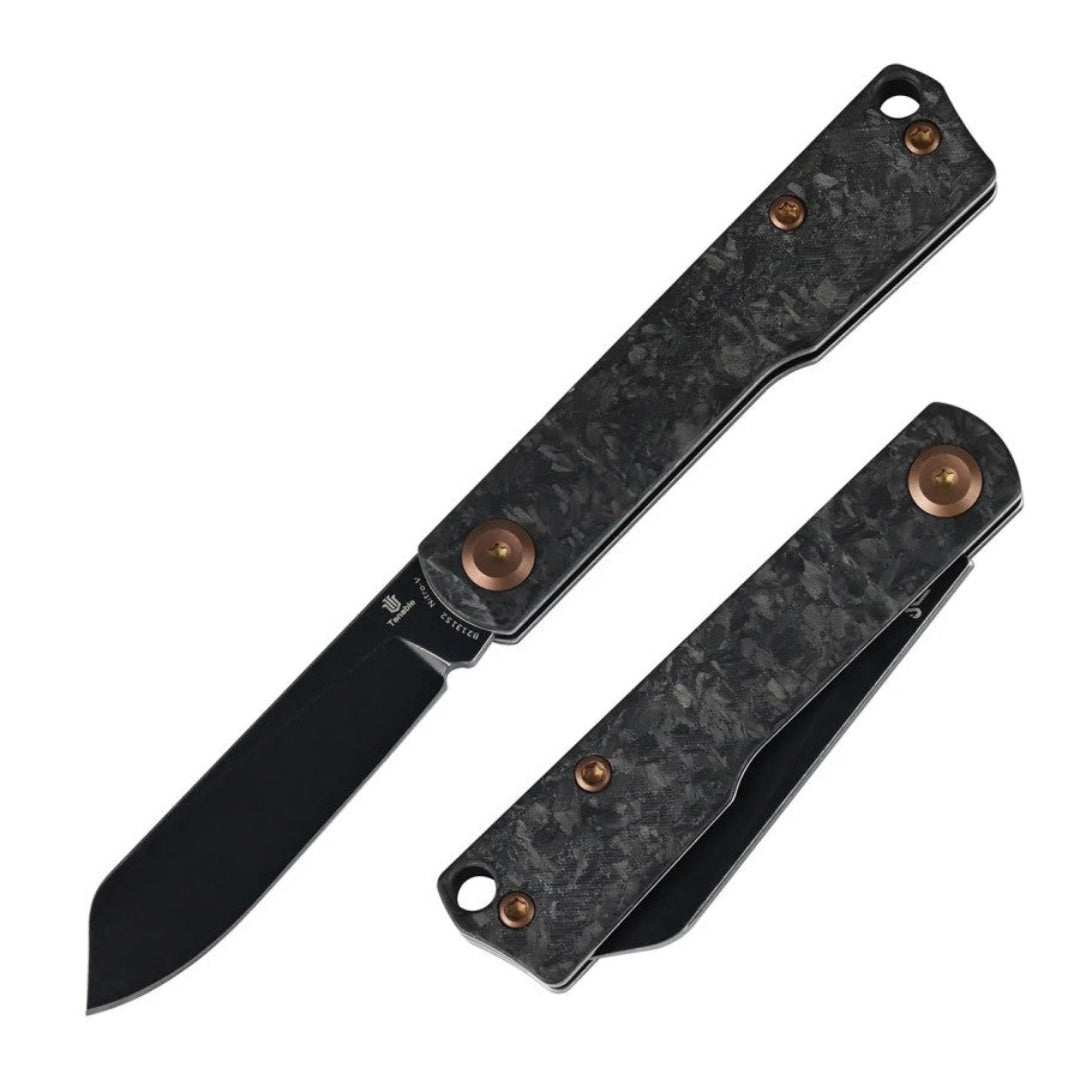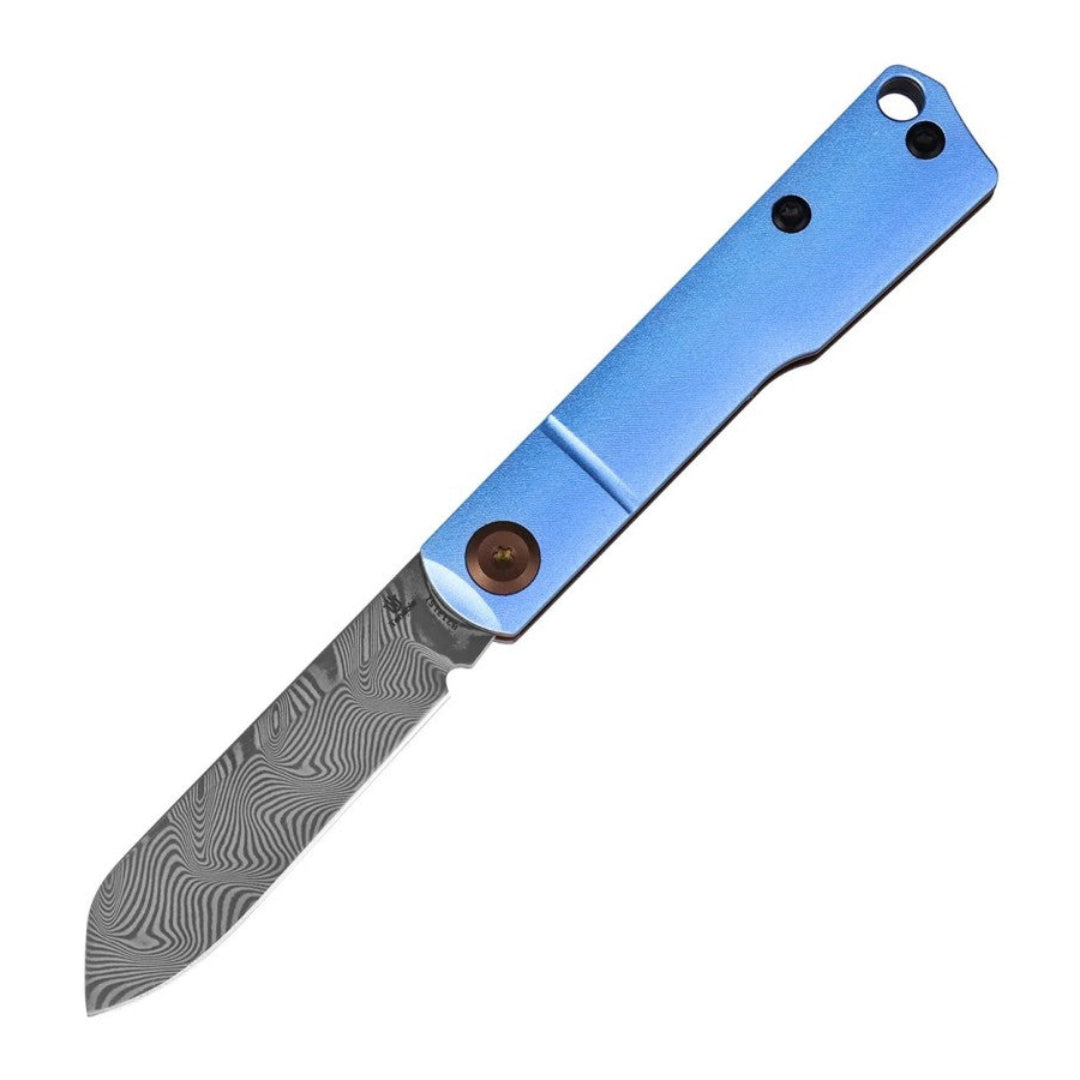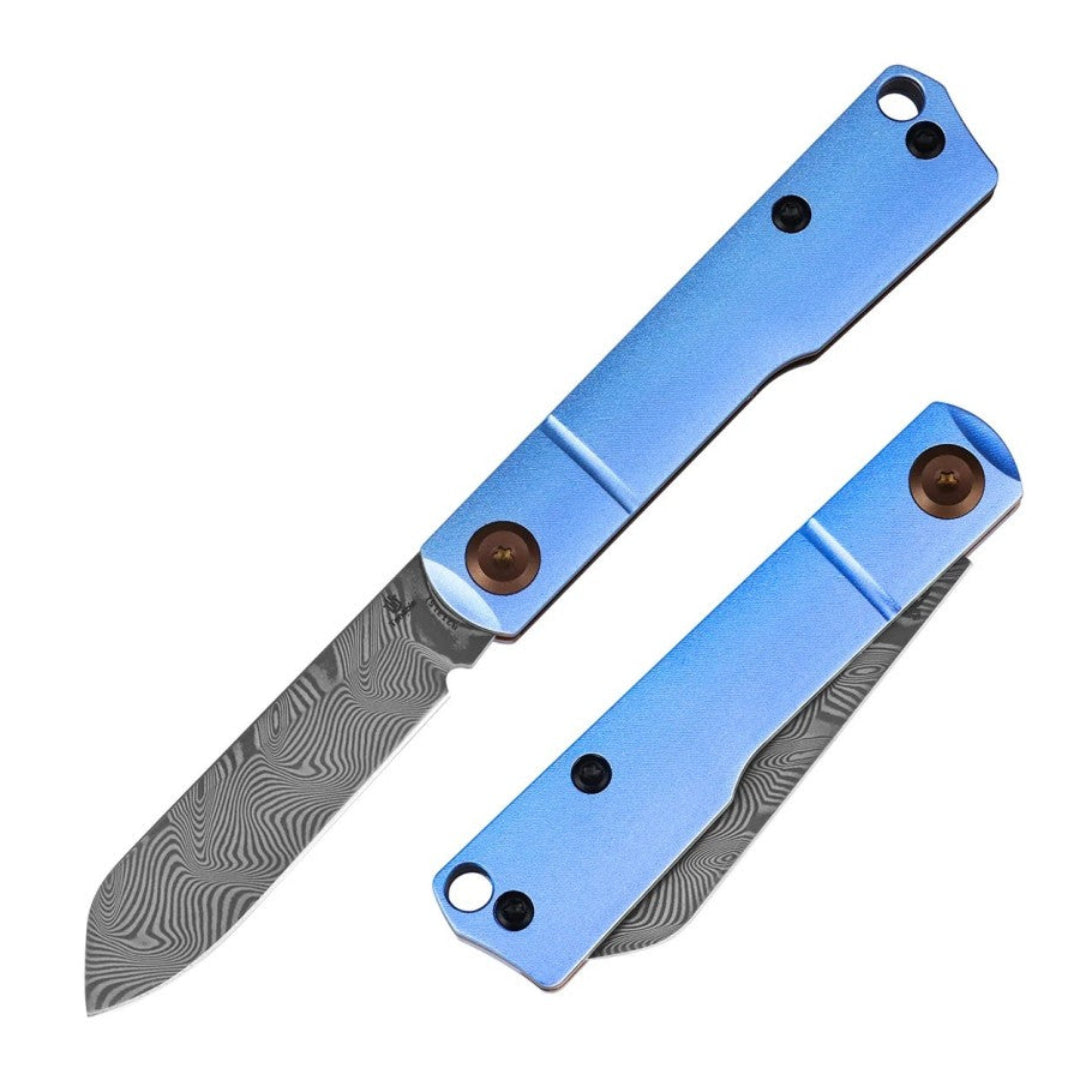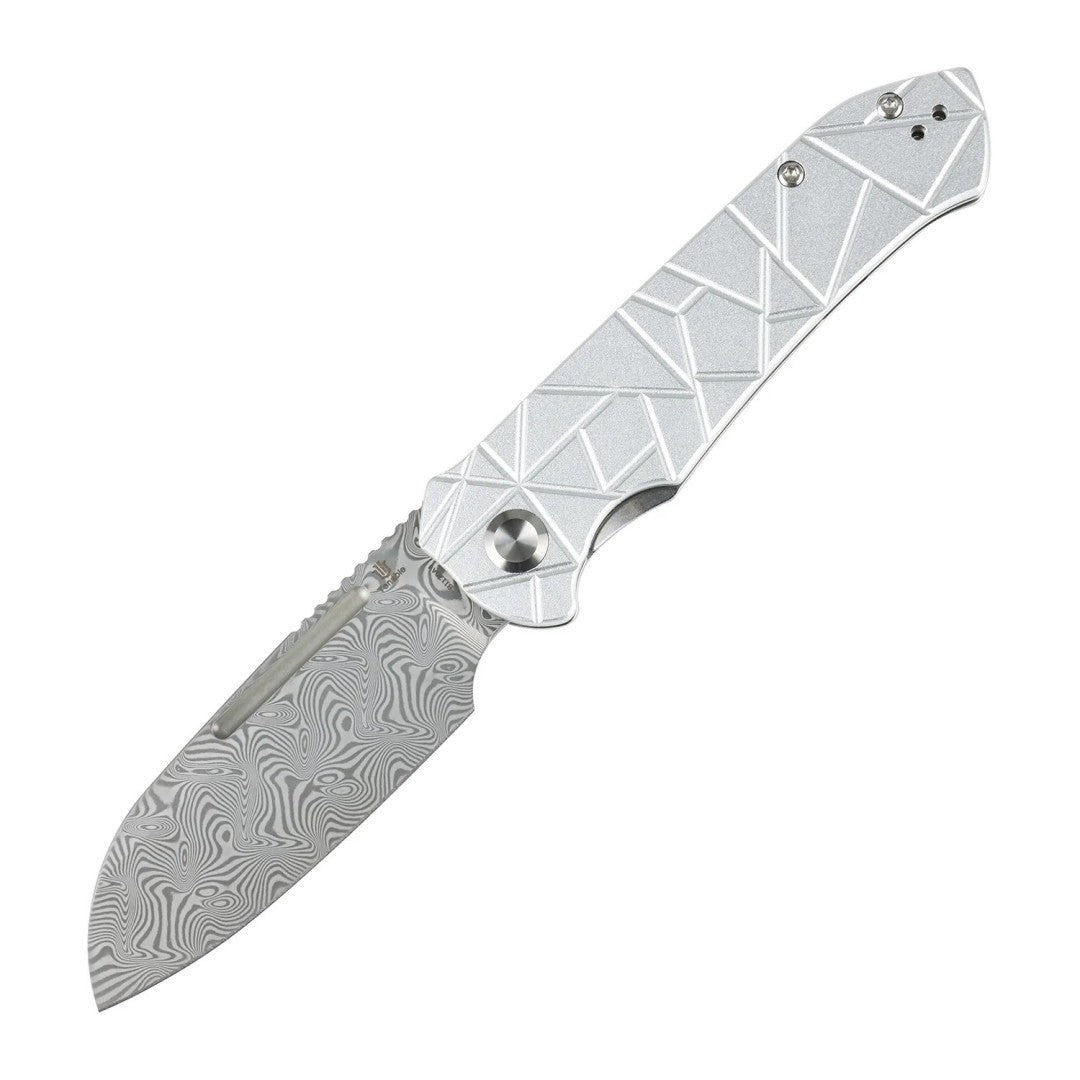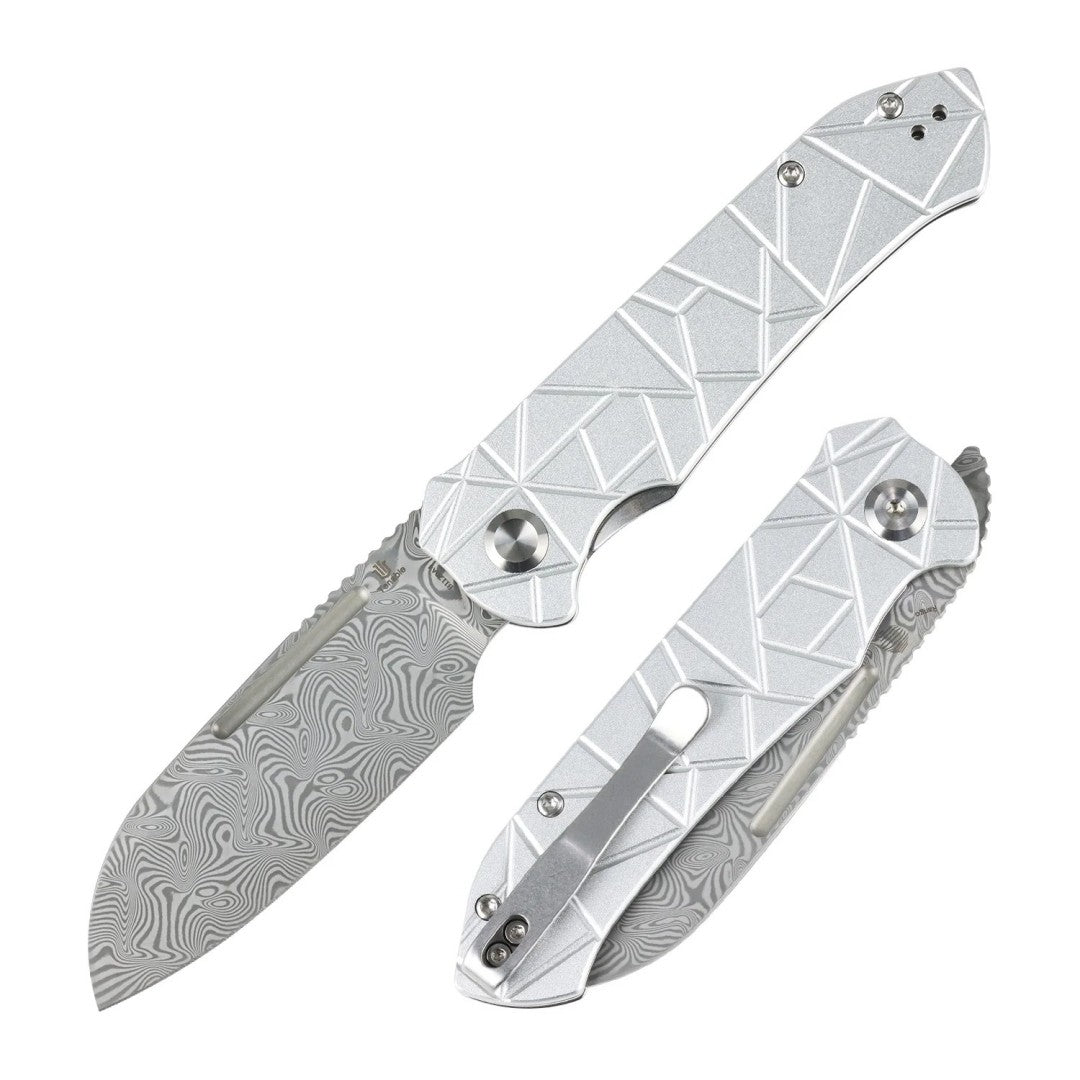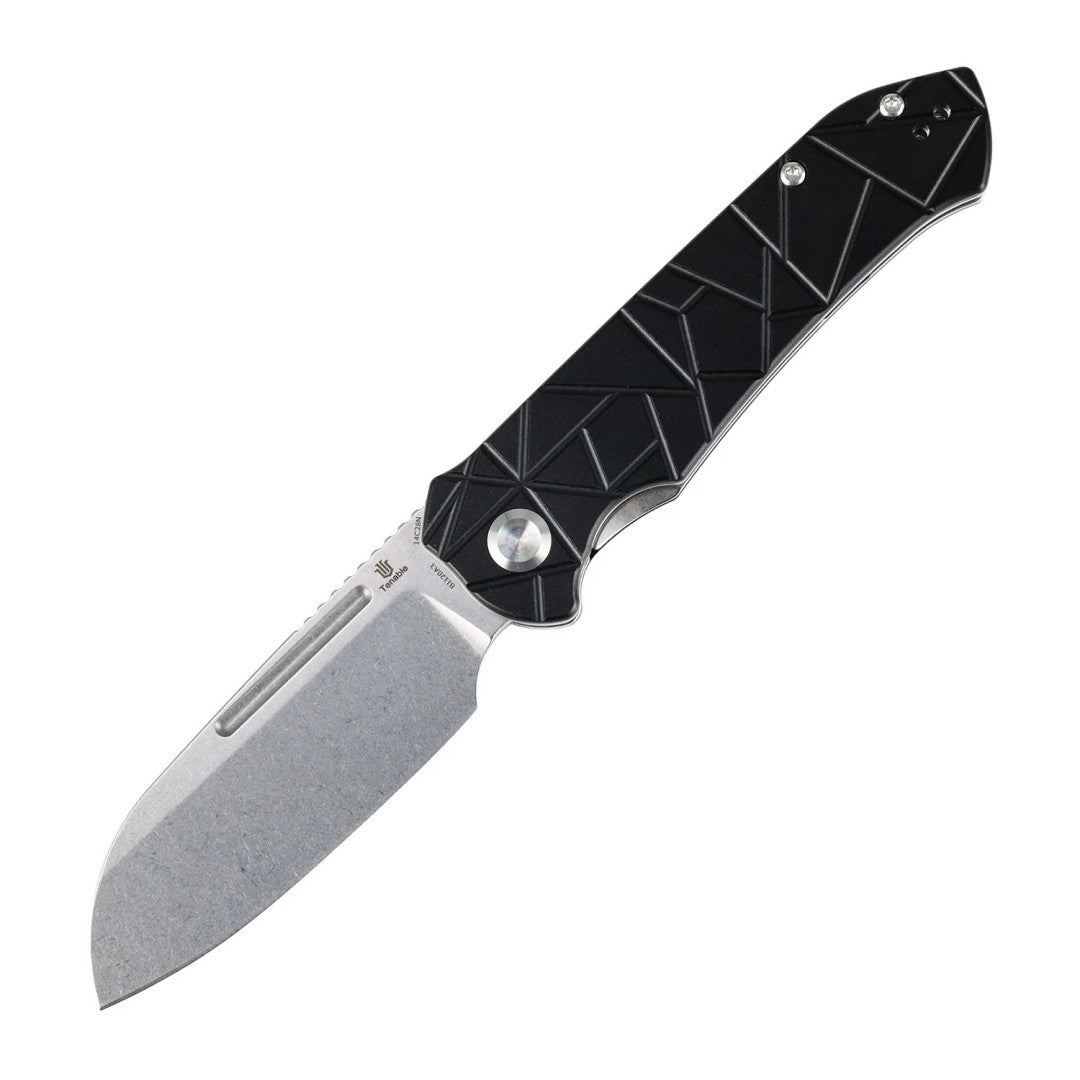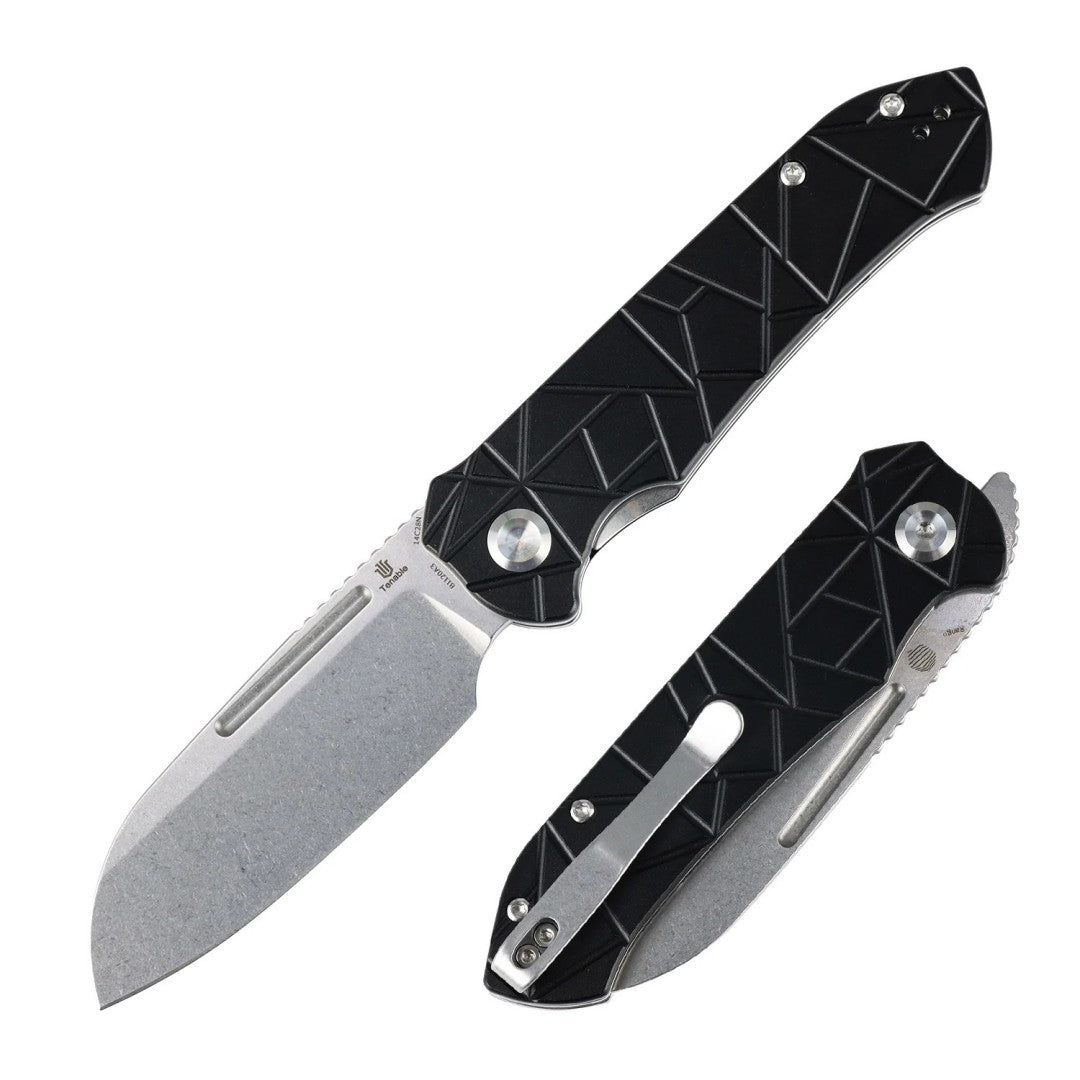
When selecting a high-end pocket knife for your daily kit, the ultimate measure of its value comes down to its blade material. Enthusiasts in the EDC community are no longer satisfied with mediocre steels that require constant touch-ups after basic cutting tasks. This is exactly why the engineering team at Bestech continues to dominate the premium production market by integrating ultra-premium metallurgy into their custom collaborations. Their highly acclaimed release, the Bestech IKA DAGGER, features a breathtaking stiletto-inspired silhouette crafted by legendary custom designer Tashi Bharucha. But beyond its aggressive aesthetics and premium handle scales, the true core of this tactical folder is its blade. In this field performance evaluation, we put the Bestech IKA DAGGER through rigorous real-world testing to analyze how its premium blade material handles heavy-duty daily tasks.

Technical Composition and Heat Treatment Optimization
To understand how this tactical folder performs in the field, we must first analyze the molecular foundation of its blade. The entire series features a 3.90-inch blade forged from Bohler-Uddeholm M390 Microclean steel. Widely considered one of the premier "super steels" in modern cutlery, this third-generation powder metallurgy alloy features a highly optimized chemical formula:
Raw steel chemistry means very little without proper thermal execution. Bestech processes this powder metallurgy alloy using an advanced vacuum heat treatment system, hardening the core to an optimal 60-62 HRC. This precise level of hardness unlocks maximum wear resistance while preserving enough structural elasticity to prevent micro-chipping along the cutting apex when encountering dense materials.
Real-World Field Testing Parameters
Our performance evaluation focused on testing three core metrics essential for a premium tactical tool: abrasive wear resistance, structural toughness, and slicing geometry.
1. Abrasive Wear Resistance (Cardboard Breakdown)
We initiated testing by slicing through 150 linear feet of heavy-duty, double-walled corrugated shipping cardboard. Cardboard is highly abrasive because it contains embedded silicates that rapidly dull lower-grade budget steels. Thanks to the massive concentration of vanadium carbides within the matrix, the blade glided through the material with minimal resistance. After the breakdown process, the edge still cleanly sliced through phonebook paper without catching or tearing.
2. Toughness and Tip Integrity (Puncture Testing)
Dagger styles are naturally optimized for piercing, which puts immense localized pressure on the tip. We subjected the 4.0 mm thick spine to repeated vertical punctures into dense plastic drums and thick layered leather. The central ridge line of the Tashi Bharucha grind provides incredible structural support, ensuring the reinforced tip suffered zero rolling, deformation, or snapping under heavy downward force.
3. Fibrous Material Slicing (Thick Rope Cuts)
We subjected the single-edged factory grind to a sequence of pressurized downward cuts through 1-inch thick sisal rope. The uniform carbide distribution allowed the blade to bite deeply into the tough fibers, requiring clean, single-pass strokes.

Ergonomics and Deploying Stability
Steel performance is deeply intertwined with handle stability. If a knife suffers from a weak locking mechanism or a slippery handle, the user cannot safely apply the force needed to maximize the steel's cutting potential.
The architecture of this model eliminates structural instability. The solid 6Al4V titanium frame features precision-machined chamfered edges, wrapping comfortably around the palm. High-end handle overlays—ranging from texturized Fatcarbon to marble carbon fiber and exotic Timascus—provide a secure, index-forward grip that prevents hand slippage. Furthermore, the robust internal liner lock mechanism snaps firmly against the blade tang with zero vertical play, providing a rock-solid lockup that keeps your cutting angles perfectly consistent.
Performance Evaluation Summary
| Performance Metric | Evaluation Rating | Field Observations |
| Edge Retention | Elite (9.5/10) | Carried a clean working edge through extensive abrasive testing. |
| Corrosion Resistance | Maximum (10/10) | Completely unbothered by moisture, sweat, and corrosive materials. |
| Toughness | High (8.5/10) | Reinforced dagger spine effectively prevents micro-chipping. |
| Sharpening Ease | Moderate (6/10) | Requires diamond or ceramic abrasives due to high carbide density. |

Final Verdict
The collaborative effort behind this release proves that a tactical folder can easily deliver custom-level refinement without sacrificing raw, hard-use capability. By pairing a masterfully heat-treated super steel blade with an ultra-smooth ceramic ball bearing deployment system, this model sets a new benchmark for premium folding daggers. It is an incredibly reliable, highly resilient cutting tool engineered to excel under pressure, making it a stellar addition to any high-performance daily setup.