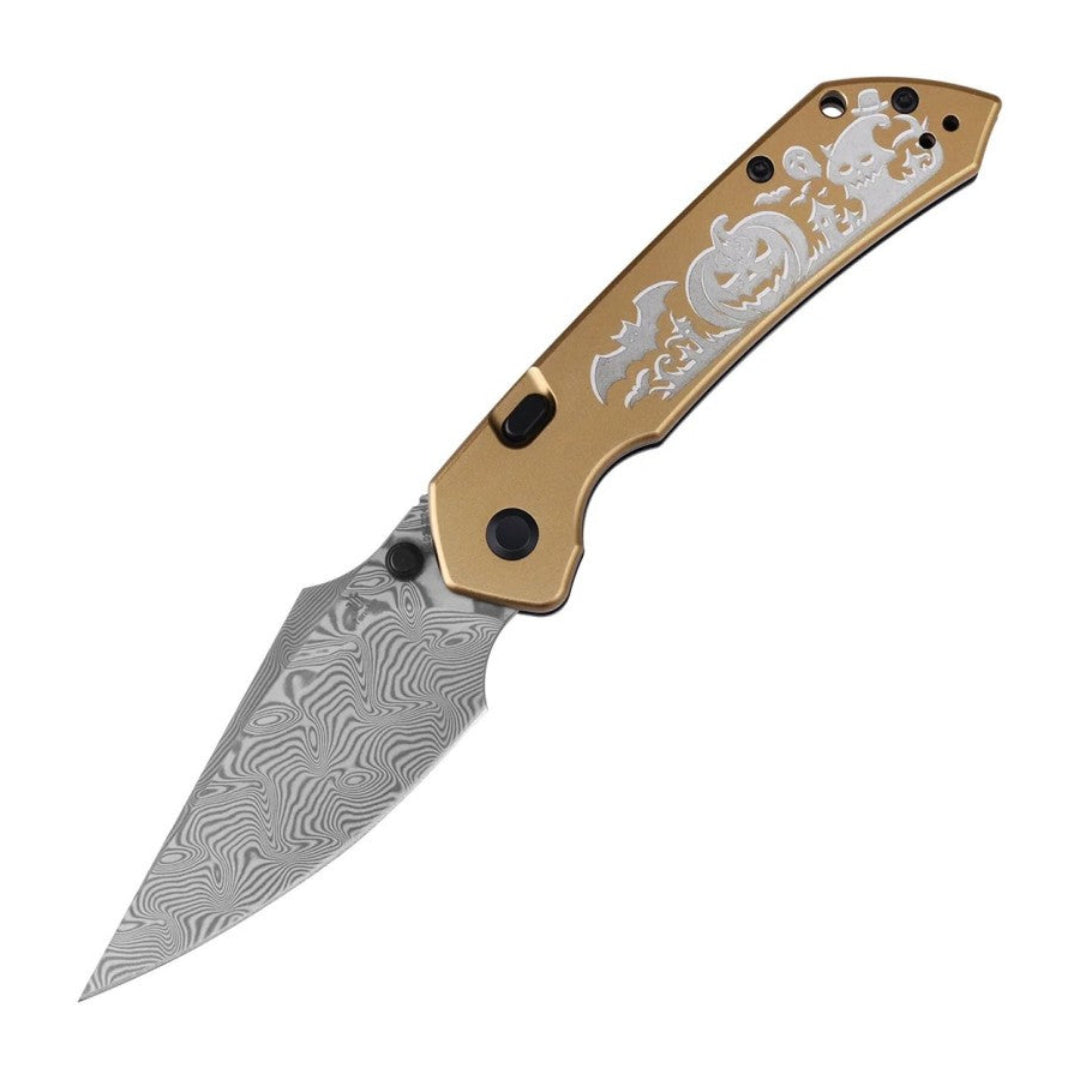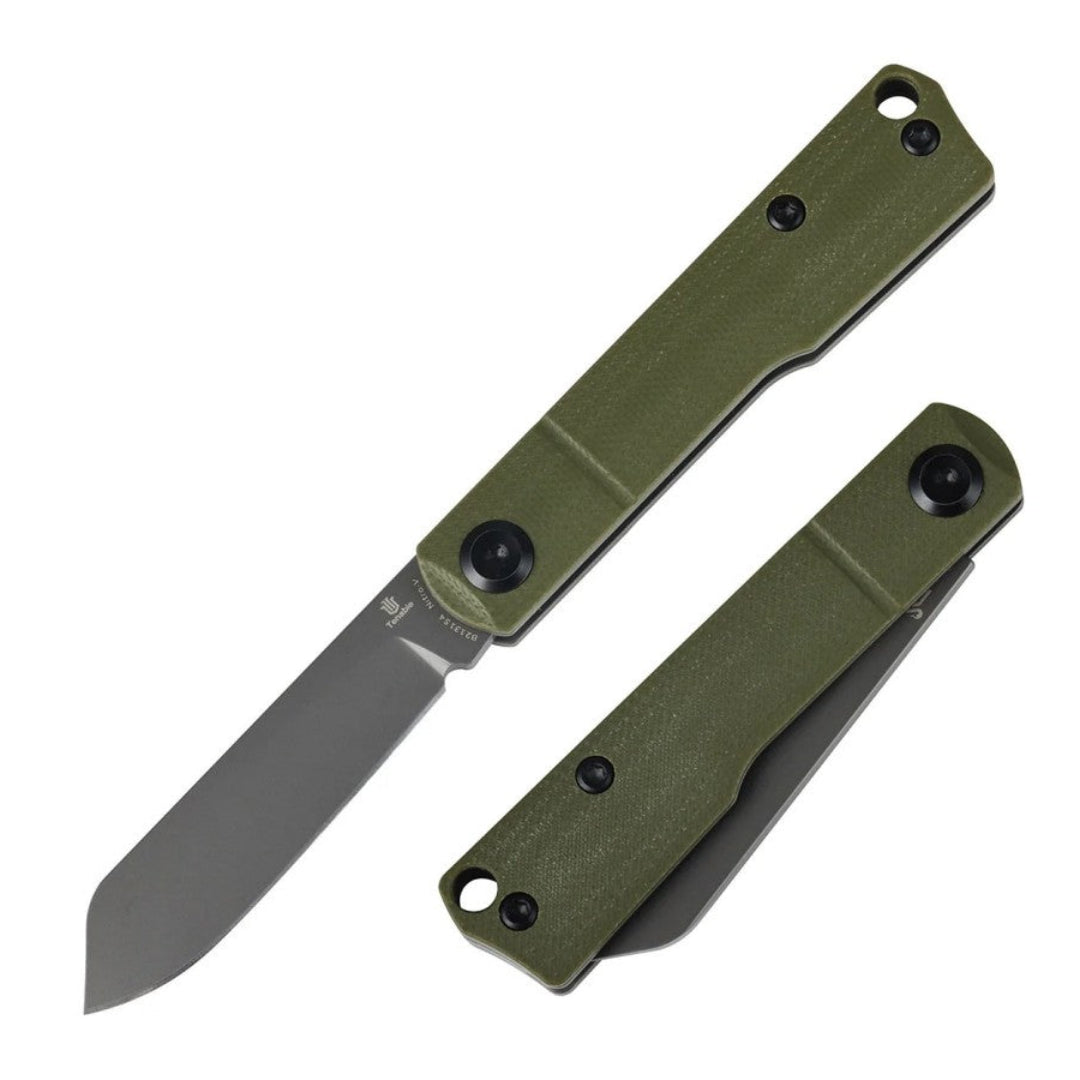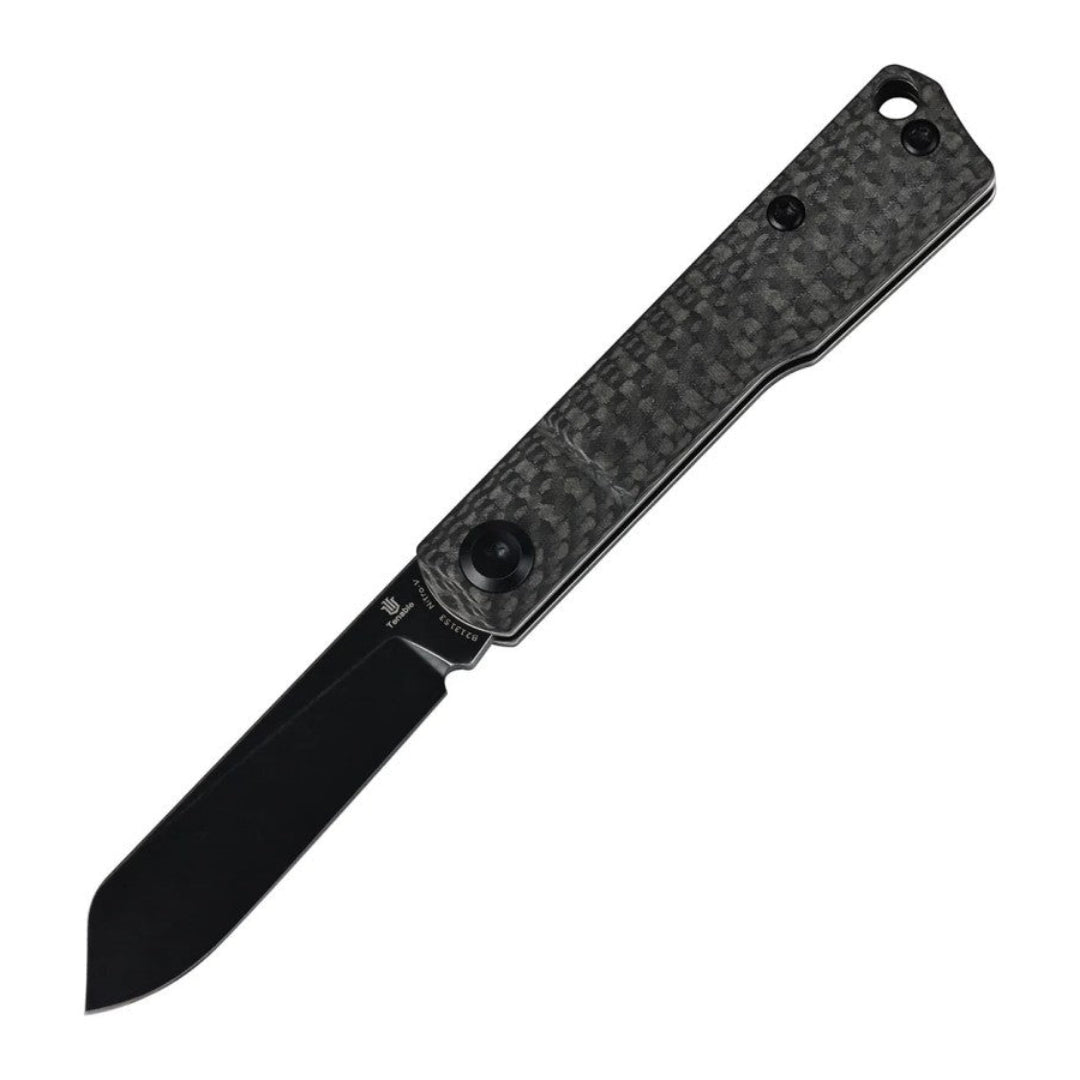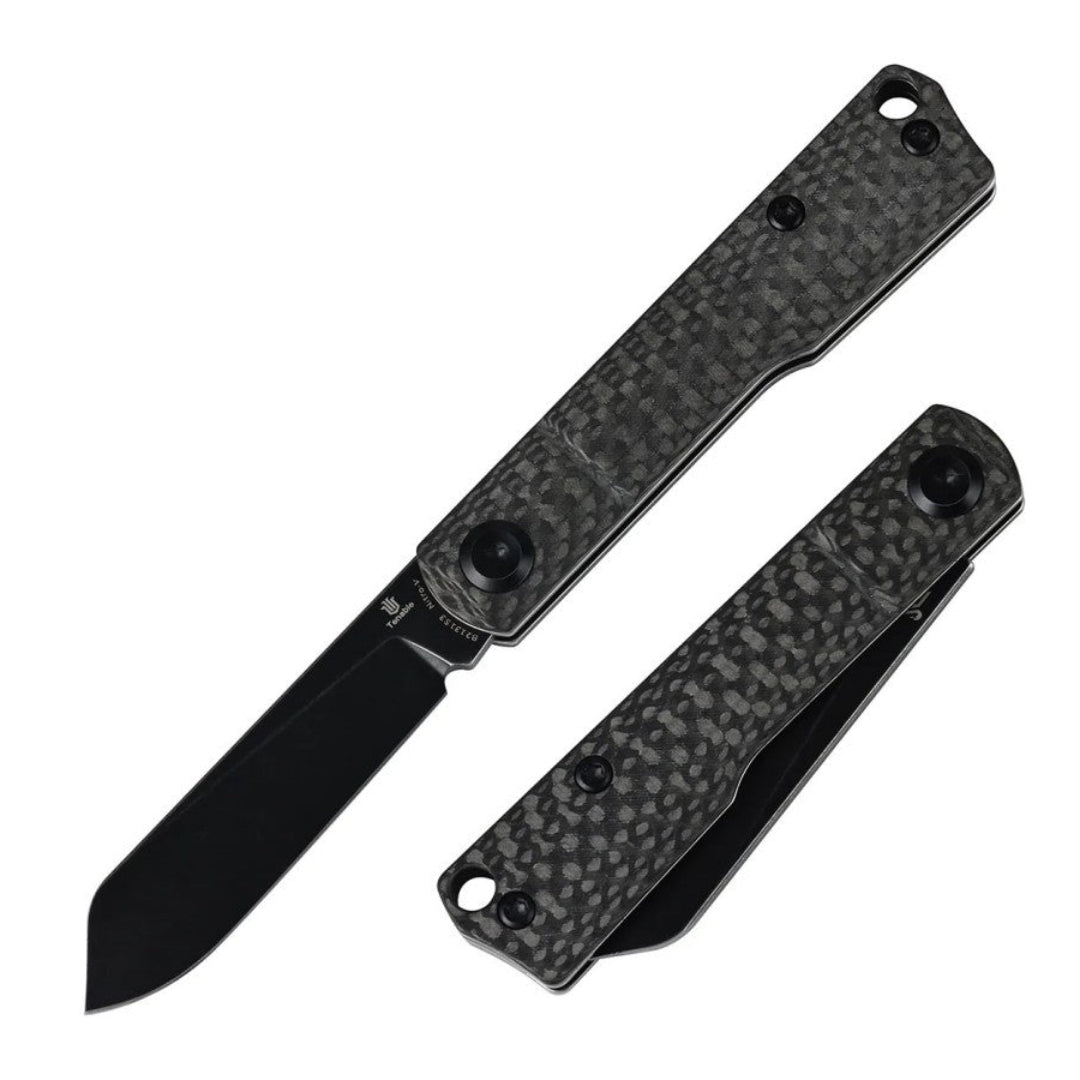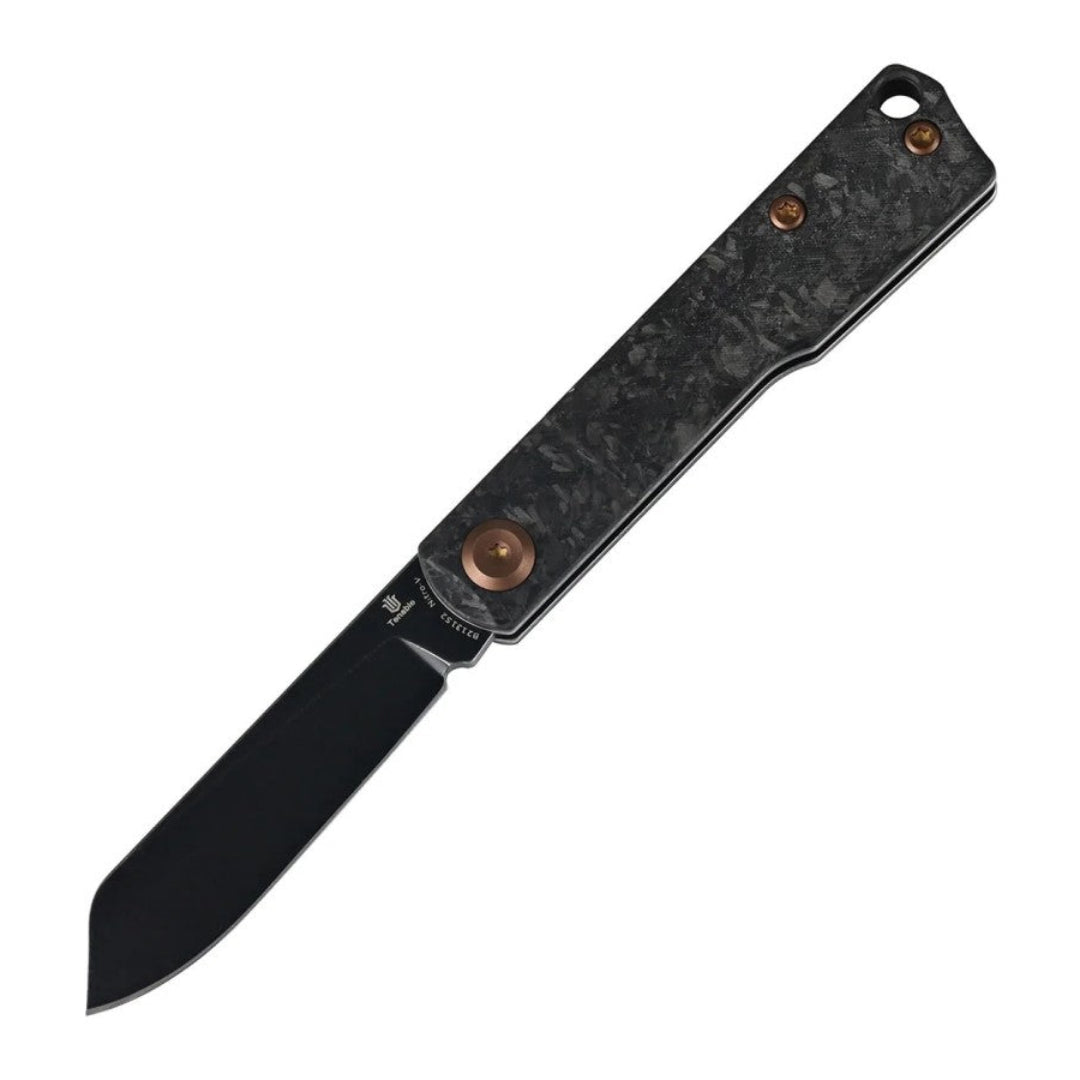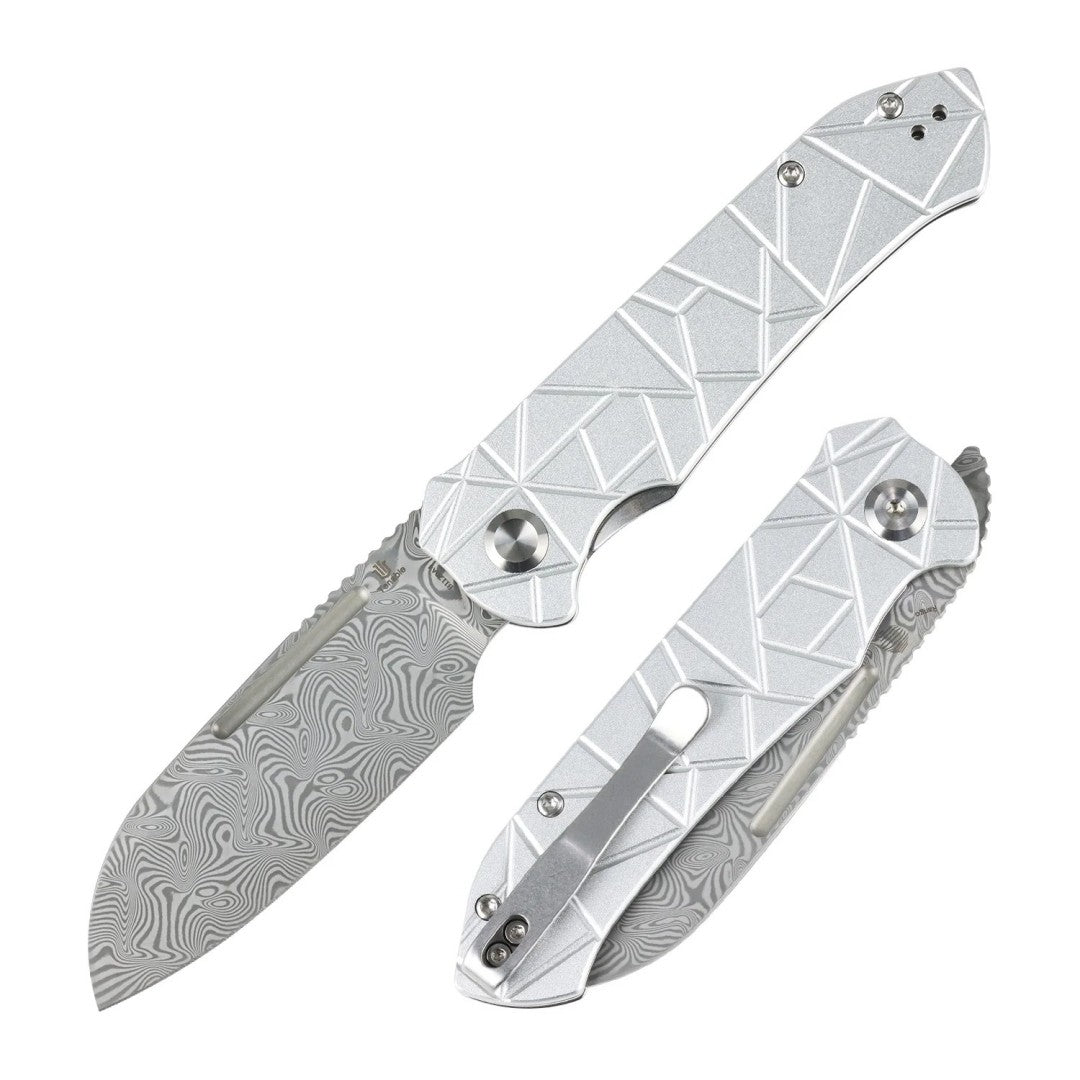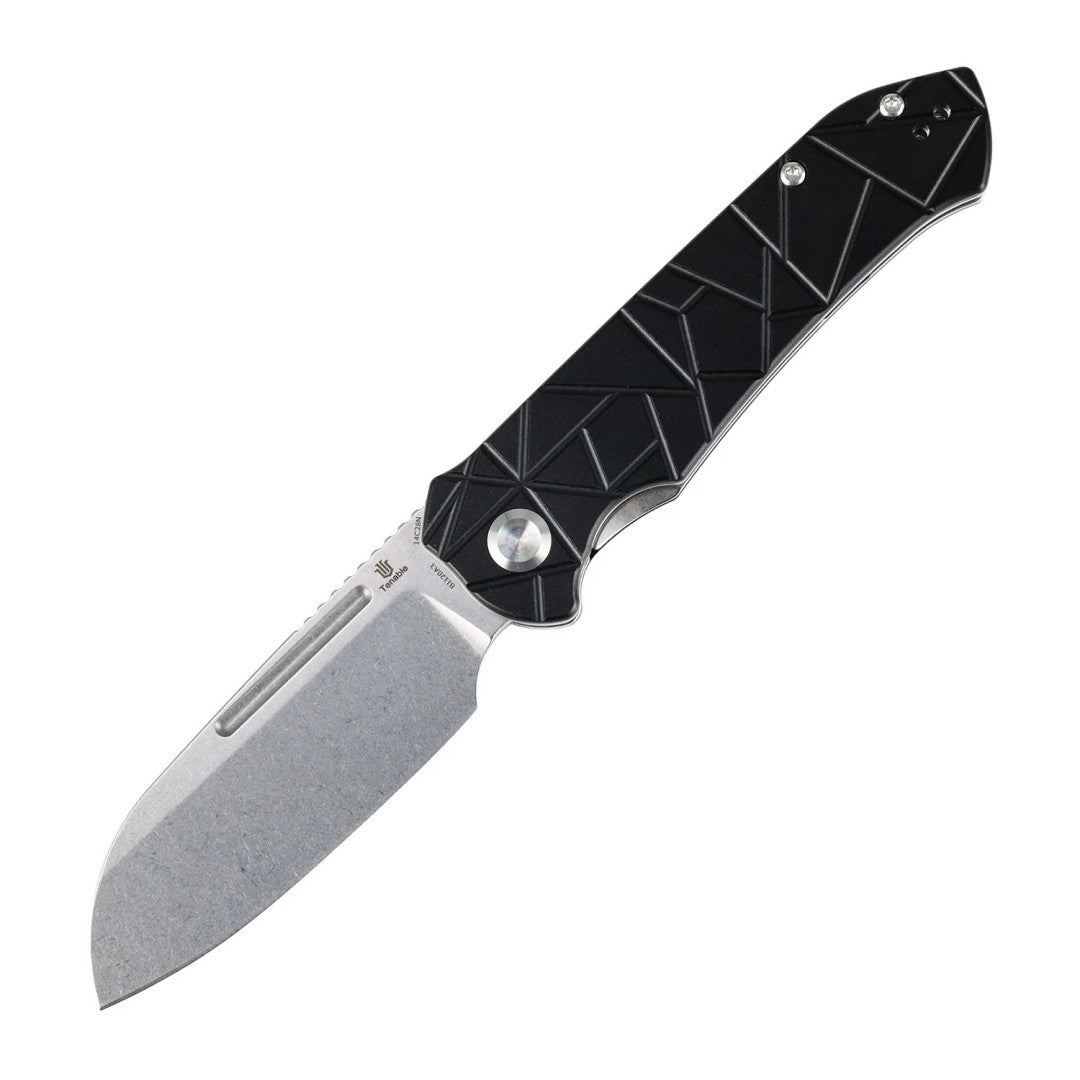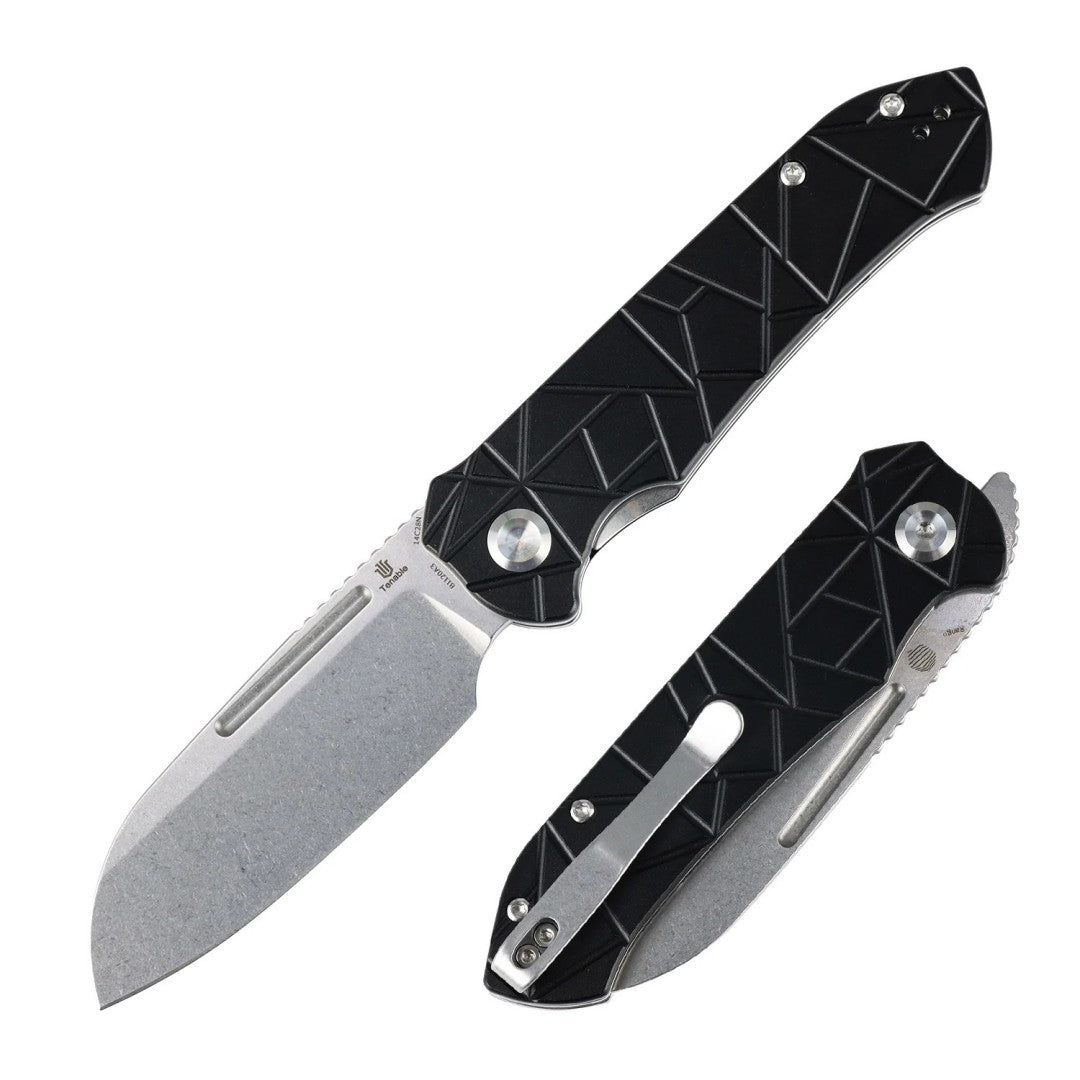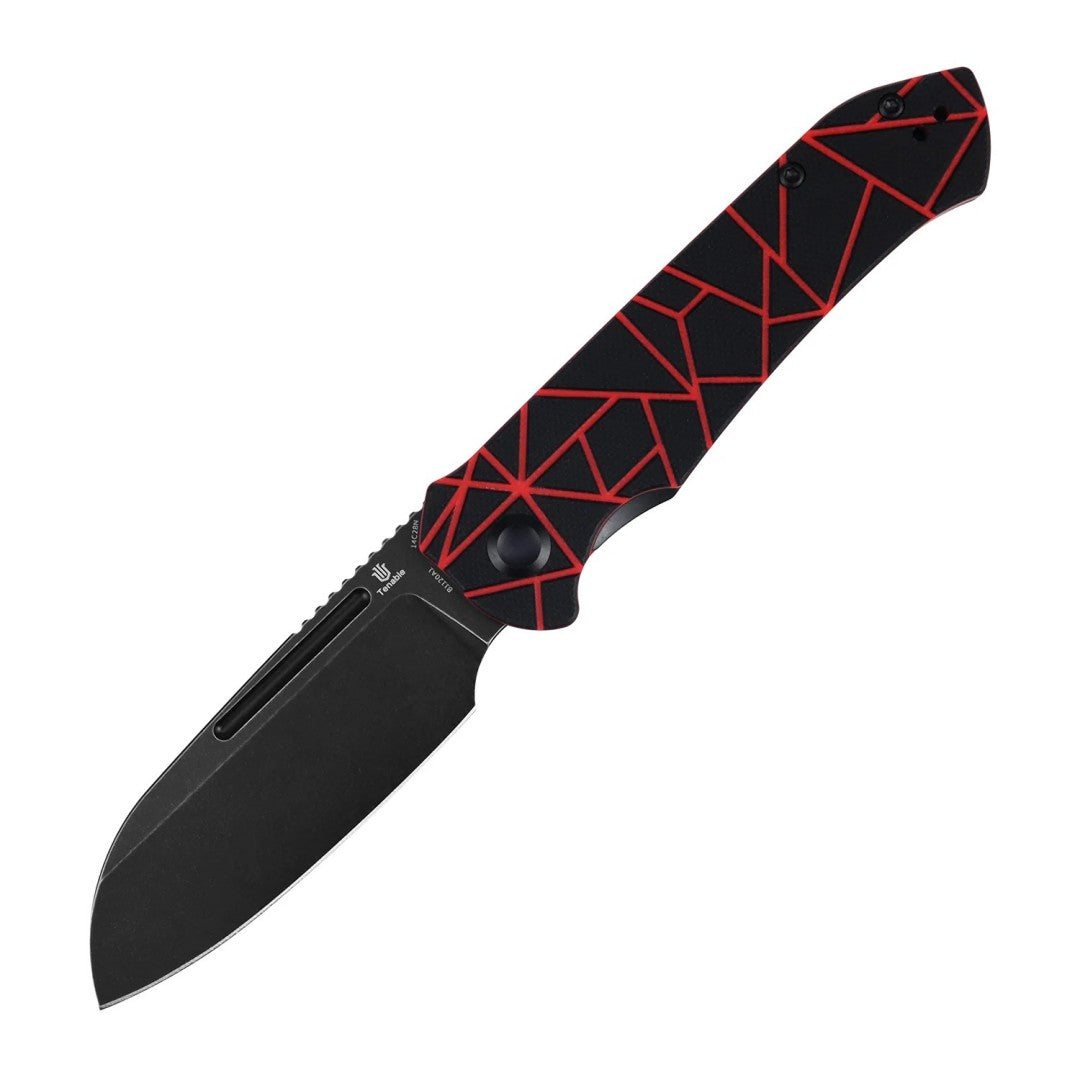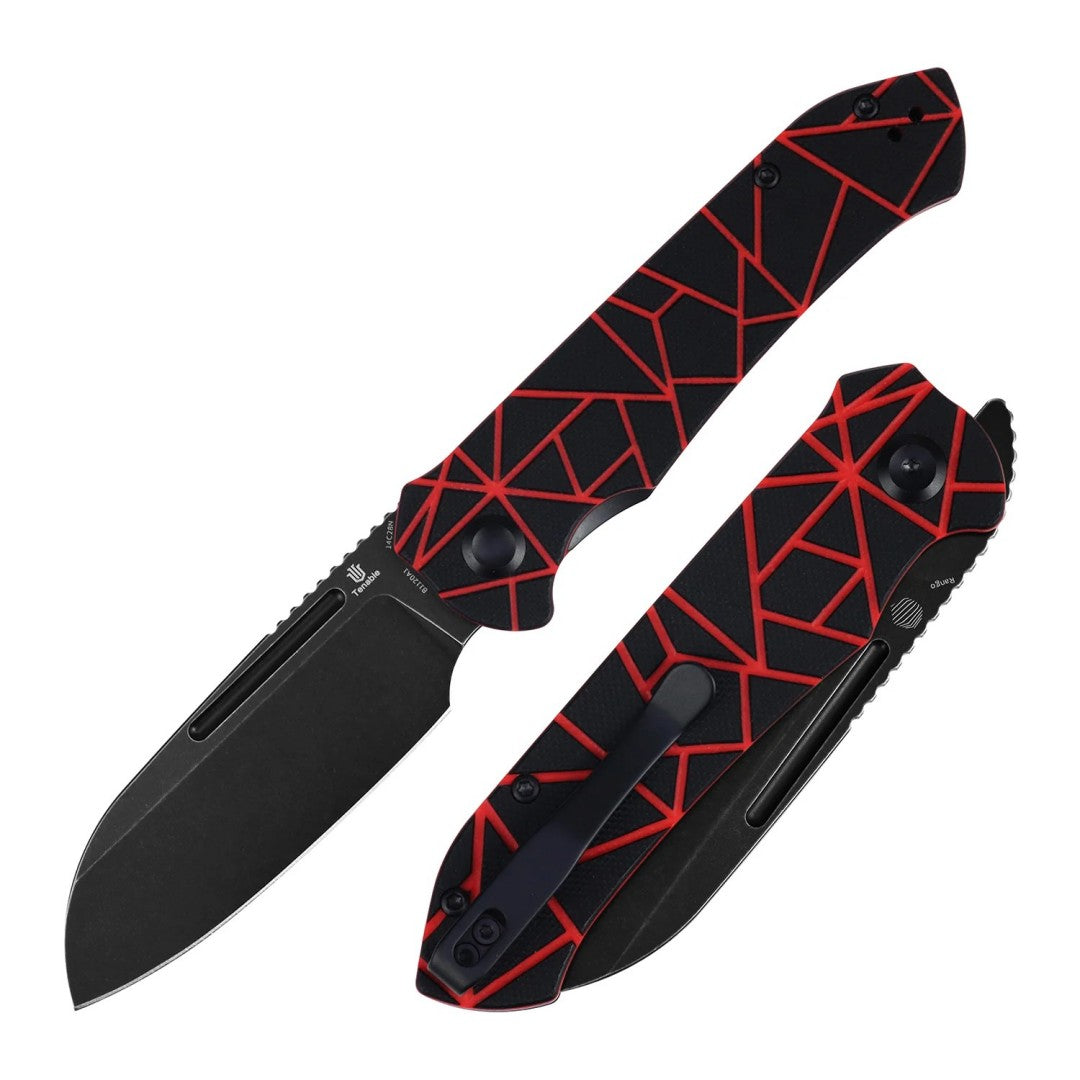

Owning a high-performance everyday carry (EDC) pocket knife like the QSP Parrot V2 is a highly satisfying experience. Out of the box, its premium D2 tool steel blade arrives razor-sharp and eager to work. However, no matter how exceptional a knife's steel is, its edge will eventually degrade with routine use.
Because D2 is a hardened semi-stainless tool steel (usually heat-treated to around 60-61 HRC), maintaining it requires a slightly different approach than maintaining standard stainless steels. If you neglect it, it can lose its bite or develop corrosion; but if you care for it properly, it will reward you with a lifetime of flawless service and an edge that cuts like a laser.

In this ultimate maintenance guide, we will break down exactly how to clean, protect, strop, and sharpen your QSP Parrot V2 D2 blade for maximum sharpness and structural longevity.
1. The Reality of D2 Steel: Why Prevention Matters
To maintain the Parrot V2 effectively, you must understand its metallurgy. D2 is a high-carbon, high-chromium tool steel. With roughly 12% chromium content, it sits just one percent shy of the official threshold required to be labeled a true "stainless" steel.
This specific composition is what gives the Parrot V2 its legendary edge retention and wear resistance. However, it also means the blade is susceptible to environmental staining, micro-pitting, or surface rust if exposed to prolonged moisture, sweat, or acidic materials (such as fruit juices).
Preventative maintenance is your first line of defense. A simple rule of thumb for D2 steel is: Keep it clean, and keep it dry.
2. Daily Cleaning Routine
You do not need an elaborate workshop setup to keep your knife in top shape. Developing a simple post-use habit will prevent 90% of all potential D2 blade issues.
-
The Post-Cut Wipe: After slicing through cardboard, tape, or food, get into the habit of wiping the blade down against a clean microfiber cloth or your pant leg before folding it shut. This removes sticky adhesive residue and organic acids before they can etch the steel.
-
Deep Cleaning: If the blade becomes heavily soiled or choked with pocket lint, open the knife and wash the blade under warm, soapy water. Use a soft-bristled toothbrush to scrub away stubborn grime along the pivot area and the thumb studs.
-
The Golden Rule: Never place your QSP Parrot V2 in a dishwasher, and never leave it soaking in a sink. Once washed, thoroughly dry the entire knife with a towel, focusing heavily on the pivot track.
3. Corrosion Protection: Guarding the Steel
Since the Parrot V2 is a tool designed for real-world environments, it needs a protective barrier against atmospheric humidity and finger oils, which are naturally acidic.
Once your blade is clean and completely dry, apply a protective coating:
-
Select the Right Oil: If you use your pocket knife to slice apples, steaks, or any other food items, use a food-safe lubricant like pure USP mineral oil. If food prep isn't part of your daily routine, specialized knife lubricants or synthetic gun oils work beautifully.
-
Apply Sparingly: Place a tiny single drop of oil onto one side of the blade.
-
Distribute Evenly: Use a clean rag or paper towel to buff the oil across the entire surface of the D2 steel, including the spine, the laser-etched logos, and the thumb studs. The goal is to leave a microscopic, invisible film—not a greasy, wet layer that will actively attract pocket lint.
4. Edge Maintenance: The Magic of Stropping
The absolute secret to preserving maximum sharpness without wearing away your blade steel is regular stropping. Many knife owners wait until their knife is completely dull to take action, forcing them to use aggressive sharpening stones. Stropping prevents this entirely.
When you cut materials like cardboard or rope, the microscopic apex of the edge doesn't just wear down; it curls and rolls to one side. Stropping straightens this microscopic edge back into alignment and polishes out microscopic chips.

How to Strop Your Parrot V2:
-
Get a leather strop or a flat piece of scrap leather attached to a wood block.
-
Load the leather with a fine polishing compound (green chromium oxide or diamond paste).
-
Hold the blade at the exact angle of the factory bevel (roughly 18 to 20 degrees).
-
Pull the knife across the leather trailing-edge first (moving away from the cutting edge). Never push the edge into the leather, or you will cut the strop.
-
Execute 10 to 15 alternating passes on each side after a day of heavy cutting. This simple 2-minute practice will keep your Parrot V2 screaming sharp for months without ever touching a stone.
5. Sharpening D2 Tool Steel When It Goes Dull
Eventually, after prolonged use, stropping will no longer bring back that razor edge, meaning it is time to sharpen. Because D2 is filled with incredibly hard chromium carbides, it is highly wear-resistant. Standard, cheap grey aluminum oxide hardware stones will struggle against it.
For the QSP Parrot V2, we highly recommend using Diamond or Ceramic sharpening stones. Diamond plates cut through hard D2 steel efficiently without dishing or warping.
Step-by-Step Sharpening Guide:
-
Maintain a Consistent Angle: The Parrot V2 features a full flat grind with a factory edge angle of roughly 18 to 20 degrees per side. Maintain this angle consistently throughout your strokes.
-
Start with Medium Grit: Unless the edge has massive chips, avoid ultra-coarse stones. Start on a medium diamond stone (around 400 to 600 grit) to establish a clean apex.
-
Form a Burr: Stroke the blade across the stone from the heel to the tip. Continue on one side until you feel a "burr"—a microscopic ridge of steel pushing over to the opposite side along the entire length of the blade.
-
Switch Sides: Flip the knife and repeat the process on the other side until the burr flips back.
-
Refine and Polish: Progress to a fine stone (1000 to 1200 grit) using light pressure to clean up the scratch pattern. Finish up on your leather strop to remove any remaining microscopic burr fragments.
6. Pivot Maintenance for a Smooth Action
The performance of a blade isn't just about the edge—it's also about how fluidly it deploys. The Parrot V2 operates on a highly robust pivot system utilizing smooth washers or bearings.
Every few months, add a minute fraction of a drop of lightweight knife pivot oil right at the pivot interface on both sides of the blade. Cycle the action a dozen times to let the oil capillary into the mechanism. If the deployment begins to feel sluggish or develops side-to-side play, use a standard T8 Torx driver to subtly adjust the pivot screw until the blade is perfectly centered in the handle scales with zero wiggle, while still flipping open effortlessly.
The Ultimate Longevity Blueprint
The QSP Parrot V2 is a true utilitarian masterpiece built to work for a living. By spending just a few moments wiping it dry after use, stropping the edge weekly to maintain alignment, and applying a light protective layer of oil, you ensure its D2 tool steel stays bright, pristine, and incredibly sharp. Take care of your Parrot V2, and it will remain a fiercely dependable partner in your pocket for years to come.