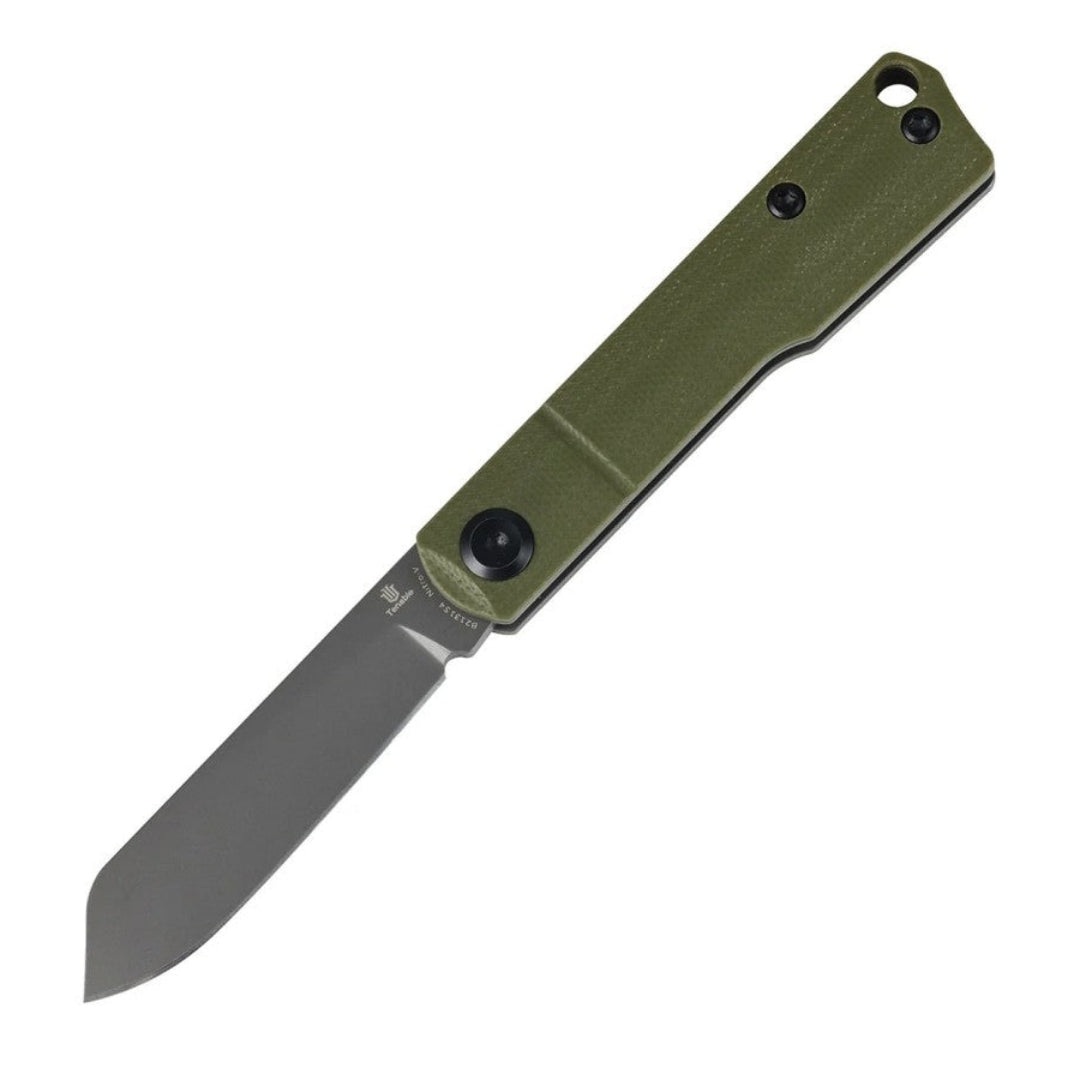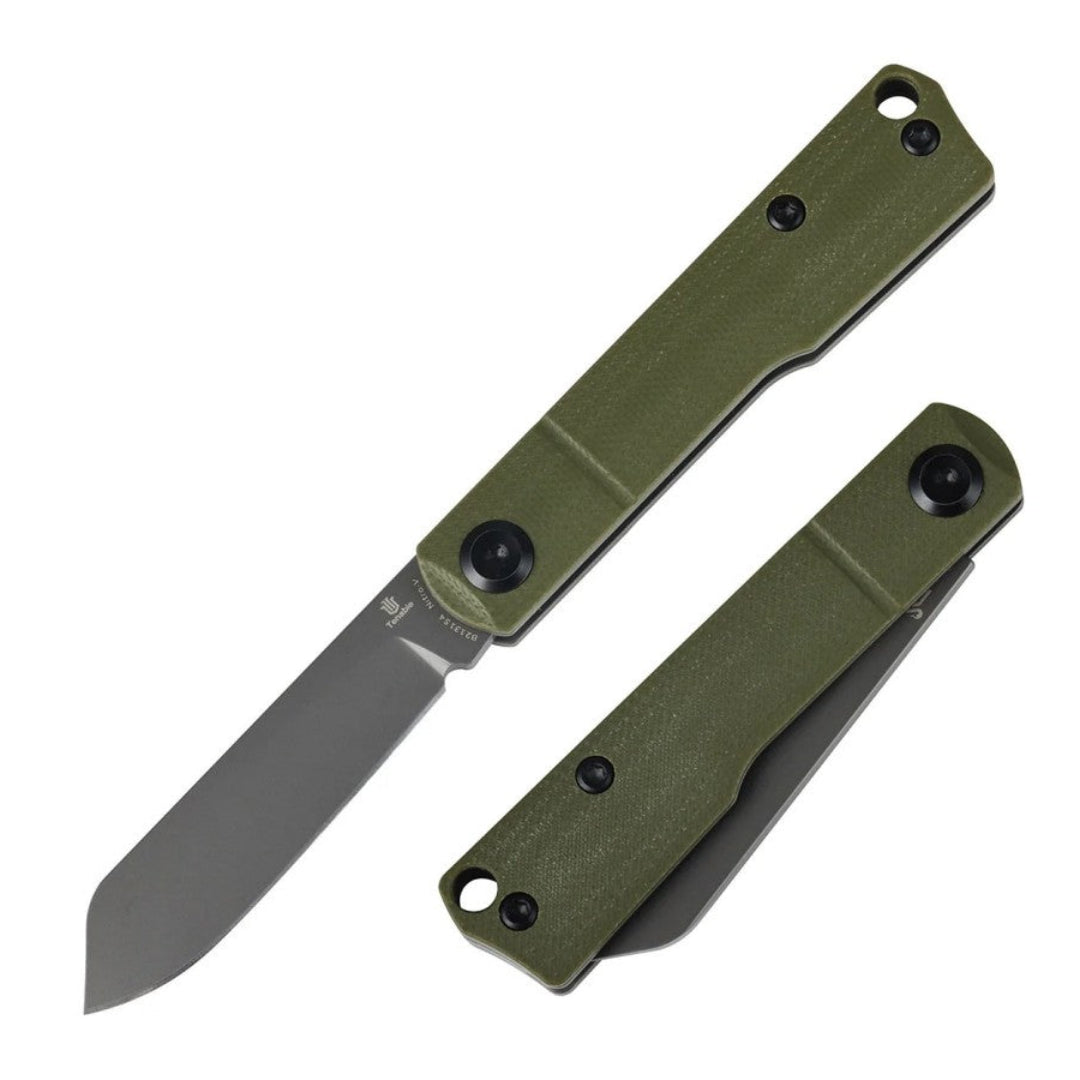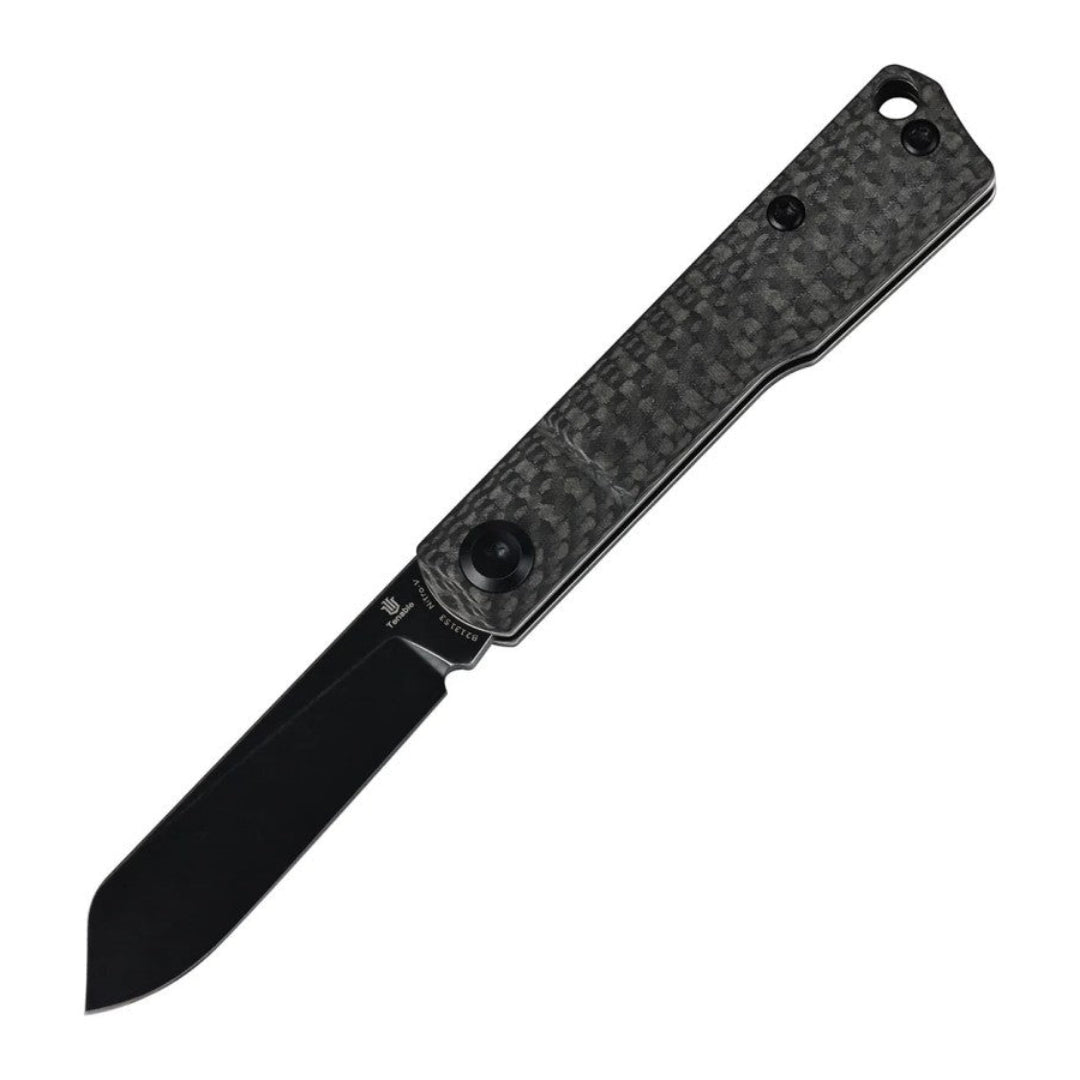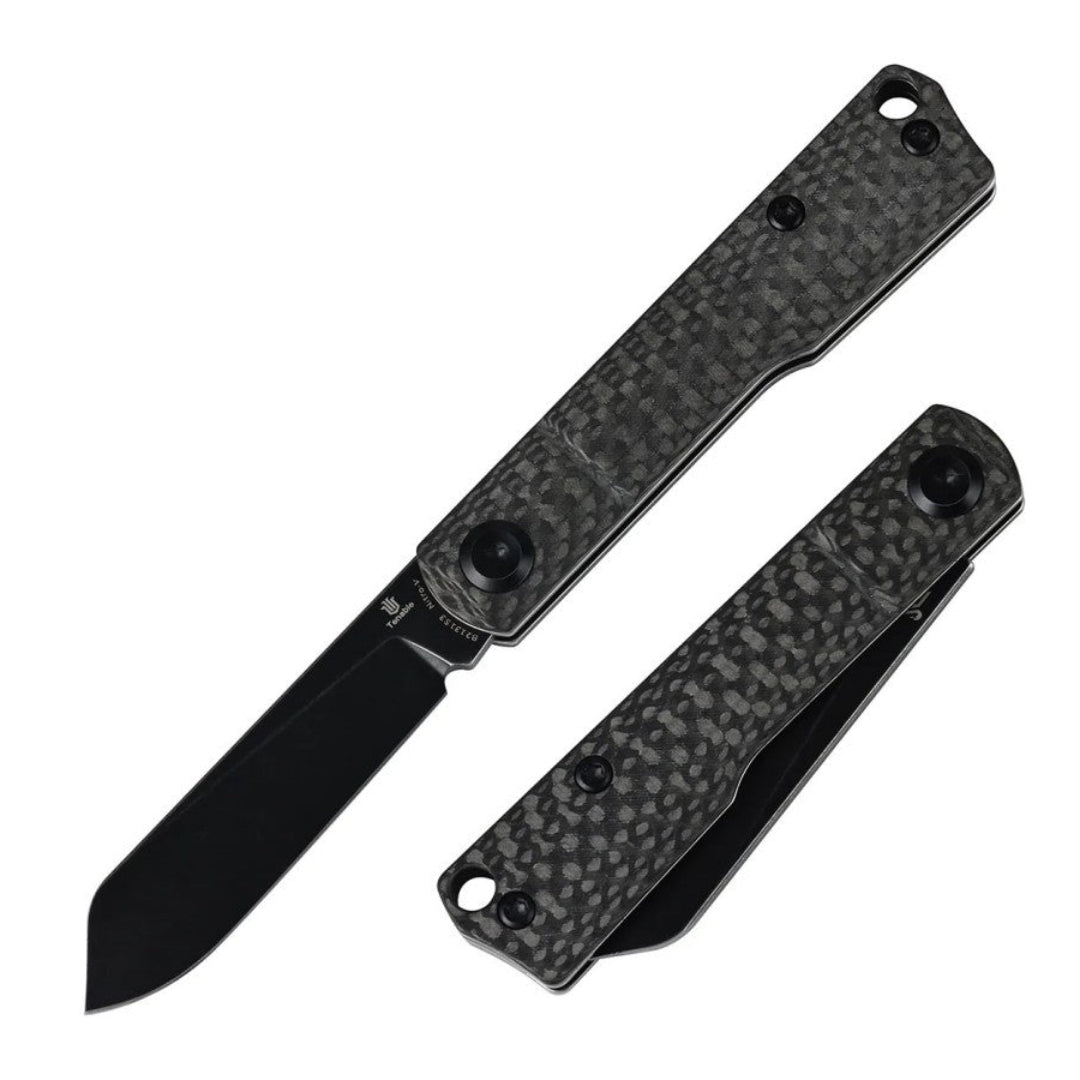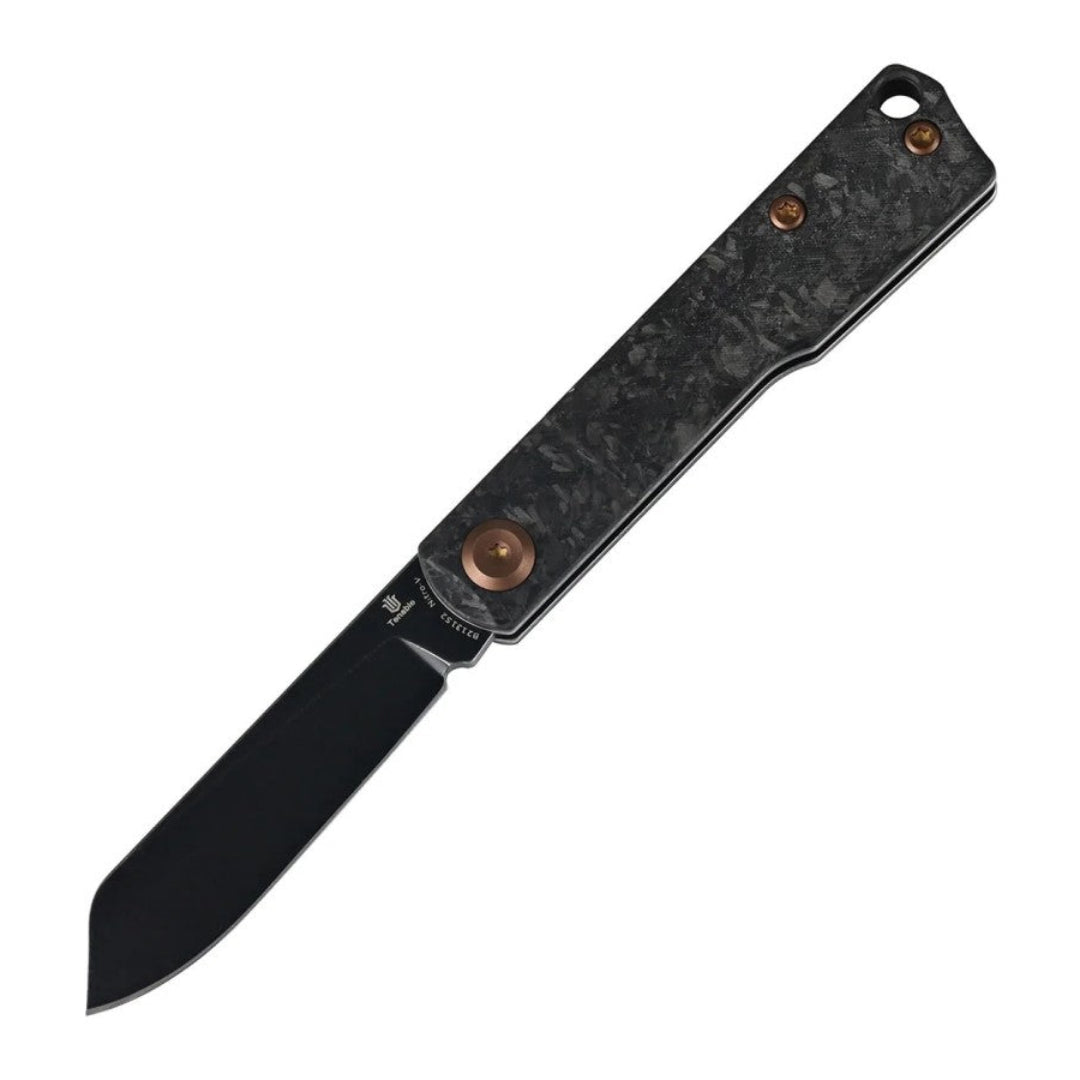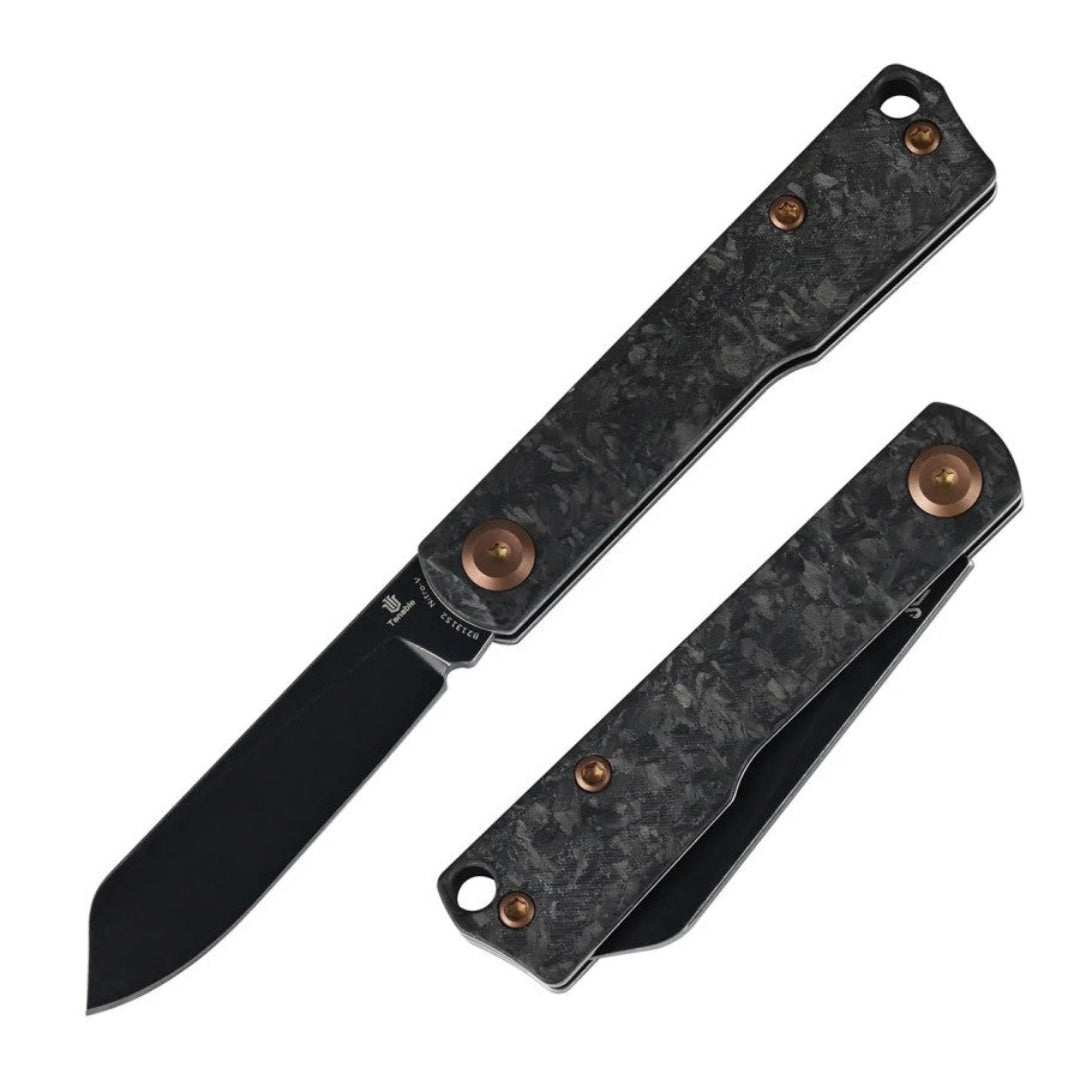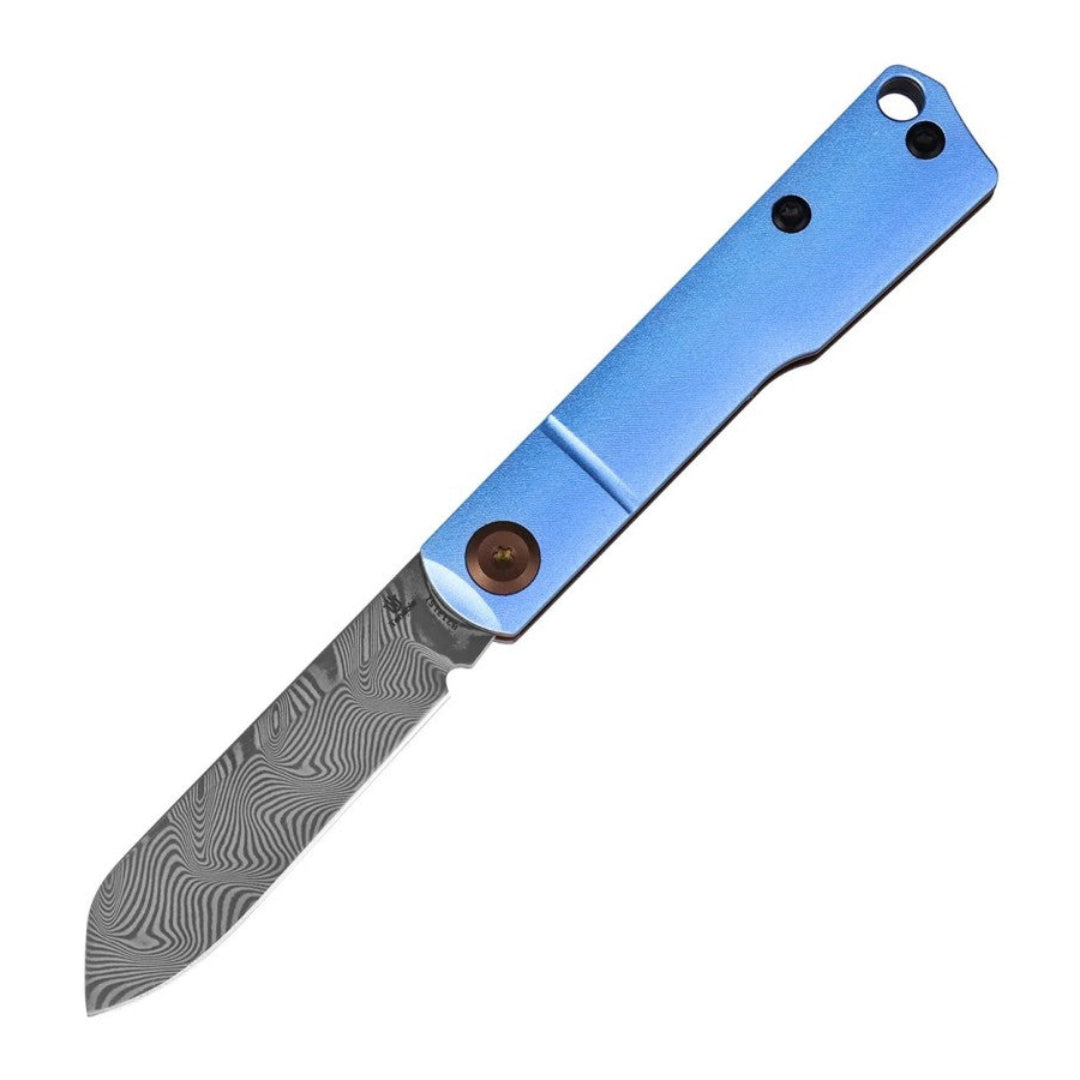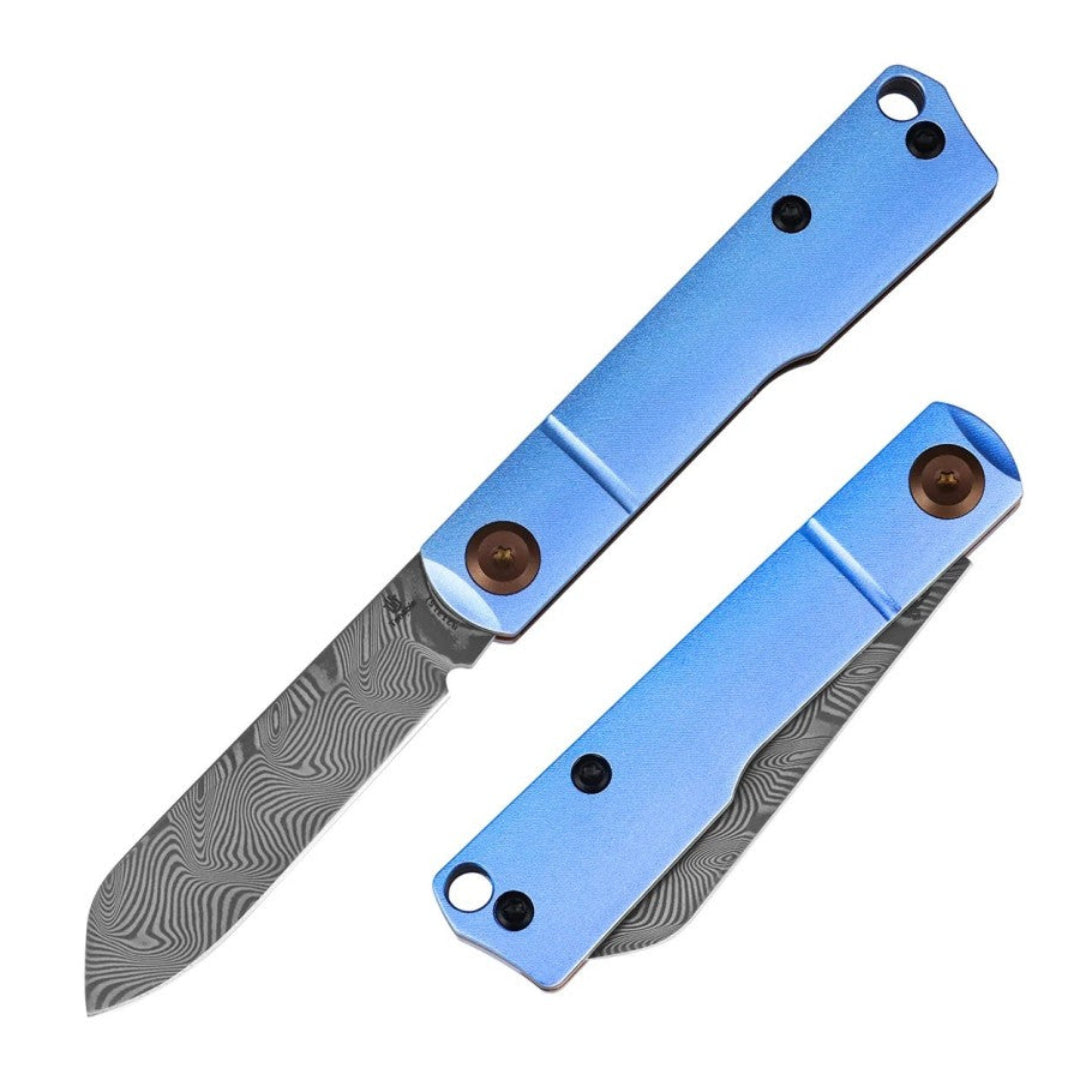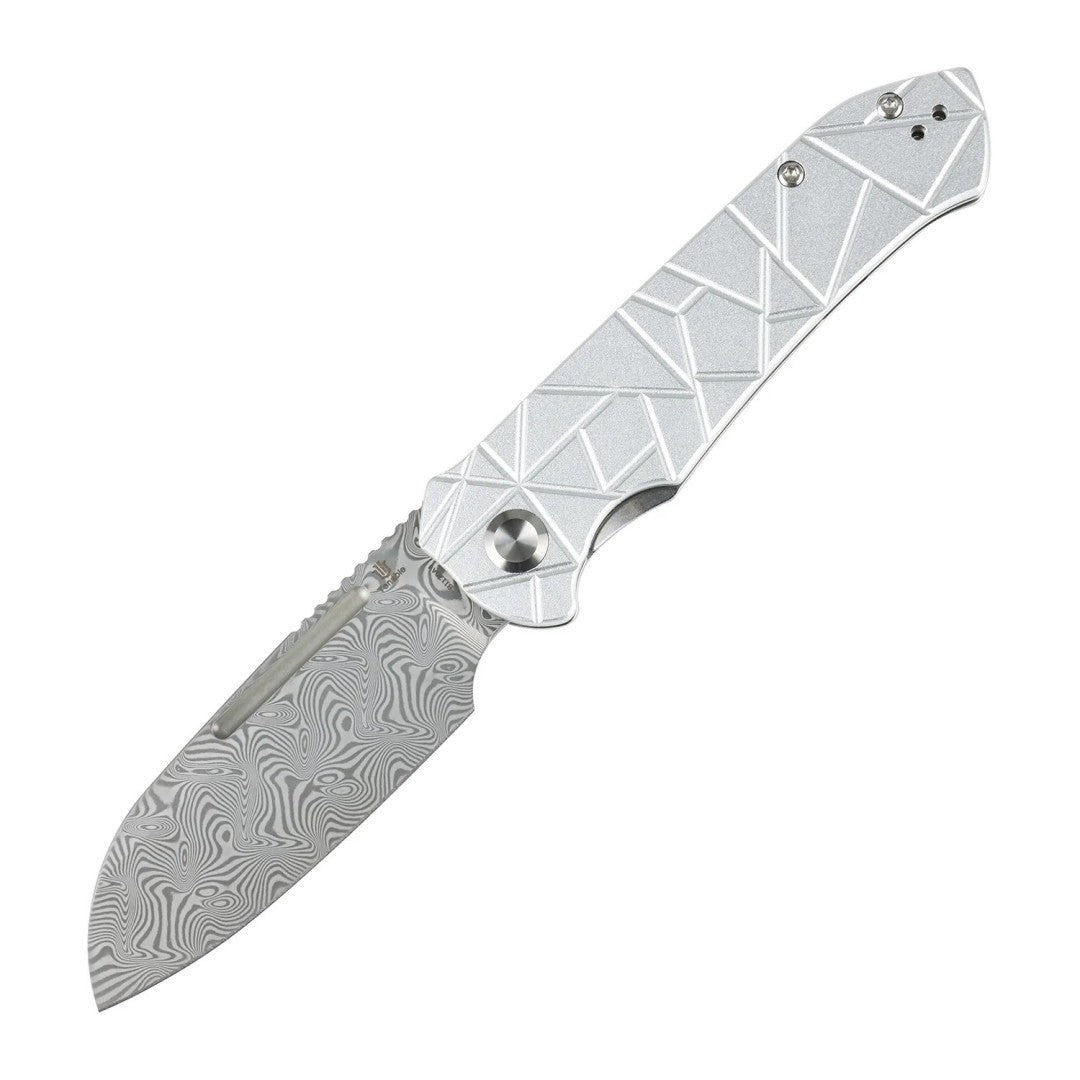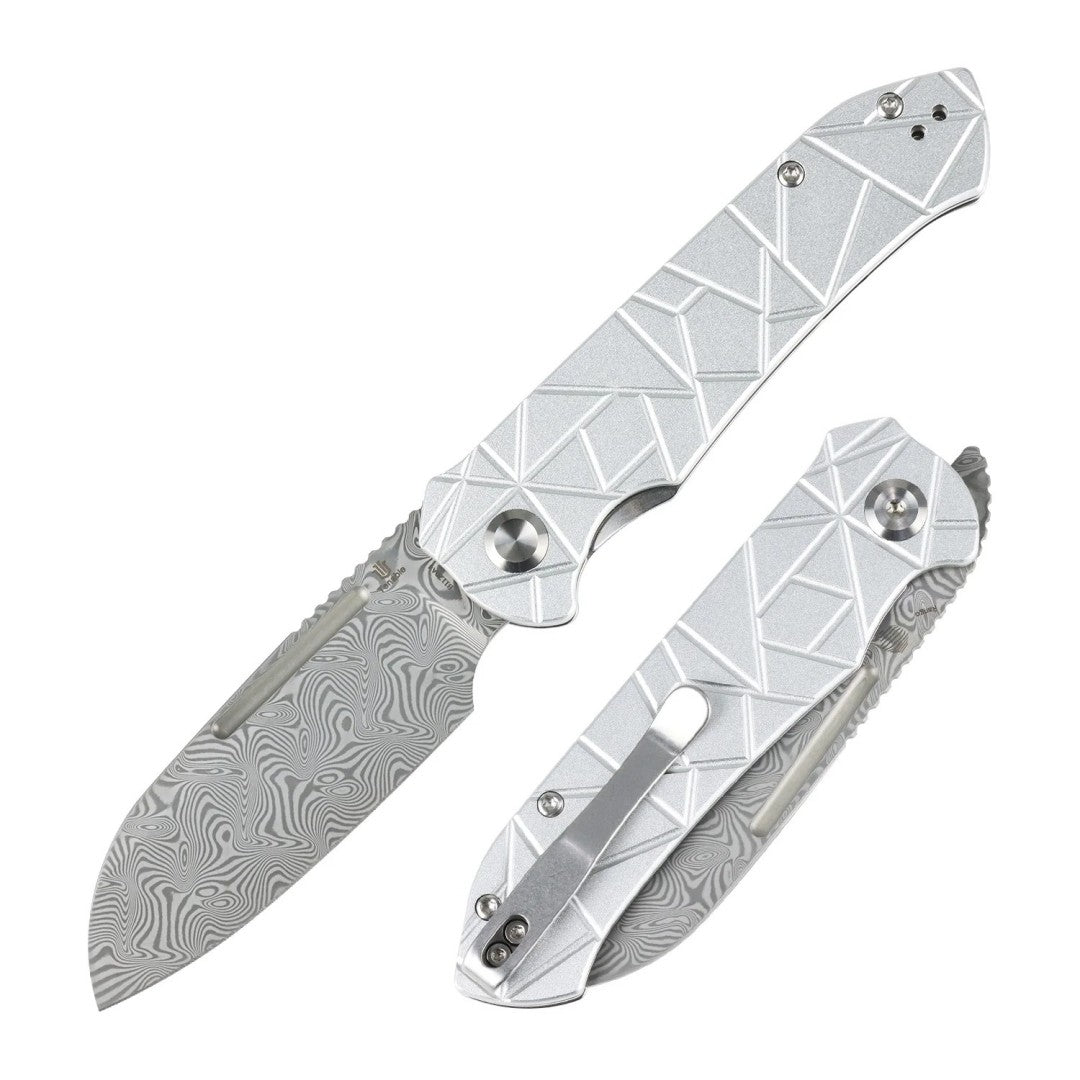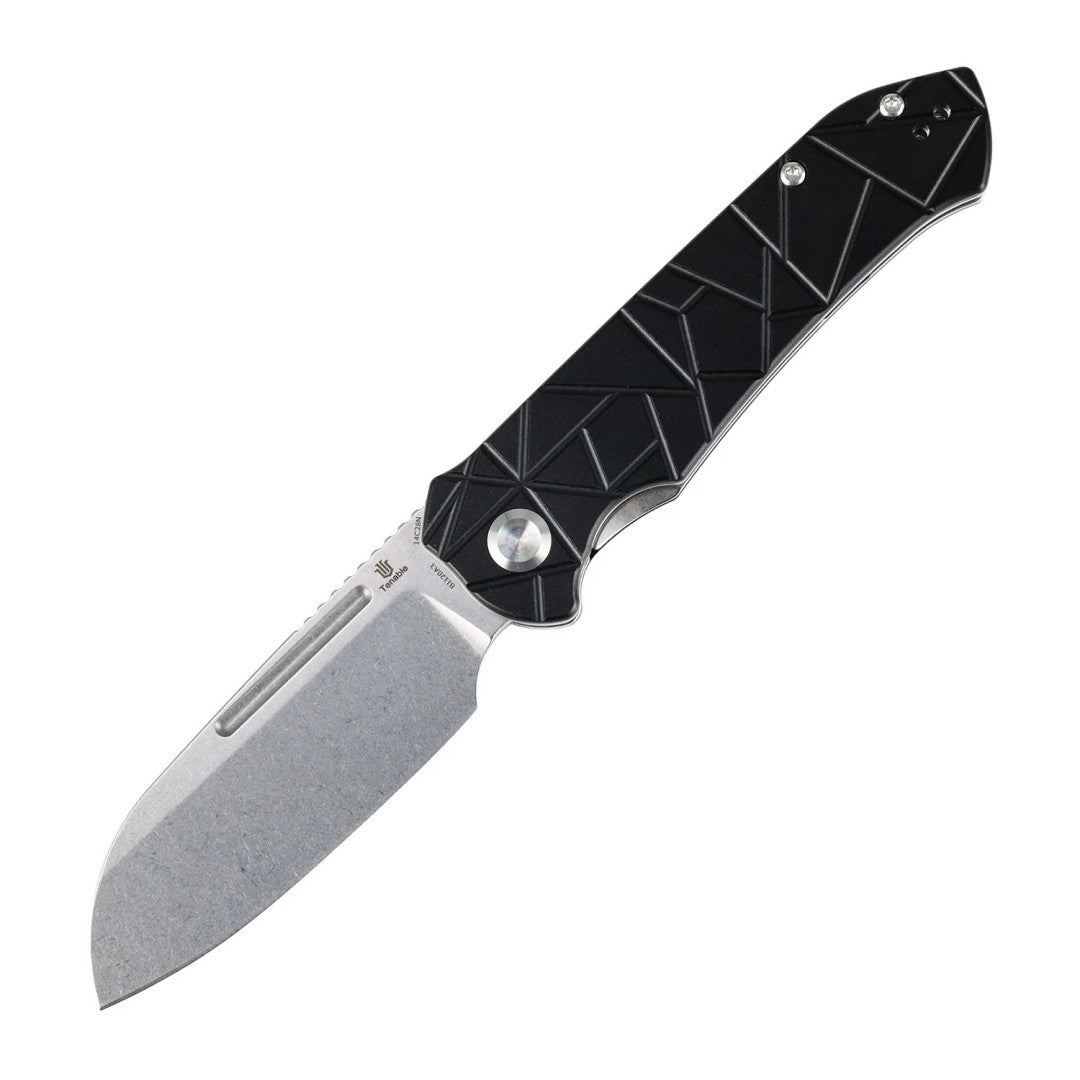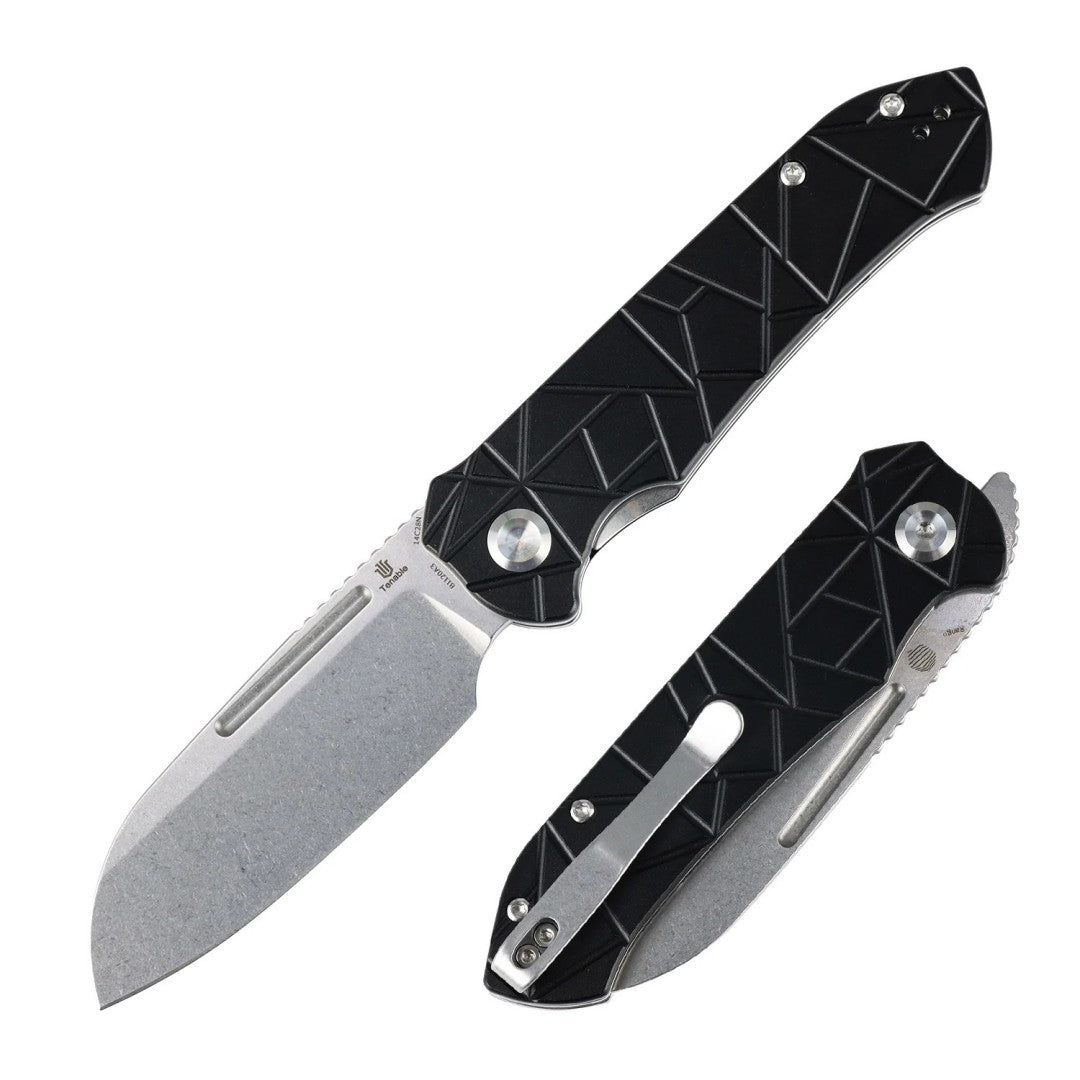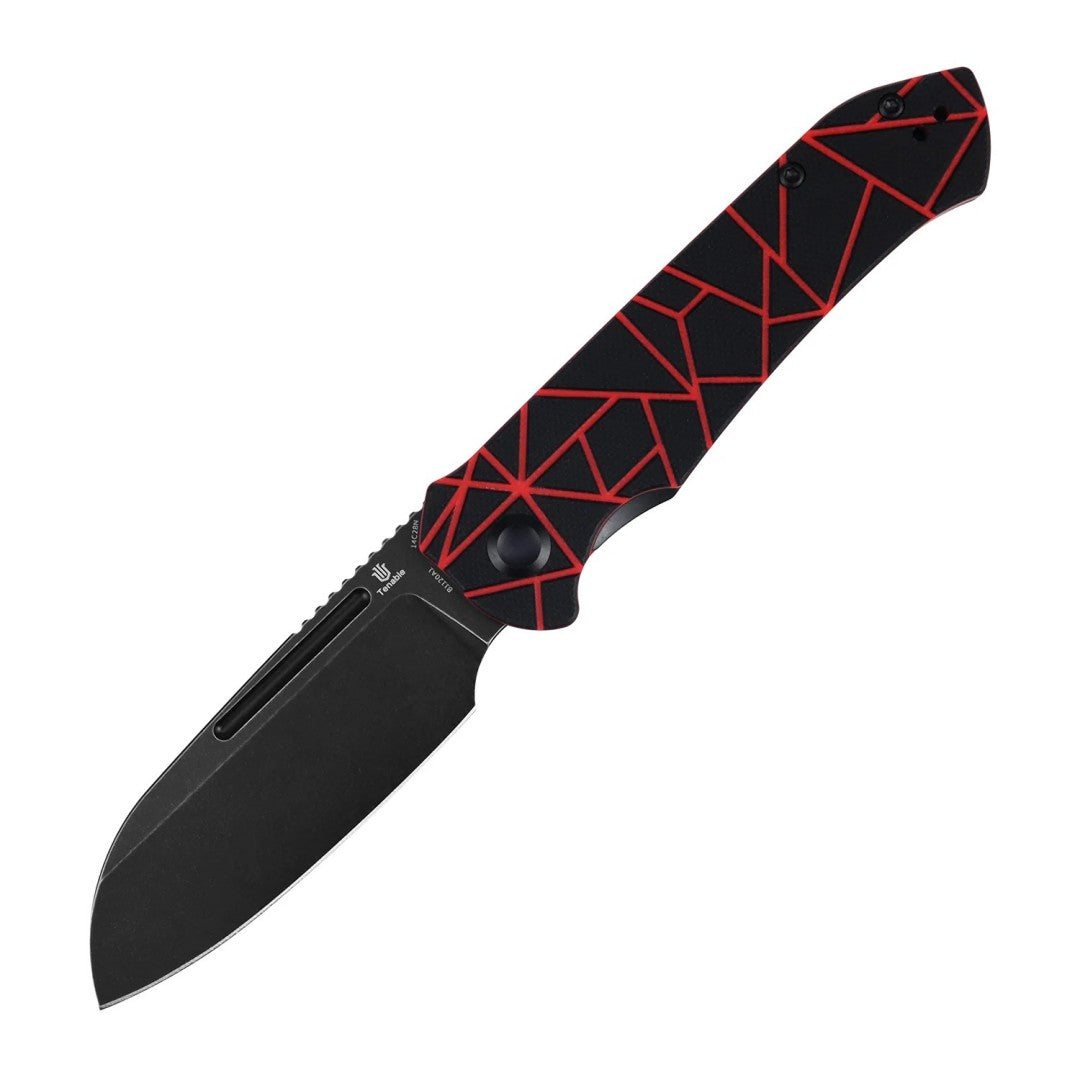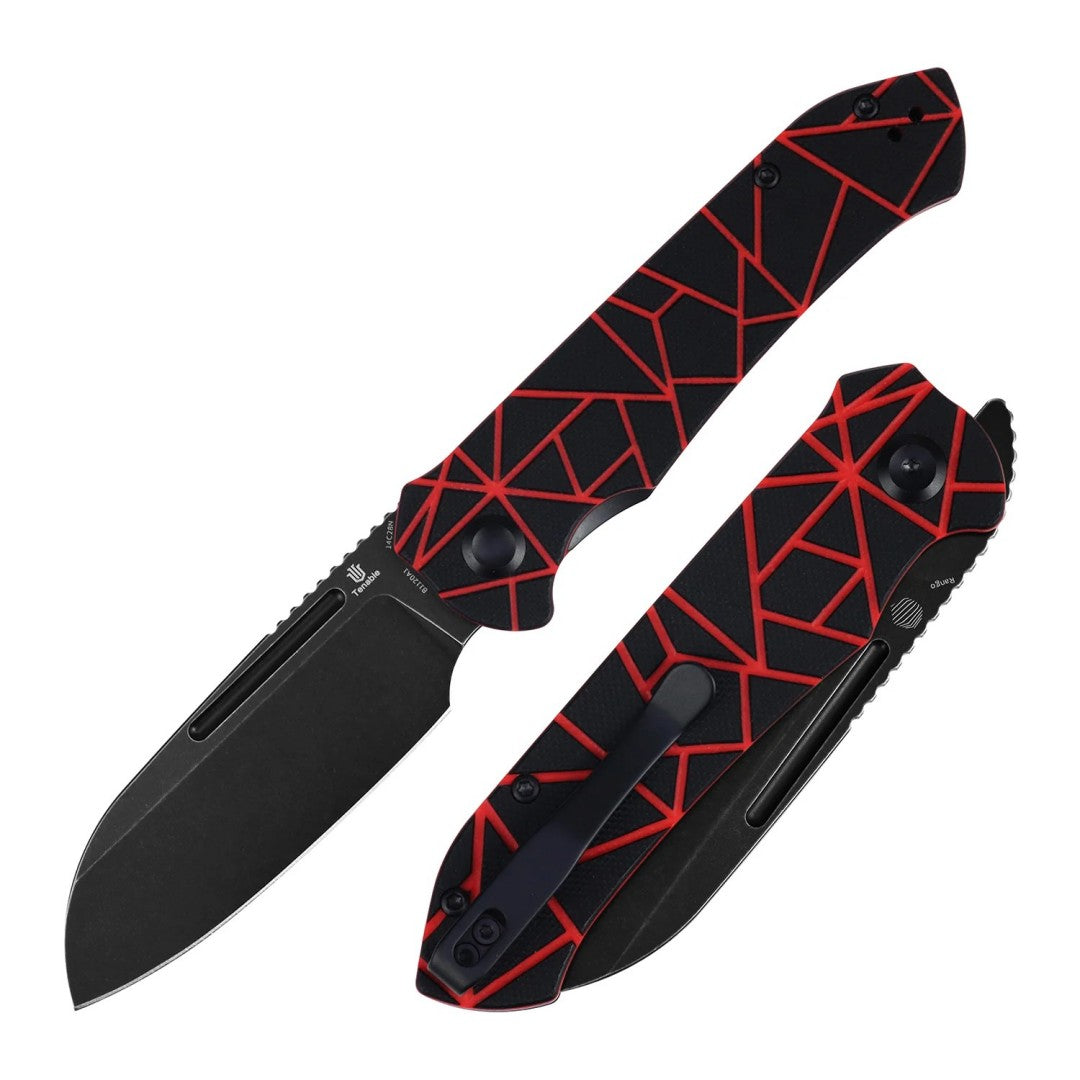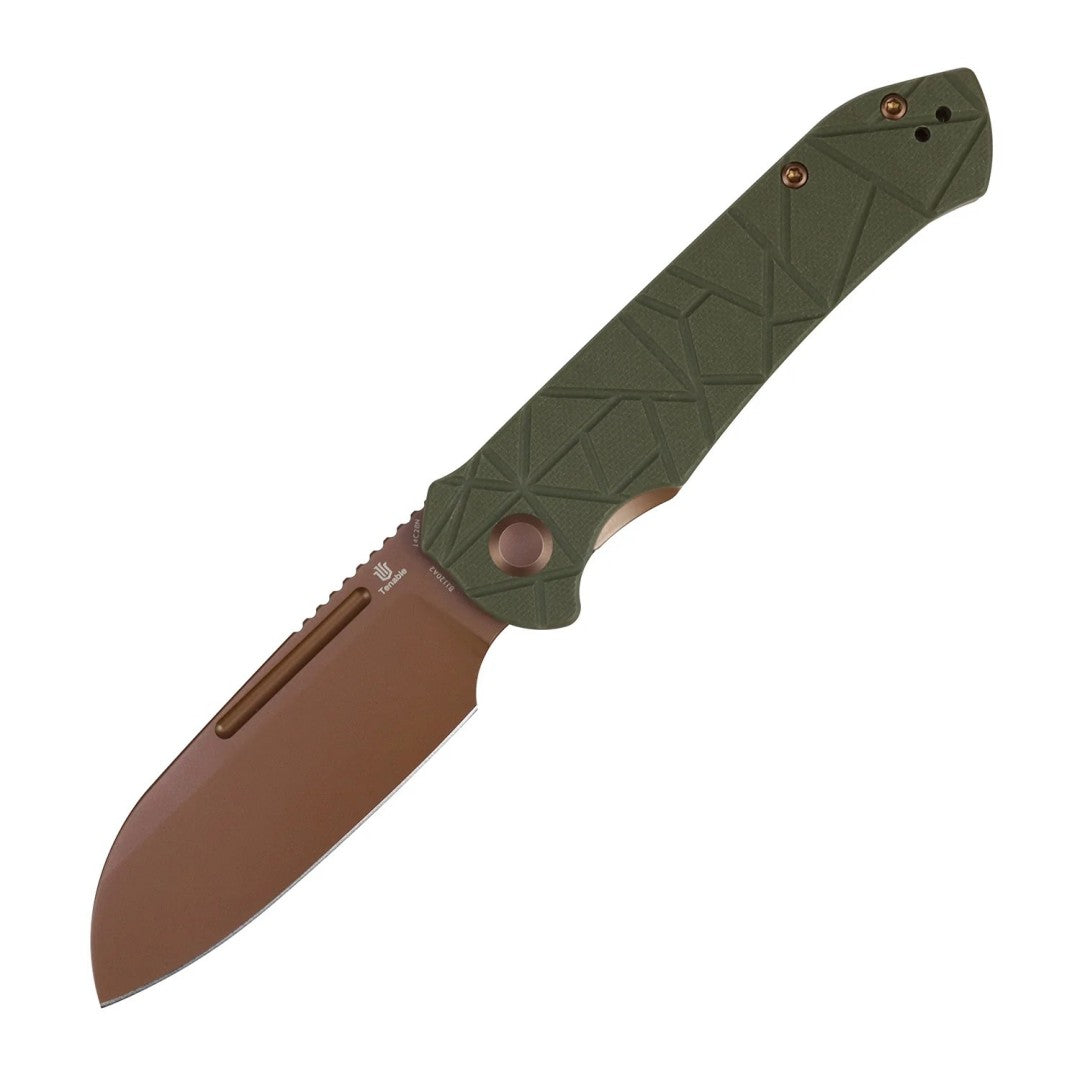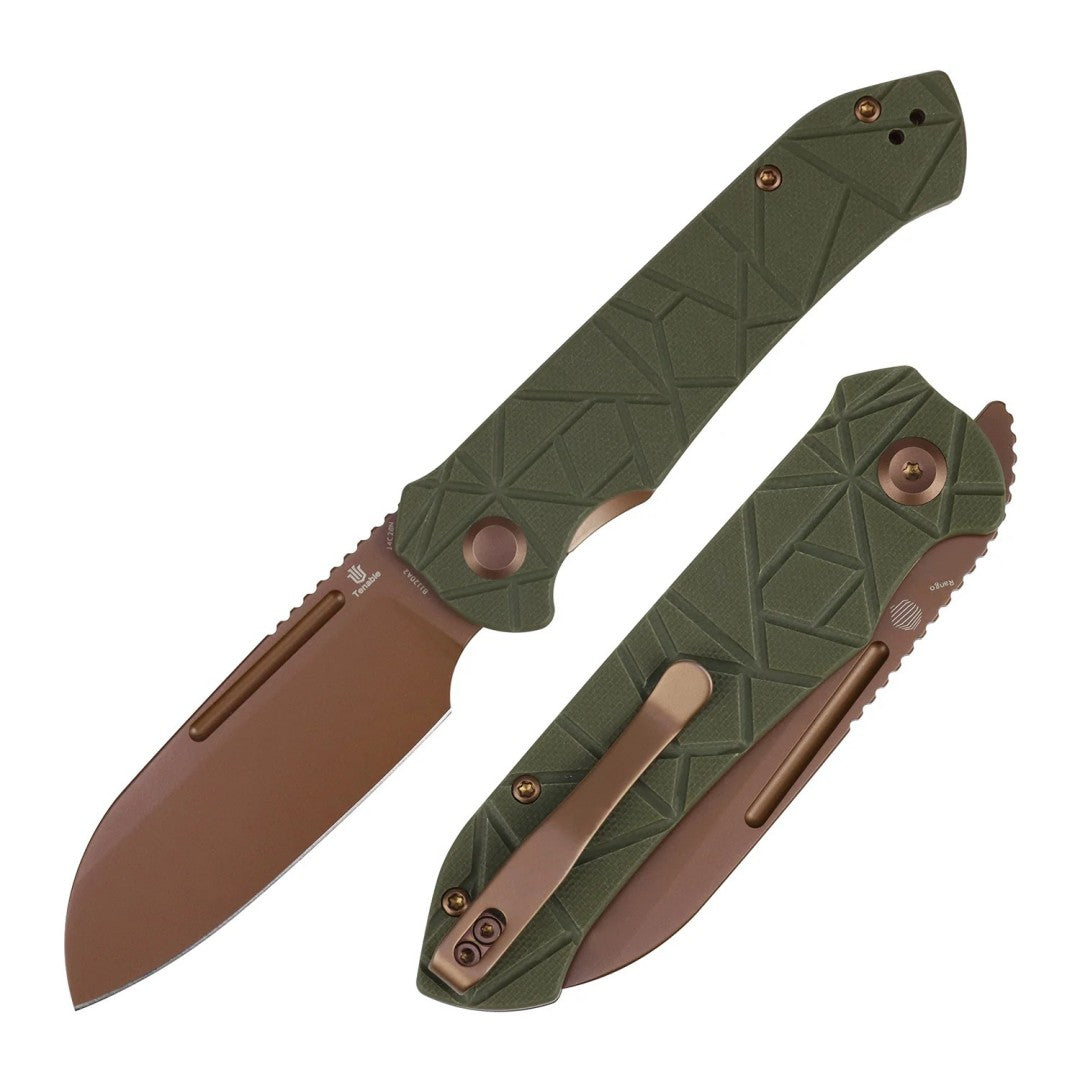
When QSP released the original Parrot, it quickly gained traction as a reliable, bare-bones budget workhorse in the everyday carry (EDC) community. It was functional, but it lacked the premium refinement that modern knife enthusiasts demand. Recognizing the potential of the platform, QSP went back to the drawing board to release the QSP Parrot V2.
The V2 is not just a minor aesthetic refresh; it is a comprehensive overhaul addressing ergonomics, action fluidness, and material choices. If you are trying to decide whether to upgrade your old carry or trying to figure out if the newer version justifies its position on the market, this side-by-side comparison reveals every major upgrade and structural difference between the QSP Parrot V1 and V2.

Evolution of the Parrot: A Technical Snapshot
Before diving into the experiential differences, let us examine how the core specifications shifted between the generations:
| Feature | QSP Parrot V1 (Original) | QSP Parrot V2 (Upgraded) |
| Blade Steel | 440C or Basic Stainless | High-Performance D2 Tool Steel |
| Pivot Internals | Standard Teflon / Nylon Washers | Precision Copper Washers / Ceramic Bearings |
| Handle Edges | Flat, Blocky Edges | Fully Chamfered, Radiused Contours |
| Pocket Clip Hardware | Protruding Button-Head Screws | Flat, Recessed Flush-Mount Screws |
| Material Options | Basic G10 Colors | Textured G10, Premium Micarta, Carbon Fiber |
1. Blade Steel Upgrade: From Budget Stainless to D2 Tool Steel
The most critical upgrade from the V1 to the V2 lies in the metallurgy. The original Parrot V1 utilized entry-level stainless steels like 440C. While easy to sharpen and highly rust-resistant, 440C struggles significantly with edge retention, dulling rapidly when pushed through abrasive materials like cardboard or heavy cordage.
The QSP Parrot V2 completely changes the performance equation by upgrading to D2 tool steel hardened to 60-61 HRC.
-
Edge Retention: D2 contains large chromium carbides that offer superior wear resistance. In real-world cutting tasks, the V2 holds its razor edge up to four times longer than the V1.
-
Cutting Efficiency: While both versions utilize a slicey full flat grind, the edge stability of the V2 allows it to maintain a fine, razor-sharp apex without rolling or folding over when cutting dense materials.
2. Ergonmics and Handle Refinement: Banishing the Hotspots
If you hold the V1 and V2 side-by-side with a tight grip, the difference in manufacturing refinement is immediately noticeable.
The original V1 featured flat-slab handle scales with very minimal edge breaking. This created a blocky profile in the palm, leading to uncomfortable friction points—or "hotspots"—during extended or heavy-pressure slicing tasks.
With the V2, QSP invested heavily in CNC machining precision:
-
Chamfered Contours: The perimeter of every handle scale is smoothly beveled and rounded off. The knife drops naturally into your hand, conforming to your fingers without any sharp corners biting into your palm.
-
Neutral Form Factor: The V2 maintains the highly praised neutral handle silhouette of the original but softens the transitions, making it feel like a natural extension of your hand regardless of your grip style.
3. Deployment Action: Fluidity and the Internal Pivot
The mechanical action of the original Parrot V1 was functional but often felt hydraulic, stiff, or slightly gritty out of the box. This was due to the use of soft Teflon or nylon plastic washers around the blade pivot, which easily compressed and friction-dragged against the blade tang.
QSP completely redesigned the internal pivot framework for the V2. By switching to high-precision copper washers or ultra-smooth ceramic ball bearing systems, the deployment action was completely revolutionized.
Operated via the identical dual thumb studs, breaking the detent on the V2 sends the blade swinging open with a crisp, fluid motion and an incredibly satisfying tactile click. It transforms the knife from a purely utility-focused tool into an addictive, smooth-flicking piece of pocket hardware that is easy to deploy one-handed.
4. Hardware Evolution: True Deep-Carry Pocket Integration
How a knife rides in your jeans is just as crucial as how it cuts. While both versions feature a deep-carry stainless steel pocket clip designed to keep the tool discreetly tucked away, the V1 suffered from a major hardware design flaw.
The V1 used standard button-head screws to attach the pocket clip to the handle frame. These rounded screws protruded significantly into the clip's clearance path, acting like a speed bump that caught, snagged, and tore up the hem of your pocket fabric every time you tried to slide the knife into place.
The V2 completely resolves this daily frustration:
-
Recessed Hardware: The pocket clip area is precisely milled out, and QSP switched to flat-head screws that sit entirely flush inside the clip base.
-
Seamless Pocketing: The smooth, unobstructed channel allows the knife to glide effortlessly onto thick denim or thin dress pants without catching, saving your clothing from unnecessary wear and tear.
-
Ambidextrous Layout: The V2 maintains the fully reversible tip-up carry layout, catering perfectly to left and right-handed users alike.
5. Expanded Handle Material Palette
The original V1 line was primarily limited to basic, single-tone G10 handle options. For the V2 generation, QSP recognized that EDC enthusiasts use their gear to express personal style, prompting them to dramatically expand the material ecosystem.
The V2 lineup introduces three distinct tiers of handle customization:
-
Textured G10: Upgraded with a finer, more tactical cross-hatch texture that offers immense grip security in wet or muddy environments.
-
Canvas and Linen Micarta: A massive fan-favorite that brings a warm, organic feel to the handle. Micarta absorbs the oils from your skin over months of carry, darkening and forming a personalized vintage patina.
-
Carbon Fiber / G10 Laminate: For users looking for a modern, sleek tech aesthetic that looks sophisticated when clipped inside a suit pocket or carried in a corporate setting.

The Verdict: Is the Upgrade to the V2 Justified?
The QSP Parrot V1 was a respectable entry-level tool for its time, but the QSP Parrot V2 represents a massive leap forward in every measurable category. By upgrading to edge-retaining D2 tool steel, smoothing out the handle contours, fixing the pocket clip hardware, and implementing a glassy washer/bearing pivot action, QSP has turned a basic budget knife into an absolute benchmark of value.
If you currently own a V1, the massive performance boost of the D2 steel and the vastly improved pocket ergonomics make upgrading to the V2 an incredibly rewarding decision. If you are a newcomer looking for your next definitive budget EDC knife, the Parrot V2 is the undisputed champion of the lineage.