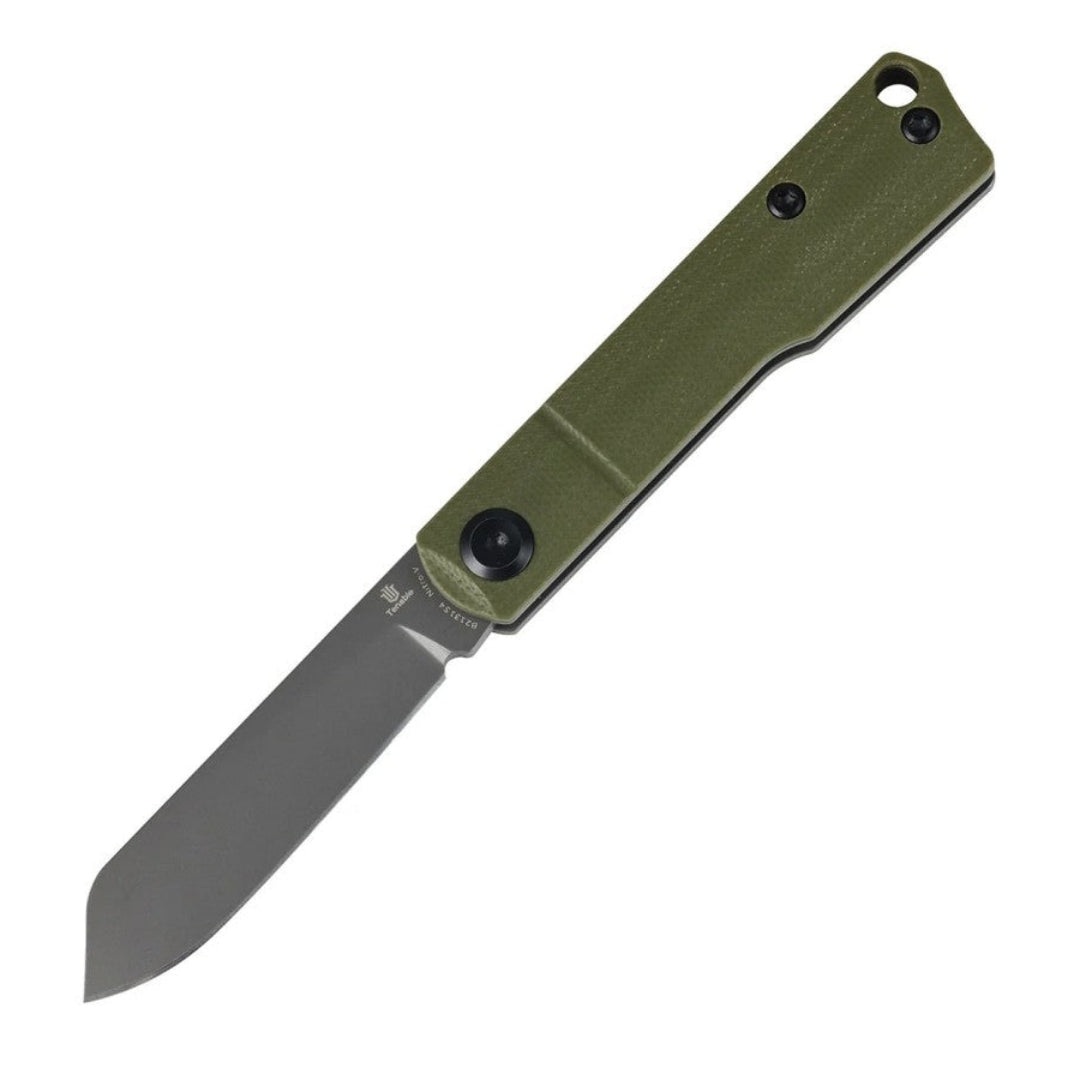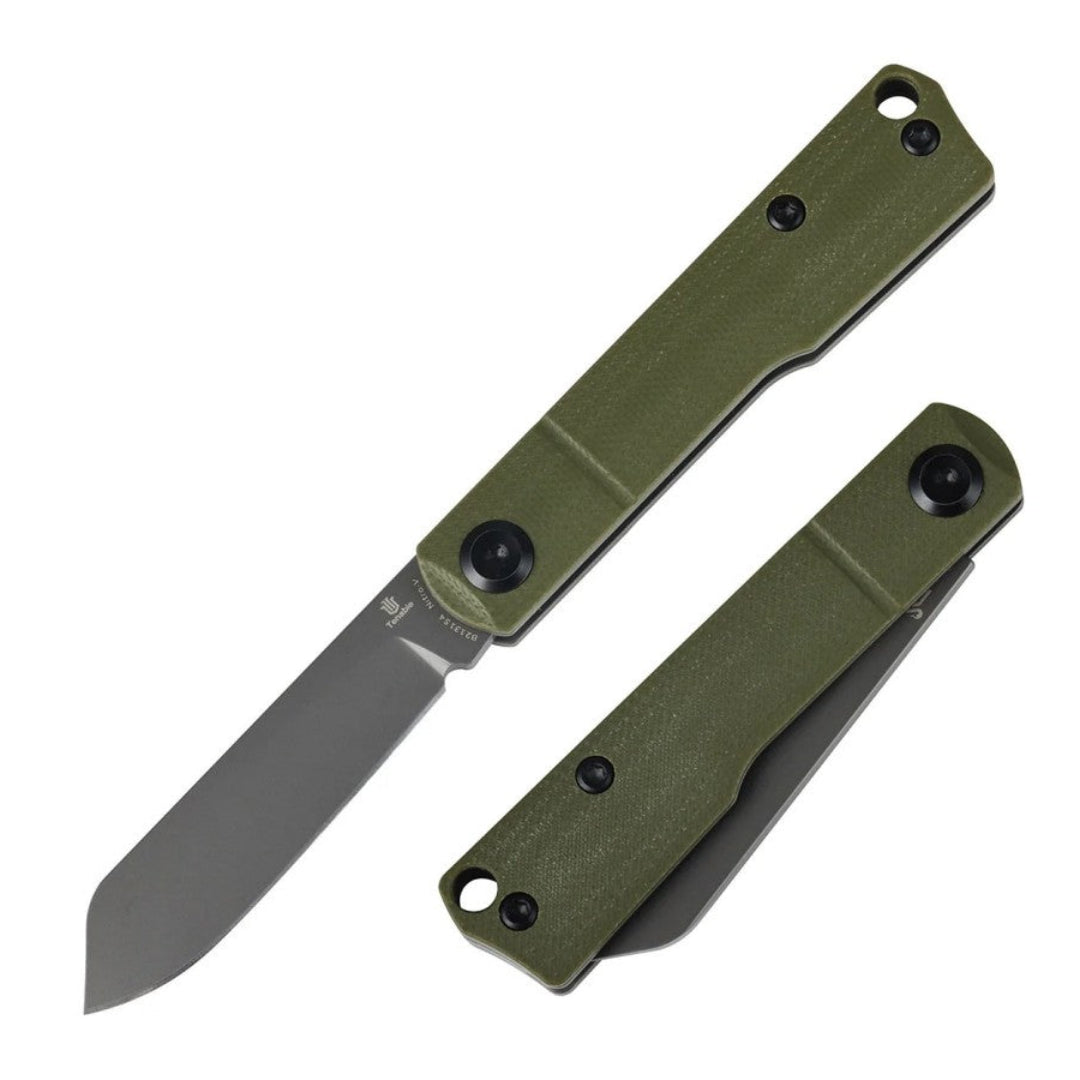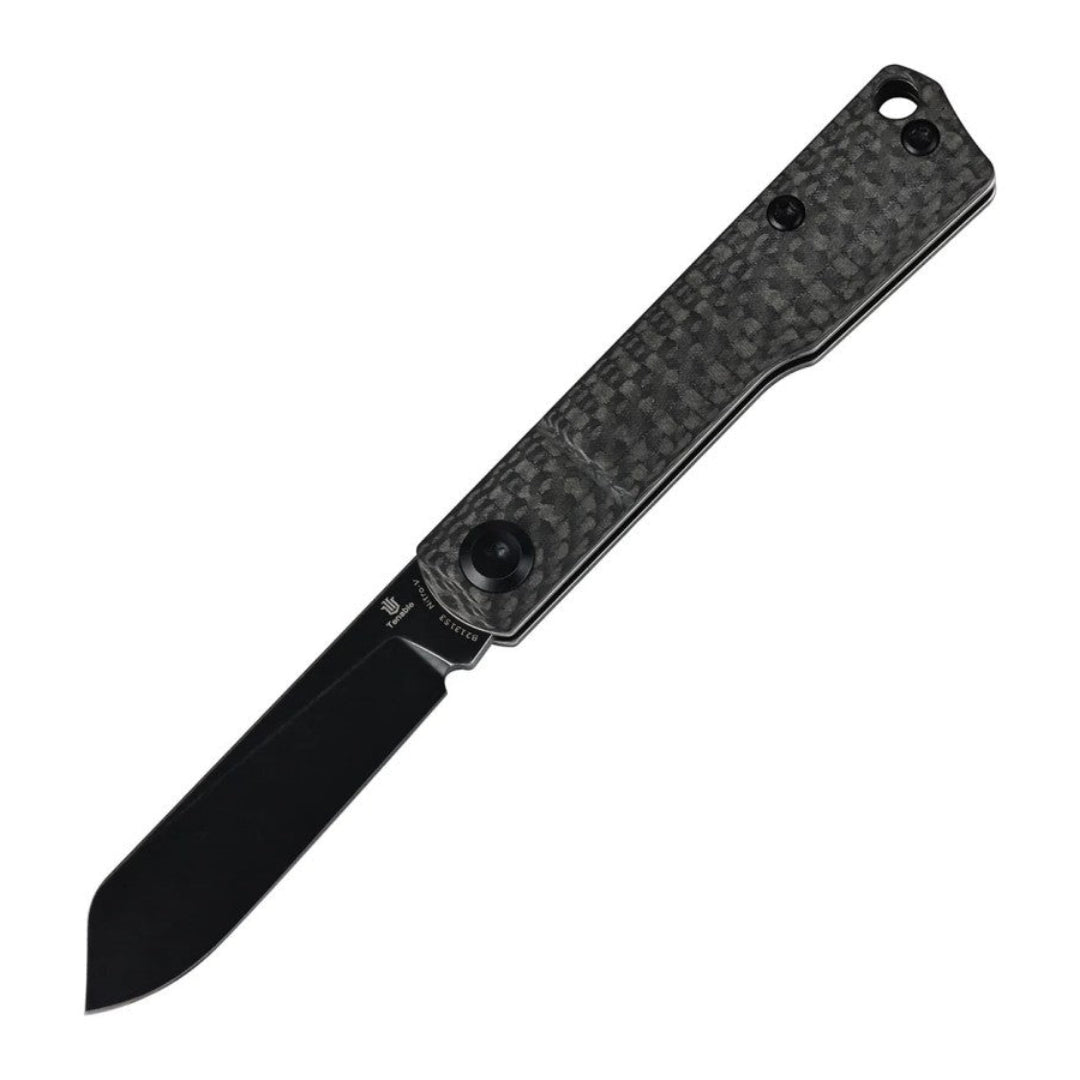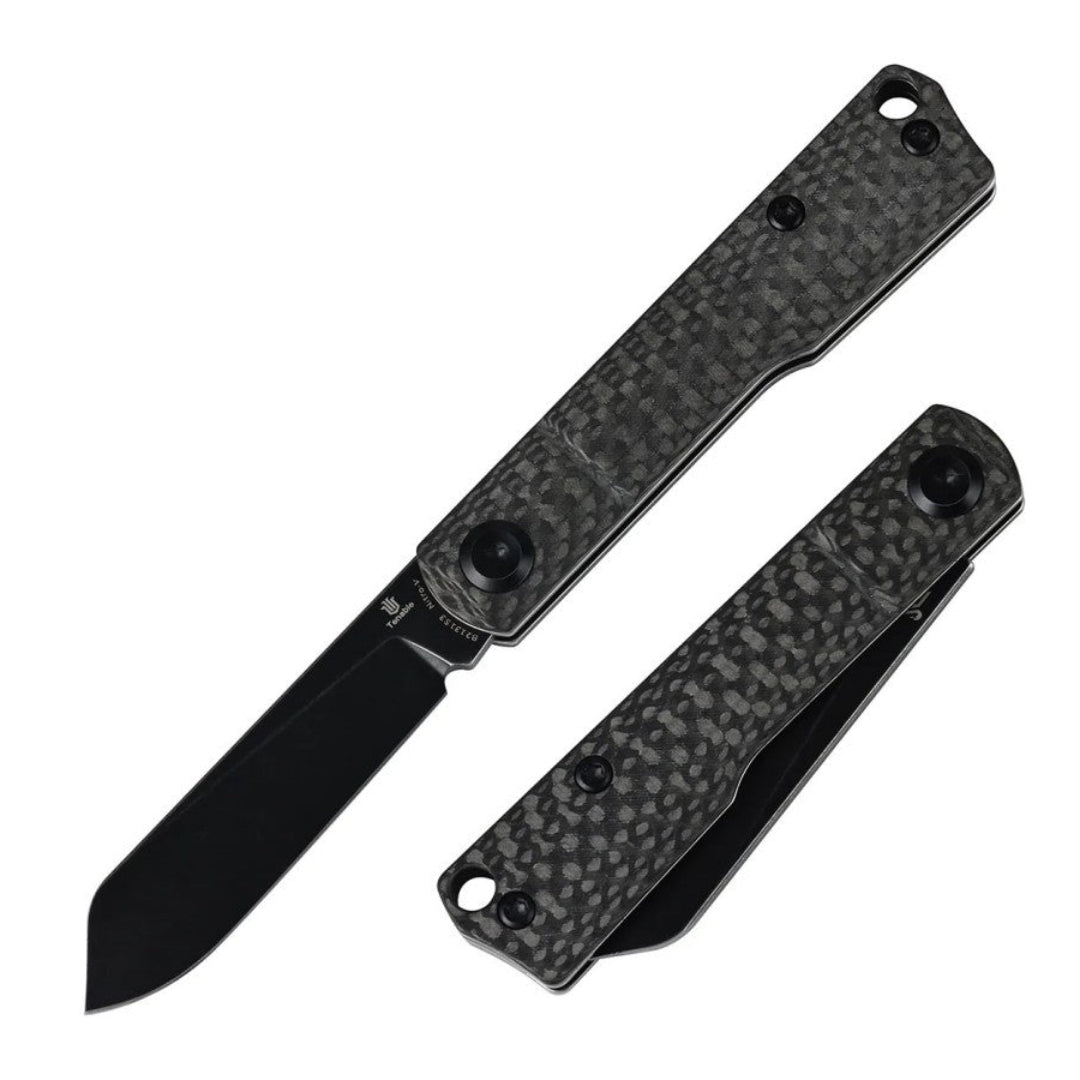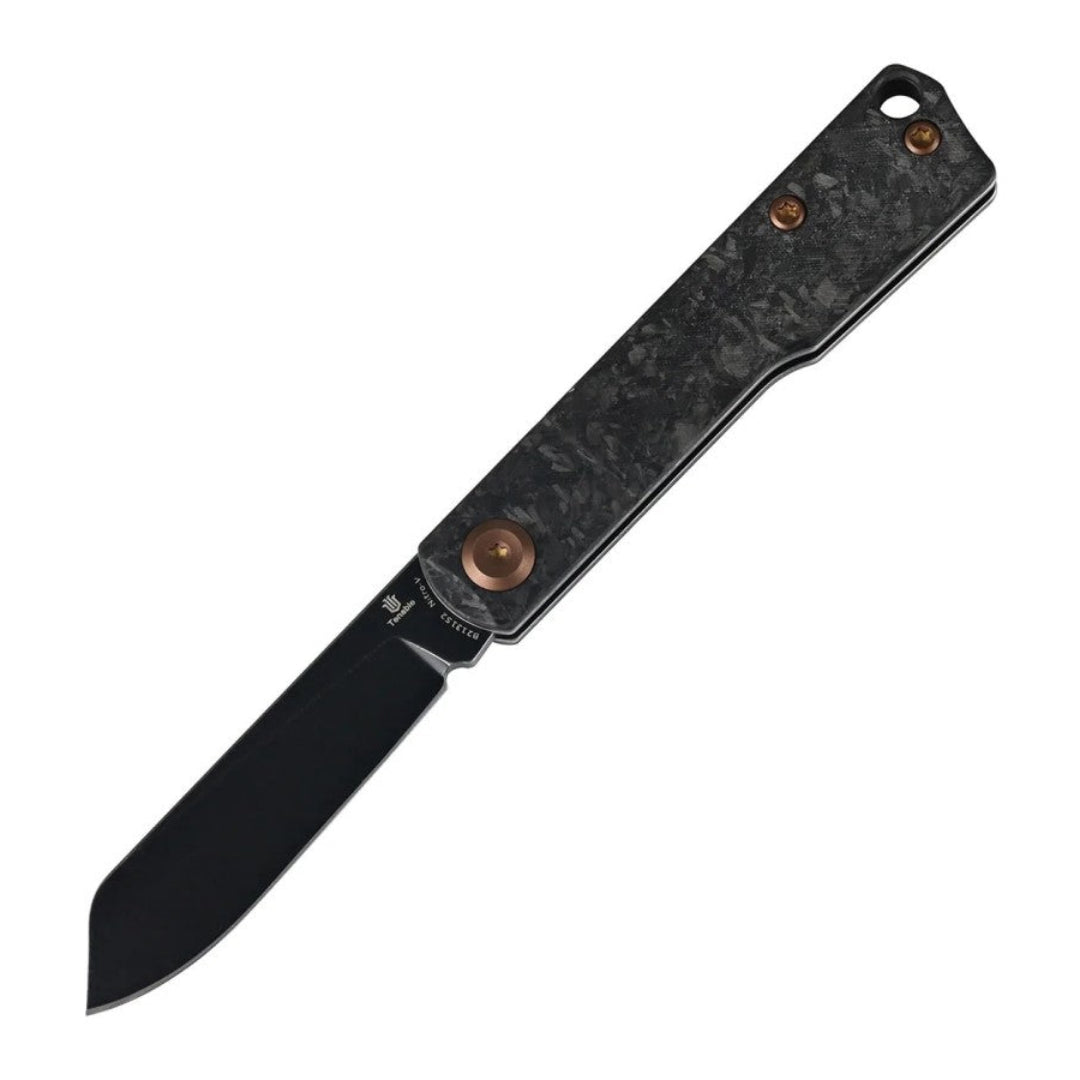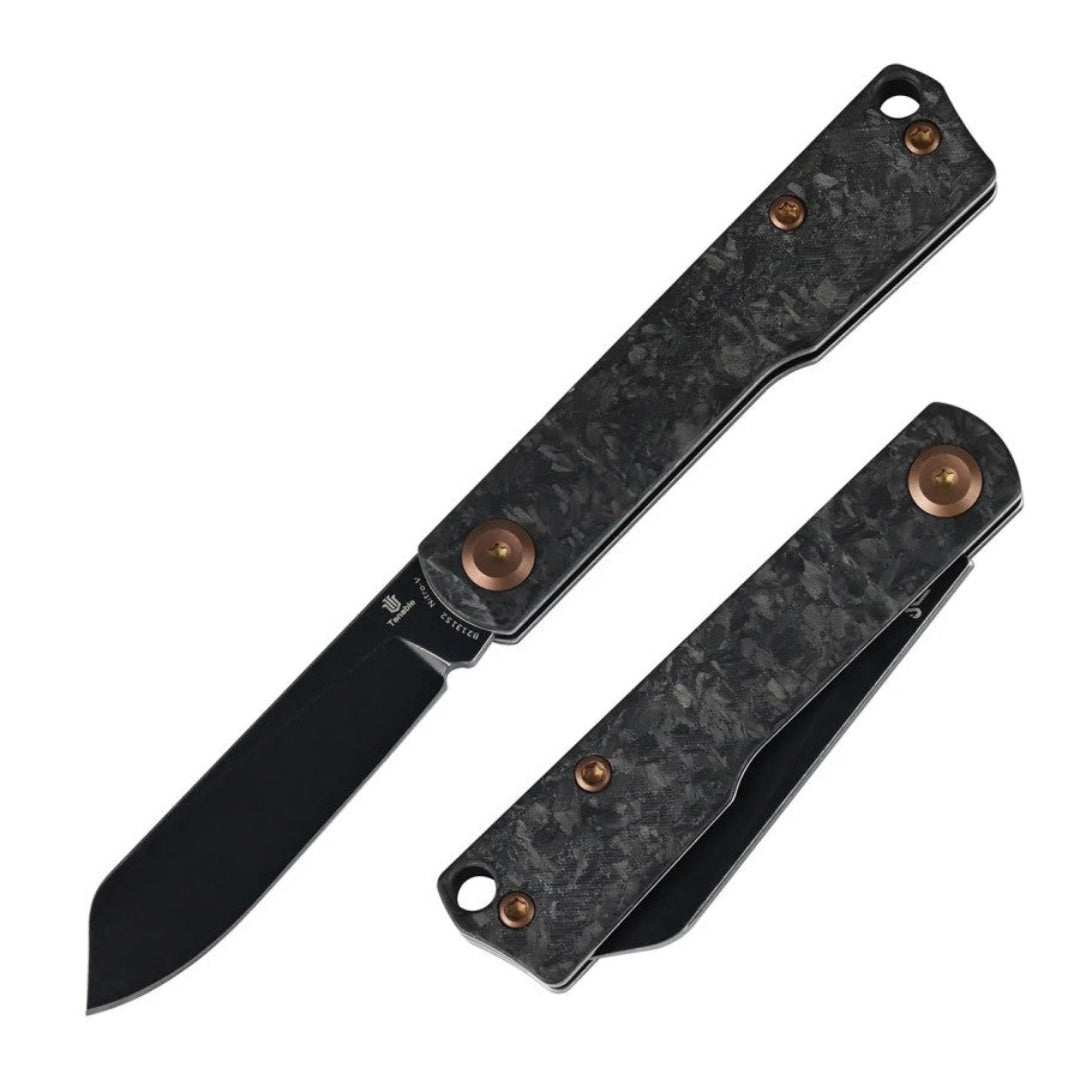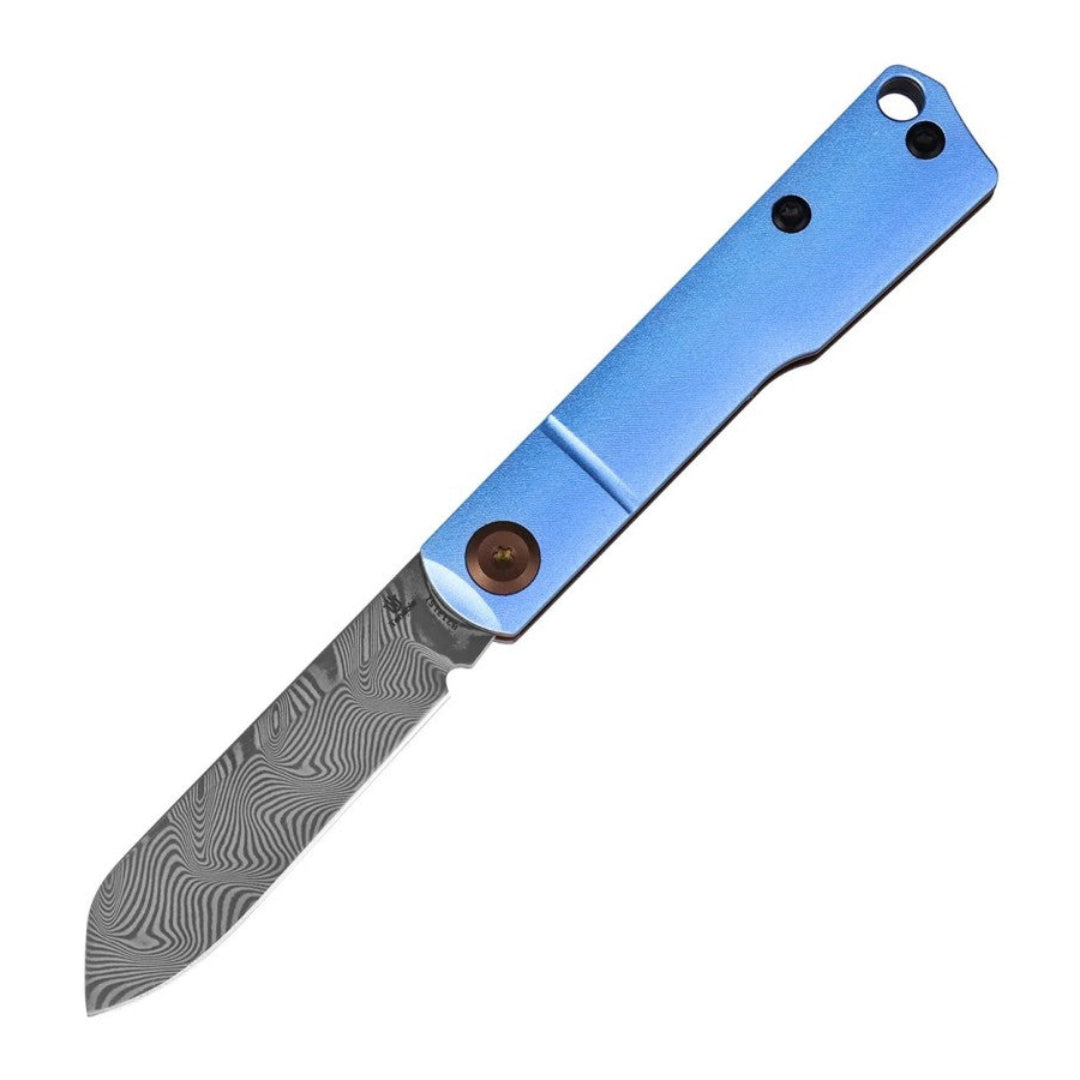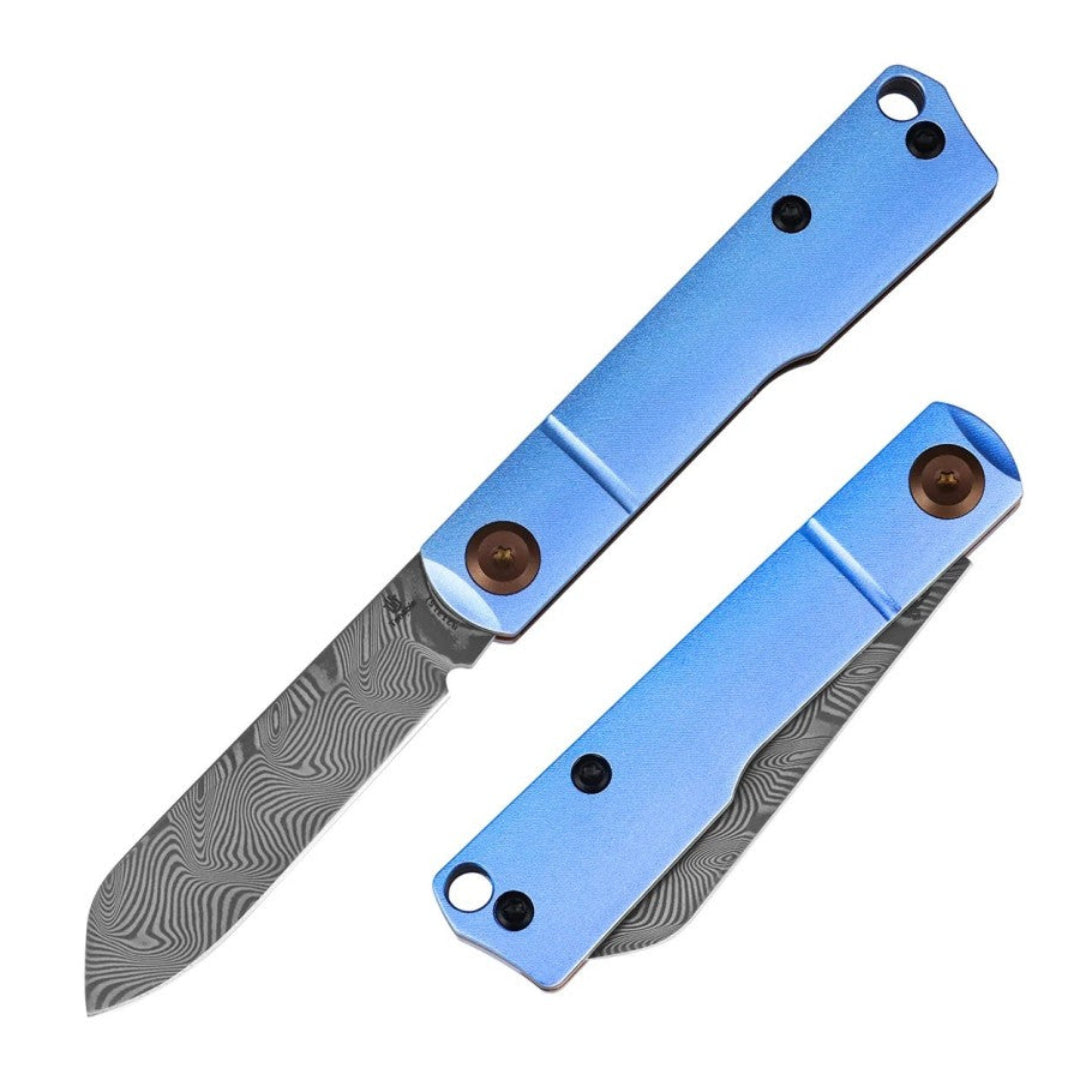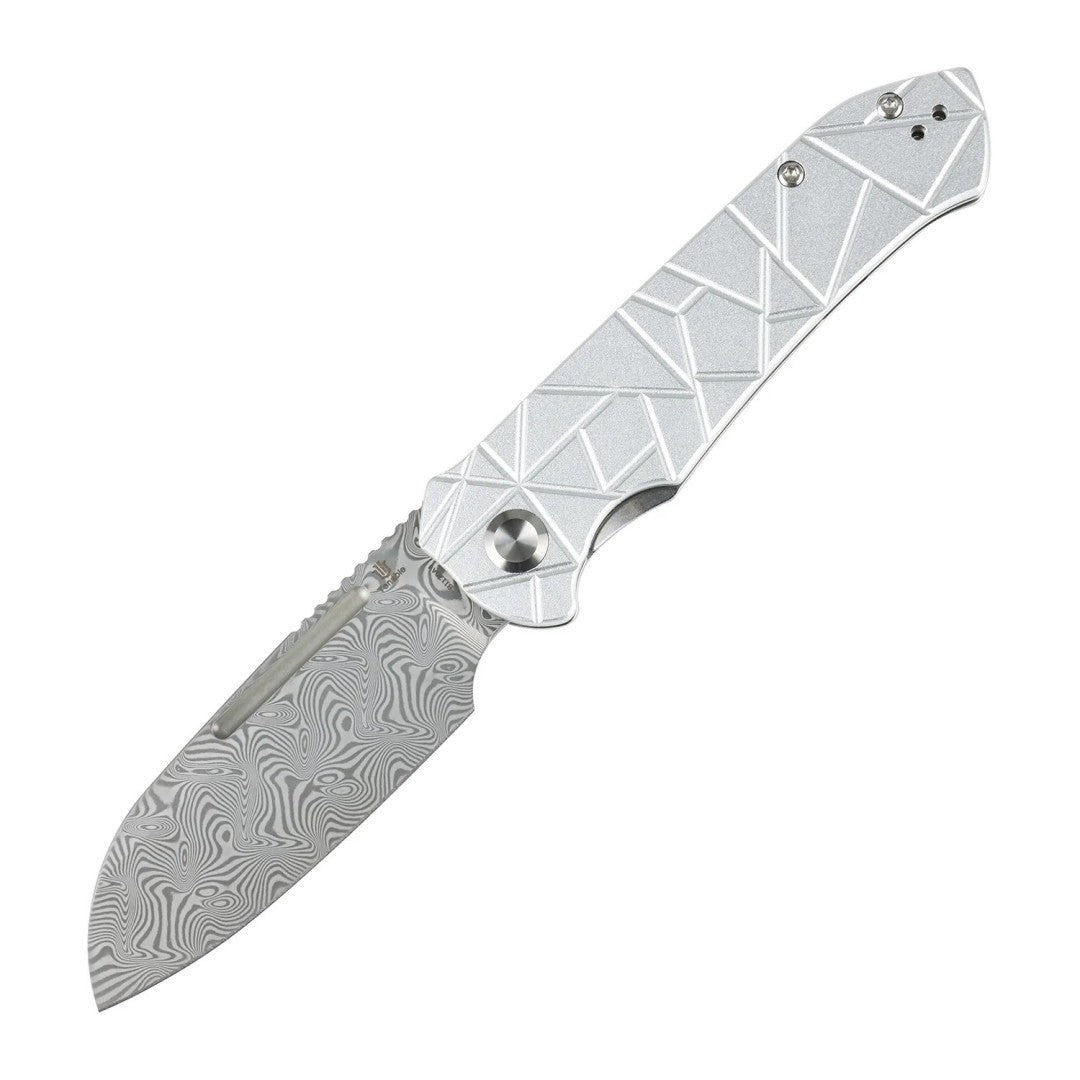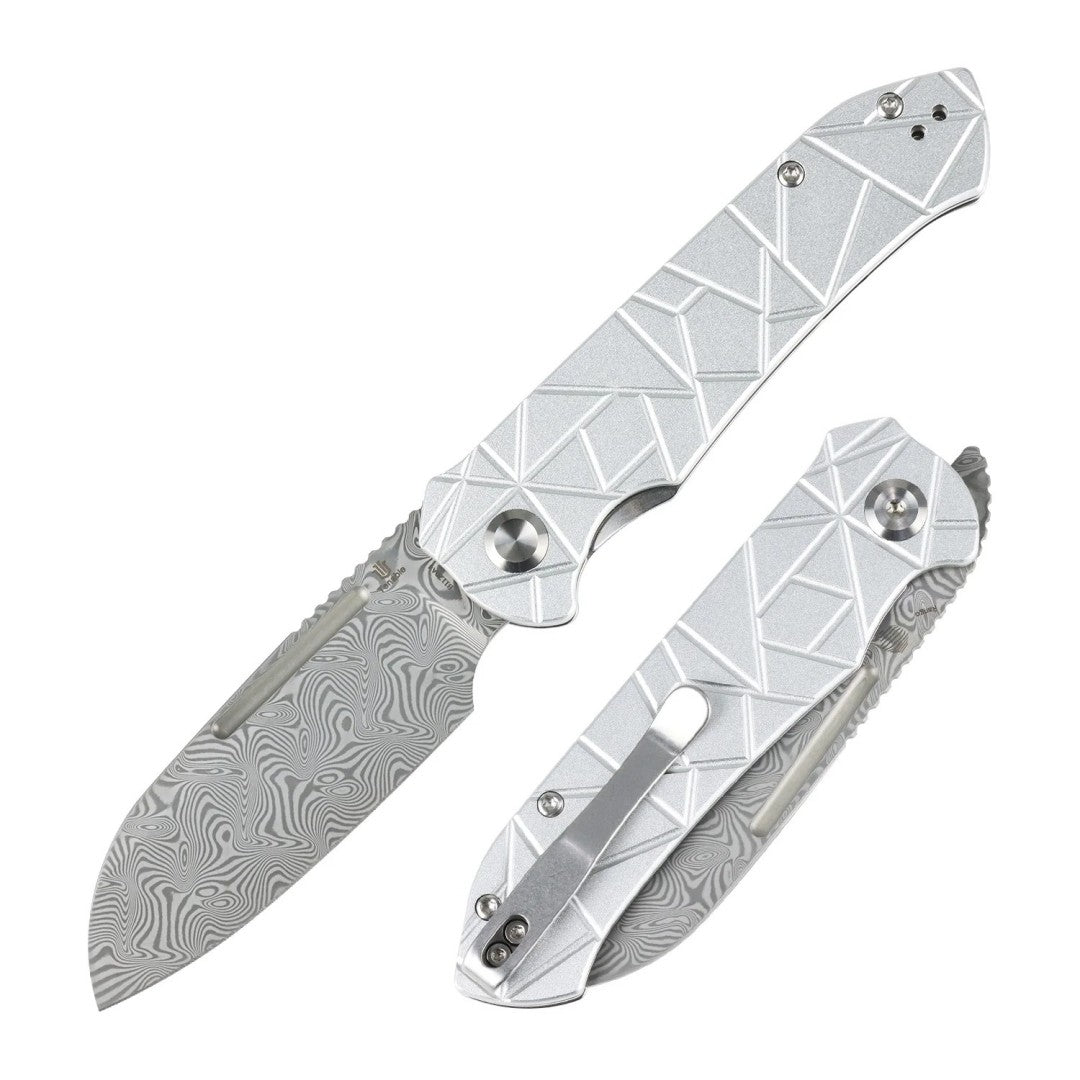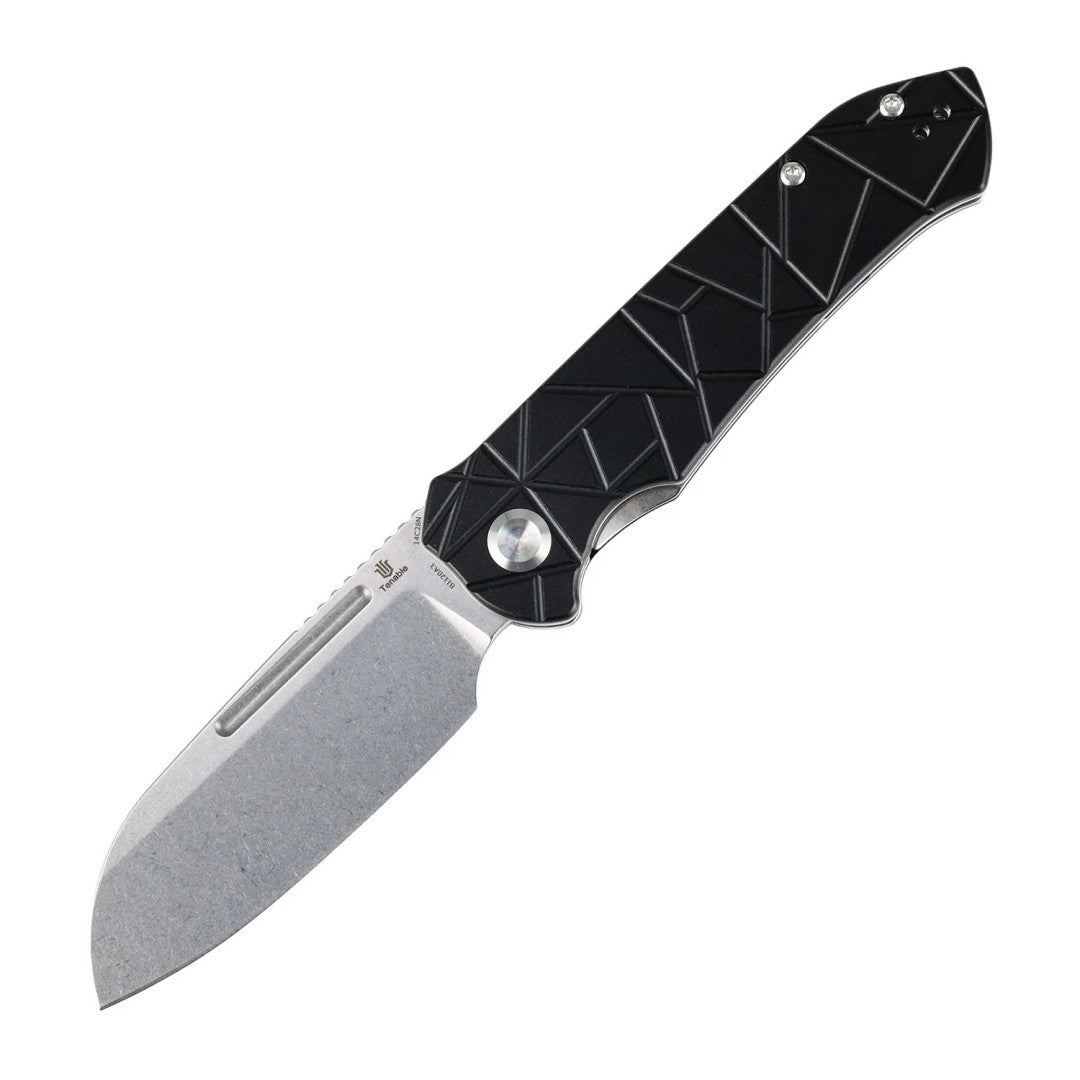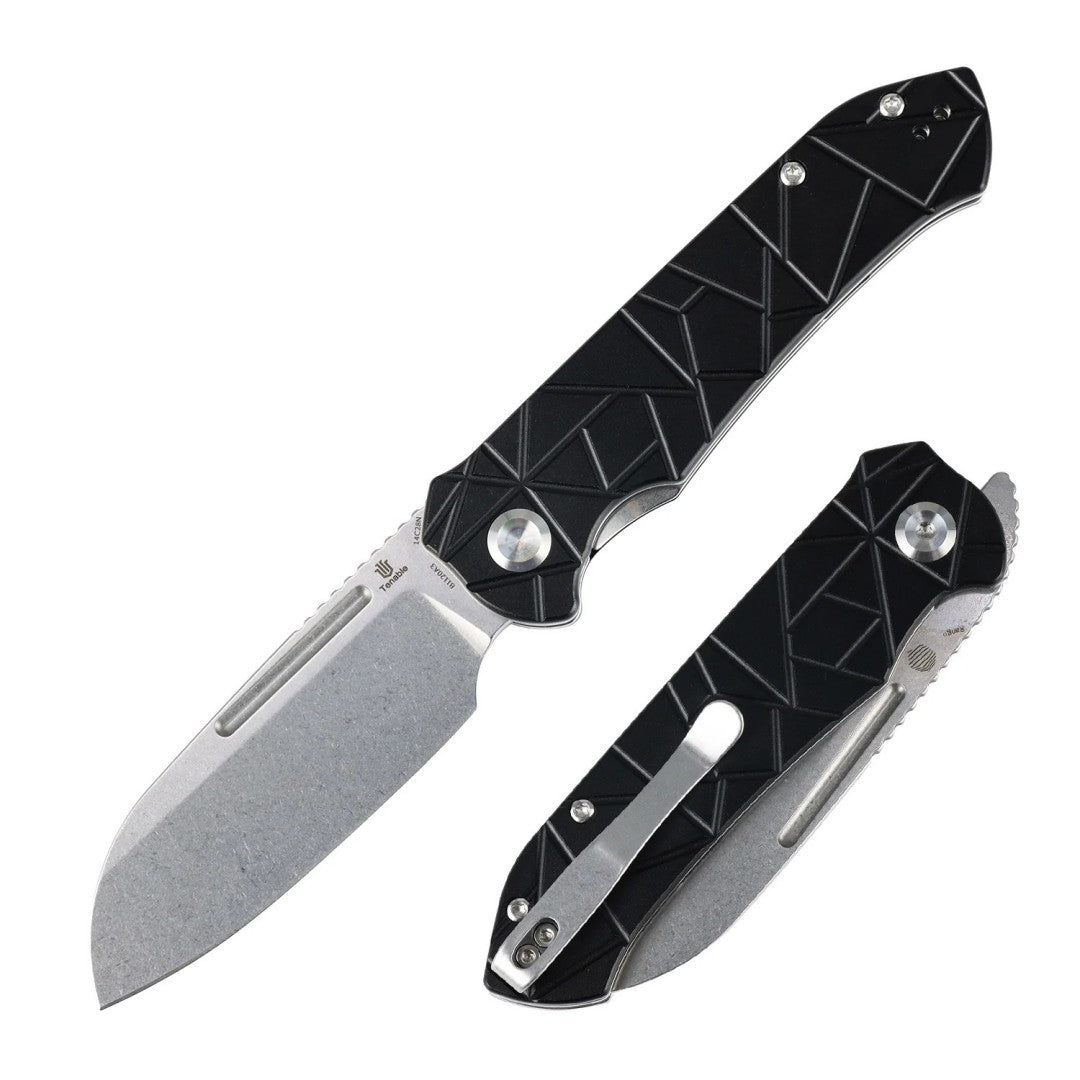

For any true everyday carry enthusiast, a folding knife is only as dependable as its locking mechanism. While a sharp blade and smooth deployment are highly desirable, it is the structural lockup that guarantees user safety during strenuous, real-world utility tasks. The Kansept Strip, a critically acclaimed collaboration born from the minimalist vision of Ron Steele Design, has become a standout favorite in the EDC community. But beneath its clean exterior lines lies an absolute masterclass in mechanical engineering. In this deep dive, we go inside the handle to analyze the precise physics, material choices, and tight manufacturing tolerances that power the Kansept Strip titanium frame lock mechanics.

The Anatomy of a Premium Frame Lock
The fundamental blueprint of this folder relies on an integral titanium frame lock construction. In this configuration, one entire side of the solid 6Al4V titanium handle scale acts as the locking spring.
When the 3.4-inch modified Wharncliffe blade is deployed, the tensioned titanium lock bar snaps inward, wedging itself directly against the hardened steel tang at the rear of the blade. Because titanium possesses a natural elasticity combined with an incredibly high strength-to-weight ratio, it provides a rigid, structural barrier that prevents the blade from accidentally folding closed under heavy downward pressure.
Solving the "Lock Stick" Dilemma with Smart Engineering
Historically, pure titanium frame locks suffered from a notorious mechanical issue known as "lock stick." Because titanium is a relatively soft, sticky metal compared to hardened blade steels like CPM MagnaCut, repetitive metal-on-metal friction would cause the two surfaces to gall over time. This resulted in a gritty, stubborn lock disengagement that frustrated users.

Kansept solves this industry-wide problem by integrating a hardened steel lock bar insert directly onto the interface of the titanium lock face. This small, precision-machined component completely redefines the user experience:
-
Steel-on-Steel Interface: The hardened steel insert meets the steel blade tang smoothly, ensuring a crisp, tactile lock engagement without a hint of stickiness.
-
Overtravel Prevention: The insert features an integrated lip that acts as an overtravel guard. This prevents the user from accidentally bending the titanium lock bar too far outward when disengaging the knife, preserving the lock's factory-tuned tension for life.
-
Replaceable Longevity: Should decades of heavy use ever cause minimal lock wear, the insert can be easily serviced or replaced, ensuring the knife maintains a vault-like lockup indefinitely.
The Physics of Perfect Lock Geometry
A secure lockup is not just about raw materials; it is a game of precise angles. The lock face on the blade tang of this folder is ground at a highly specific, subtle angle rather than being perfectly flat.
This geometric slope ensures that as the lock bar slides into place, it creates a wedge effect. Kansept’s factory tolerances ensure that the lock up engages at roughly 30% to 40% of the blade's thickness out of the box. This is widely considered the absolute sweet spot by knife mechanics. It leaves plenty of room for the lock to naturally migrate inward over decades of deployment without creating horizontal or vertical blade play.
Combined with a perfectly tuned ceramic detent ball nested within the lock bar, the knife offers a seamless transition from closed to open. When closed, the detent ball holds the blade securely centered within the handle scales. Once you actuate the low-profile front flipper or place your thumb in the elongated thumb hole, the blade breaks free cleanly, riding effortlessly on high-grade ceramic ball bearings.

Ergonomic Security and Pocket Integration
The genius of Ron Steele’s design language is that the frame lock mechanics enhance the tool's ergonomics rather than cluttering them. The 4.78-inch handle profile is meticulously chamfered, ensuring that when you wrap your fingers around the scales, your natural grip naturally applies inward pressure onto the lock bar. This creates an organic secondary safety measure—the harder you grip the knife during a tough cutting task, the more securely the lock is held in place.
Whether you choose a model featuring rugged brown Micarta overlays, vibrant Fatcarbon, or premium carbon fiber, the scales are machined completely flush with the titanium locking mechanism. Weighing in at just 3.86 ounces, the knife carries flat and low in the pocket via a 3D-machined titanium pocket clip.
Ultimately, the internal mechanics of this model prove that true premium status is earned on the inside. By combining elite CNC manufacturing with a time-tested steel-reinforced frame lock, this folder offers the absolute peace of mind that modern gear enthusiasts demand from their daily carry tools.