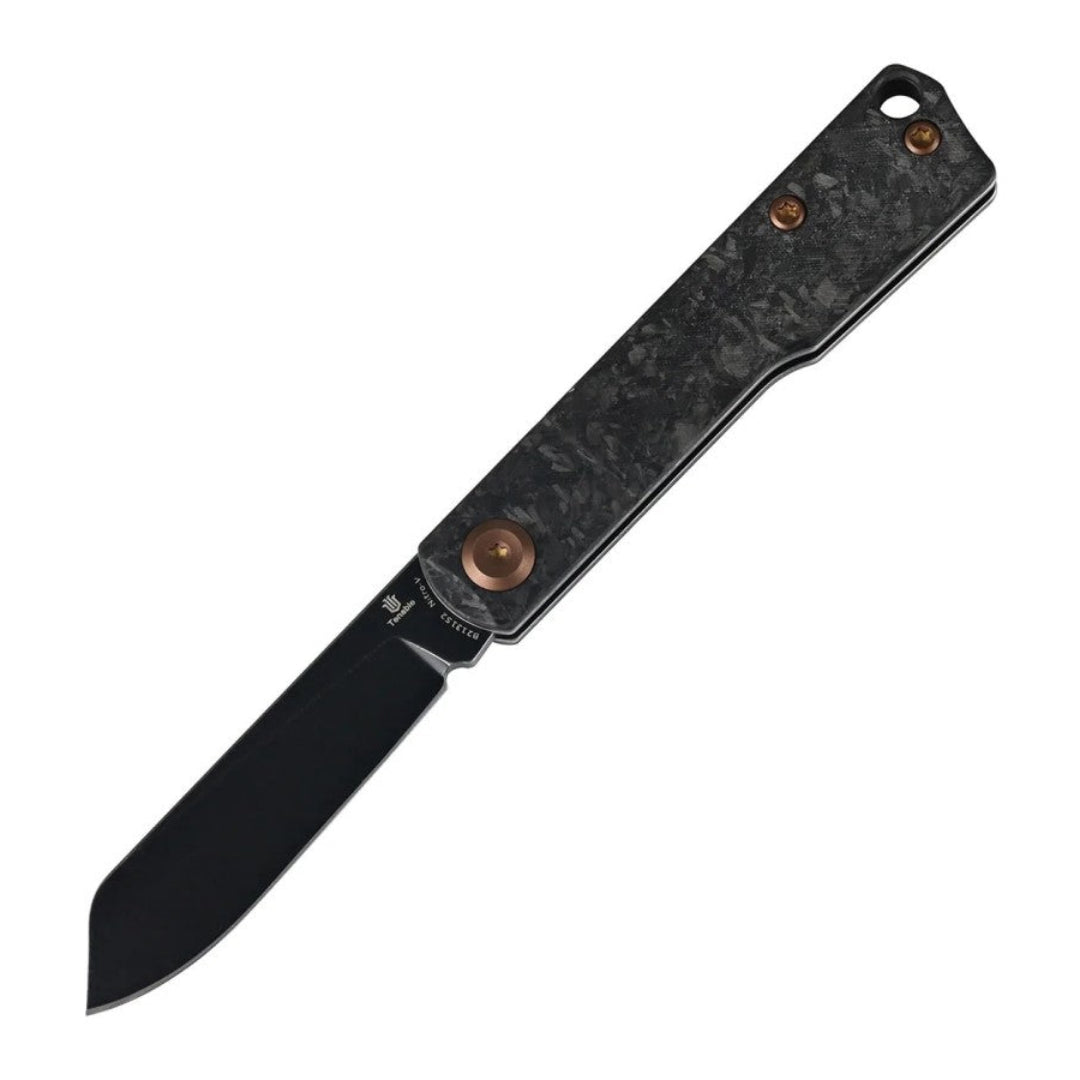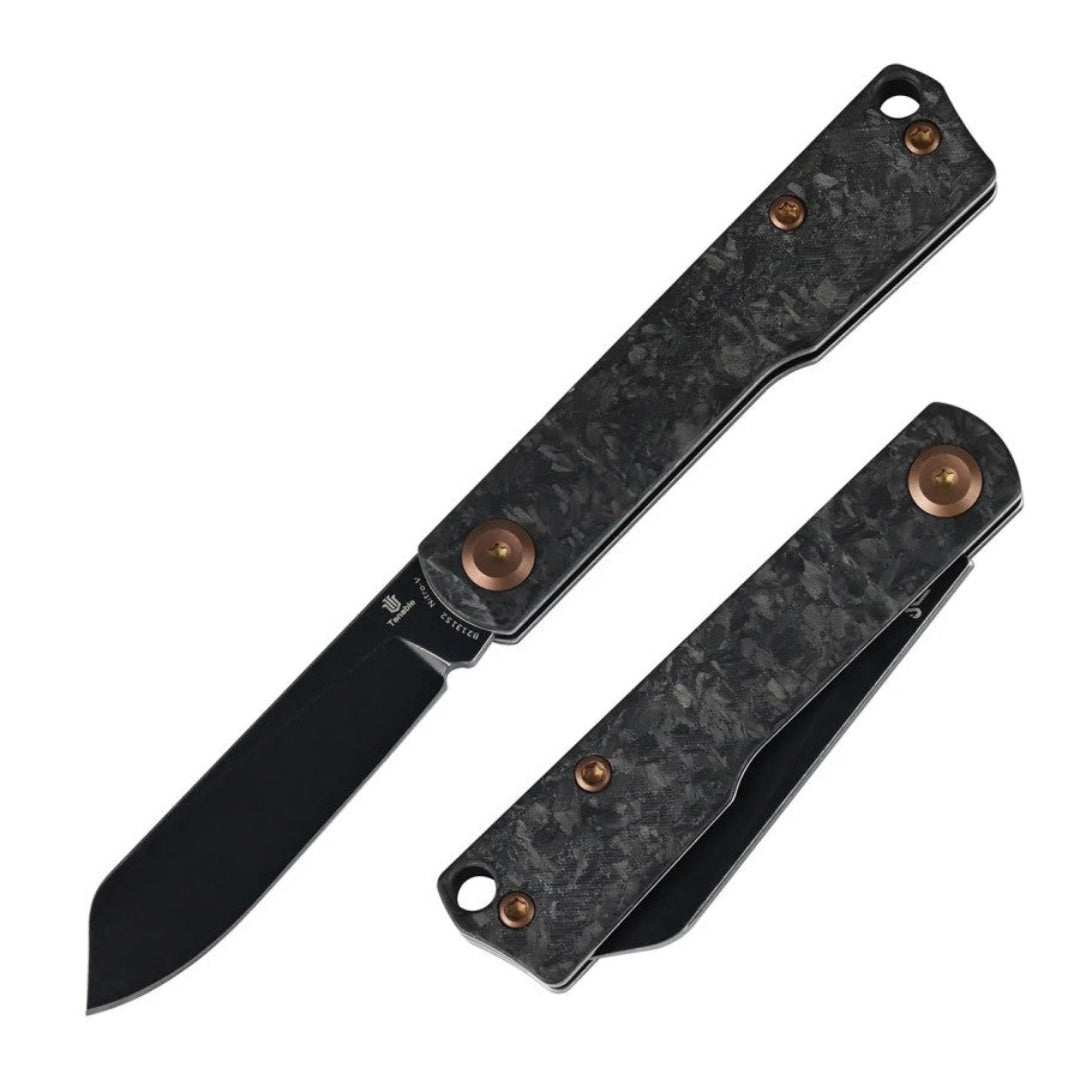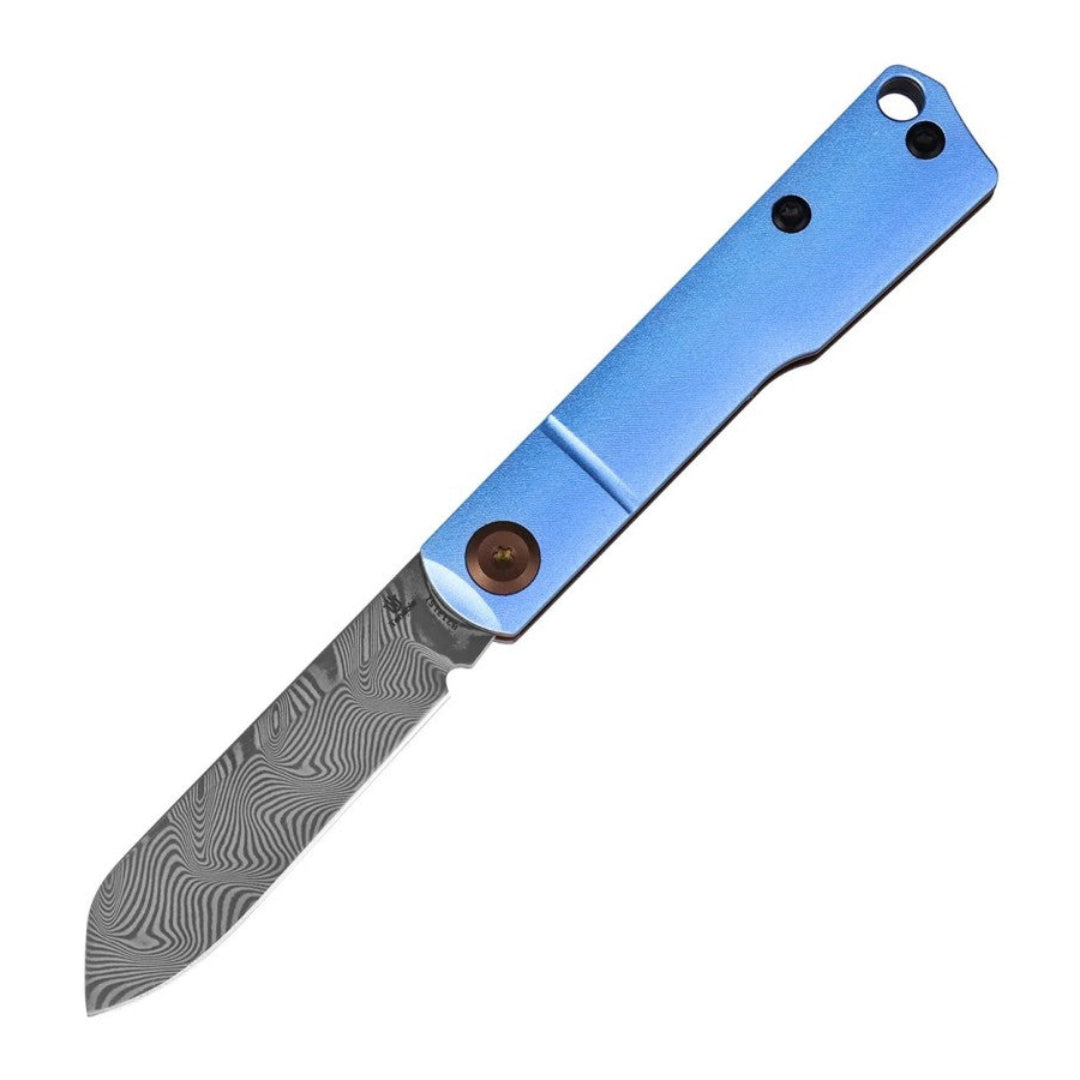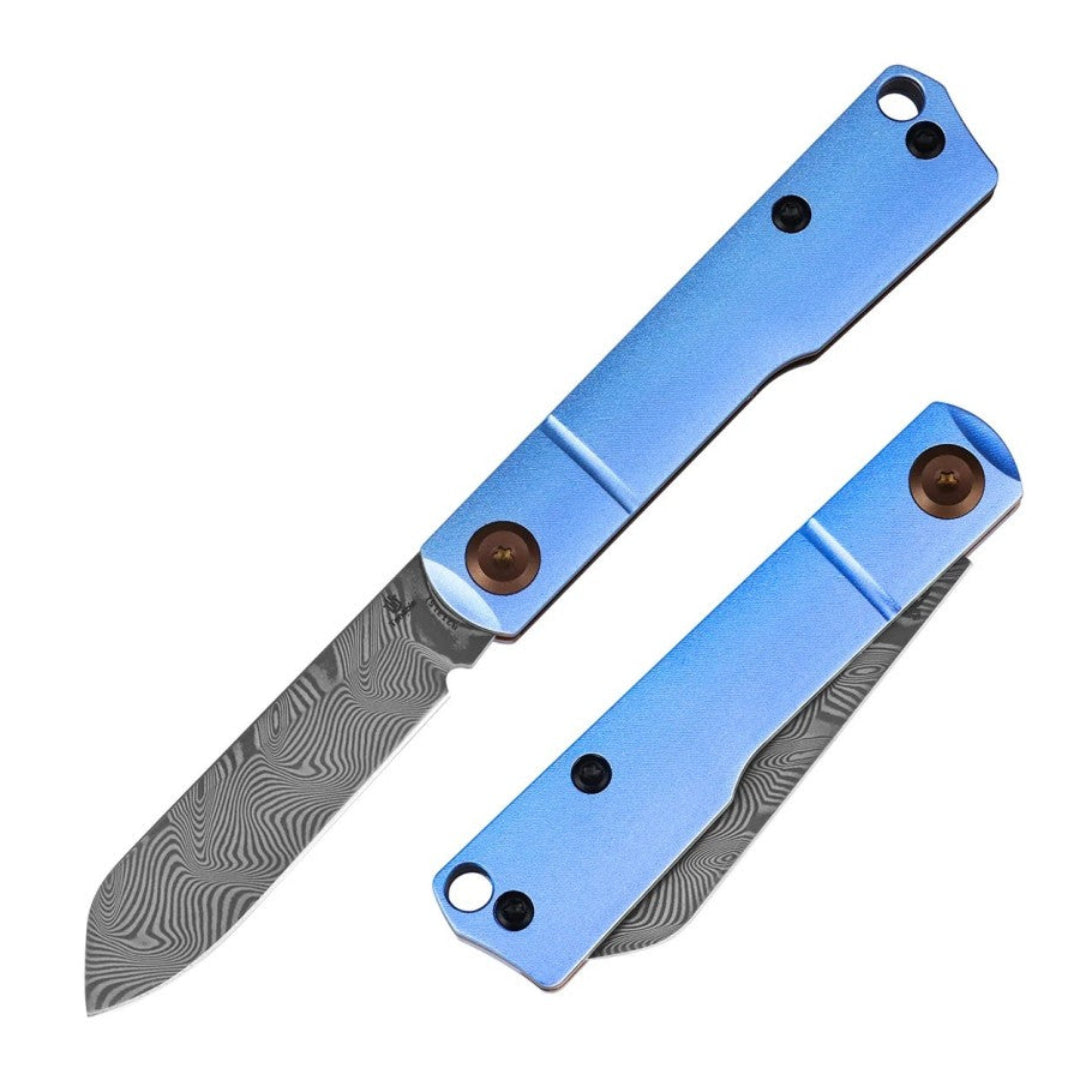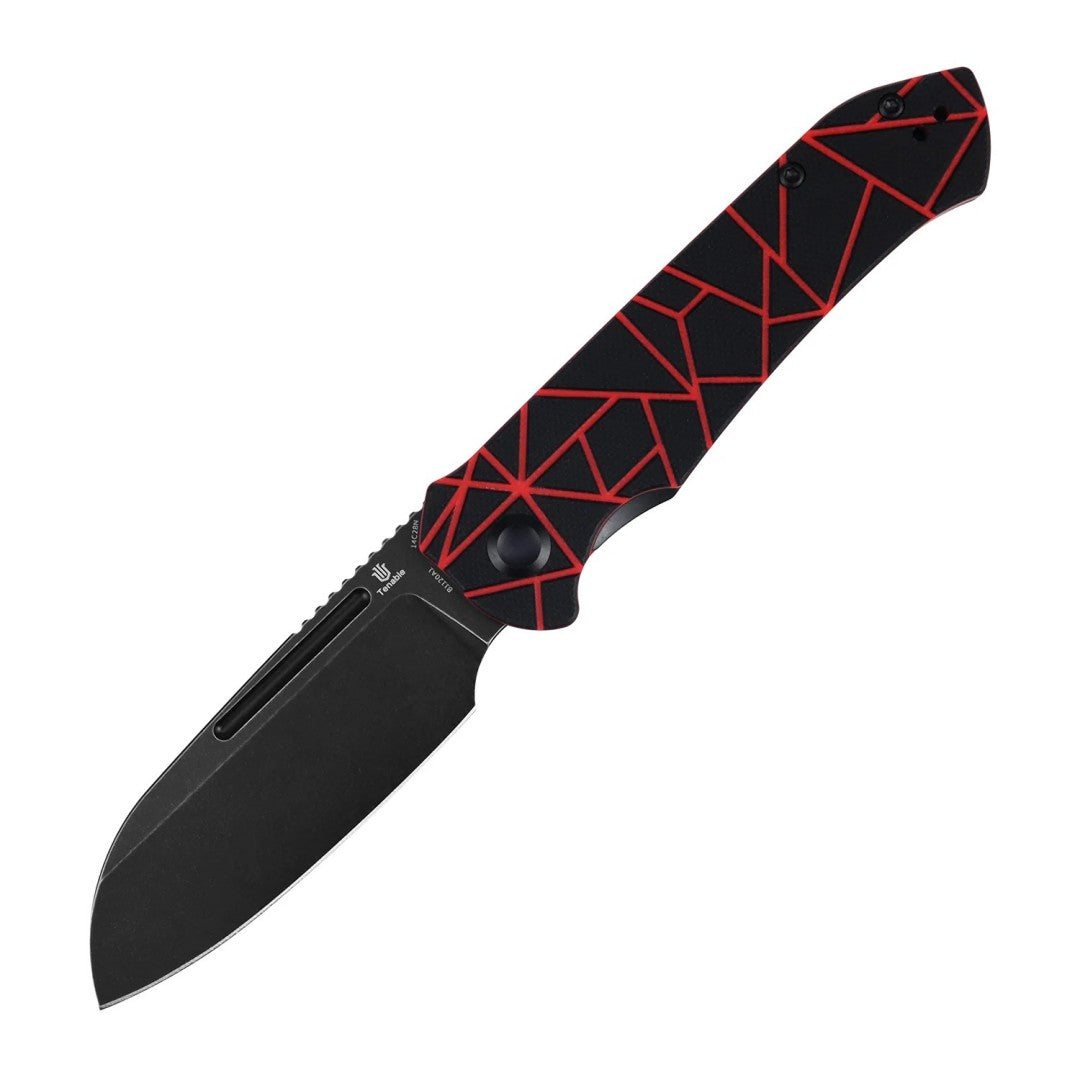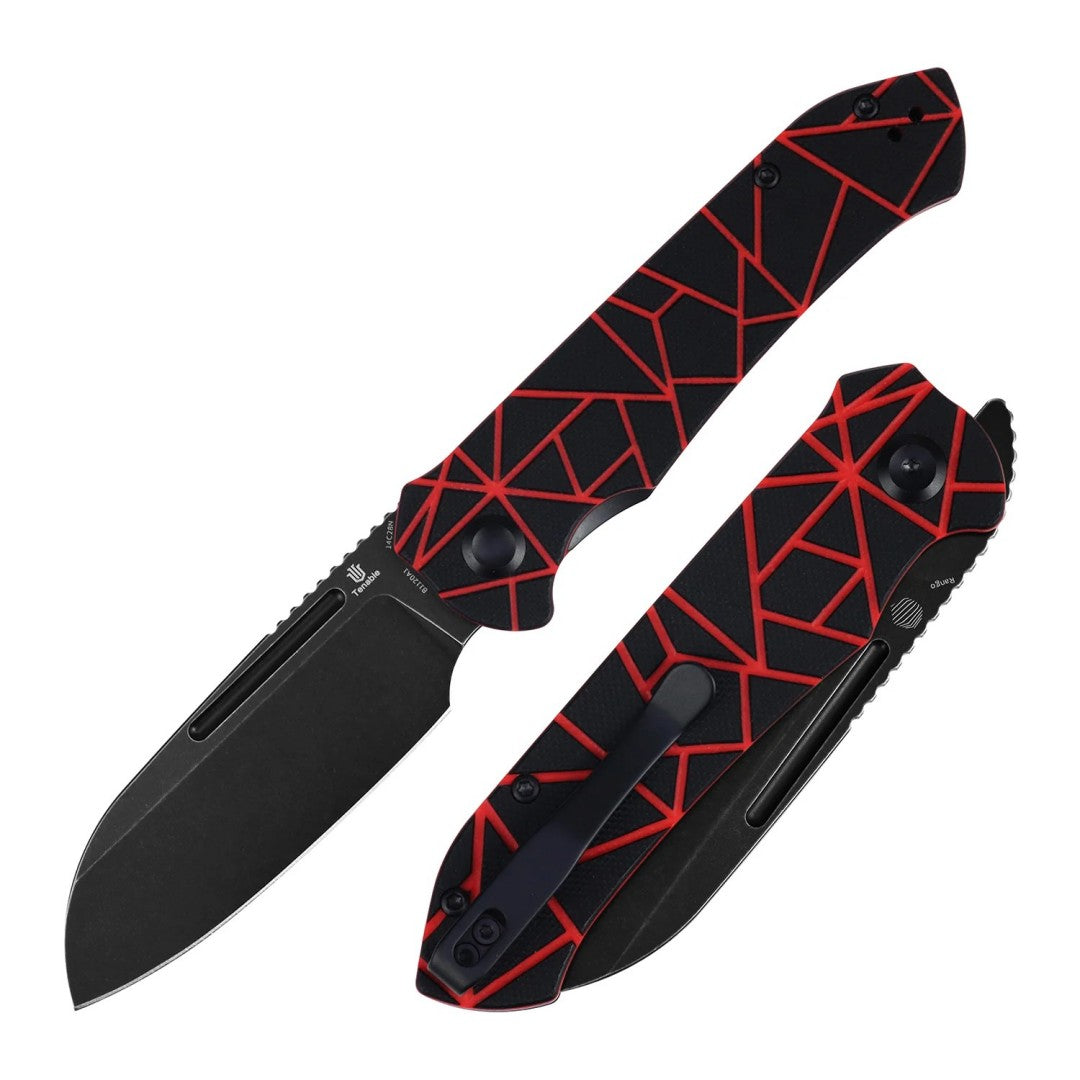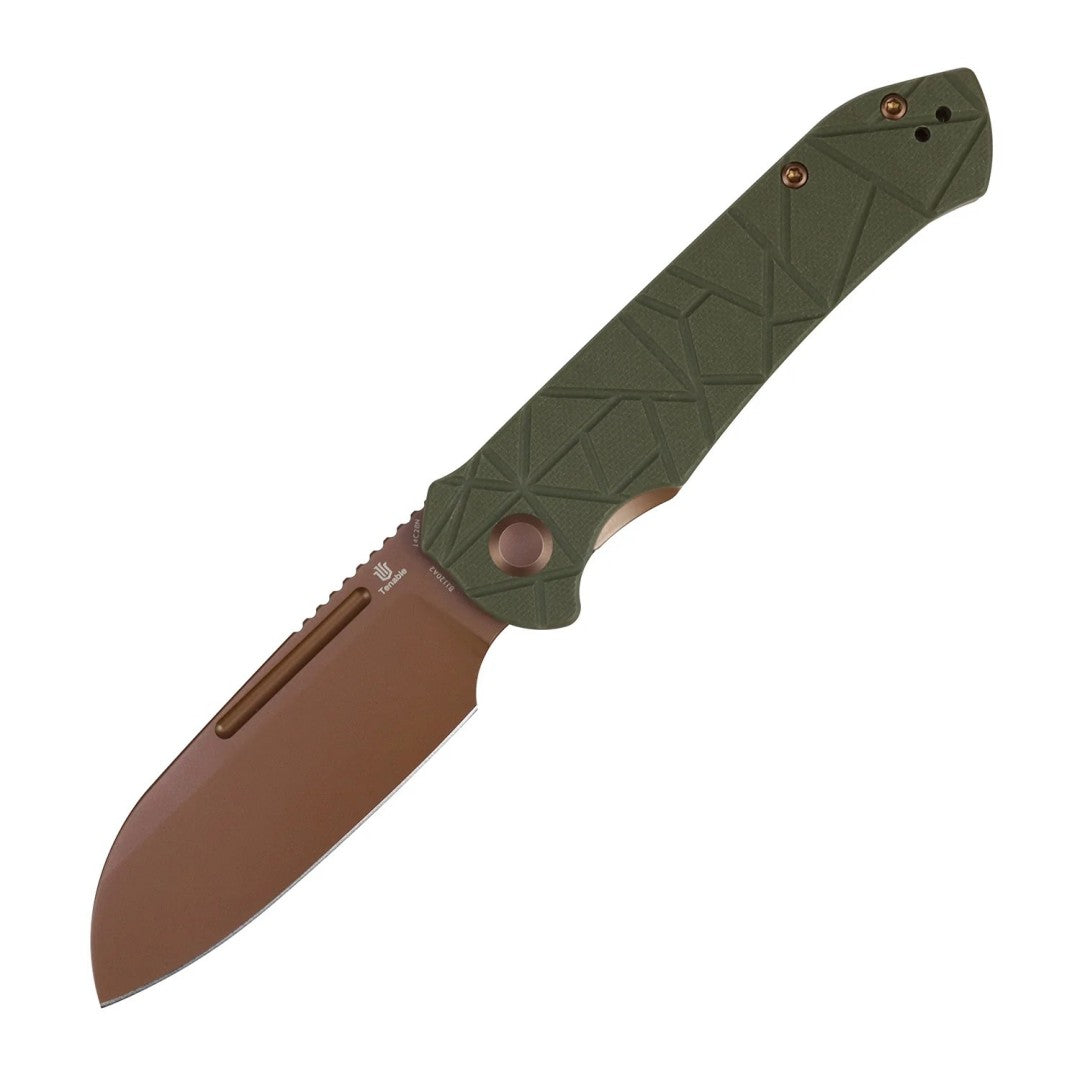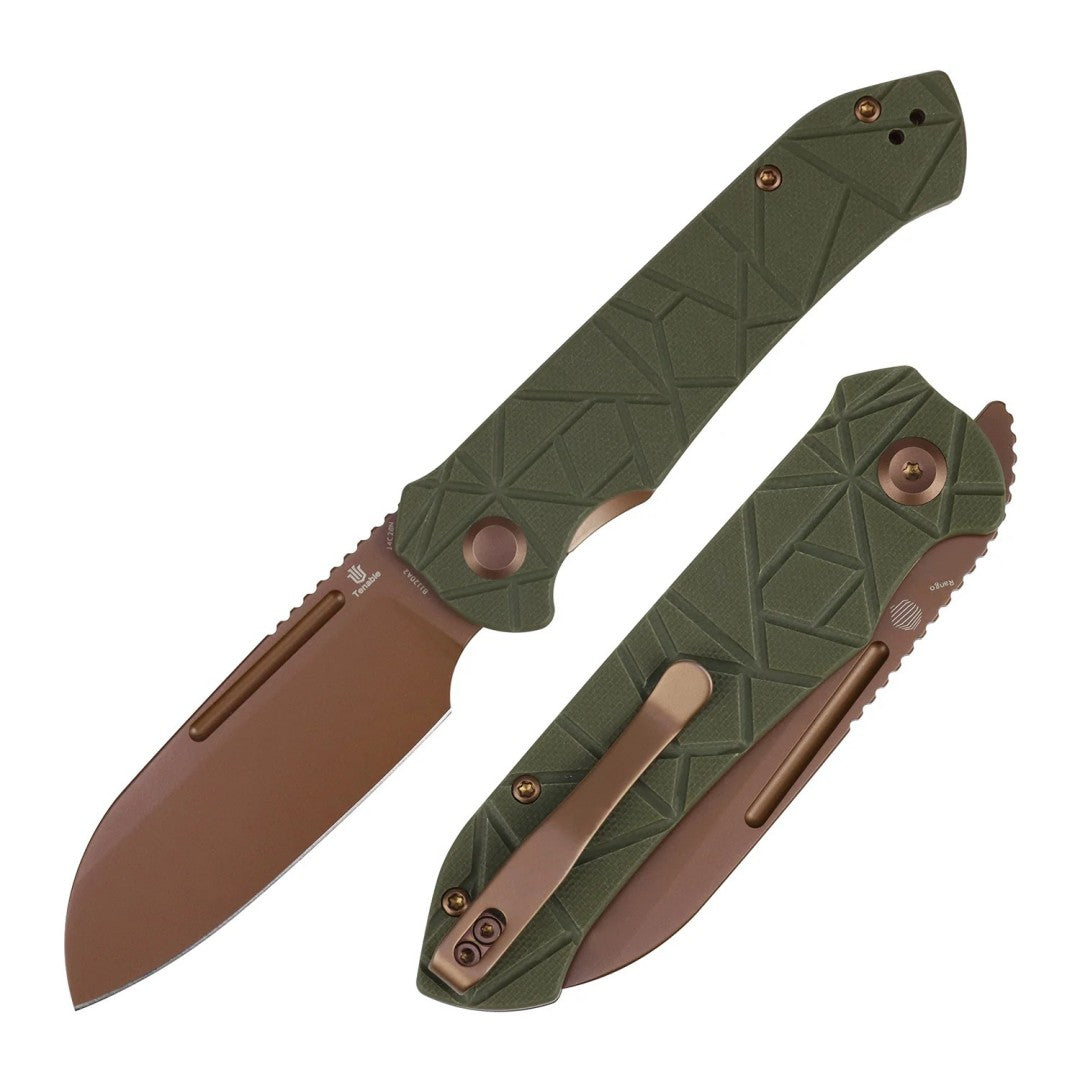

The everyday carry (EDC) knife market moves at absolute breakneck speed. Every single month, dozens of new budget-friendly pocket knives hit Shopify storefronts and online gear retailers, each promising better steel, flashier lock types, and smoother deployment.
When the QSP Penguin first exploded onto the scene a few years ago, it was instantly hailed as the undisputed king of budget folding knives. It offered an unbelievable mixture of utility, satisfying action, and solid materials for a sub-$35 price tag.

But time passes quickly. In a market flooded with newer crossbar locks, ball-bearing pivots, and highly competitive steels, is the QSP Penguin still worth your hard-earned money this year? Or has it finally been left in the dust by newer pocket knife trends?
Let's look past the old internet hype and evaluate where the Penguin stands today.
The Ultimate Utility Geometry: The Blade Shape
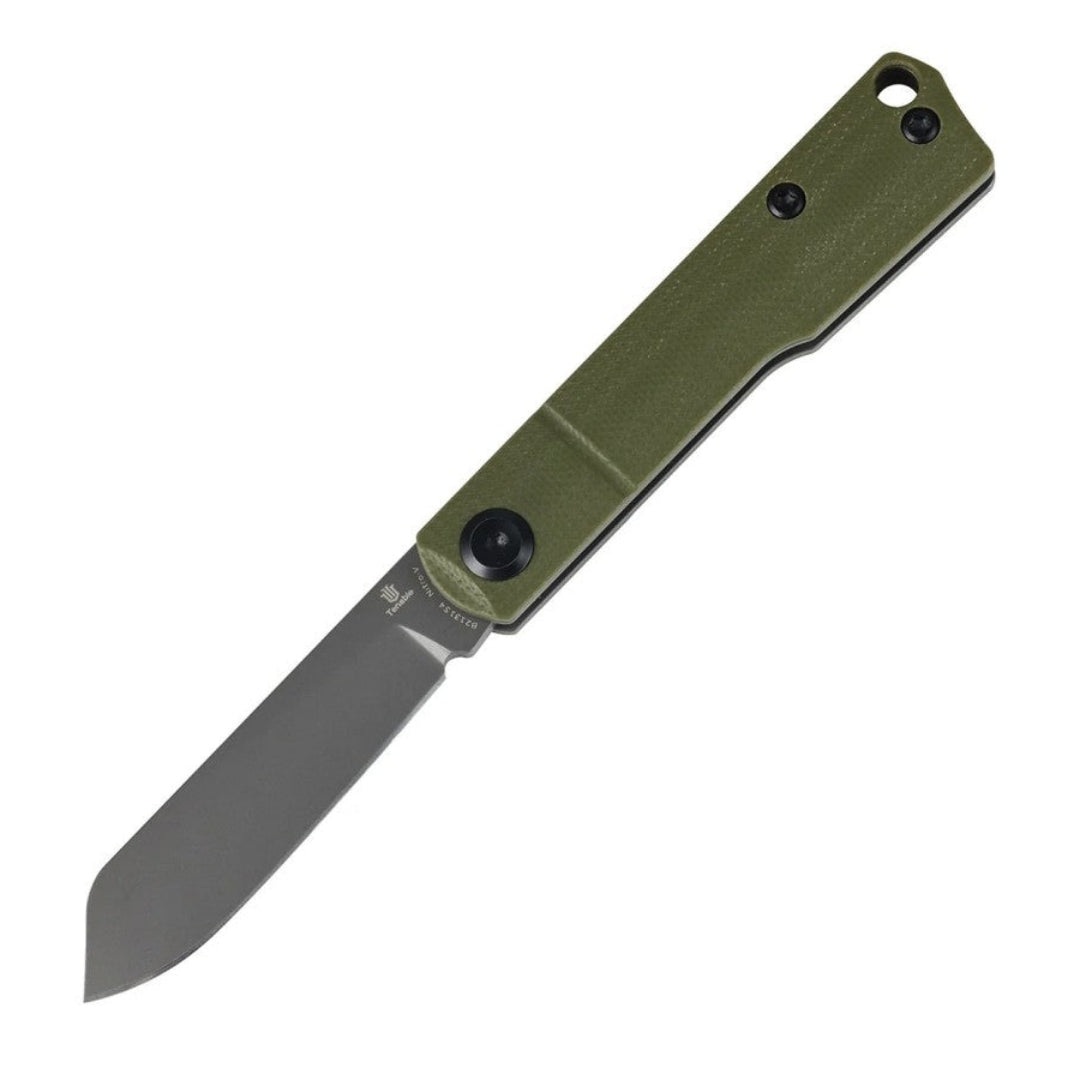
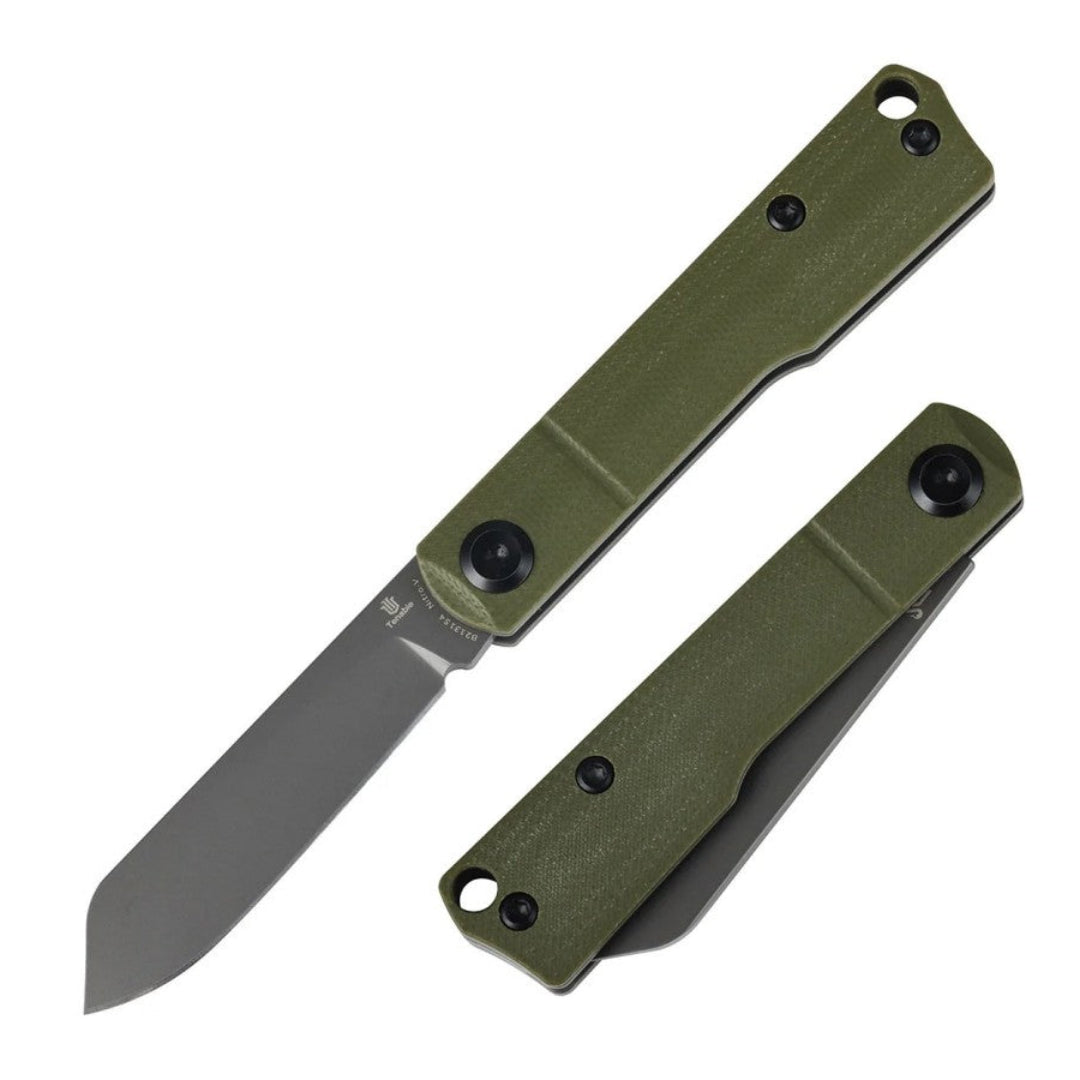
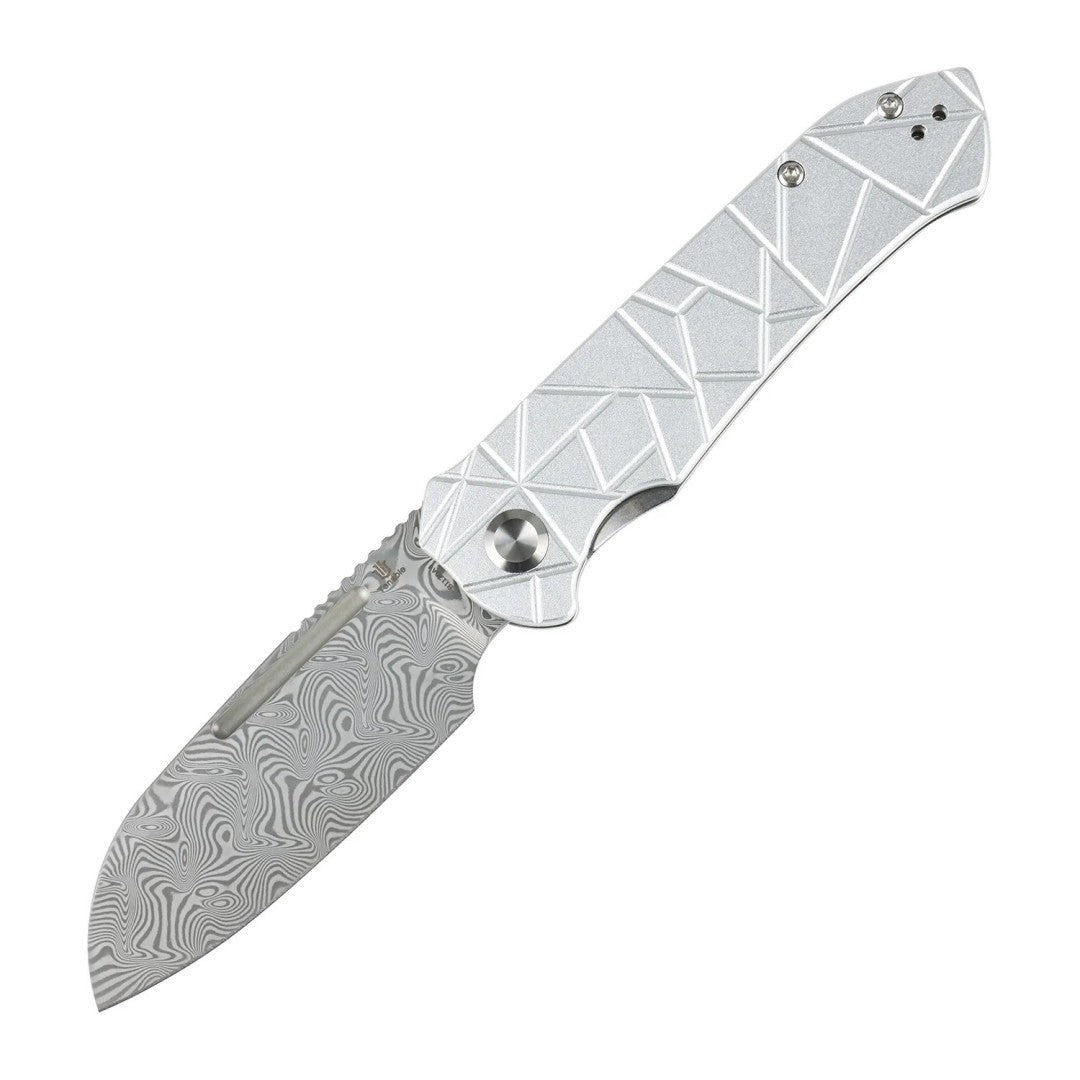
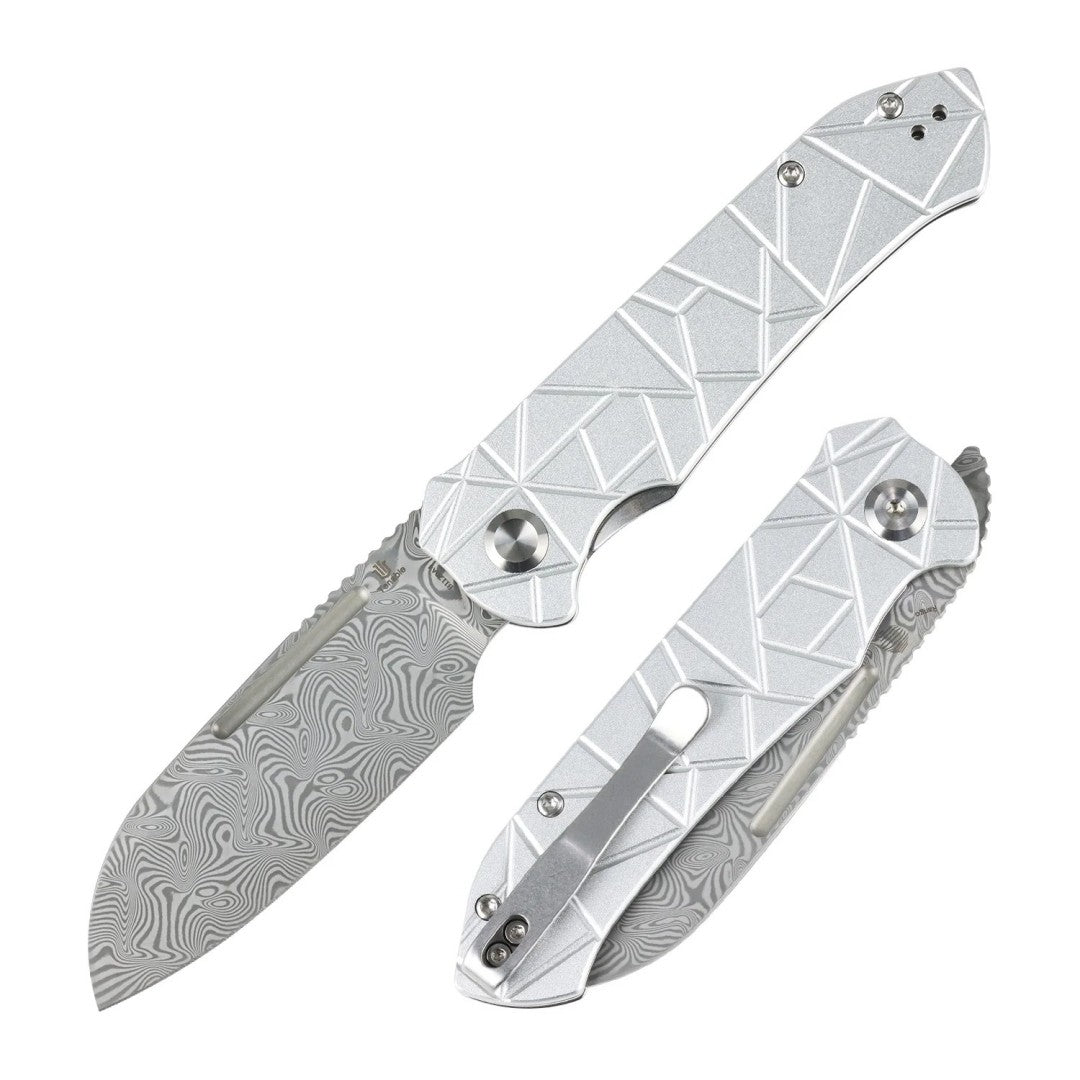
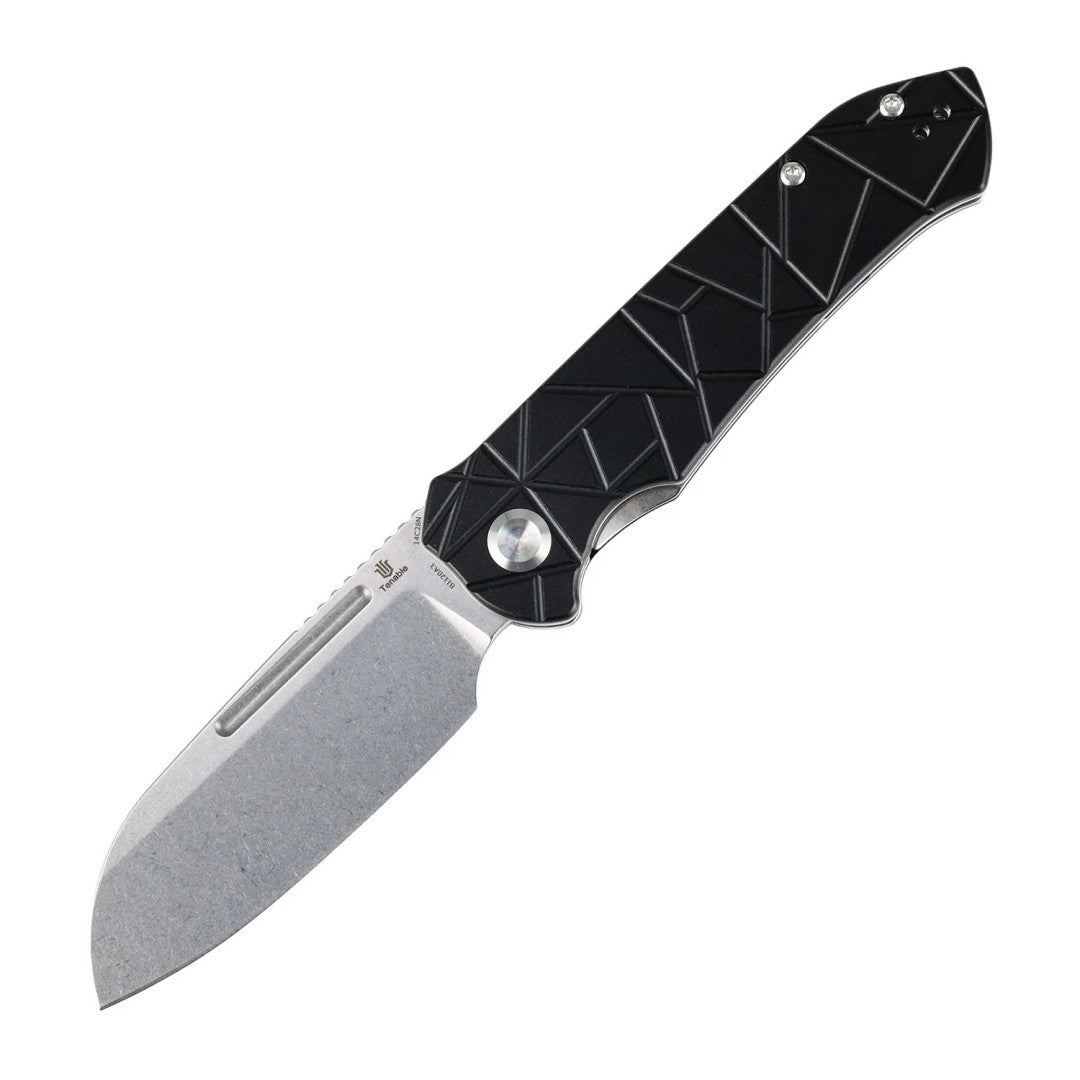
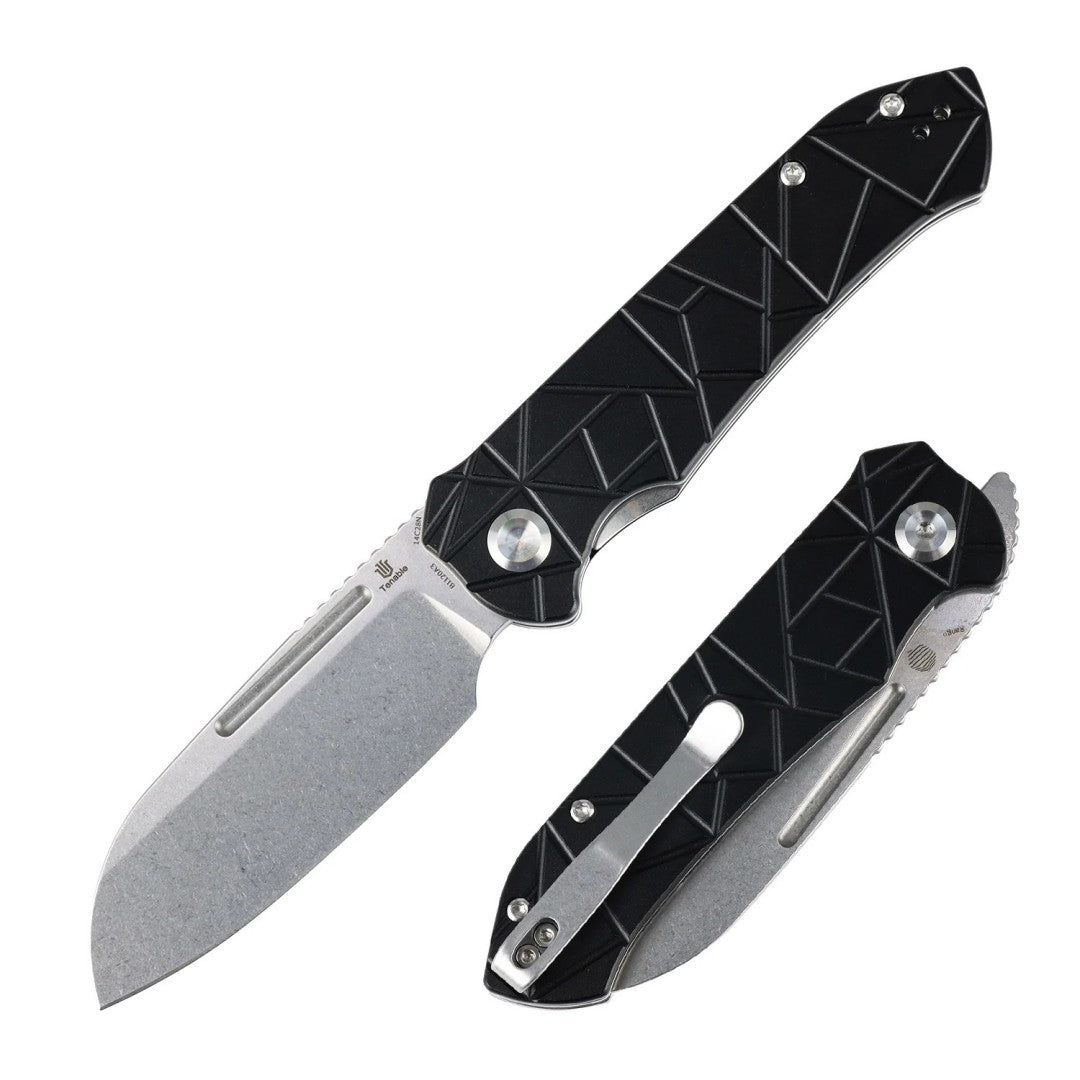
Many pocket knives look flashy but fall flat when it comes to actual daily work. The Penguin's enduring strength lies in its modified Wharncliffe / sheepsfoot blade shape.
Unlike traditional drop-point or clip-point knives that feature a curved belly, the Penguin boasts a completely straight cutting edge. When you are performing common EDC tasks—like breaking down heavy cardboard shipping boxes, slicing through nylon rope, or stripping wire—the flat edge ensures that the material never slips away from the blade.
By focusing 100% of your hand's pressure right down to the tip, this geometry makes the knife work harder so your wrist doesn't have to. It remains one of the most practical, work-oriented blade shapes ever engineered for an everyday carry knife.
Evolution of the Penguin Lineup
One major reason the Penguin remains incredibly relevant this year is that QSP didn't leave the design stagnant. They turned the Penguin into an entire ecosystem. While the classic budget version is still a bestseller, the platform has evolved significantly to cater to varying budgets and preferences.
Depending on your personal style and target budget, you can now find the Penguin in several distinct tiers:
-
The Budget Icon: D2 tool steel paired with canvas or denim Micarta handles. This is the classic configuration that started the craze and remains an unbeatable daily workhorse.
-
The Premium Upgrades: Milled Titanium handles paired with elite, edge-retaining steels like CPM-20CV or M390. These variants offer custom-knife luxury at a fraction of standard premium prices.
-
The Button Lock Edition: For those who prefer fidget-friendly action over a traditional liner lock, the button lock variant allows the blade to swing freely with zero fingers crossing the path of the edge.

How It Competes Against Newer Trends
To figure out if the Penguin is still a smart buy this year, we have to look at how its core construction choices hold up against modern competitors.
1. Copper Washers vs. Ceramic Ball Bearings
Most budget knives today use ceramic ball bearings in the pivot to achieve a flashy, "drop-shut" deployment. The classic liner-lock Penguin intentionally uses phosphor bronze and copper washers.
While ball bearings feel smooth at a desk, they have a major weakness: they easily trap pocket lint, dirt, and construction dust, which grinds down the action. The Penguin's copper washers create a sealed, hydraulic smoothness. The more you use it, the more the metals polish each other. It is a pivot built to survive actual grit, making it a far superior choice for an actual work environment.
2. D2 Steel Performance in the Modern Landscape
Some knife enthusiasts argue that D2 tool steel is outdated compared to newer budget entry steels like 14C28N. While 14C28N offers better corrosion resistance, D2 steel still dominates when it comes to pure edge retention.
If your daily life involves slicing through abrasive materials like cardboard or zip-ties, the hardness of D2 means you will spend significantly less time sharpening your knife on the weekends.
Value Analysis
Let's break down exactly what you get for your money when you pick up a standard Penguin today:
| Feature | The Penguin Standard | The Competition Average | The Verdict |
| Pocket Clip | Deep-Carry, Reversible Steel | Shallow, non-reversible plastic/steel | Penguin Wins (Hides completely in pocket) |
| Handle Comfort | Neutral ergonomics (No forced finger grooves) | Aggressive, restrictive finger molding | Penguin Wins (Fits any hand size comfortably) |
| Build Integrity | Full steel liners, no flexing | Flimsy injection-molded plastic scales | Penguin Wins (Feels incredibly solid) |
The Verdict: Is It Still Worth Buying?
Without a doubt, yes. The QSP Penguin isn't just an artifact of past EDC internet hype; it has cemented itself as a permanent modern classic.
While other budget brands focus on flashy deployment mechanisms and colorful plastic shells, QSP stuck to an honest blueprint: an incredibly functional blade shape, highly durable mechanical washers, robust structural liners, and comfortable, textured handles.
If you want a trendy toy to fidget with at your computer desk, there are flashier options out there. But if you want a dependable, rugged, and highly capable pocket knife that punches way above its price tag, the QSP Penguin remains one of the absolute best values in the EDC world today.
Frequently Asked Questions
Why does the QSP Penguin use copper washers instead of ball bearings?
Copper and phosphor bronze washers provide a smooth, hydraulic deployment that is highly resistant to pocket lint, dirt, and debris. Unlike ball bearings, which can easily jam when exposed to dust or grime, washers are designed for heavy-duty reliability in real-world work environments.
Is D2 tool steel stainless, and will it rust?
D2 is considered a "semi-stainless" tool steel. It contains roughly 12% chromium, which offers decent corrosion resistance, but it can still develop patina or rust spots if exposed to moisture for long periods. Keeping the blade dry after use and applying an occasional drop of mineral oil will prevent any corrosion.
Which QSP Penguin variant is best for a beginner?
The classic D2 steel variant with denim or canvas Micarta handles is the best starting point. It offers the most traditional experience, exceptional value for money (typically under $35), and provides an outstanding introduction to high-quality everyday carry tools.