If you are just dipping your toes into the world of Everyday Carry (EDC), shopping for your first pocket knife can feel completely overwhelming. You will quickly encounter a dizzying wall of technical jargon—blade steels, locking mechanisms, handle scales, and pivot systems. Even worse, you will notice a massive price gap: some knives cost as little as $15 at a gas station, while premium options easily soar past $200.
For a beginner, the sweet spot is a knife that offers reliable safety, solid performance, and premium-feeling materials without breaking the bank. If you scroll through any online knife forum or watch any EDC YouTube channel, one specific recommendation pops up constantly for beginners: The QSP Penguin.

But does this budget folder actually live up to the massive internet hype, or is it just another over-hyped trend? Let’s break down exactly what makes the QSP Penguin a perfect match for pocket knife beginners.
The Visual Identity: Simple and Non-Threatening
When you carry a knife for everyday tasks, aesthetics matter—especially if you plan to open packages in an office or a busy public setting.
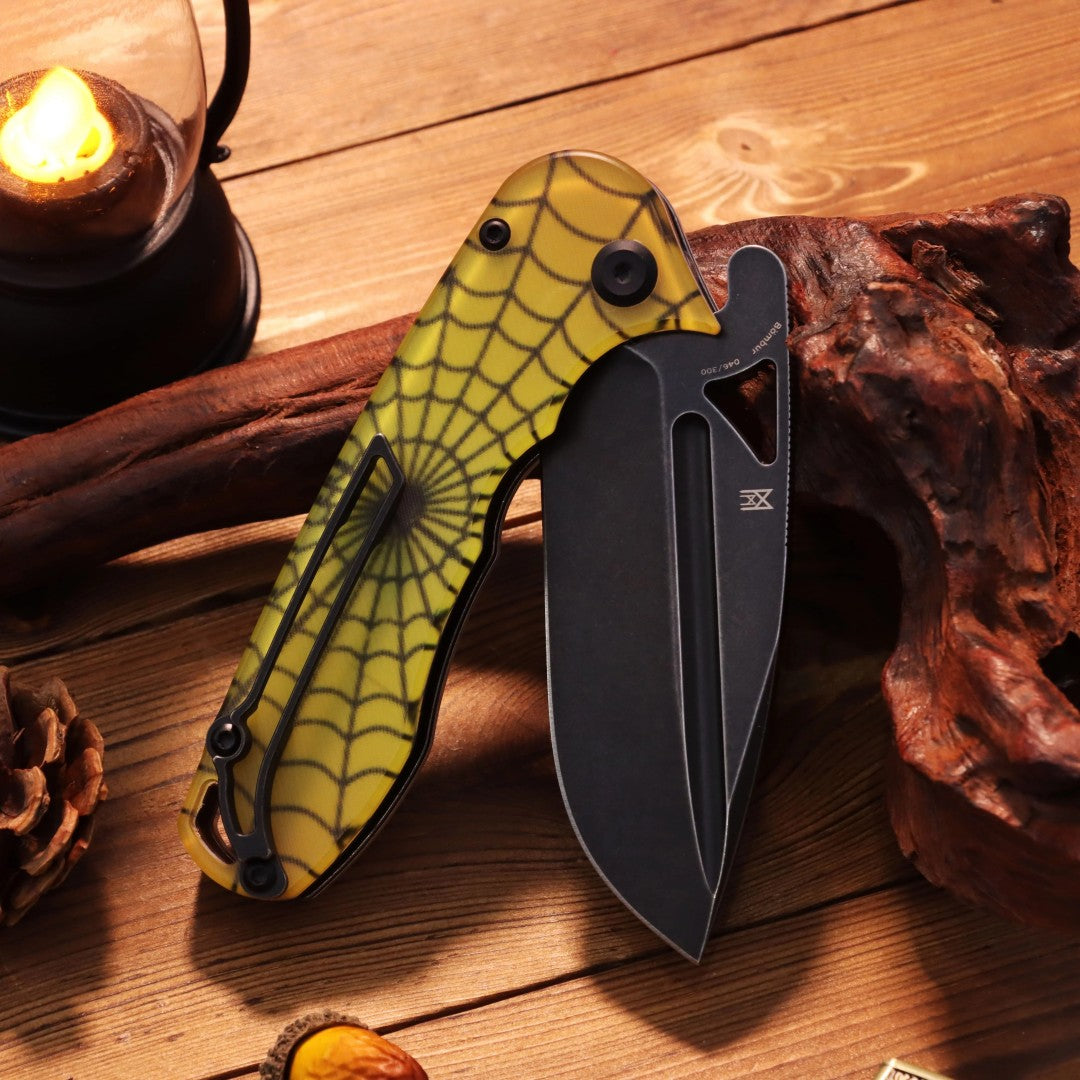
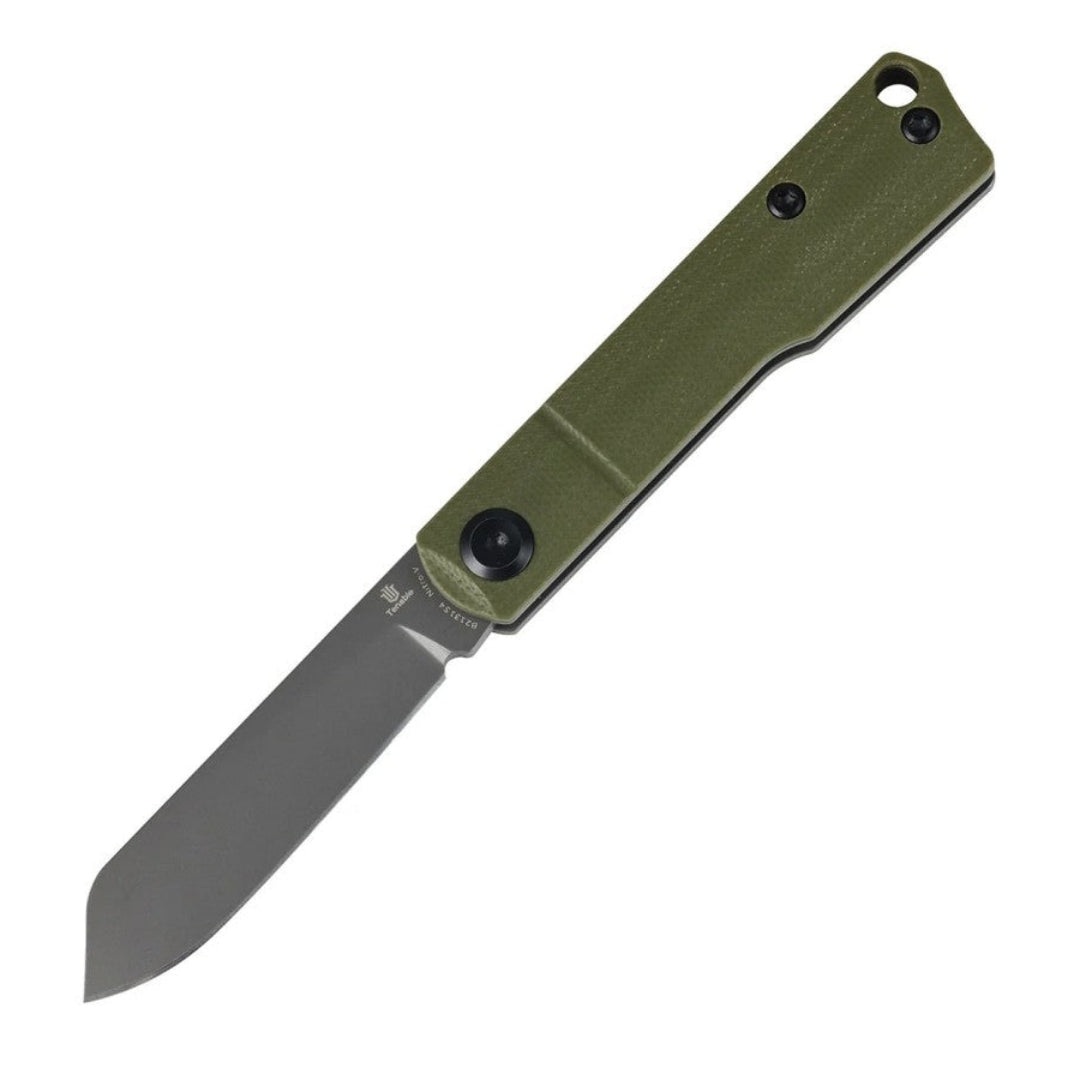
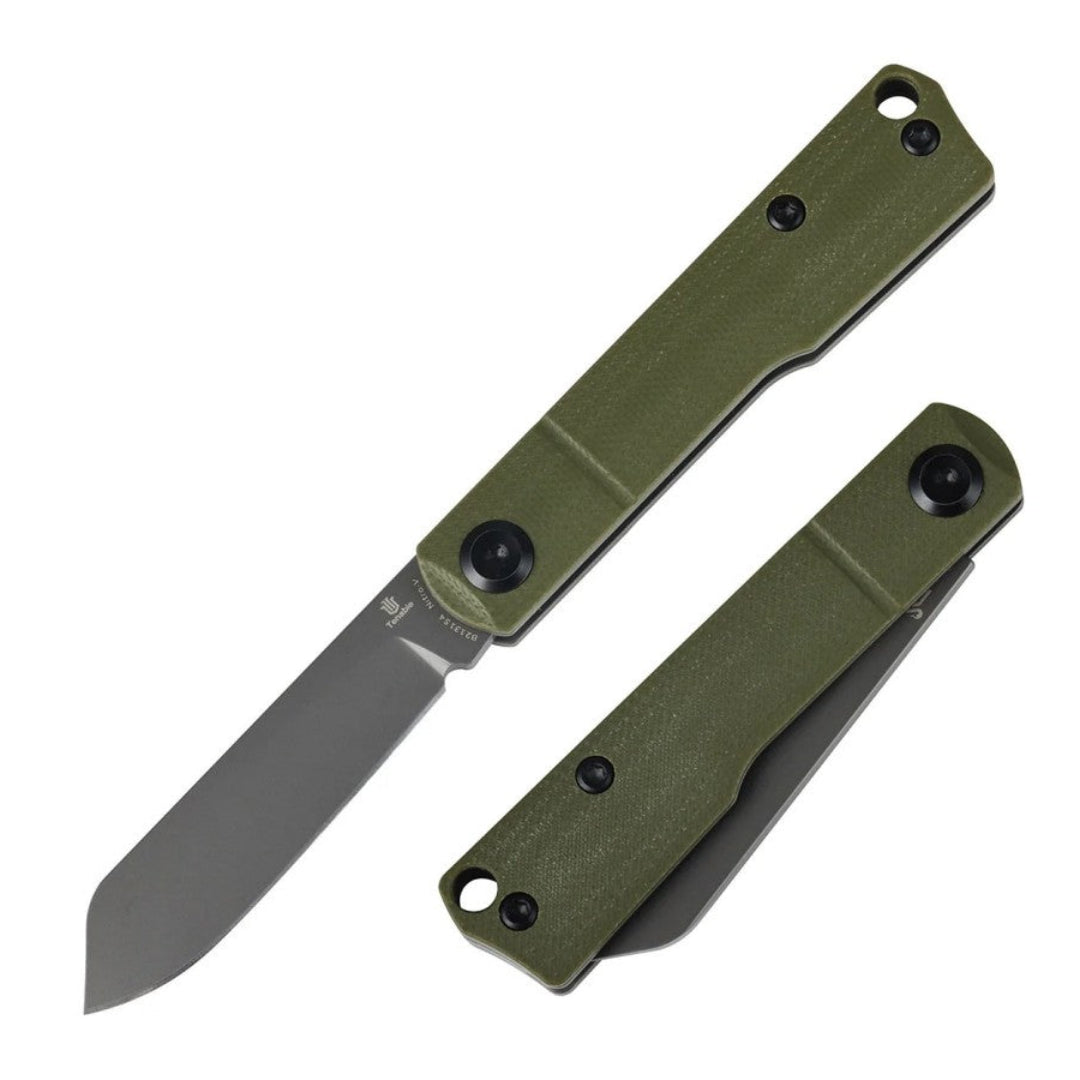
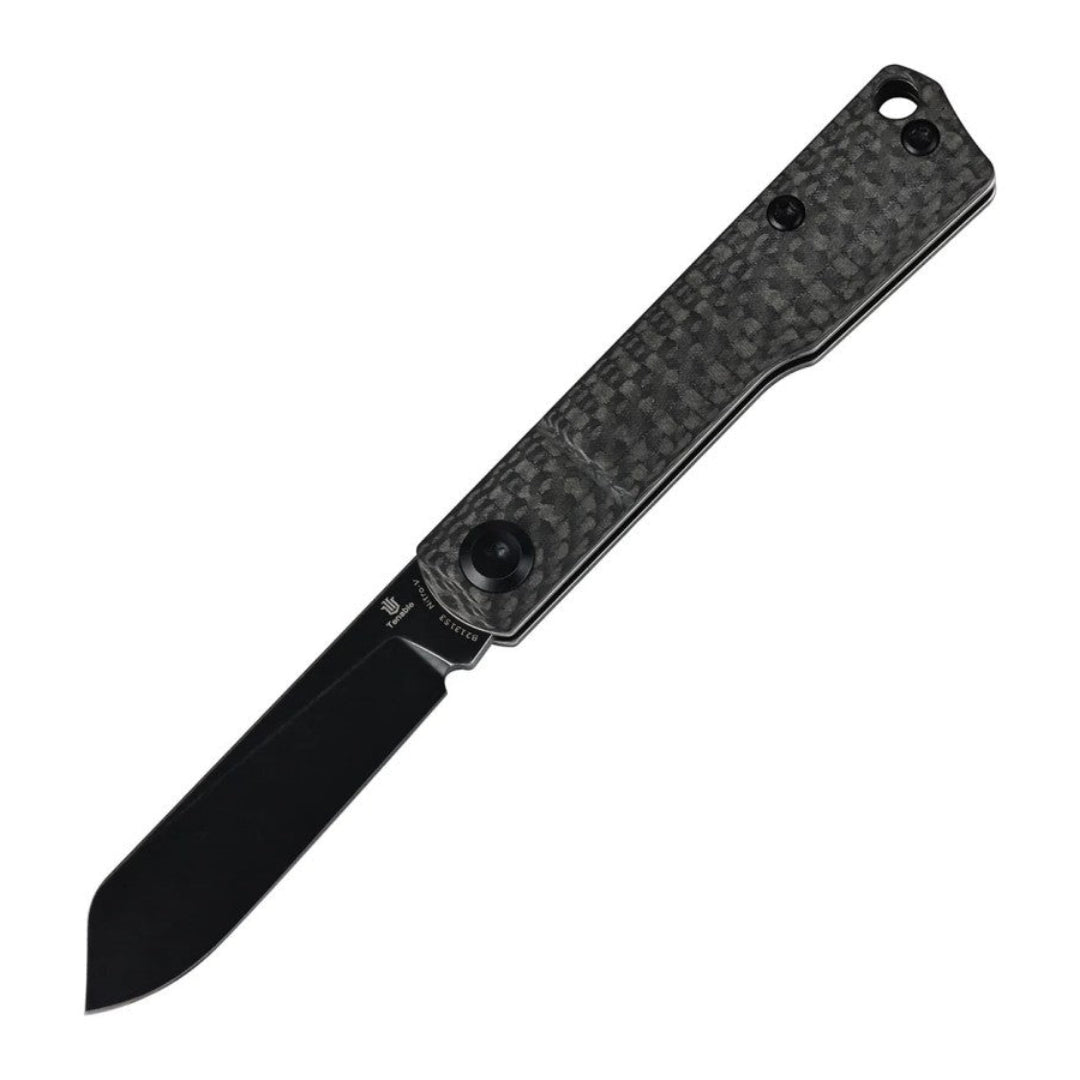
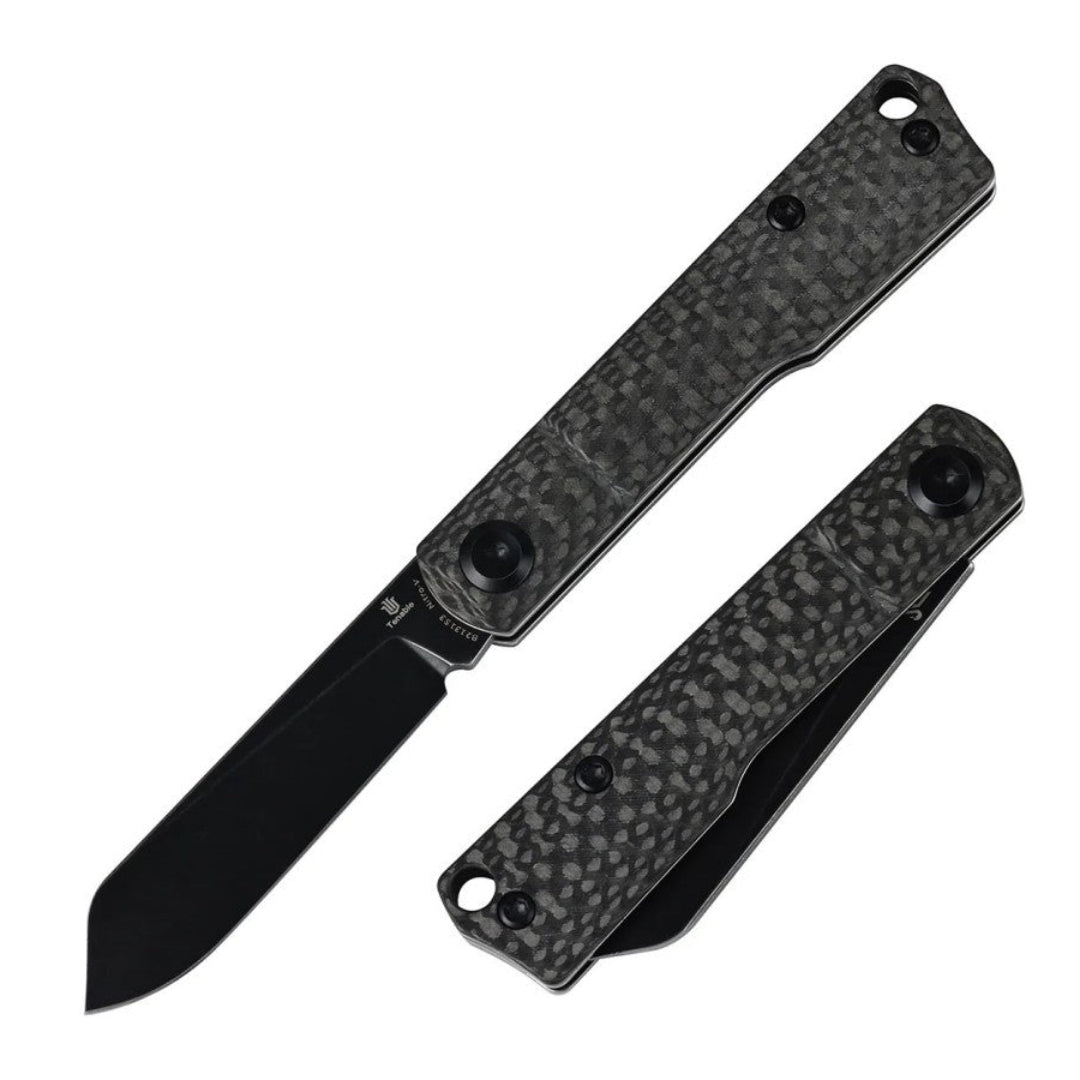
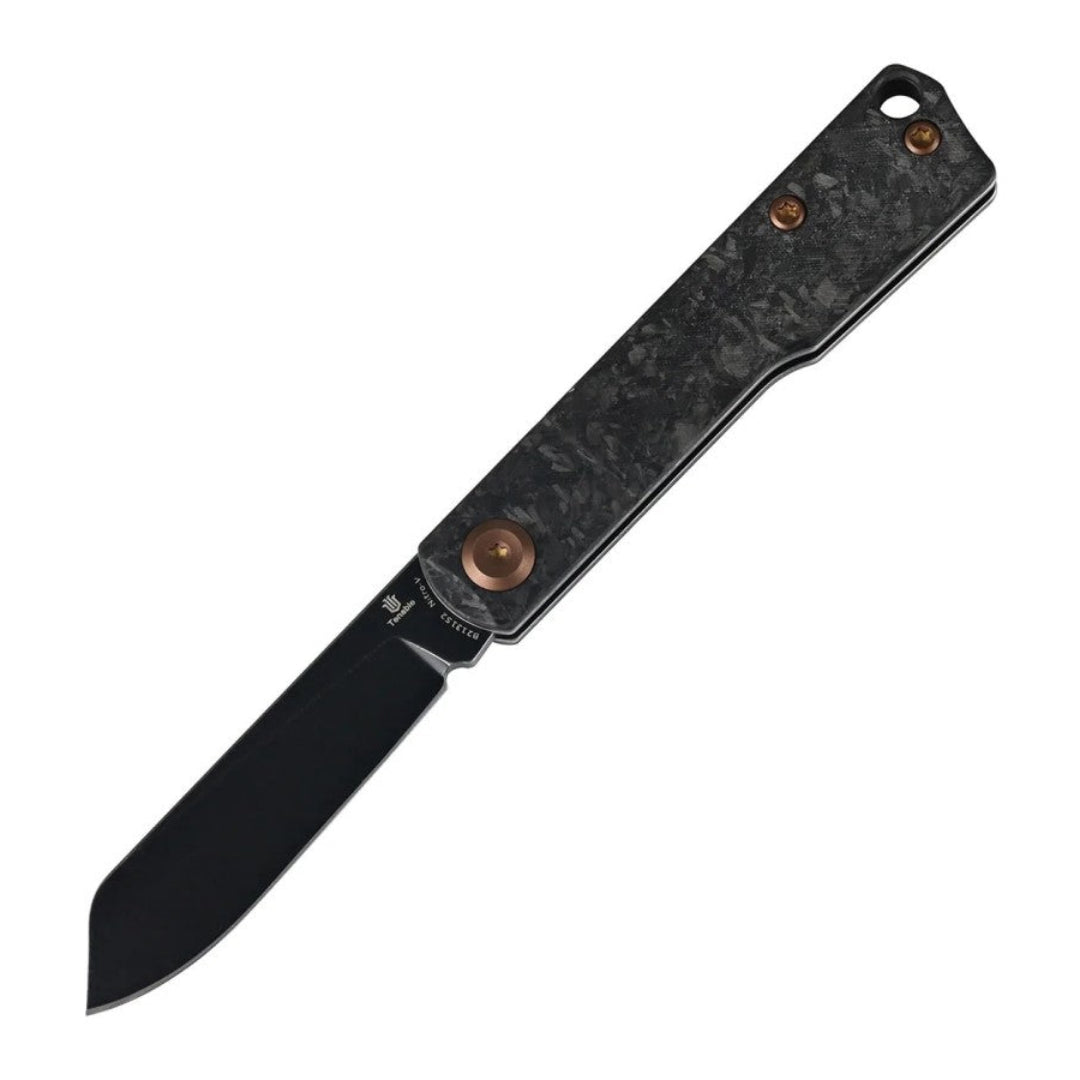
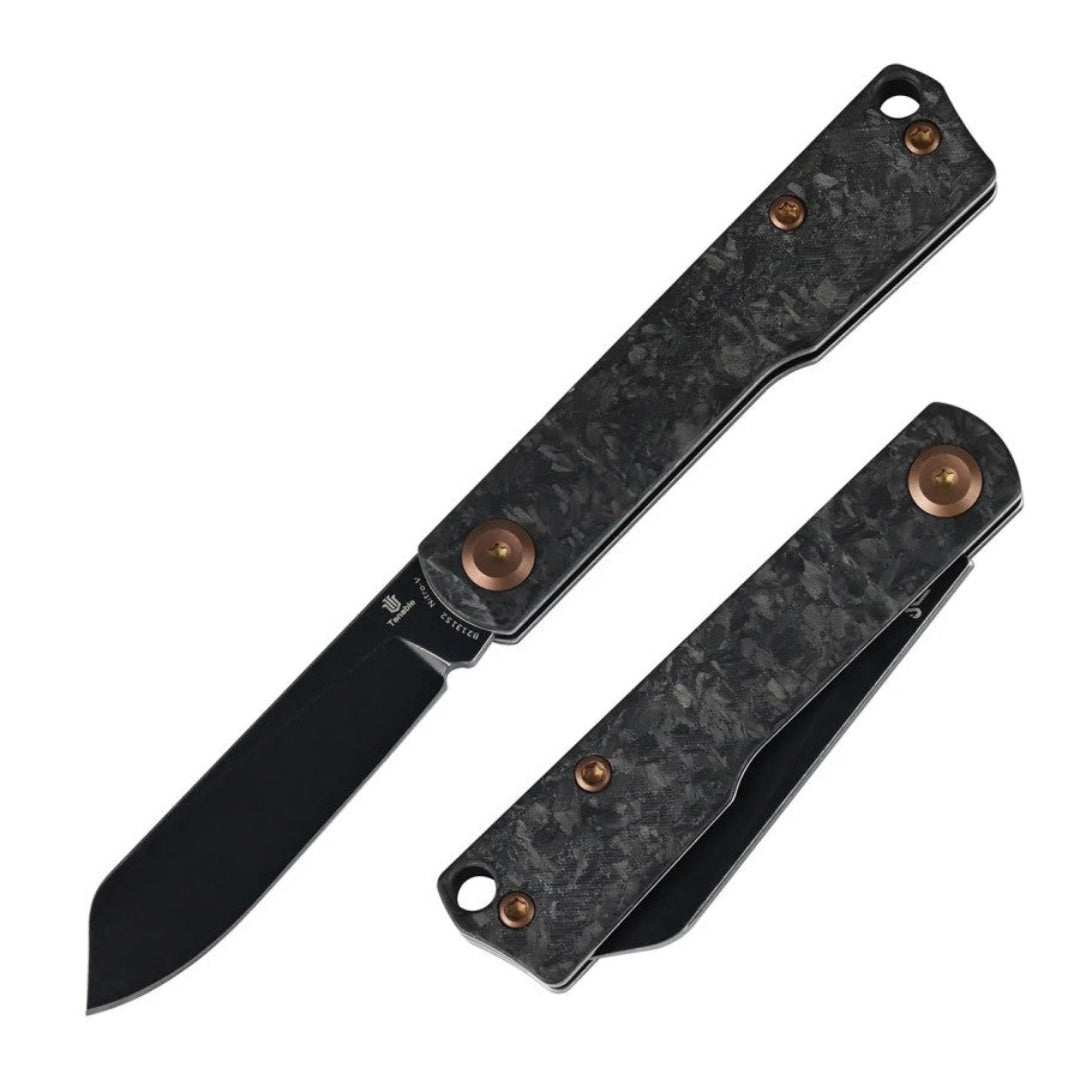
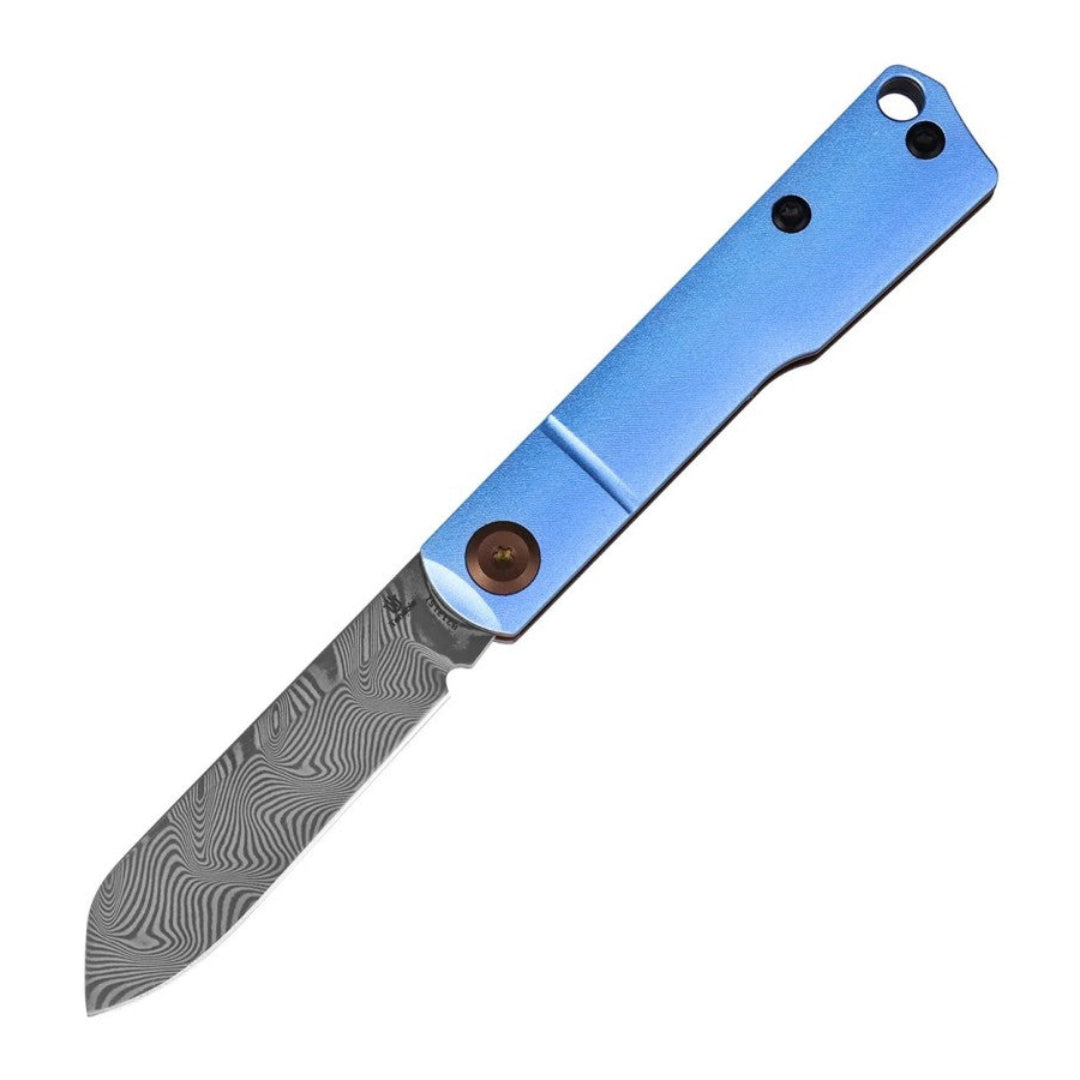
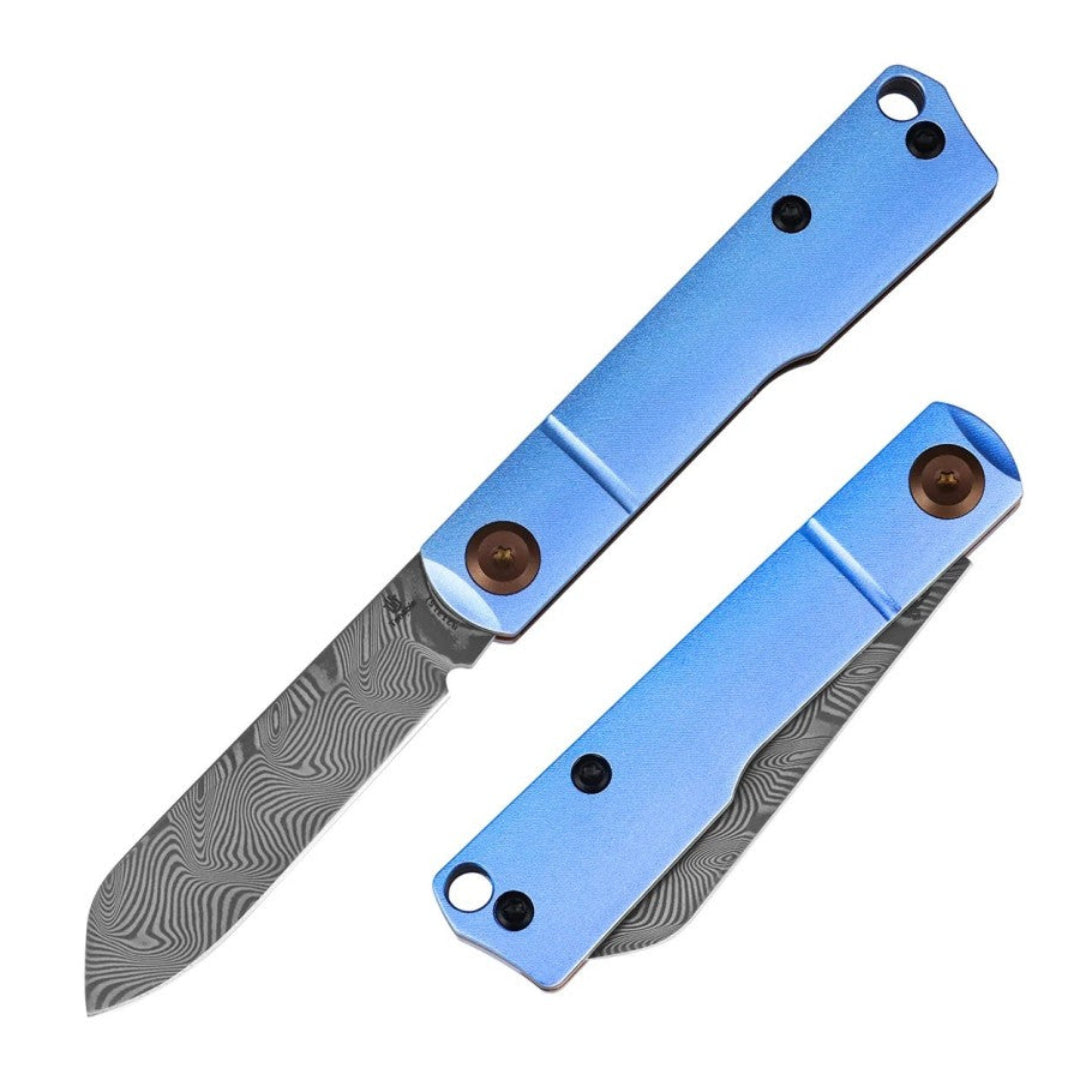
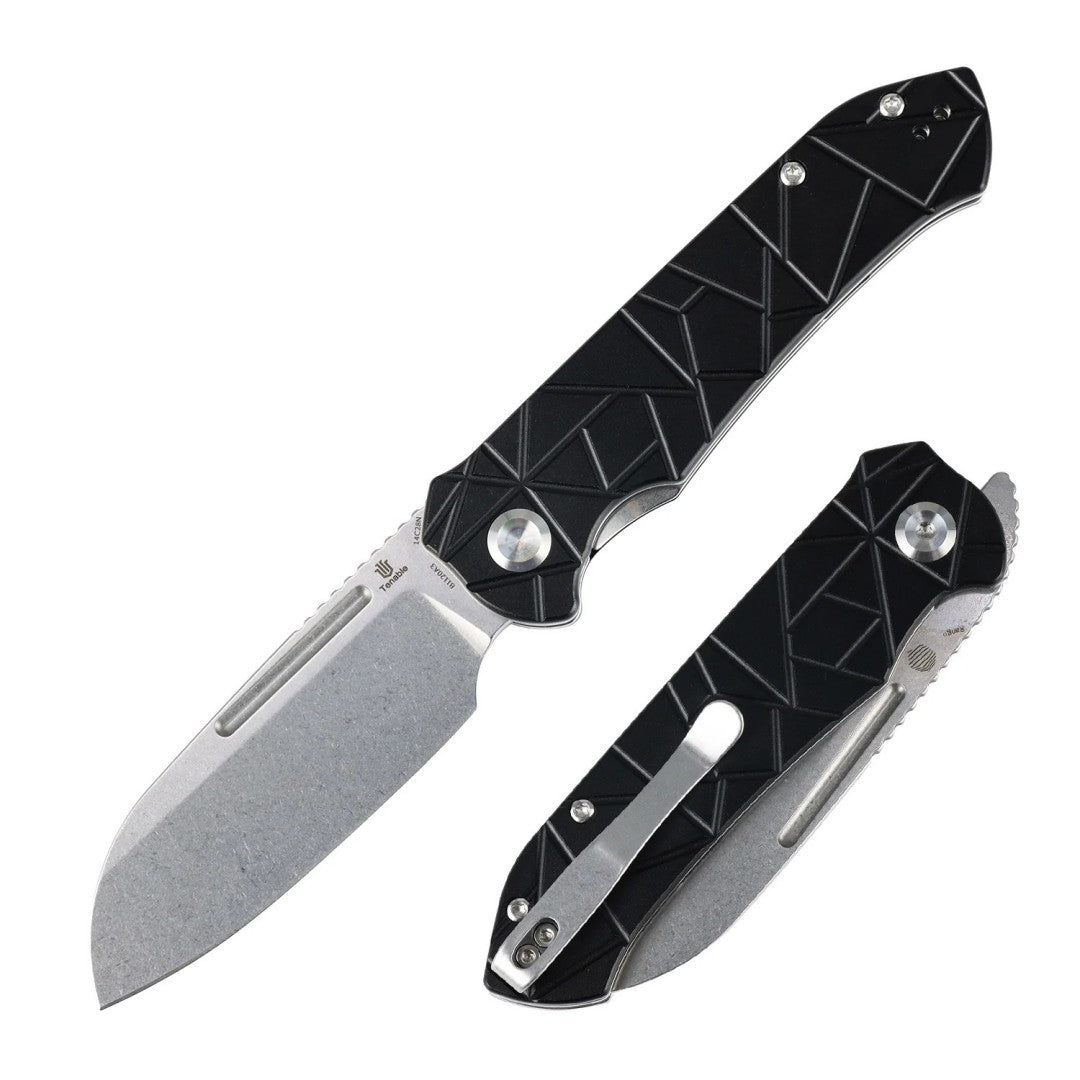
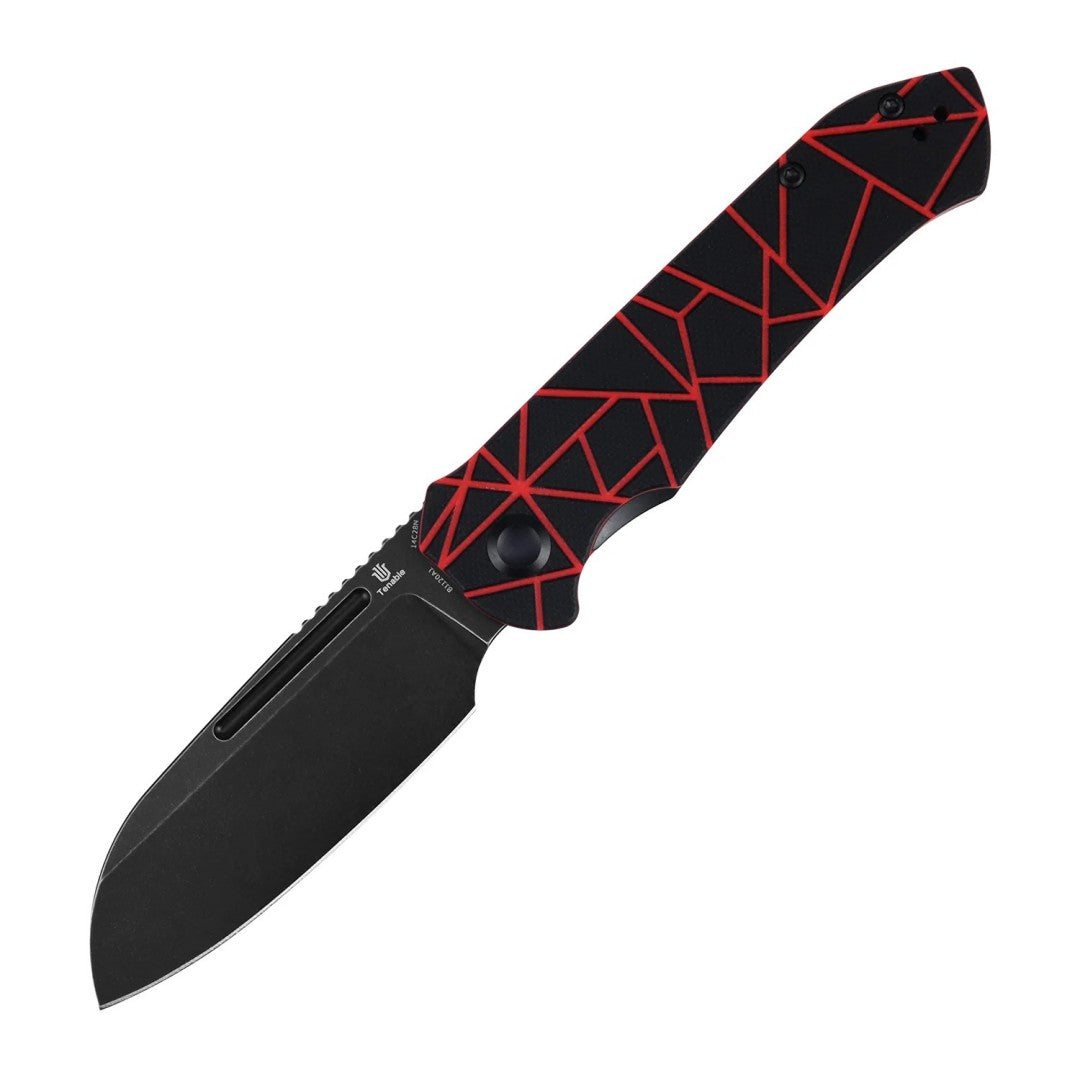
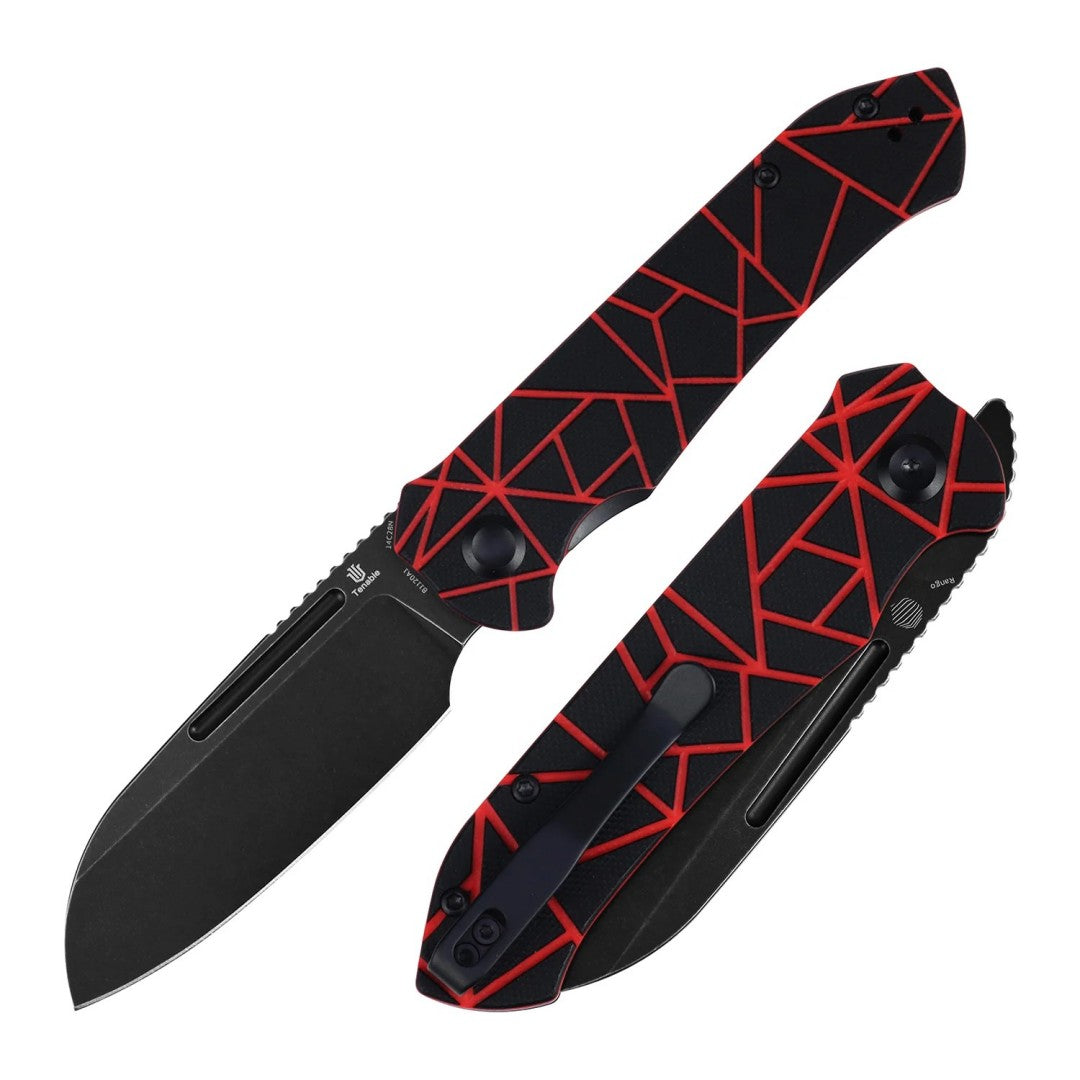
Unlike many pocket knives that look aggressively tactical or intimidating, the QSP Penguin has a clean, utilitarian aesthetic. Its rectangular handle profile and distinct straight-edged blade give it the look of a classic, reliable workshop tool rather than a weapon. For beginners, this neutral appearance is highly reassuring.
Why the Penguin is Perfect for First-Time Owners
To evaluate whether a knife is beginner-friendly, we need to look at how it performs in terms of safety, ease of maintenance, and value. Here is how the Penguin stacks up across the board.
1. The Sheepsfoot Blade Shape: Built for Safety
The QSP Penguin features a modified sheepsfoot (or Wharncliffe) blade shape. Instead of curving upward to a sharp, sweeping belly point like a traditional pocket knife, the spine of the Penguin's blade curves downward to meet a perfectly flat cutting edge.
This design is a massive benefit for beginners for two reasons:
-
Enhanced Control: Because the edge is completely flat, the entire blade contacts the surface you are cutting simultaneously. This prevents the material from slipping off the tip when you are slicing open cardboard boxes or heavy plastic clamshell packaging.
-
Accidental Puncture Prevention: Since the tip points downward, the risk of accidentally puncturing your hand or damaging the contents inside a package is drastically reduced compared to a traditional clip-point or drop-point blade.
2. High-Value Materials: No Cheap Plastic
Many budget knives under $40 cut costs by using slick, flimsy plastic handles. QSP takes the opposite approach by using premium textured materials.
The most popular beginner variants feature Micarta (a durable composite made from layers of linen or canvas pressed with resin) or textured G10.
For a beginner, this texture provides excellent grip security. It ensures the knife won't slip out of your hand if your fingers are sweaty, oily, or wet from working outdoors.
3. A Rock-Solid, Intuitive Lock
Safety is the number one priority when operating a folding knife. The Penguin uses a classic liner lock system.
When you swing the blade open, a spring-loaded metal leaf inside the handle snaps into place directly behind the blade's tang, preventing it from closing on your fingers. Closing the knife is incredibly intuitive: you simply push the liner out of the way with your thumb and fold the blade back down. It is a time-tested, secure mechanism that leaves no room for guesswork.

Understanding the Trade-offs: The Steel Debate
The standard, entry-level QSP Penguin features a blade made from D2 tool steel. For the price, D2 offers exceptional edge retention. It stays sharp much longer than standard stainless steels found in cheap department store knives, meaning you won’t have to learn how to sharpen your knife right away.
However, there is one minor detail beginners should keep in mind:
Maintenance Note: D2 is a "semi-stainless" tool steel. It contains less chromium than traditional stainless steels, which means it can develop rust spots if it is put away wet or exposed to corrosive elements like salt water or acidic fruit juices.
To keep your Penguin looking brand new, all a beginner needs to do is adopt a quick maintenance habit: wipe the blade dry after use, and occasionally apply a single drop of mineral oil to the blade. It takes less than 30 seconds and teaches you great knife care habits.
Spec Breakdown for the Beginner
If you are comparing options, here are the core dimensions of the standard QSP Penguin model:
| Specification | Dimension / Detail | Why It Matters for Beginners |
| Overall Length | 7.06 inches (18.0 cm) | Fits naturally in medium to large hands without feeling bulky. |
| Blade Length | 3.06 inches (7.8 cm) | The legal sweet-spot limit for many residential regions. |
| Weight | 3.14 ounces (89 g) | Lightweight enough to forget it is in your pocket. |
| Deployment | Dual Thumb Studs | Easy, manual opening with either hand. No complex flippers. |
| Pocket Clip | Deep-Carry (Reversible) | Rides completely hidden and secure inside your pocket. |
The Verdict: Is It Worth the Hype?
Absolutely. The QSP Penguin isn't just a great "budget" knife; it is a genuinely fantastic knife regardless of the price point.
It strips away the confusing, over-engineered gimmicks of modern knife design and focuses entirely on what matters: a comfortable handle, a safe and highly practical blade shape, and an accessible price point that usually sits under $35. It gives beginners a true taste of what a high-quality tool feels like without a stressful financial investment. If you are looking for your very first real EDC pocket knife, the Penguin is an absolute home run.
Frequently Asked Questions
Is the QSP Penguin hard for a beginner to open and close?
Not at all. The Penguin uses dual thumb studs attached to the blade, allowing you to easily push it open smoothly with your thumb. The liner lock mechanism keeps it securely open, and closing it requires a simple, single-handed push on the internal lock bar.
Can I carry the QSP Penguin left-handed?
Yes! The QSP Penguin features a reversible deep-carry pocket clip. While it comes configured for right-handed use out of the box, you can easily unscrew the clip using a standard T6 Torx bit and mount it on the opposite side for left-handed carry.
How often do I need to sharpen the D2 steel blade?
Because D2 tool steel features high hardness, it retains its sharpness remarkably well. For average daily tasks like opening boxes, cutting cords, or slicing plastic packaging, you will likely only need to touch up or sharpen the edge once every few months.