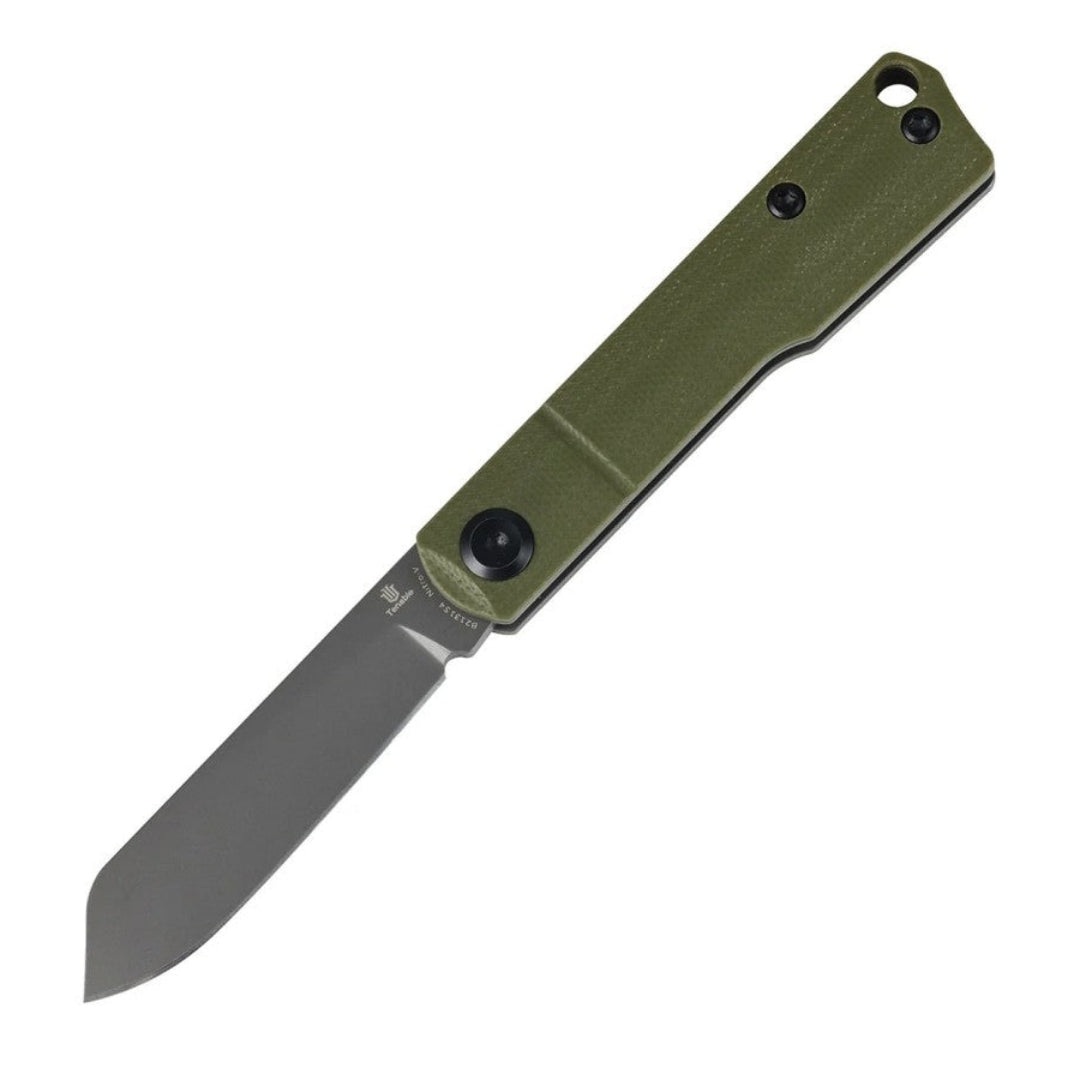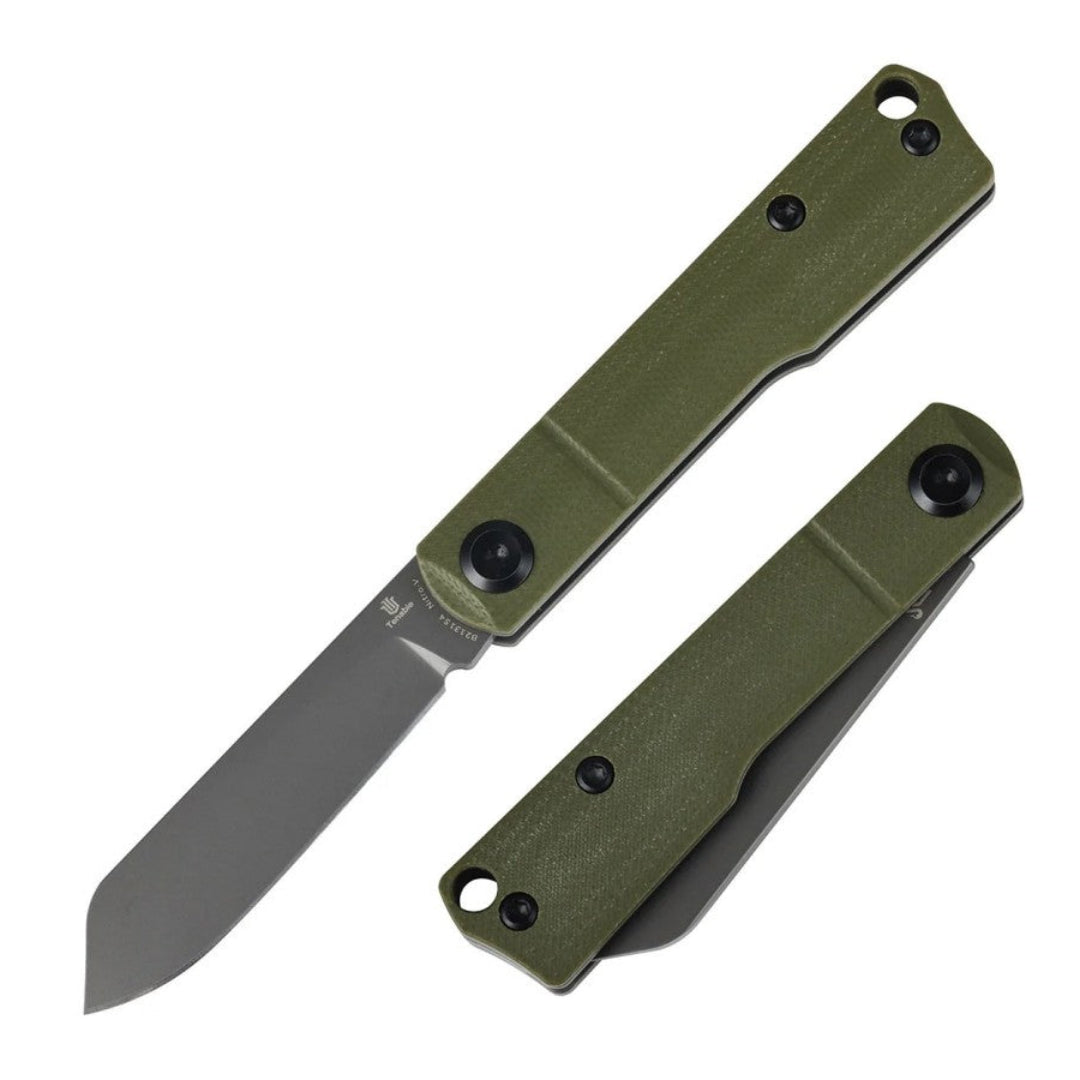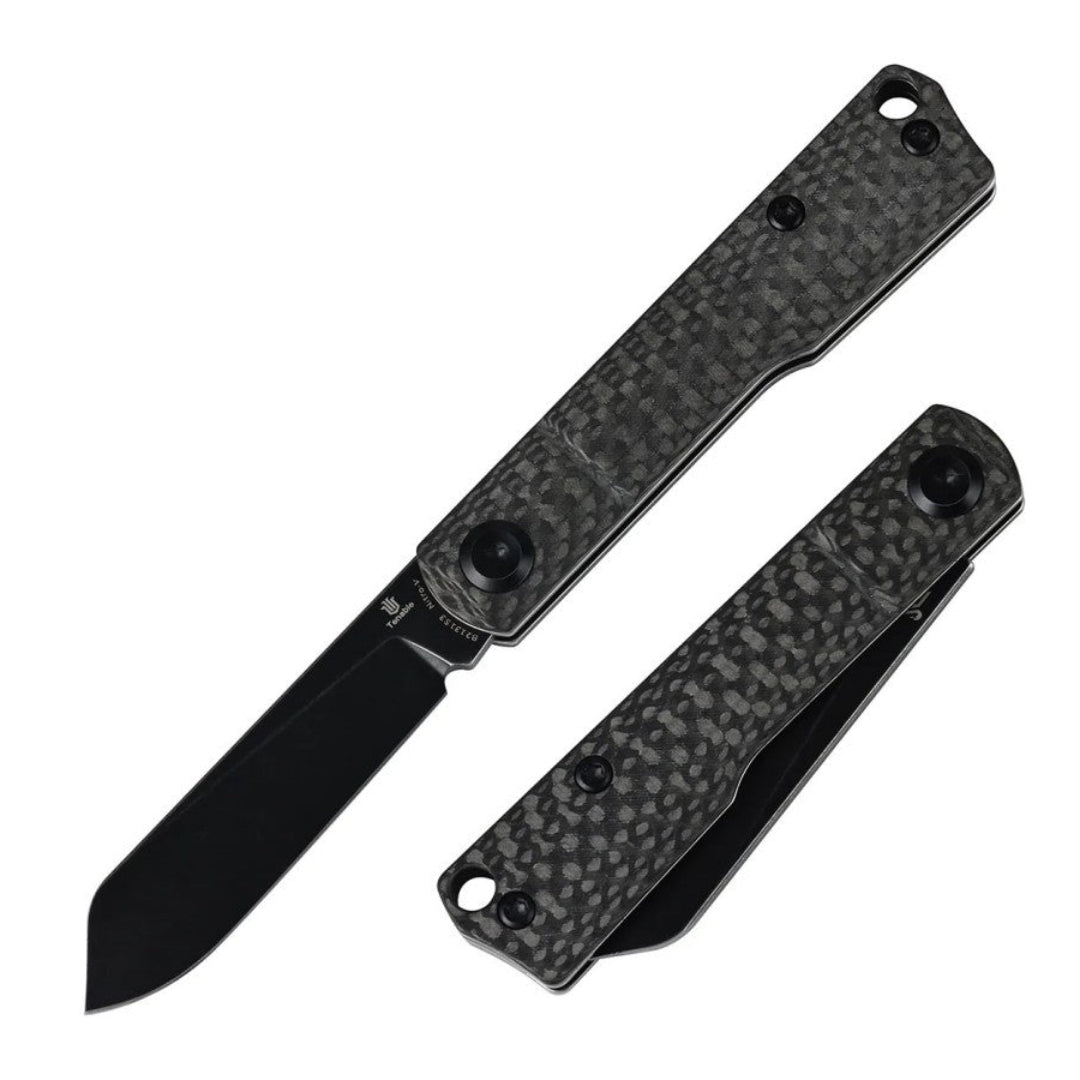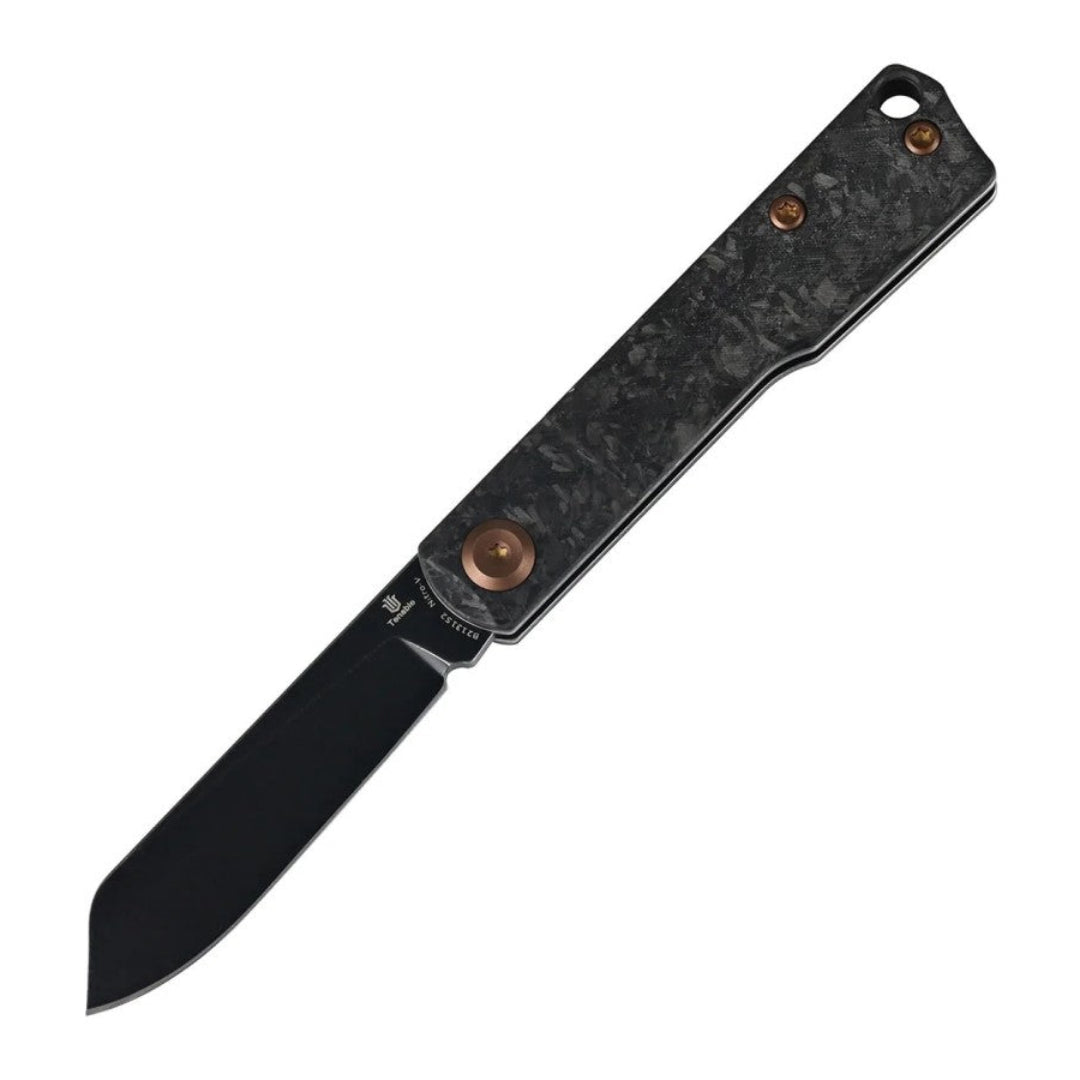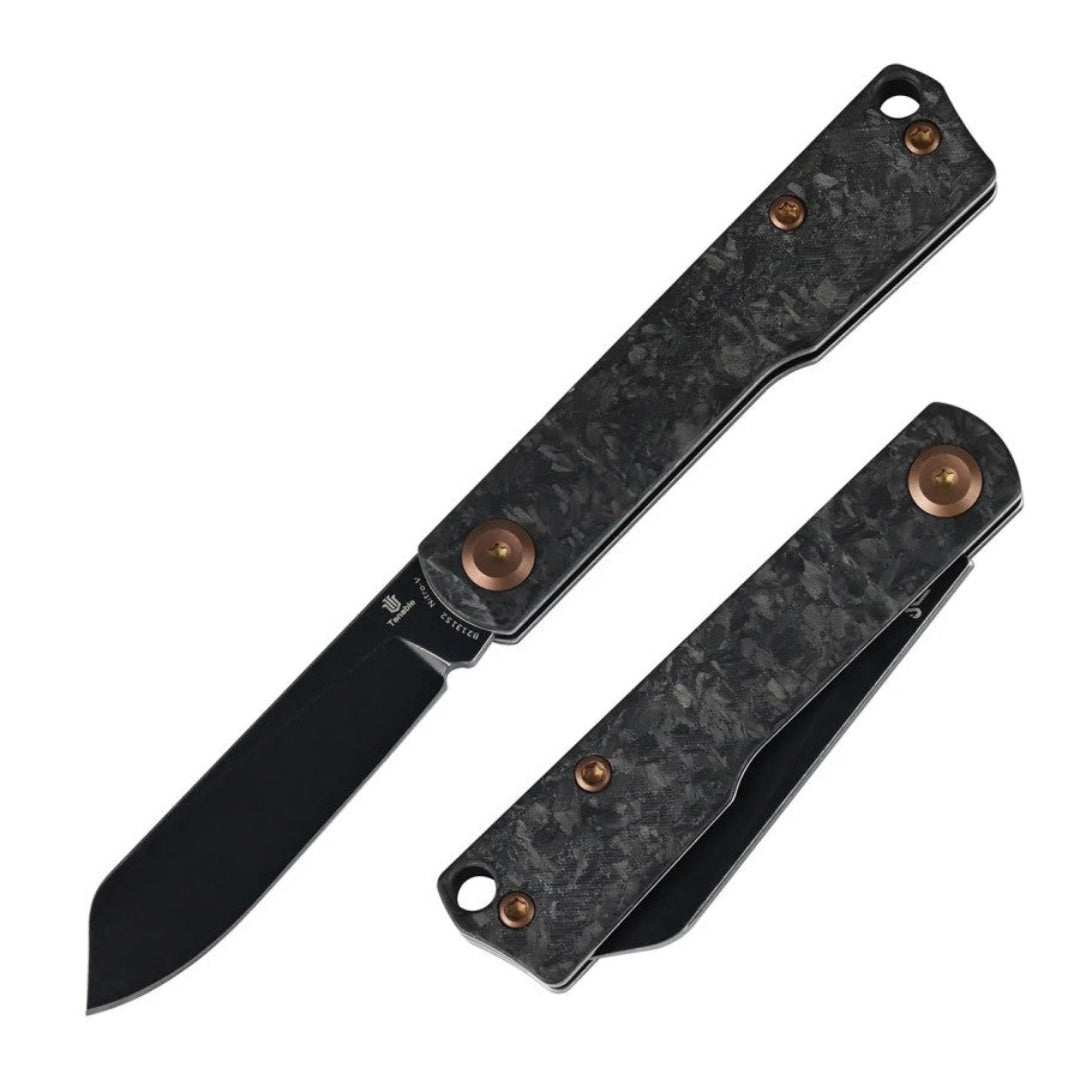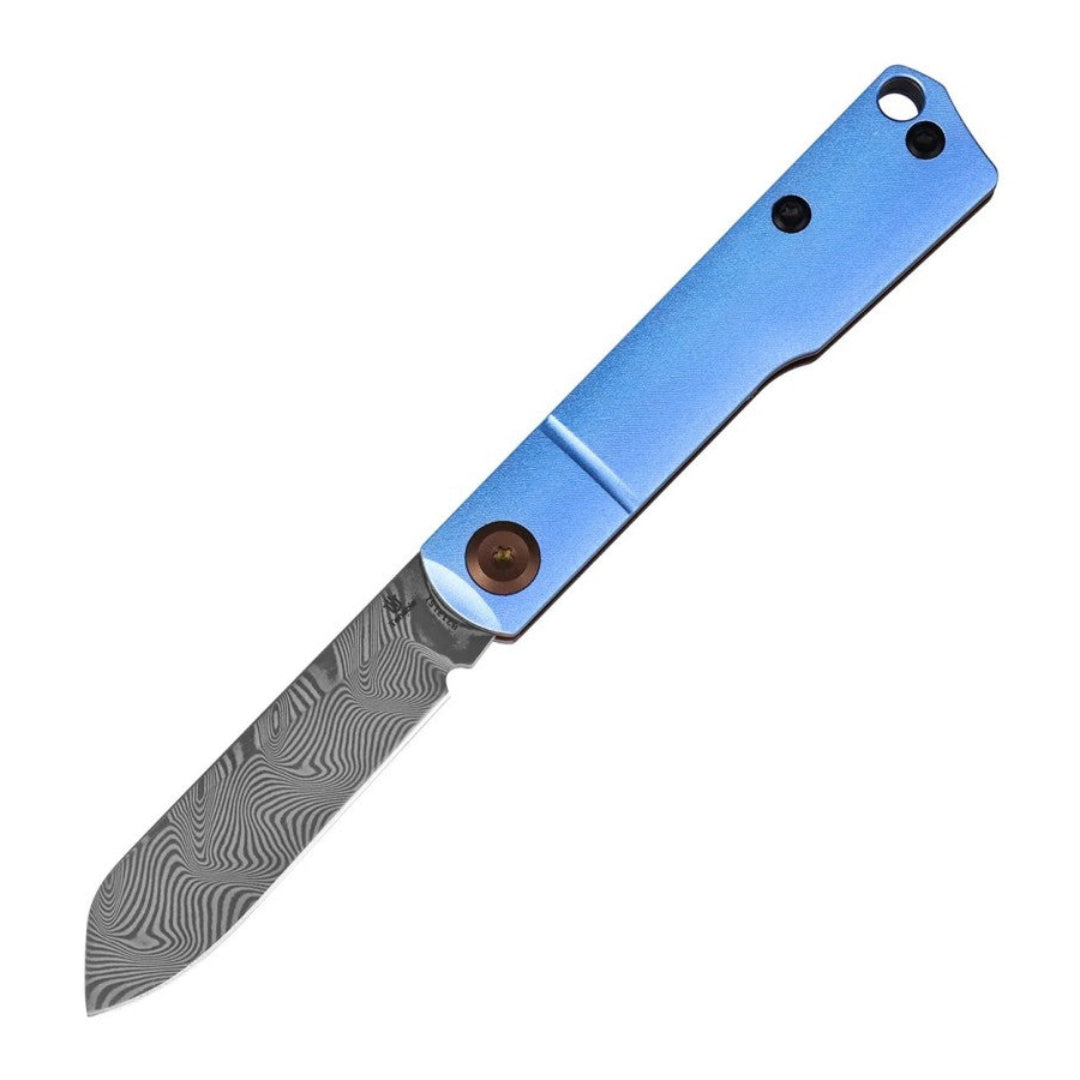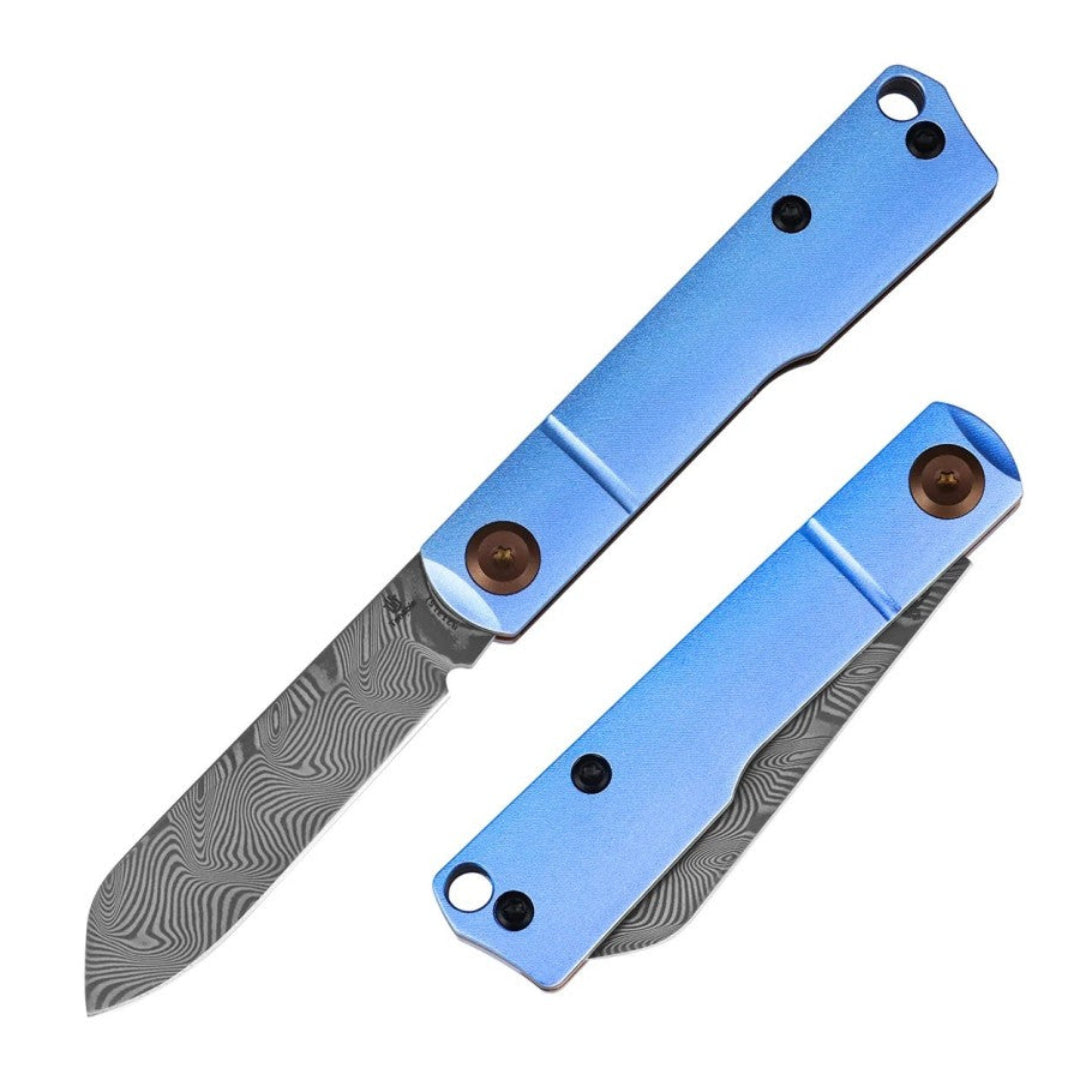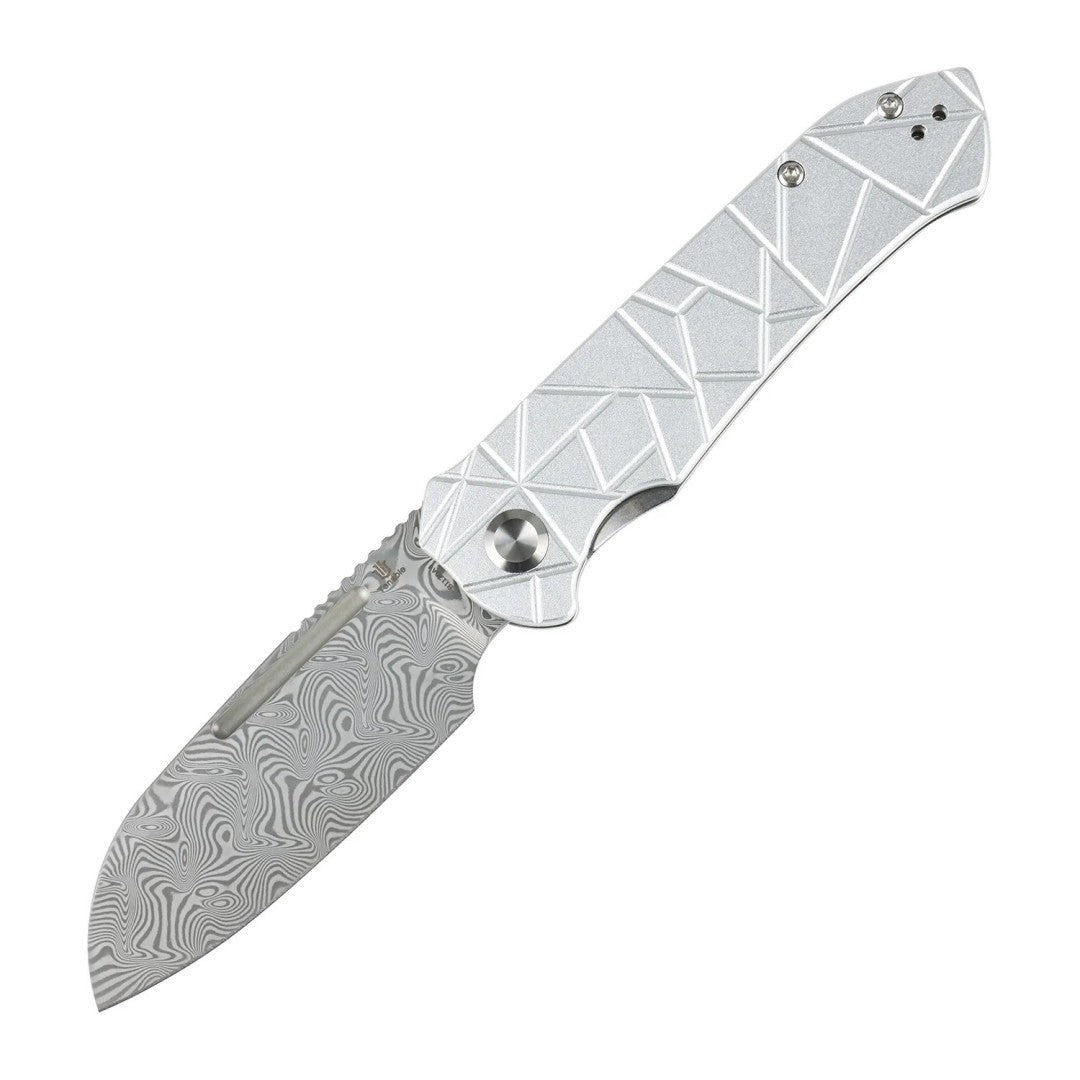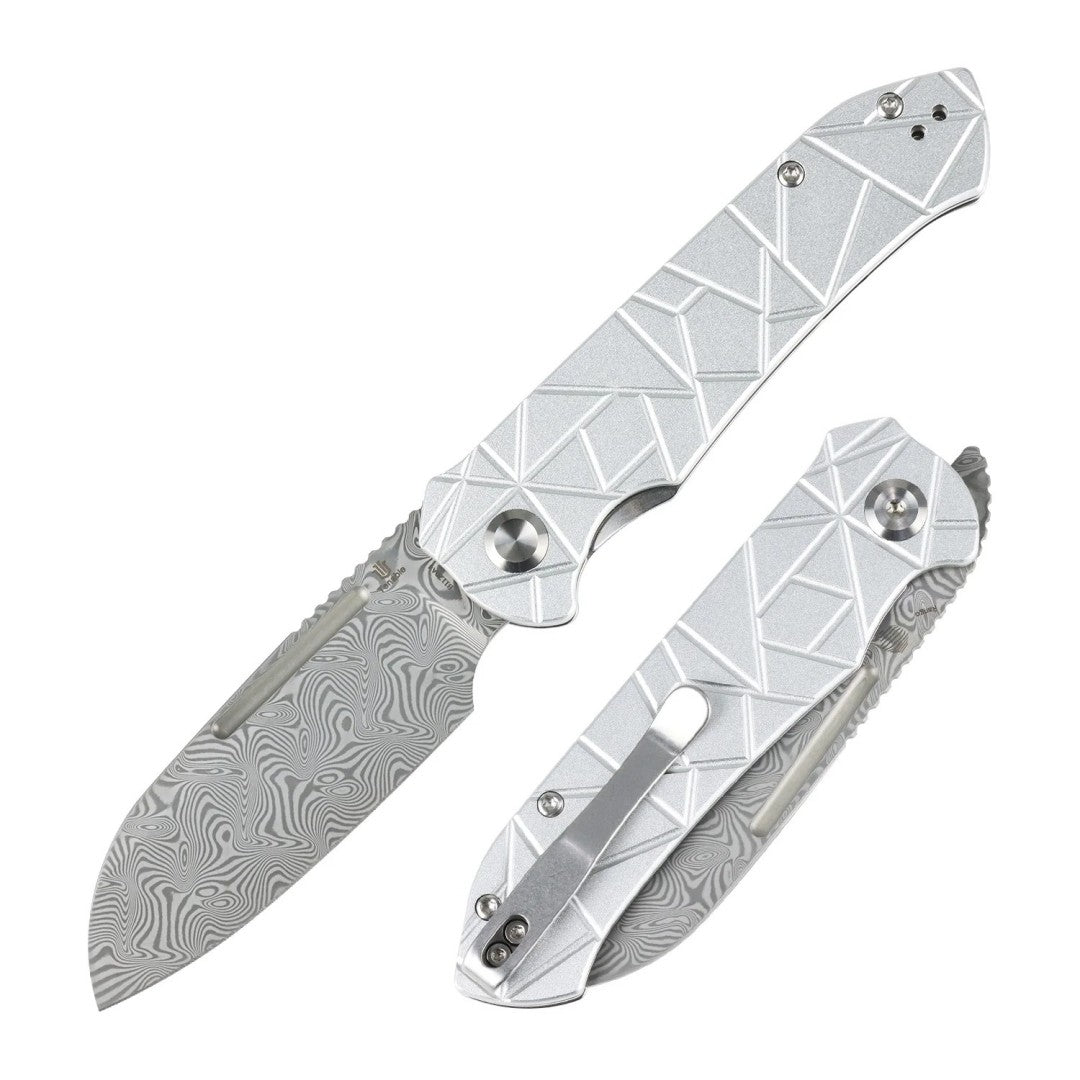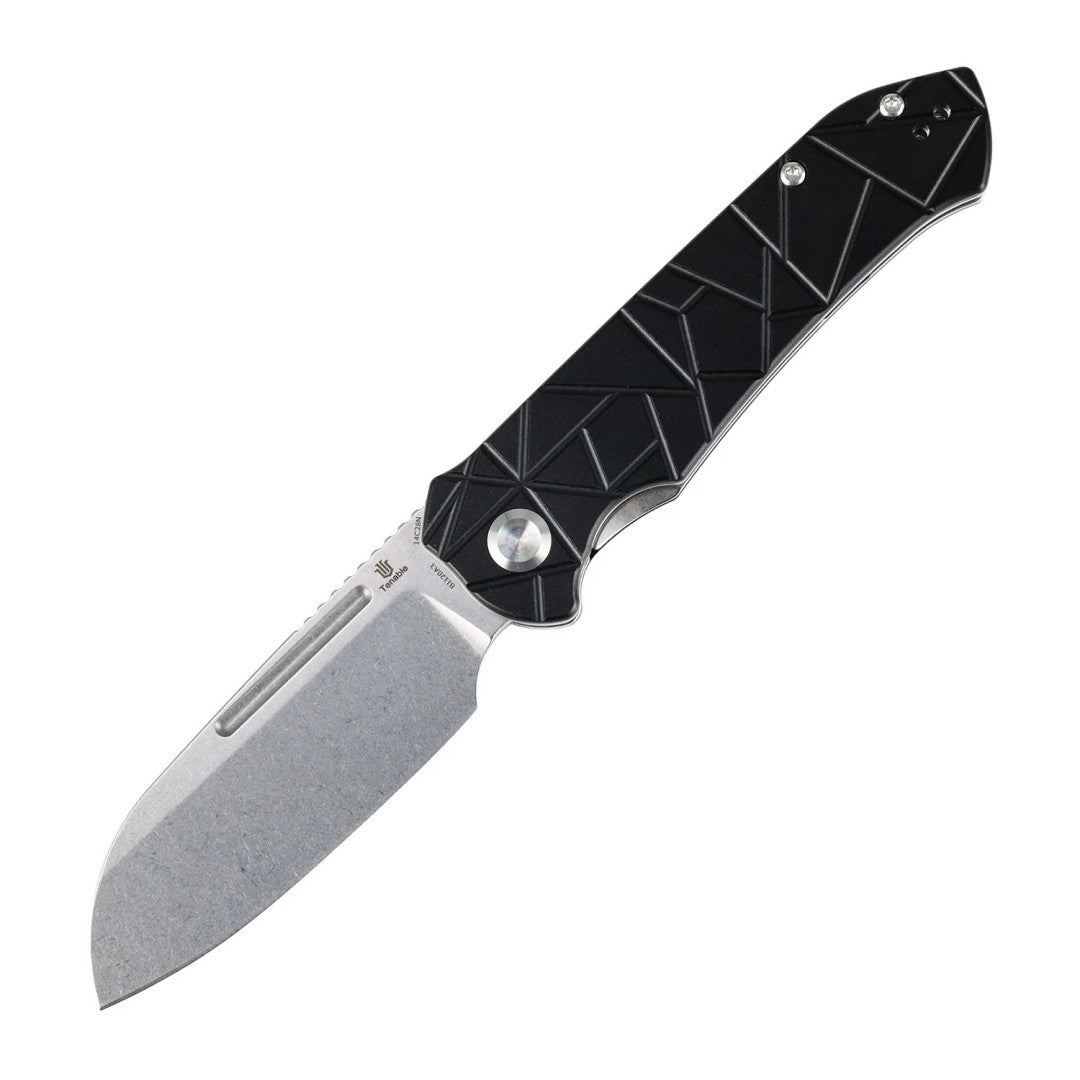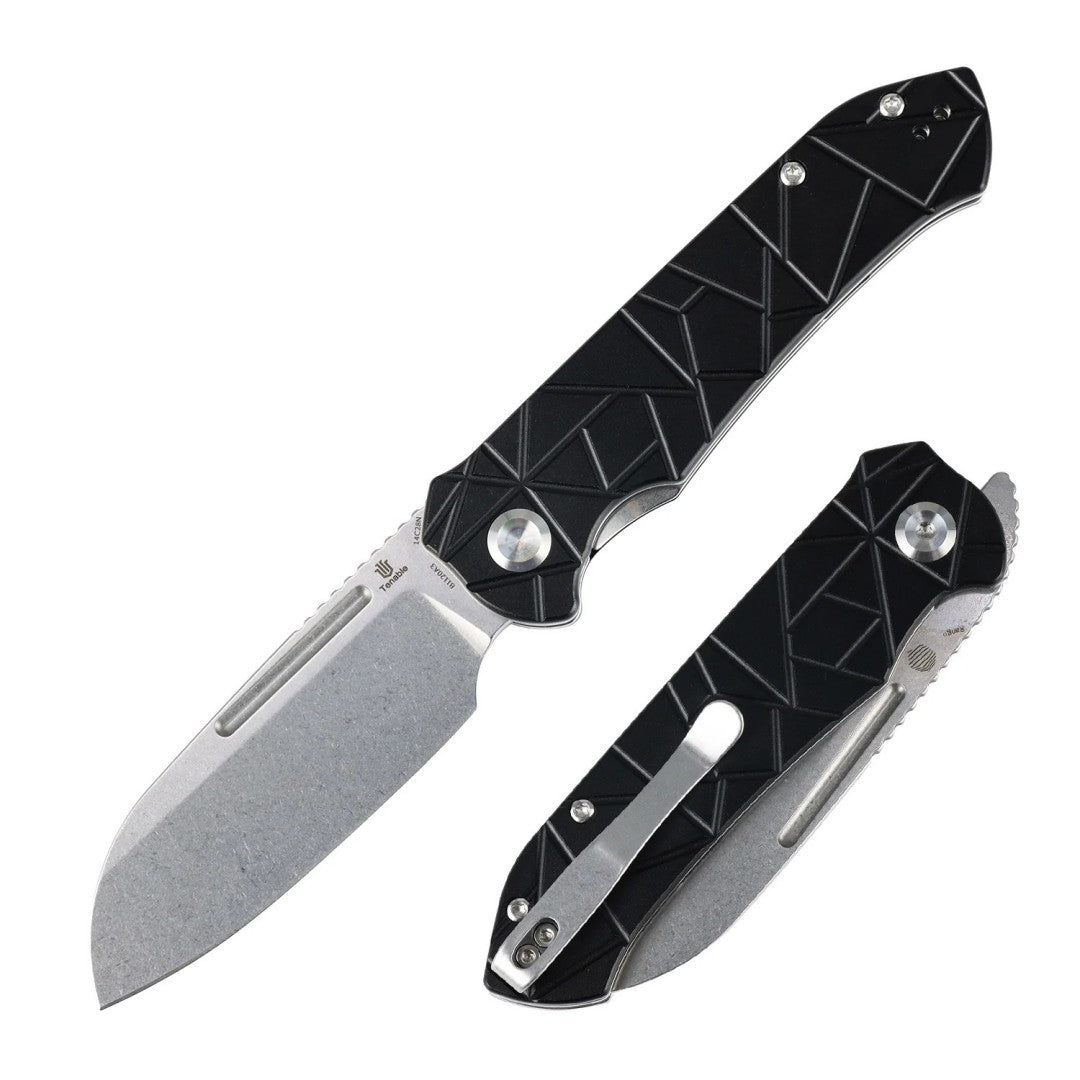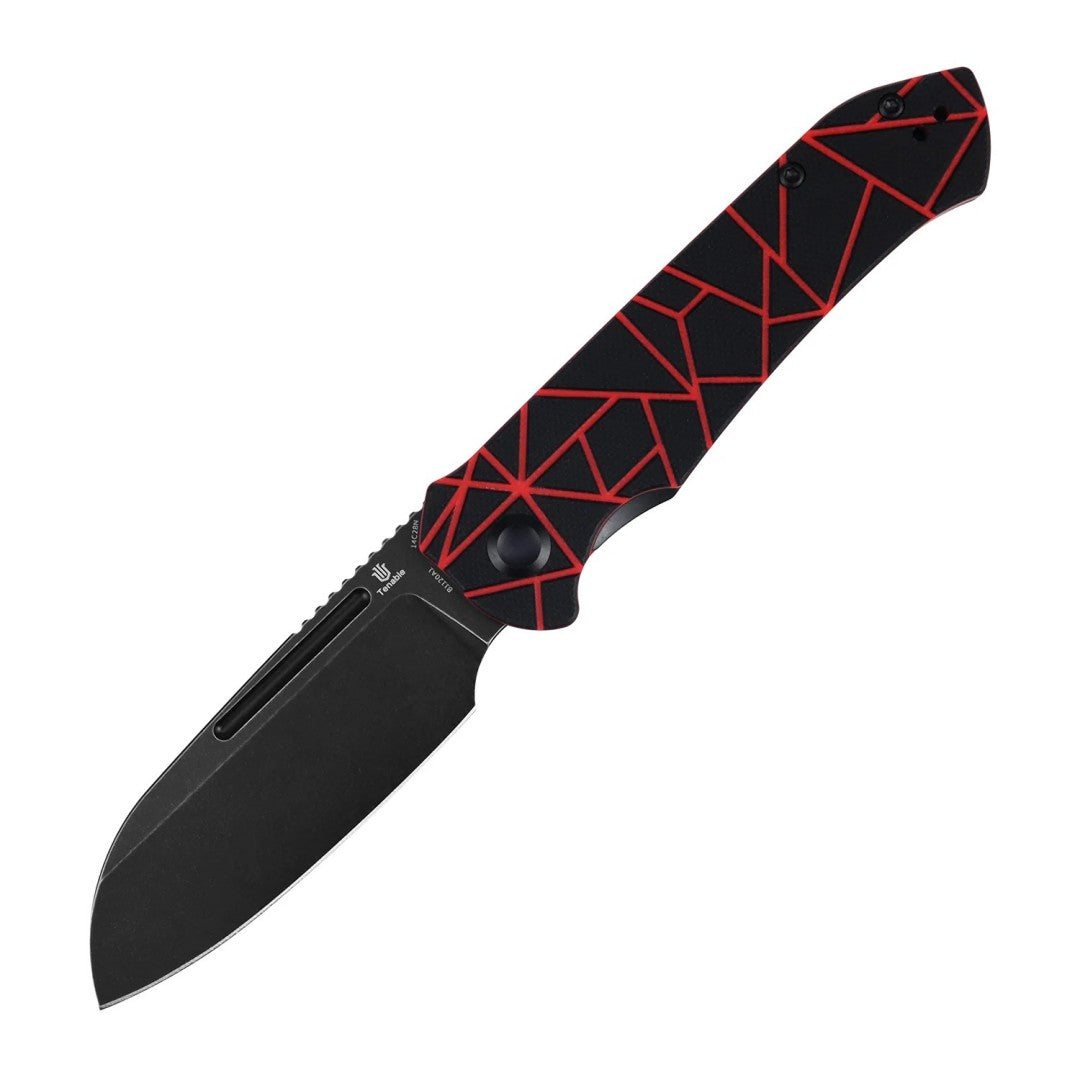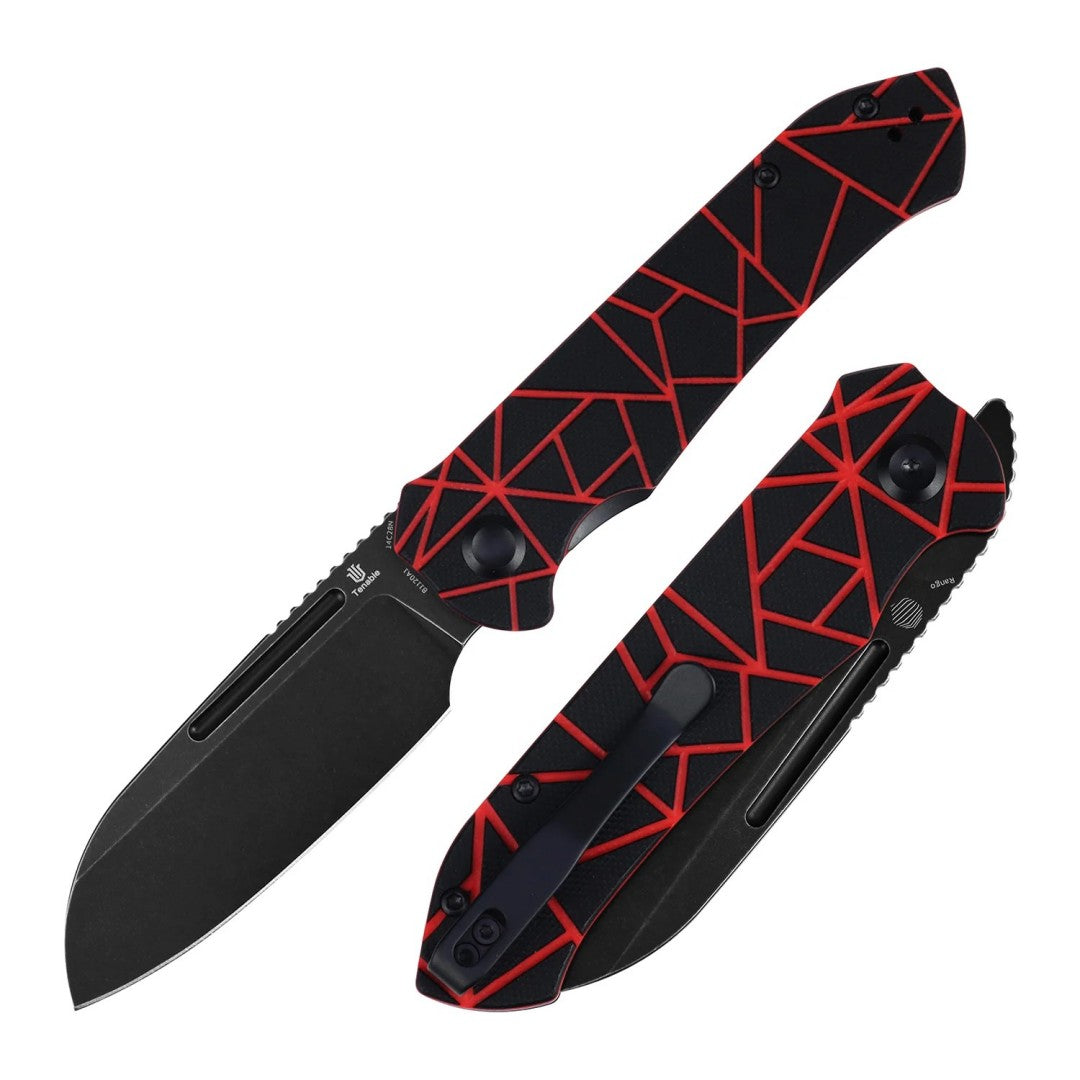

For pocket knife enthusiasts, the mechanical deployment of an everyday carry (EDC) tool is just as vital as its cutting power. A fluid, snappy opening mechanism turns a simple utility object into a tactile masterpiece. When Bestech joined forces with world-renowned minimalist custom designer Ostap Hel to create the Bestech DUCI, they faced a severe engineering challenge: how do you create a lightning-fast flipper deployment on a knife with an ultra-lightweight, sub-2-inch blade?
Micro-folders routinely suffer from sluggish action due to the lack of forward blade weight. However, through precise internal balancing, the DUCI delivers an incredibly authoritative opening snap. In this guide, we break down the engineering secrets behind this mechanism and explain how to perfect your flipping technique.
 Technical Specifications of the Pivot System
To understand how the DUCI fires with such impressive kinetic energy, we must look at the internal components that govern its pivot assembly and deployment mechanics.
| Mechanical Feature | Technical Component Specification | Performance Attribute |
| Blade Length | 1.97 inches (50 mm) | Compact, ultra-light kinetic mass |
| Blade Steel | CPM-20CV steel (61-62 HRC) | Rigid, wear-resistant blade tang |
| Pivot Assembly | Caged Ceramic Ball Bearings | Frictionless rotational path |
| Lock Mechanism | Titanium Frame Lock with Steel Insert | Zero vertical or lateral blade play |
| Flipper Tab Design | Jimped Low-Profile Guard | High-traction index finger interface |
| Detent System | Hardened Ceramic Detent Ball | Crisply tuned breakout pressure |
The Physics of the Micro-Flipper
The deployment on the DUCI operates on a heavy-detent breakout system. On standard-sized folding knives, the physical mass of a heavy 3.5-inch steel blade helps swing the folder open once it clears the handle. Because the DUCI uses a tiny slice of premium CPM-20CV steel, it completely lacks that built-in gravity advantage.
To solve this, Bestech engineered a stiff, precise ceramic detent ball path into the locking mechanism. When the knife is closed, this ball rests deep in a pocket on the blade tang. As you apply pressure to the flipper tab, the blade refuses to budge at first. Energy builds up in your index finger until the detent pressure is overcome. The second the ball breaks free from its pocket, all that stored kinetic energy fires instantly, launching the featherweight blade into a locked position without requiring any secondary wrist flicking.

Two Methods for Perfect Deployment
Mastering the action on this specific pocket knife requires understanding the geometry of the flipper tab. Ostap Hel cleverly added micro-jimping (small traction grooves) to the edge of the tab to prevent slipping. There are two primary techniques to deploy the blade flawlessly:
1. The "Push-Button" Technique
Place the tip of your index finger directly on top of the flipper tab. Instead of pulling backward, push straight down into the handle chassis toward the pivot. This method acts like clicking a pen. It allows you to build maximum finger pressure against the detent before it breaks, resulting in the loudest, crispest deployment click.
2. The "Light-Switch" Technique
Rest your index finger against the front traction grooves of the flipper tab. In one fluid motion, pull the tab directly backward toward the spine of the handle, mimicking the action of flipping a wall light switch. This method produces a slightly faster, sweeping rotational arch that is incredibly smooth.
Avoiding the "Lock Bar Pinch" Error
The most common mistake new users make when flipping a premium titanium frame lock folder like the DUCI is inadvertent lock bar pressure.
Because this knife has a very compact handle profile, your middle and ring fingers will naturally want to wrap around the frame scales for stability. If your fingers accidentally rest directly on the flexible titanium lock bar, you will push the internal detent ball even harder against the blade tang. This makes the detent feel incredibly stiff or completely un-flippable. To master the mechanism, ensure your grip fingers rest solely on the pocket clip or the static upper handle scale, leaving the lock bar completely unburdened.
Long-Term Pivot Maintenance
To preserve that glassy, match-grade opening action, your DUCI pivot requires minimal but regular care. Over weeks of pocket carry, pocket lint and dust can migrate into the caged bearing track.
Every few weeks, blow out the pivot area with compressed air to clear away abrasive particles. Follow this up with a single drop of high-viscosity synthetic pivot lubricant applied directly to the ceramic ball bearing track. Avoid over-lubricating, as excess oil can act like a magnet for lint, gumming up the action over time.
 Final Thoughts
The Bestech DUCI proves that a sub-2-inch knife can offer the same high-performance, addictive mechanical response as full-sized custom folders. By understanding the interaction between the ceramic detent ball, the frictionless bearing track, and your own finger pressure, you can fully exploit the tactical engineering built into this elite pocket tool.