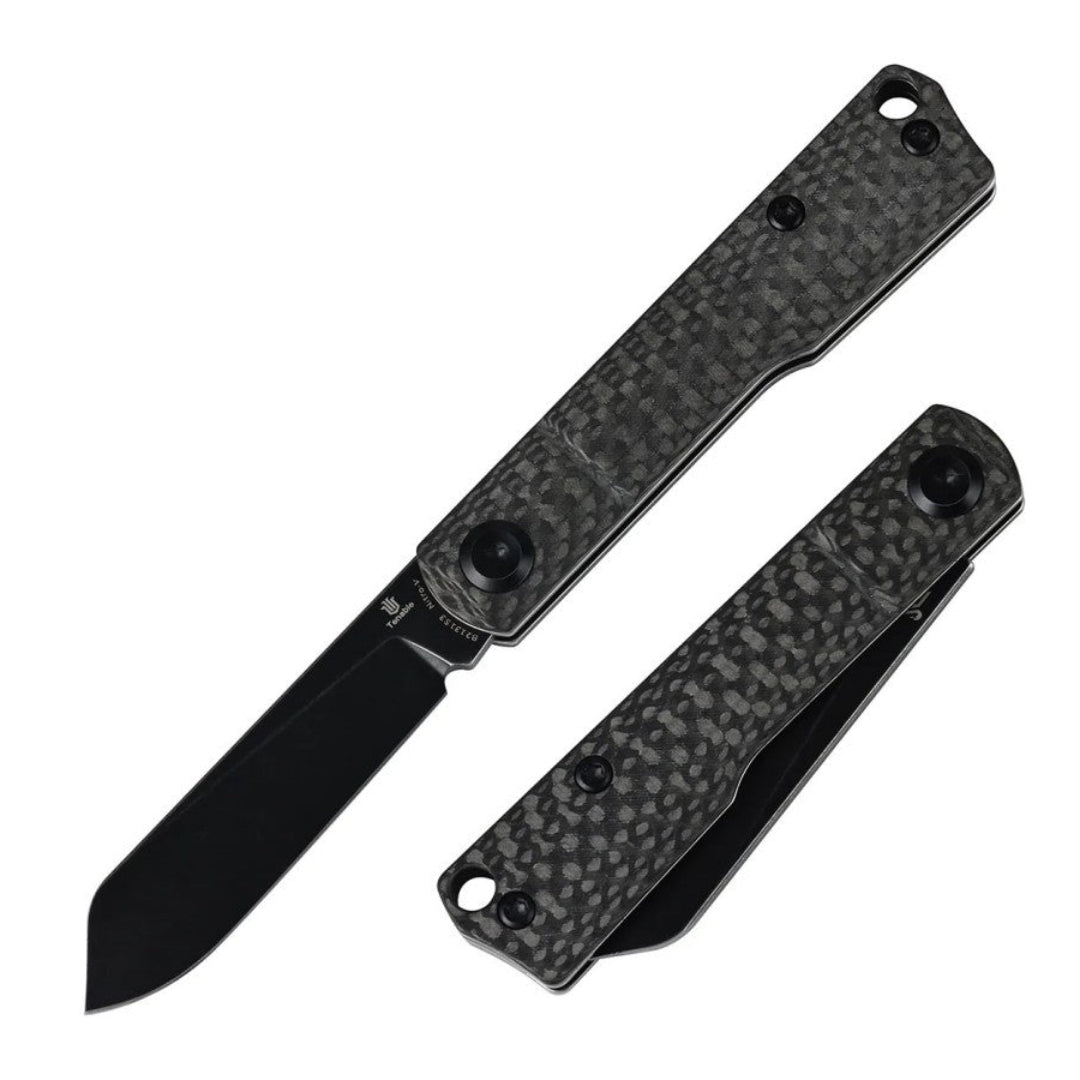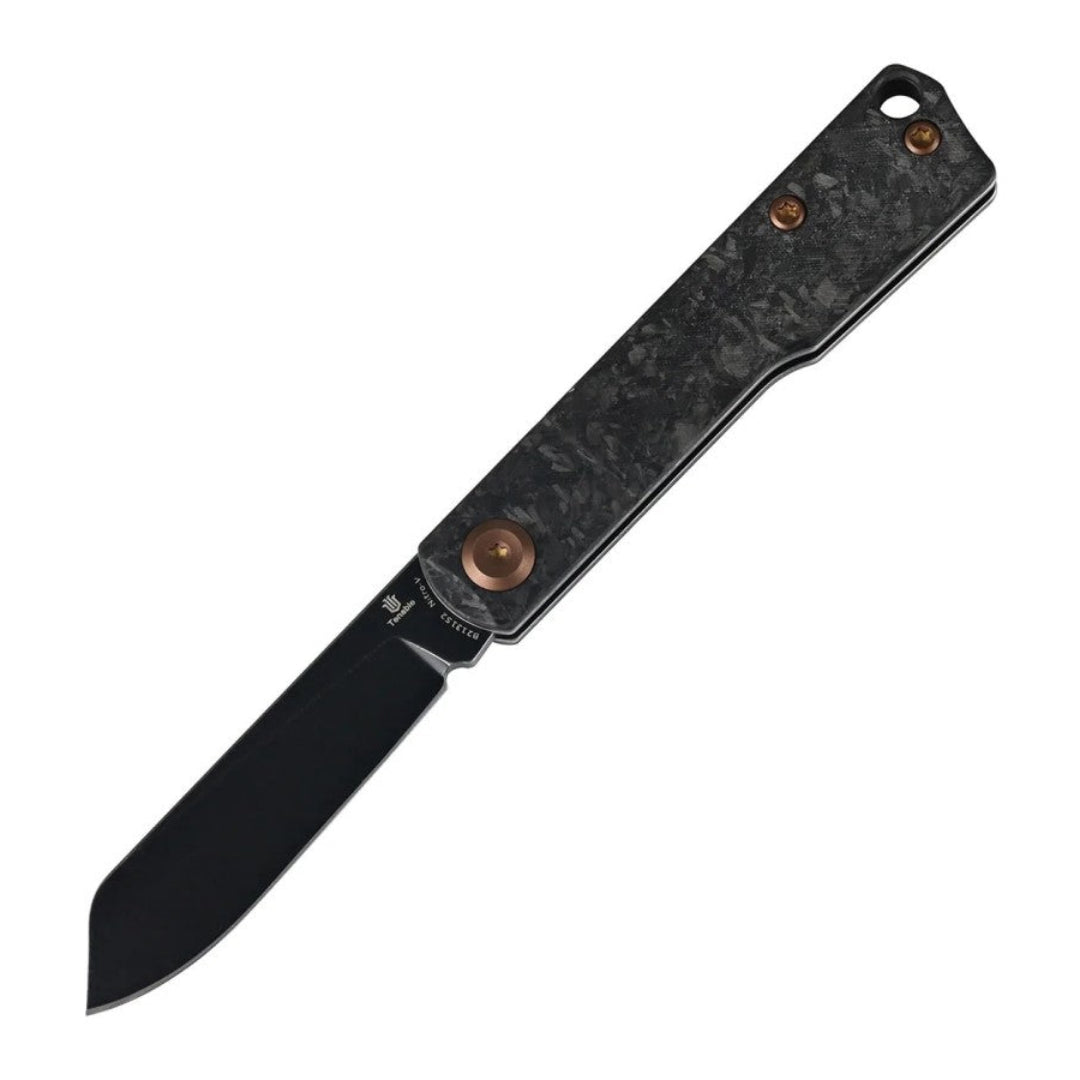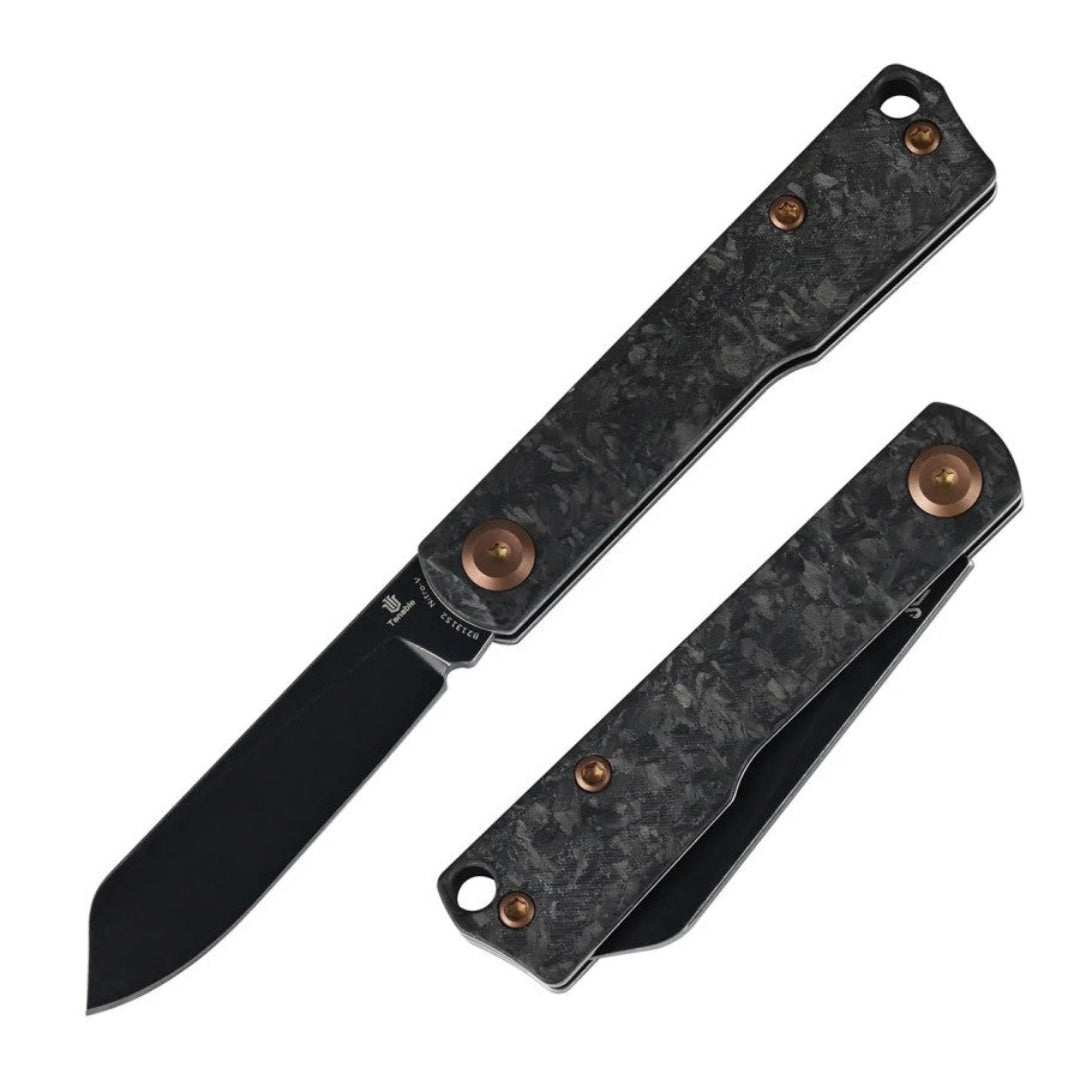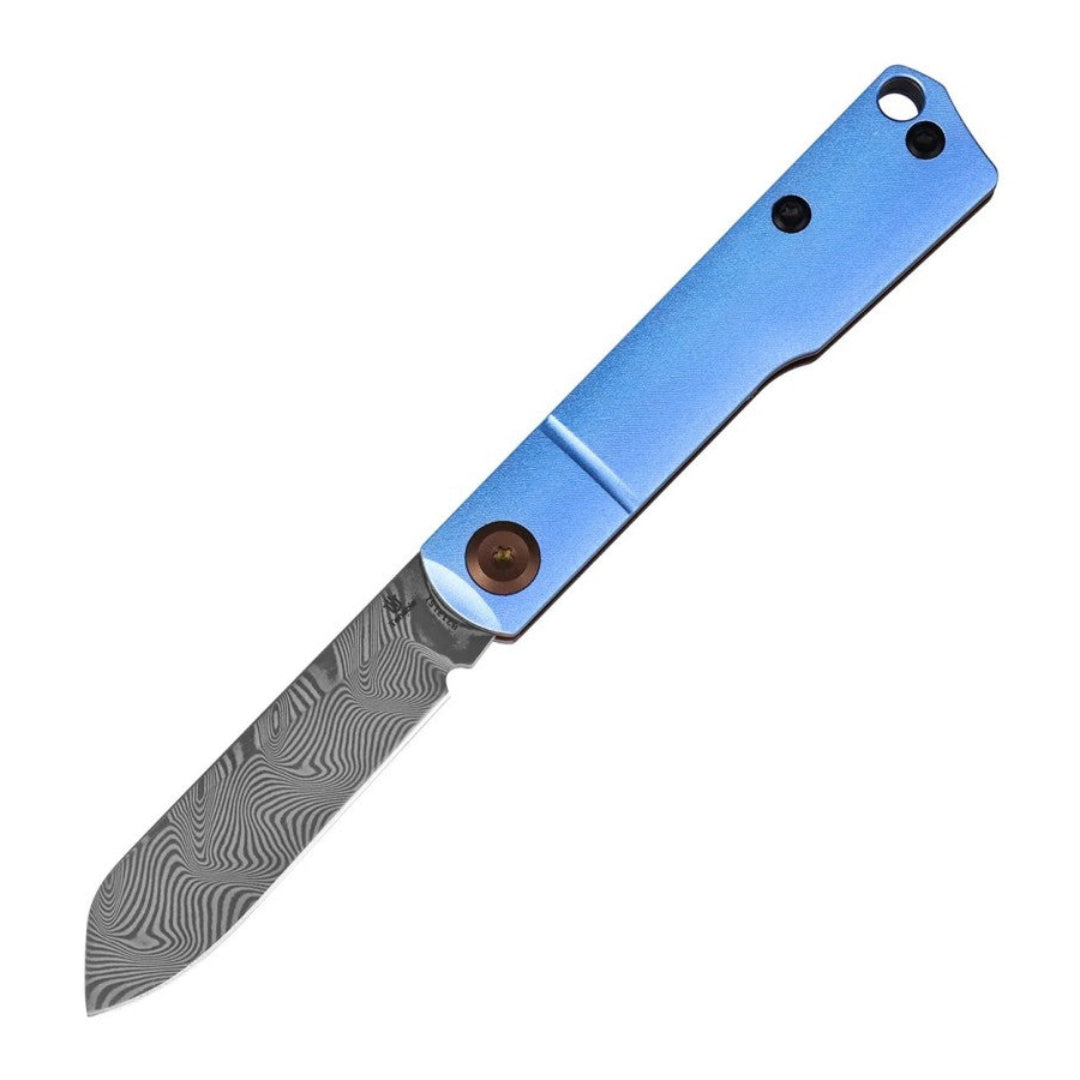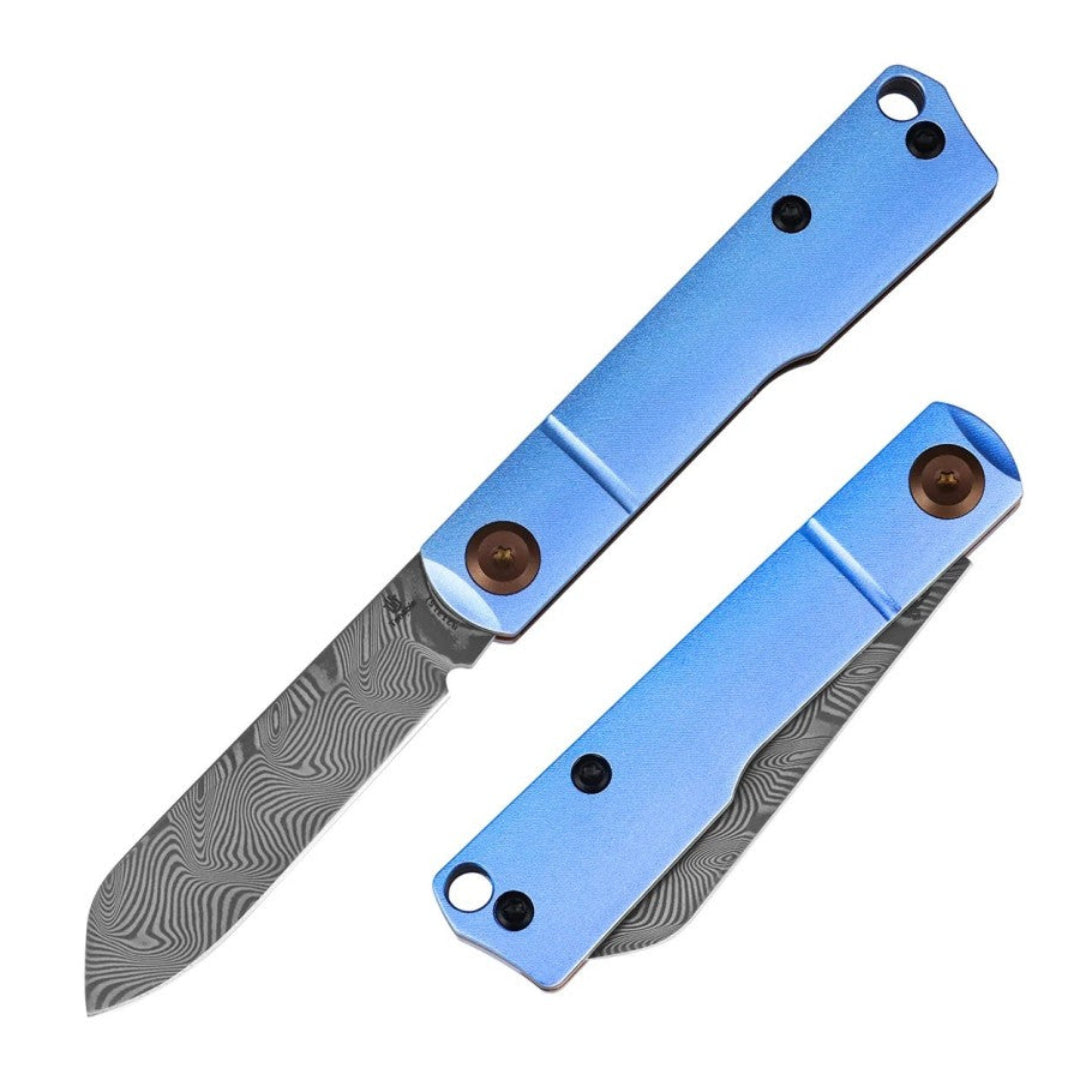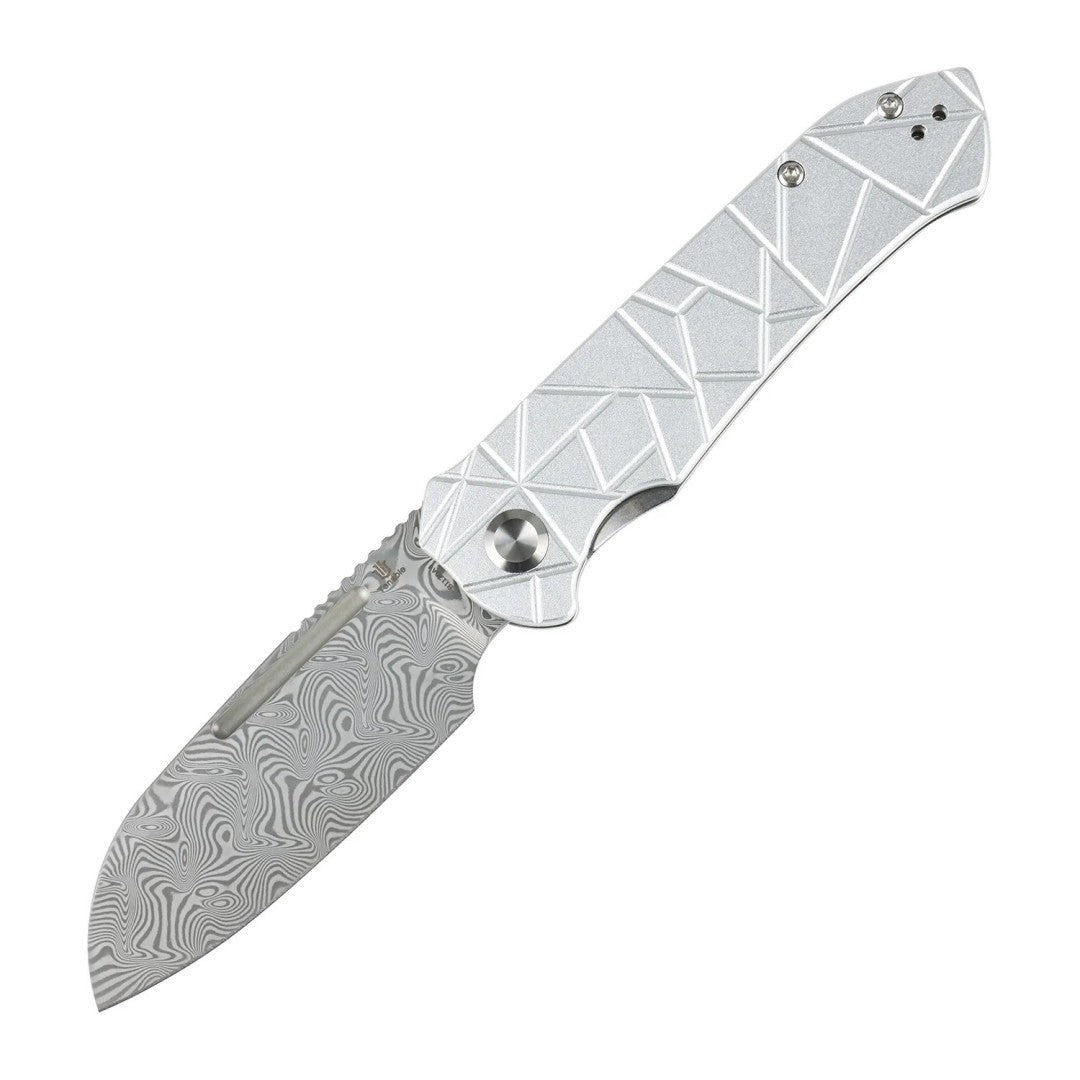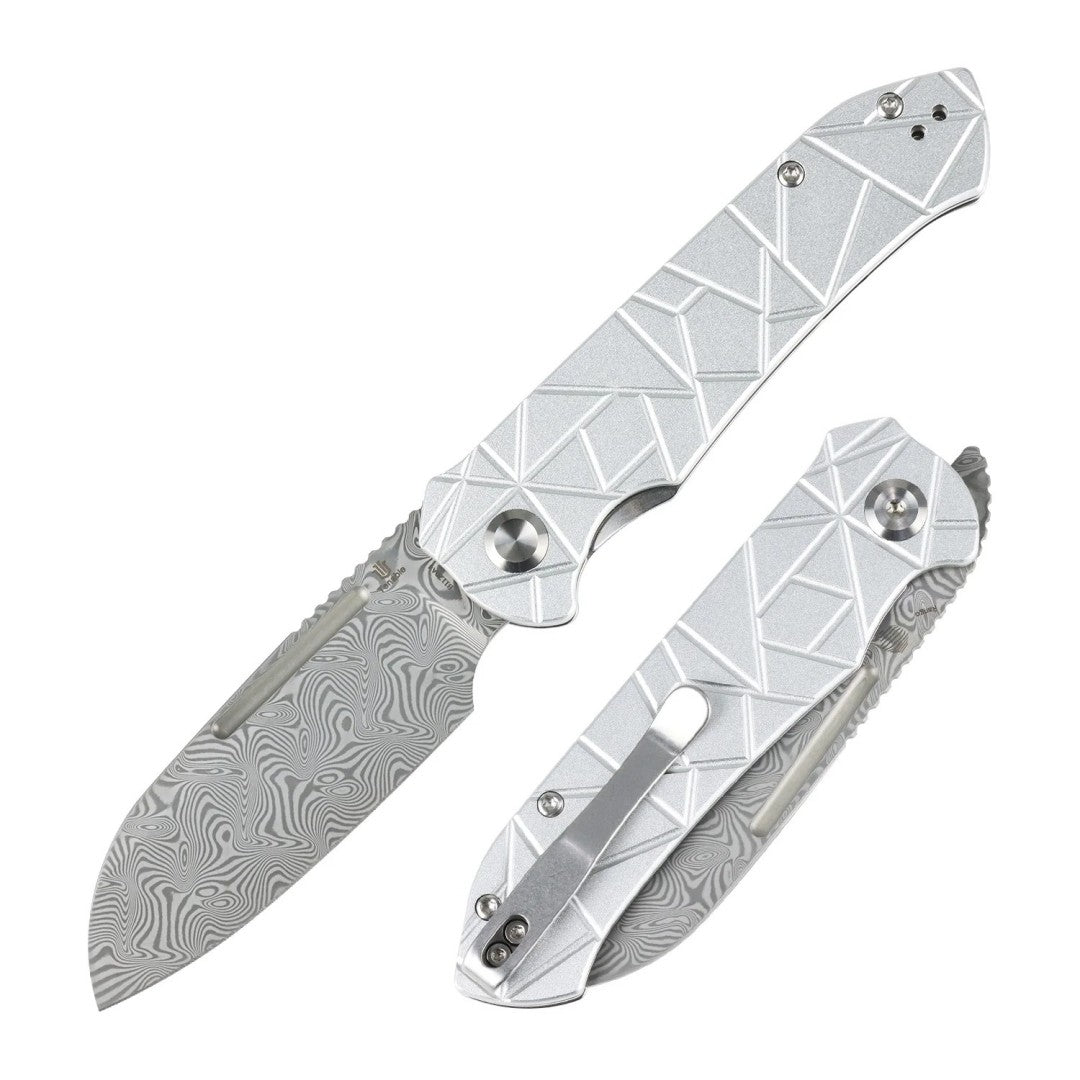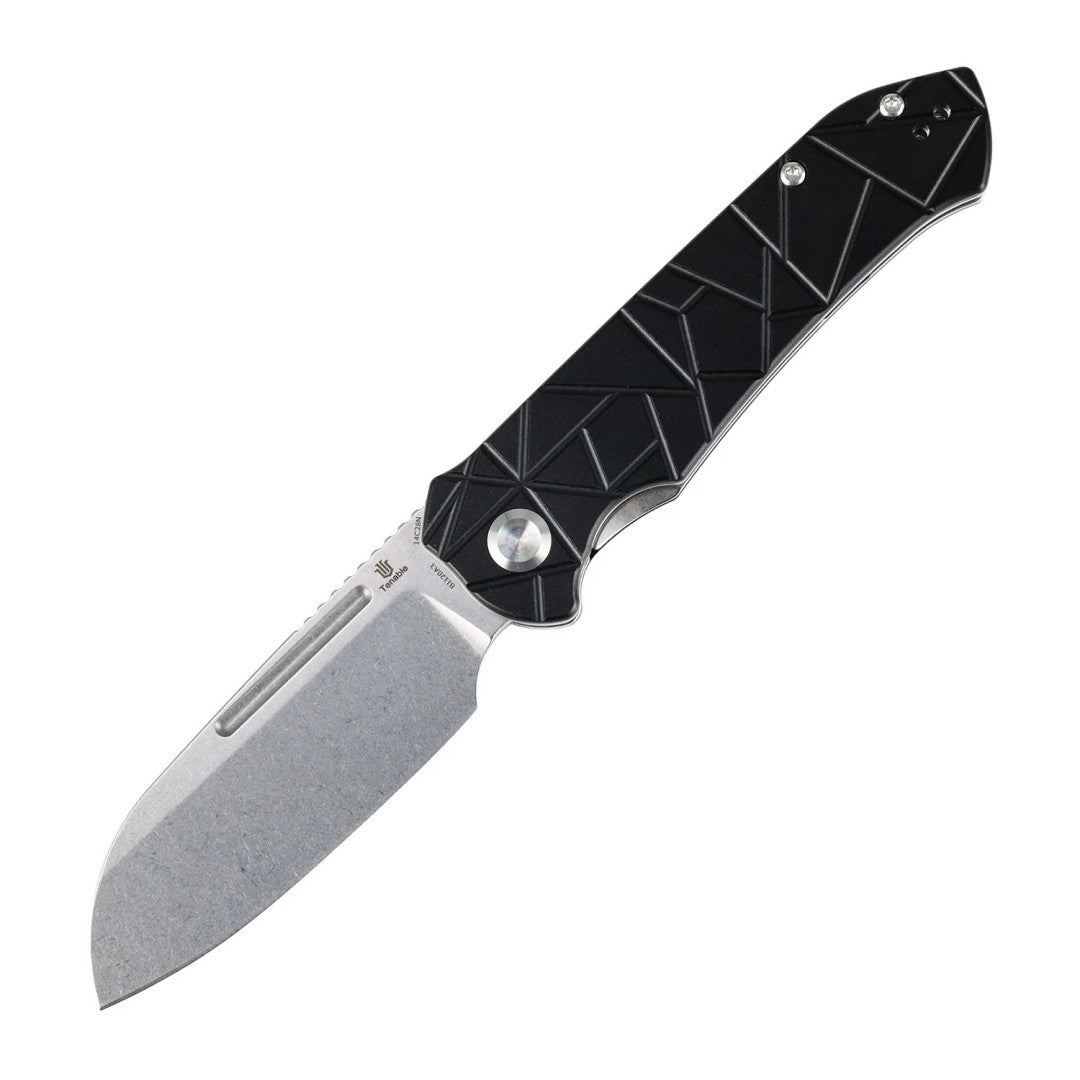
Navigating the budget everyday carry (EDC) market can be a minefield of cheap plastic and subpar steels. However, QSP Knife has carved out a massive reputation for offering premium-tier manufacturing at entry-level pricing. If you are currently shopping for a rugged, highly functional pocket knife that won't empty your wallet, you have almost certainly cross-referenced two of their most legendary models: the QSP Penguin and the QSP Parrot.
While both knives share a heritage of incredible quality control and approachable price points, they target entirely different jobs.
Let's dive into an intensive, component-by-component material breakdown and performance comparison to help you choose the ideal knife for your daily carry.
1. Blade Profiles and Real-World Geometry
The visual profile of a knife reveals exactly how it is designed to cut. This is where the Penguin and Parrot part ways dramatically.
The QSP Penguin: The Ultimate Utility Wedge
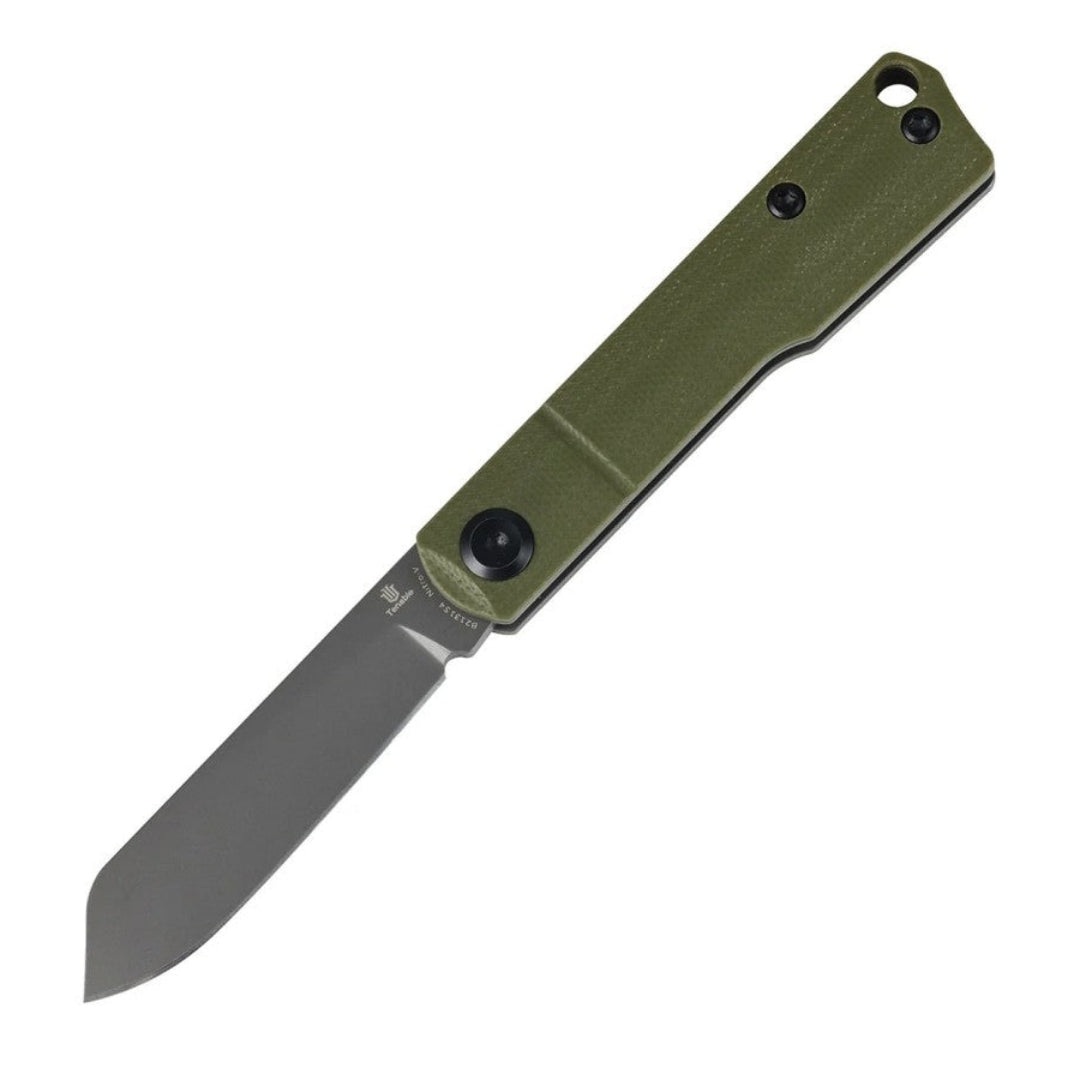
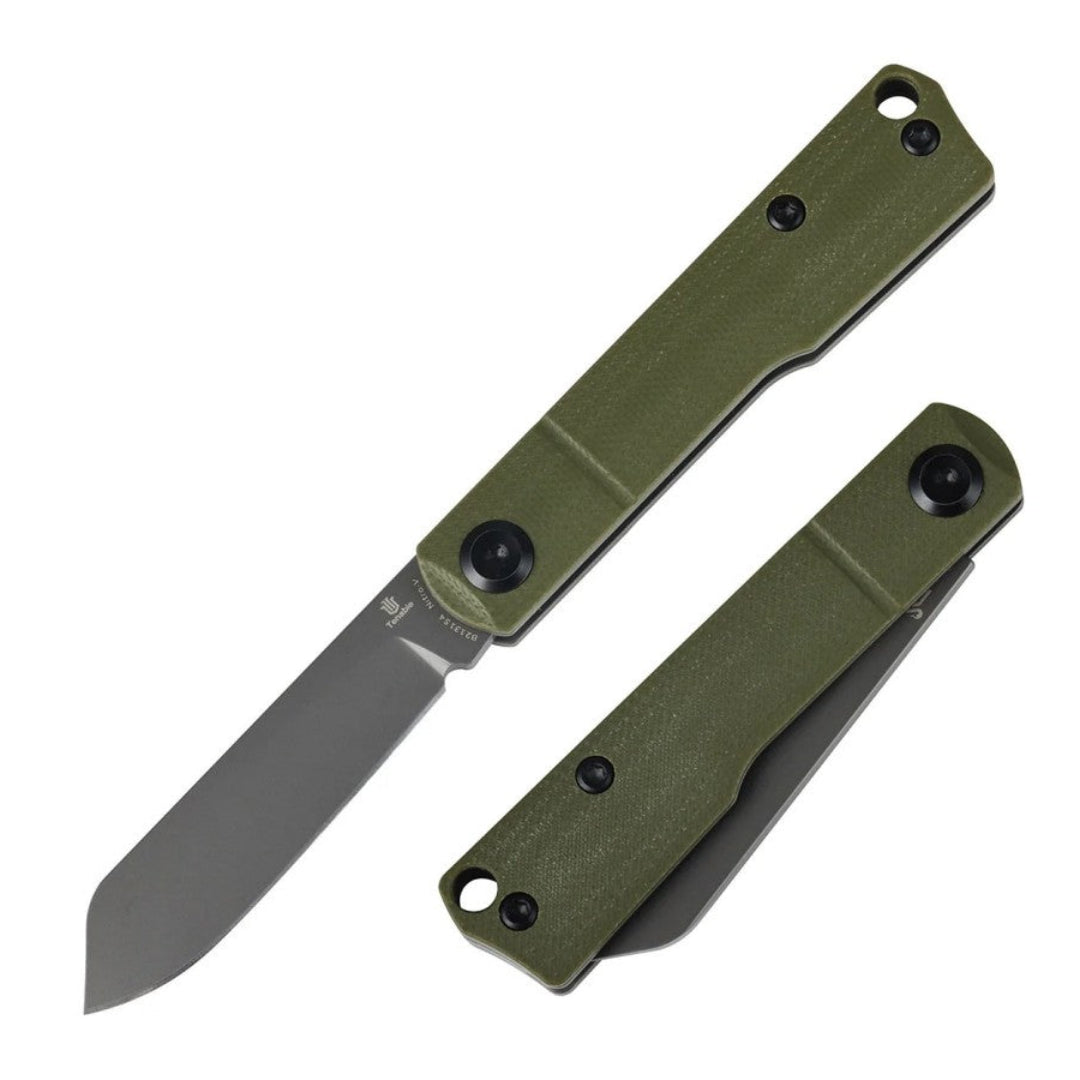
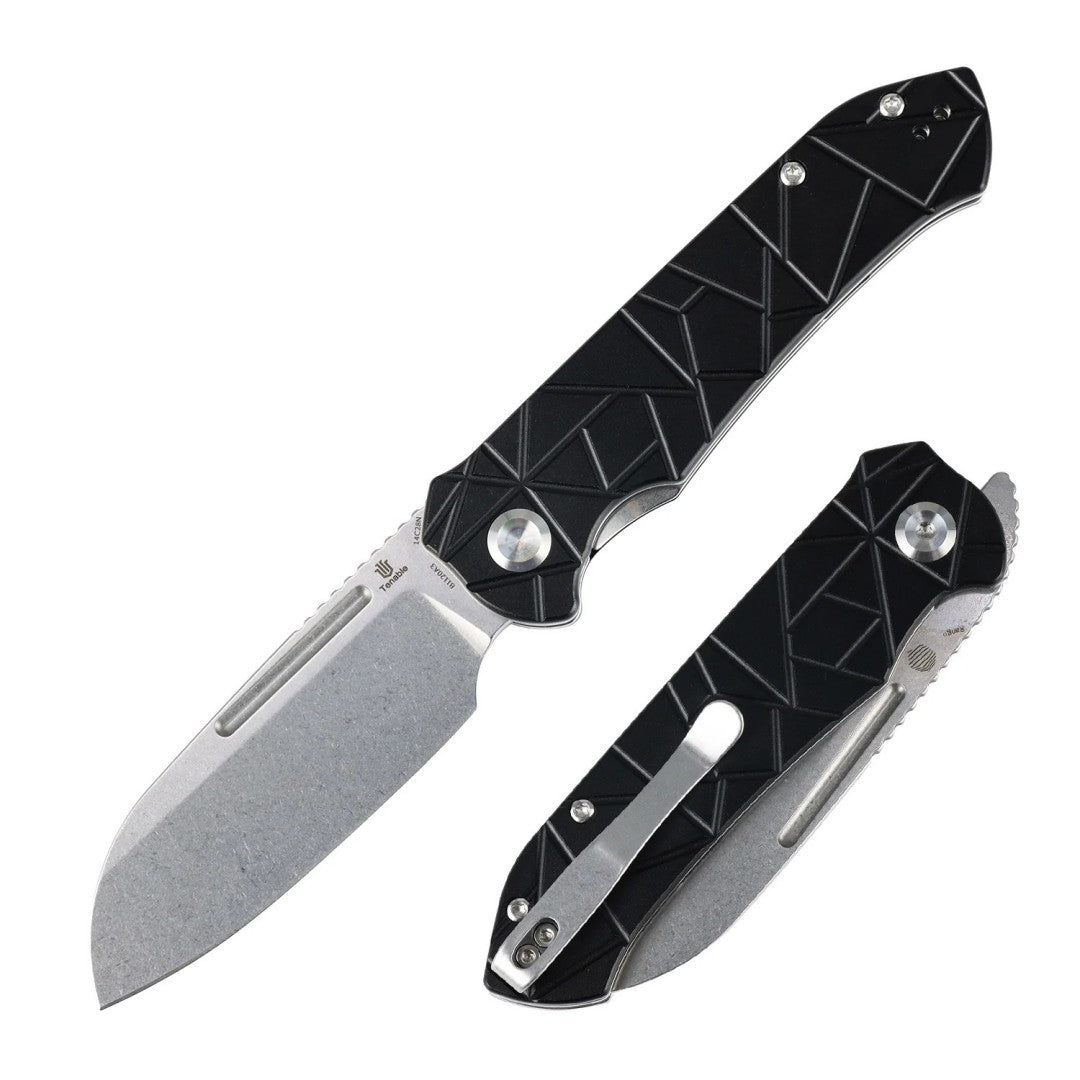
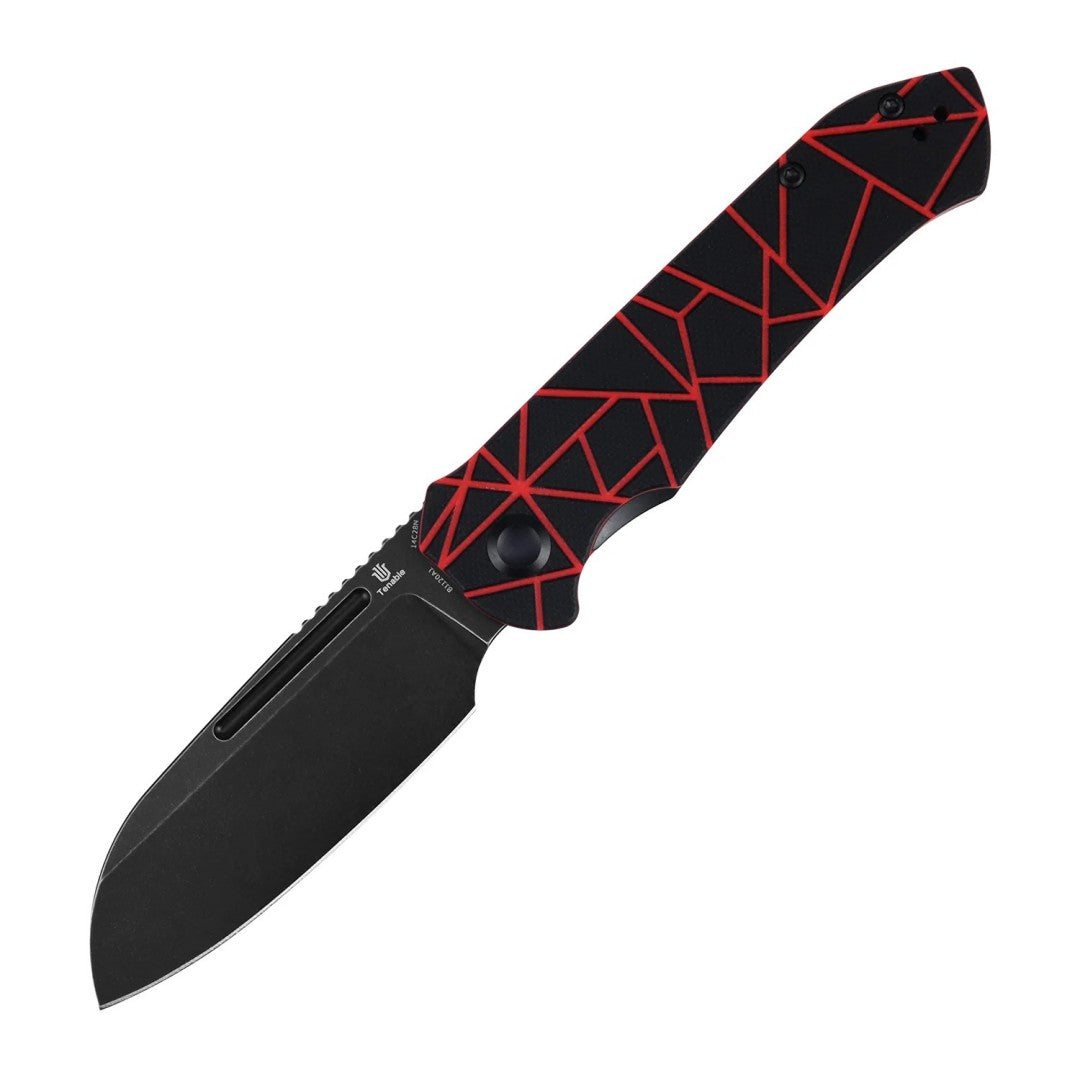
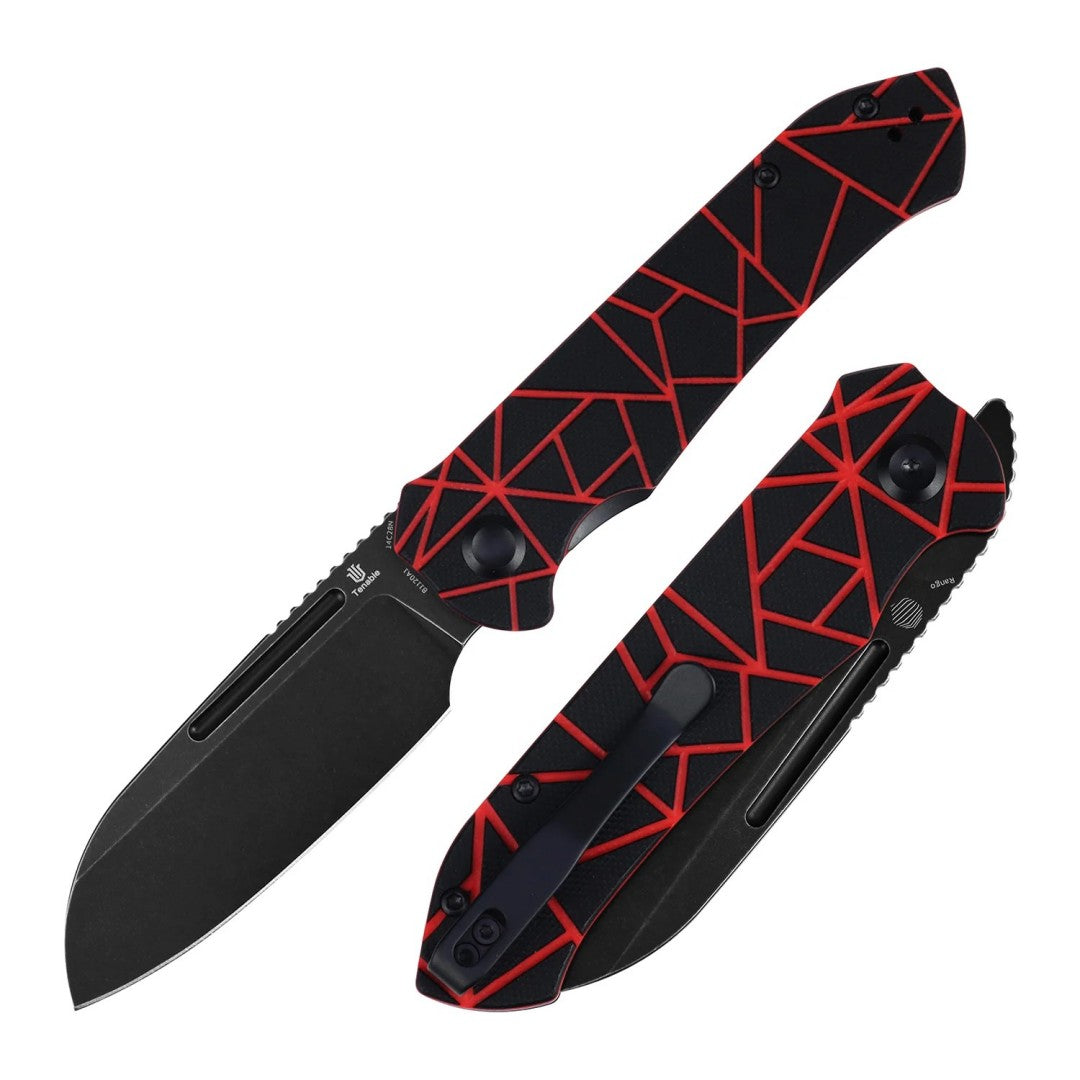
The Penguin sports a modified Wharncliffe / sheepsfoot blade design. Notice how the cutting edge is perfectly flat from the base of the handle all the way to the tip.
-
The Cutting Strategy: Because there is no curved belly, 100% of the blade's edge makes flush contact with the material you are slicing. When you pull the knife through thick corrugated cardboard, heavy rubber straps, or carpeting, the flat edge traps the material, ensuring it never slides off the end of the blade.
-
The Tip: The tip is angled downward, allowing for incredibly precise scoring, scraping, and detail work while minimizing the risk of an upward-facing tip puncturing something accidentally.
The QSP Parrot: The Multi-Purpose Slicer
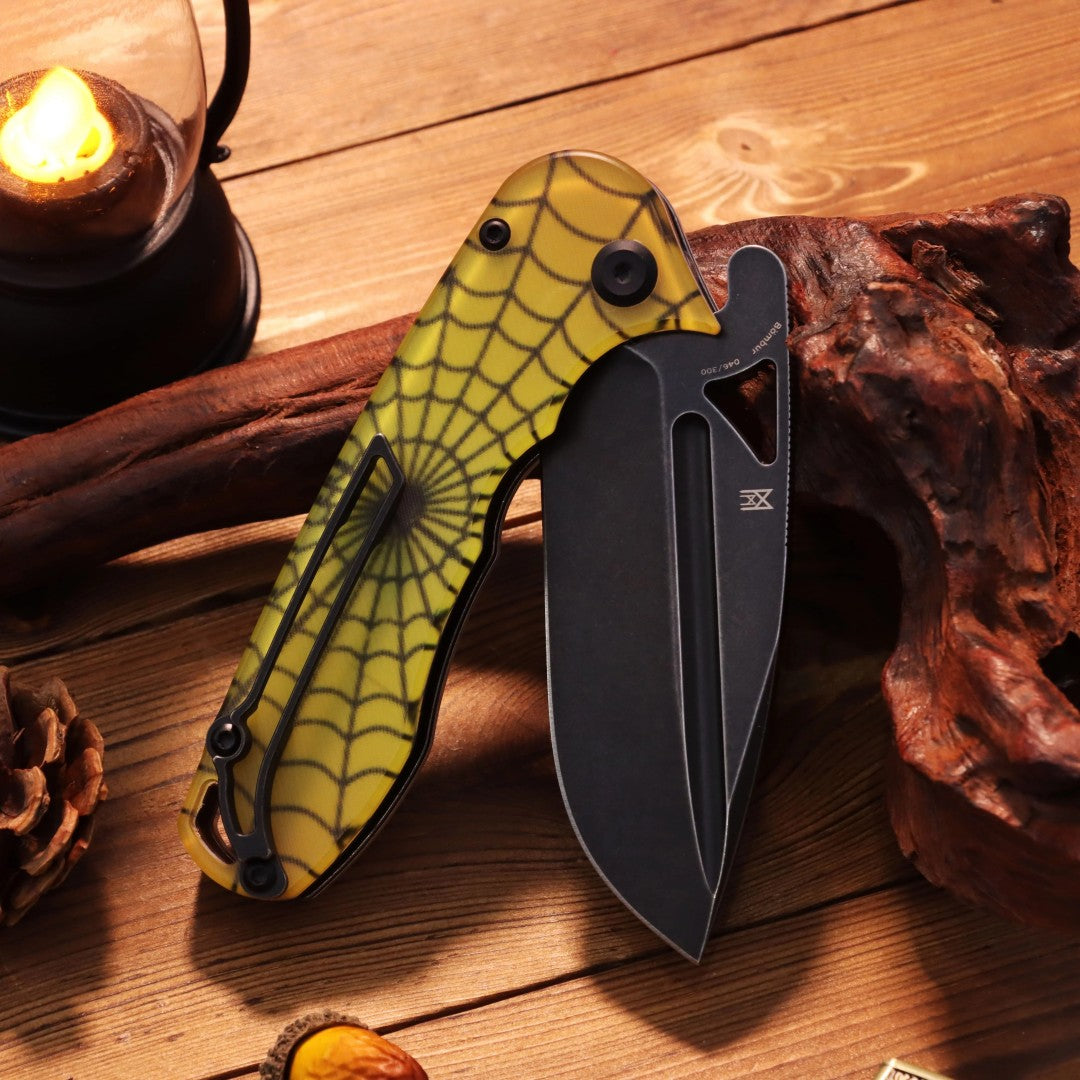
The Parrot takes a traditional route, adopting a clean, balanced drop-point blade shape.
-
The Cutting Strategy: The hallmark of the Parrot is its gradual, upward-sweeping curve along the front half of the edge (the "belly"). This belly is essential for classic slicing tasks where you roll or push the knife through materials. It is the vastly superior choice if your day-to-day work involves cutting fruit, light camp food prep, carving wood, or making long, sweeping slices through soft textiles.
-
The Tip: The tip sits near the centerline of the tool, giving it excellent piercing strength for general everyday puncture tasks.
2. In-Depth Material Breakdown
QSP is famous for varying its material options across different model tiers, allowing users to choose exactly what level of luxury or ruggedness they require.
Blade Steel Analysis
The entry-level versions of both the Penguin and the Parrot rely heavily on D2 tool steel, but higher tiers open up premium avenues.
-
D2 Tool Steel (Standard on Both): D2 is a high-carbon, high-chromium tool steel. It is incredibly hard, meaning it boasts exceptional wear resistance and edge retention. It outperforms standard entry stainless steels by a landslide. However, it is a semi-stainless steel; it contains around 12% chromium. It requires a baseline habit of wiping the blade dry after use to prevent rust or spotting.
-
14C28N Sandvik Steel (Upgraded Tiers): Available on select upgraded variants of both models, Sandvik 14C28N is a true stainless steel. It offers incredible corrosion resistance and is exceptionally easy to sharpen to a razor edge, though it sacrifices a minor amount of the raw edge retention found in D2.
-
Premium Exotics (Penguin Exclusive): The Penguin line has expanded dramatically to include ultra-premium tiers featuring CPM-20CV or M390 steel, bringing true super-steel edge retention to the platform.
Handle Scale Dynamics
The handles on these knives dictate both your grip safety and how the tool ages.
-
Micarta (Linen or Canvas): Highly popular on both models. Micarta provides an incredible tactile texture that feels warm in the hand. Because it is woven fabric pressed with resin, it absorbs the natural oils from your skin over time, developing a rich, darker patina unique to your hands.
-
G10: A high-pressure fiberglass laminate. It is completely impervious to moisture, chemical exposure, or extreme temperature shifts. It offers a crisper, more aggressive texture for users who prioritize absolute slip-resistance over a soft feel.
-
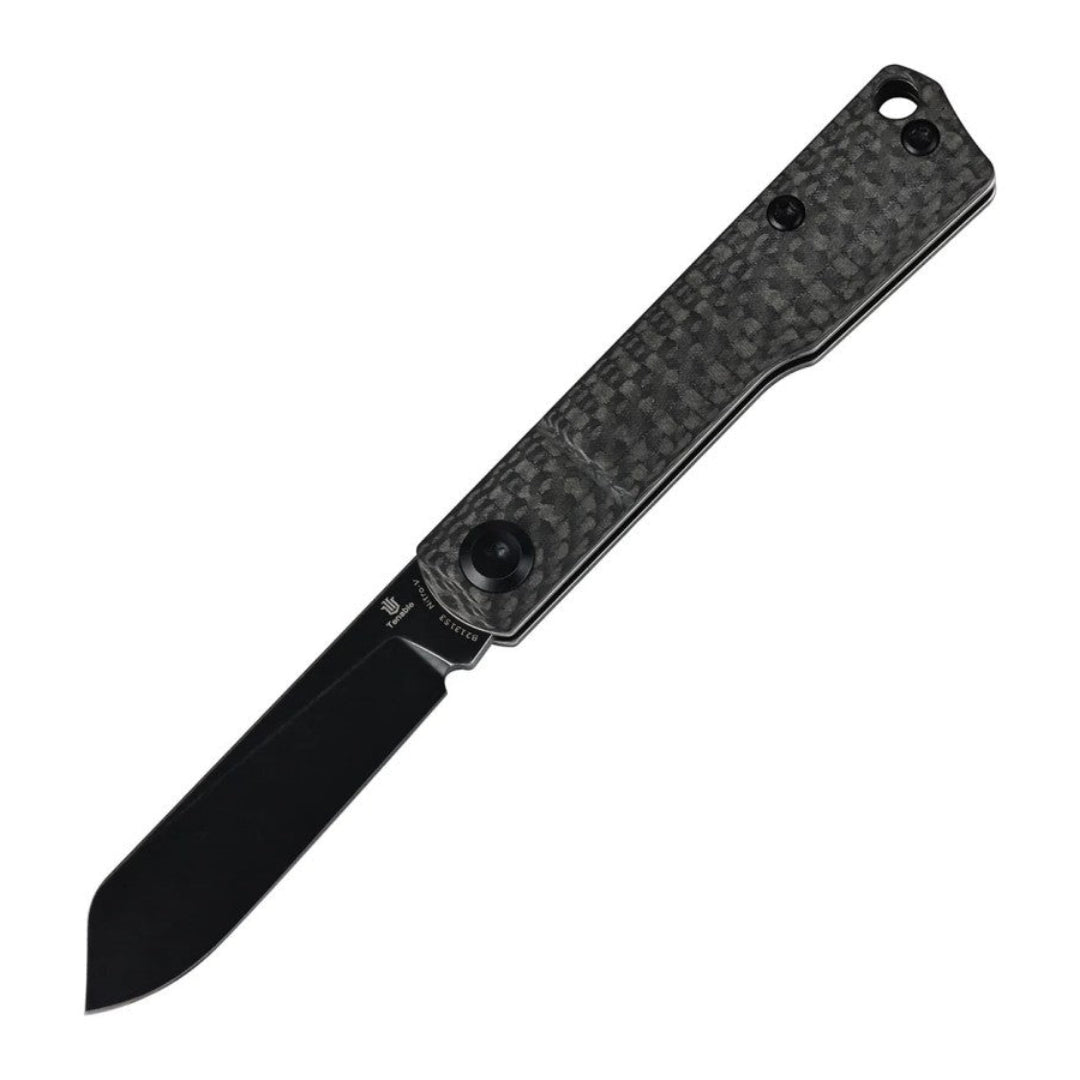
Shredded Carbon Fiber / Titanium overlays: Found primarily on premium Penguin models, these materials drastically elevate the knife into a dressier, gentler modern aesthetic without losing structural integrity.
3. Pivot Action & Mechanical Internals
How the blade deploys is a silent testament to the longevity of the tool.
While many modern budget folders lean on cheap ceramic ball bearings that feel incredibly smooth out of the box but clog easily at the first sign of dirt, QSP chose old-school phosphor bronze and copper washers for both models.
Washers provide a glassy, hydraulic deployment. As you open and close the knife, the copper polishes itself against the steel liner, making the action smoother over time. More importantly, it creates a sealed environment. If you drop the knife in pocket lint, saw dust, or mud, the pivot will not jam or grind like a bearing pivot would.
-
The Penguin's Action: The thumb studs are placed perfectly relative to the pivot geometry, allowing you to easily "flick" the blade open with rapid speed.
-
The Parrot's Action: The deployment path feels tighter and more controlled. It is designed for a deliberate, slow rolling opening, making it an excellent, non-threatening tool to use in a professional office space.
4. Full Dimensions & Specifications
| Feature / Metric | QSP Penguin (Standard Liner Lock) | QSP Parrot (V2 Variant) |
| Overall Length | 7.06 inches (18.0 cm) | 7.25 inches (18.4 cm) |
| Blade Length | 3.06 inches (7.8 cm) | 3.25 inches (8.2 cm) |
| Blade Thickness | 0.12 inches (3.0 mm) | 0.11 inches (2.8 mm) |
| Handle Profile | Neutral, rectangular block | Contoured, forward finger choil |
| Total Weight | 3.14 oz (89 g) | 3.17 oz (90 g) |

Summary: Which QSP Knife Belongs in Your Pocket?
Ultimately, your decision comes down to your cutting habits and carrying style.
Choose the QSP Penguin if:
You are an urban commuter, retail employee, or workshop mechanic whose daily cutting tasks center on opening packages, processing cardboard boxes, scoring plastics, or stripping wires. The flat Wharncliffe geometry, hidden deep-carry pocket clip, and snappy deployment make it the ultimate utility monster.
Choose the QSP Parrot if:
You lean toward traditional, outdoor, or camp-focused utility. If you find yourself cutting food, slicing rope, or carving light wood during weekend outdoor excursions, the sweeping curved belly and protective finger contours of the drop-point Parrot make it a highly reliable, classic multi-tool.
Frequently Asked Questions
Do these knives come with a warranty?
Yes. QSP stands behind their manufacturing and offers a limited lifetime warranty against manufacturer defects in materials and craftsmanship for both the Penguin and the Parrot models.
How do I maintain the copper washers if they get stiff?
If the washer action slows down, you do not need to disassemble the knife. Simply apply a single drop of dedicated knife lubricant or light mineral oil directly into the pivot area on both sides, and open and close the blade a dozen times to distribute it.
Can both knives be carried legally in an office setting?
The blades on both models hover right around the 3-inch mark, which falls within many common regional carry legal limits. However, because both feature locking blades (liner locks), they may be restricted in specific countries or metropolitan zones with anti-locking knife laws. Always consult your local legal codes.