


Description
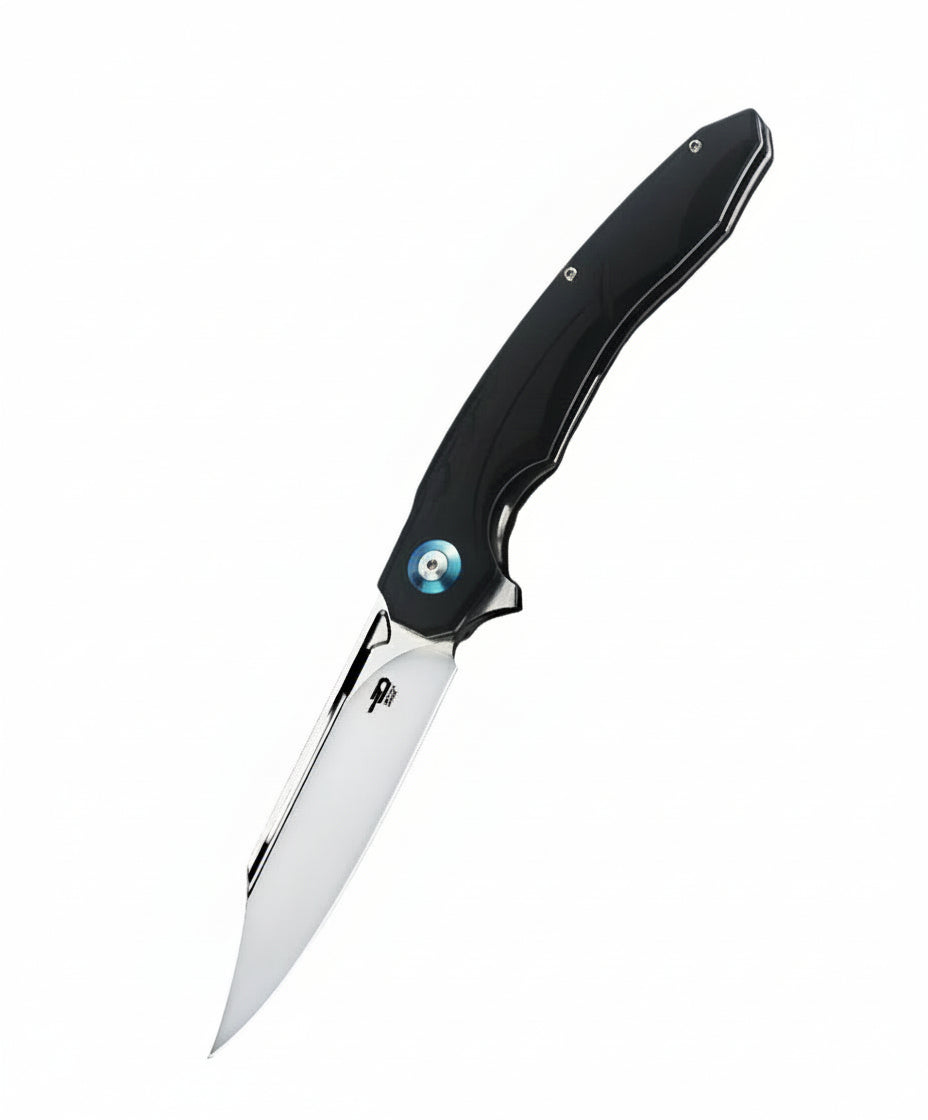
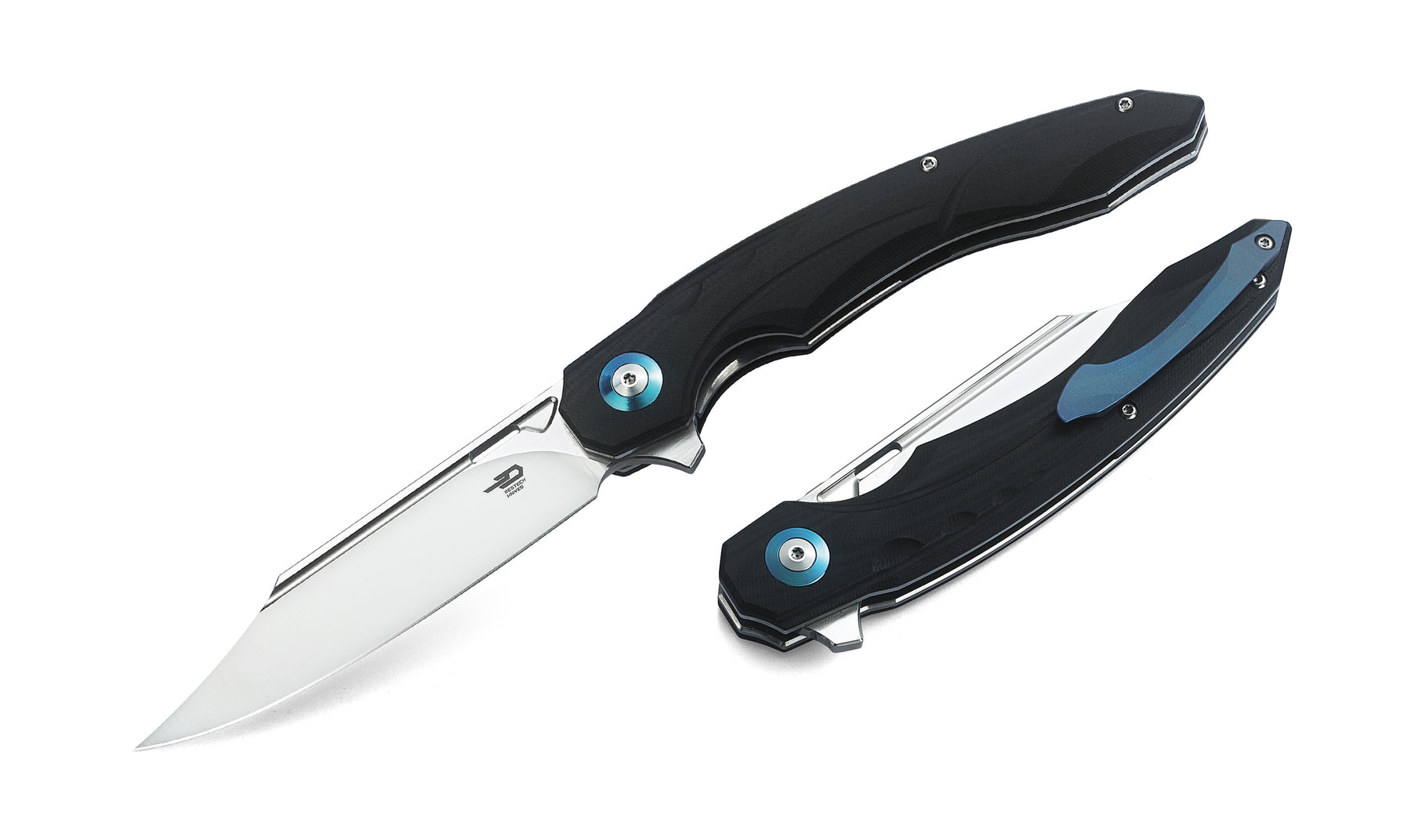
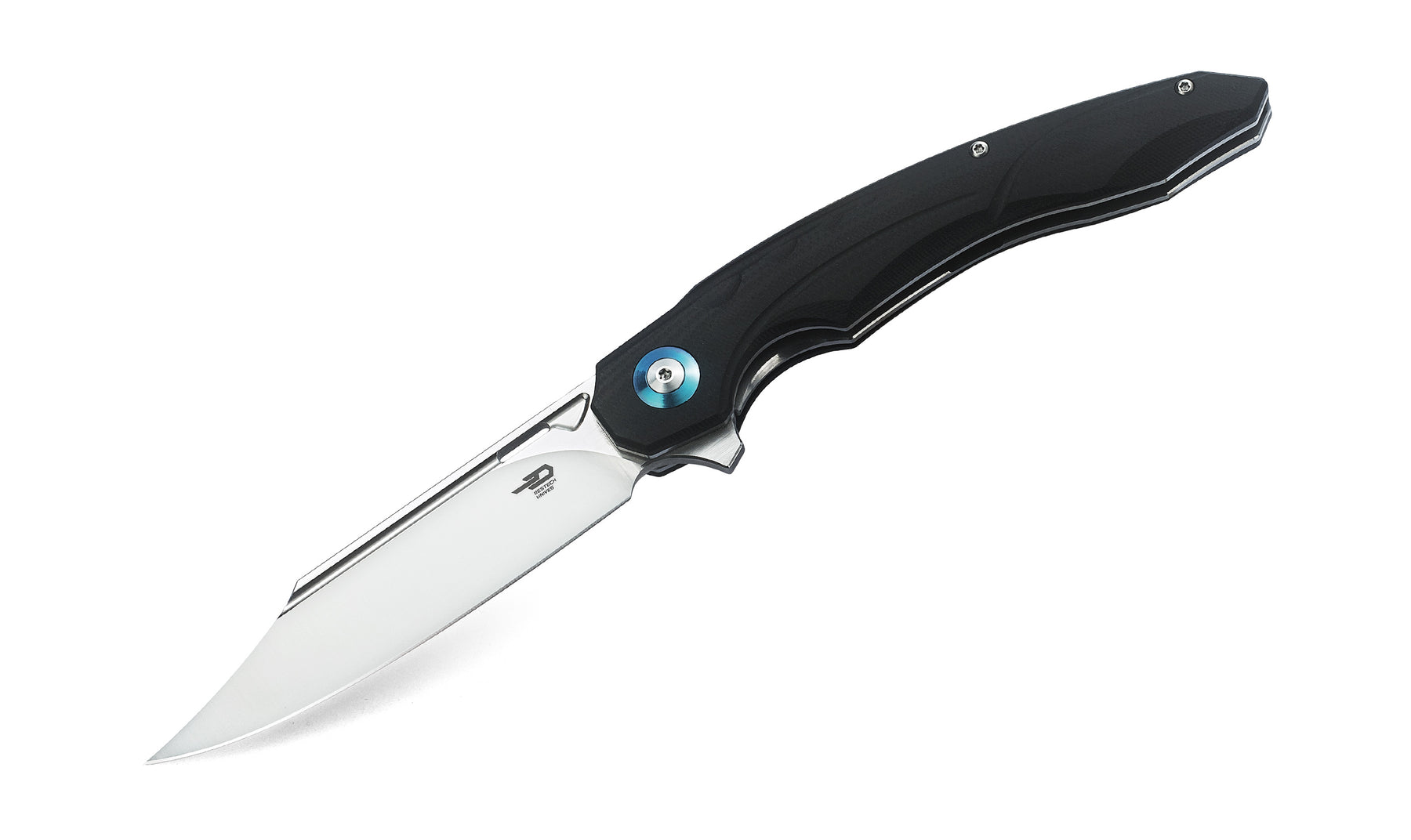
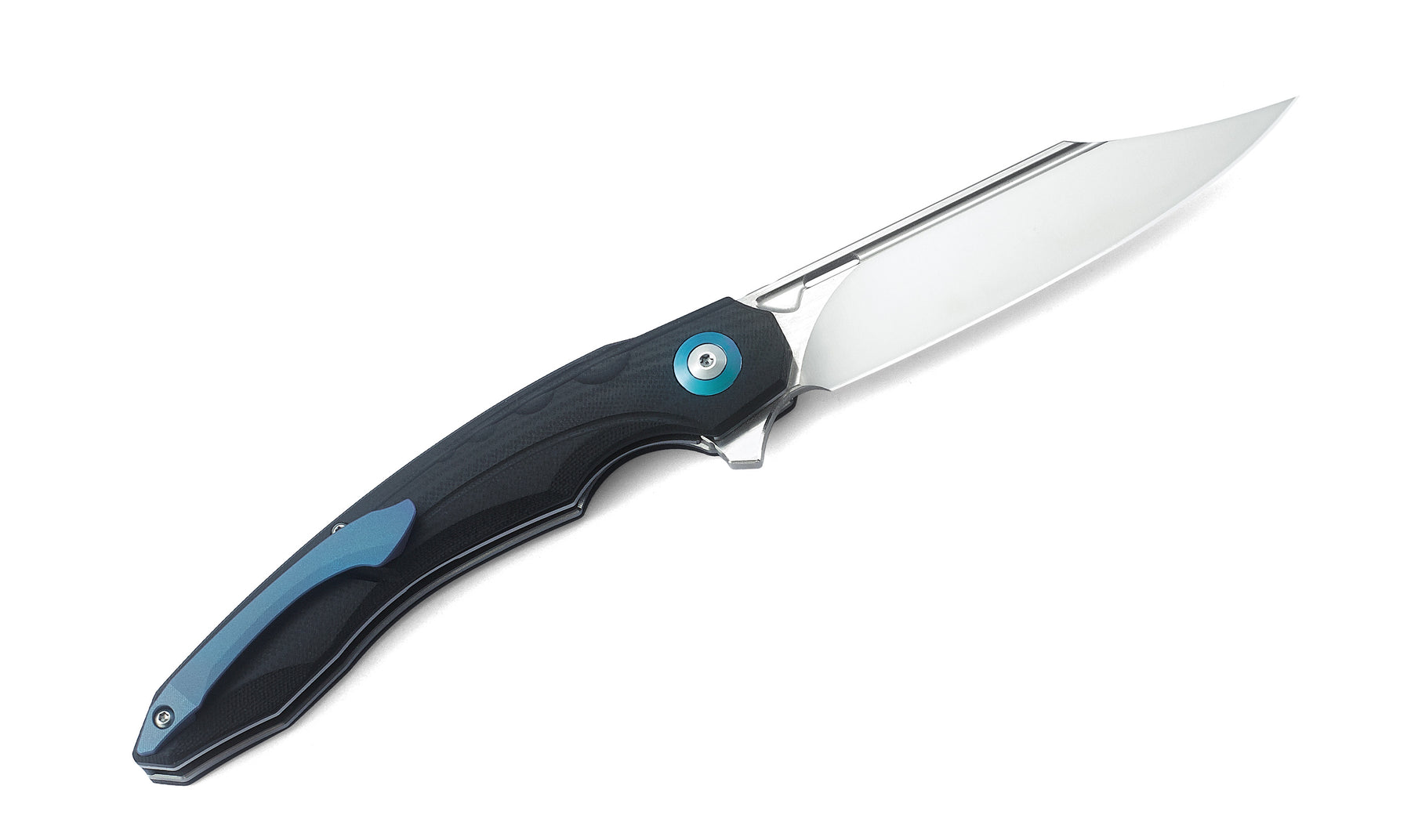
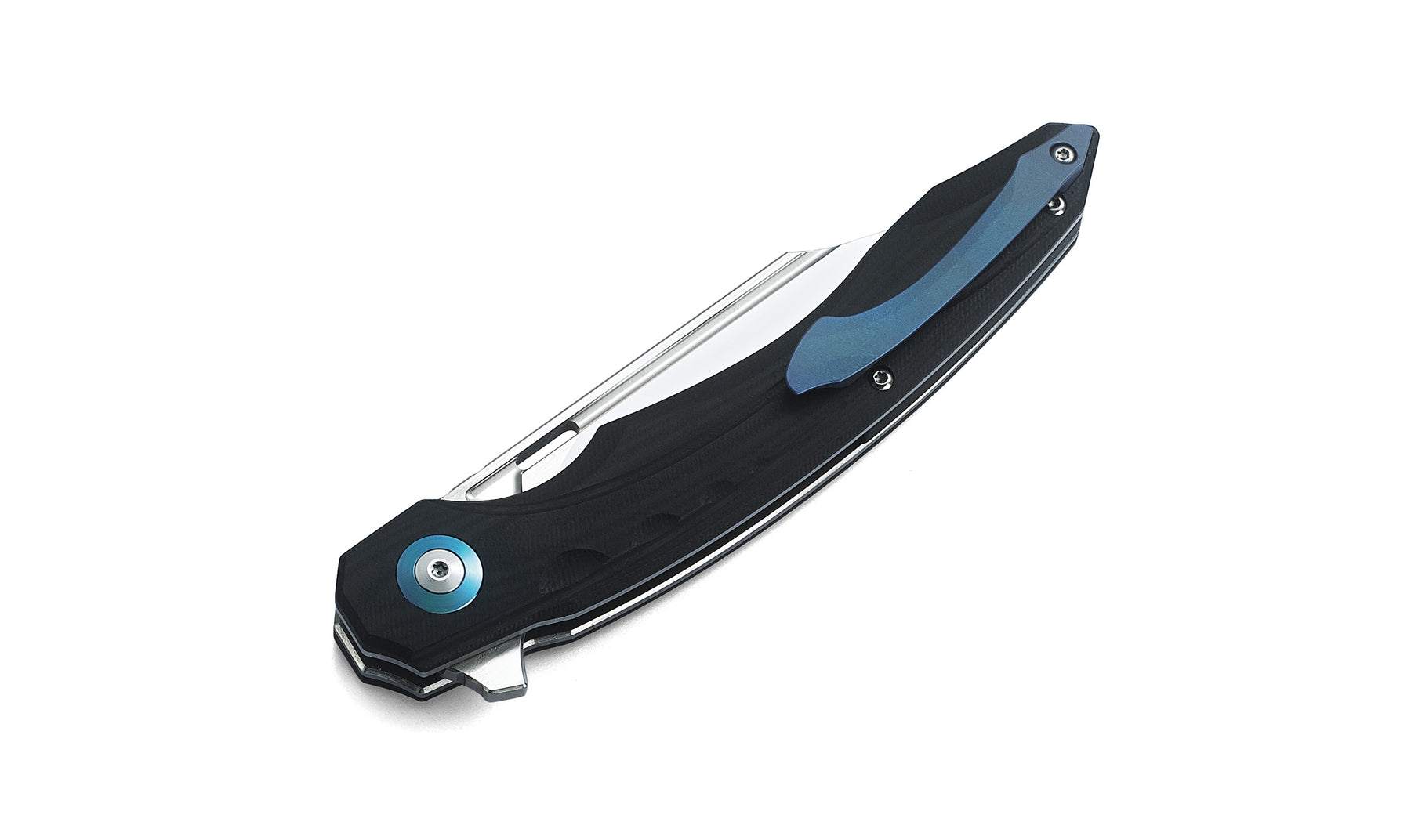
The Bestech Fanga BG18A represents a refined approach to everyday carry design, combining premium materials with thoughtful engineering. Built around a D2 stainless steel blade finished in satin, this knife delivers reliable edge retention and corrosion resistance suitable for demanding tasks. The G10 handle provides exceptional grip security and durability, while the ceramic ball bearing system ensures smooth, responsive blade deployment. A titanium clip offers lightweight strength and refined aesthetics, complementing the professional-grade construction throughout. The liner lock mechanism provides dependable blade security during use. At 9.65 inches fully extended and just 126 grams, the Fanga balances substantial cutting capability with practical portability. Designer KOMBOU's attention to proportions creates an ergonomic profile that performs equally well in utility applications or as a collector's piece. This is a knife engineered for those who demand quality materials and precise execution in their tools.
SPECIFICATIONS
Blade Material: D2
Blade Finish: Satin
Handle Material: G10
Clip Material: Titanium
Describe: Liner Lock
Handle Color: Black
Ball Bearing: Ceramic
Overall Length: 9.65" (245 mm)
Closed Length: 5.39" (137 mm)
Blade Length: 4.25" (108 mm)
Blade Thickness: 0.15"(3.8mm)
Knife Weight: 126g
Designer: KOMBOU
Bestech Knives Fanga BG18A: D2 Performance, Specs and Honest Review
The Bestech Fanga BG18A is designer KOMBOU's long-blade statement piece: a 4.25-inch (108 mm) D2 satin blade with a sweeping clip-point profile, textured black G10 scales - a moisture-proof laminate with a confident field grip and a liner lock behind a ceramic ball bearing pivot, finished with a blue-anodized titanium clip. At 9.65 inches (245 mm) overall and 126 g it delivers serious cutting reach in a folder you can still pocket.
Why D2 Suits the Fanga's Long Working Blade
A 4.25-inch blade lives hard: rope, cordage, camp chores, box carcasses. D2 tool steel is a natural fit - its large vanadium and chromium carbides hold a working edge through abrasive material far longer than budget stainless, and the satin finish wears a handsome grey patina with use. The honest trade is corrosion care: D2 is semi-stainless, so a wipe and a drop of oil after wet work keeps it flawless. Against 14C28N or CPM-S35VN stainless it out-cuts both in dry abrasive work and gives up some rust forgiveness. Compare all D2 steel knives to see where it lands.
Why the Fanga Belongs in Your Kit
- 4.25-inch D2 blade - sweeping clip point with real belly for slicing and a long edge for cardboard and cordage.
- Satin finish - a classic working finish that hides use and patinas gracefully.
- textured black G10 scales - a moisture-proof laminate with a confident field grip
- Liner lock - secure, one-hand-friendly lockup sized for a big blade.
- Ceramic ball bearing pivot - glassy deployment on a full-size folder.
- Blue-anodized titanium clip - lightweight, springy and a bold accent against the dark scales.
- 0.15 in (3.8 mm) blade stock - spine strength that backs up the 108 mm edge.
- 126 g at 9.65 in - big-knife capability that still carries closed at 5.39 inches.
Best Uses for the Fanga BG18A
- Camp and bushcraft: feather sticks, notching, food prep - the 4.25-inch edge does small-fixed-blade work in a folder.
- Worksite cutting: box breakdown, strap, packaging - D2 keeps cutting long after budget steel dulls.
- Outdoor carry: the sweeping profile excels at game prep and cordage on hunting trips.
- Collection display: layered carbon fiber scales and KOMBOU design make it a standout on the shelf.
- Gifting: a designer long-blade folder that unboxes like a $200 piece at half the price.
Frequently Asked Questions
What is the difference between the BG18A-E Fanga models?
Handle construction and colour. The A carries black G10 and the B green G10, while C, D and E layer carbon fiber over G10 in black, beige-spec and blue trims. Steel, blade, lock and dimensions are identical.
Does D2 rust?
D2 is semi-stainless: it resists rust far better than carbon steel but can spot if stored wet. A wipe and a light oil film after wet use keeps it flawless.
What is that grey film on the satin blade?
That is patina - a normal oxide darkening from cutting fruit, wet wood or cardboard. It is cosmetic, uniform, and many users cultivate it deliberately.
How hard is D2 to sharpen?
Harder than stainless, easier than M390. A diamond plate or coarse water stone at 18-22 degrees per side, then a strop, restores the edge in minutes.
Is a 4.25-inch folding blade legal to carry?
Blade-length rules vary by country, state and city. Check local law before carrying any large folder.
D2 Tool Steel vs. Common Folder Steels
| Steel | Typical HRC | Edge Retention | Corrosion Resistance | Toughness | Sharpening Ease |
|---|---|---|---|---|---|
| D2 (this knife) | 58-61 | Very Good | Fair | Good | Hard |
| 14C28N | 58-61 | Good | Excellent | Good | Very Easy |
| 154CM | 58-61 | Good | Good | Very Good | Moderate |
| CPM-S35VN | 58-60 | Very Good | Very Good | Good | Moderate |
| Bohler M390 | 60-62 | Excellent | Excellent | Fair | Hard |
| 440C | 58-60 | Good | Very Good | Good | Easy |
D2 is a high-carbon, high-chromium tool steel prized for abrasion resistance: its large vanadium and chromium carbides hold a working edge through cardboard, rope and hardwood far longer than budget steels. The trade-off is corrosion resistance - at roughly 12 percent chromium D2 is semi-stainless, so it wants a wipe and a drop of oil after wet work and may develop a light grey patina with use. HRC figures are typical mill ranges, not a guarantee for any single blade.
Glossary of Key Terms
Bestech KnivesA Chinese manufacturer producing over 800 EDC folders with in-house designs and designer collaborations at aggressive prices.
Fanga BG18
Designer KOMBOU's long-blade folder for Bestech: a 4.25 inch D2 sweeping clip point on layered carbon fiber and G10, liner lock, ceramic bearing, 9.65 inches overall and 126 g.
D2 Tool Steel
A high-carbon, high-chromium tool steel with very good edge retention and abrasion resistance. Semi-stainless: it resists rust better than 1095 but wants a wipe and oil after wet use.
KOMBOU
The designer behind Bestech's Fanga series - a long-blade EDC line pairing sweeping clip-point profiles with layered carbon fiber and G10 construction.
Carbon Fiber
Woven carbon strands set in epoxy resin. Stronger and far lighter than G10 with a distinctive weave; the laminate resists moisture and chemicals but can be slippery when wet.
G10
Woven fiberglass cloth laminated in epoxy resin. It is nearly immune to moisture, extremely strong for its weight, and can be layered in colours so the edges show stripes - the effect used on the Bestech Fin handles.
Liner Lock
A spring-steel liner inside the handle presses against the blade tang to keep it open. Simple, ambidextrous in most designs, and easy to clean, which is why it remains the default on traditional folders.
Satin Finish
A unidirectional buffed finish between matte and mirror. It hides fingerprints and fine scratches better than a polish and cleans up easily on a strop.
HRC (Rockwell C)
The hardness scale used for knife steel. Higher HRC means better edge retention and more brittleness; 58-61 is a working range, 62-64 buys edge holding at the cost of shock tolerance.
Who Should Buy the Fanga BG18A
- You want a big-belly D2 blade in a folder under $110.
- You cut abrasive material daily - cardboard, rope, straps - and rate edge life over rust forgiveness.
- You like designer long-blade folders with layered carbon fiber construction.
- You maintain your knives and are comfortable with an oil-and-wipe routine.
- You want titanium clip hardware without a titanium price.
Who Should Skip It
- You never dry your knife - D2 punishes users who store it wet; pick a 14C28N folder instead.
- You want a pocket-size EDC; at 9.65 inches open the Fanga is a large folder.
- You expect bare satin steel to stay factory-bright forever - D2 patinas.
- You need a dedicated left-hand lock; the liner lock is right-hand-biased.
Care & Maintenance
- Wipe the blade dry after every use, then apply a thin film of mineral oil. D2 is semi-stainless and will spot or patina if put away wet.
- A grey or blue-grey patina on the satin finish is normal oxide darkening, not rust. Black spots with texture are rust - remove them with oil and fine abrasive.
- One drop of light knife oil at the pivot monthly, then open and close the blade a dozen times so the oil reaches the ceramic ball bearings.
- Keep the liner lock face clean and dry. Grit on the lock face delays engagement and the blade develops vertical play.
- Sharpen D2 on a diamond plate or coarse water stone at 18-22 degrees per side. The large carbides resist conventional stones - let the abrasive cut, do not lean on it.
- Finish on a loaded leather strop. D2 rewards patience: a stropped edge slices far above what the steel's rough feel suggests.
- Clean the G10 or carbon fiber scales with warm water and a soft brush; wipe the anodized titanium clip dry. Solvents dull anodizing.
- Never store the knife in a damp pouch or leather sheath for long periods - trapped moisture is the fastest route to rust on D2.
- Check the clip and body screws every couple of months with the correct Torx driver, and never pry or twist the blade - the long Fanga and Explorer blades are slicers, not levers.
Payment & Security
Your payment information is processed securely. We do not store credit card details nor have access to your credit card information.
Delivery and Shipping
In-stock orders will be shipped in 48 hours except weekend and holidays.
Pre-orders pls subject to the indicated Pre-order shipping dates.
From China warehouse: Estimated delivery in 15–21 business days