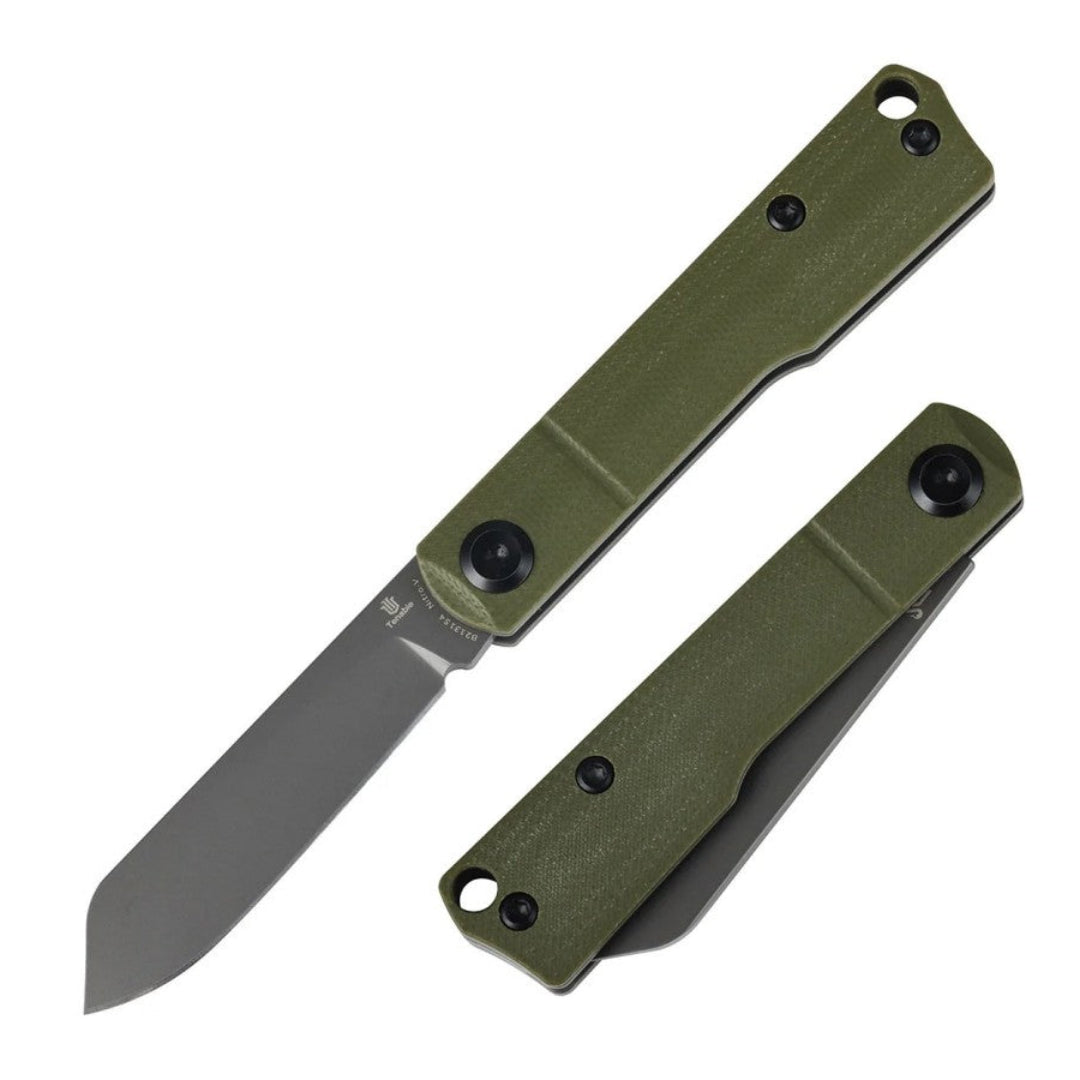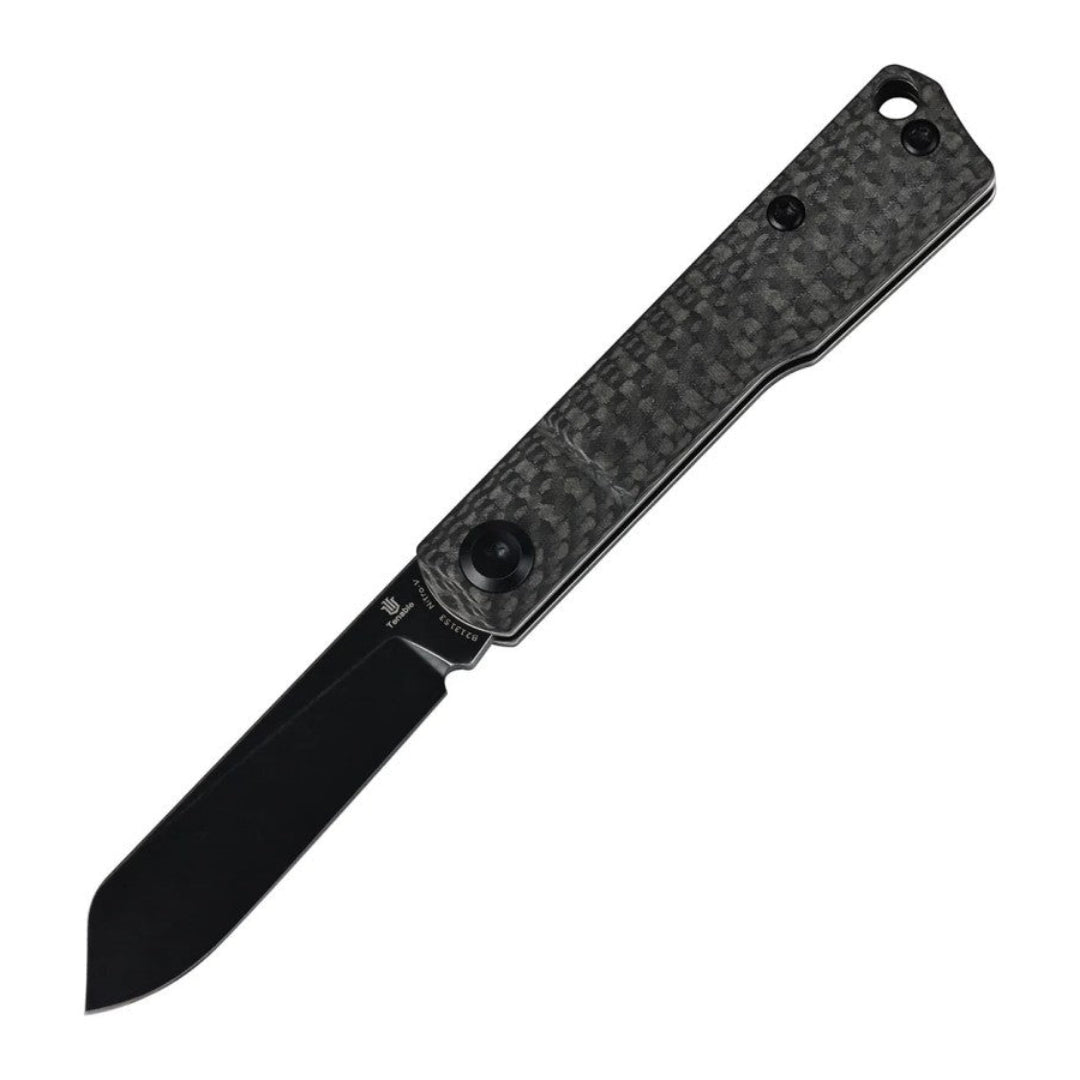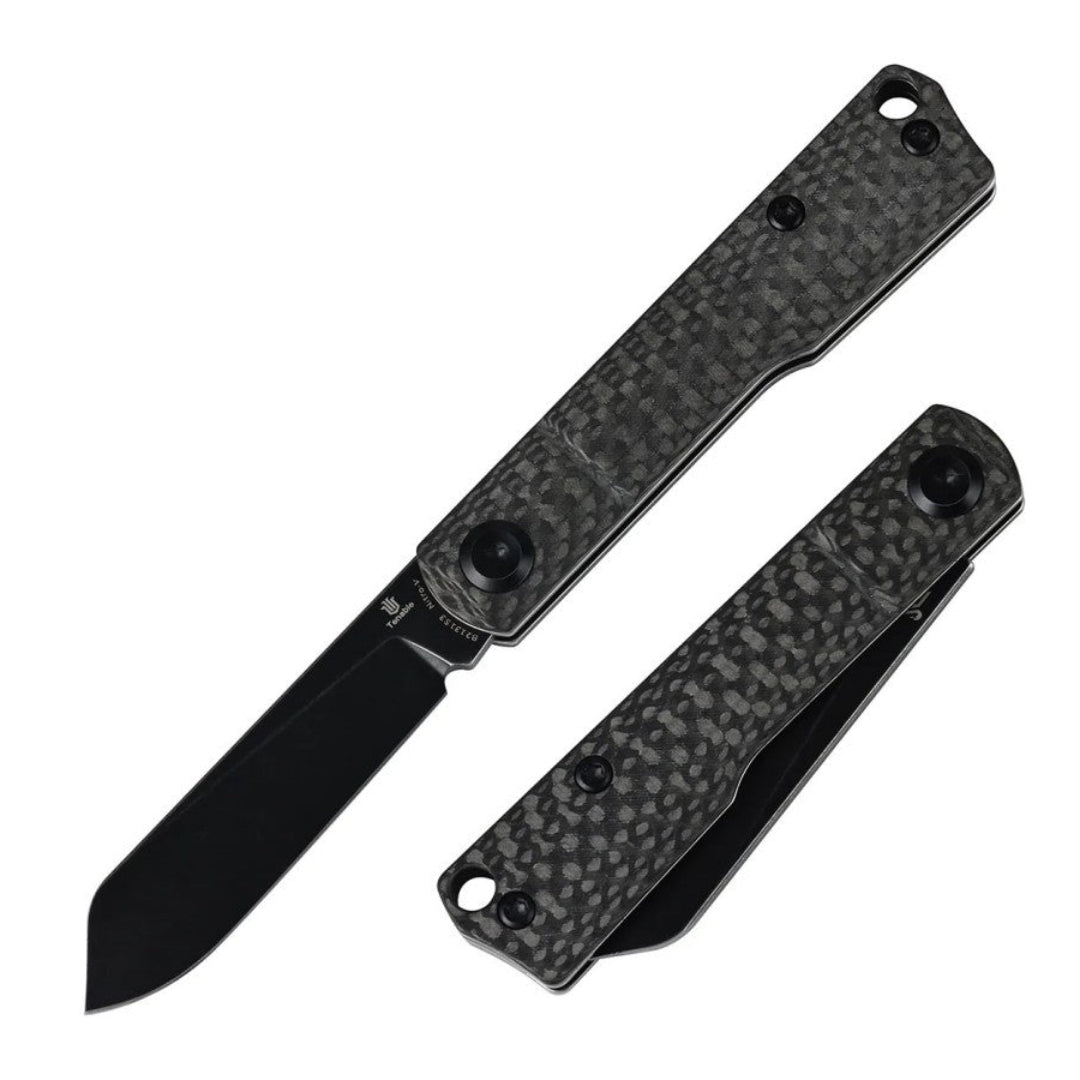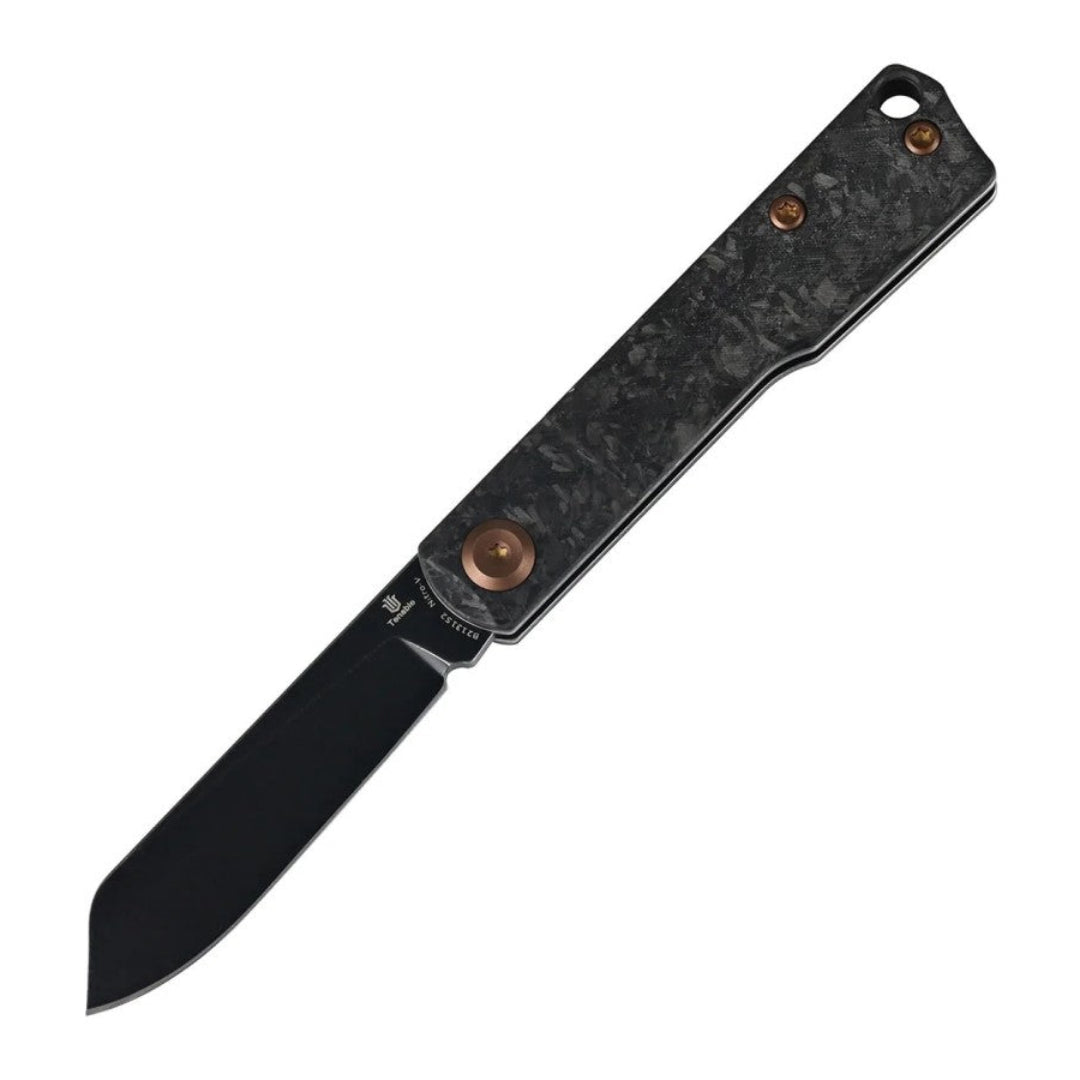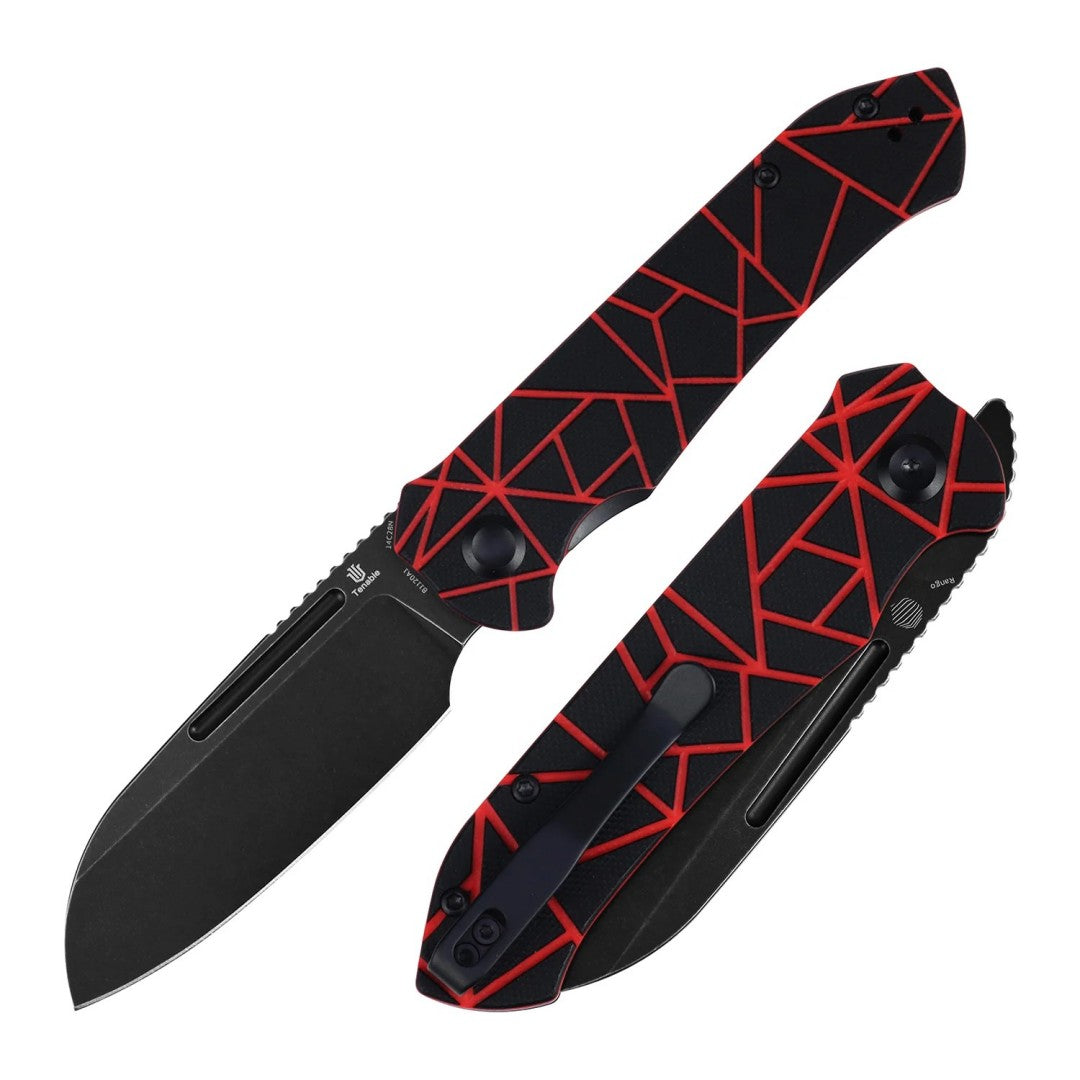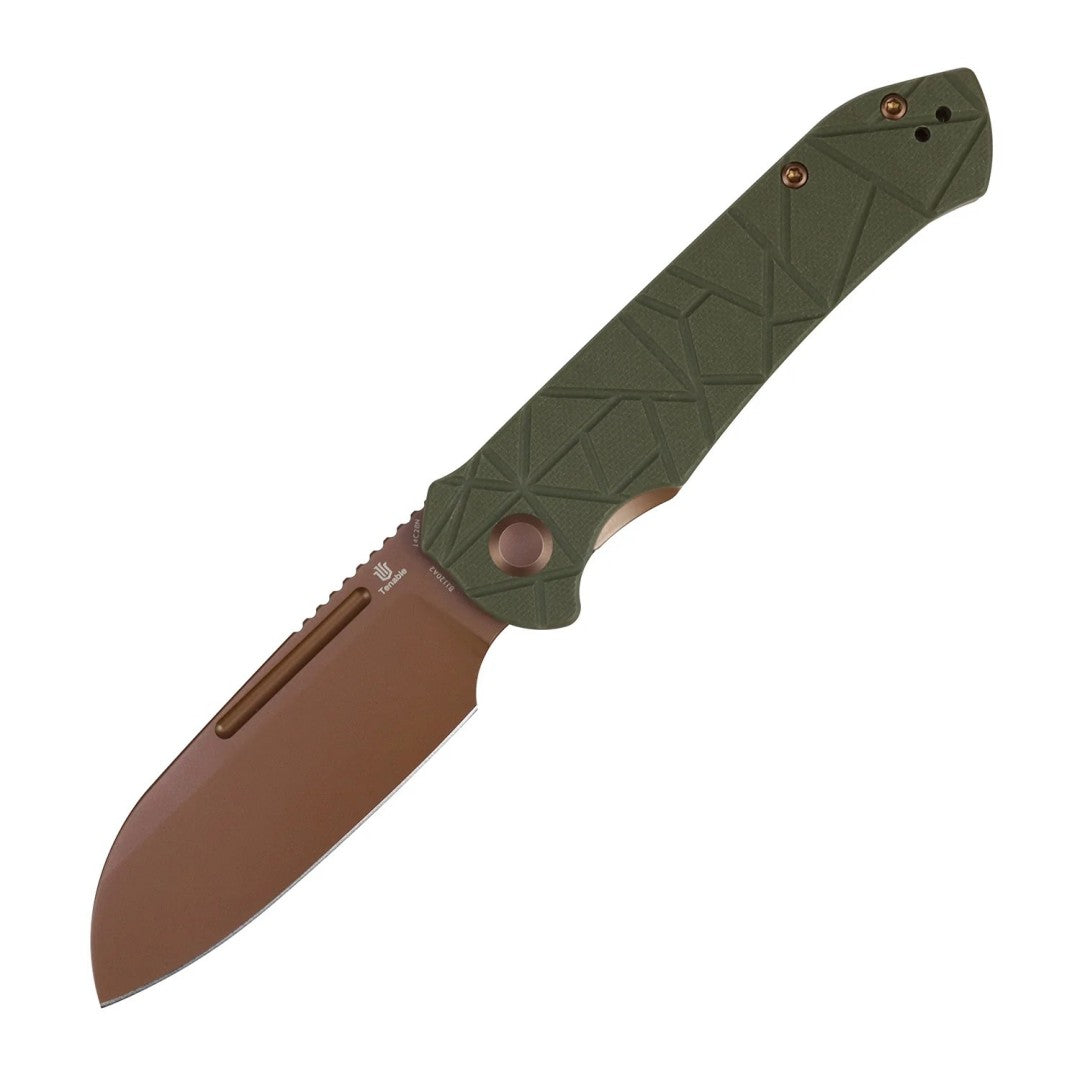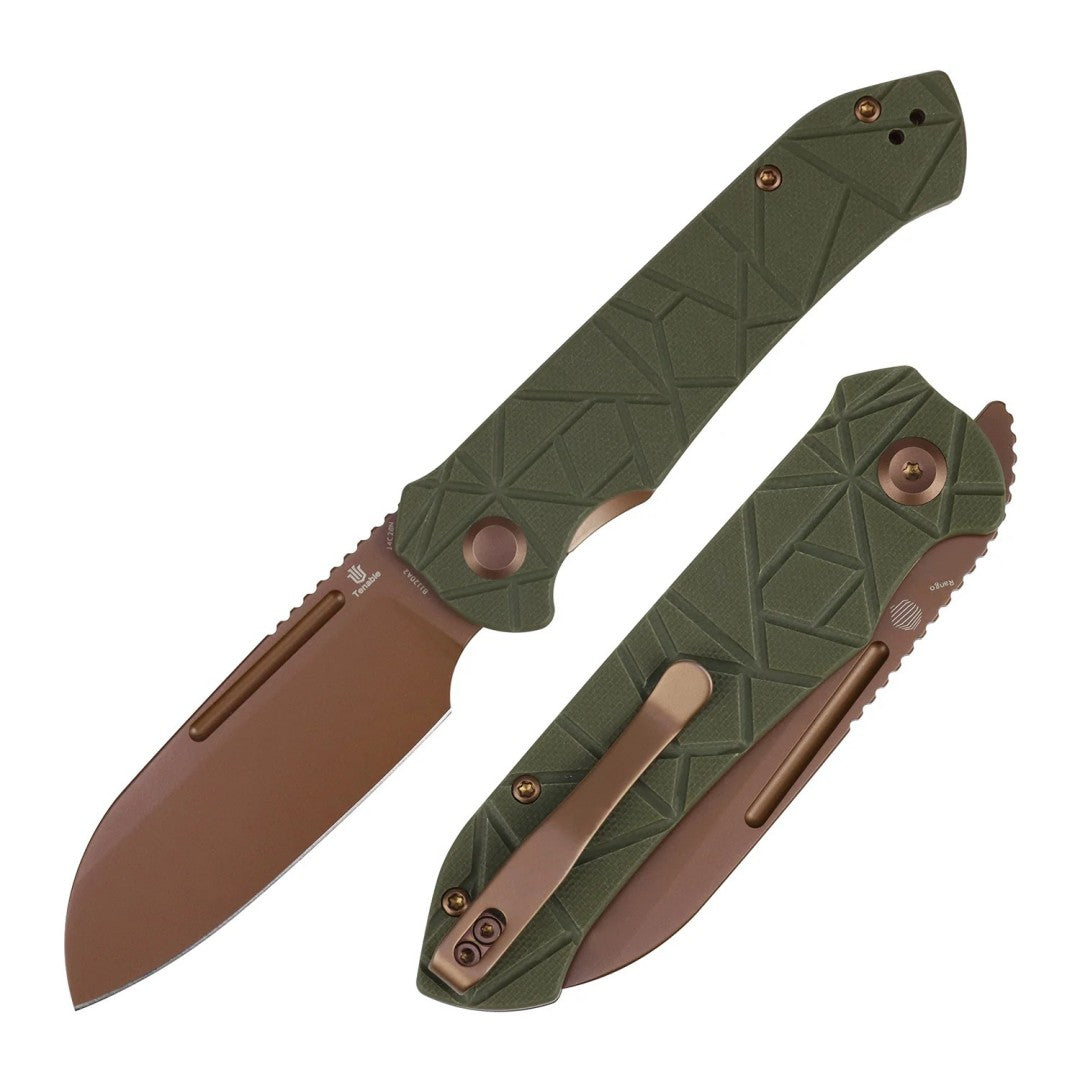
The Nagao Higonokami is one of Japan's most iconic pocket knives, prized by collectors and outdoor enthusiasts worldwide. Its elegant design, exceptional craftsmanship, and affordable price point have made it a target for counterfeiters. Learning how to distinguish an authentic Higonokami from a fake is essential if you want to invest in a genuine blade.
Understanding the Nagao Higonokami
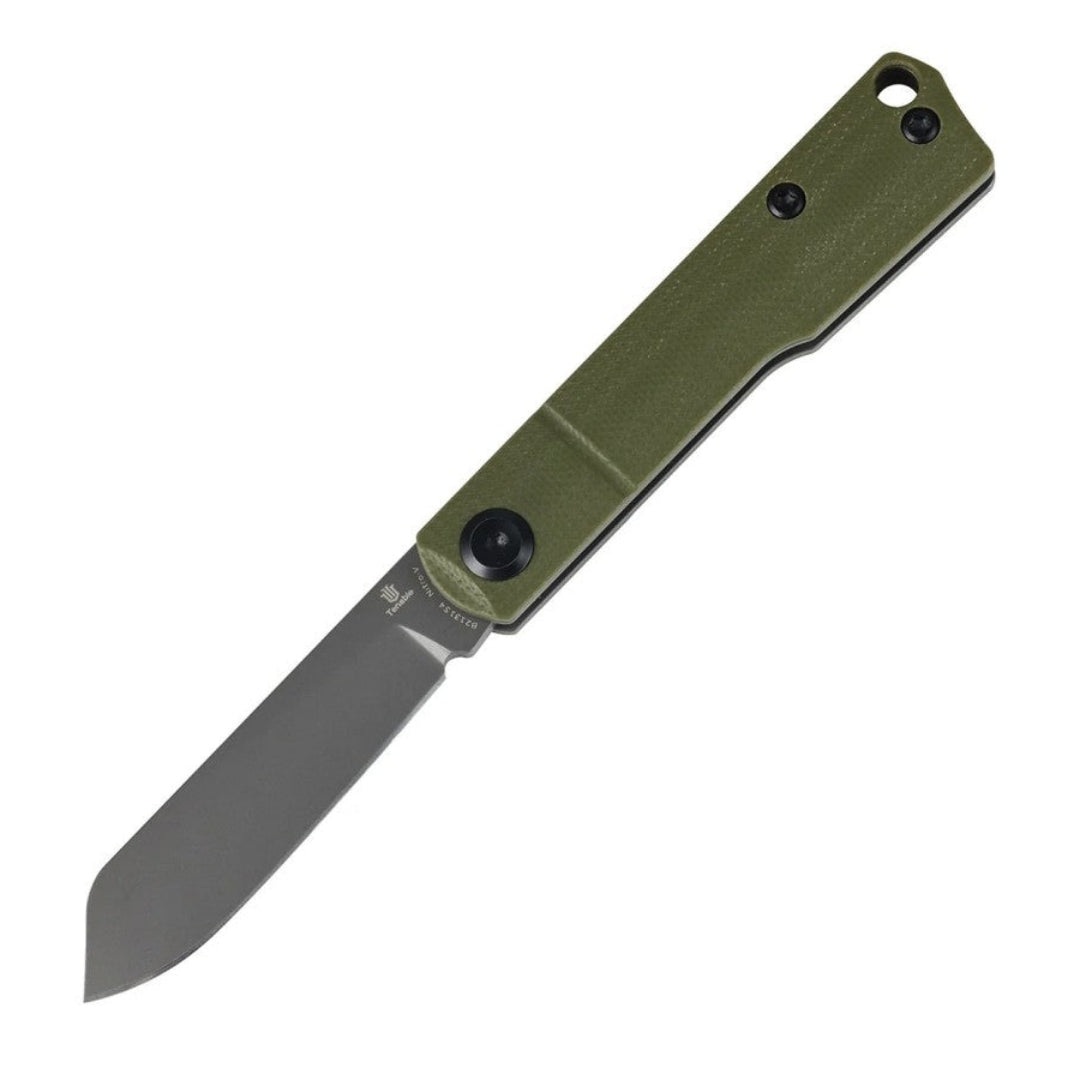
The Higonokami has been manufactured in Nagao, a small town in Niigata Prefecture, Japan, since the early 1900s. The knife is known for its simple yet refined design—a single-blade folder with a distinctive brass or stainless steel handle. Authentic versions are handcrafted using traditional techniques, making each knife a piece of functional art.
Check the Blade Markings
One of the most reliable ways to verify authenticity is to examine the blade closely. Genuine Higonokami knives feature precise, deep engravings that read "Nagao Higonokami" along with the maker's mark. The characters should be crisp and evenly spaced. Counterfeit versions often have shallow, poorly aligned, or blurry markings that appear hastily applied. Run your finger across the engraving—authentic markings have a distinct tactile quality.
Examine the Handle Construction
The handle of an authentic Higonokami is carefully constructed with tight tolerances. The brass or stainless steel should feel substantial and well-finished, with no rough edges or gaps where the handle scales meet. Fake versions often have loose handles, uneven gaps, or visible glue residue. The patina on brass handles should develop naturally over time; counterfeit brass may have an artificial or overly uniform appearance.
Assess the Blade Quality
Authentic Higonokami blades are made from high-carbon steel and hold an excellent edge. The blade should be sharp out of the box and maintain its sharpness through regular use. Examine the blade surface for consistent finish and proper heat treatment coloring. Fake blades often feel dull, chip easily, or show inconsistent surface quality. The spine of the blade should be perfectly straight with no warping.
Test the Pivot and Action
The knife should open and close smoothly with a satisfying click. The pivot should be tight enough to prevent wobbling but loose enough to allow smooth operation. Counterfeit versions frequently have stiff, grinding pivots or excessive play. An authentic Higonokami feels balanced and responsive in hand, with a natural, effortless action.
Verify the Weight and Balance
Genuine Higonokami knives have a specific weight that reflects their quality materials and construction. A fake knife may feel noticeably lighter or heavier than expected. Hold the knife and assess its balance point—it should feel natural and centered, not awkwardly weighted toward the handle or blade.
Purchase from Reputable Sources
The safest way to ensure you're buying an authentic Higonokami is to purchase from established retailers, authorized dealers, or directly from Japanese knife specialists. Be wary of significantly discounted prices on third-party marketplaces, as these are often indicators of counterfeit products. Legitimate sellers provide detailed product information and are transparent about the knife's origin and specifications.
Look for Documentation
Some authentic Higonokami knives come with certificates of authenticity or packaging that includes maker information. While not all genuine knives have documentation, the presence of professional packaging and detailed product information is a positive sign. Counterfeiters typically use minimal or poorly printed packaging.
Investing in an authentic Nagao Higonokami rewards you with a reliable, beautifully crafted tool that can last for generations. By paying attention to these details—blade markings, handle construction, blade quality, and action—you can confidently identify a genuine knife and avoid counterfeit products. Take your time with your purchase, ask questions, and trust your instincts when something doesn't feel right.