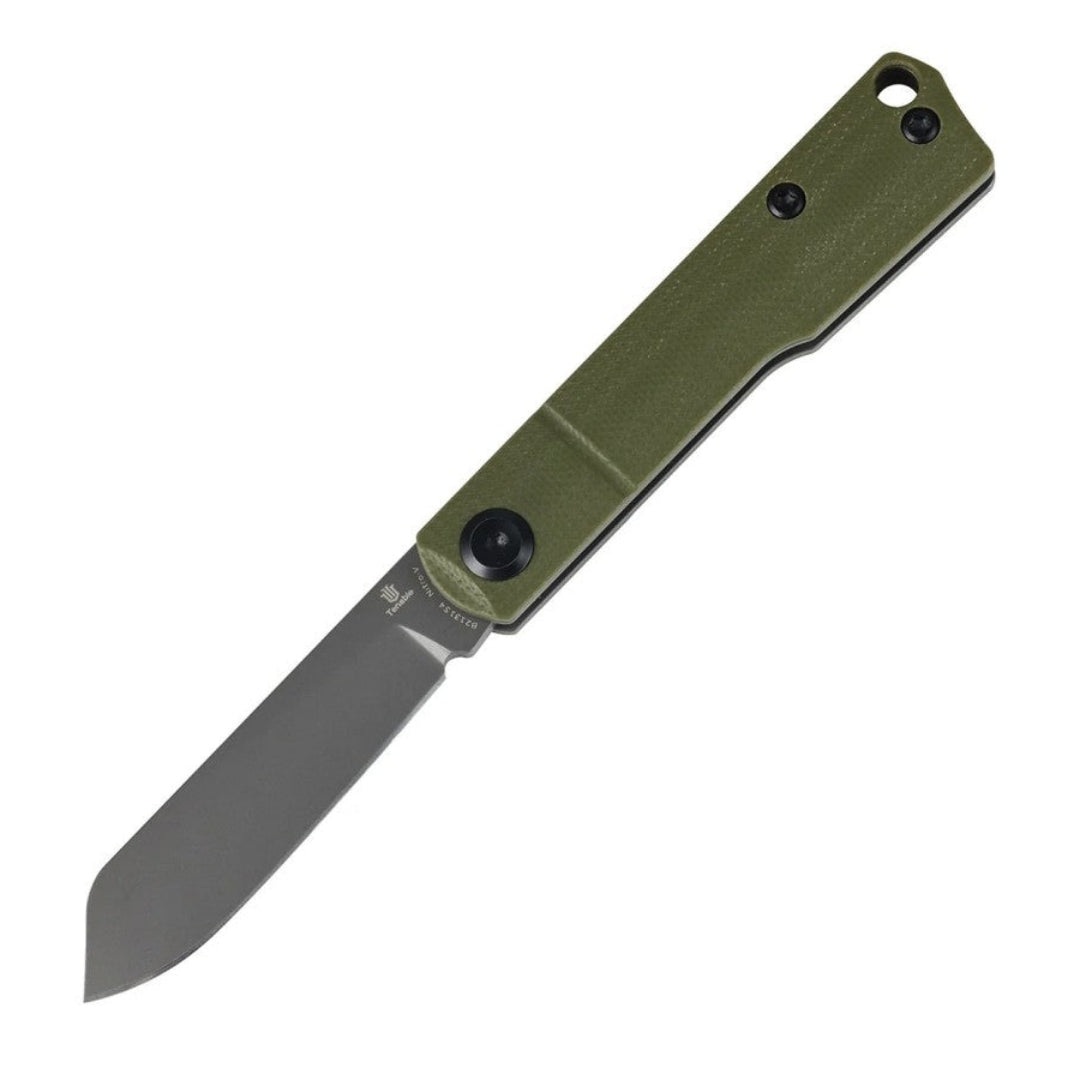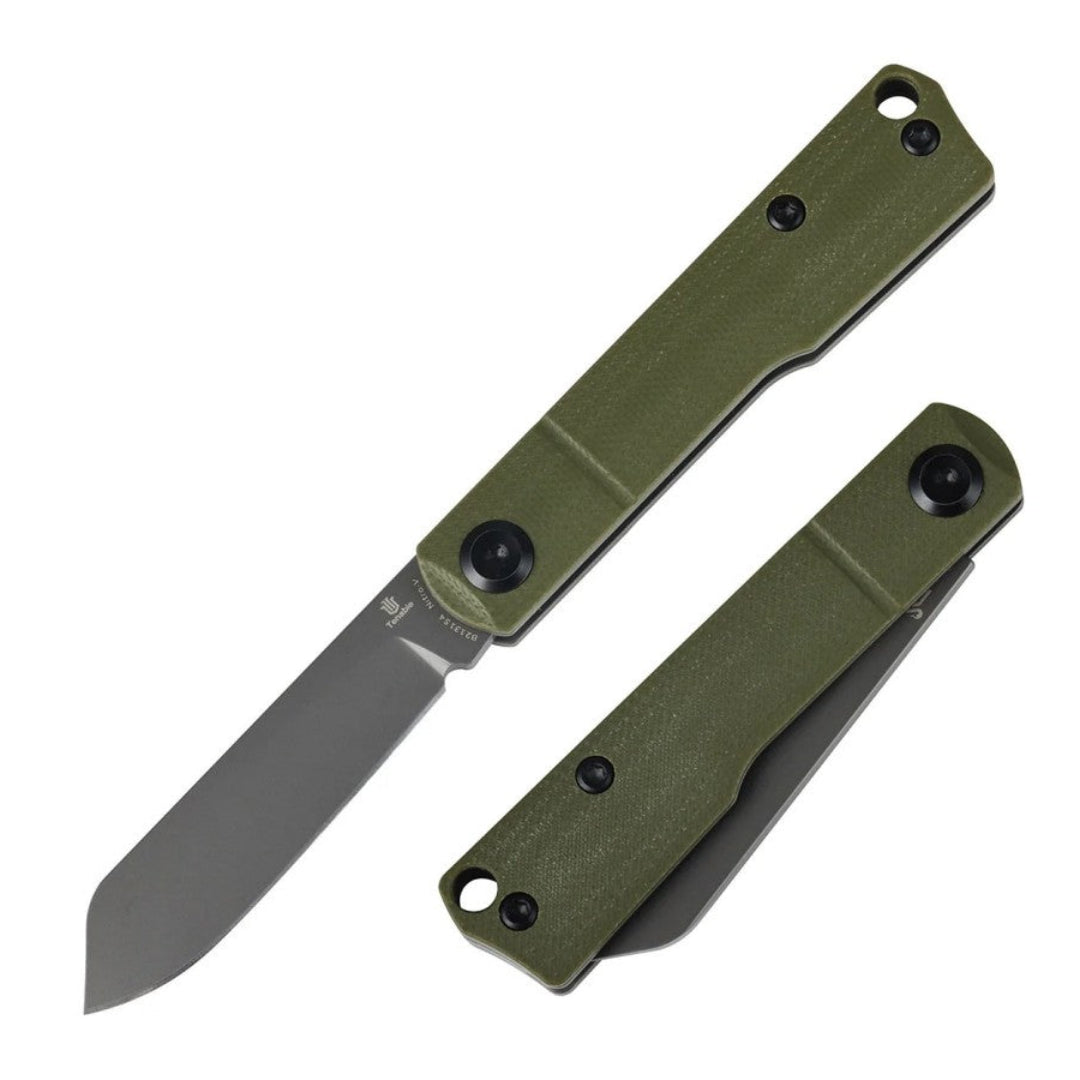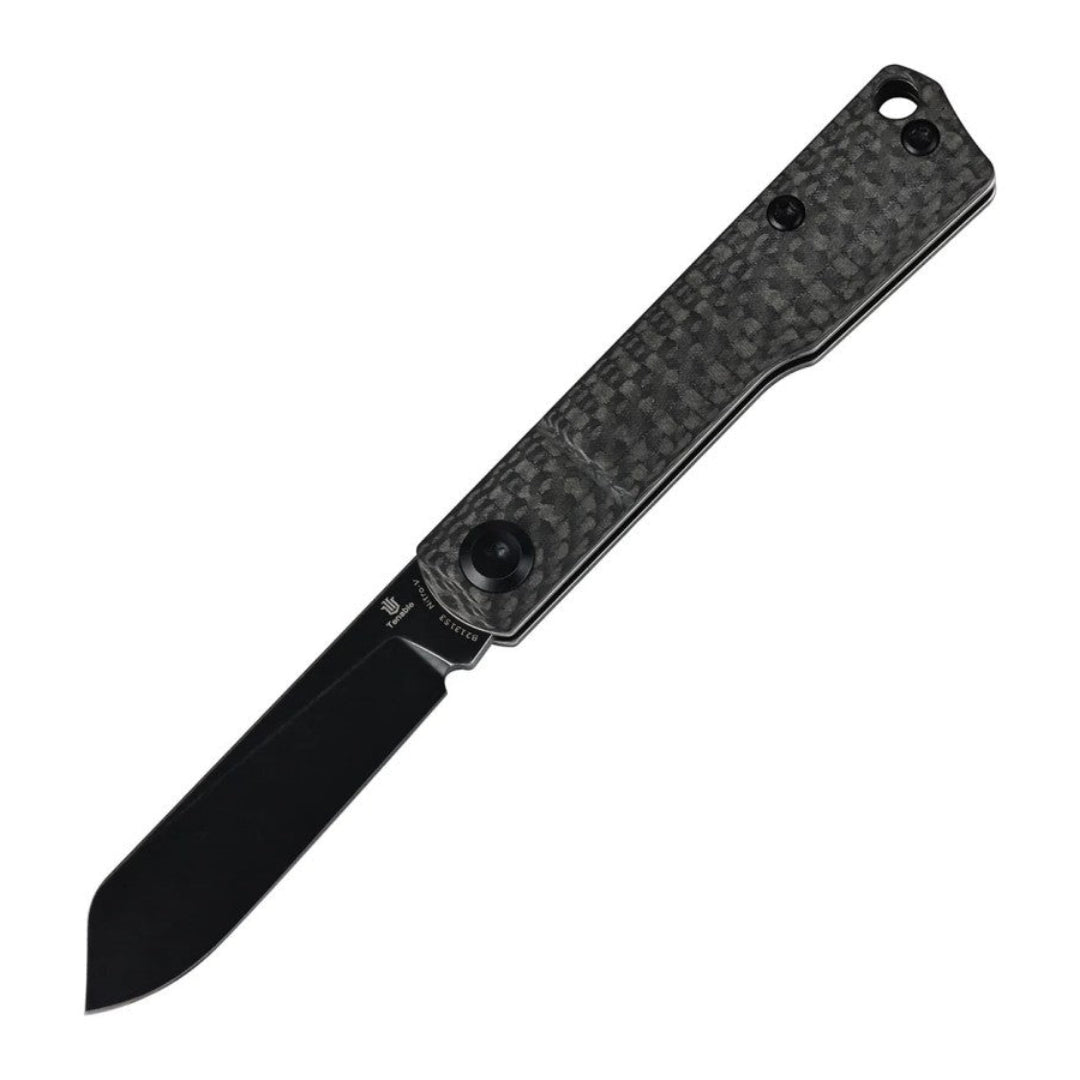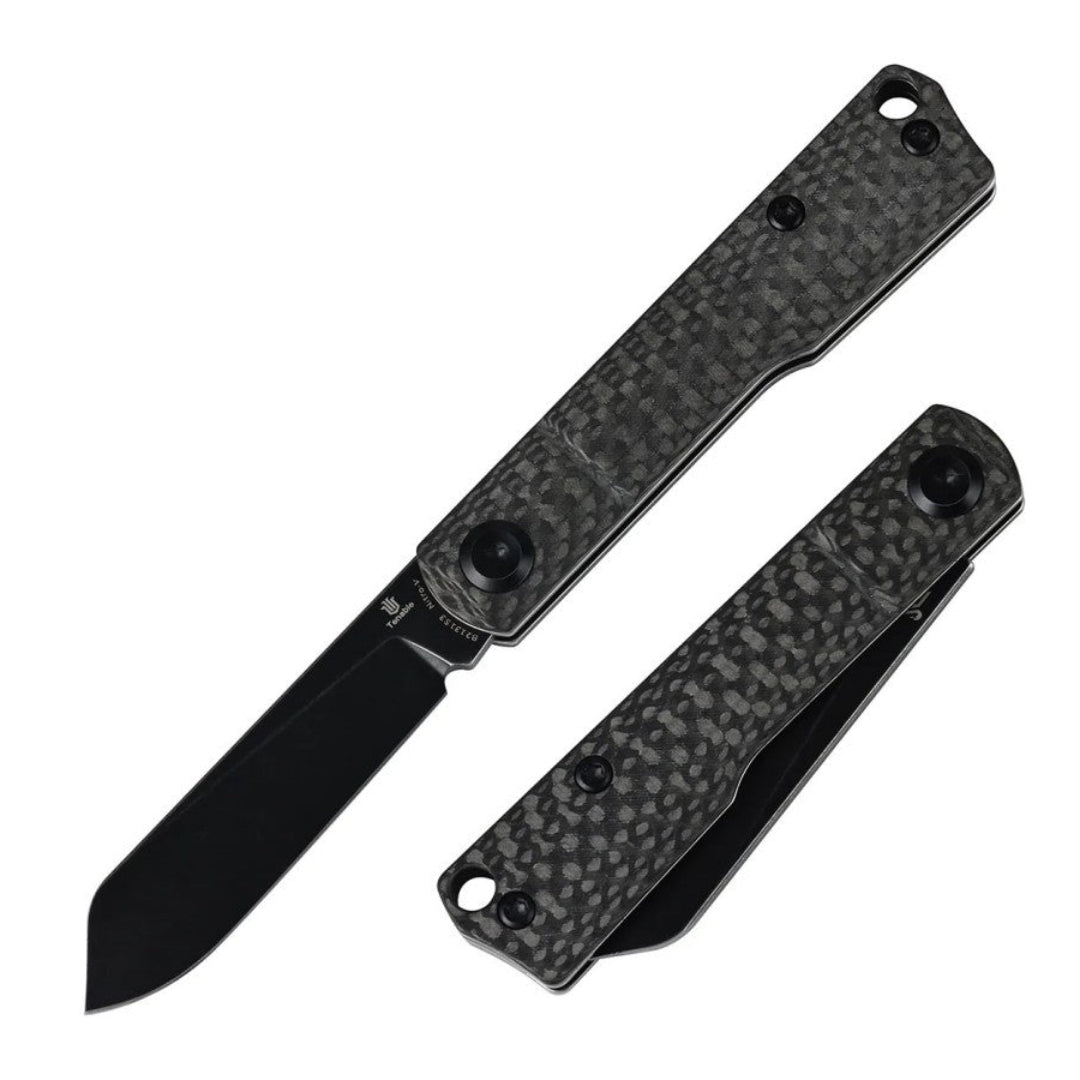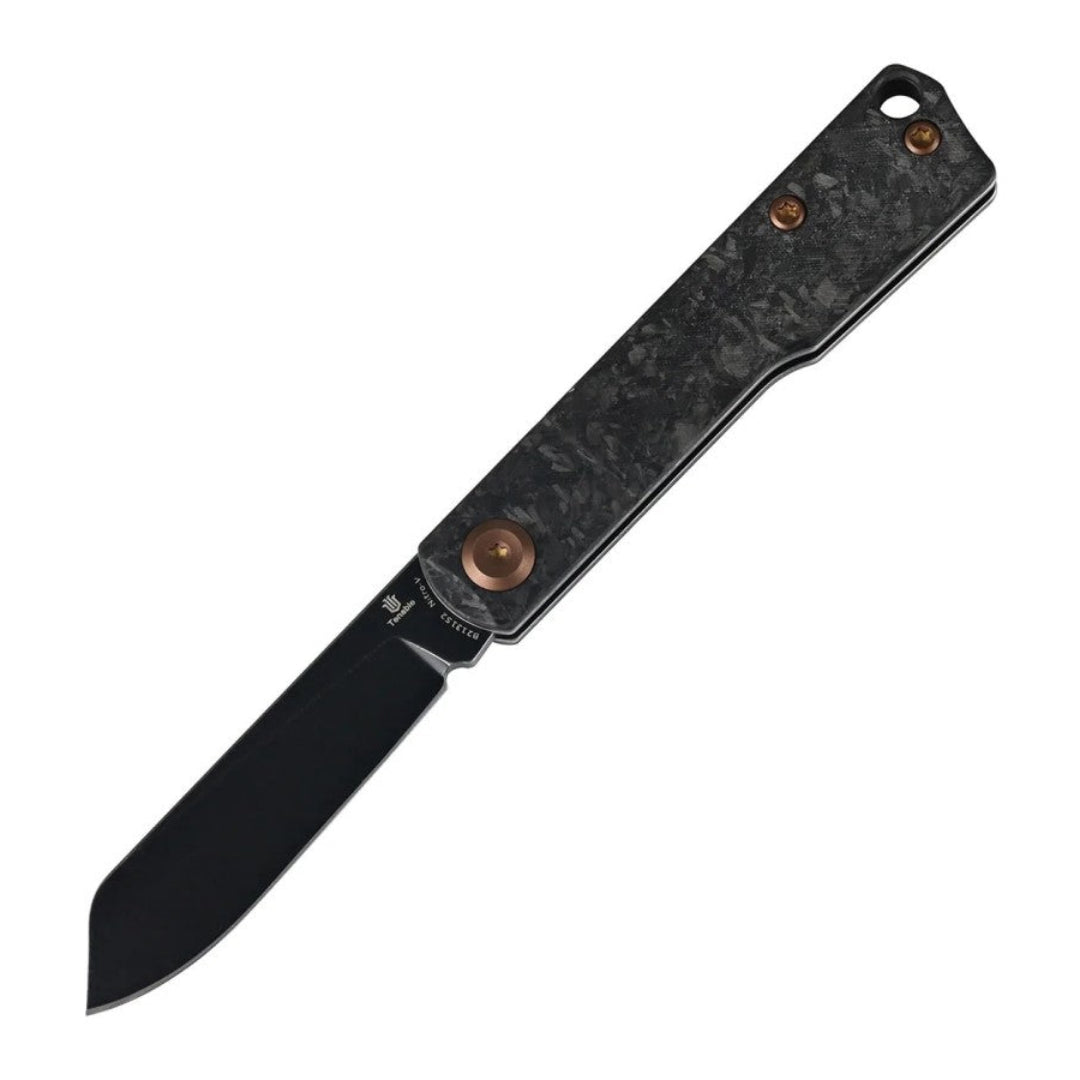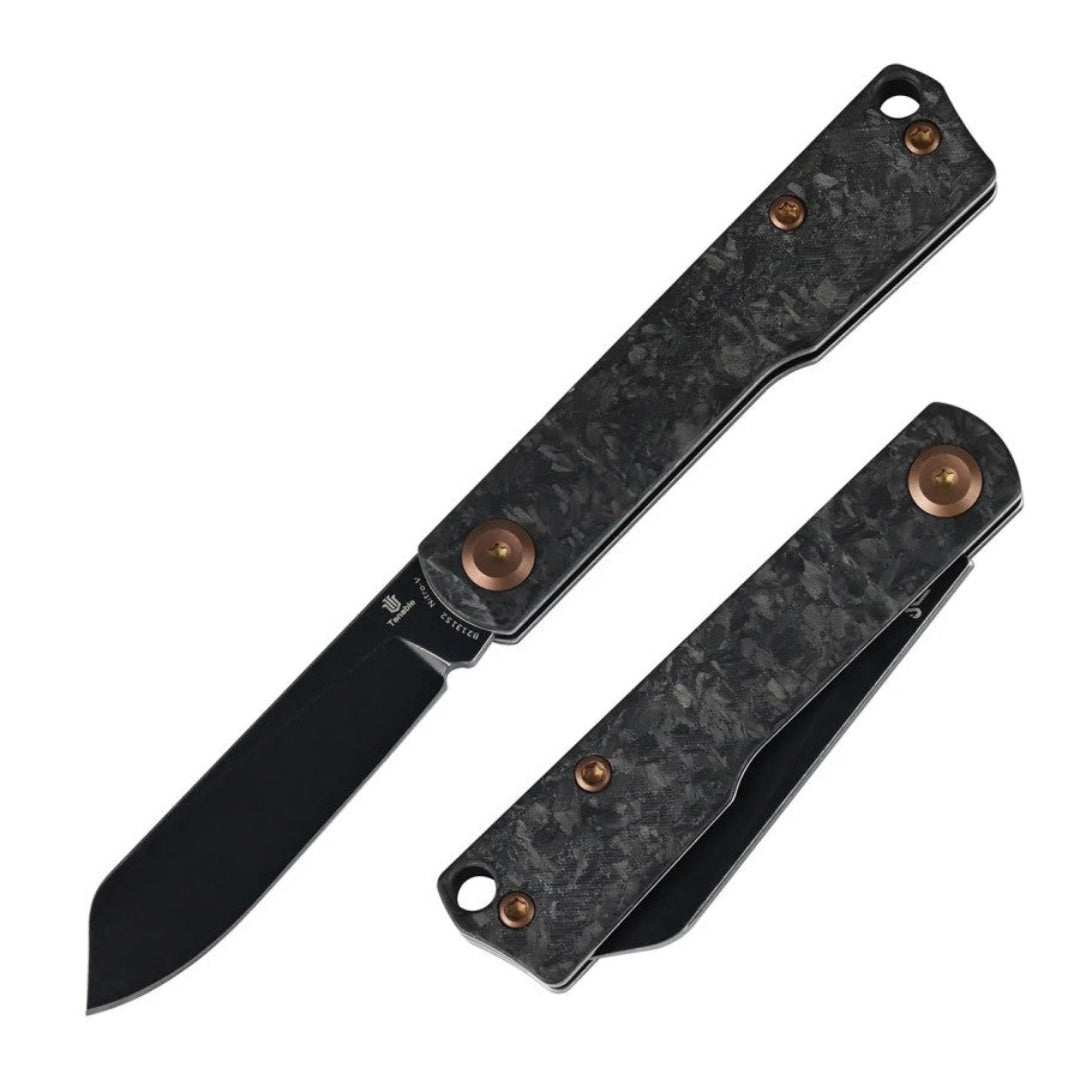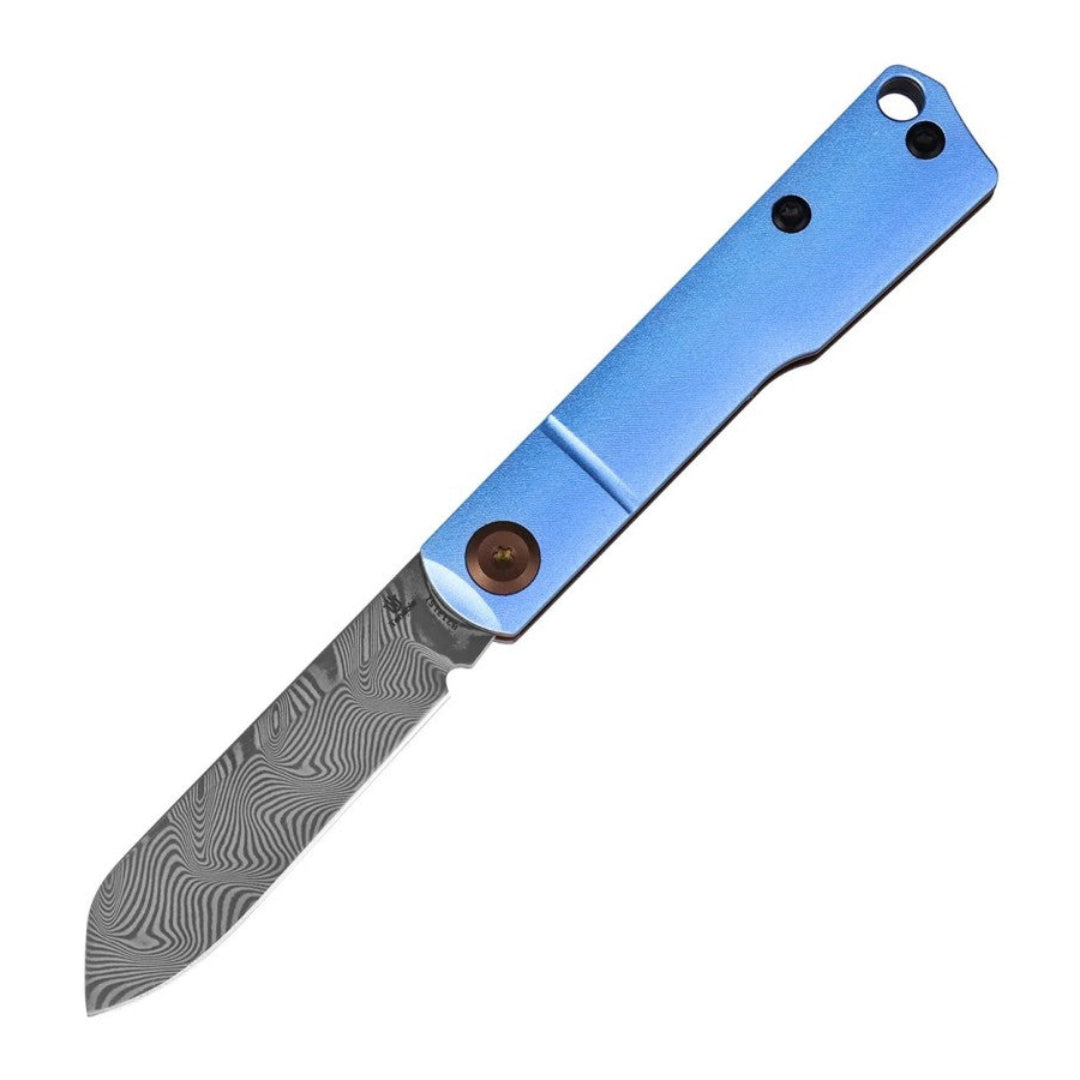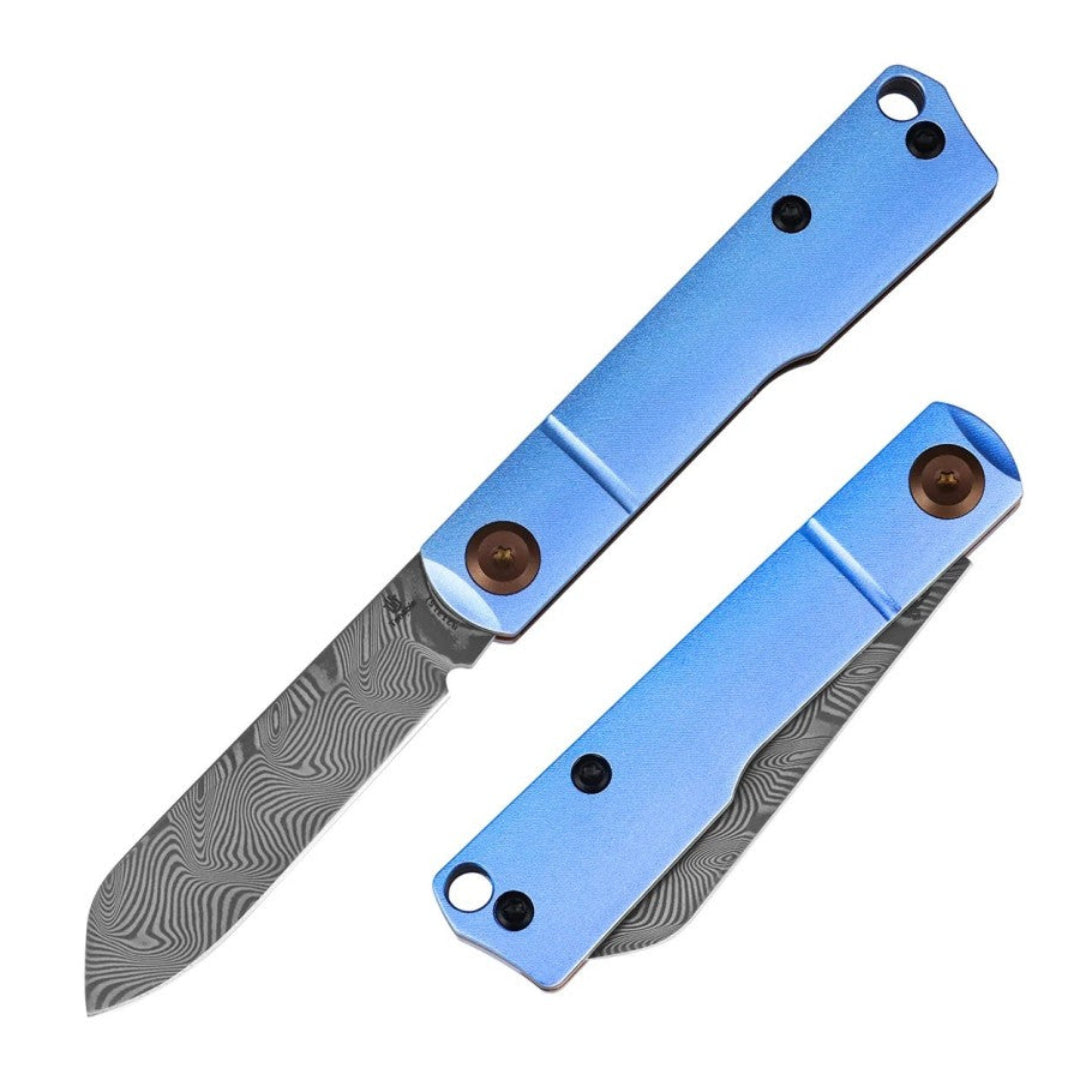
The higonokami knife holds a special place in Japanese craftsmanship history. These traditional folding knives, originating from the Higo region of Kumamoto Prefecture, have been crafted for centuries. Among the many makers who have contributed to this legacy, one name stands out: Nagao Kanekoma, often regarded as the last true master of authentic higonokami knife production.
Origins of the Higonokami Knife
The higonokami emerged during Japan's Edo period as a practical tool for everyday use. Unlike the ornate swords of the samurai class, these humble folding knives served farmers, merchants, and craftspeople. The design was elegant in its simplicity—a single blade that folded into a handle, making it portable and safe to carry. The name itself derives from the Higo Province, where the knife's distinctive style developed and flourished.
Nagao Kanekoma's Legacy
Nagao Kanekoma dedicated his life to preserving the traditional methods of higonokami production. Unlike modern manufacturers who adopted industrial techniques, Kanekoma maintained the hand-forging processes that defined authentic higonokami craftsmanship. Each knife that left his workshop bore the marks of individual attention—subtle variations in blade geometry, handle finish, and overall character that reflected the maker's skill and philosophy.
What set Kanekoma apart was his unwavering commitment to quality over quantity. In an era when mass production became the norm, he continued to forge knives one at a time, using techniques passed down through generations of craftsmen. His work represented not merely a product, but a connection to Japan's artisanal heritage.
The Challenge of Tradition in Modern Times
As industrialization transformed Japan's manufacturing landscape, traditional knife makers faced an uncertain future. Younger generations pursued different careers, and the demand for handmade tools declined. Kanekoma's dedication to his craft became increasingly rare. He represented a living link to centuries of tradition, yet the future of that tradition remained fragile.
His knives became sought after by collectors and enthusiasts who understood the value of authentic craftsmanship. Each blade told a story of patience, skill, and respect for materials. In a world of mass-produced goods, Kanekoma's higonokami knives offered something irreplaceable—genuine connection to Japanese cultural heritage.
Preserving a Craft for Future Generations
The story of Nagao Kanekoma reminds us of the importance of preserving traditional skills and knowledge. While industrial production has its place, the loss of master craftspeople represents a cultural loss that cannot be easily recovered. His work stands as a testament to what dedication and respect for tradition can achieve.
Today, higonokami knives continue to be made, but the number of makers who follow Kanekoma's traditional methods remains small. His legacy serves as an inspiration for those who believe that true craftsmanship—the kind that cannot be rushed or automated—remains valuable and worth protecting.