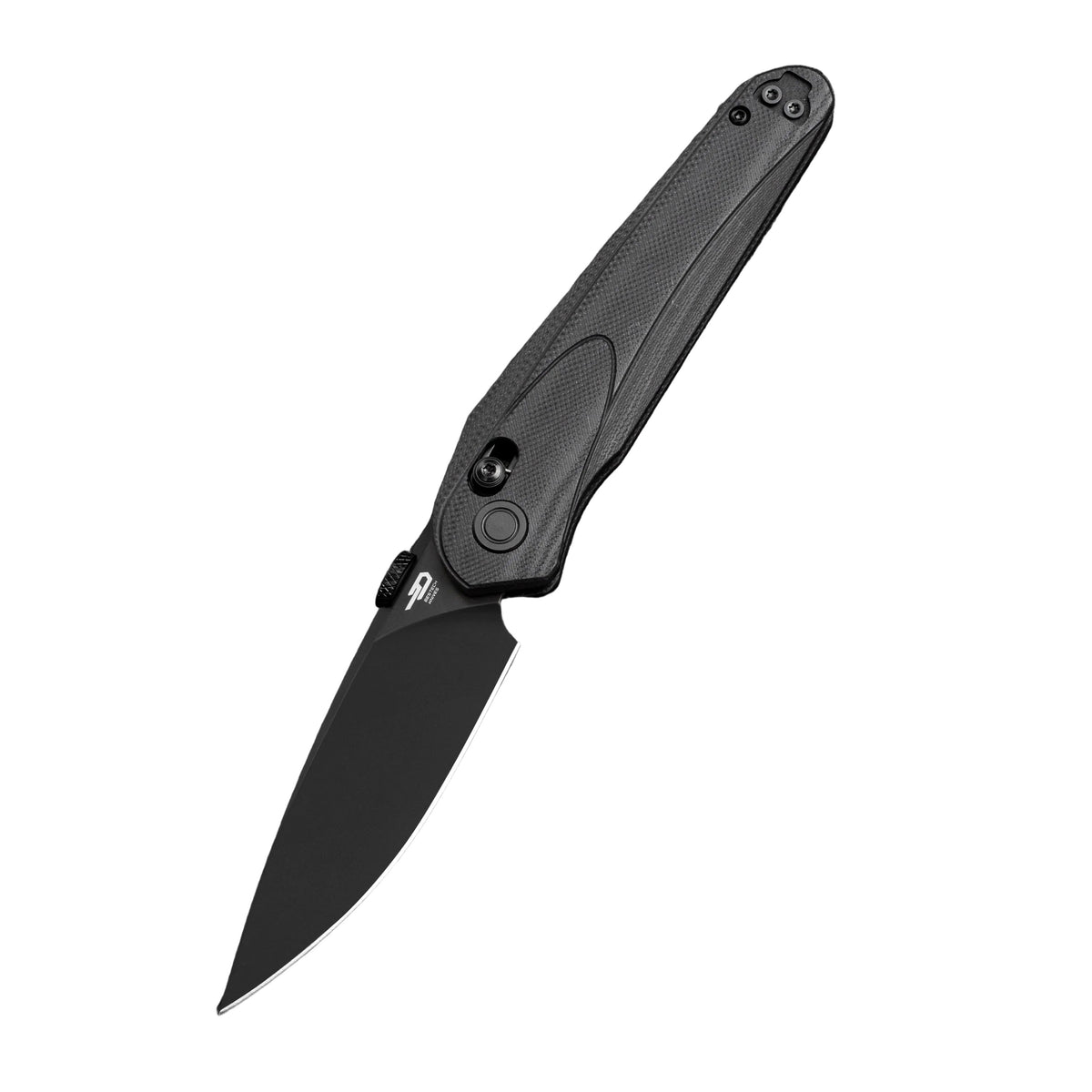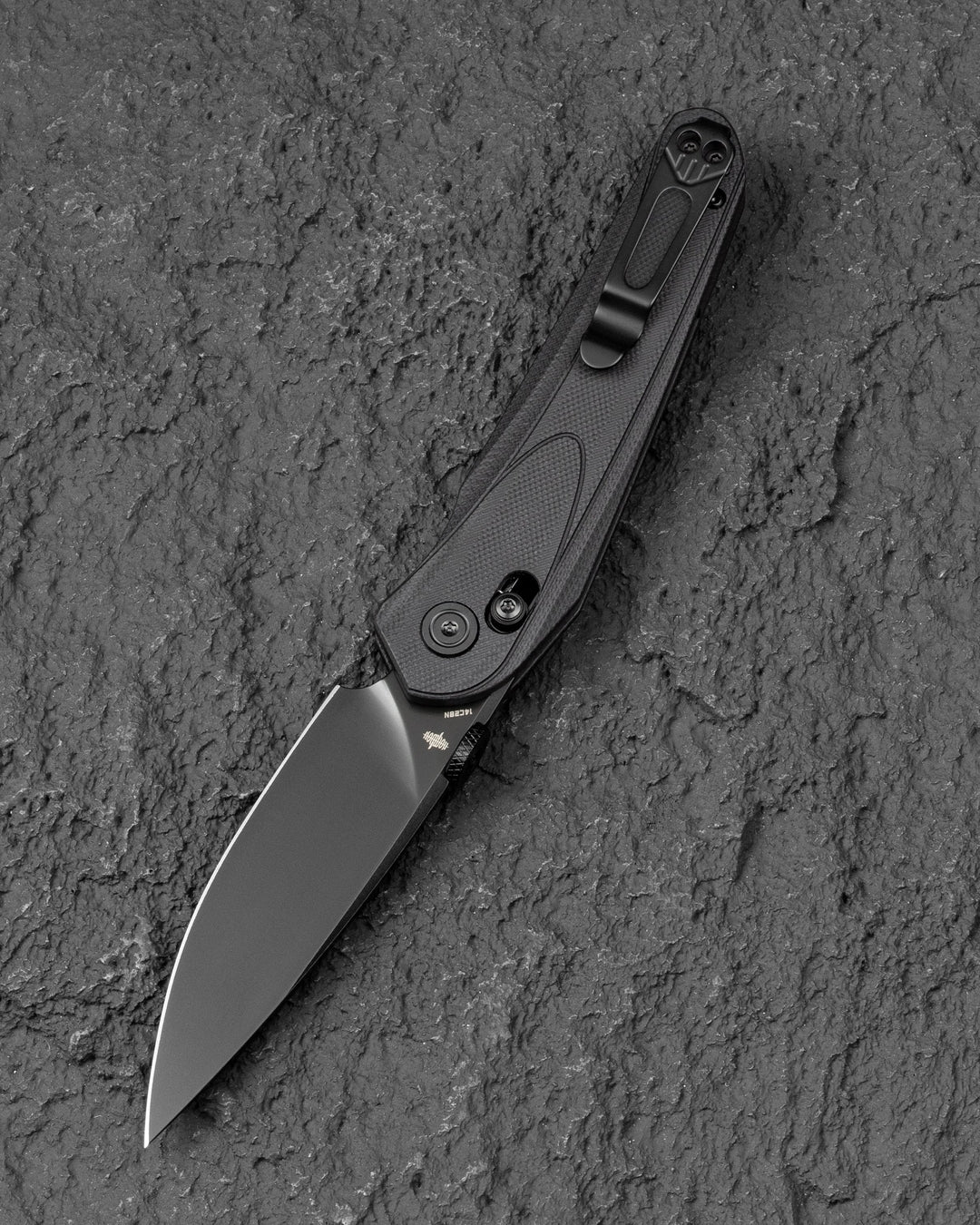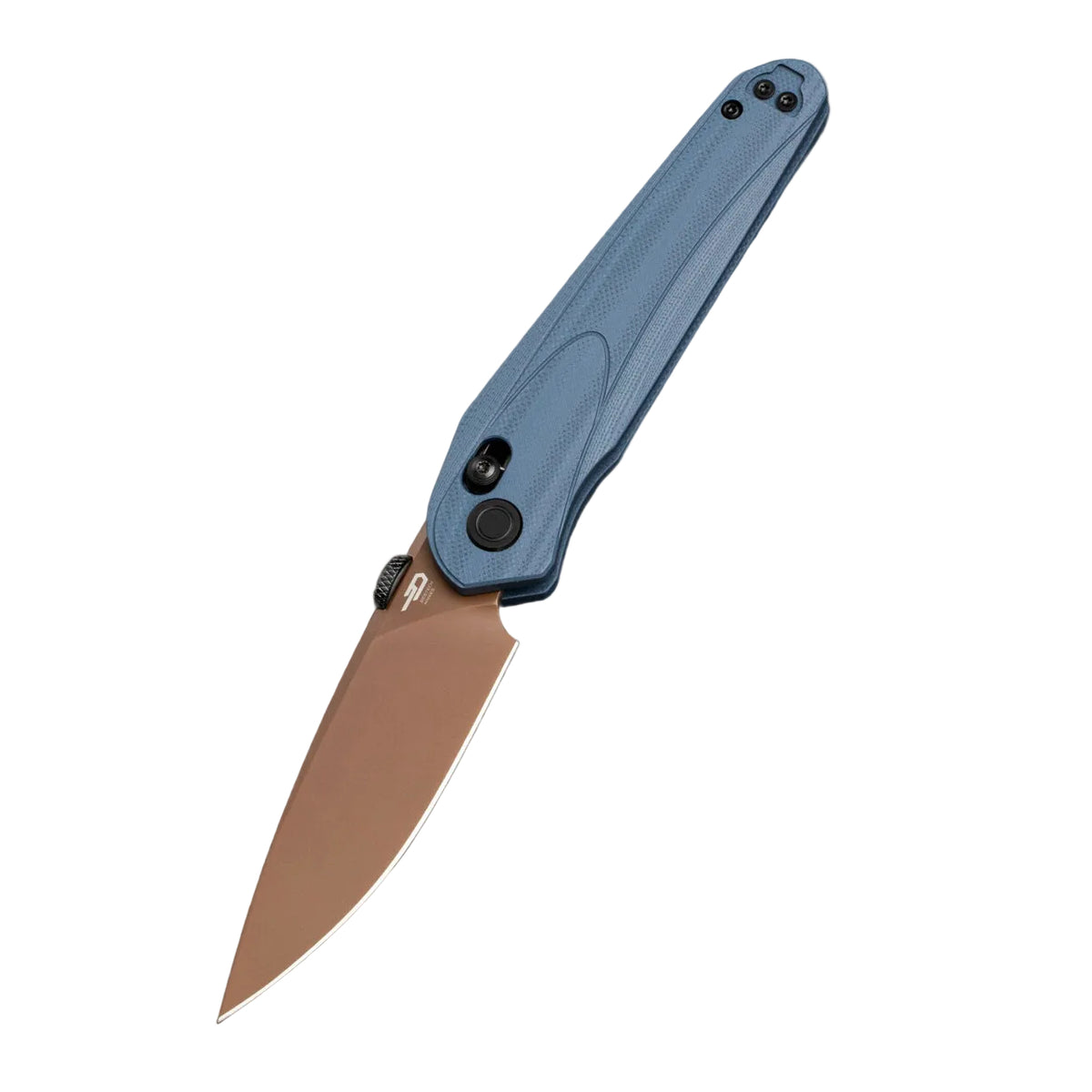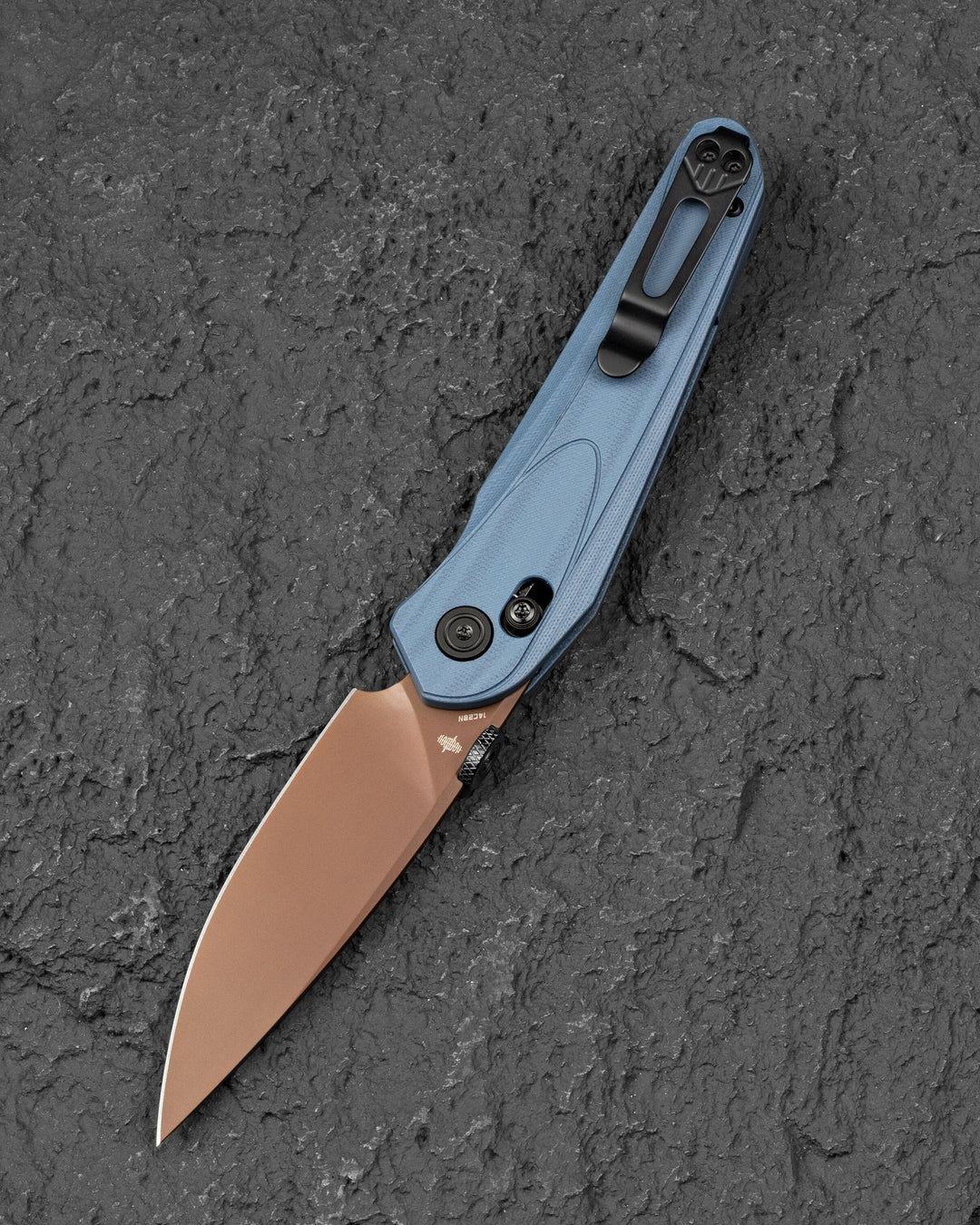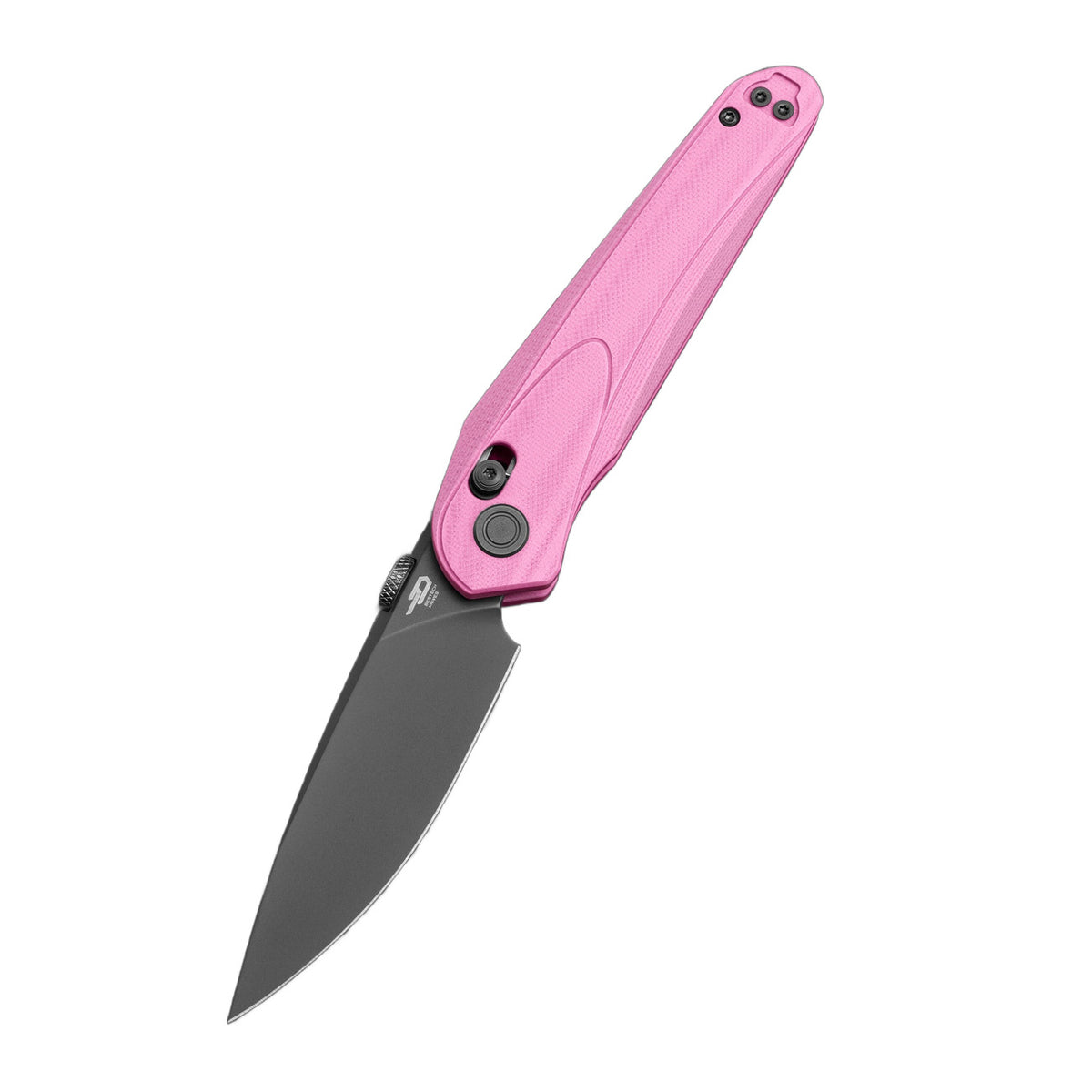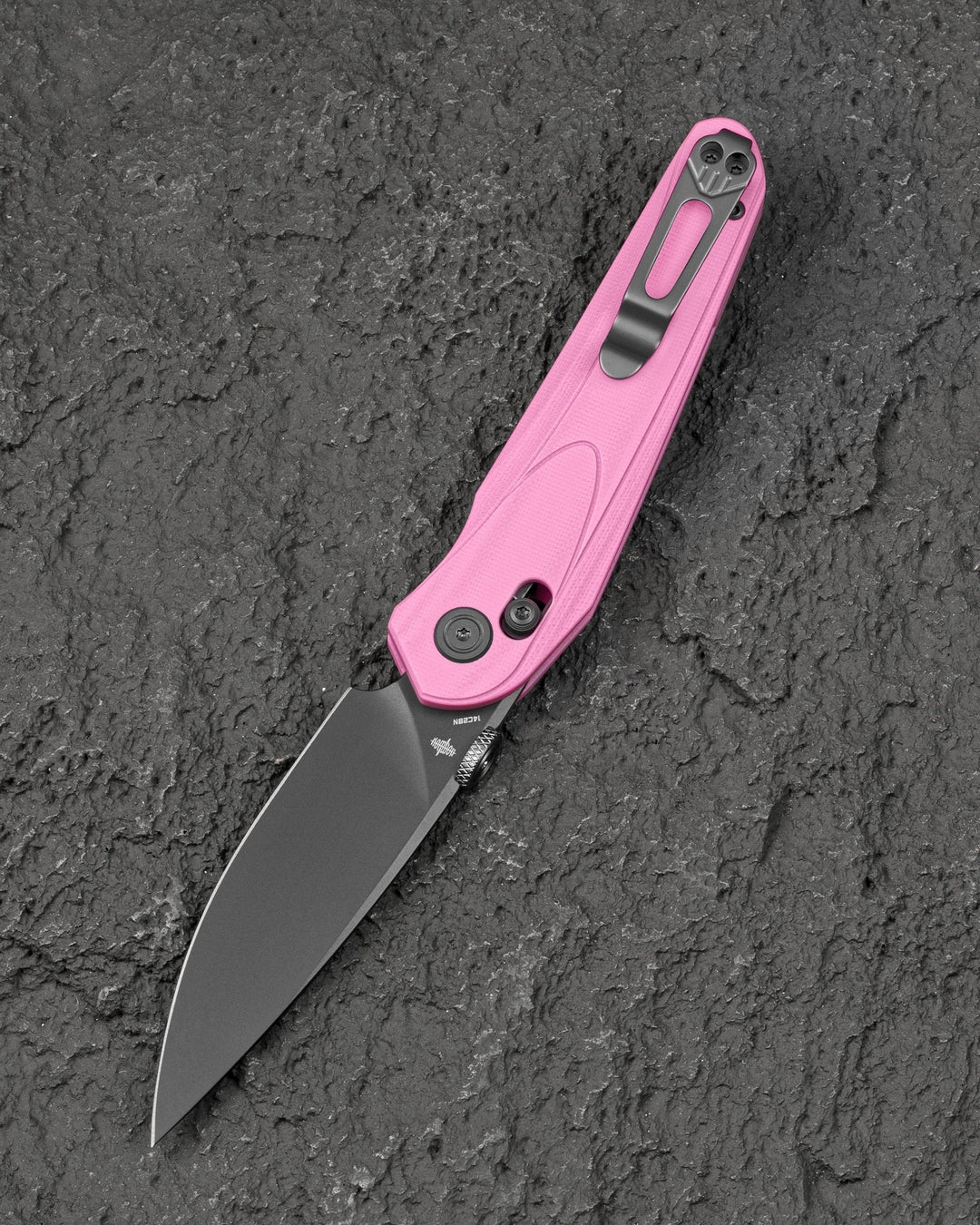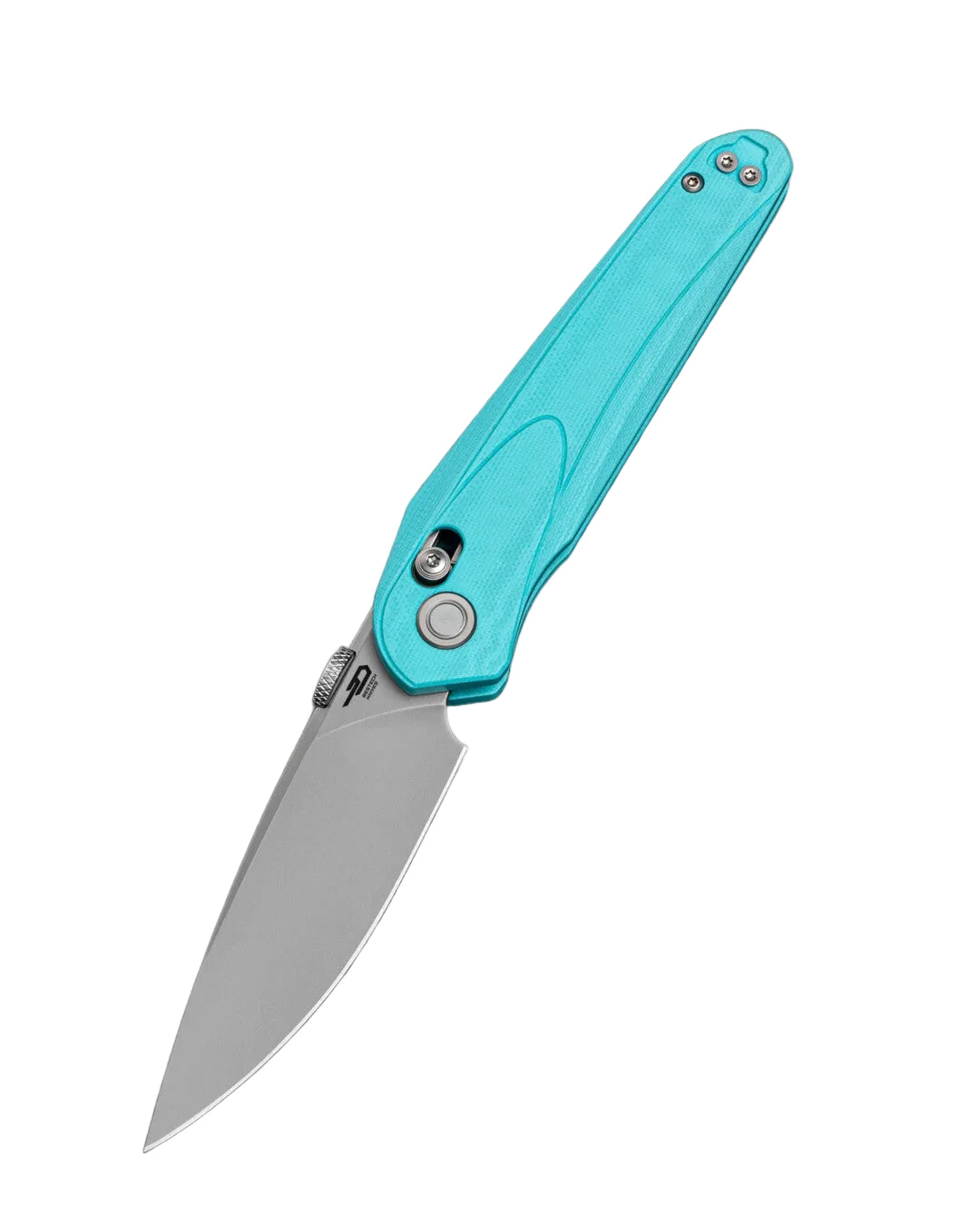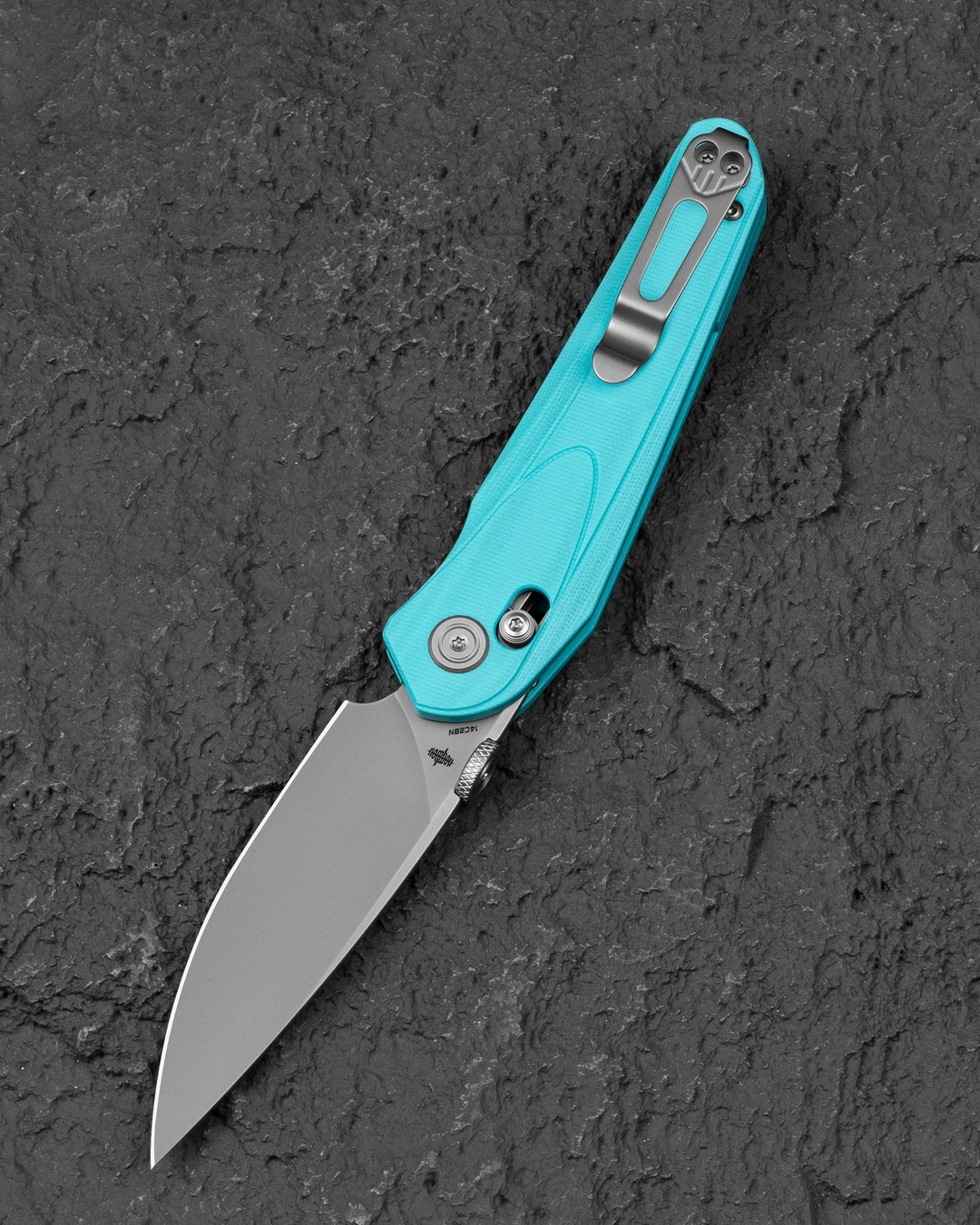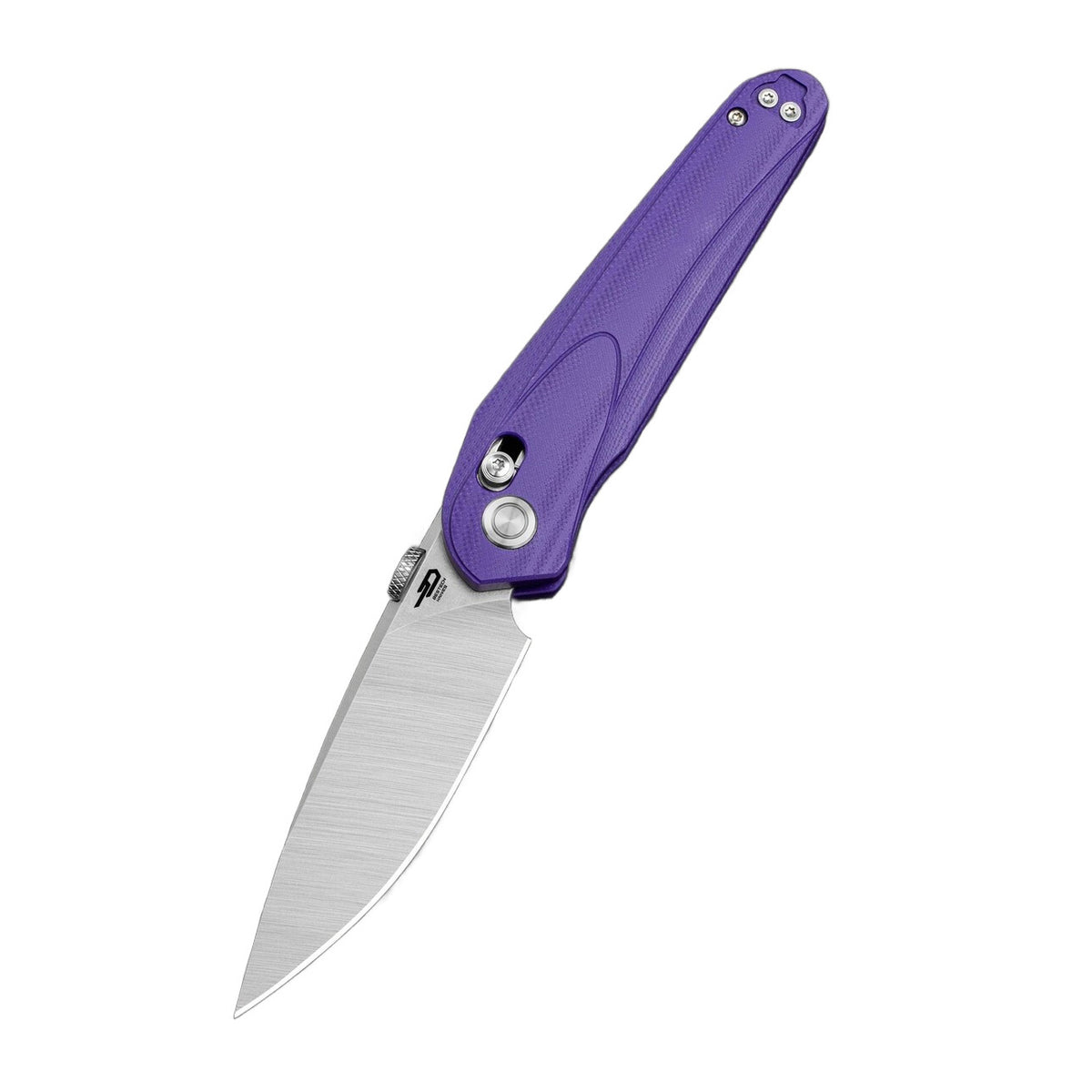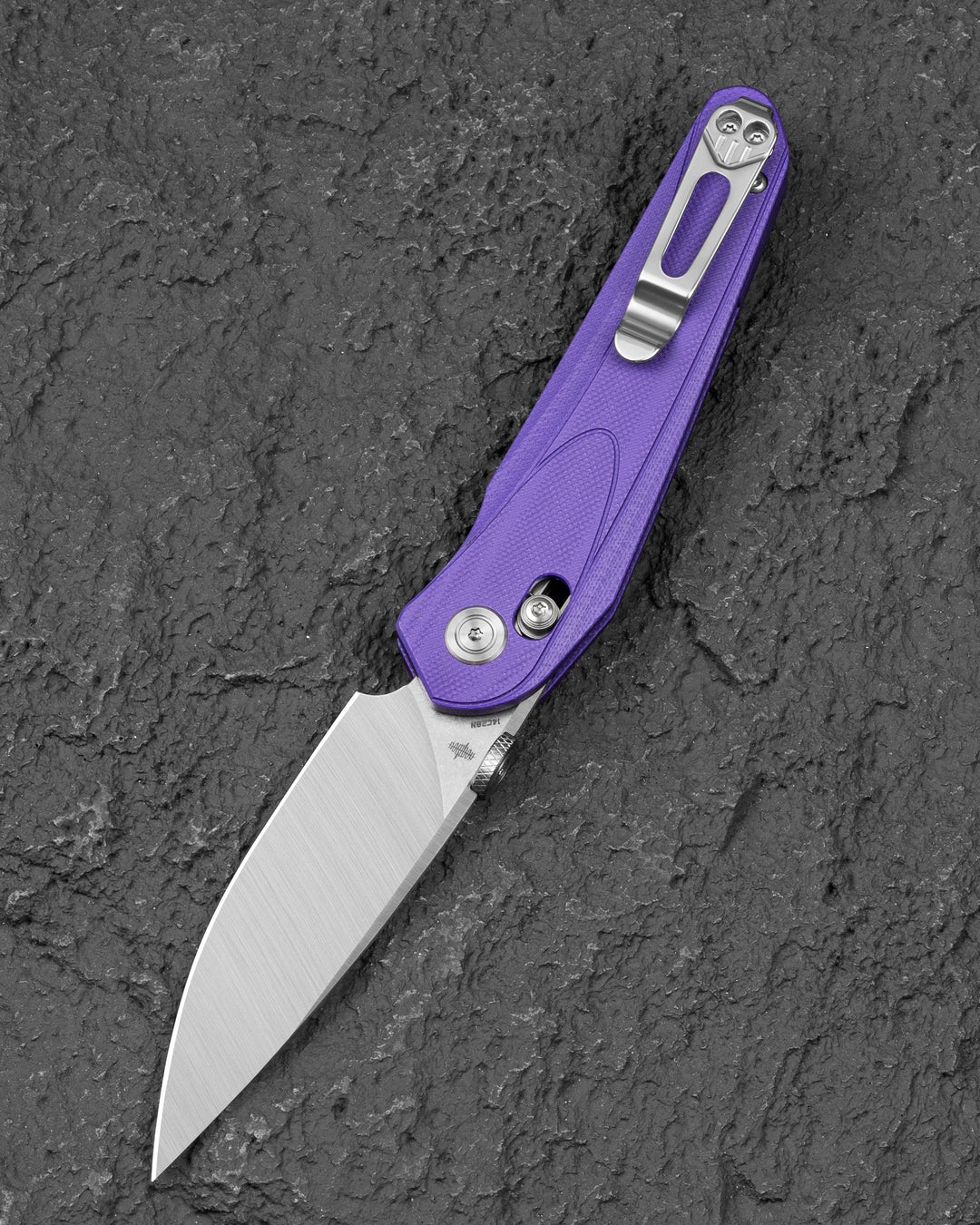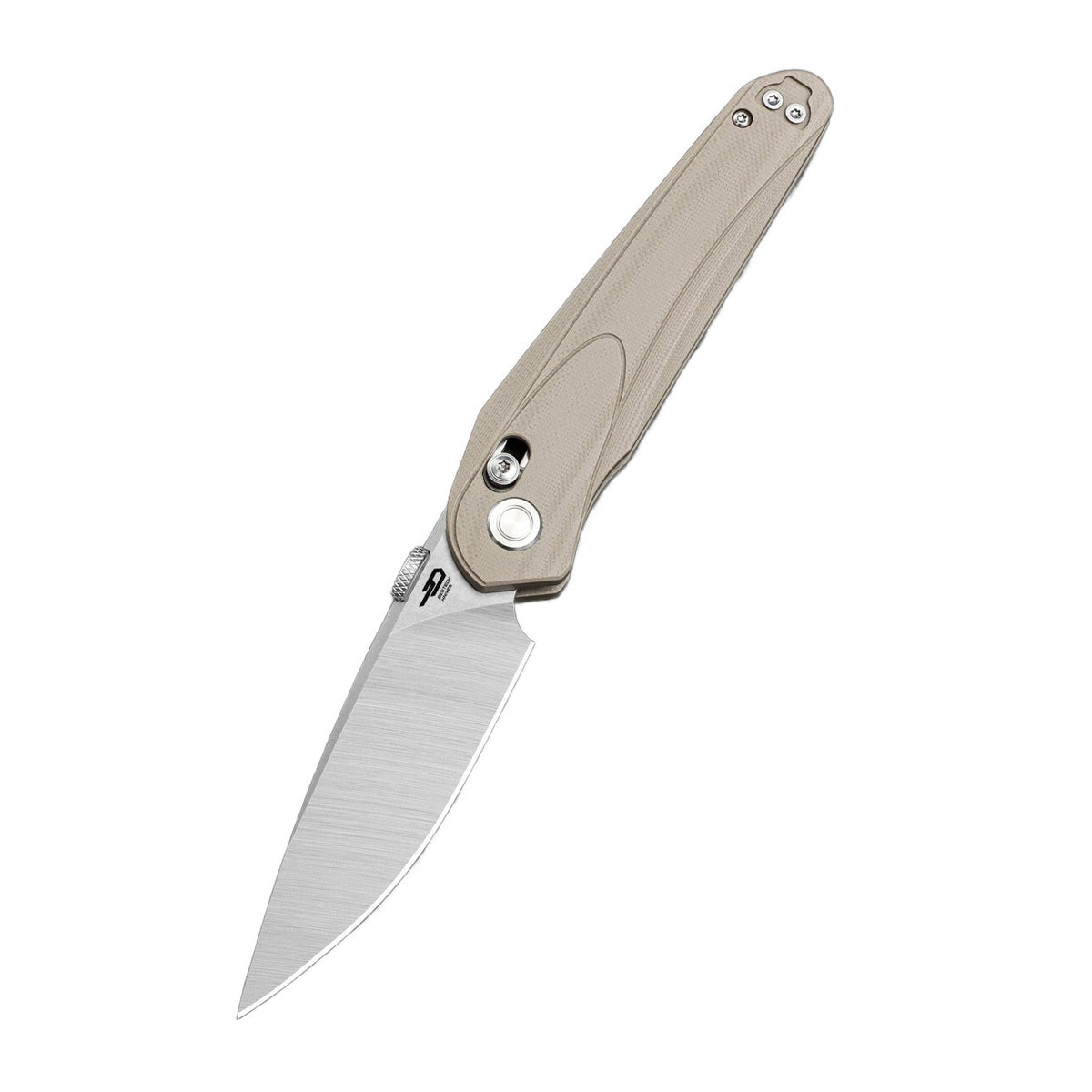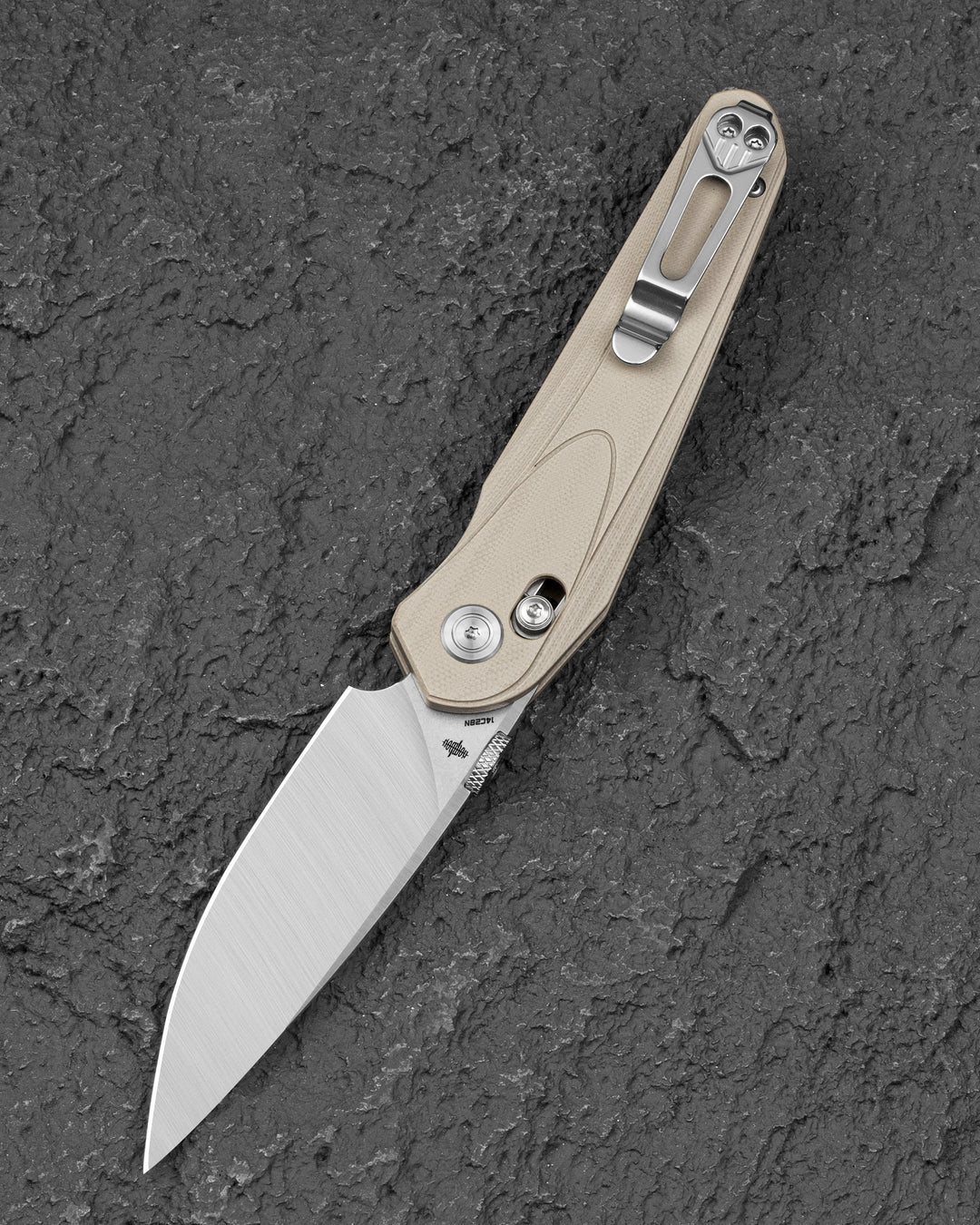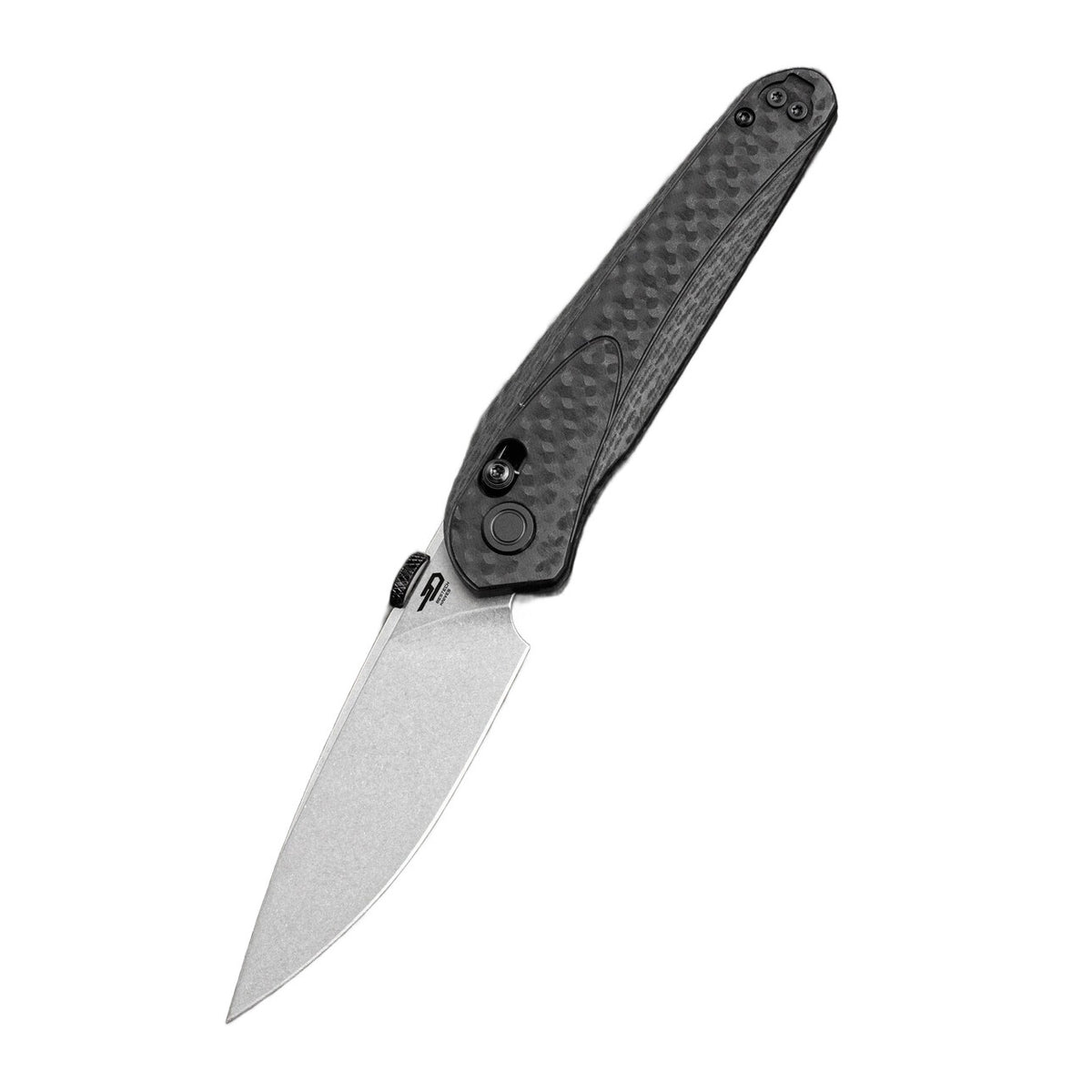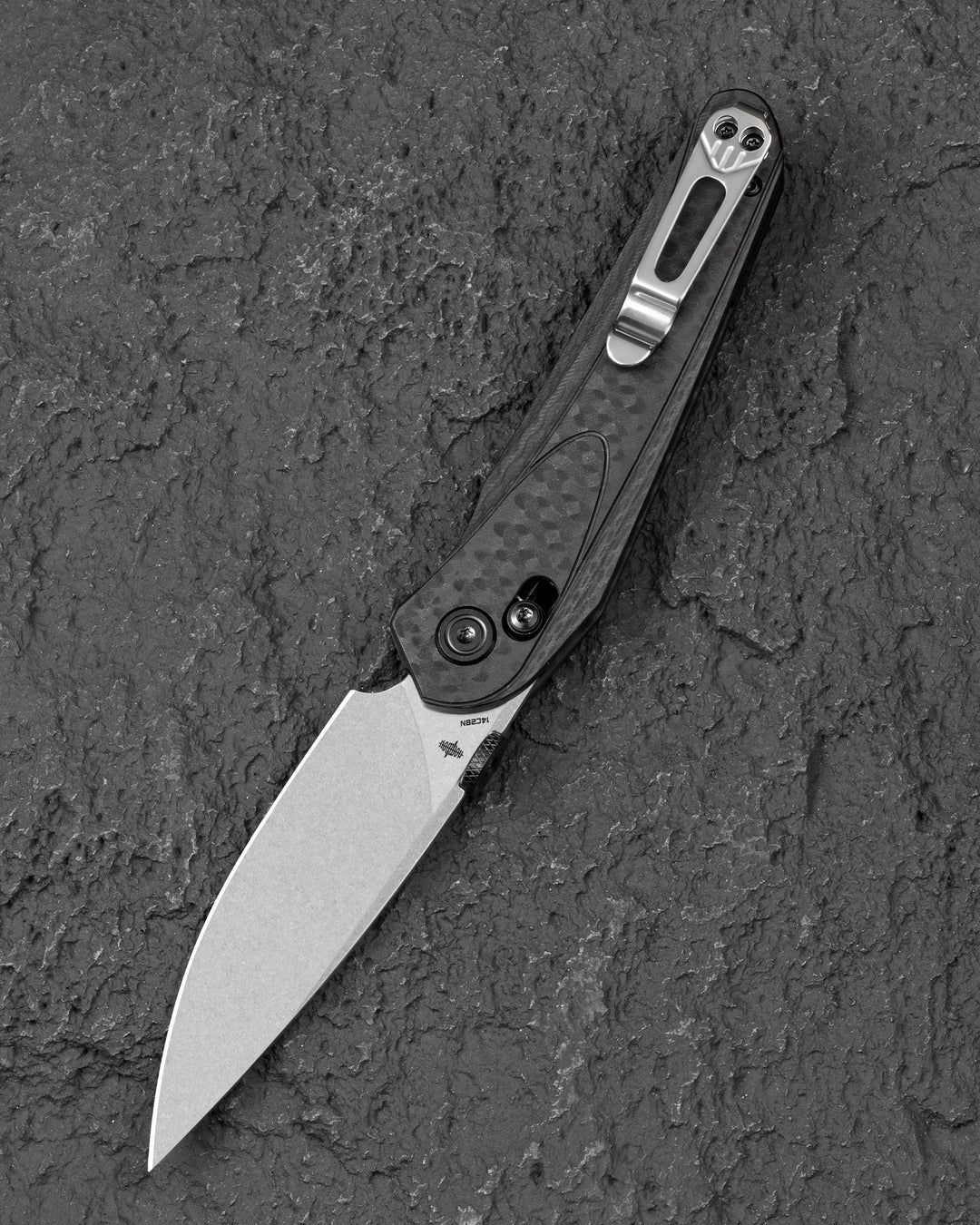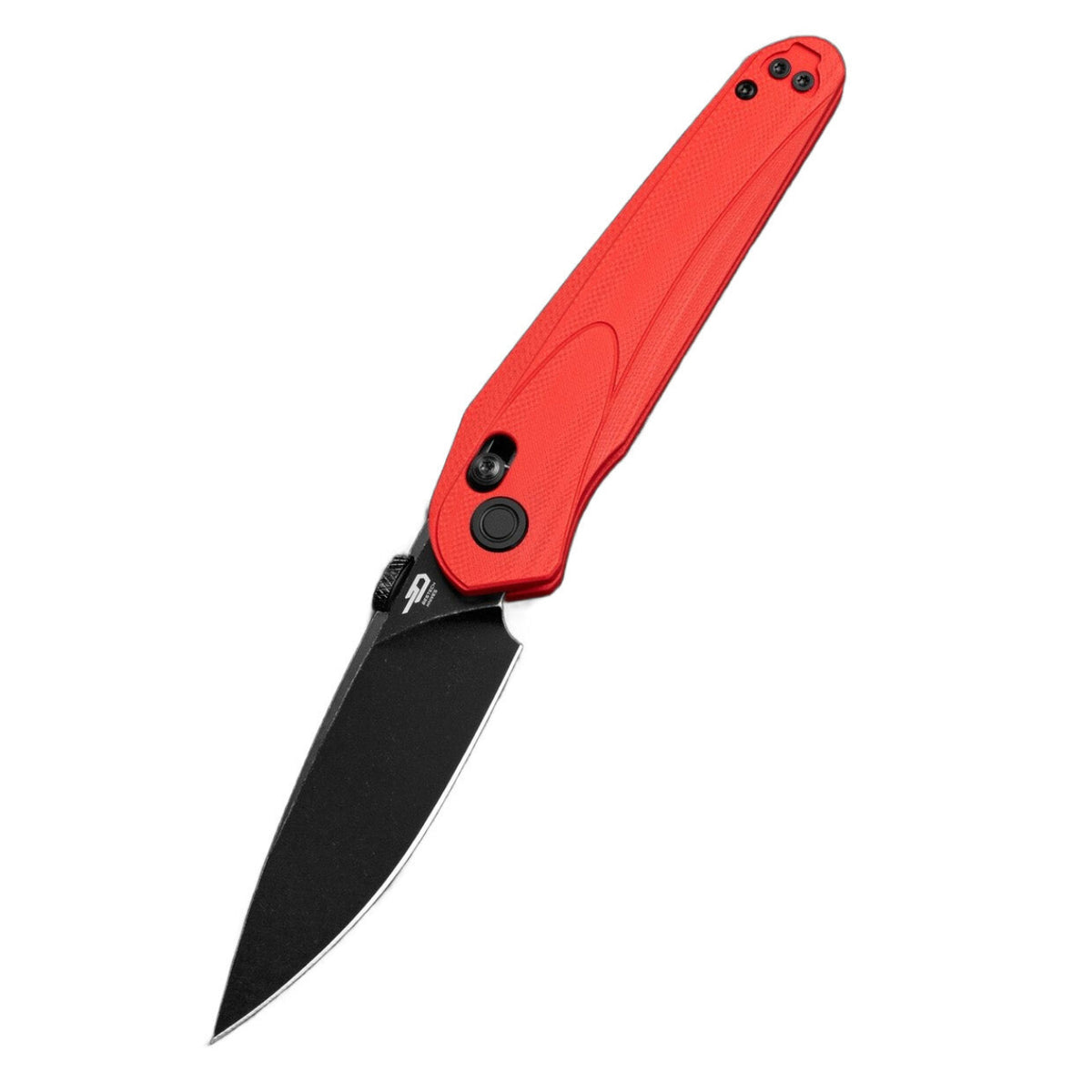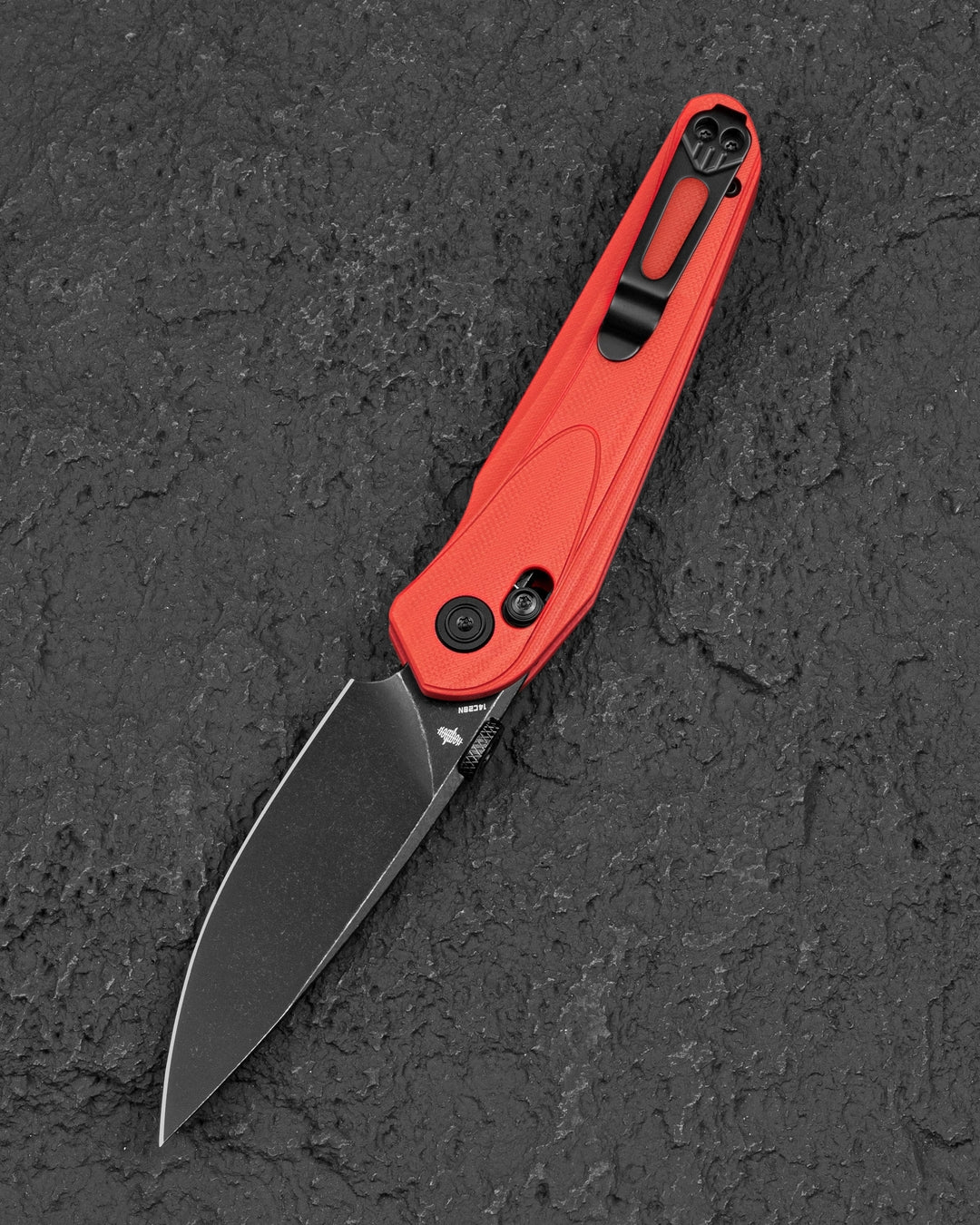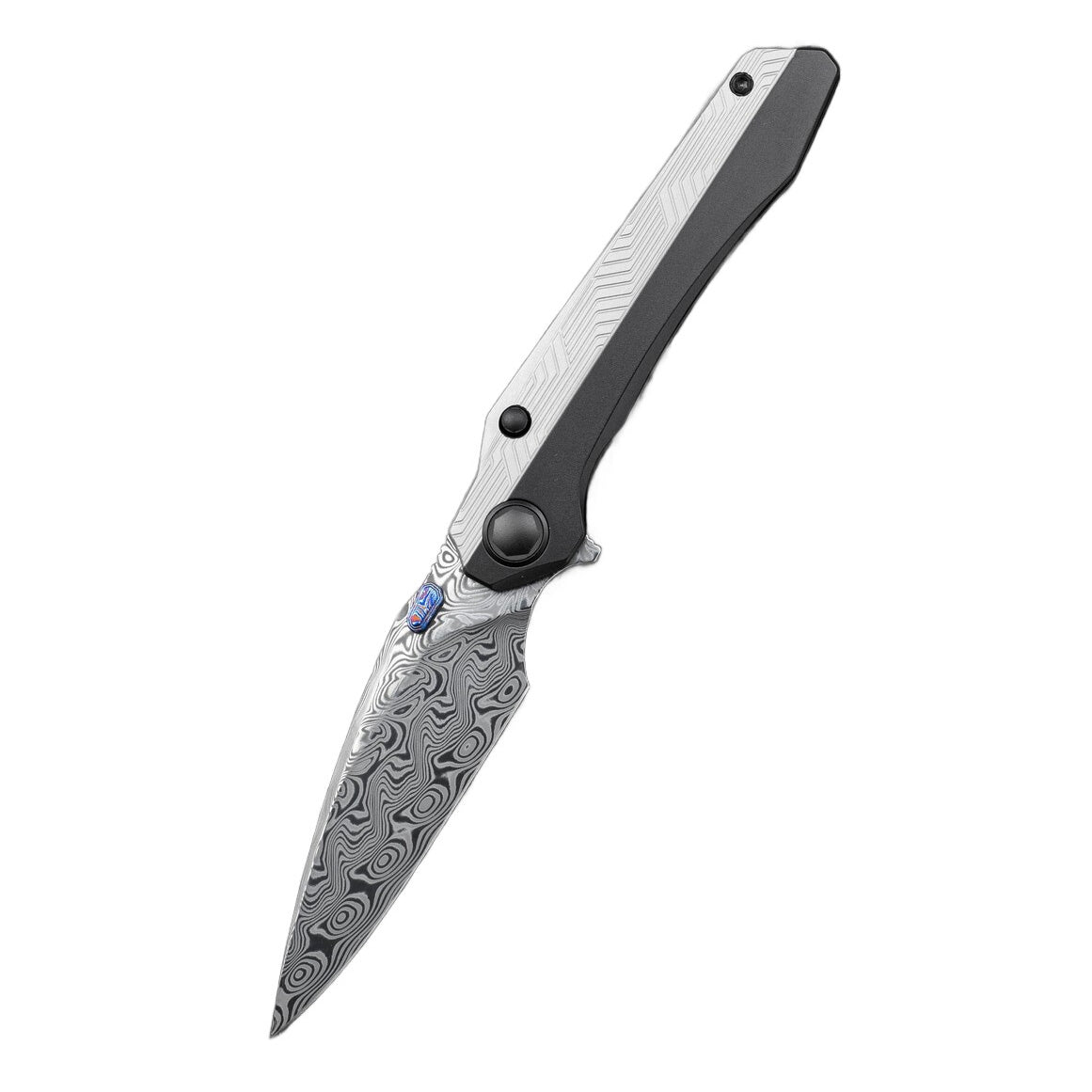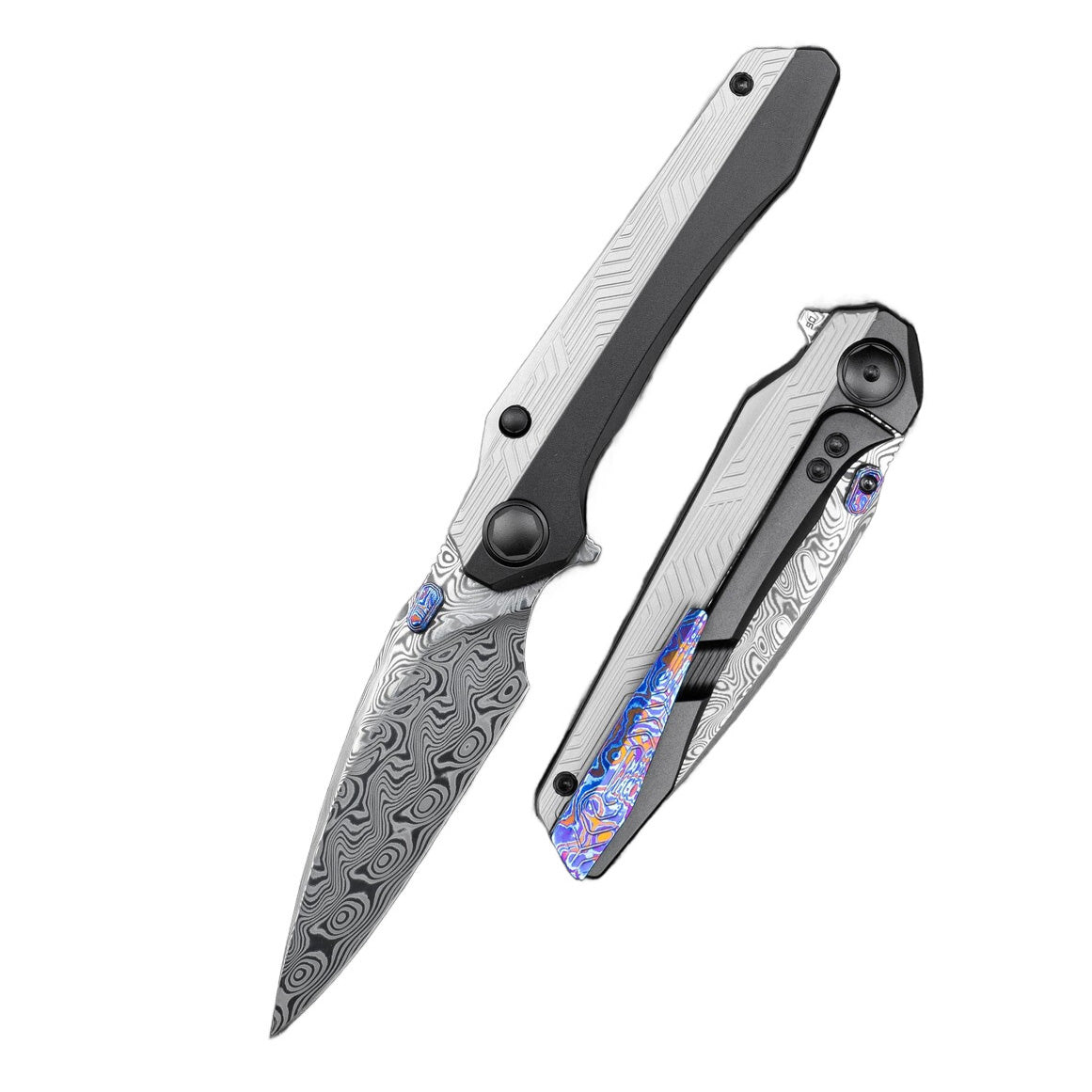
Overview / Key Features
Ask ten knife people about Damascus and you will get opinions ranging from reverence to suspicion, usually based on experience with hand-forged billets that vary wildly in quality. Damasteel changed that conversation. The Swedish company produces patterned steel through powder metallurgy, pre-printing the pattern into standardized billets and consolidating them under enormous pressure, which delivers Damascus aesthetics with the consistency of a modern premium stainless. The Bestech Wet Nellie BT2505H carries one of the most recognizable patterns, Gysinge, and it makes a good textbook for understanding the material.

How Damasteel Is Actually Made
Traditional Damascus is forge-welded: layers of different steels hammered and folded, with the pattern emerging from etching the layers at different rates. Quality depends entirely on the smith's control of heat, cleanliness, and geometry, which is why historical results ranged from legendary to brittle. Damasteel replaces the forge with powder metallurgy: atomized steel powder is printed with the desired pattern, sealed, and hot-isostatically pressed into a homogeneous billet. No weld seams, no slag inclusions, no weak layers. The result machine-processes exactly like monolithic steel, which is why production brands can chamfer, grind, and finish it with CNC repeatability.
Performance You Can Expect
The base composition performs like quality PM stainless: strong edge retention, high toughness for a patterned steel, and corrosion resistance that forgives ordinary carelessness. Patterns stay crisp because they run through the entire cross-section, so sharpening and stonewashing never erase the figure. In use on the Wet Nellie H, the Gysinge edge handled weeks of ordinary EDC cutting at premium-stainless levels, needing only routine wipe-downs after acidic food. That reliability is why Damasteel shows up across serious Damascus steel builds from brands like Bestech Knives.

Care and Maintenance
Damasteel care is simpler than its reputation suggests. Wipe the blade after cutting fruit, salt-exposed material, or anything acidic, since etched recesses hold moisture longer than flat polished surfaces. Dry it before storage and avoid long-term leather contact, because tannins can darken patterns unevenly. A light mineral oil coat during humid months keeps the recesses clean. Sharpen normally on stones; the pattern does not require special technique, though keeping the bevel consistent preserves the visual flow of the figure across the edge.
Who Should Choose It?
Buyers who want pattern-welded beauty without historical fragility, collectors who value limited trims, and gift shoppers at the serious tier all fit. The clearest example in the shop is the Bestech Wet Nellie BT2505H, which pairs Gysinge with Timascus hardware in a titanium chassis. If pure performance outranks aesthetics, the MagnaCut version is the better tool, but browse the folding knives and EDC gear aisles before deciding, because few steels photograph like Gysinge.
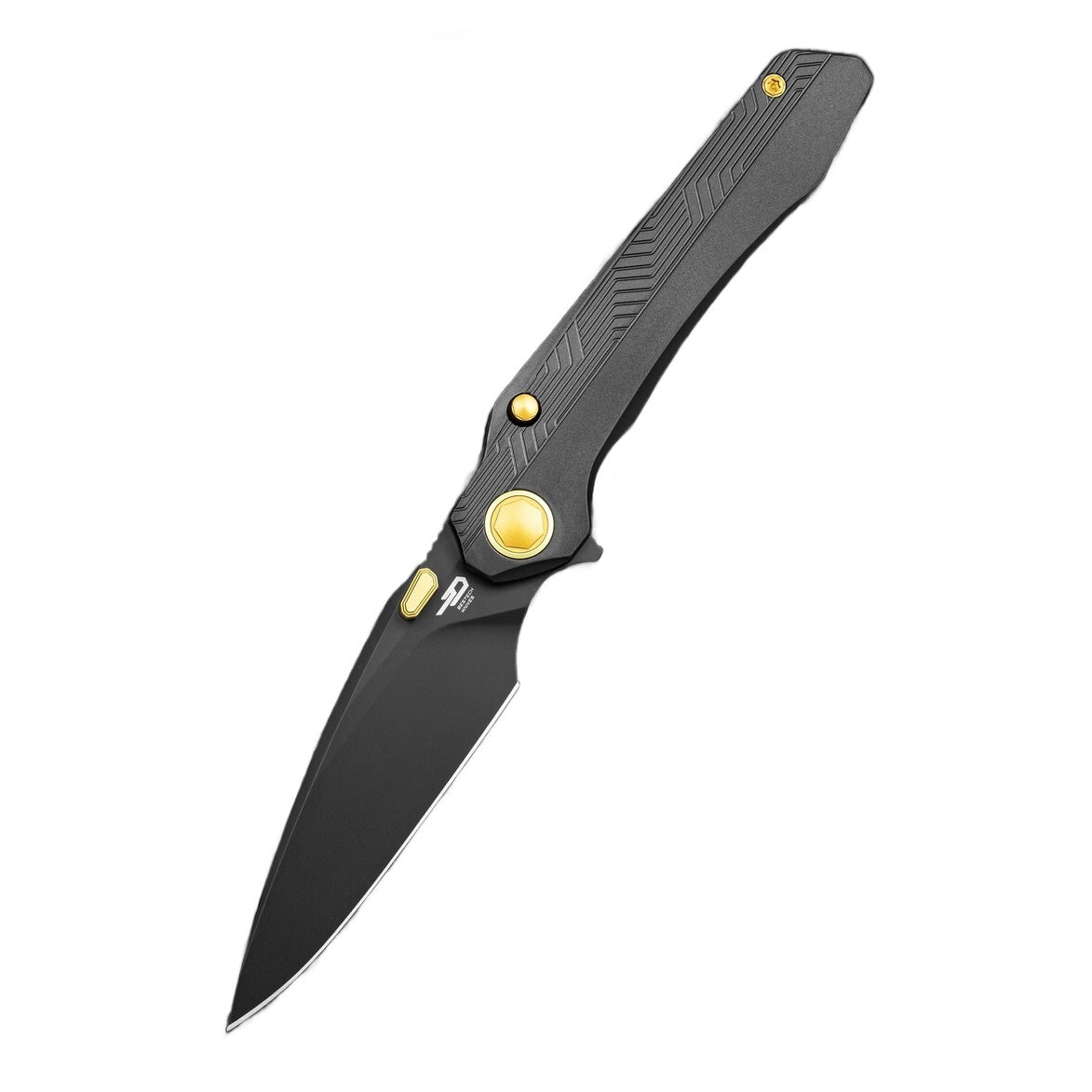
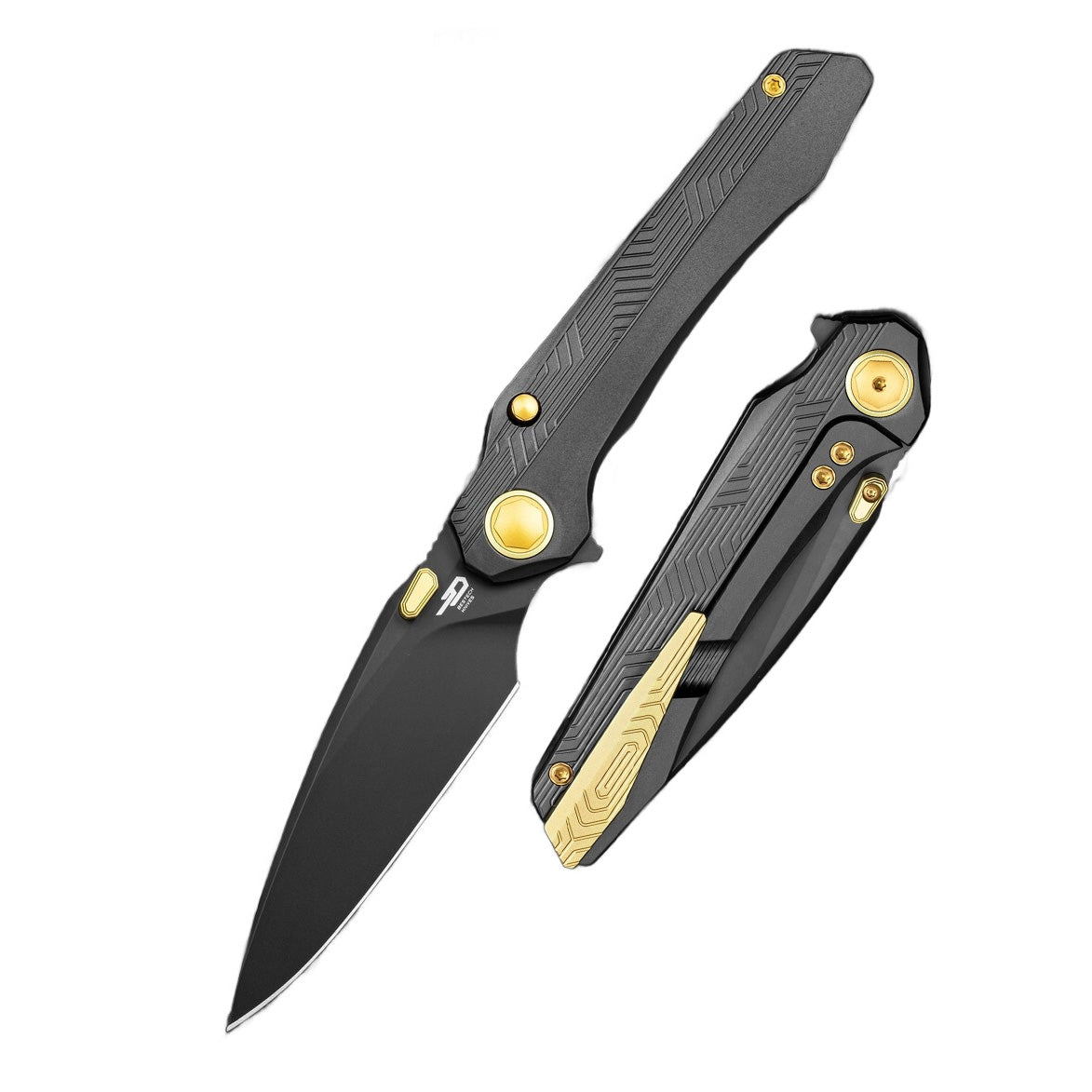
If you want to see the material in context before deciding, the dedicated Bestech Wet Nellie collection pairs the Gysinge flagship directly against its MagnaCut sibling, which is the cleanest steel-to-steel comparison in the current catalog and a genuinely useful way to learn what pattern-welded powder steel actually feels like in hand.