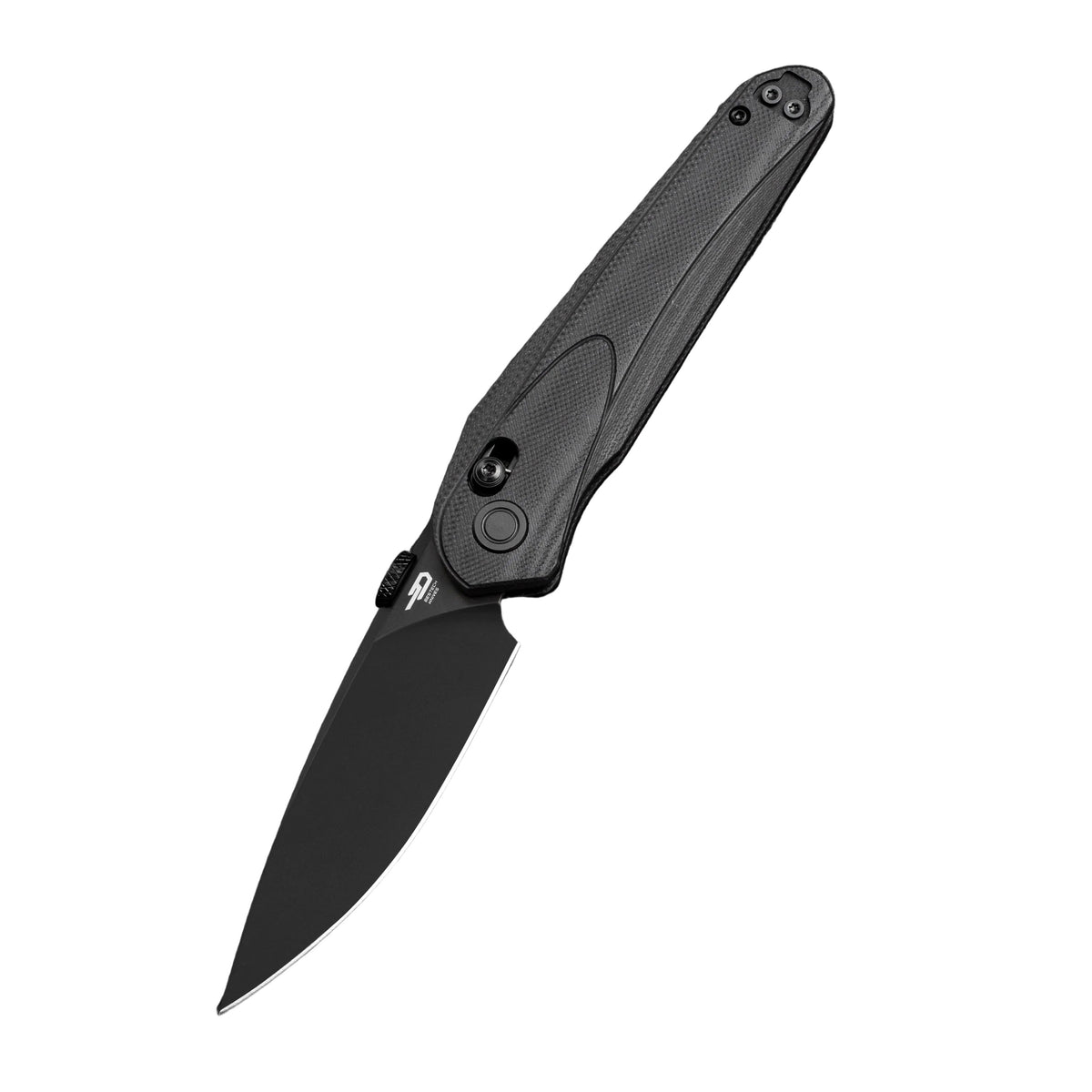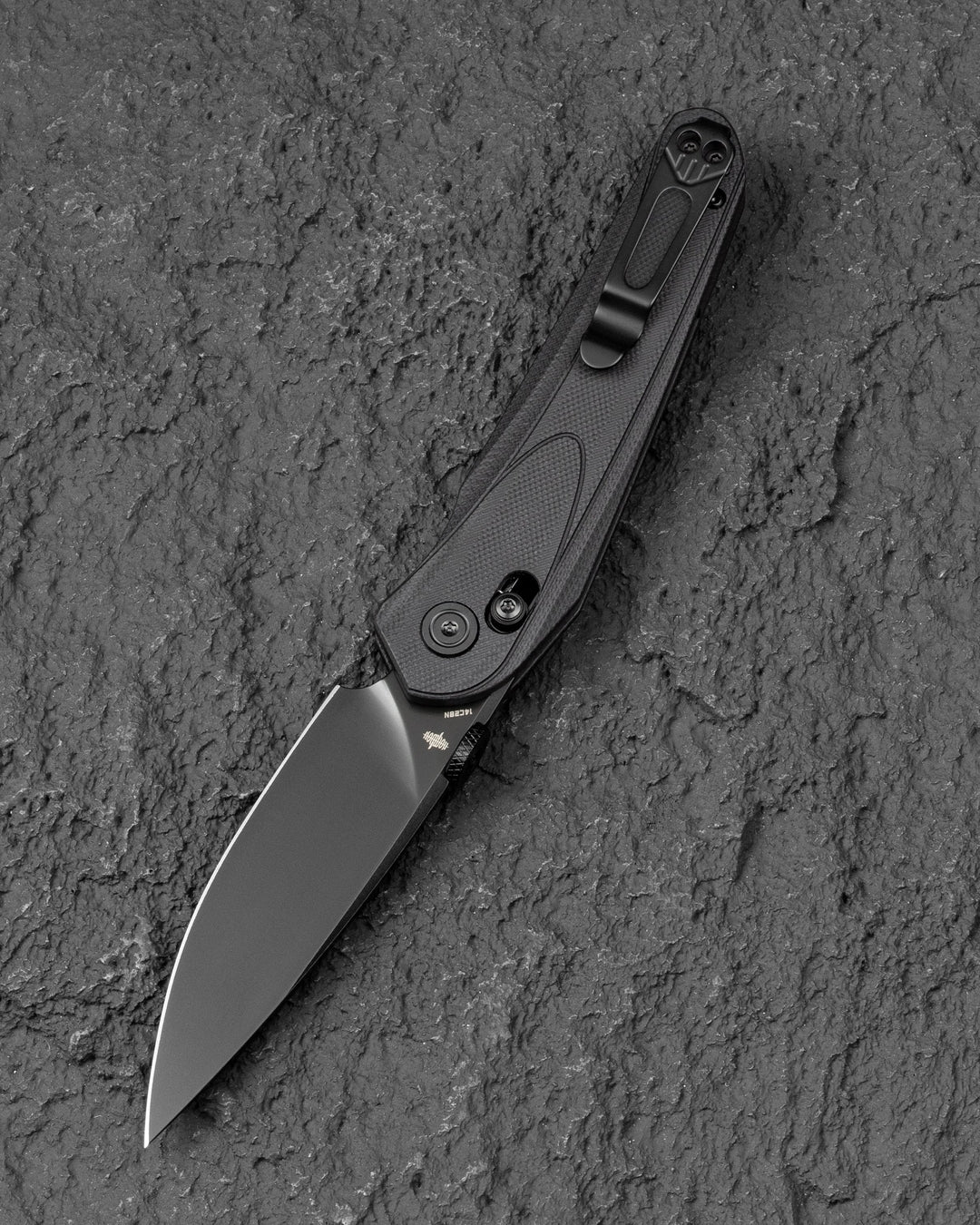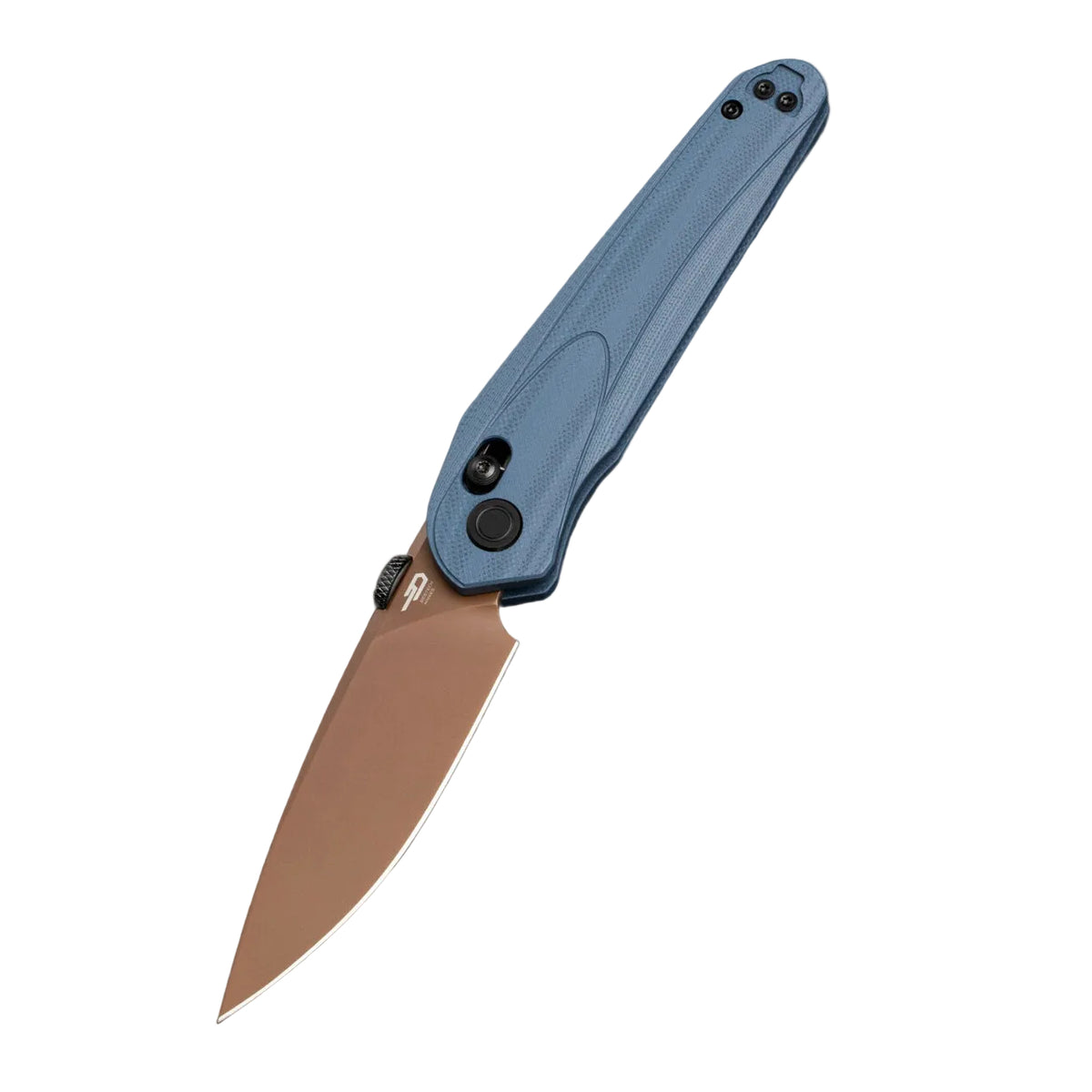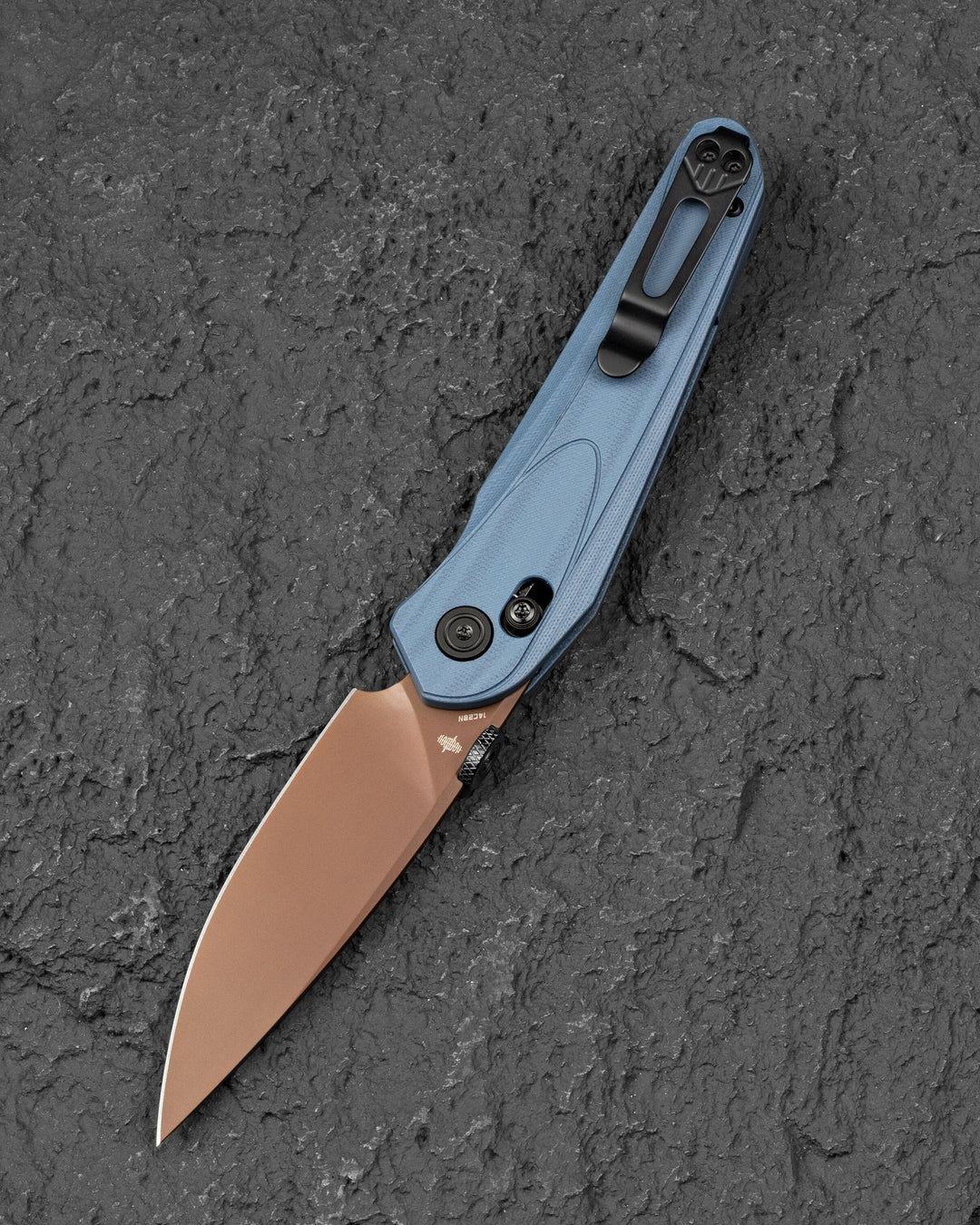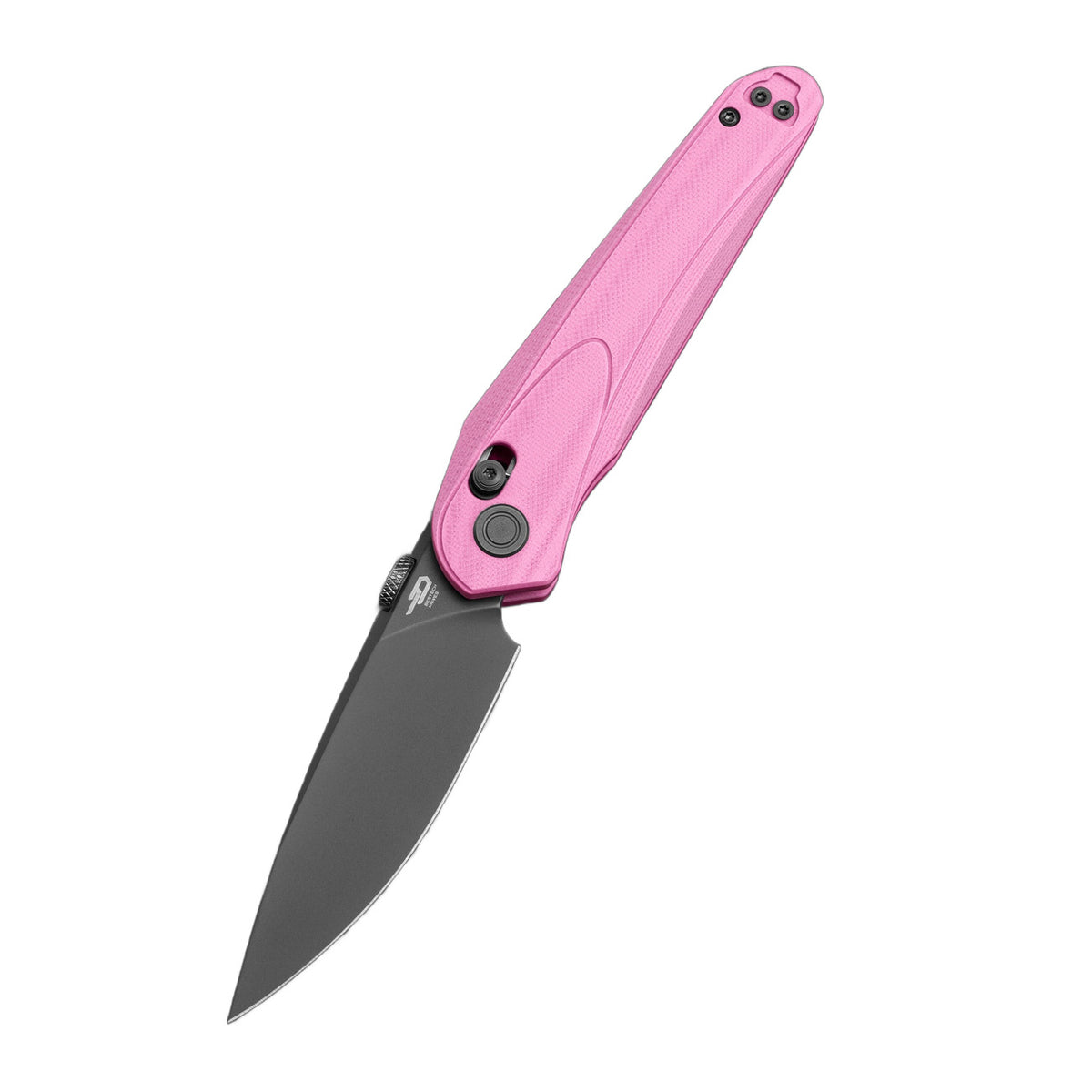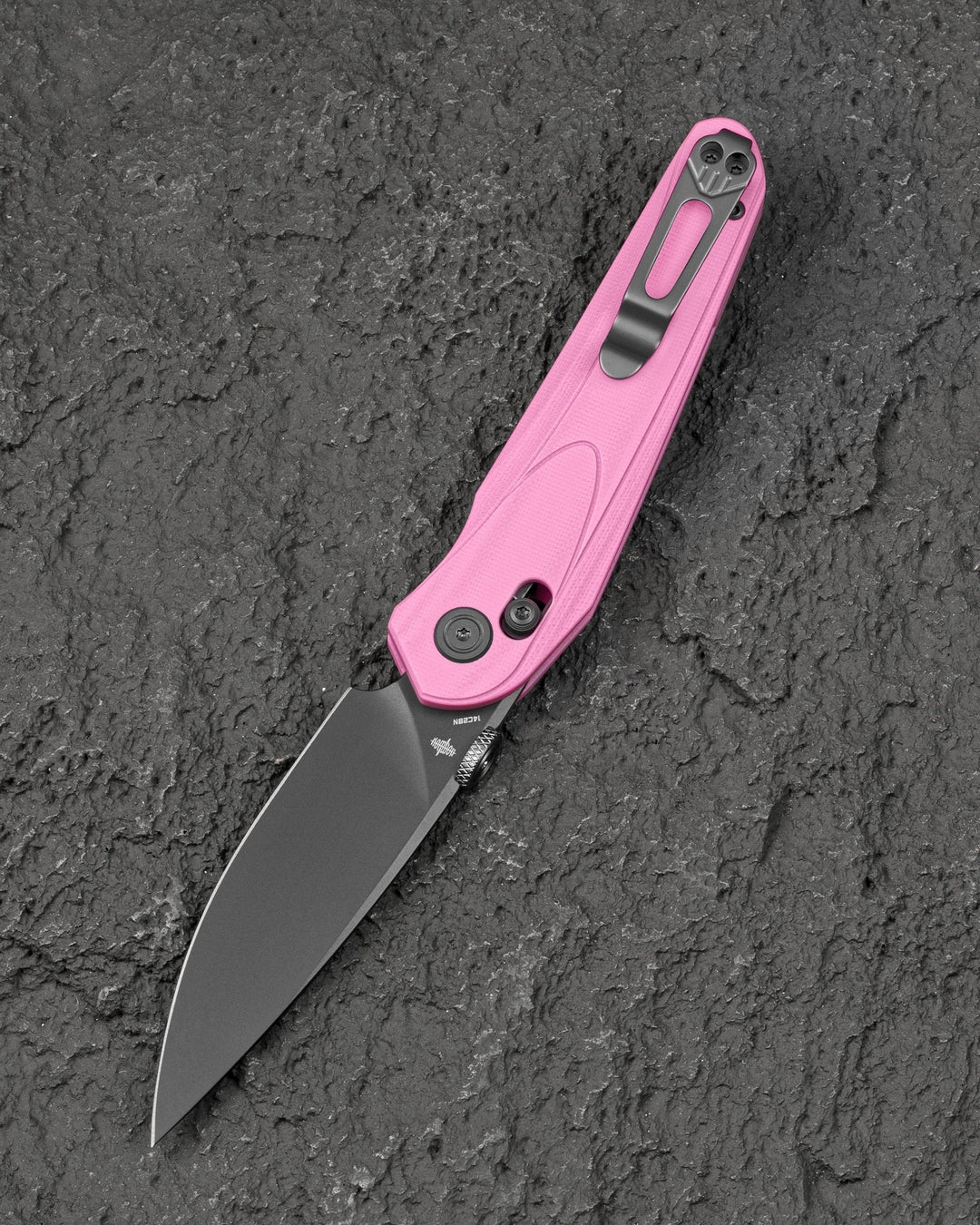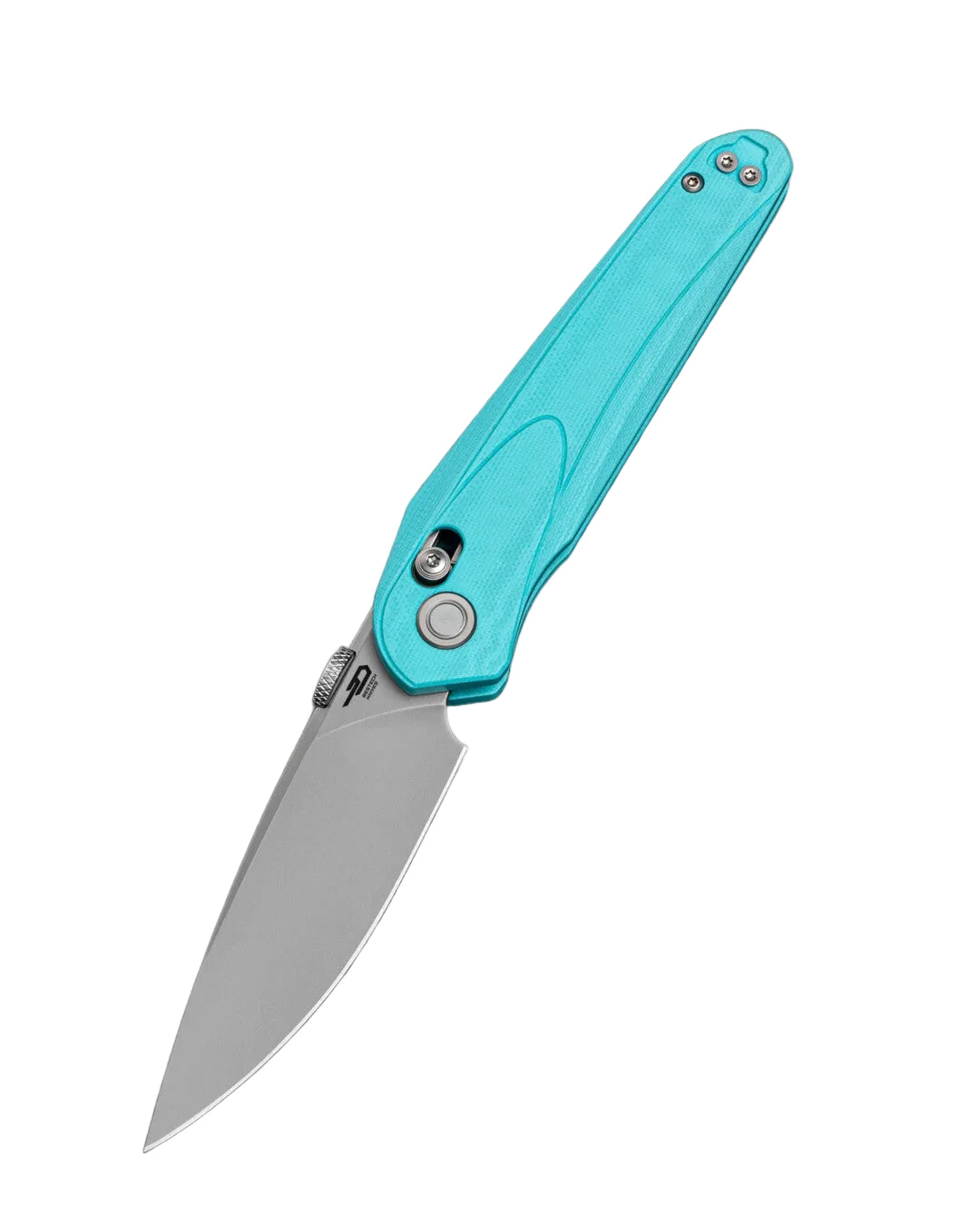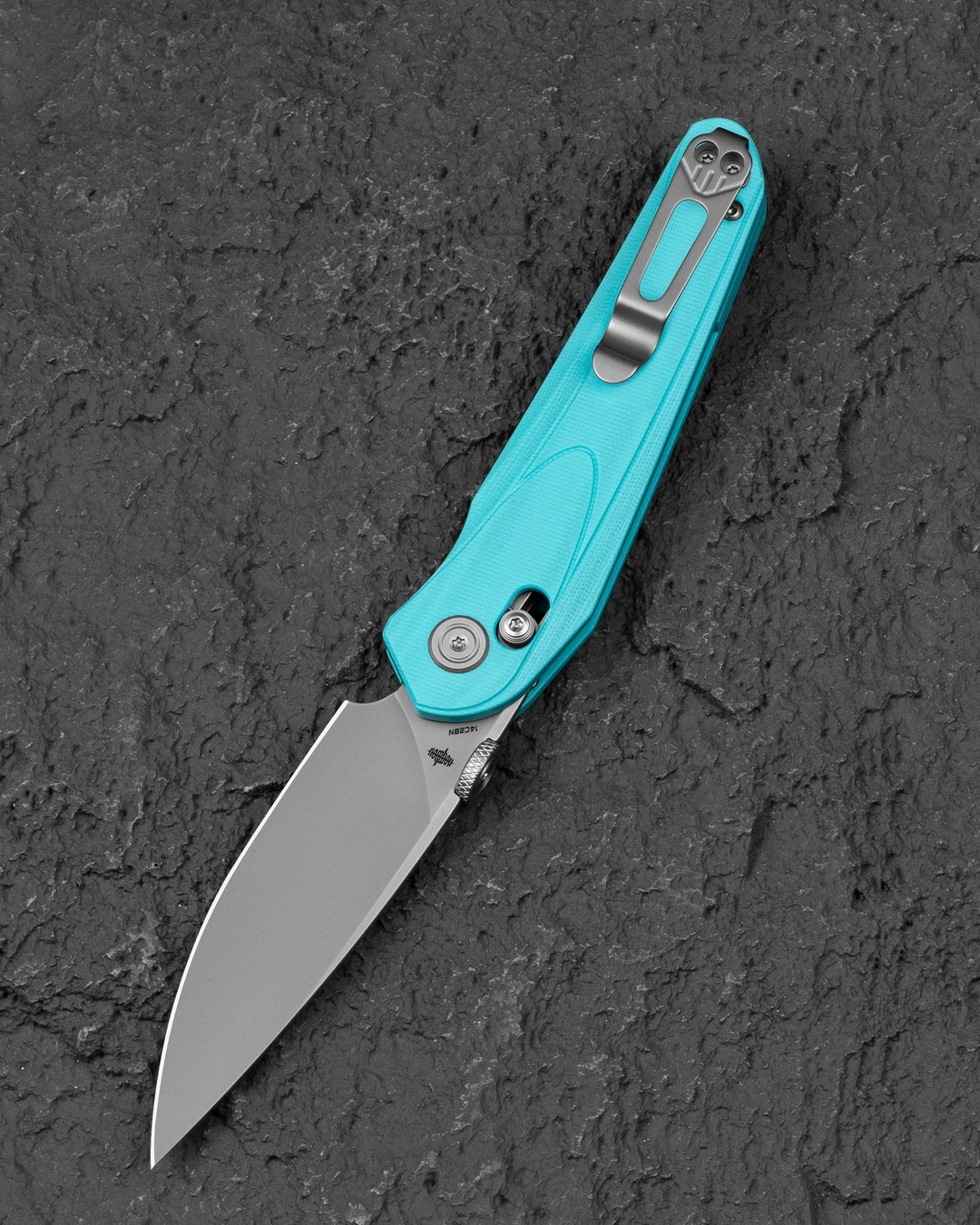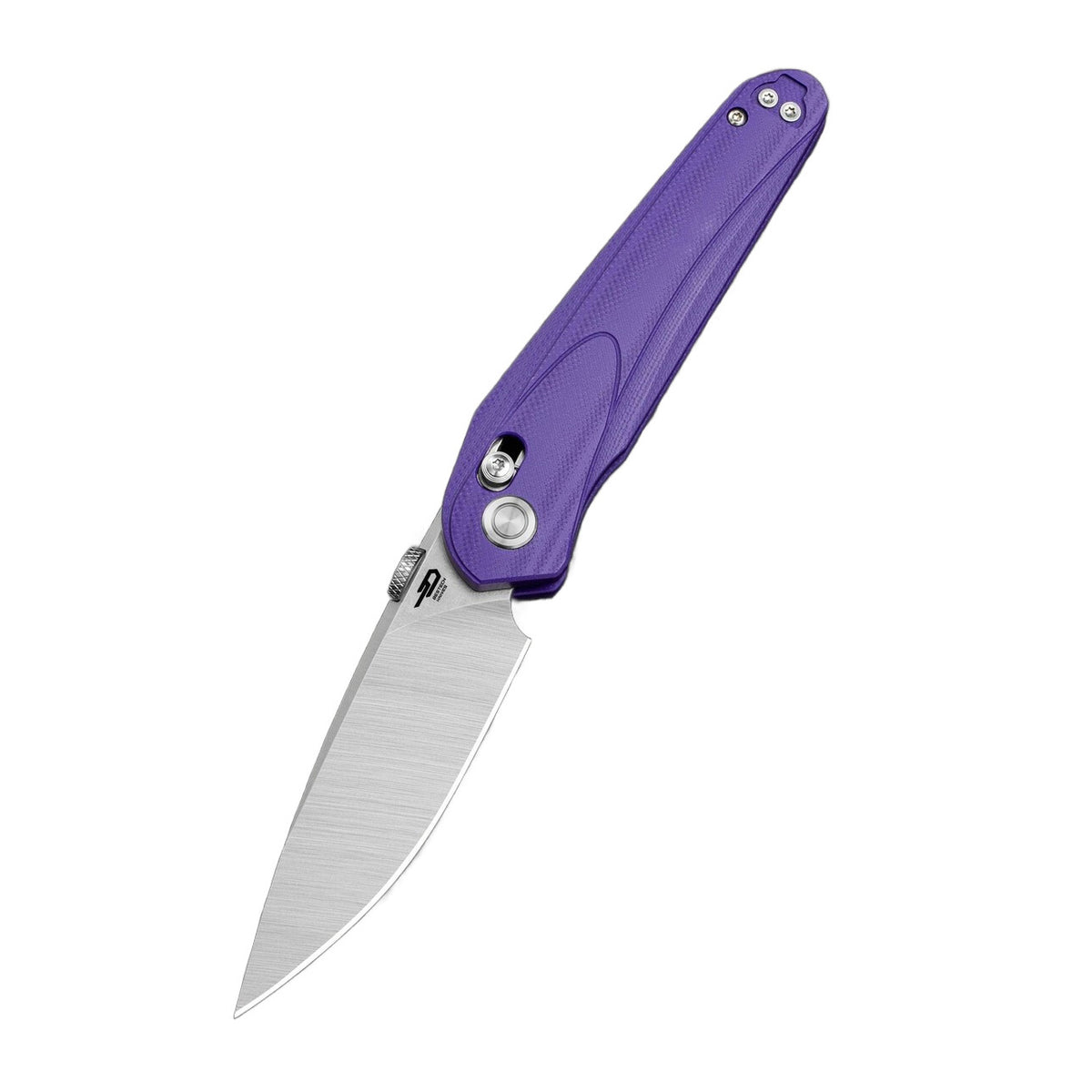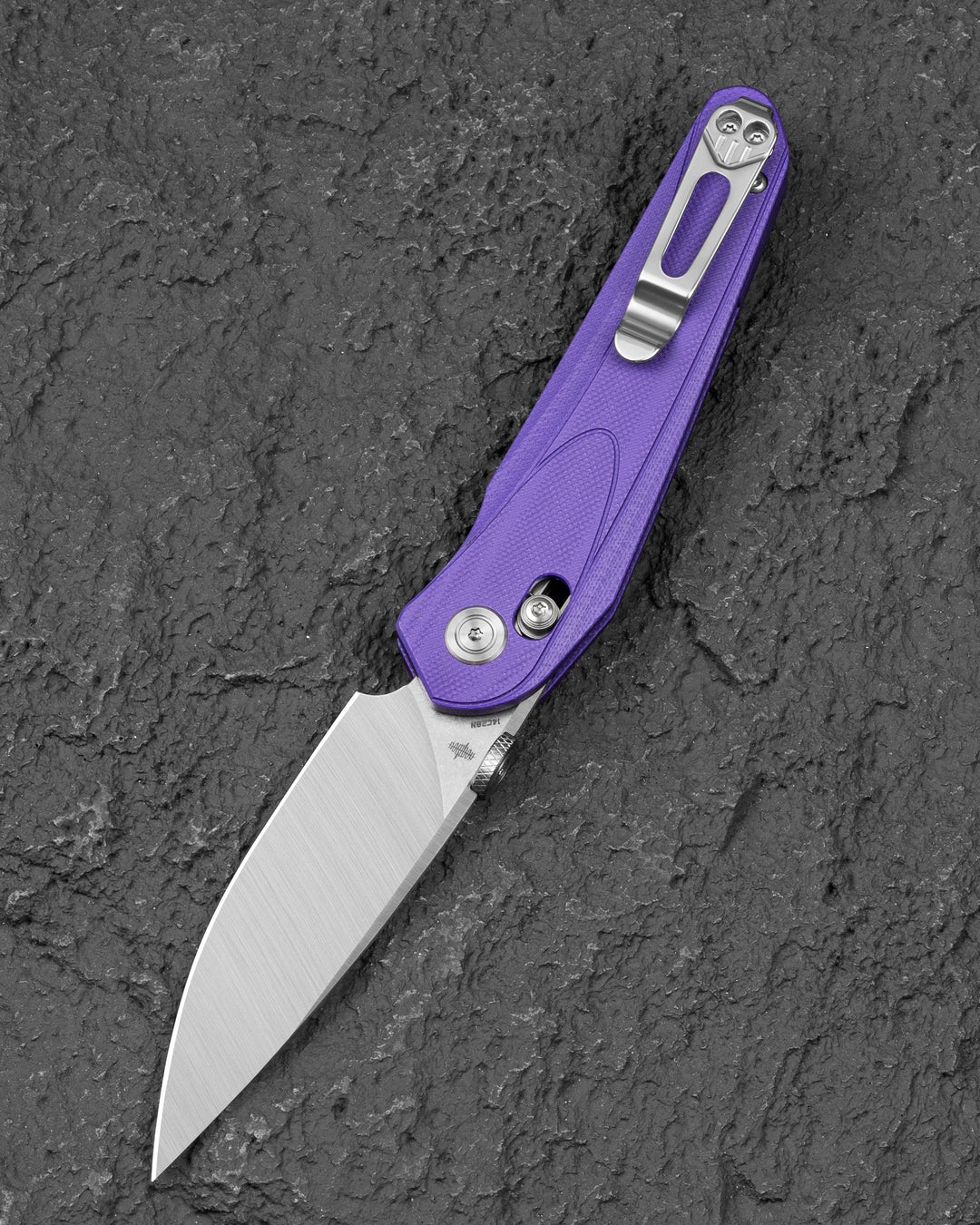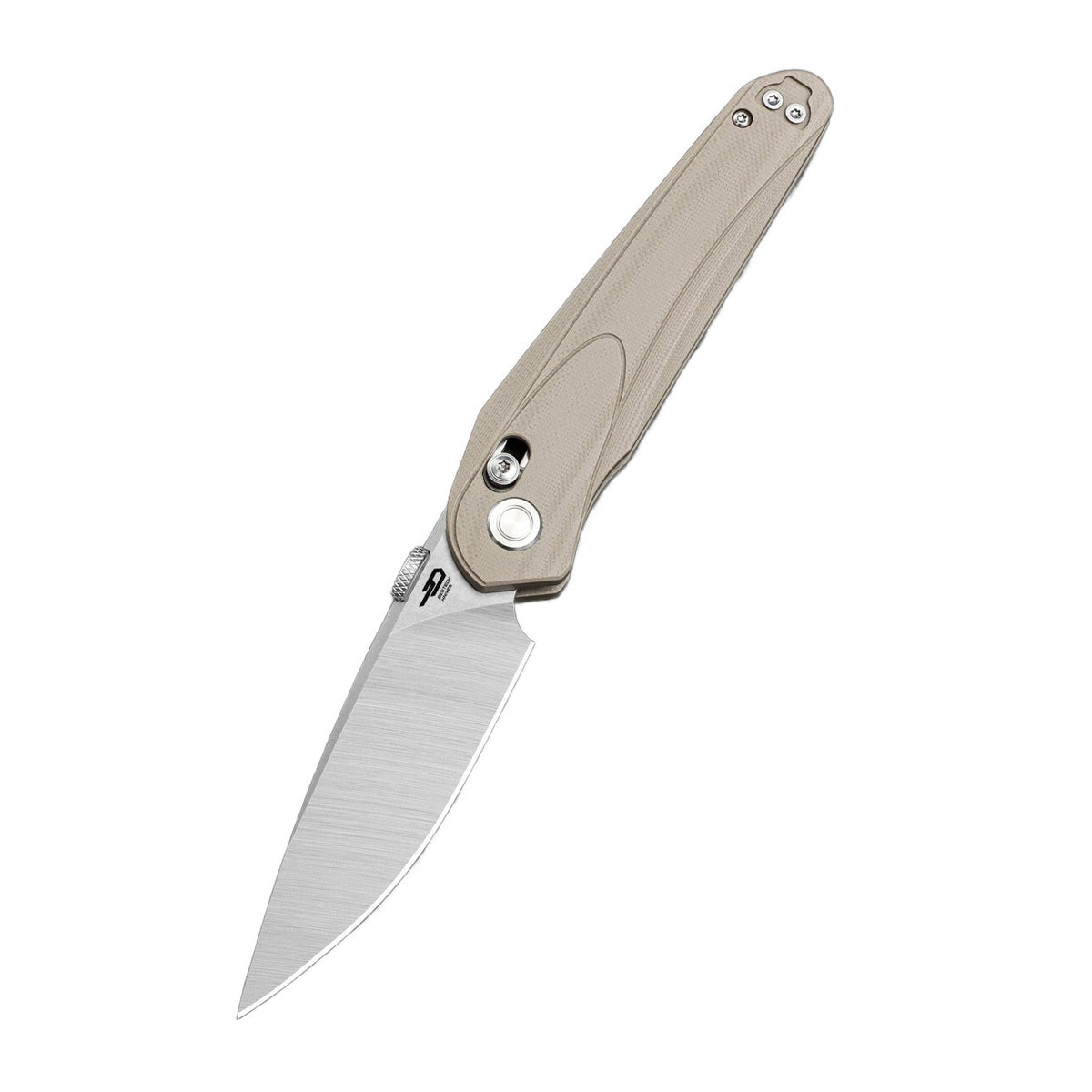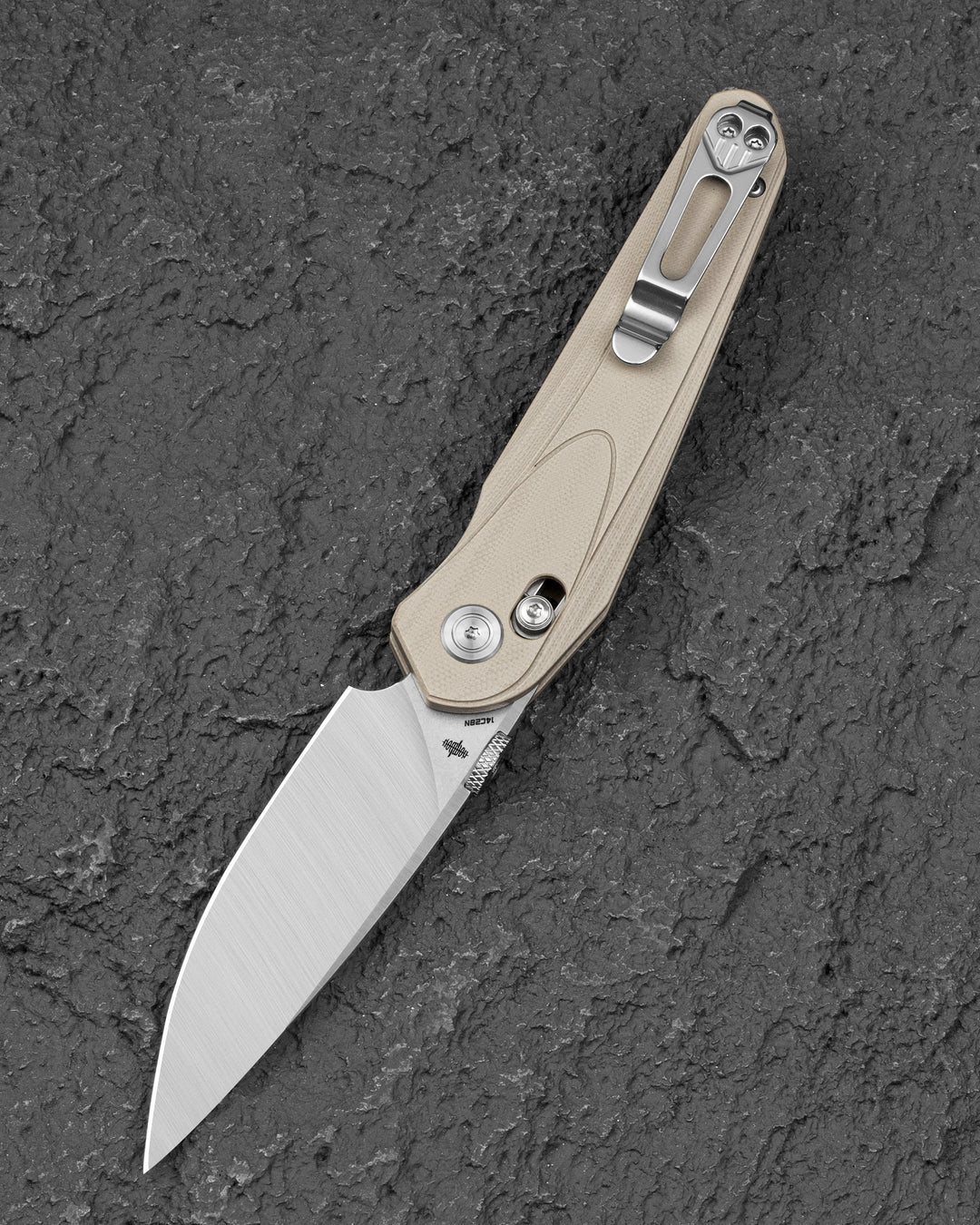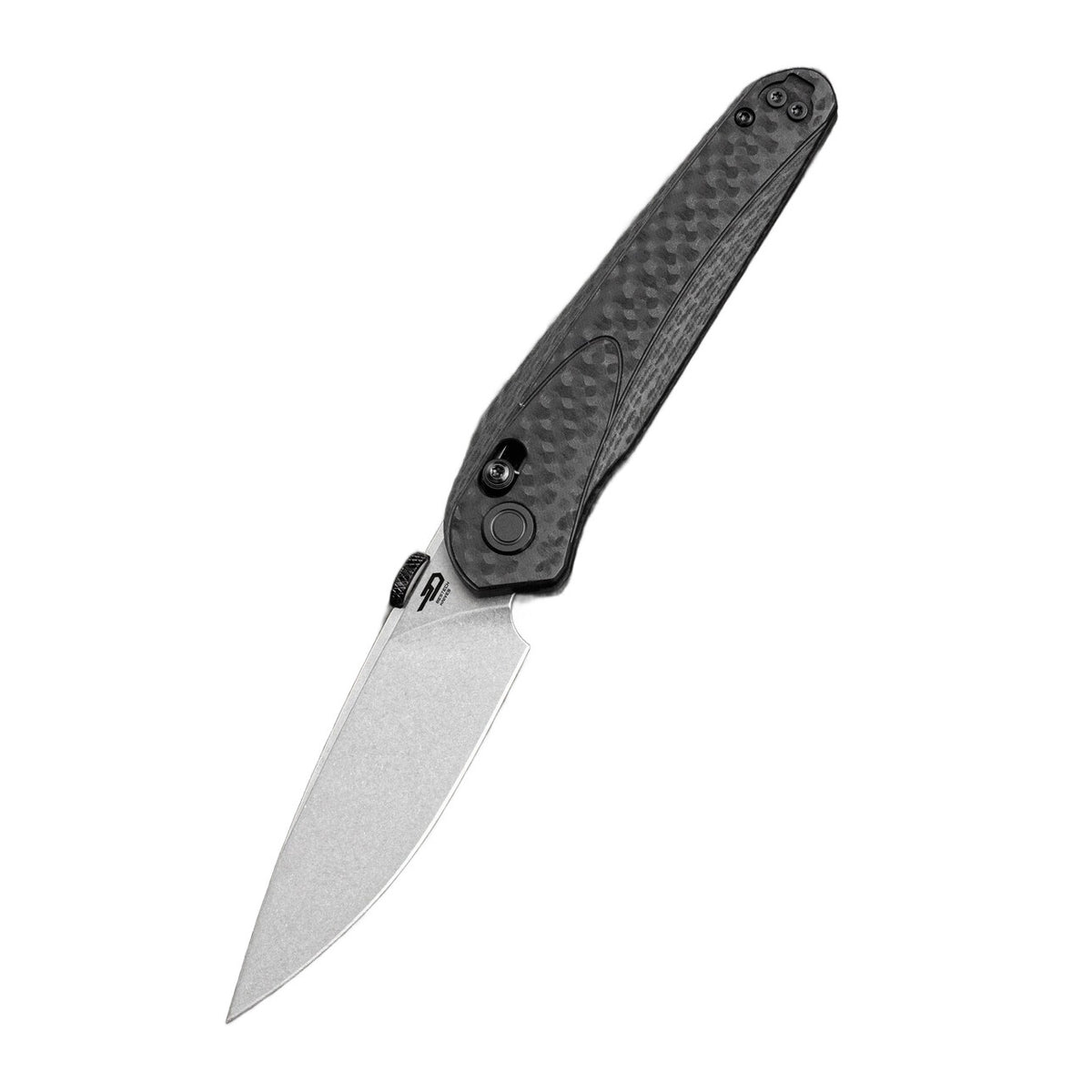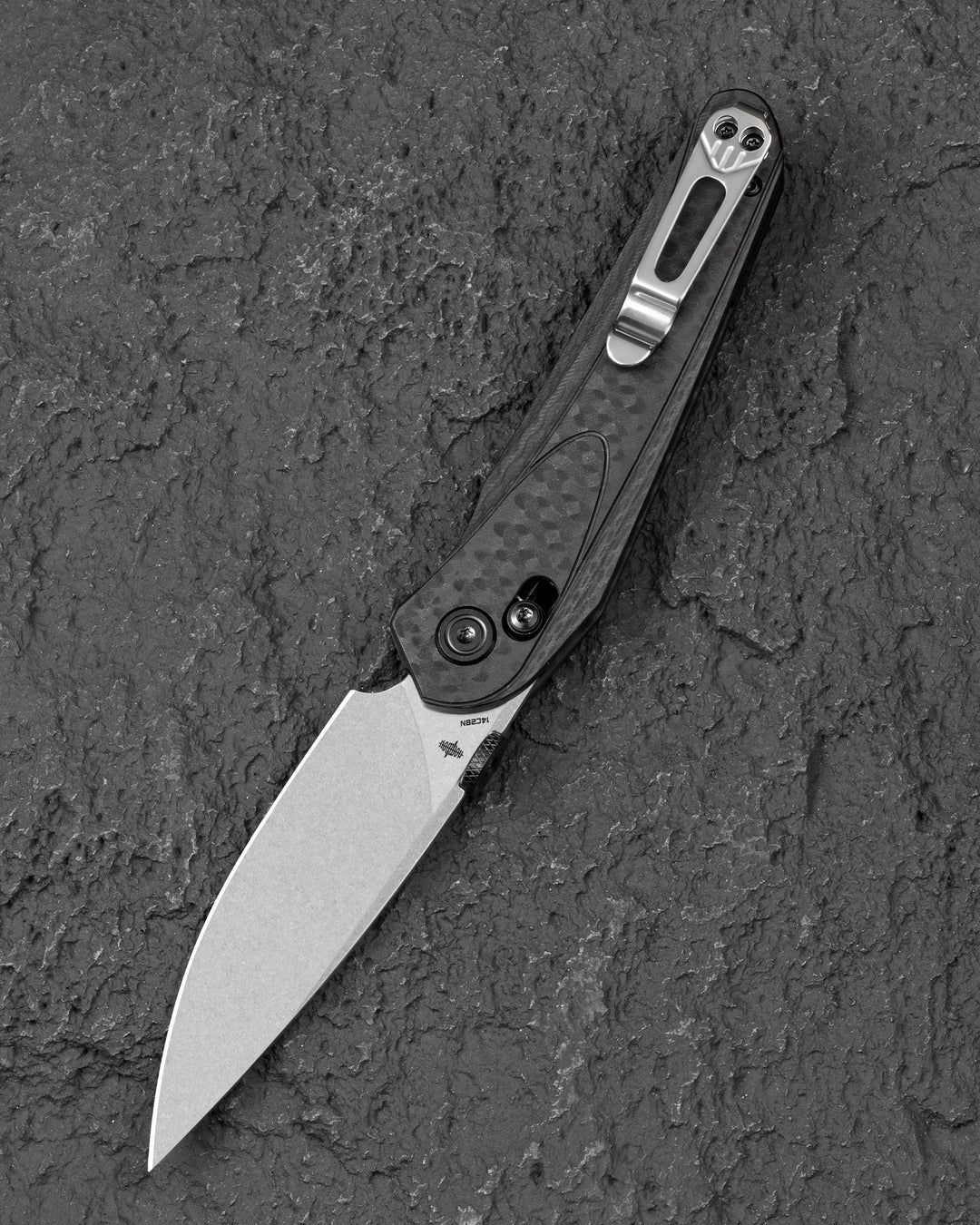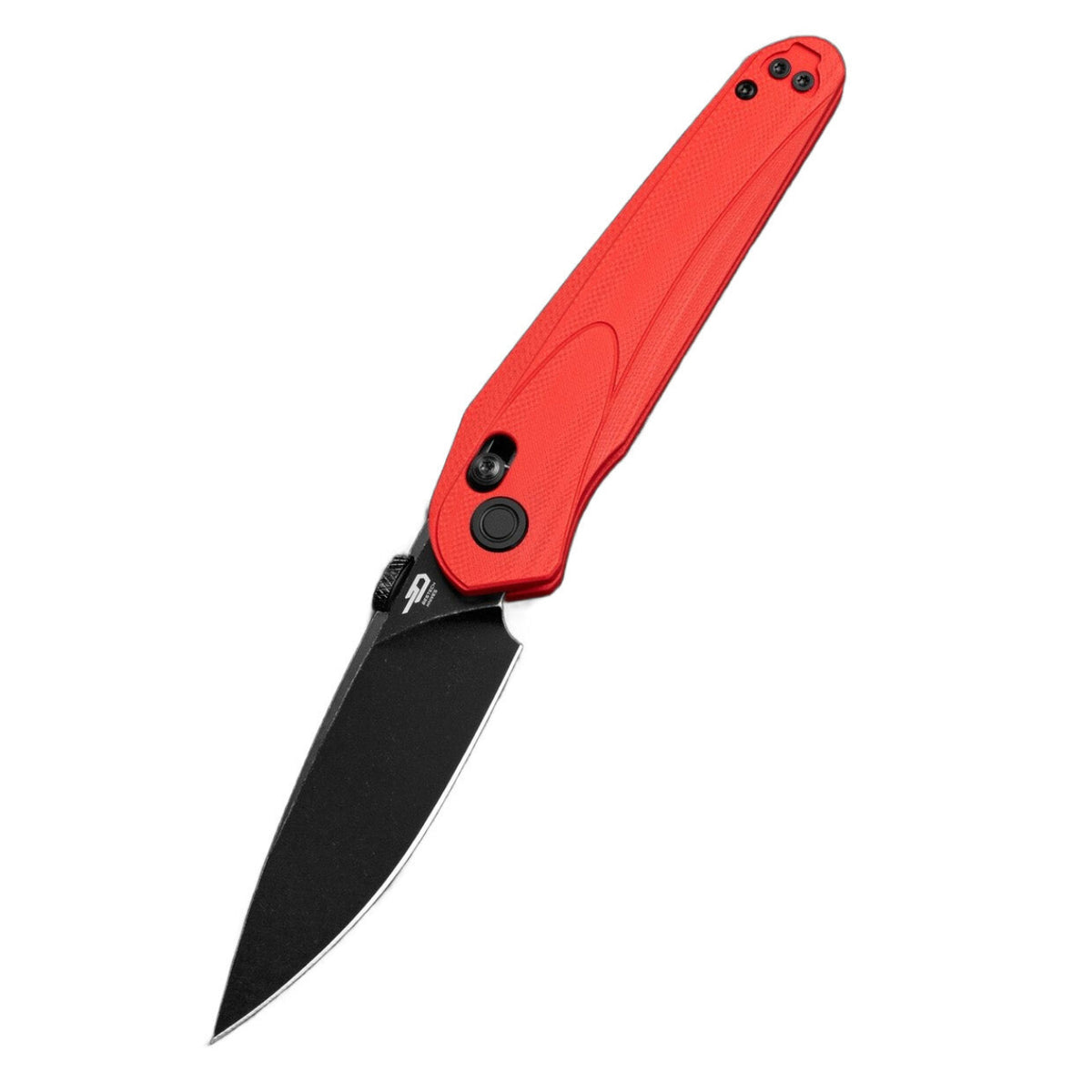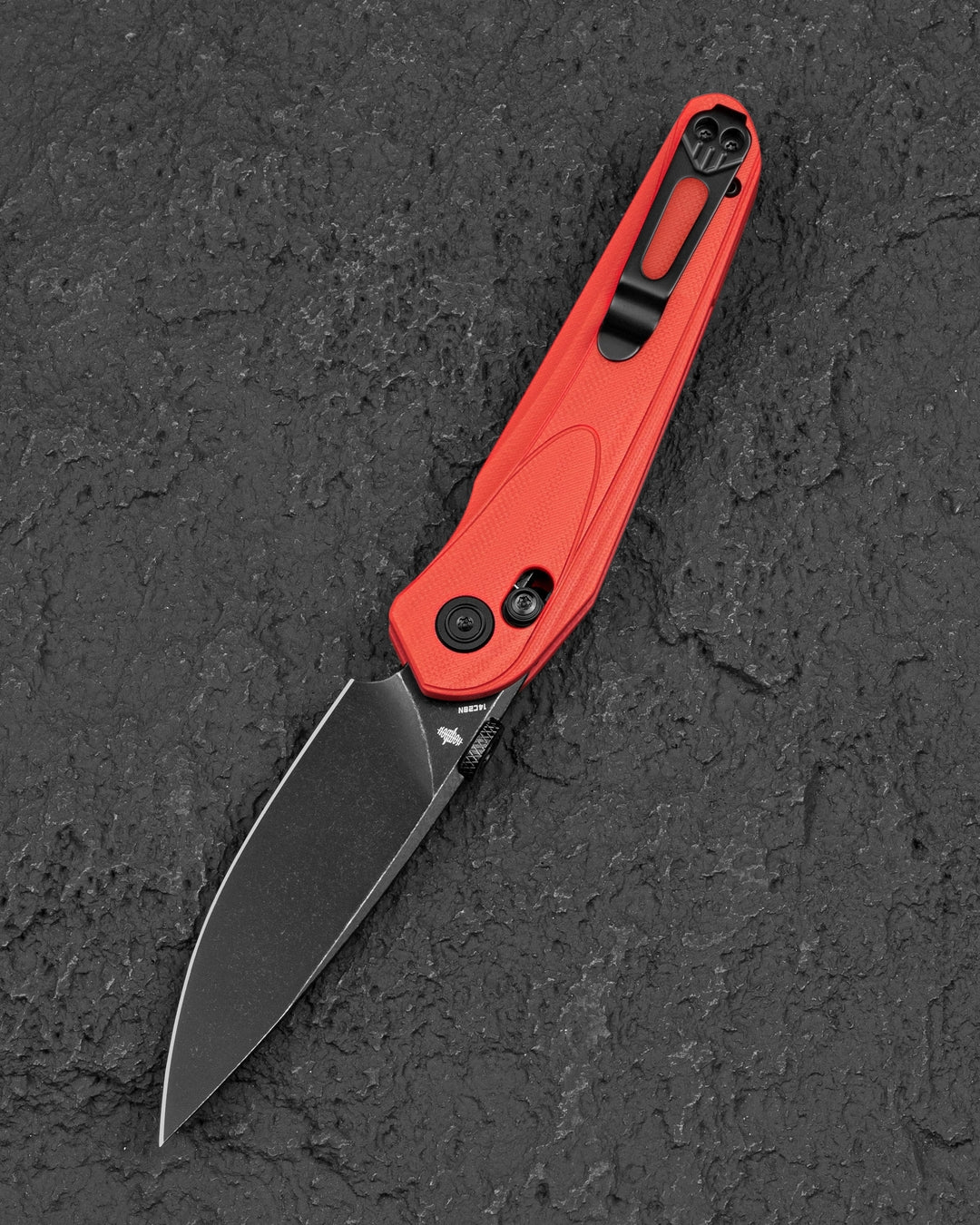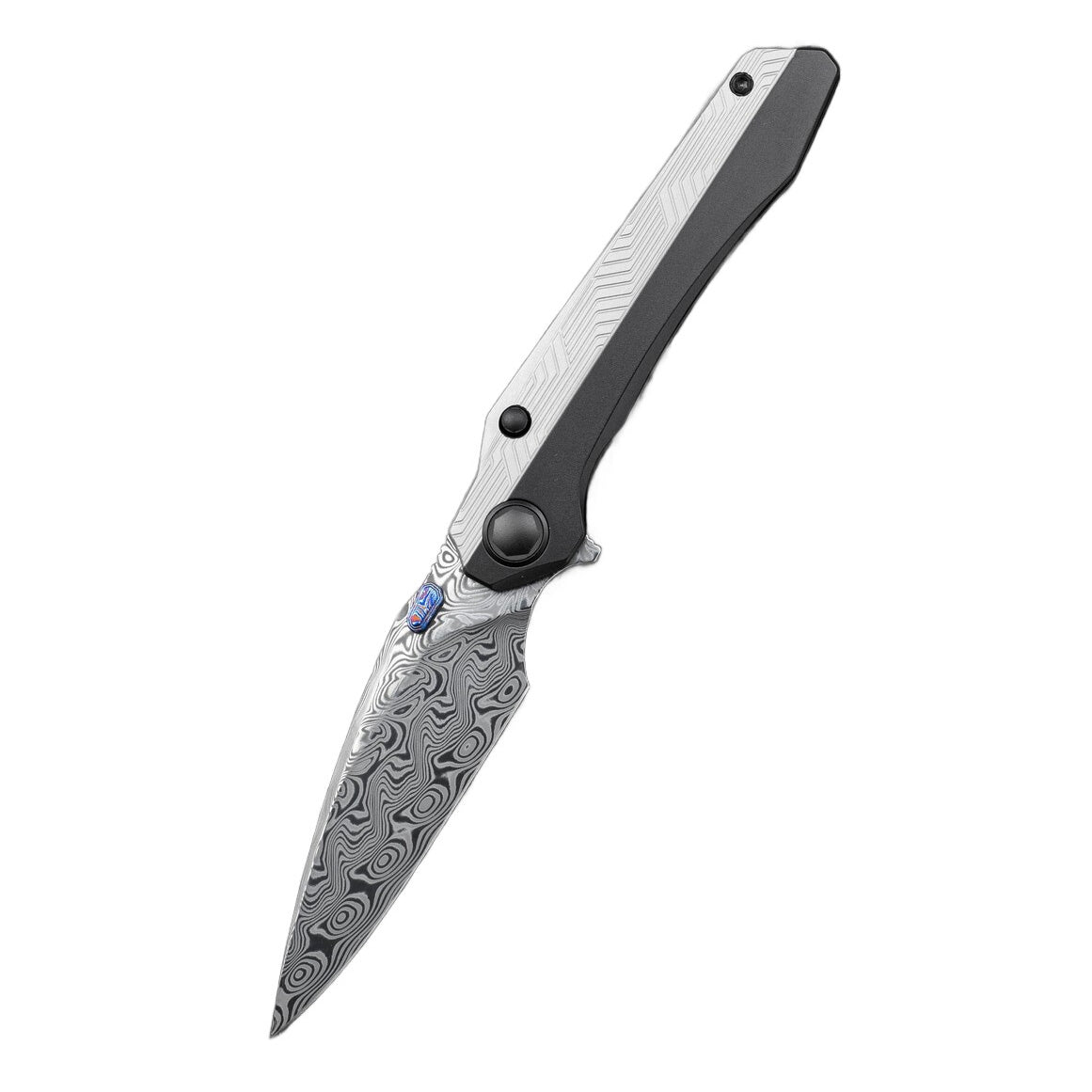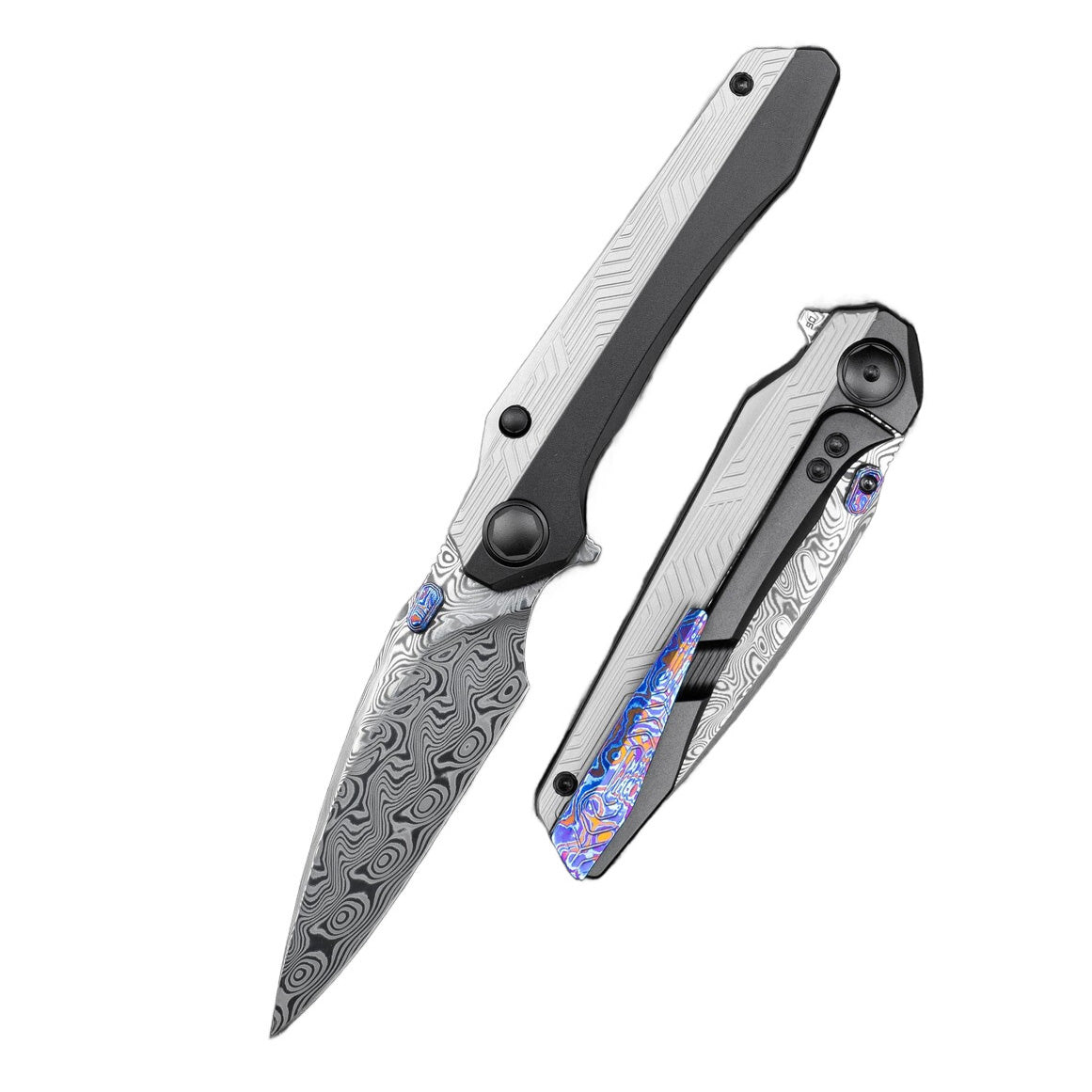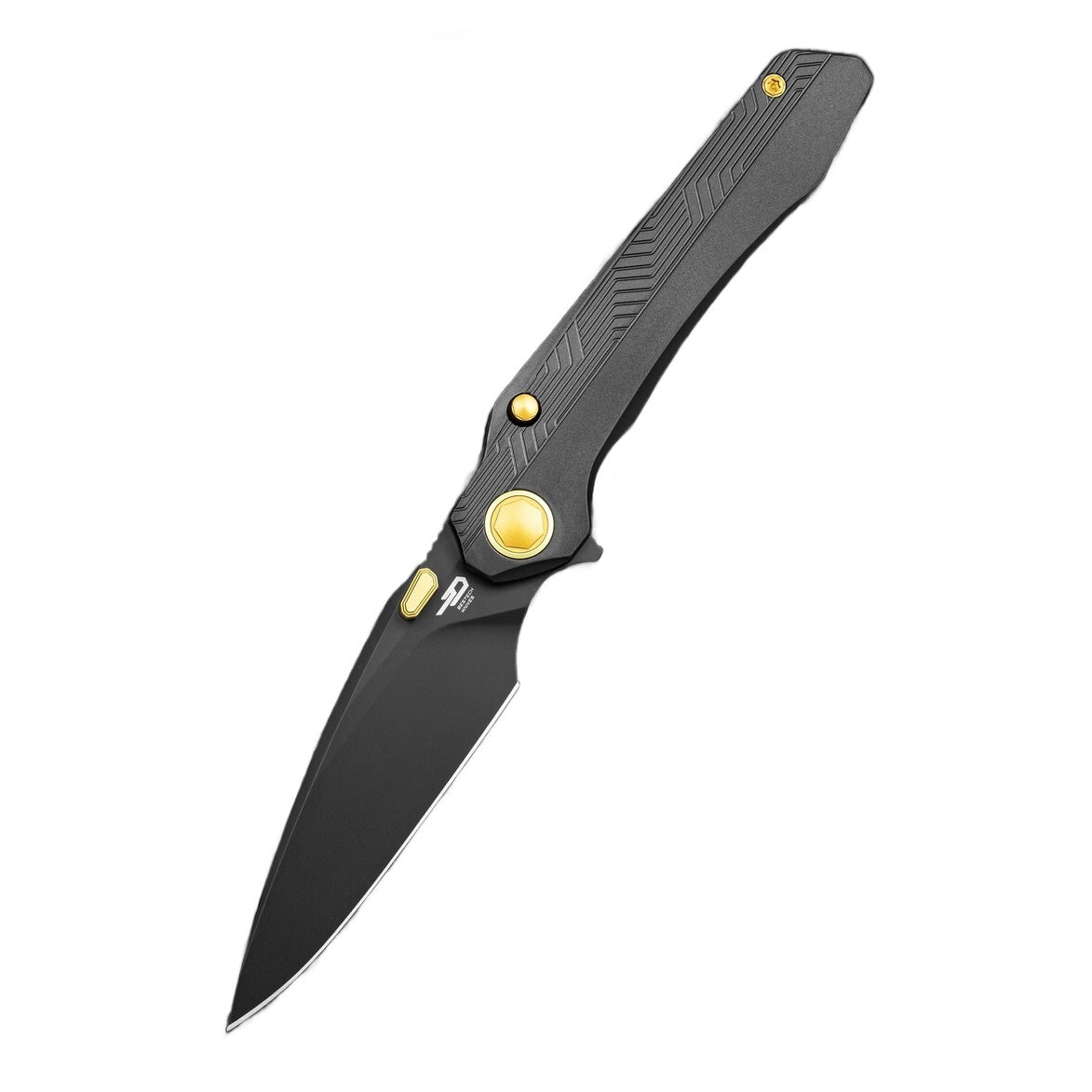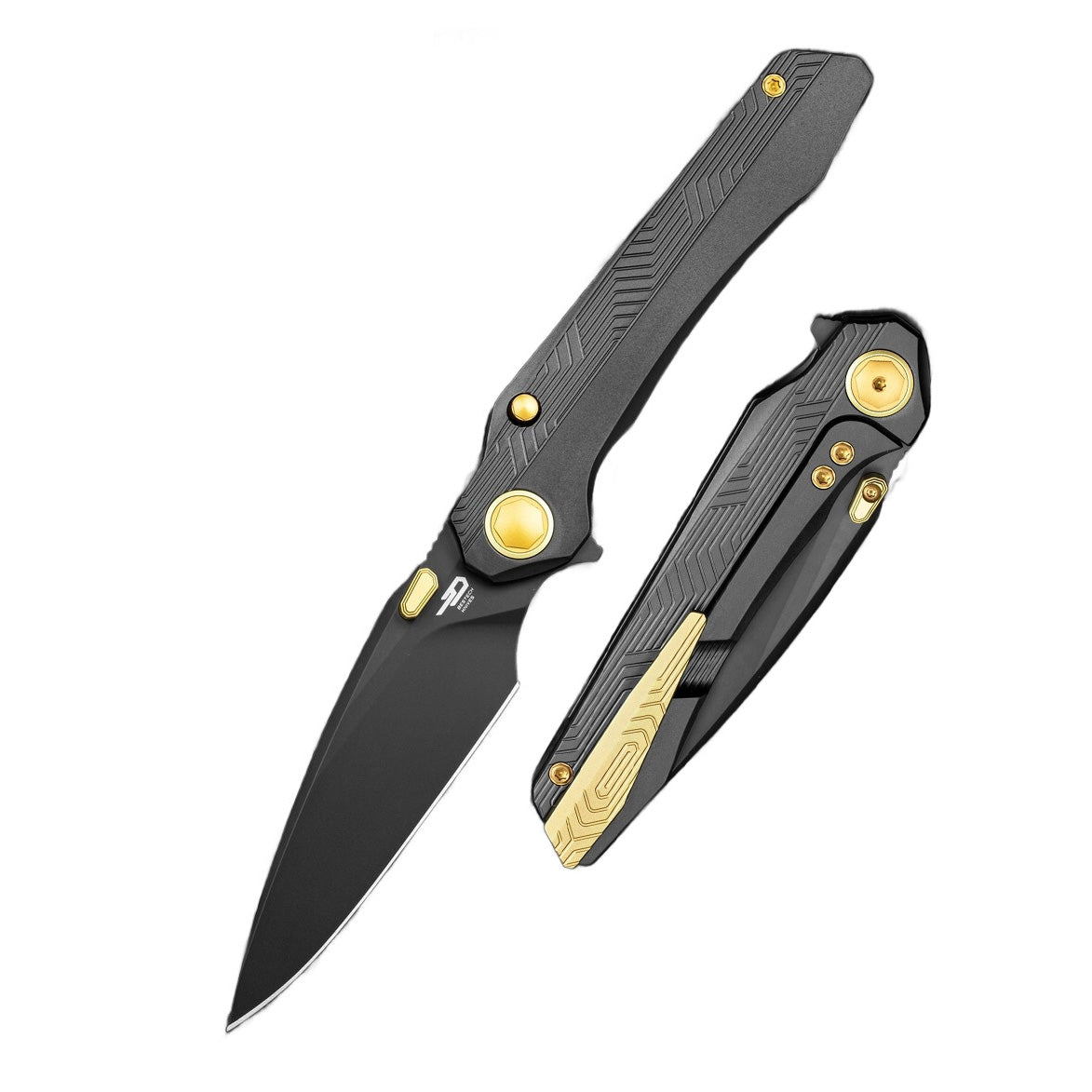

Overview / Key Features
Olive wood is one of the most beautiful handle materials in production cutlery, and one of the most misunderstood. The swirl grain, warm yellow-gold tones, and figure variations make every handle visually one of one, which is exactly why the Bestech Heidi Blacksmith #3 BFK07E chose it for its slim fixed-blade chassis. The material asks for a small, learnable maintenance routine in exchange for a handle that improves with age instead of wearing out. Here is everything that routine involves.

Why Olive Wood Behaves Differently
Olive wood is dense, oily by nature, and notably stable compared to softer handle woods, which is why it appears on quality kitchen knives and small EDC fixed blades. But it is still wood: it moves with humidity, swells when soaked, and cracks when dried aggressively. It also contains natural tannins that darken gracefully with handling, so the patina you develop over months is a feature, not damage. The enemy list is short but absolute: standing water, dishwashers, prolonged heat, and leather sheath storage for long stretches.
The Routine That Works
- After wet use: wipe dry immediately. Never leave the handle damp overnight, especially where the wood meets the tang or pins.
- Monthly: a thin coat of mineral oil or specialized wood butter, applied with a cloth and buffed after ten minutes. Mineral oil never goes rancid, unlike cooking oils.
- Stain removal: fine steel wool with oil, worked with the grain, lifts most spots without stripping the finish.
- Storage: ventilated space, away from radiators and hot cars. A dry cloth wrap beats an airtight plastic bag every time.

How Olive Wood Compares to Synthetic Scales
Against G10 or Micarta, olive wood trades durability for warmth and character. G10 ignores water forever; wood needs attention. But G10 never develops the personal patina, never feels warm in a cold pocket, and never draws the comments that visible grain does. Micarta sits between the two, absorbing oils and darkening like wood while surviving moisture better. If your priorities rank beauty and feel above abuse tolerance, wood earns its keep, and the slim profile of the Blacksmith #3 minimizes the exposed surface area that would need care.
Who Should Choose a Wood Handle?
Buyers whose knives do delicate work rather than survival work: kitchen-adjacent EDC, office carry, collectors. The clearest current example is the Bestech Heidi Blacksmith #3 BFK07E, whose 14C28N blade pairs with the wood for a low-drama package. If abuse tolerance ranks higher for you, browse the folding knives and EDC gear selections for G10 and Micarta alternatives from Bestech Knives.
For context on where wood fits in a modern rotation: it pairs best with knives that see light-duty cutting, which is why the compact fixed format works so well here. The 14C28N blade on the 14C28N collection's small builds needs the same gentle treatment philosophy as the wood itself, and the fixed blade category has several slim companions that share the same gentle proportions if the Blacksmith #3's shape suits you.