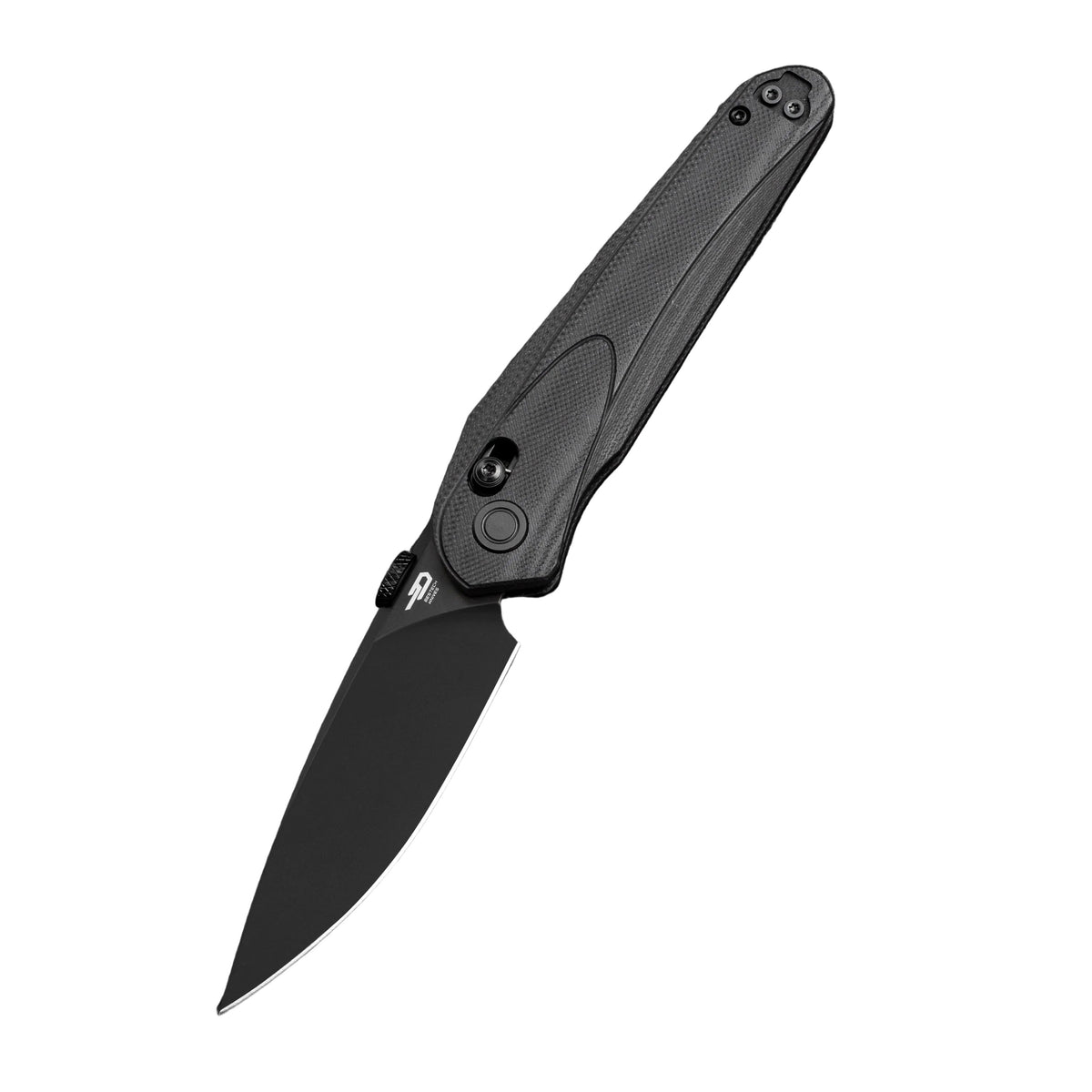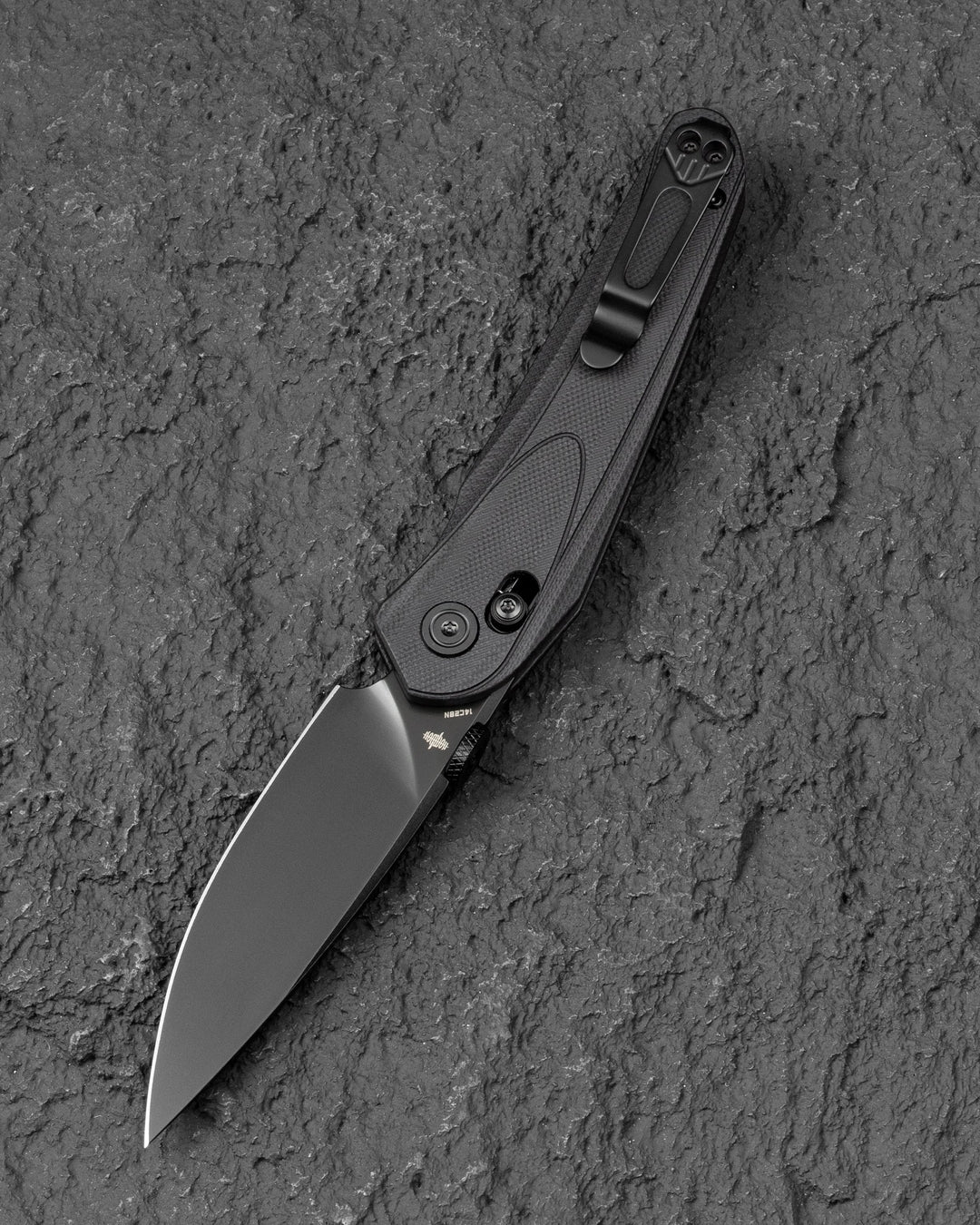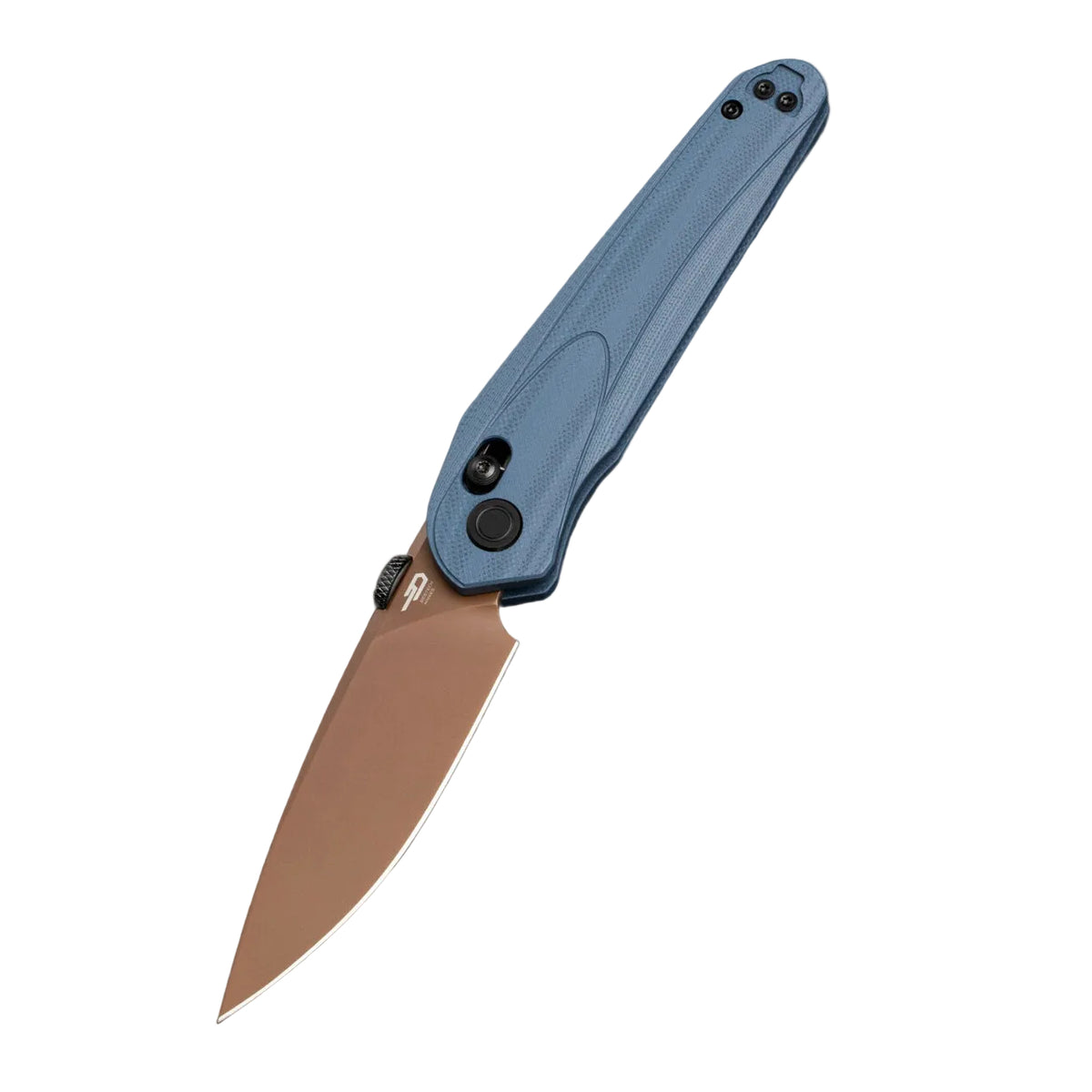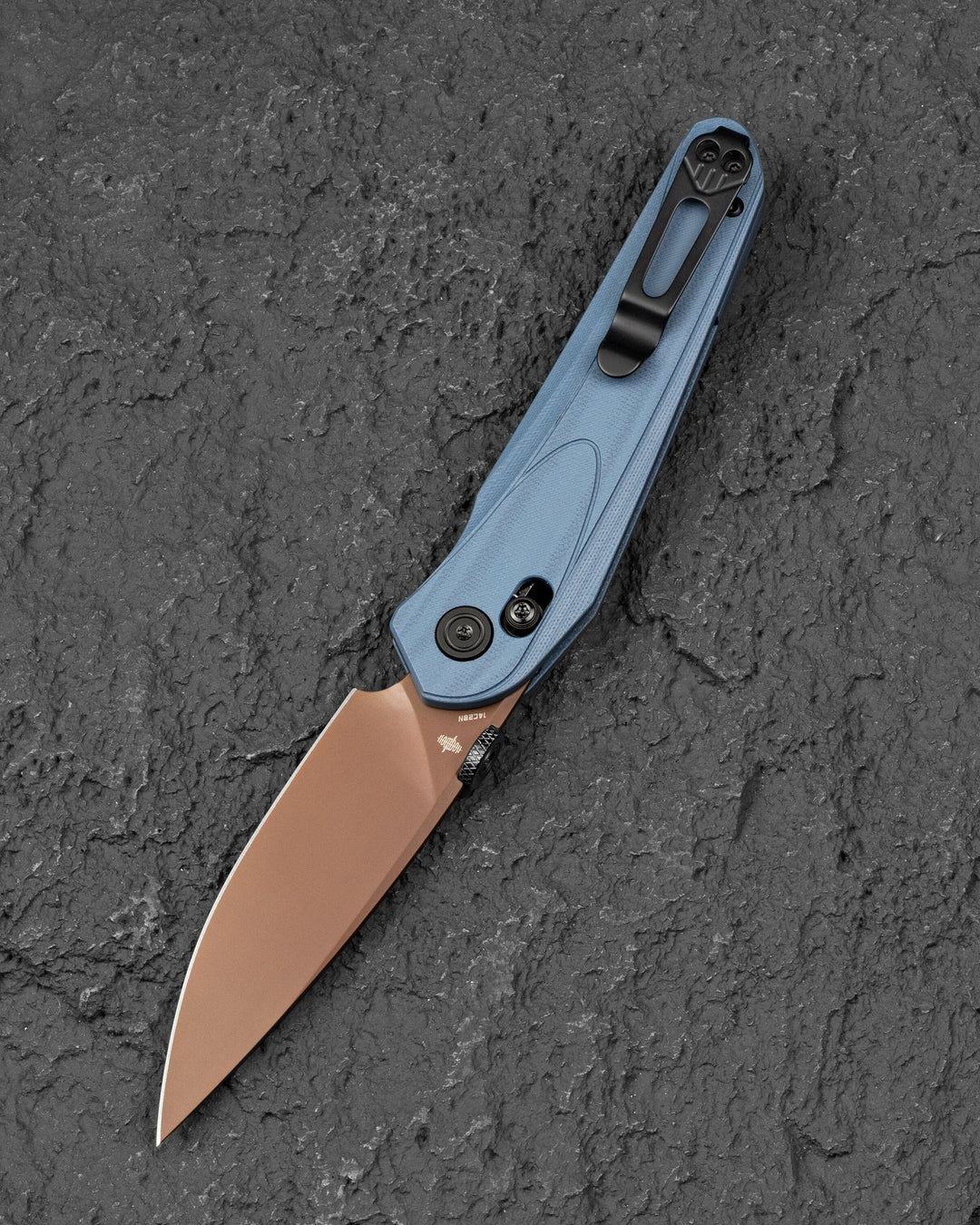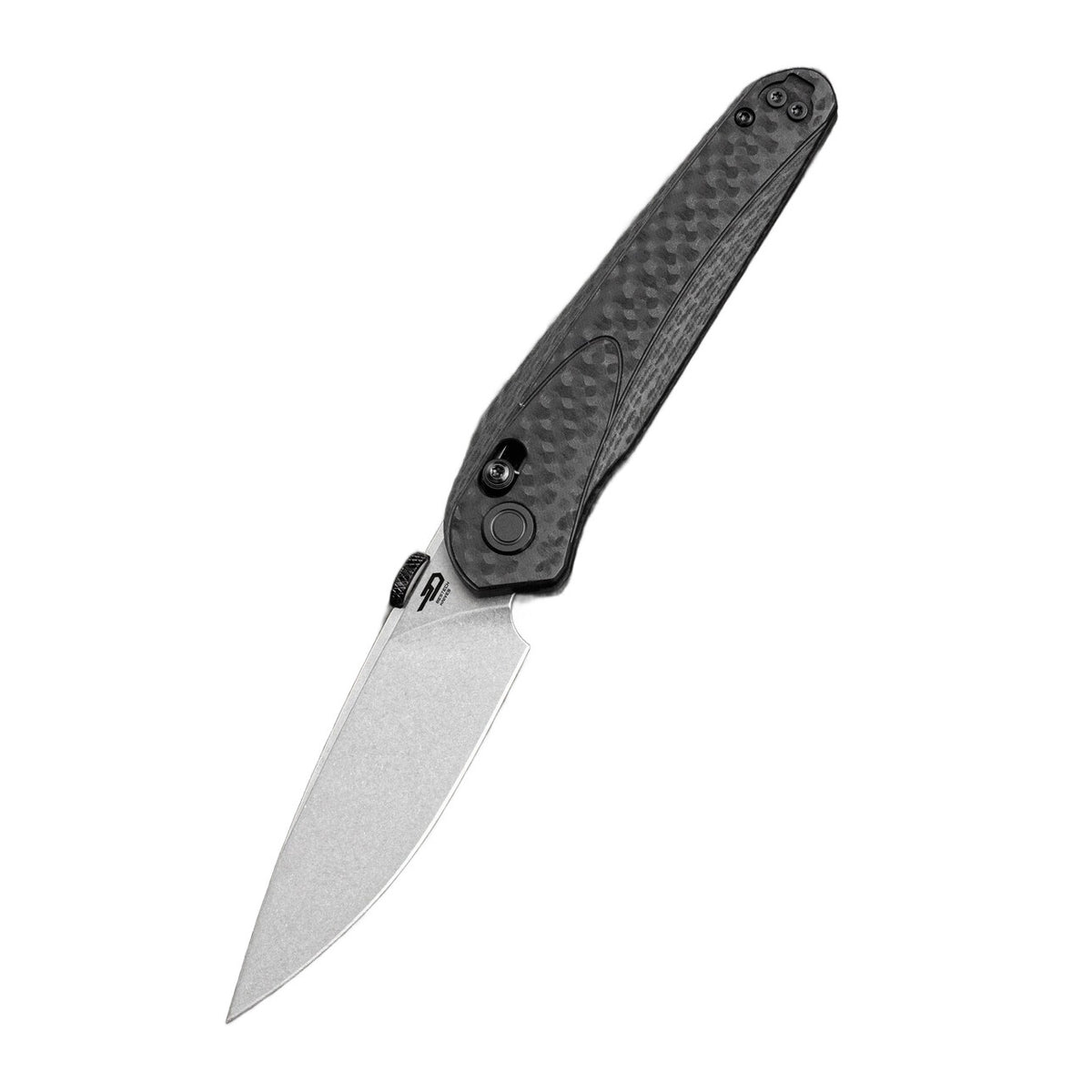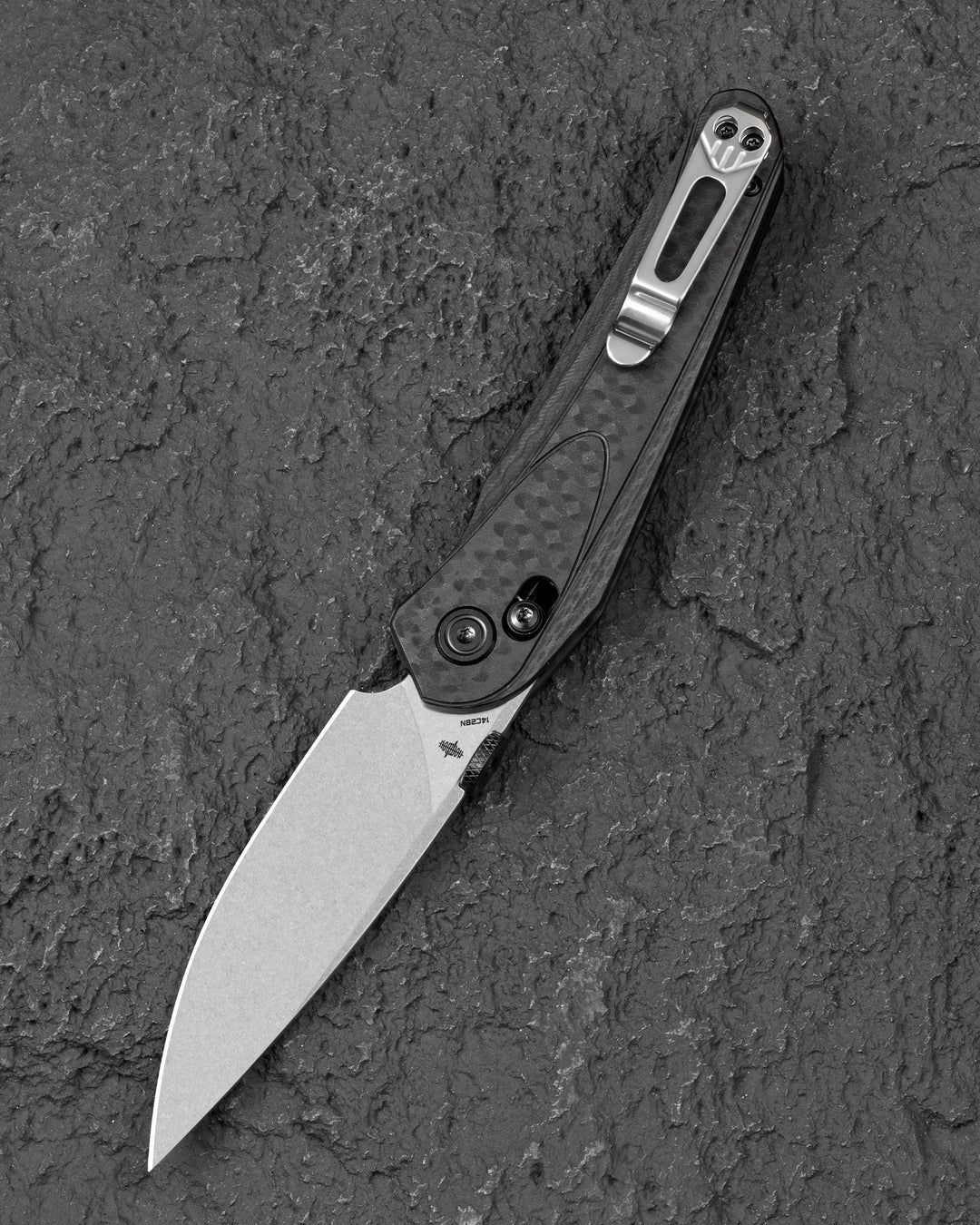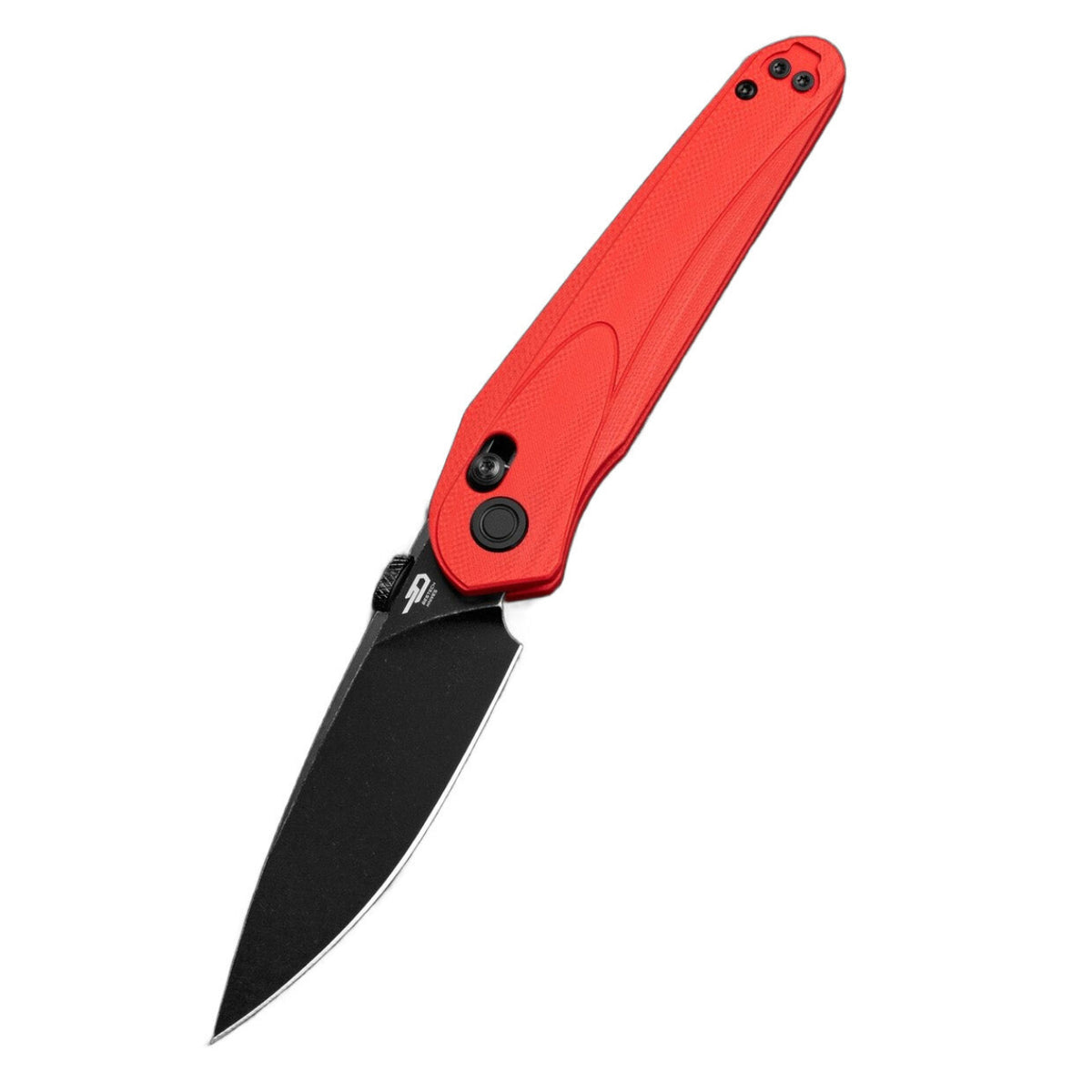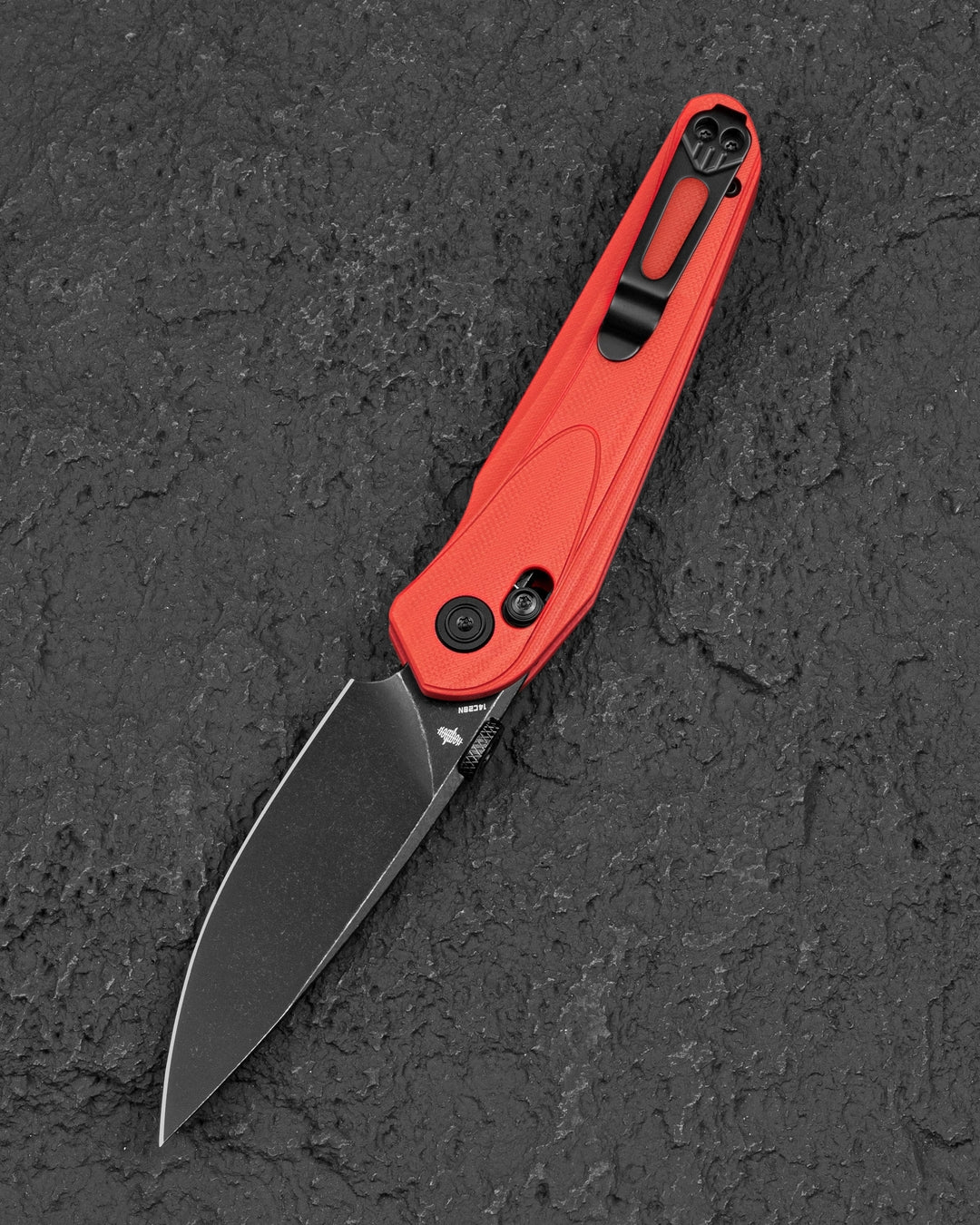
Overview / Key Features
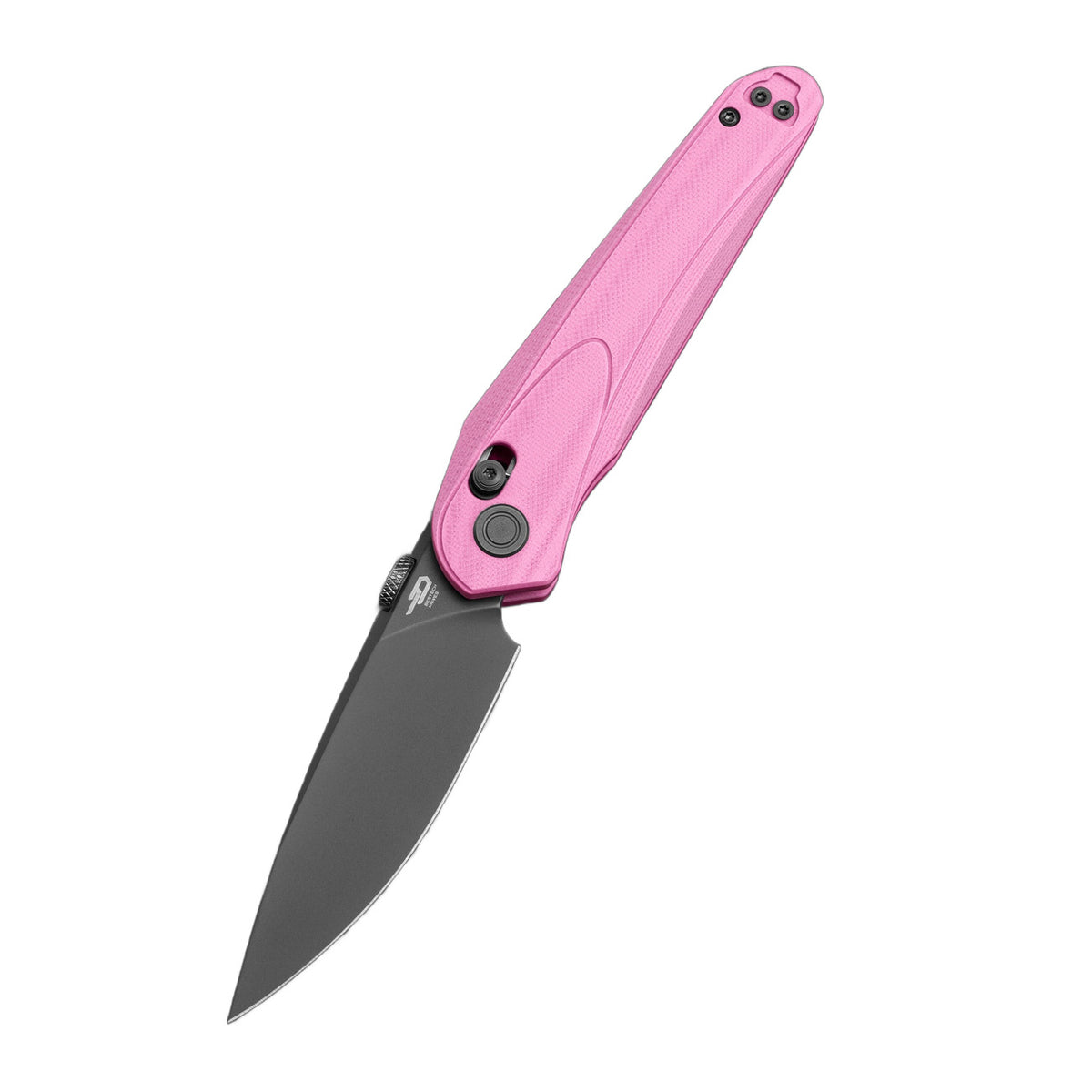
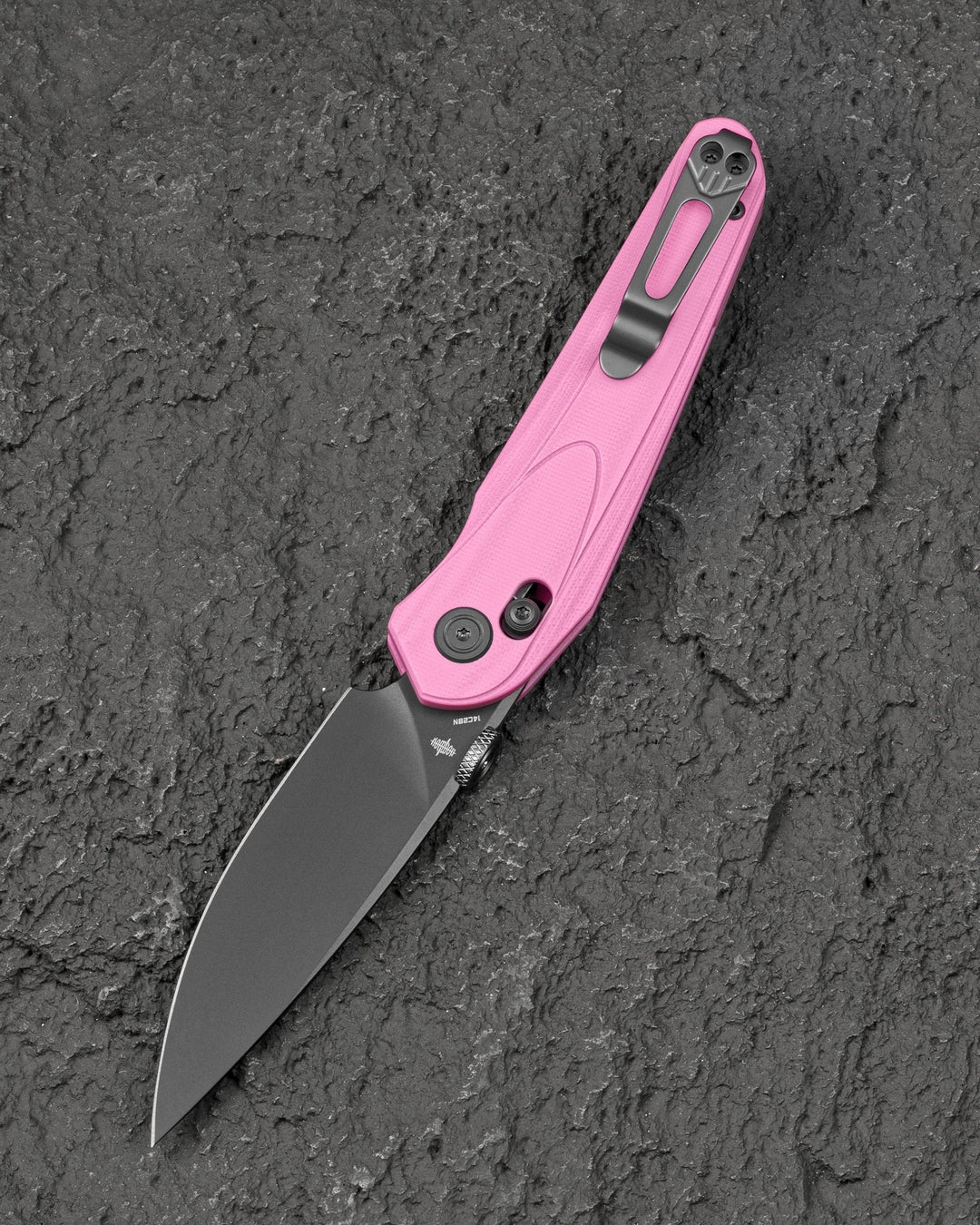
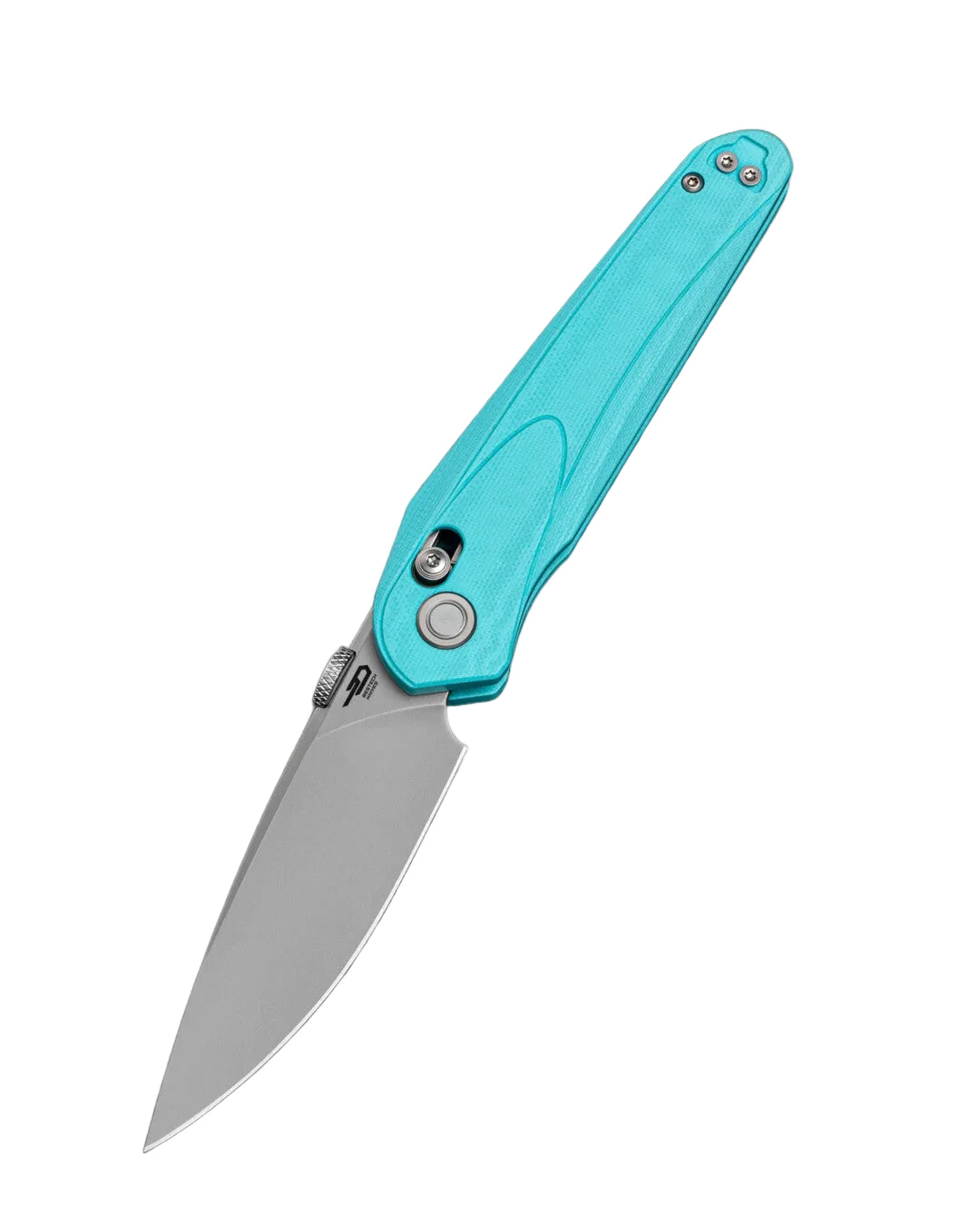
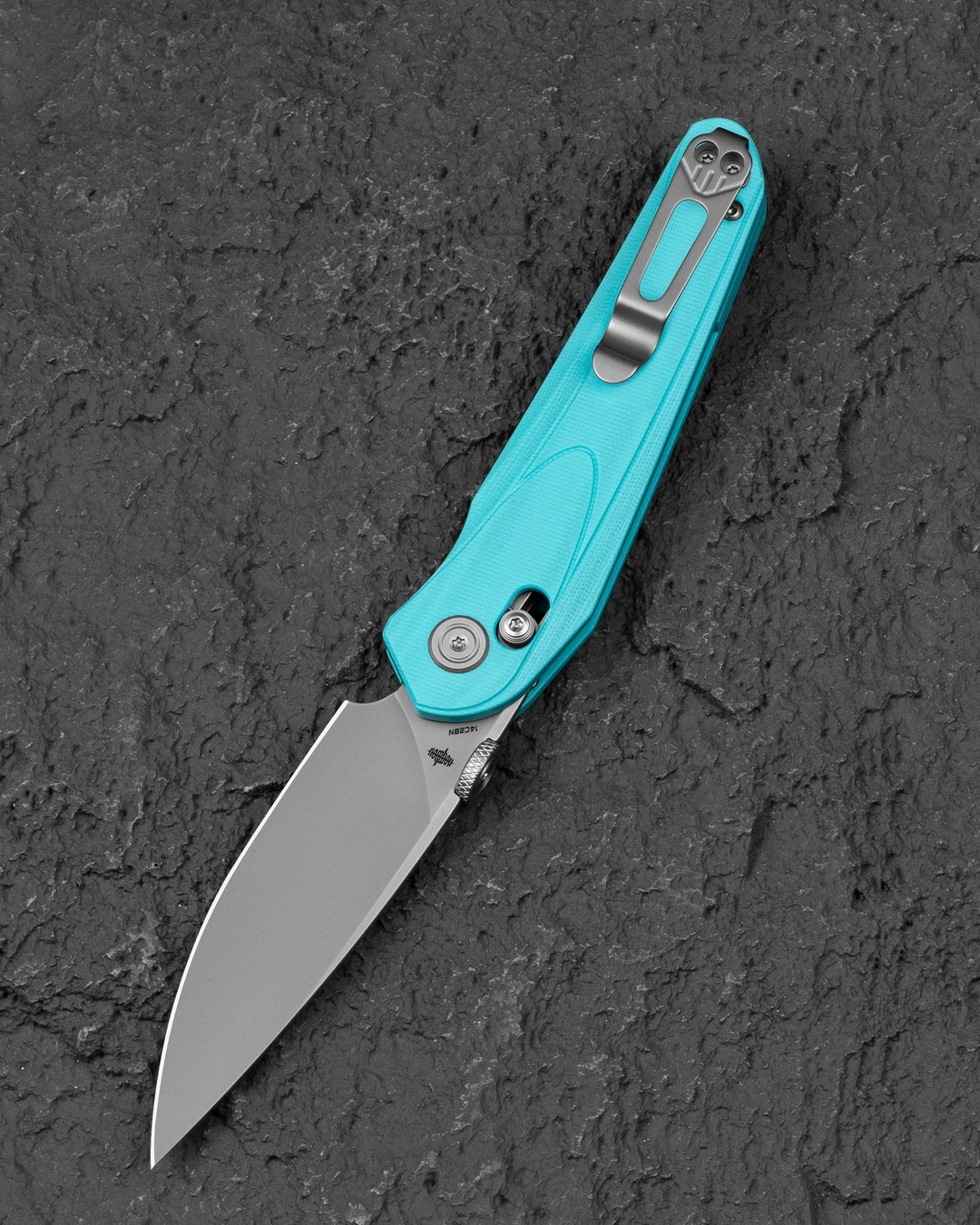
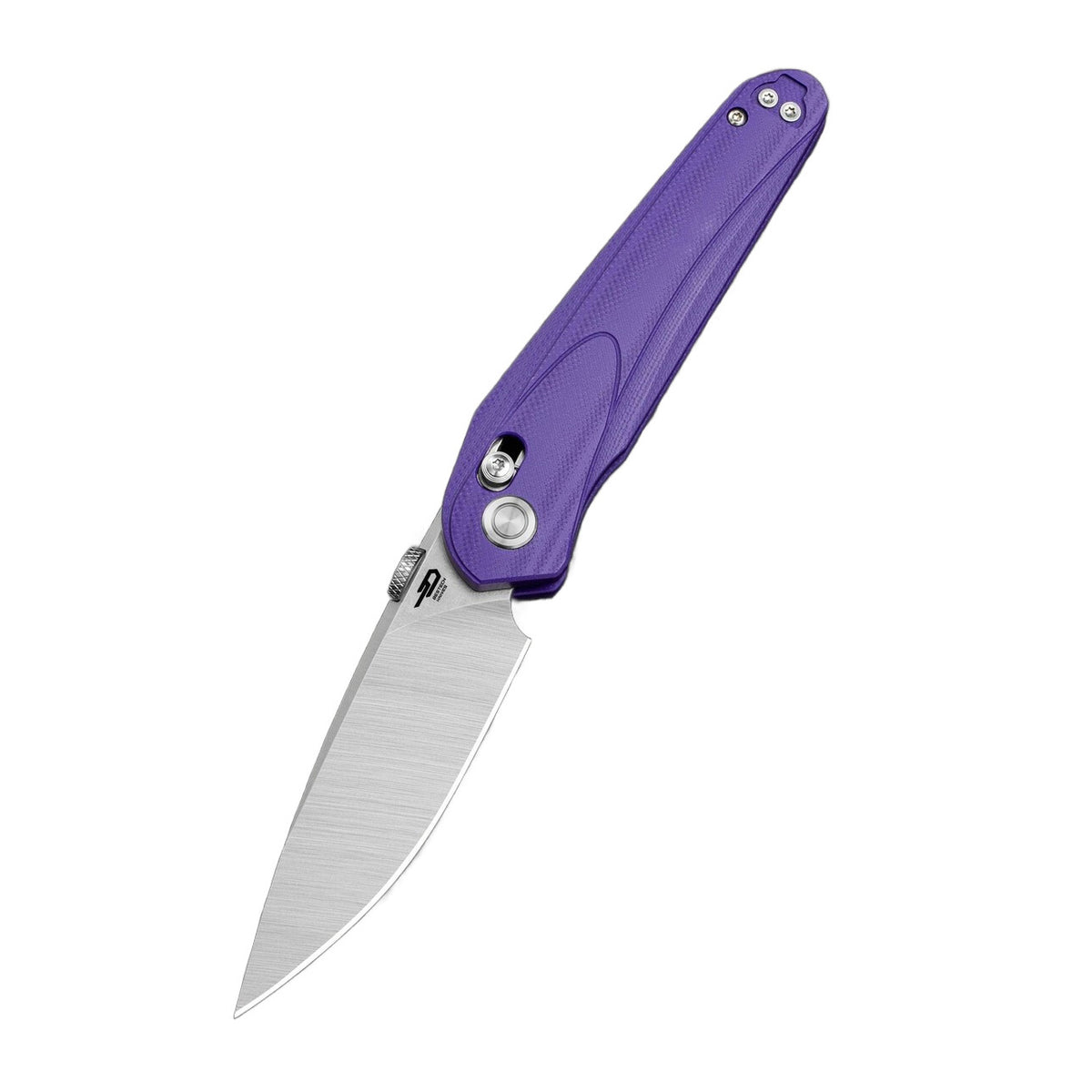
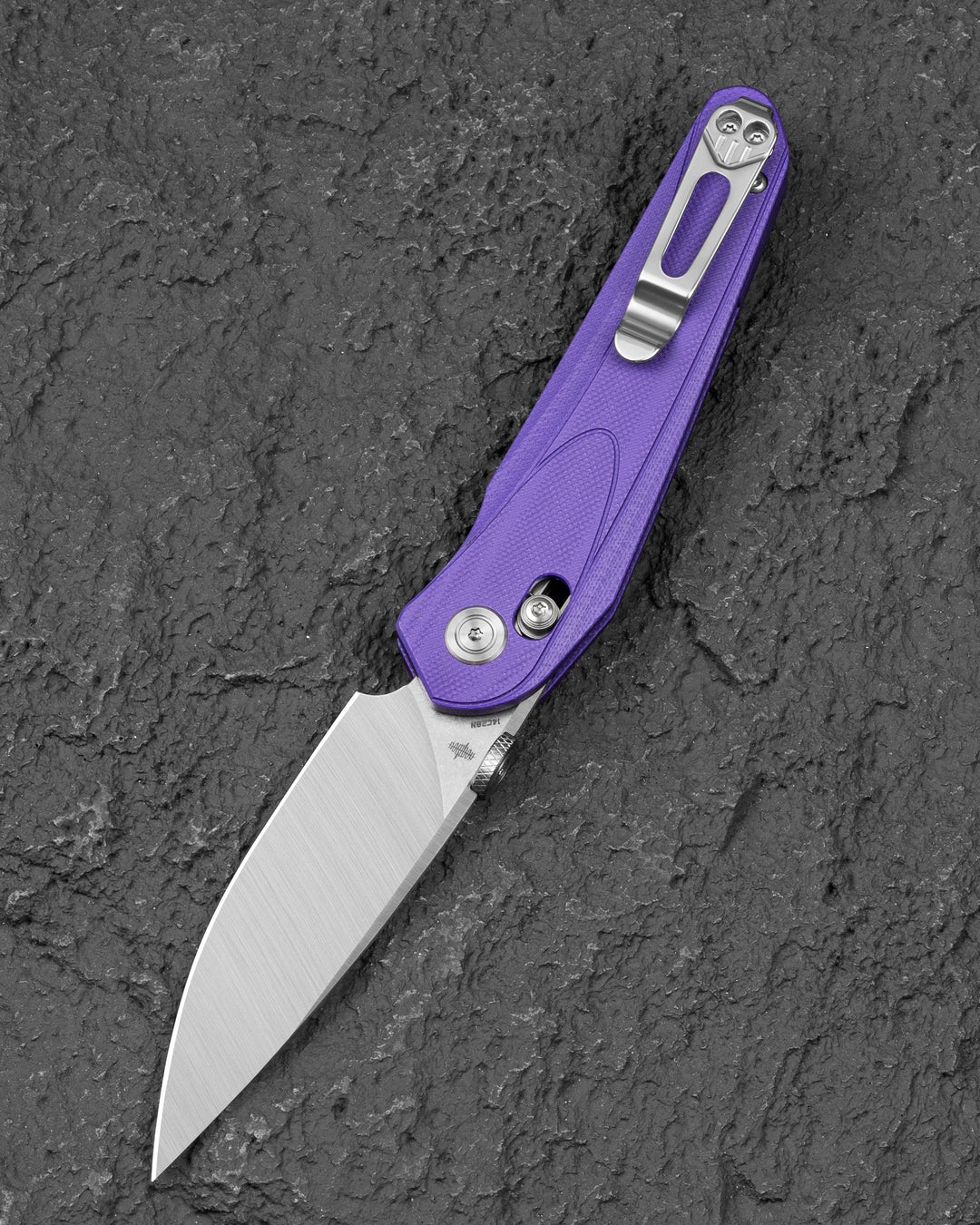
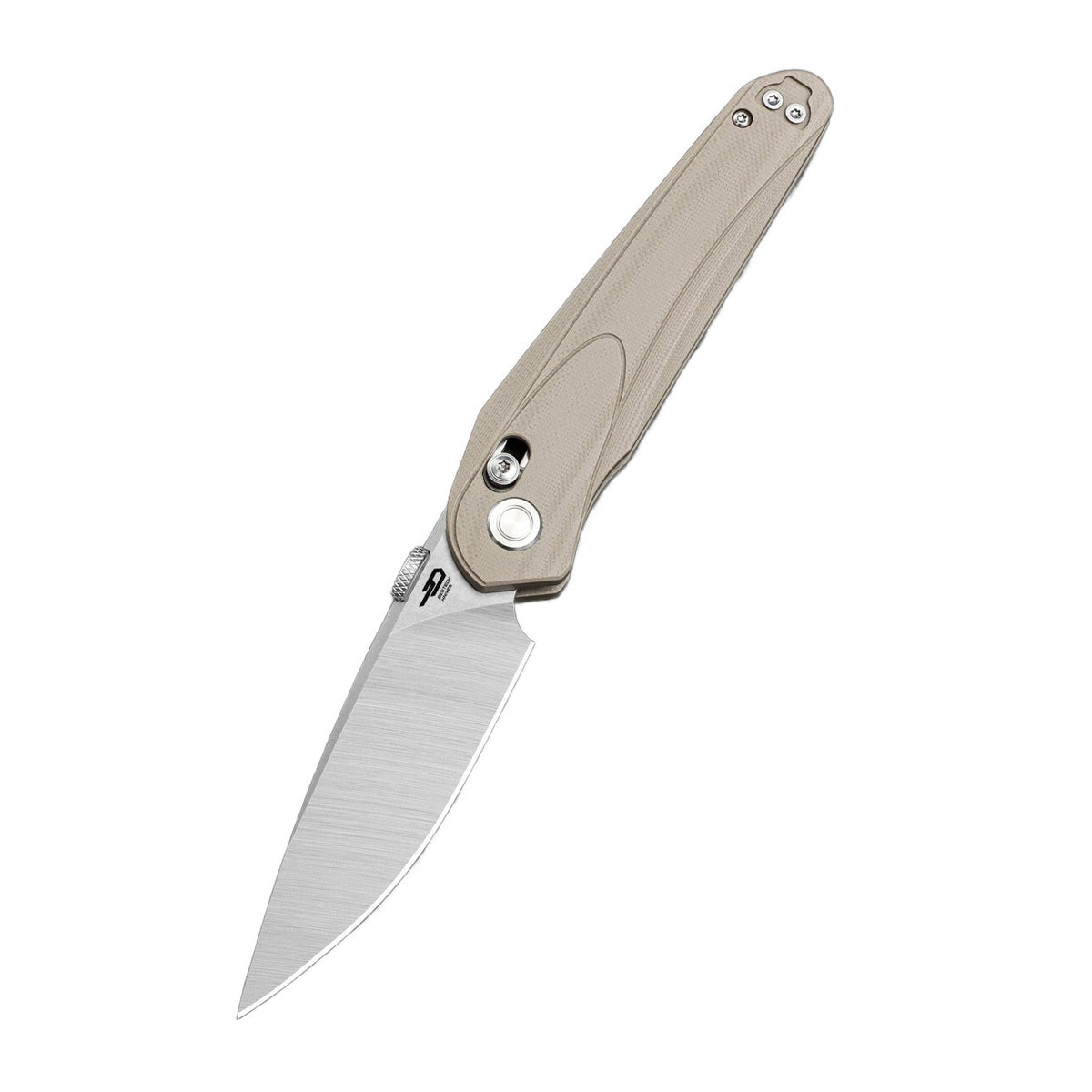
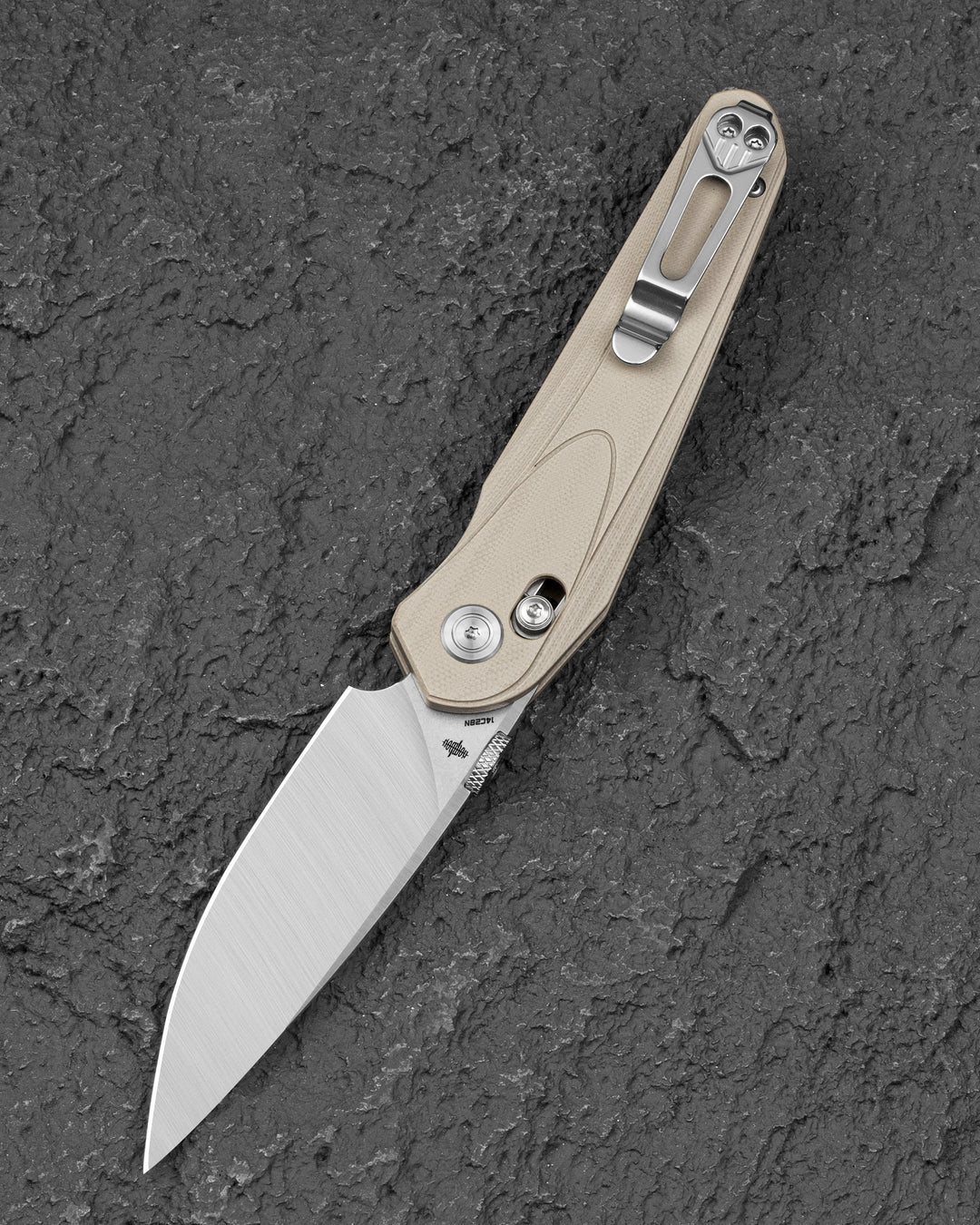
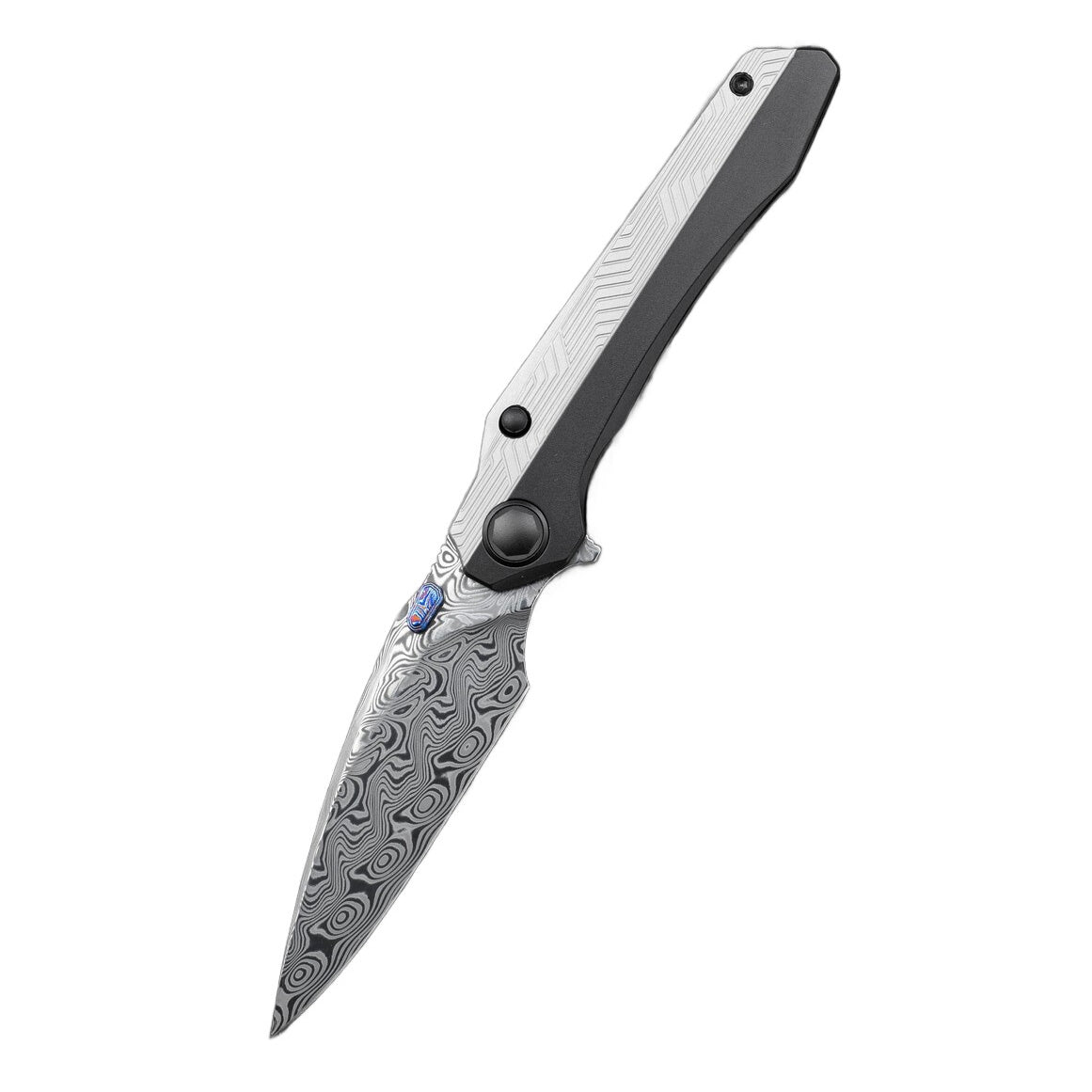
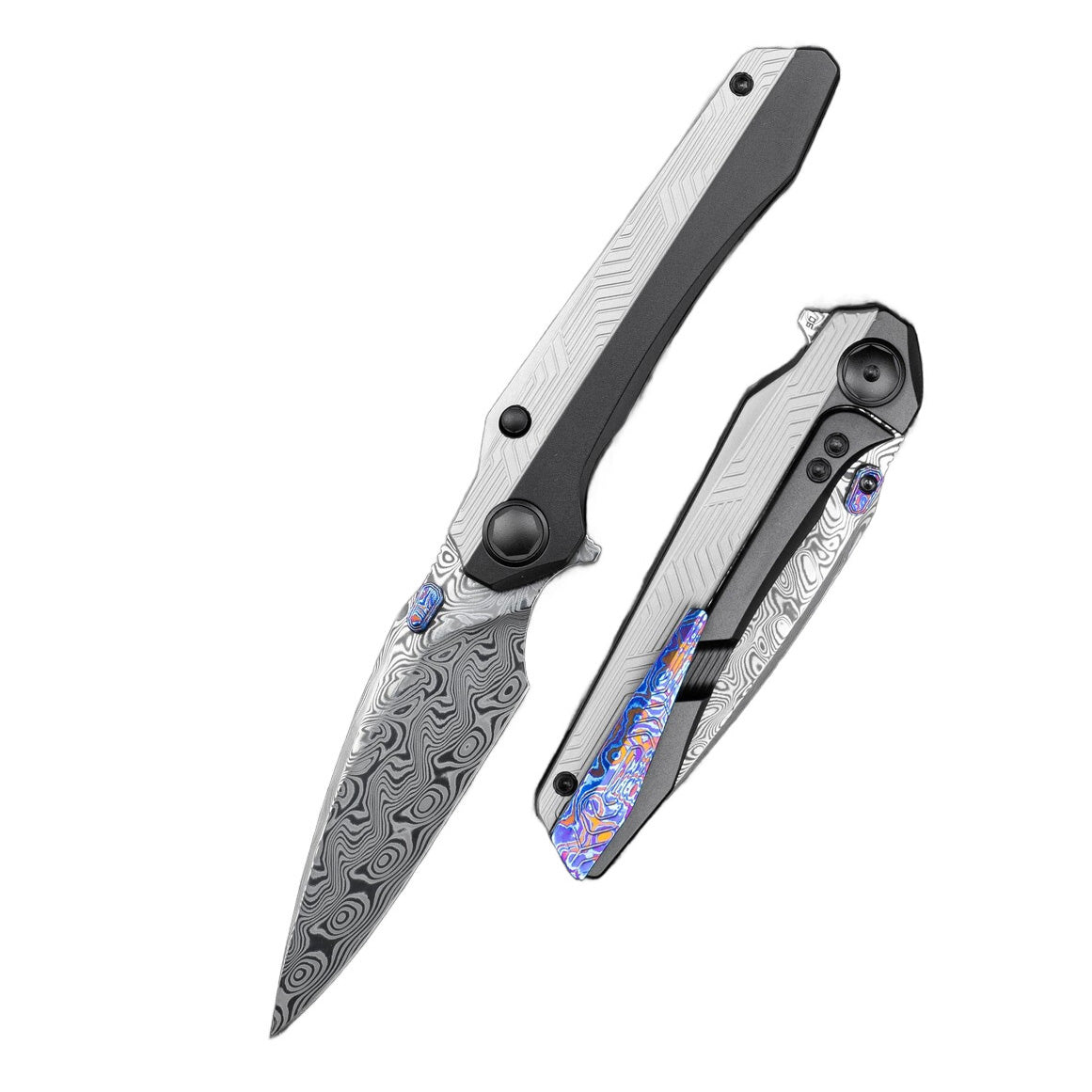
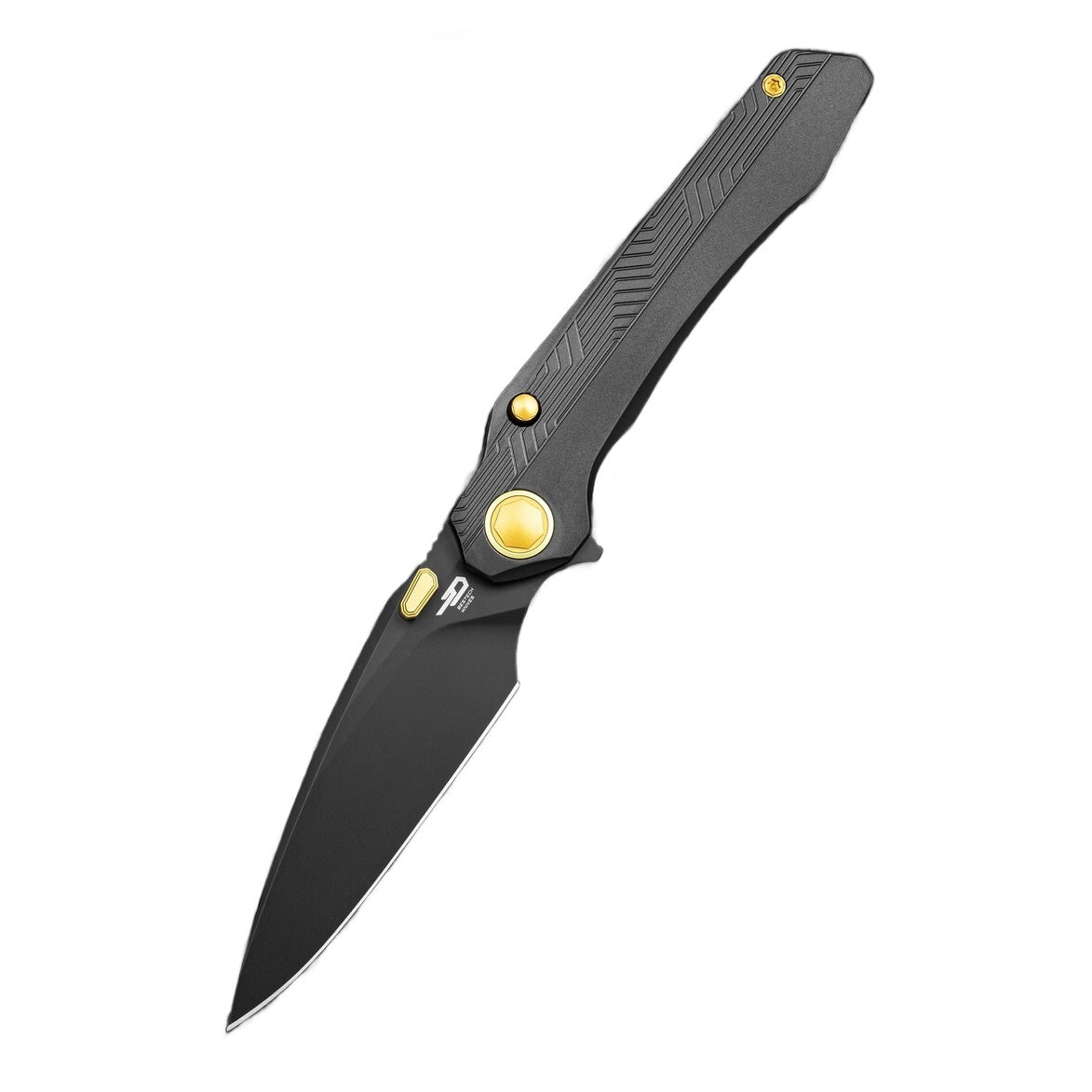
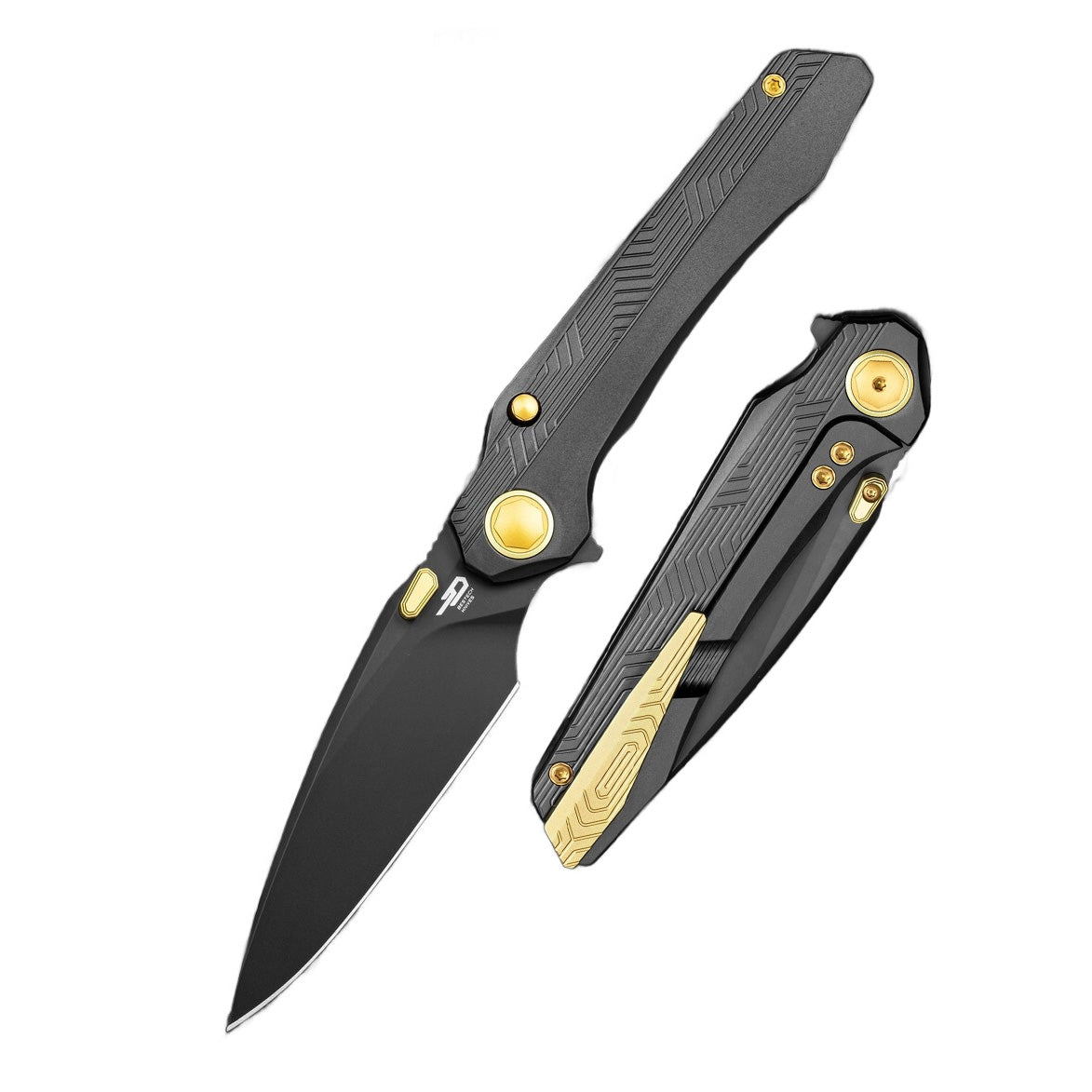
Blade shape discussions usually orbit drop points, clips, and tantos, while the sheepsfoot quietly does kitchen work and package duty with almost no fanfare. The profile dates back centuries to sheep-shearing, where a knife needed to cut close to skin without puncturing it, and that same safety-first geometry translates remarkably well to modern everyday carry. The Trivisa Cuckoo-GM, with its 3.37-inch 14C28N sheepsfoot blade, is the shop's clearest current example, so here is what the profile actually offers.

Anatomy of the Profile
A sheepsfoot has three defining traits: a spine that curves gently down to meet the tip, a blunt or clipped point with almost no sharp piercer, and a straight cutting edge with minimal belly. Each trait drives a use case. The blunt point makes the blade safe for tasks where you cannot see the far side of your material, cutting zip ties around cables, trimming bandages, opening feed bags against a contents surface. The straight edge excels at pull-cutting and full-contact slicing, which is why chefs have quietly adopted sheepsfoot-adjacent profiles for prep work. The lack of belly is the only real trade-off, making piercing and skinning worse.
Where Sheepsfoot Shines in Daily Carry
- Food prep: the straight edge slices sandwiches, fruit, and vegetables with full-length contact, behaving like a miniature kitchen knife.
- Packaging: scoring tape and slicing boxes without stabbing into contents, which saves phone chargers and shirt collars.
- Rescue-adjacent tasks: cutting webbing or cordage near fabric or skin you do not want punctured.
- Office and social carry: the blunt silhouette reads as harmless, which matters in environments where pointy knives draw looks.

Who Should Carry One?
Anyone whose cutting is 90 percent slicing and 10 percent piercing, which is honestly most desk-adjacent people. Kitchen enthusiasts, first-aid carriers, and trades workers all benefit. Steel choice matters less than geometry here, but the Cuckoo pairs its sheepsfoot with 14C28N for easy maintenance, Micarta for grip, and a liner lock for security, all at 61.73. Compare it against the compact Trivisa Hummingbird-GM if you want the same materials in a drop-point instead.

Final Verdict
The sheepsfoot will never outsell the drop point, and it does not need to. It is the specialist that makes the rest of your rotation better, handling the slicing tasks drop points merely tolerate. Order the Trivisa Cuckoo-GM to try the profile yourself, browse the broader folding knives selection for comparisons, or explore the full EDC gear catalog for everything the sheepsfoot leaves out.
The History Worth Knowing
The name and the profile both come from hoof-trimming tradition, but the shape traveled through maritime and farm work before reaching modern EDC, because sailors needed blades that could cut rope and canvas against wooden decks without stabbing into the planks. Every generation of carriers rediscovers the same insight: the missing point is a safety feature, not a deficiency. Modern steel quality has made the profile better than ever, since a fine-grained stainless like 14C28N takes the straight edge to a keenness the old carbon blades never held, and browsing the wider Trivisa knives range shows a brand betting on that combination for good reason. History gave the shape its job; modern materials let it keep it.