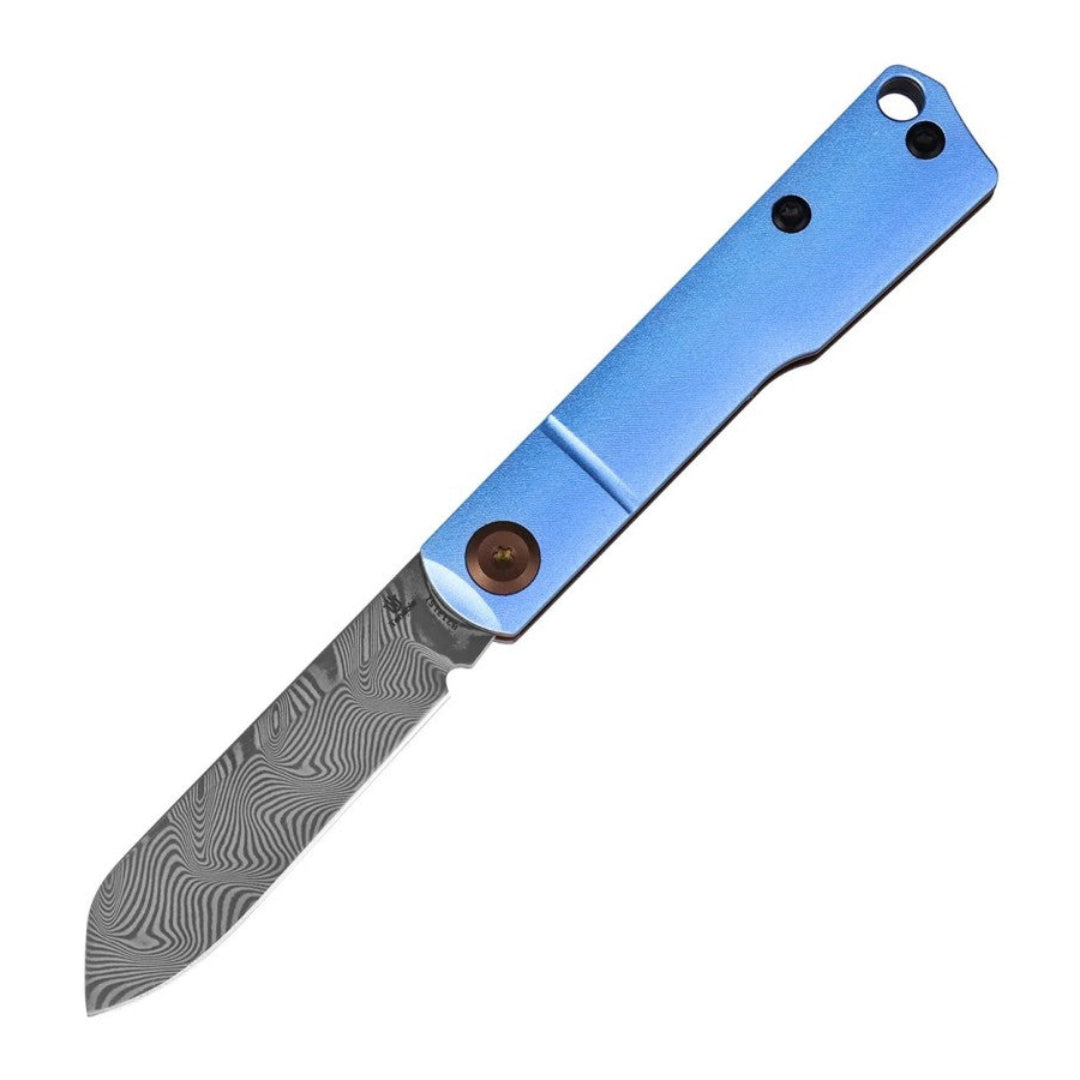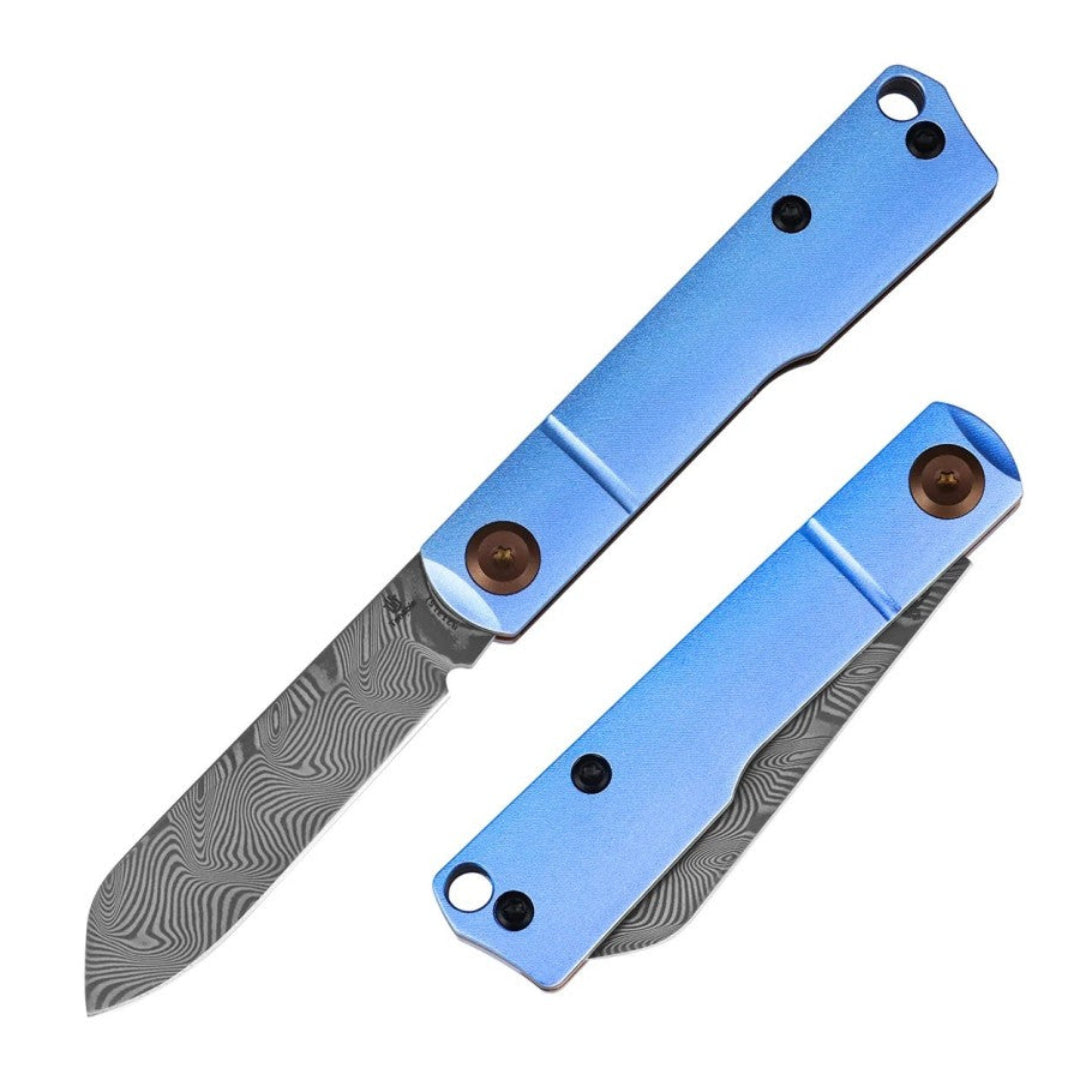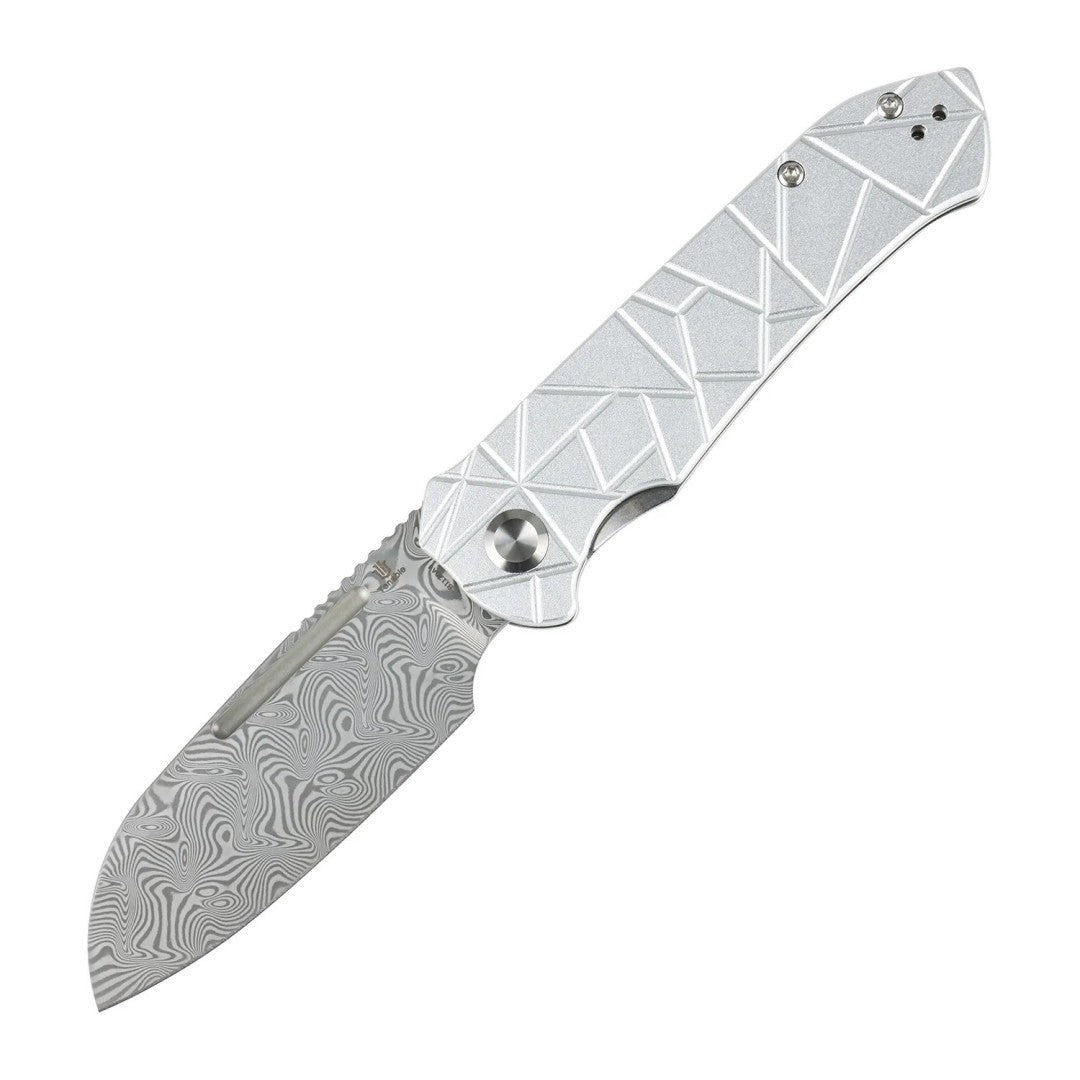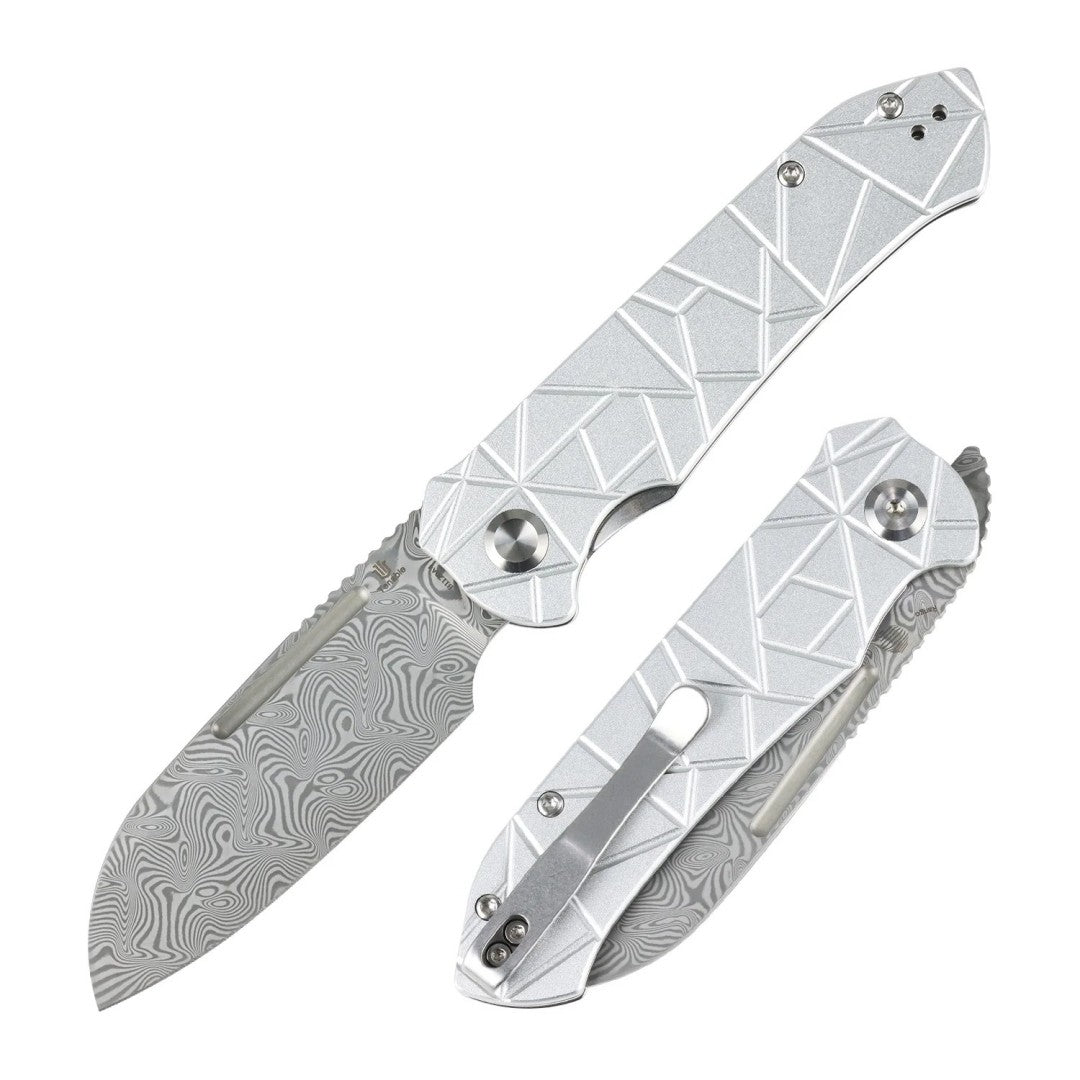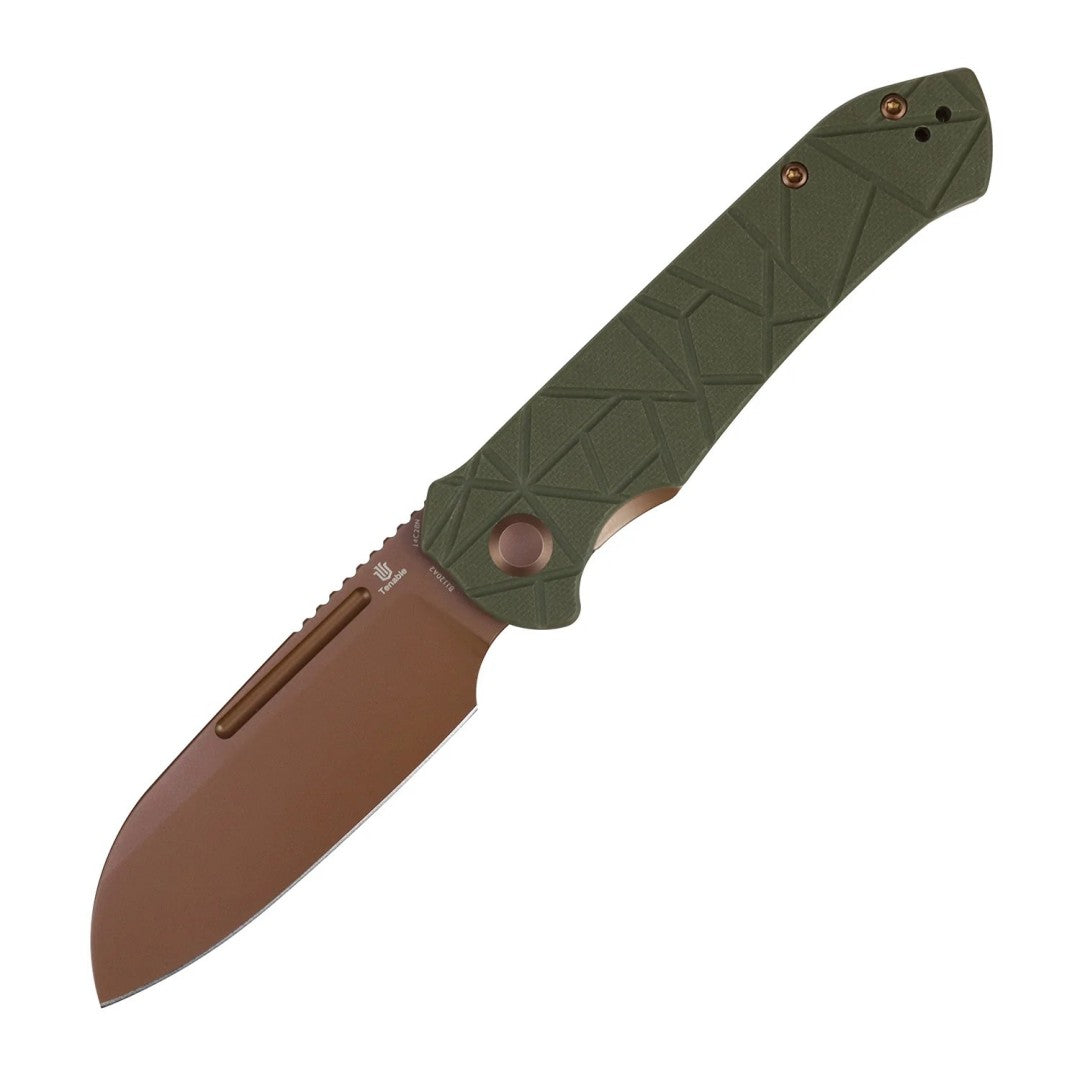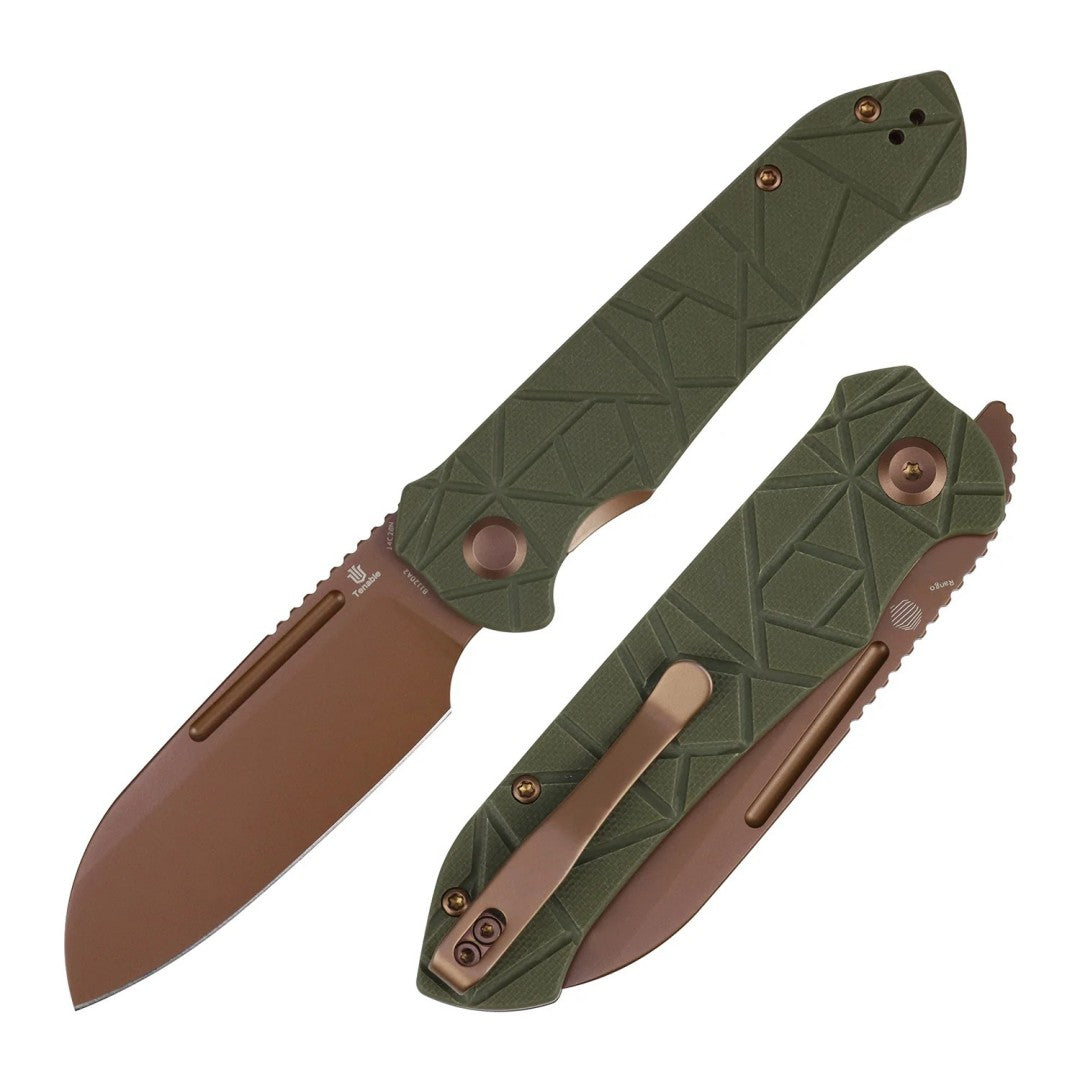

K390 has slightly better edge retention in some tests, but MagnaMax matches it closely while offering vastly superior corrosion resistance and comparable toughness—making MagnaMax the better all-around choice for most real-world knife applications, especially where rust resistance matters.
Detailed Comparison
| Property | MagnaMax | K390 |
|---|---|---|
| Edge Retention | Excellent – on par with K390 in CATRA testing; approaches S110V levels | Benchmark for high wear resistance; among the best non-stainless steels |
| Toughness | Very good – comparable to K390 (despite being stainless) | Excellent for a high-wear PM steel, but still a non-stainless tool steel |
| Corrosion Resistance | Exceptional – zero rust in 1% saltwater test; truly stainless | Poor – not stainless; prone to rust without careful maintenance |
| Steel Type | Stainless (high Cr matrix, no coarse Cr-carbides) | Non-stainless cold-work tool steel (high Co, V, Mo) |
| Sharpening Difficulty | Moderate – fine carbide structure eases sharpening vs. other high-V steels | Difficult – very hard and abrasive; requires diamond stones |
| Best Use Cases | EDC, kitchen knives, diving knives, outdoor tools – anywhere moisture is present | Dry-environment precision cutting (e.g., industrial blades, dry-use custom knives) |
Key Insights from the Article
-
Edge Retention: The article explicitly states that MagnaMax’s edge retention is “on par with K390” in standardized CATRA tests. This is remarkable because K390 is a benchmark non-stainless steel known for extreme wear resistance.
-
Toughness: Despite being stainless, MagnaMax achieves toughness levels matching K390—a rare feat. Most stainless steels sacrifice toughness for corrosion resistance, but MagnaMax avoids this trade-off through its refined microstructure (fine Nb/V carbides instead of coarse Cr-carbides).
-
Corrosion Resistance: This is where MagnaMax pulls far ahead. K390 contains little chromium in solid solution (most is tied up in carbides), so it rusts easily. MagnaMax, by contrast, maintains a chromium-rich matrix and passed saltwater tests with zero rust—making it suitable for marine, kitchen, or humid environments where K390 would degrade.
-
Practicality: As the article notes:
“Previously, this combination of toughness and edge retention was only available in non-stainless powder metallurgy steels.”
MagnaMax breaks that limitation.
When to Choose Which?
-
Choose K390 if:
- You’re using the knife in a dry, controlled environment.
- Maximum edge retention is your absolute priority.
- You’re willing to oil the blade regularly and accept maintenance demands.
-
Choose MagnaMax if:
- You want K390-level performance without the rust risk.
- Your knife will face moisture, salt, food acids, or variable weather.
- You value a true “do-it-all” high-performance stainless steel.
Final Verdict
While K390 remains a top-tier non-stainless steel, MagnaMax delivers nearly identical cutting performance with the added benefits of true stainless behavior and modern metallurgical balance.
For 95% of knife users—including professionals, outdoorspeople, chefs, and EDC enthusiasts—MagnaMax is the better, more practical choice.
K390 isn’t “worse,” but it’s more specialized. MagnaMax is the evolution.