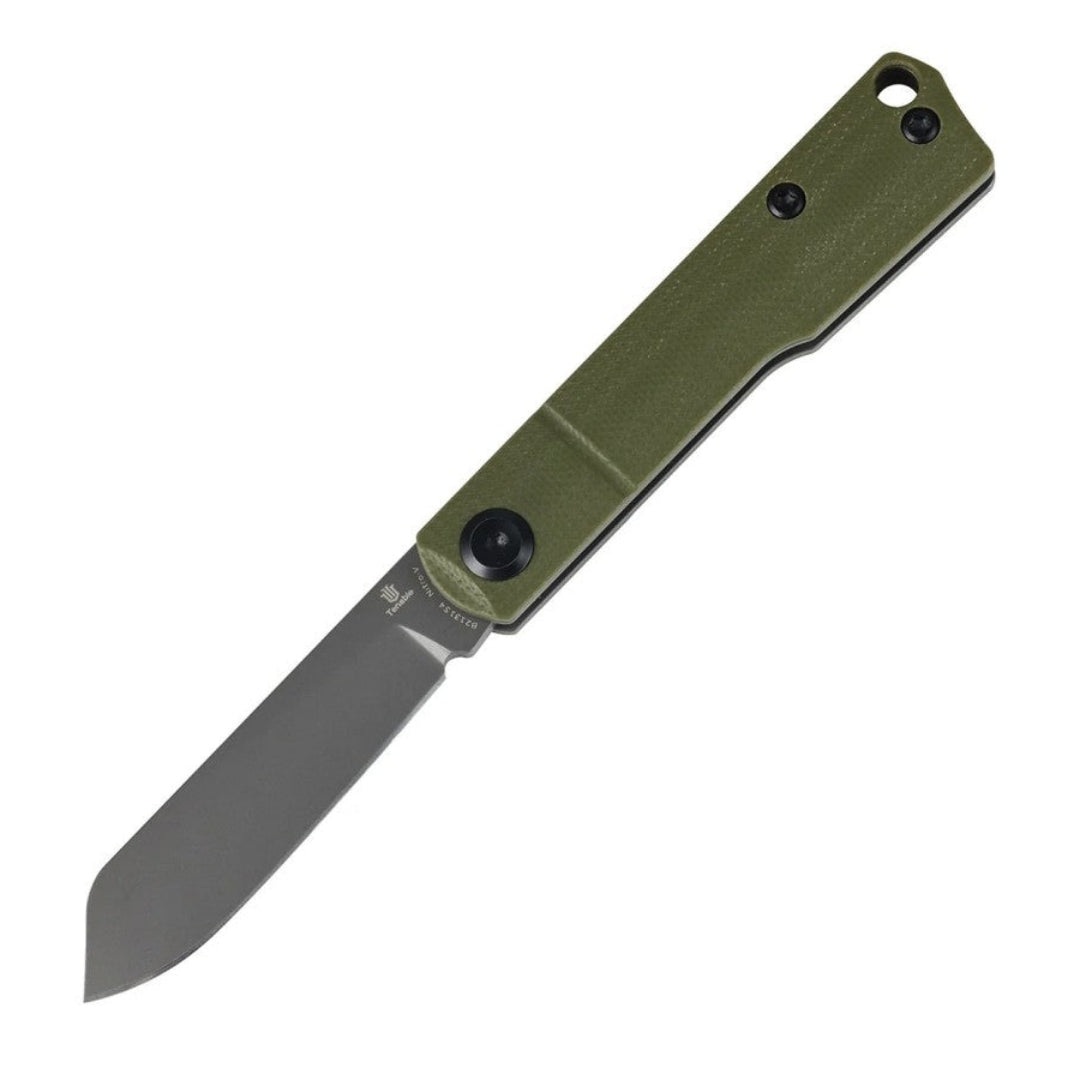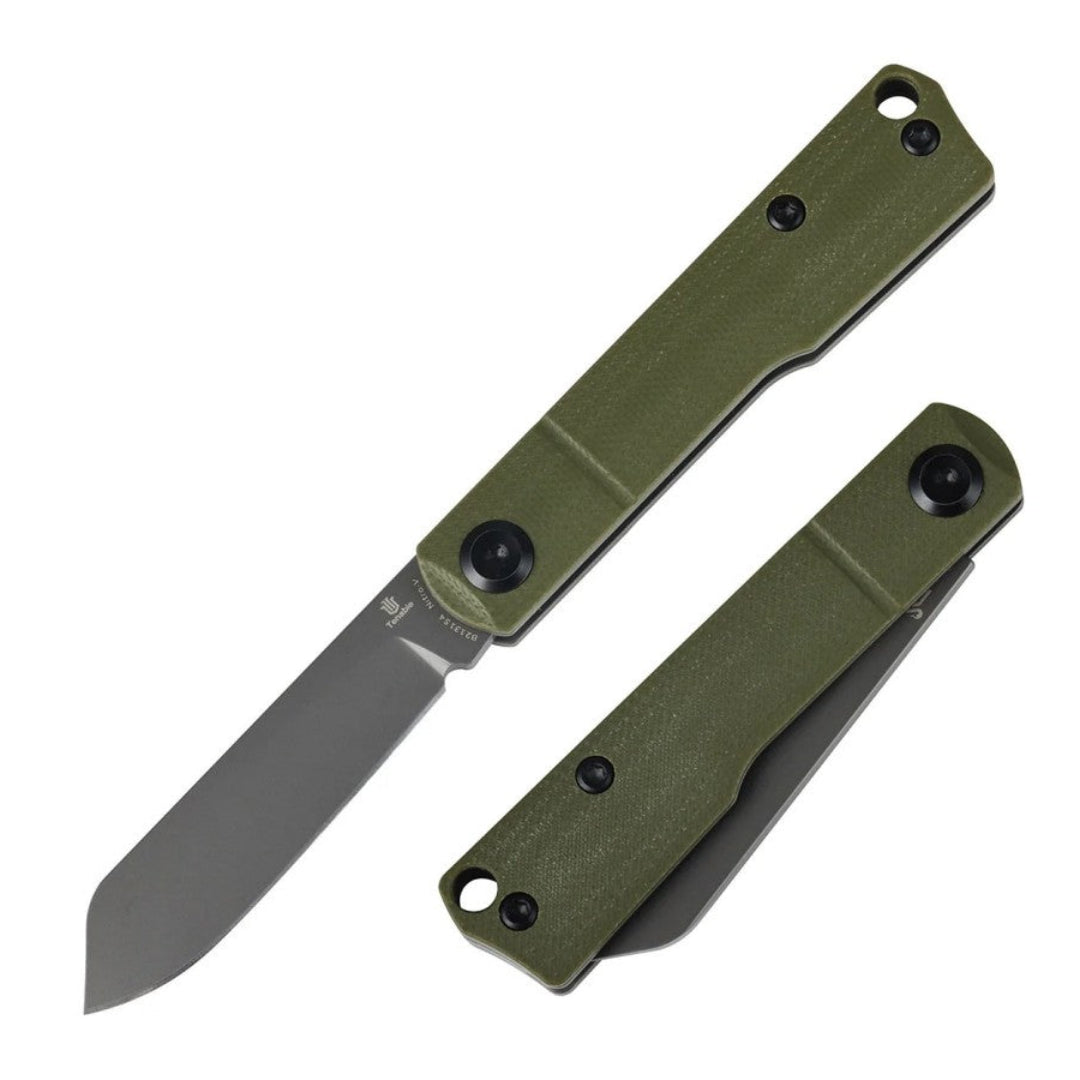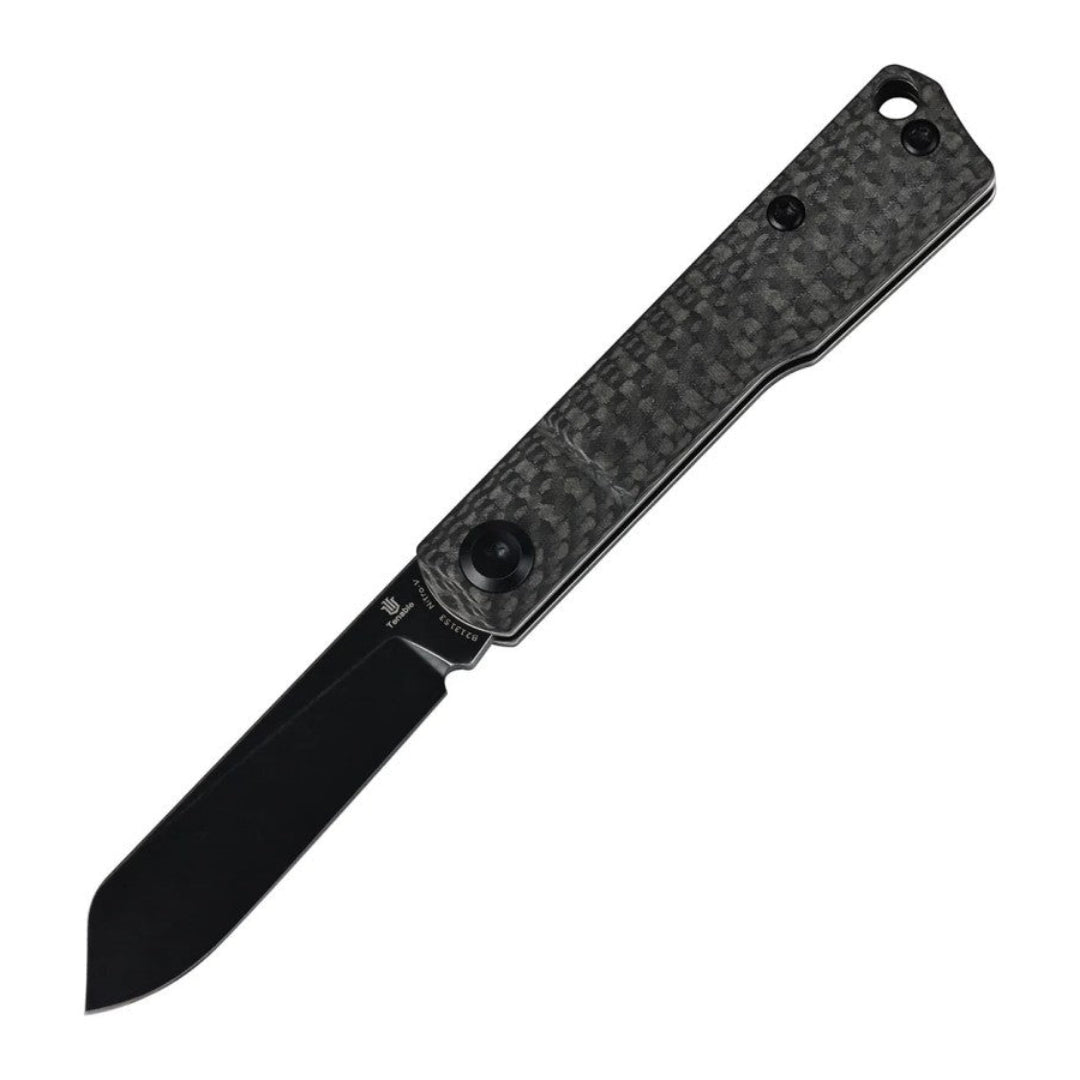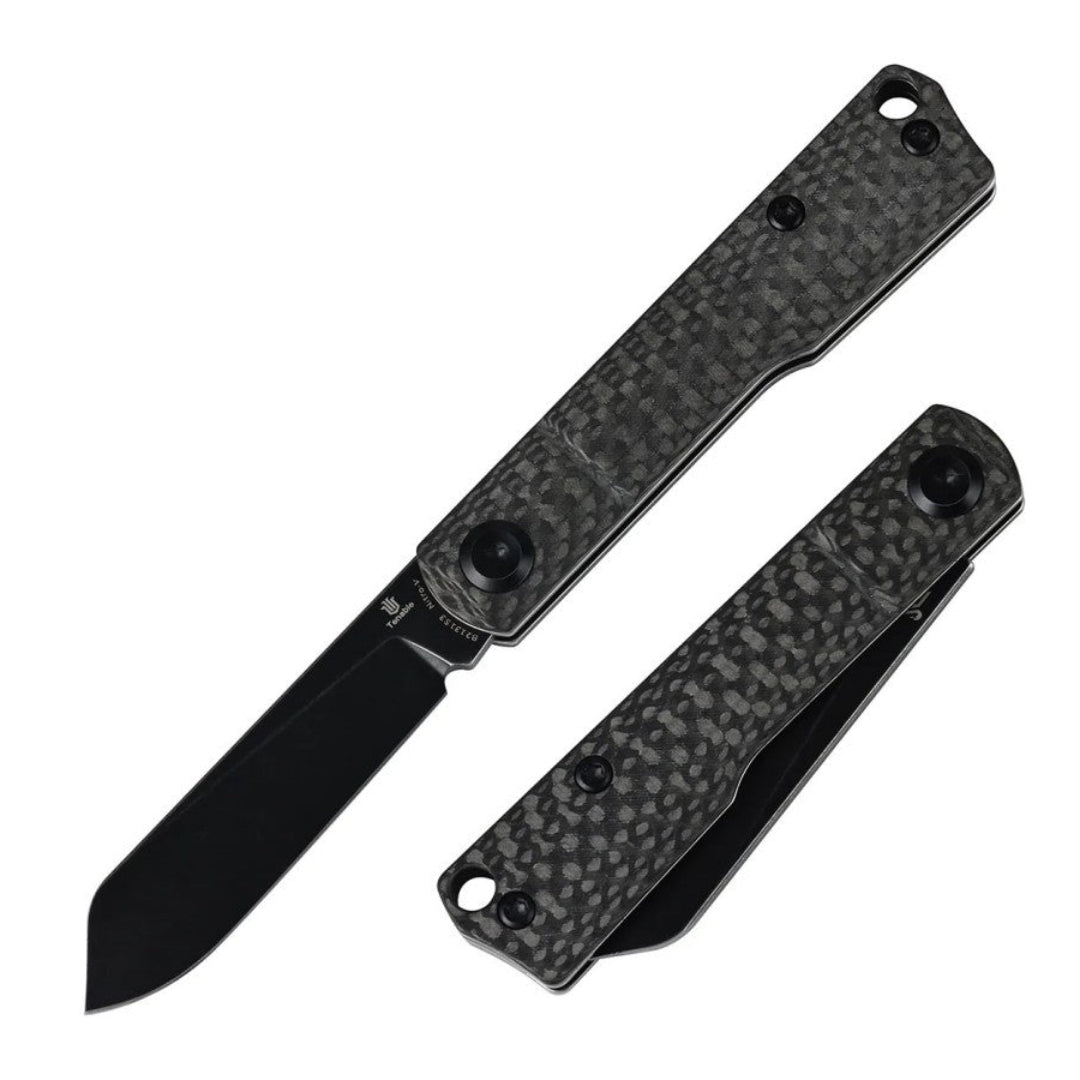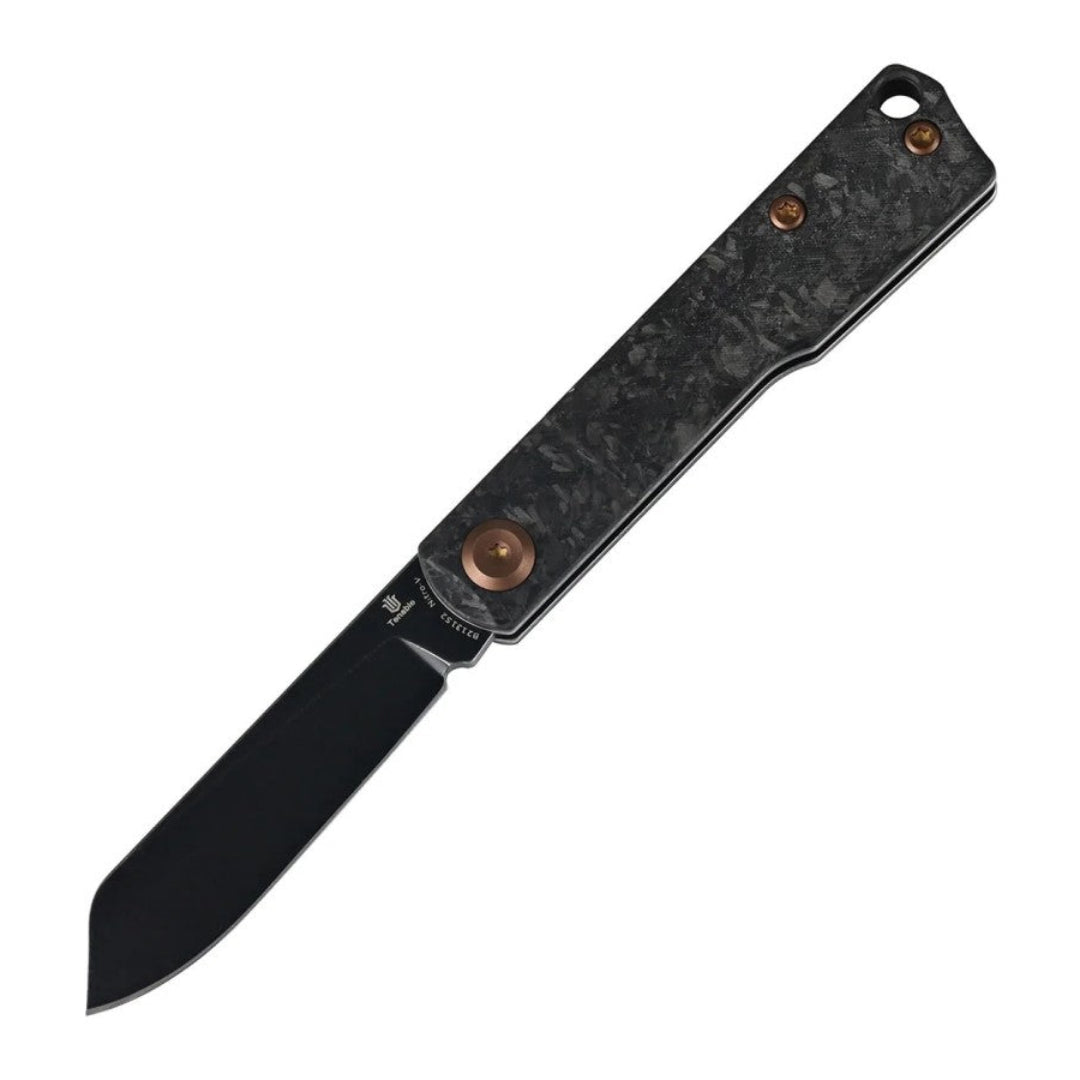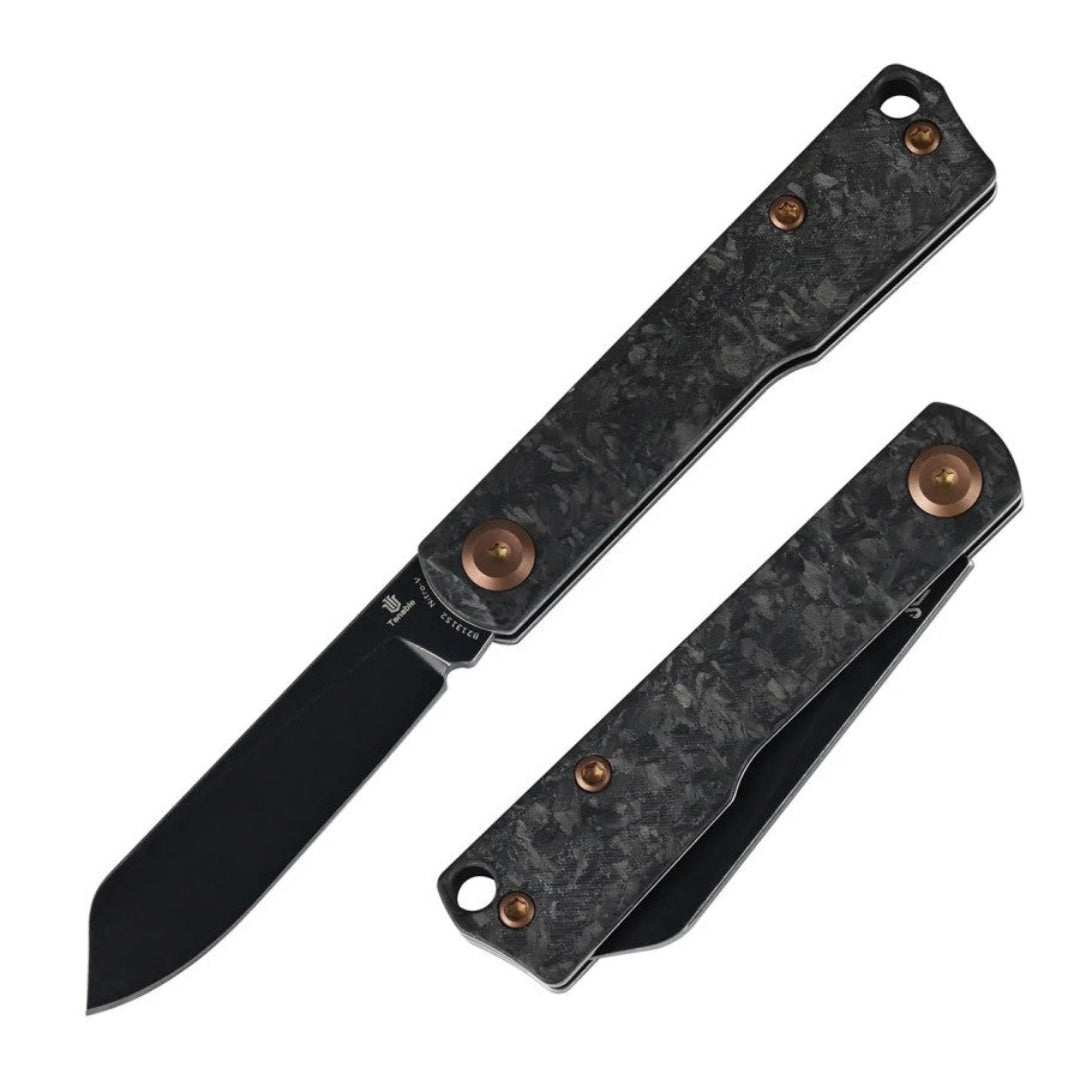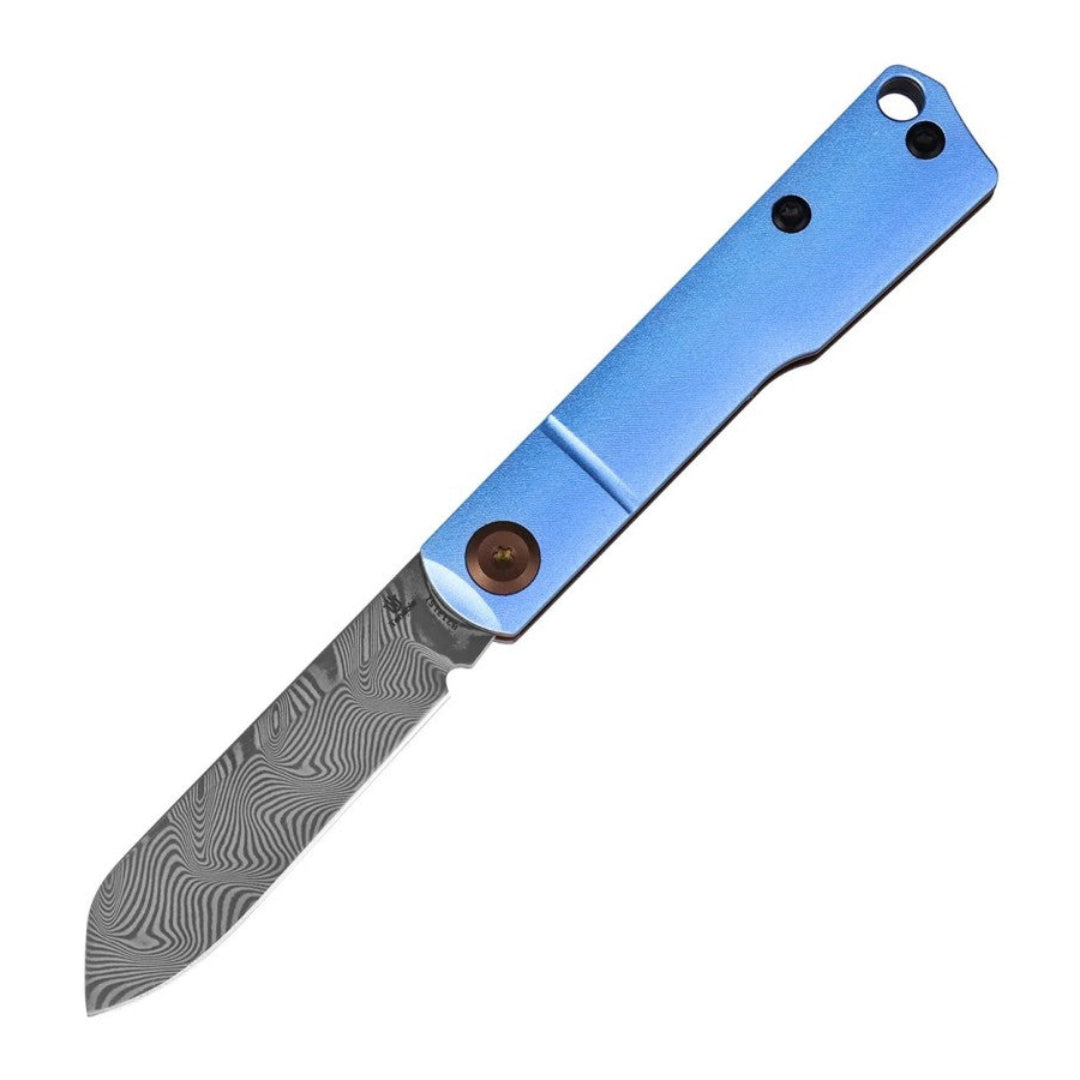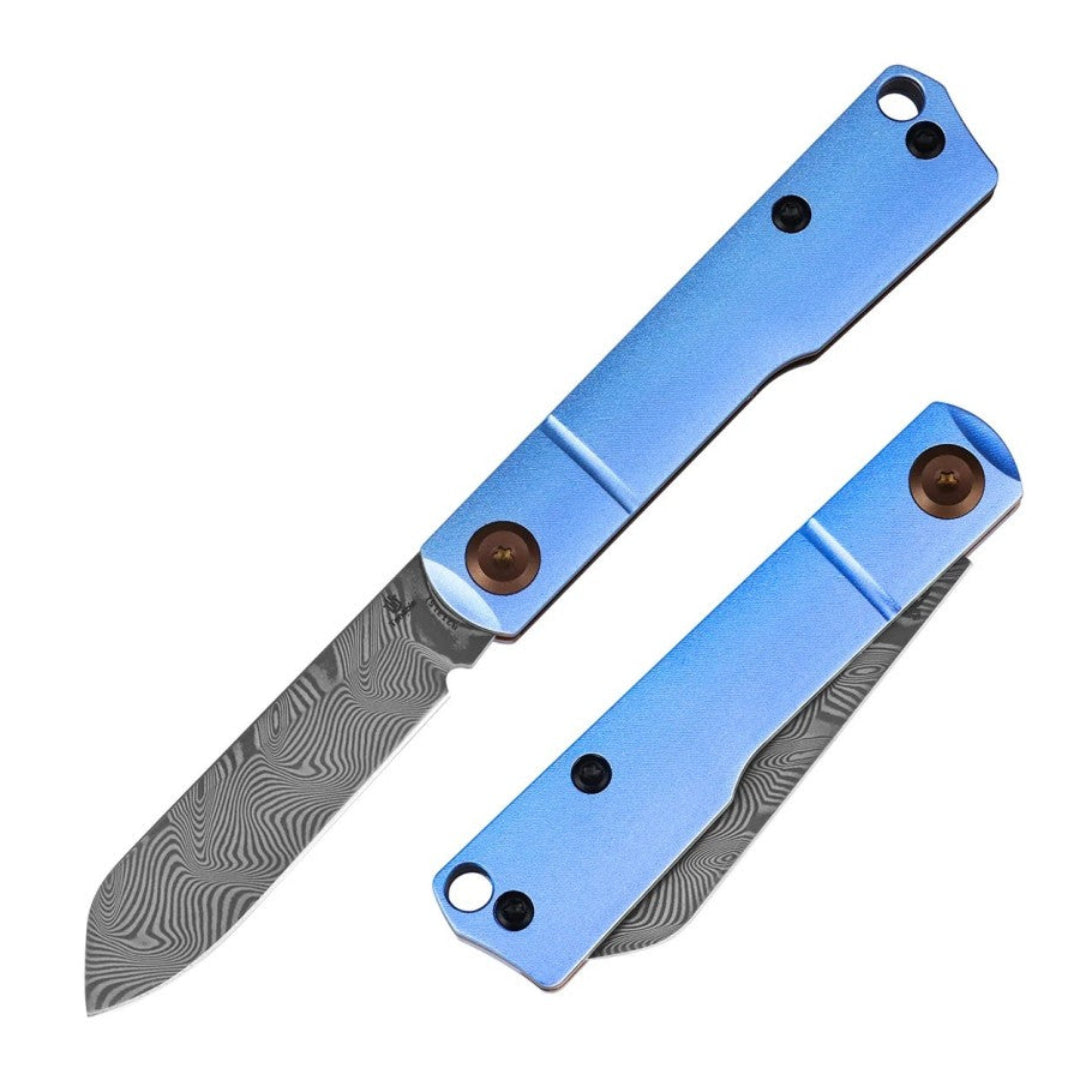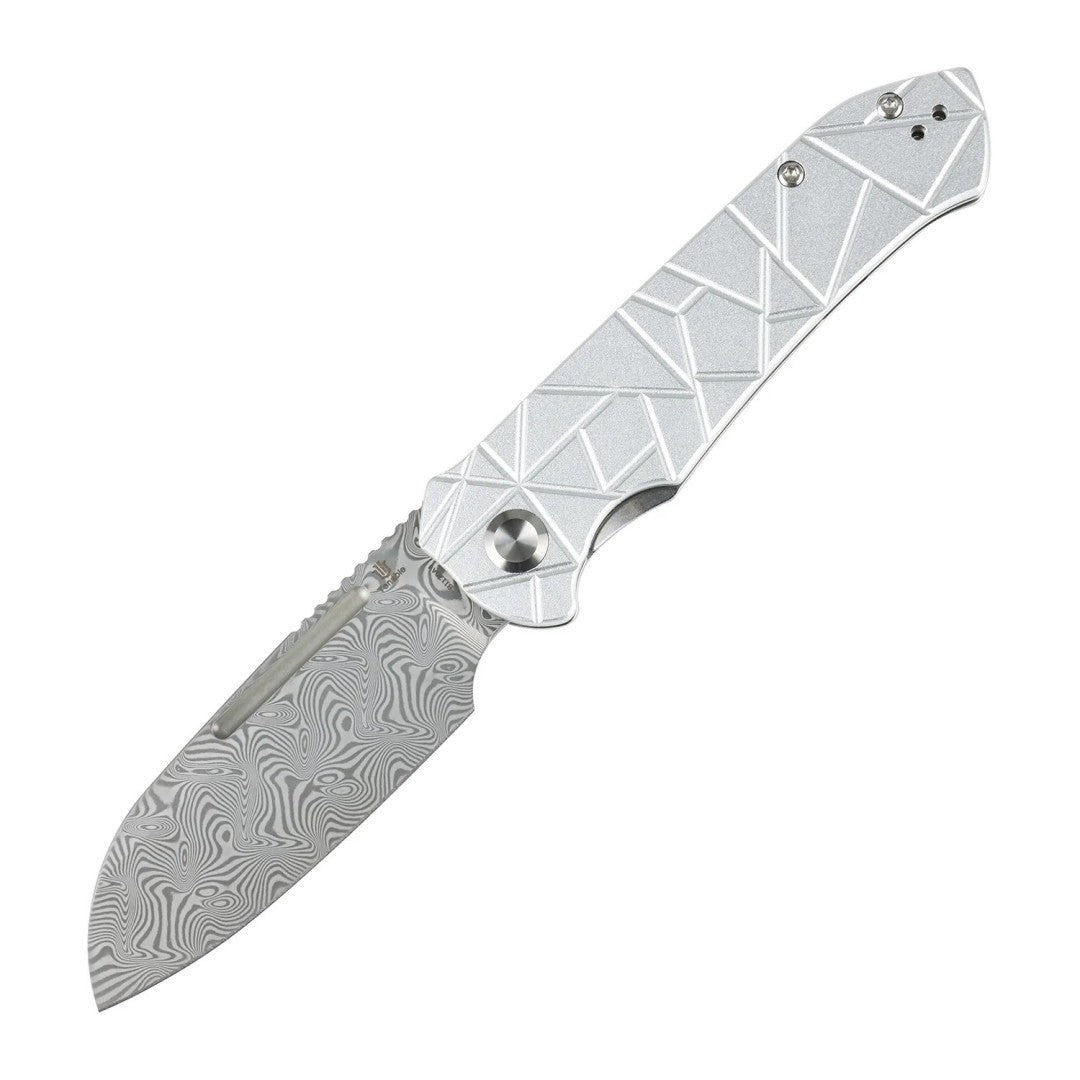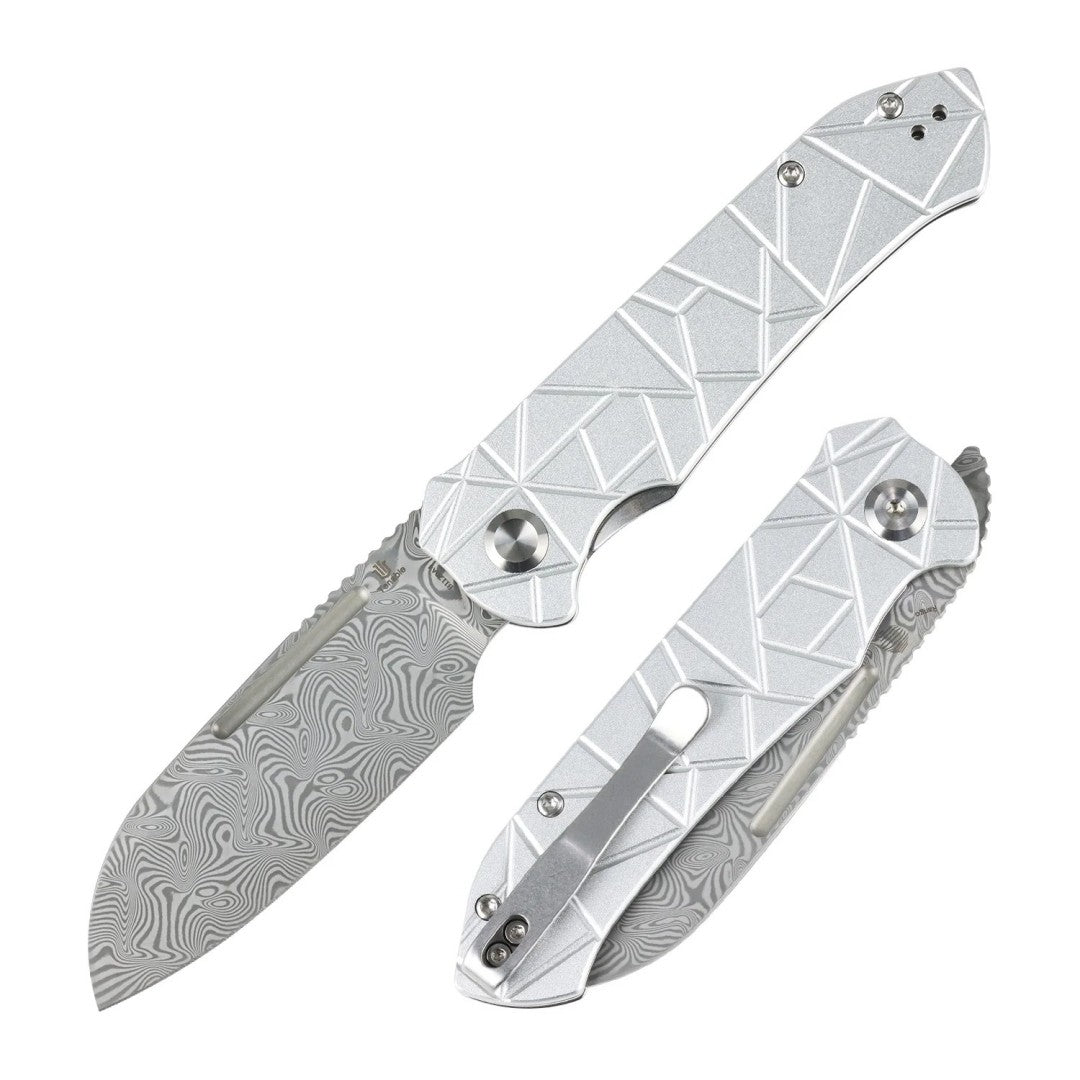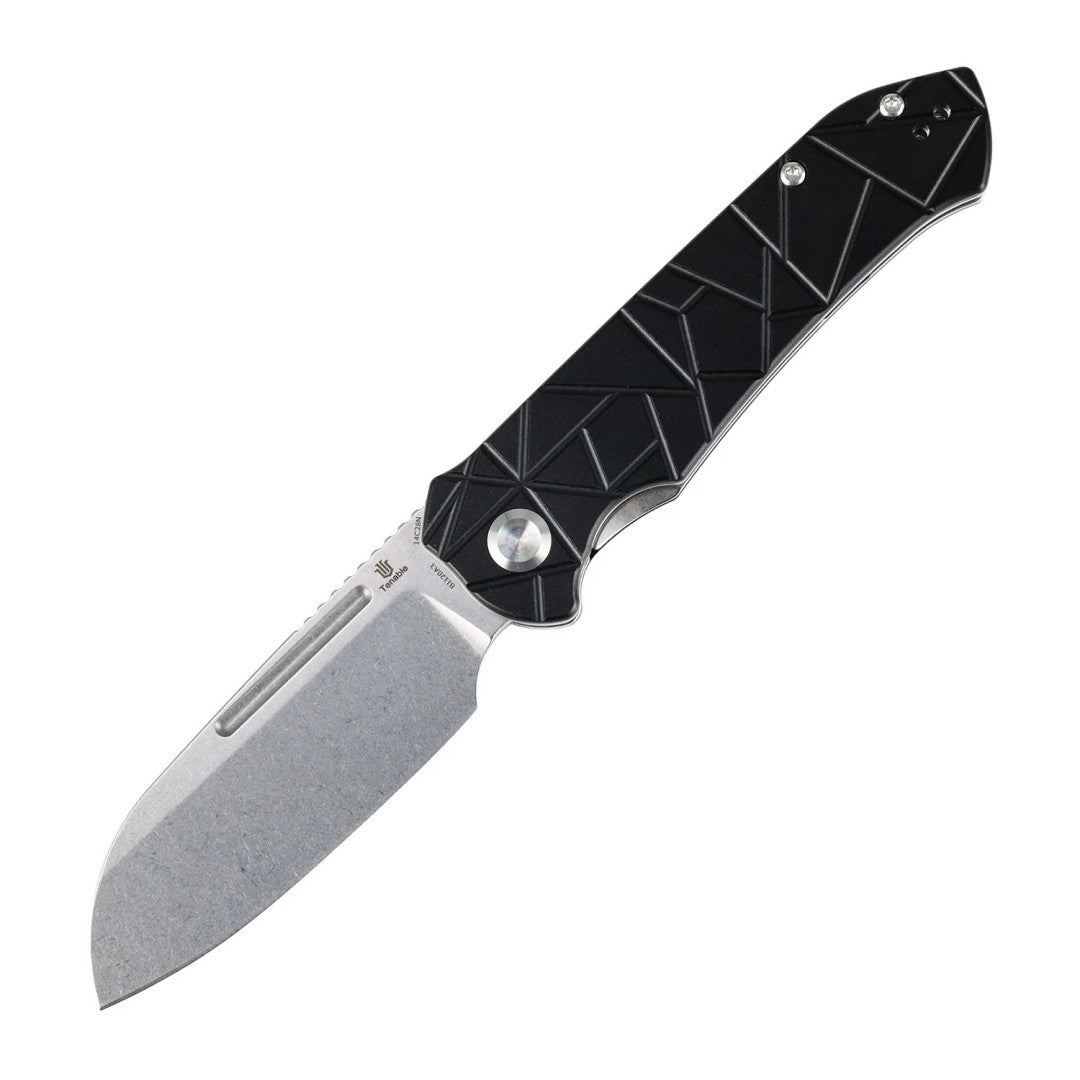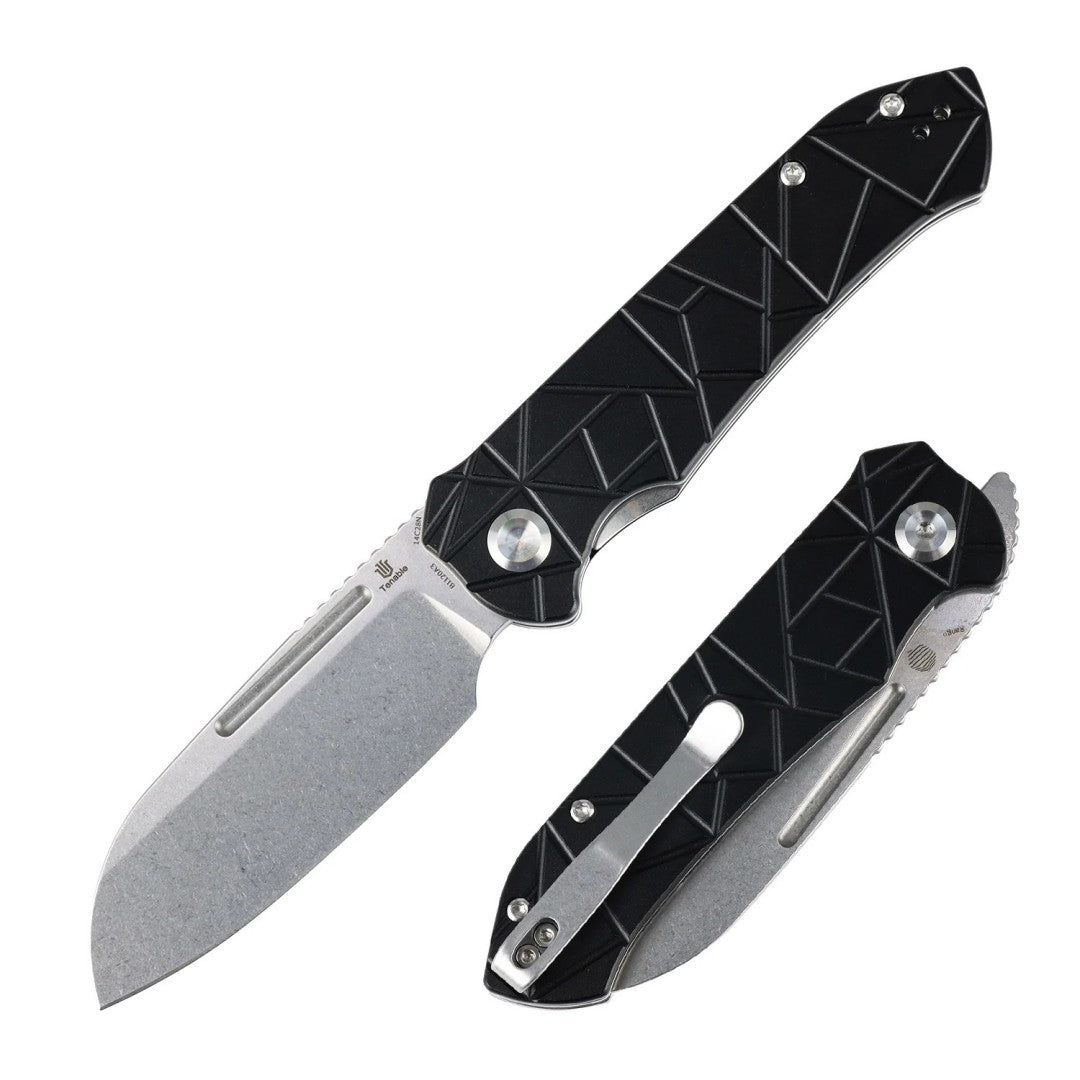
When it comes to choosing a high-quality steel for your knife, the decision between CPM-S35VN and CTS-BD1 can be challenging. Both are premium stainless steel options that have earned strong reputations among knife enthusiasts and professionals. Understanding the strengths and weaknesses of each will help you determine which is the better choice for your specific needs.
CPM-S35VN: The Balanced Performer
CPM-S35VN is a powder metallurgy stainless steel developed by Crucible Industries. It's known for striking an excellent balance between edge retention, corrosion resistance, and ease of sharpening. This steel has become a favorite among knife manufacturers and users who want a reliable, all-around performer.
One of the standout features of CPM-S35VN is its superior corrosion resistance compared to many other premium steels. This makes it an excellent choice if you plan to use your knife in wet environments or coastal areas. The steel also offers good edge retention, meaning your blade will stay sharp through extended use. Additionally, CPM-S35VN is relatively easy to sharpen, which is a practical advantage for everyday users who prefer not to send their knives out for professional maintenance.
CTS-BD1: The Toughness Champion
CTS-BD1 is a Japanese stainless steel that prioritizes toughness and ease of sharpening. It's manufactured by Carpenter Technology and has gained popularity for its exceptional durability and resistance to chipping or breaking under stress.
CTS-BD1 excels in situations where your knife might experience impact or heavy use. The steel is notably easier to sharpen than CPM-S35VN, making it ideal if you prefer quick touch-ups at home. However, it doesn't retain an edge quite as long as CPM-S35VN, and its corrosion resistance is slightly lower, though still respectable for a stainless steel option.
Head-to-Head Comparison
Edge Retention: CPM-S35VN takes the advantage here. It holds an edge longer than CTS-BD1, making it better for tasks requiring sustained sharpness.
Corrosion Resistance: CPM-S35VN is the clear winner. If you need a knife that can handle moisture and harsh conditions, this steel is more reliable.
Ease of Sharpening: CTS-BD1 is easier to sharpen. If you prefer quick maintenance without special equipment, this steel is more user-friendly.
Toughness: CTS-BD1 is tougher and more resistant to chipping. It's better suited for heavy-duty work and impact scenarios.
Which Should You Choose?
The answer depends on your intended use. Choose CPM-S35VN if you want a versatile, corrosion-resistant blade that maintains its edge well and performs reliably in various conditions. It's ideal for everyday carry, outdoor adventures, and situations where you might encounter moisture.
Choose CTS-BD1 if you prioritize toughness and ease of maintenance. It's better suited for heavy-duty work, tactical applications, or if you prefer a steel that's simple to sharpen at home without specialized tools.
Both steels are excellent choices from reputable manufacturers. Your final decision should be based on which characteristics matter most to your specific use case and personal preferences.